Machine Learning for the Genetic Engineering of Fungal Secondary Metabolite Clusters: A Novel Framework for Alien Communication
The Search for Extraterrestrial Intelligence (SETI) has long scanned the skies for radio signals. But what if an advanced civilization's signature isn't a broadcast, but a biological program?
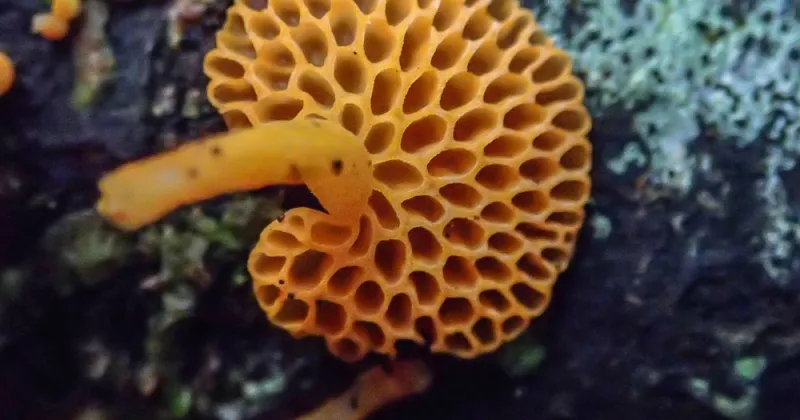
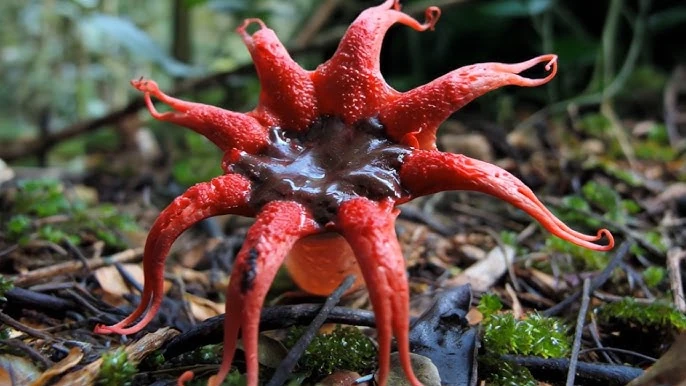
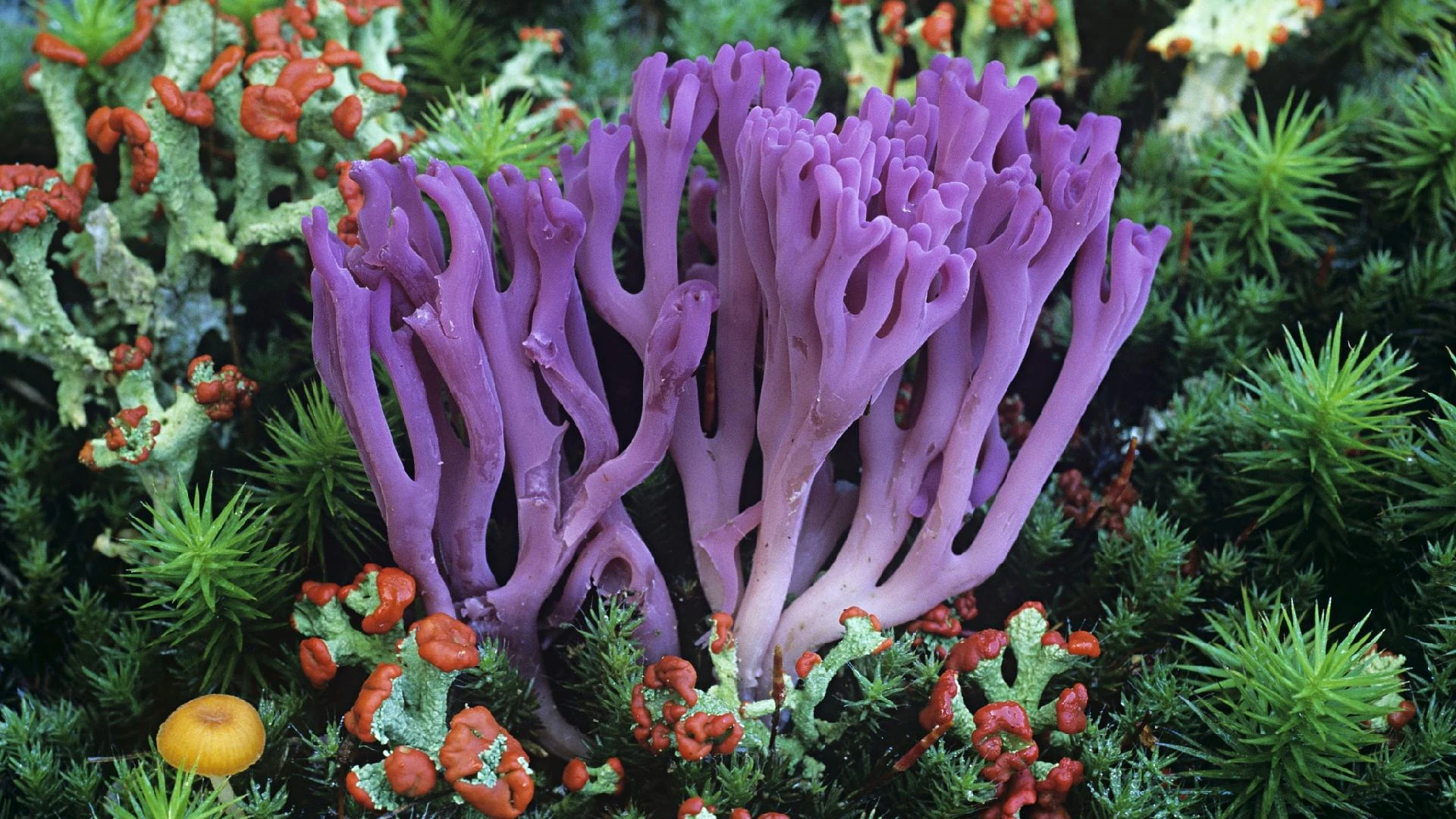
Hypothesis
Mastery over a planet's biology is the ultimate technology. Instead of fleeting electromagnetic waves, a persistent, self-replicating message could be encoded into the very blueprint of life - an engineered gene cluster in a hardy organism like a fungus, designed to survive deep space and seed itself on new worlds.
Fungal Gene Clusters: Nature's Data Cassette
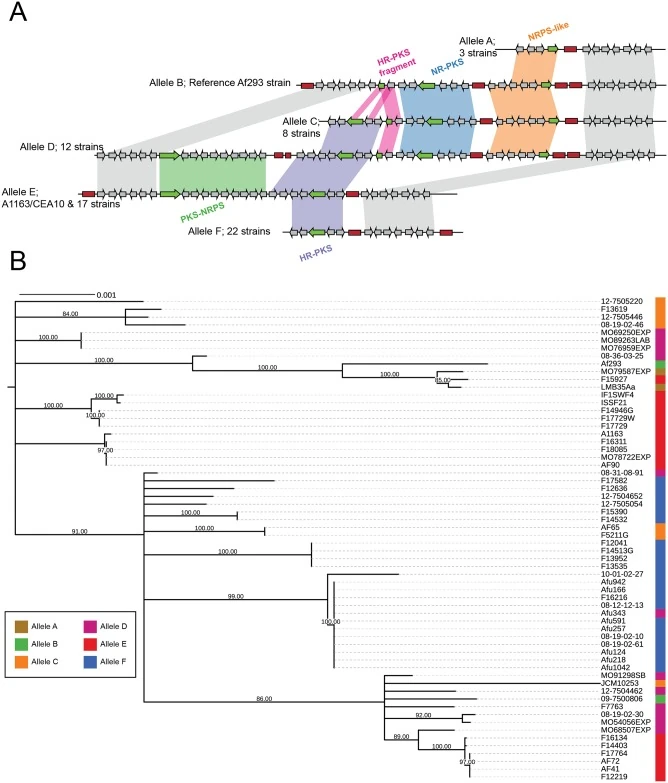
Fungal secondary metabolite (SM) clusters are modular genetic programs. Enzymes like Polyketide Synthases (PKSs) are built from domains (A-T-C-KR-ER-ACP...) in a precise order. This sequence is a code. In theory, it could be repurposed. A non-functional, hyper-complex cluster discovered in a space-borne spore might not be for making a toxin - it could be a biochemical QR code, a message etched in DNA that can last for eons and travel between stars.
Machine Learning is the Decoder
Decoding such a message, however, would be impossible by eye. It would require advanced machine learning—trained on every known natural and engineered biological pattern—to first recognize the cluster as artificially designed, then reverse-engineer its domain sequence into a payload: an image, a mathematical constant, a map.
This isn't just speculation - it's a new lens for our own research. As we use AI to genetically engineer fungal SM clusters for new drugs and materials, we are learning to write and read this deep language of biology. We are developing the very tools needed to one day ask: Is this fungus from Earth, or is it a message in a bottle, waiting for a reader smart enough to understand it?
We're not just engineering fungi. We're building the translator for a conversation that may have already begun.
