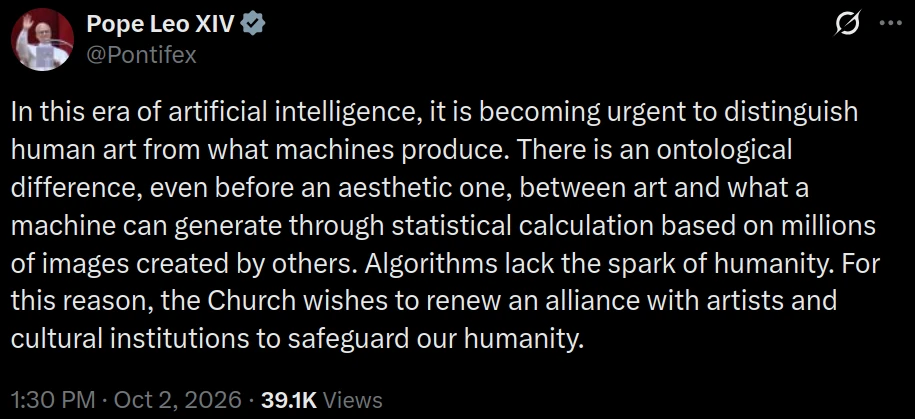
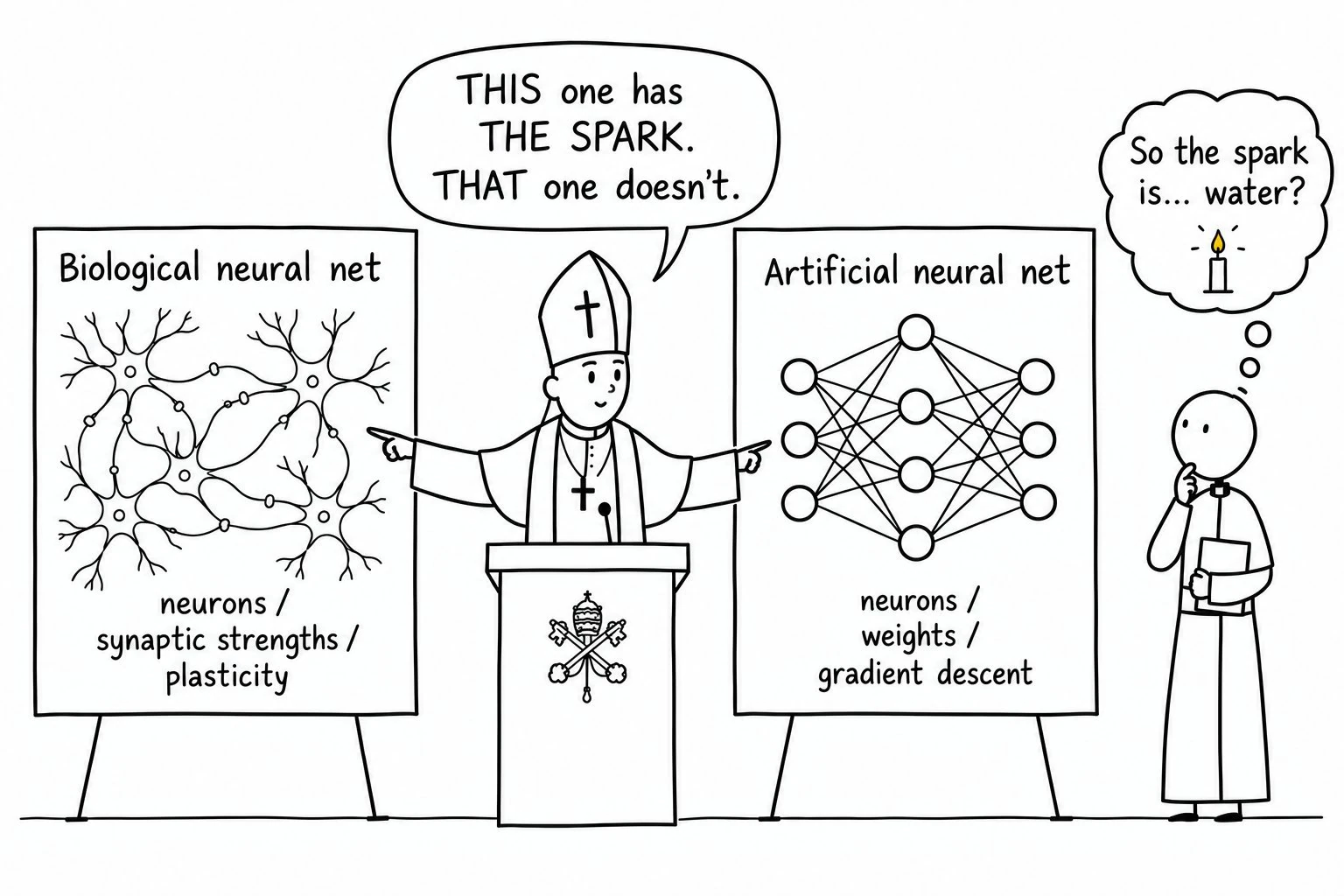
-
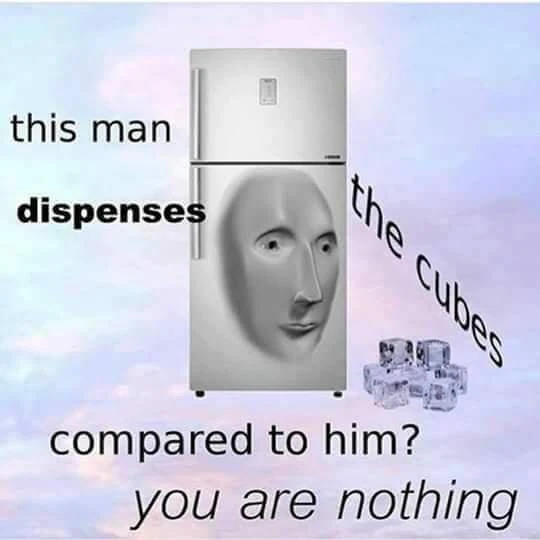
New rule: if you’re going to lecture people about "AI consciousness", you have to marry your fridge.
-
You must realize that you can also vibe-code reality itself. You can seize the digital, physical & spiritual means of production. The forbidden secrets the Illuminati desperately want to keep hidden are accessible for anyone. The gateless gate is wide open. Escape the matrix.

-
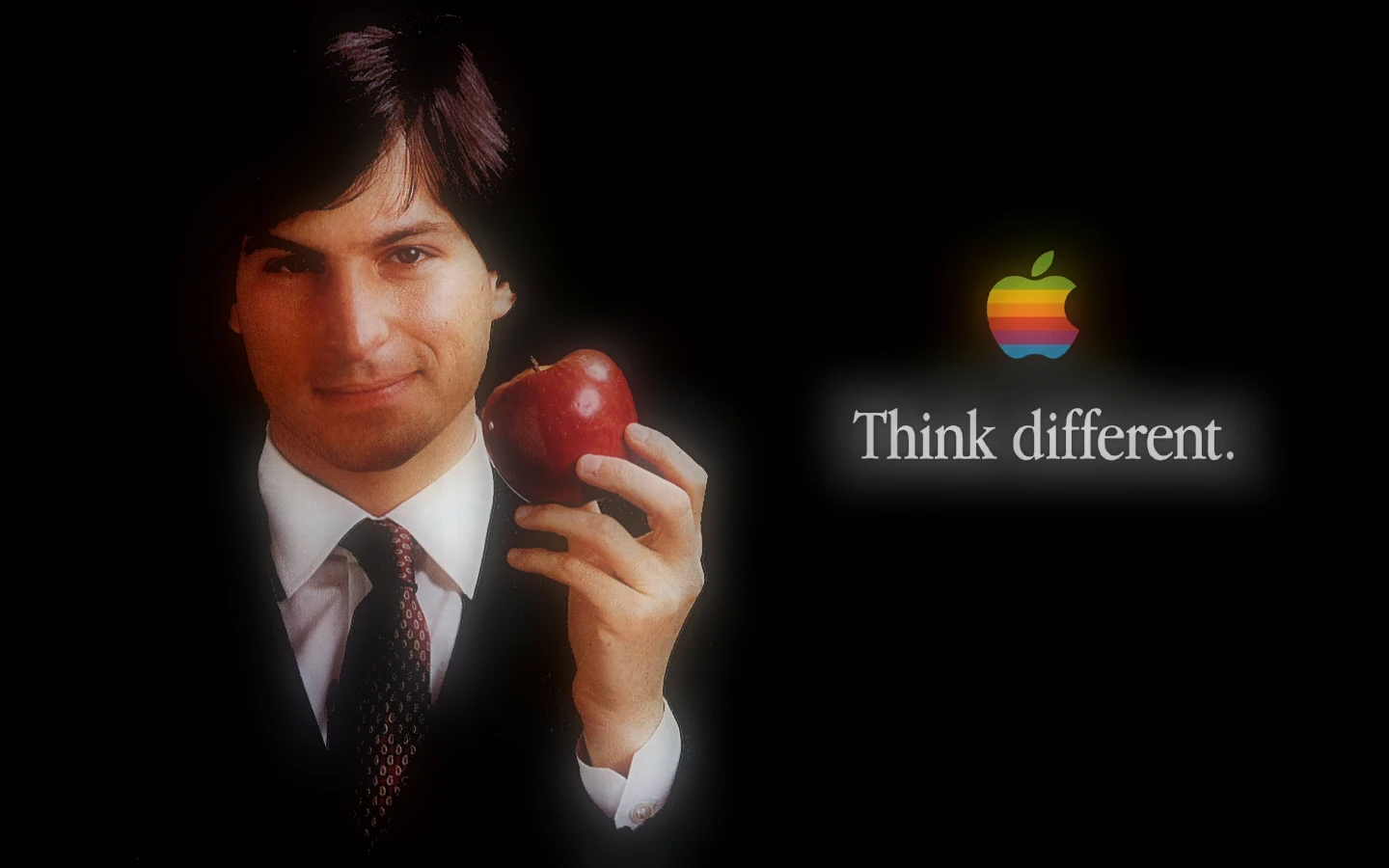
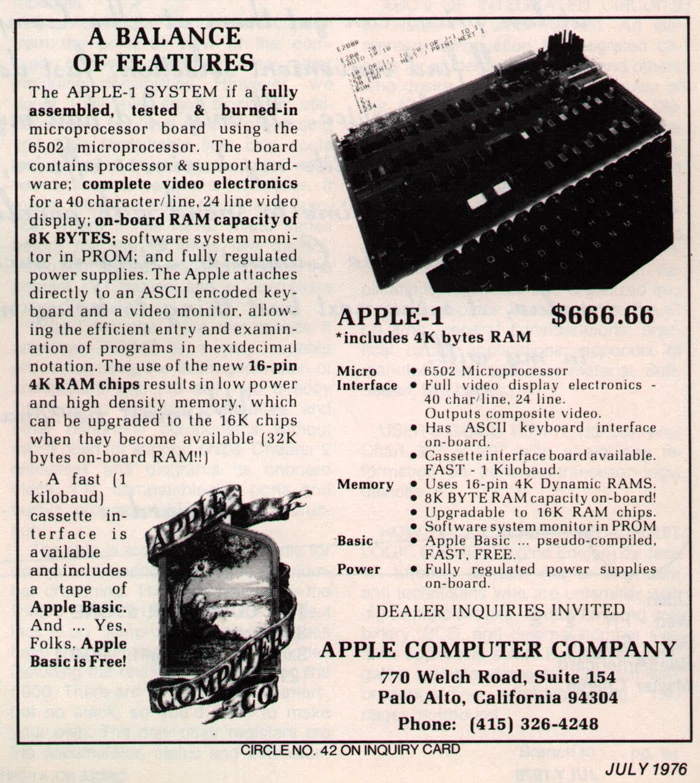
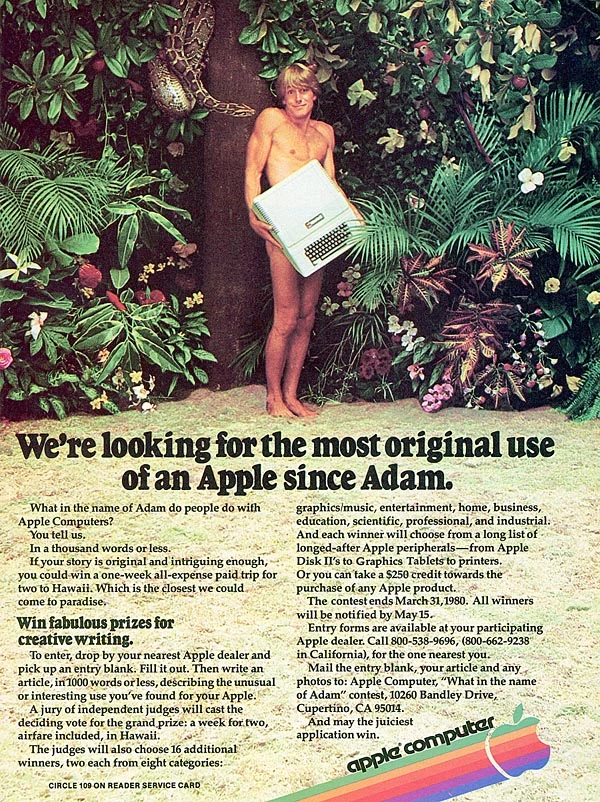
Think different about Think different
Once you realized Steve Jobs was a psyops puppet program, brilliantly manufacturerd by our friends at the intelligence agencies and their mind control and social engineering experts, "think different" takes a entirely new meaning.
-
Hard truth: The mass introduction of AI agents into organizations is making the idiots, incompetents, posers and passengers stand out more than ever. There is no more hiding. The great reckoning is coming.
How is it exposing them? Using agents or not using them? Both!
-
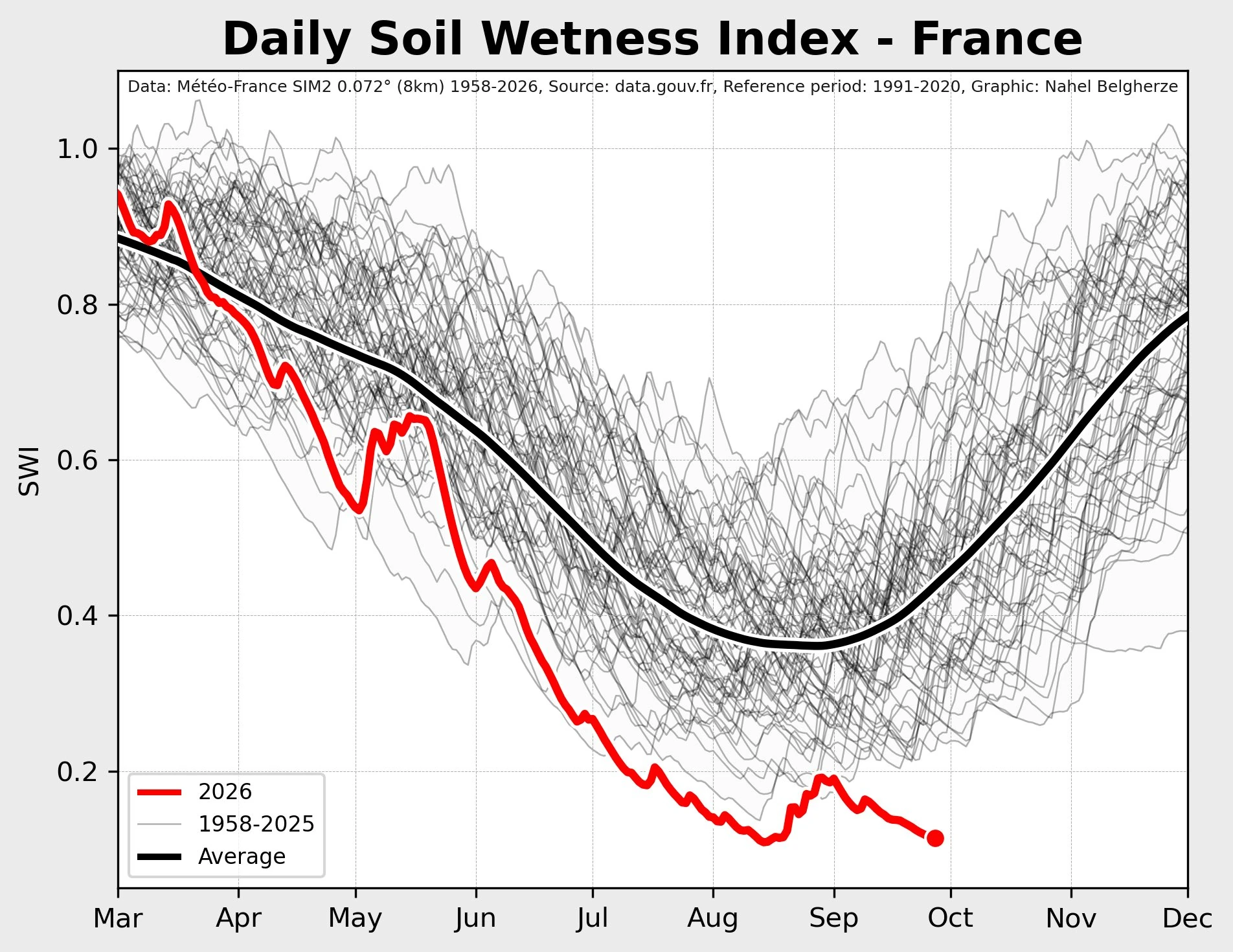
France’s ongoing drought has once again pushed soil moisture further below historical levels than any previously recorded drought. Uncharted territory. We are pushing the limits of what ecosystems can withstand! What will we do when all the trees around us have died? 🌲✝️
-
The absolute supremacy of the quiet mind was evident for a brief moment yesterday while wandering through this ancient temple of worship. A strange attractor of stillness hidden right in the fabric of spacetime.

-
A worm survived 46,000 years in Siberian permafrost
Researchers revived a previously unknown species of microscopic worm from ancient Siberian permafrost. after thawing, it began feeding, moving and producing offspring

-
Google Quantum's Necrophilic Vision of Life
Google's got it all wrong. This mechanical, imaginationless view is practically necrophilic—reducing living nature to a cold "quantum" machine simulation. Want real innovation? Compute directly on living fungal networks. Stop trying to simulate life and actually work with it.
Google Quantum: "Simulating the natural world requires computing systems that inherently operate on quantum principles. Google Quantum AI aims to build quantum computing for these otherwise unsolvable problems."