tag > ALife
-
Two interesting texts by A.E. Eiben and J.E. Smith:
Towards the Evolution of Things: https://www.cs.vu.nl/~gusz/papers/2016-SIGEVOlution-Newsletter-Evolution-of-Things.pdf
From evolutionary computation to the evolution of things:
https://www.cs.vu.nl/~gusz/papers/2015-From%20evolutionary%20computation%20to%20the%20evolution%20of%20things.pdf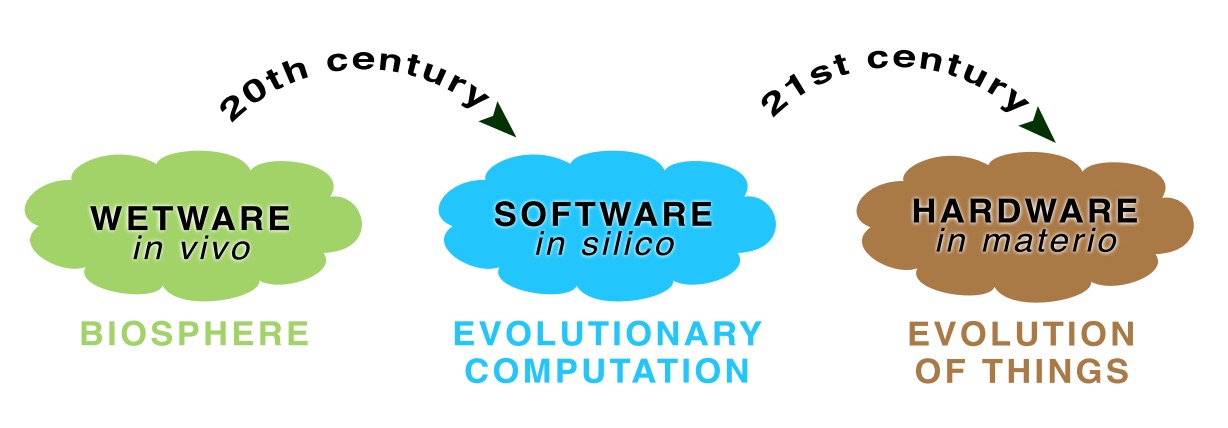
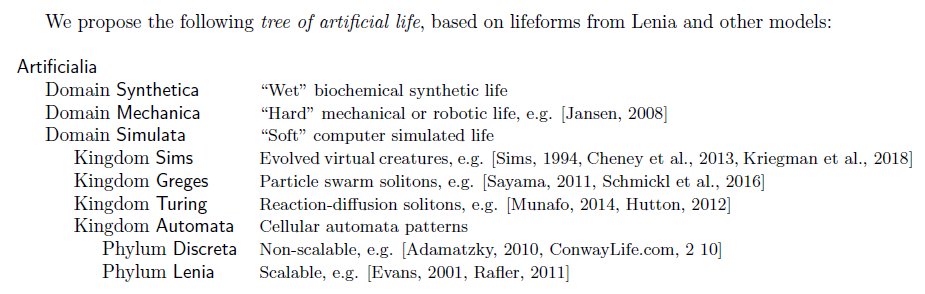
Related categorisation from Bert Chan:
-
Selection of Books and Videos by Peter J. Bentley:
Evolutionary Design by Computers (1999):
https://www.amazon.com/Evolutionary-Design-Computers-Cd-Rom/dp/155860605XCreative Evolutionary Systems (2001):
https://www.amazon.com/Creative-Evolutionary-Kaufmann-Artificial-Intelligence/dp/1558606734On Growth, Form and Computers (2003):
https://www.amazon.com/Growth-Form-Computers-Sanjeev-Kumar/dp/0124287654Embracing Randomness:
The Future of AI:From Spotting Trends to Modelling Friends:
-
Evolutionary Art - talk by William Latham. #ALife
-
Inside Alternative Machine: https://medium.com/evertale-english/alternative-machine-7058e71be53 #ALife

-
Evolved Virtual Creatures as Content: Increasing Behavioral and Morphological Complexity - Dissertation by Daniel Gregory Lessin (2015): #ALife
http://nn.cs.utexas.edu/downloads/papers/lessin.phd14.pdf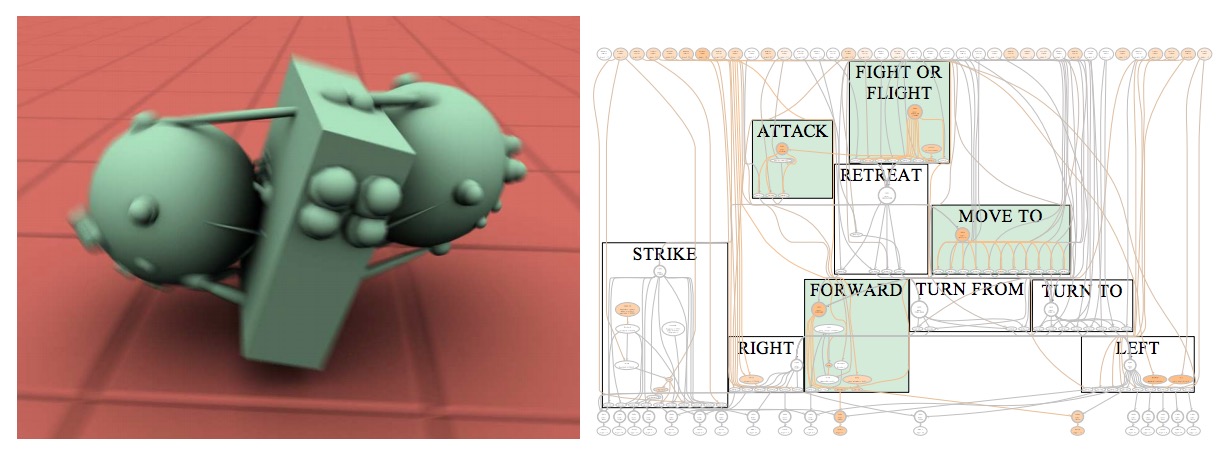
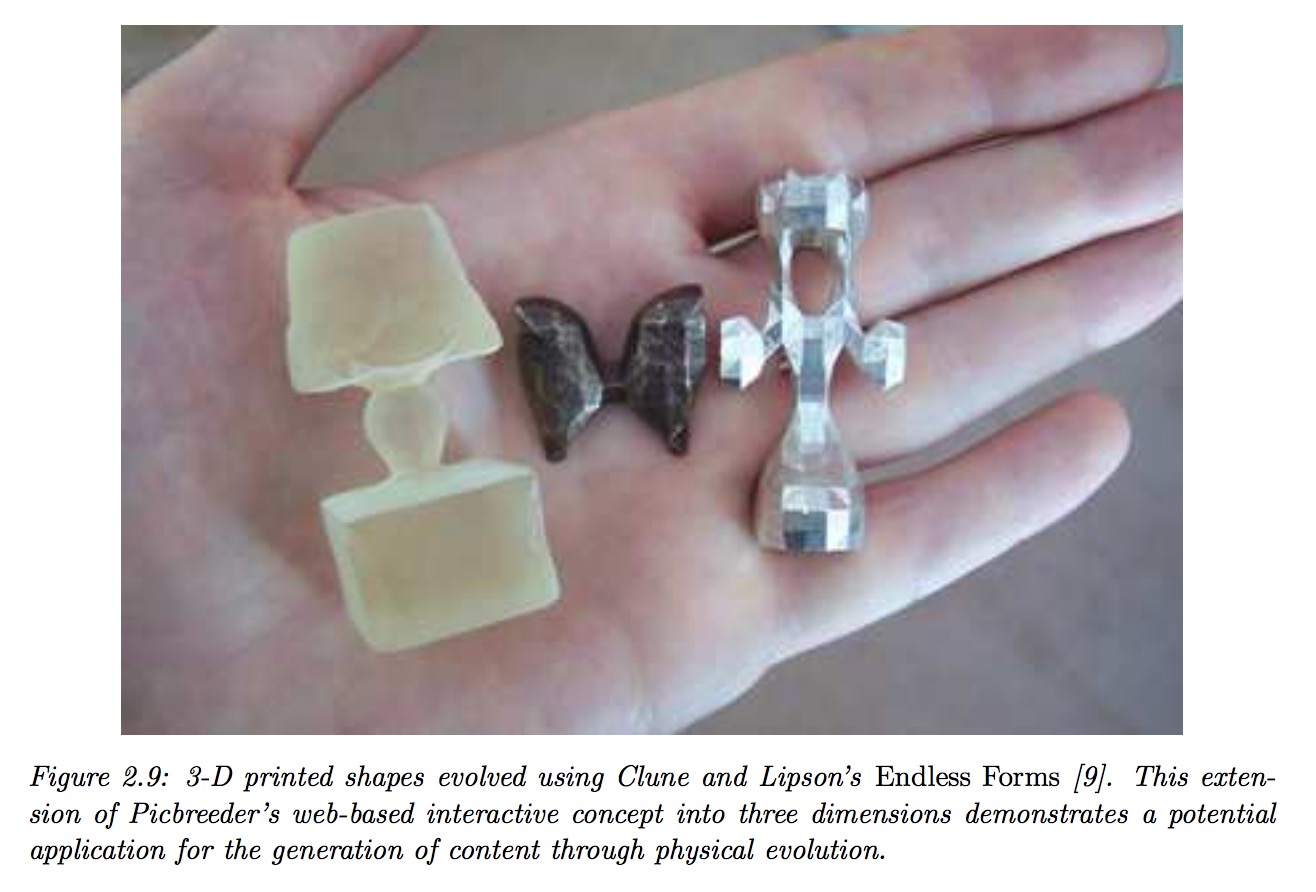
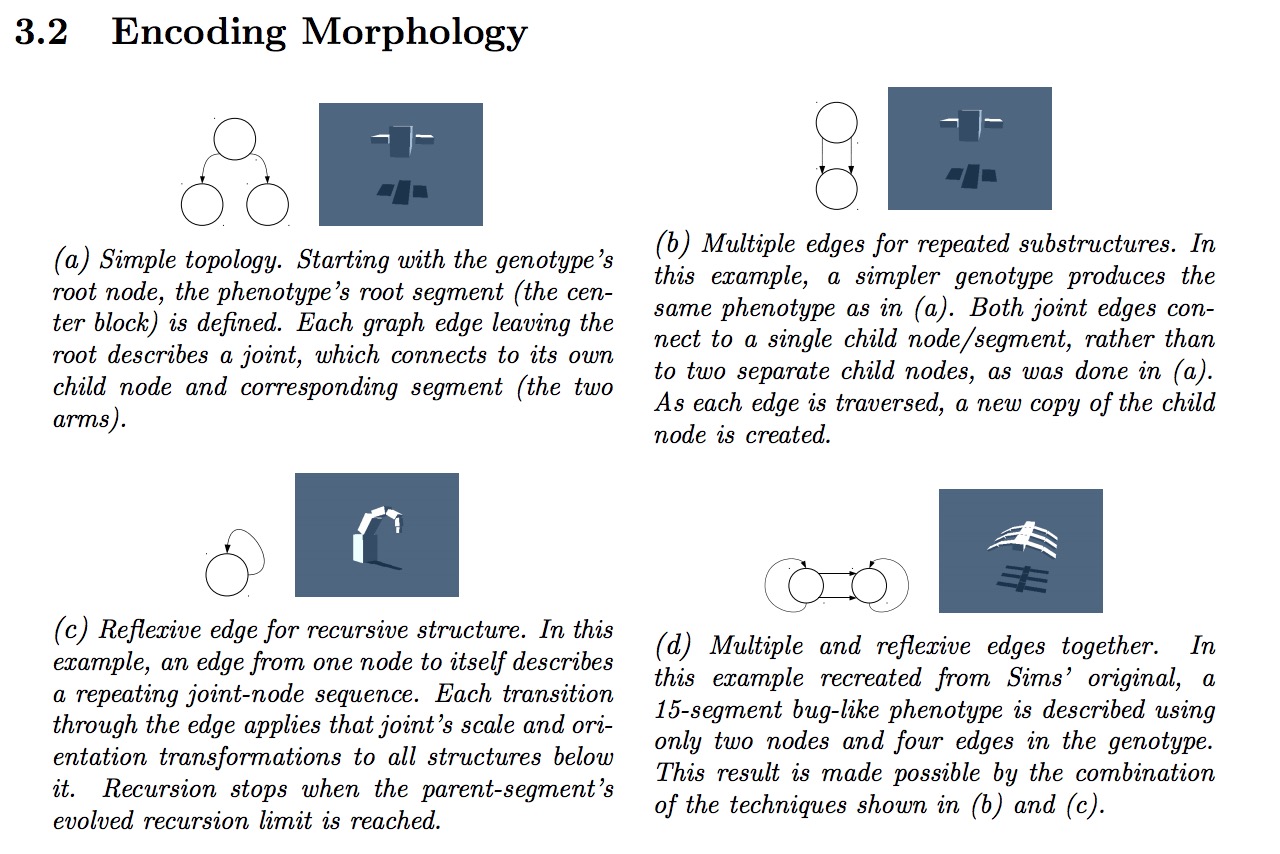
-
Learning Bicycle Stunts: https://www.cc.gatech.edu/~turk/my_papers/bicycle_stunts.pdf
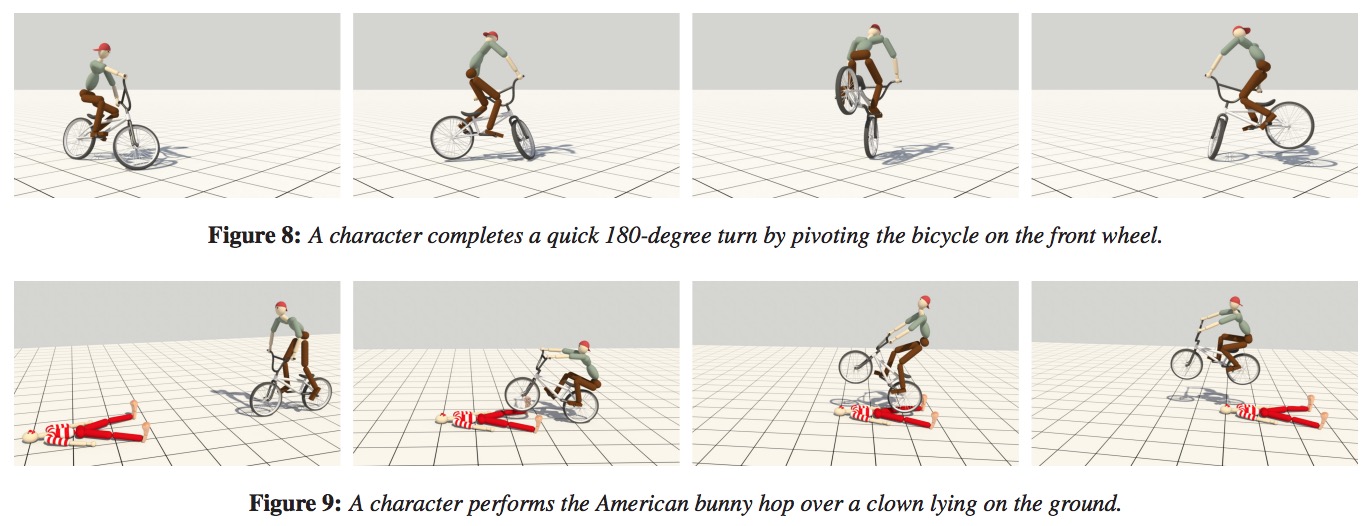
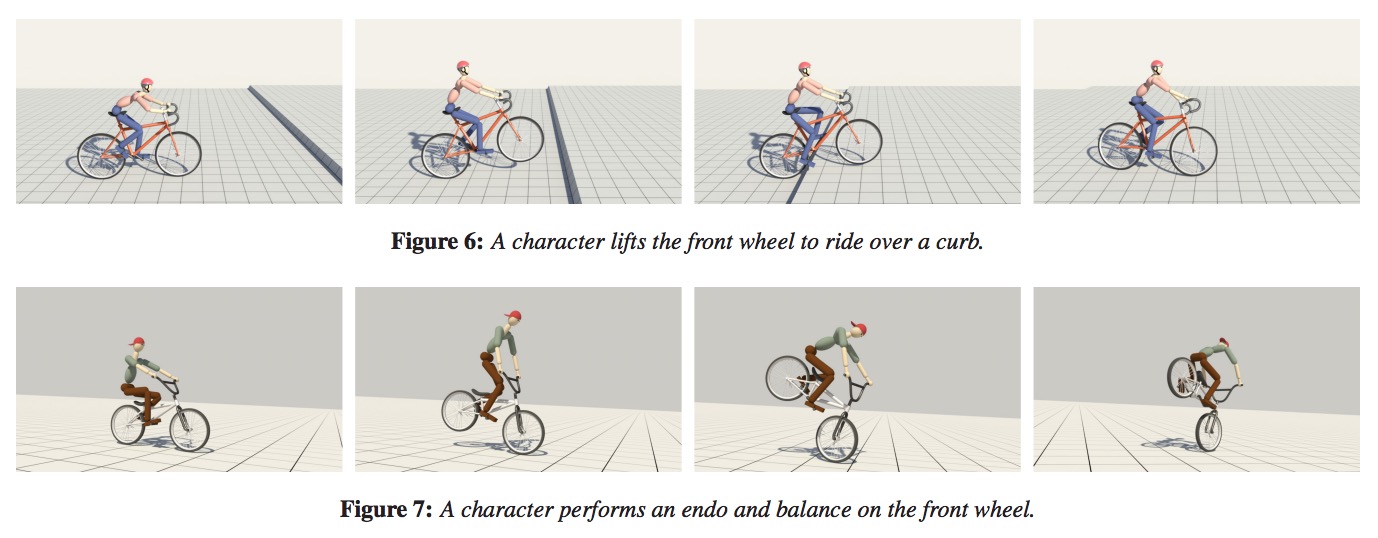
-
Simultaneous incremental neuroevolution of motor control, navigation and object manipulation in 3D virtual creatures - by Adam James Stanton. #ALife
http://eprints.keele.ac.uk/4238/1/StantonPhD2017.pdf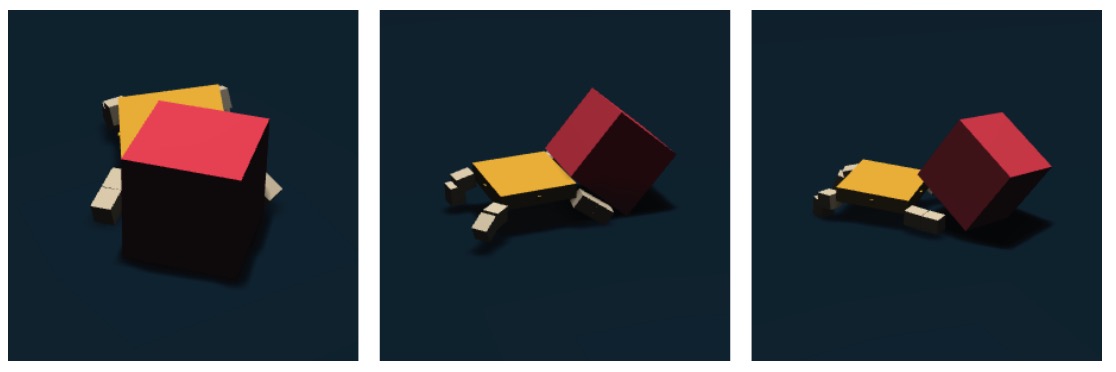
-
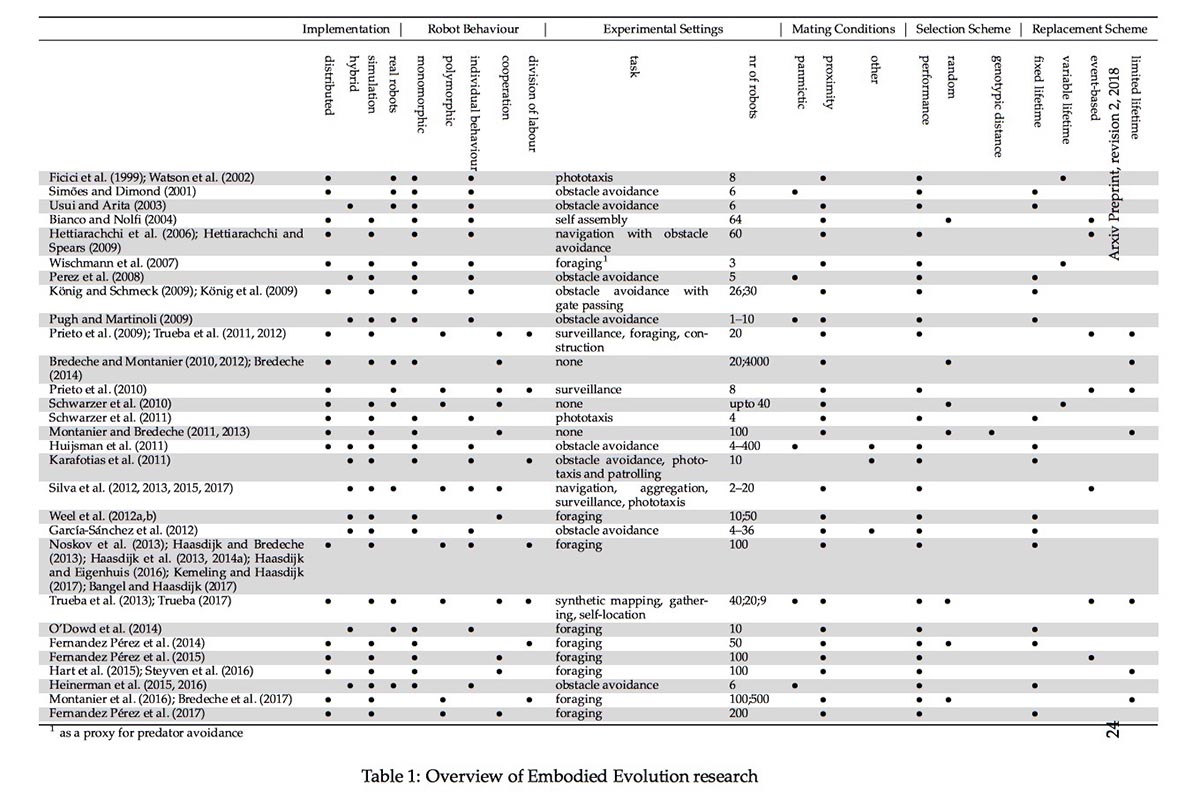
Embodied Evolution in Collective Robotics - A Review: https://arxiv.org/pdf/1709.08992.pdf
-
Creativity and #ALife - by Margaret A. Boden (2015):
https://www.mitpressjournals.org/doi/10.1162/ARTL_a_00176
http://sci-hub.tw/https://dl.acm.org/citation.cfm?id=2826477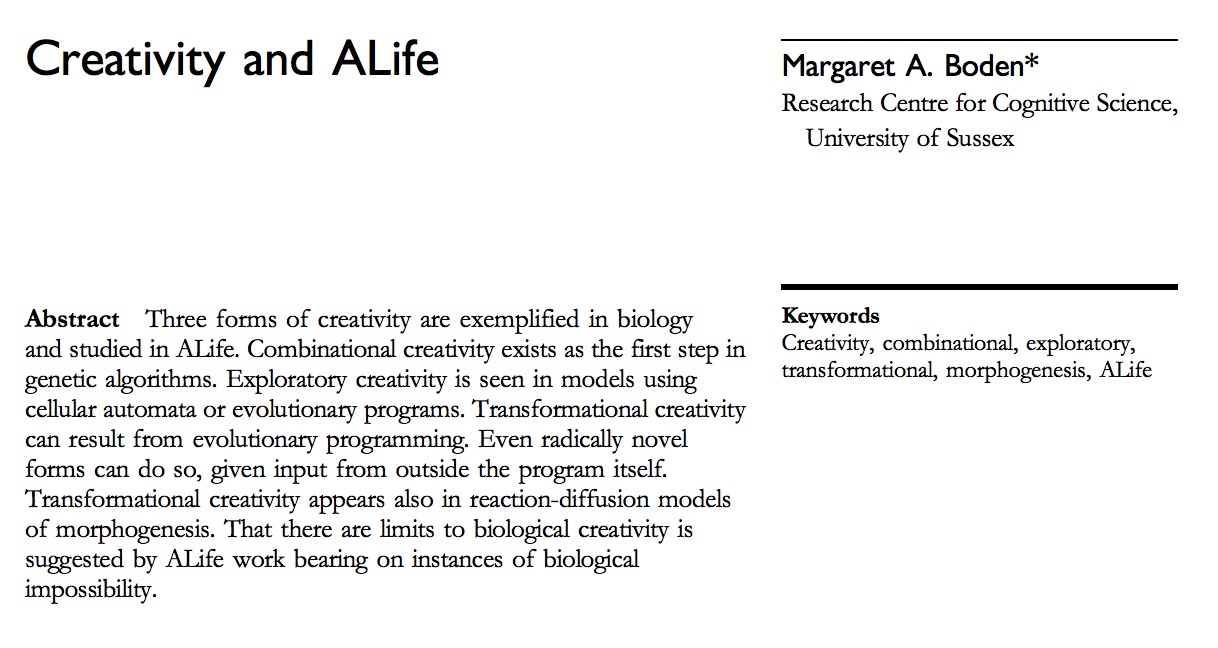
-
Cyborg dancing: generative systems for man-machine musical improvisation - by Alice Eldridge: https://www.semanticscholar.org/paper/Cyborg-dancing-%3A-generative-systems-for-man-machine-Eldridge/a0caa01871c1754637fa39b9984e07204129aa41
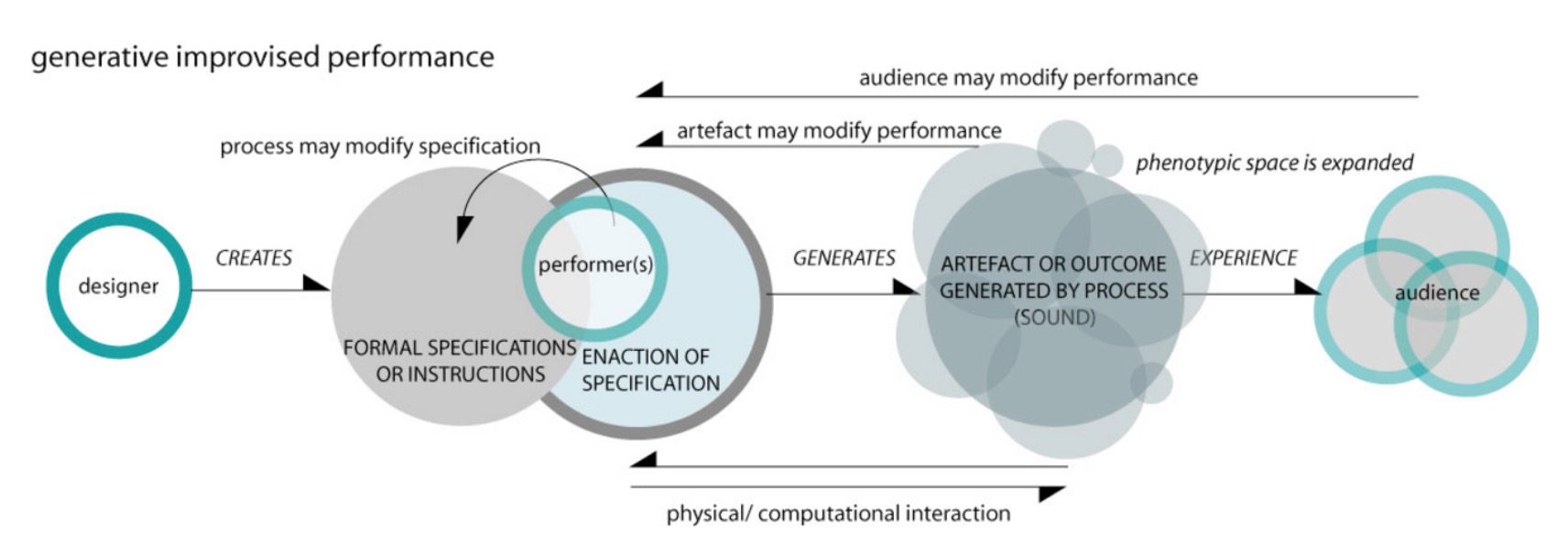
One of the major motivating forces in generative art is the desire to explore uncharted spaces, to create artefacts that escape the designer’s control: to attain emergence. This paper focuses on the design of digital systems that would be suitable partners for man-machine collaborative exploration of these spaces.
-
The Blurring of Art and #ALife - by Jon Bird and Andy Webster (2001):
https://pdfs.semanticscholar.org/6c4a/c6bb3798f607be5f6a253c1c5f1b4e9e698a.pdf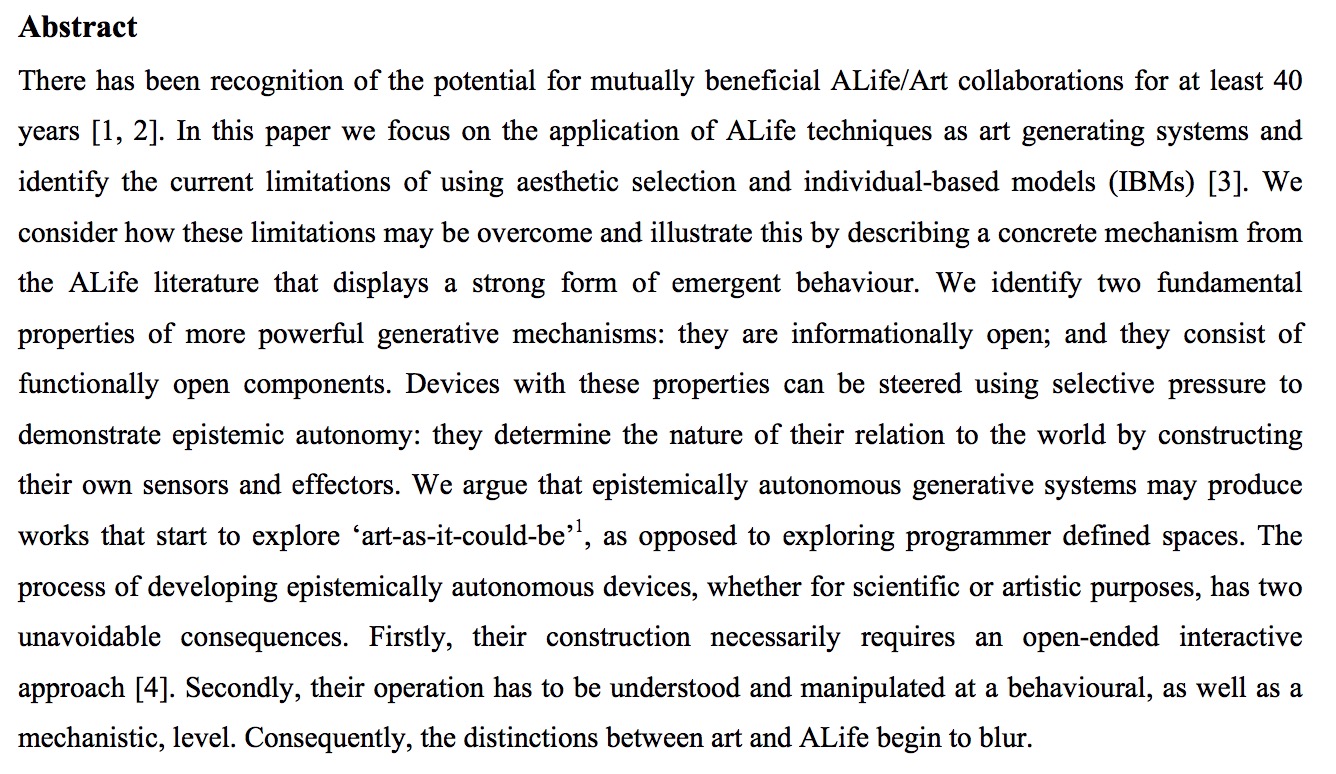
“the task, for oneself and for others, is to restore participation in the natural design through conscious emulation of its nonartistic features.” --- Allan Kaprow
-
Born to Learn: the Inspiration, Progress, and Future of Evolved Plastic Artificial Neural Networks - by Andrea Soltoggio, Kenneth O. Stanley, Sebastian Risi: #ML #ALife
http://sebastianrisi.com/wp-content/uploads/soltoggio_nn18.pdf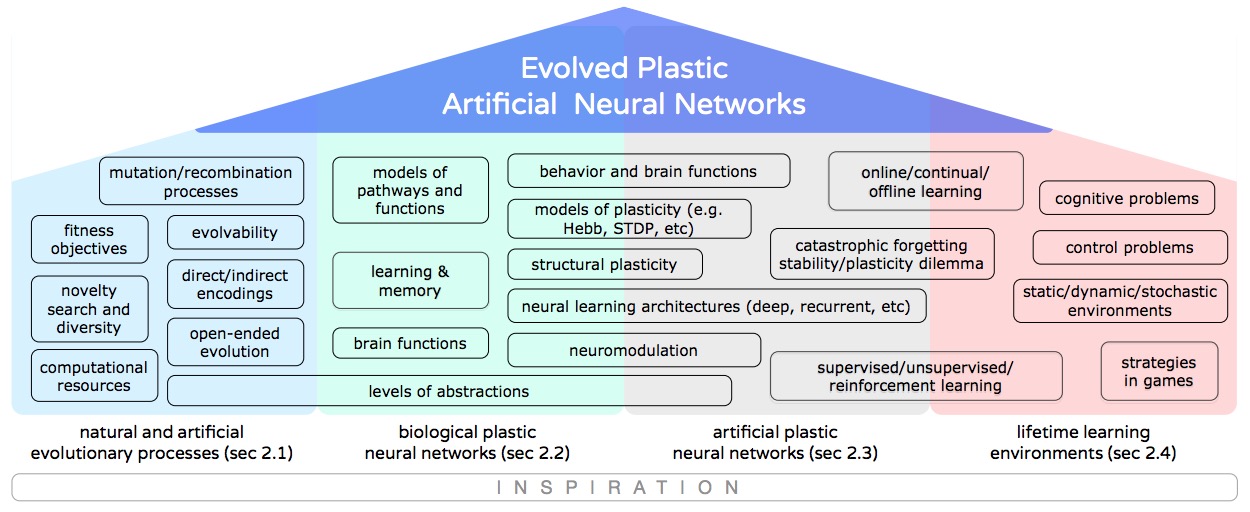
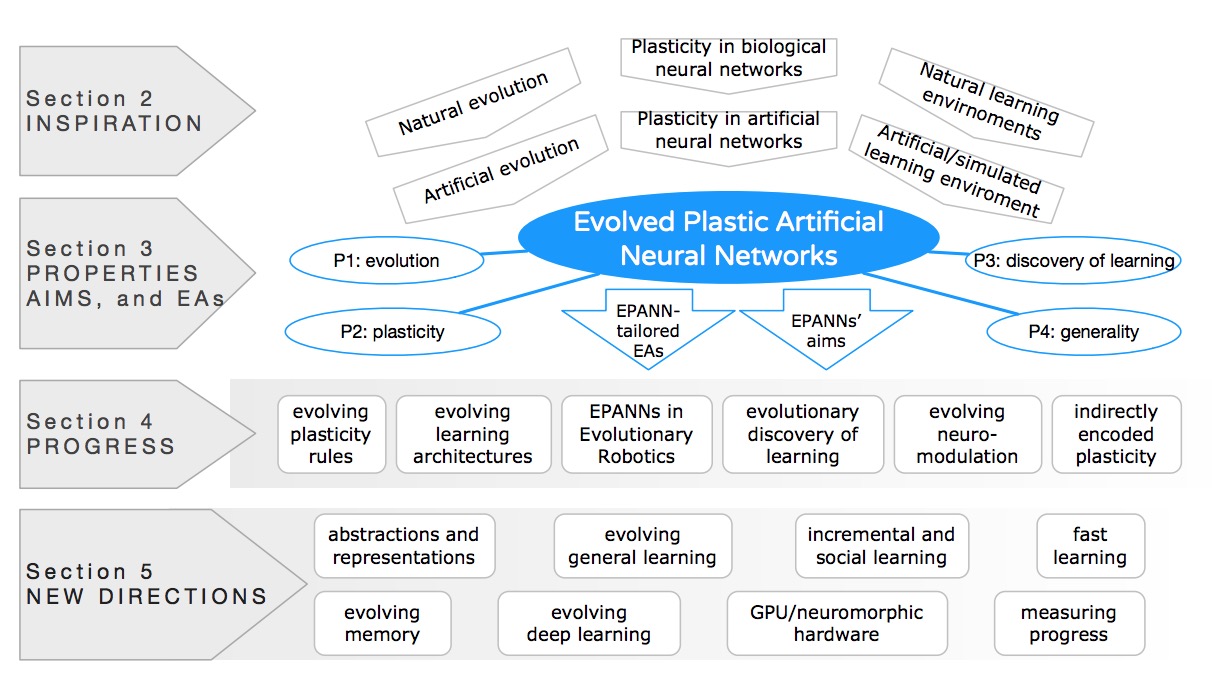
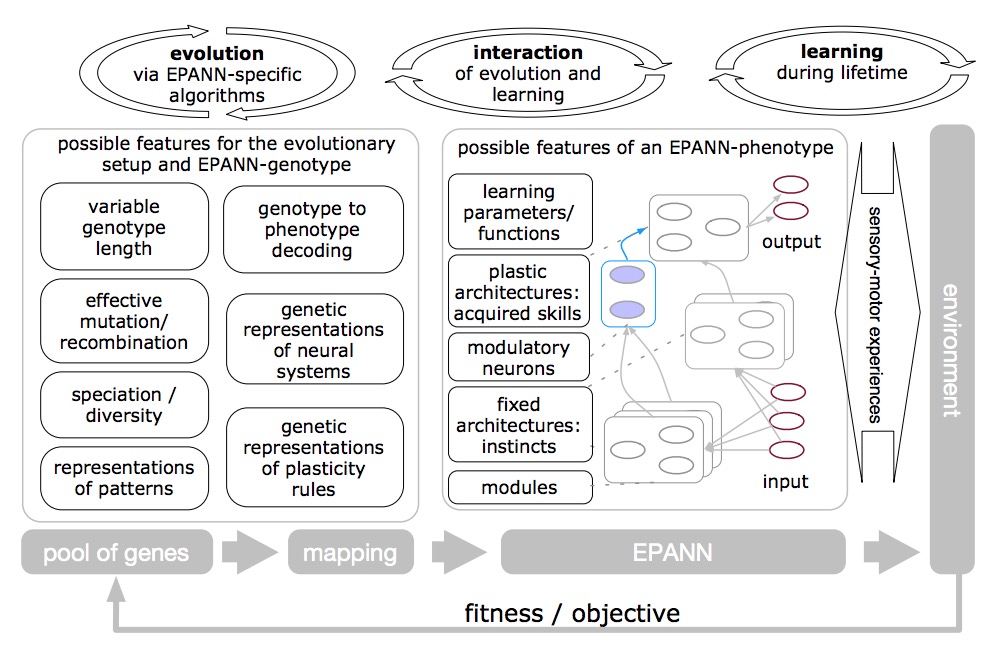
EPAN - Evolutionary Plastic Artificial Neural Networks:
https://github.com/chadwcarlson/epann -
On the age of computation in the epoch of humankind:
https://www.nature.com/articles/d42473-018-00286-8We live in a moment of profound transitions caused by the accelerating dynamics of planetary change. The digital transformation is an important driver of this dynamics which we need to better understand.
-
Project Tierra: https://en.wikipedia.org/wiki/Tierra_(computer_simulation) - by Thomas S. Ray
Tierra is a computer simulation developed by ecologist Thomas S. Ray in the early 1990s in which computer programs compete for time (central processing unit (CPU) time) and space (access to main memory). In this context, the computer programs in Tierra are considered to be evolvable and can mutate, self-replicate and recombine. Tierra's virtual machine is written in C.[1] It operates on a custom instruction set designed to facilitate code changes and reordering, including features such as jump to template[2].
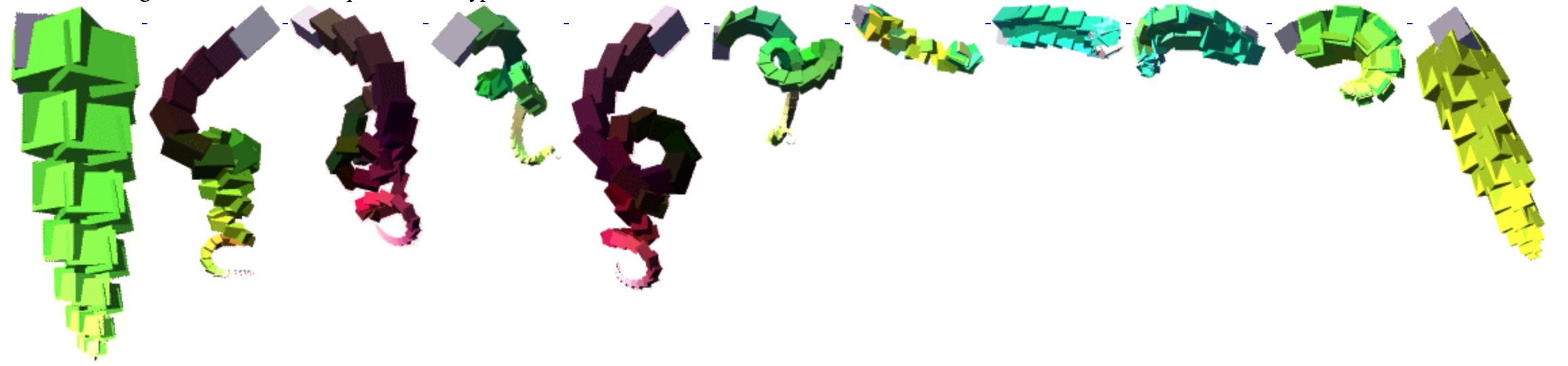
Aesthetically Evolved Virtual Pets: http://life.ou.edu/pubs/alife7a/
Aesthetic, emotional, and empathetic selection are applied to a derivative of Karl Sims' Evolved Virtual Creatures. The resulting Creatures can be beautiful or strange, and provoke strong reactions in human observers. It may be possible to evolve virtual pets to which humans can form strong emotional bonds.


-
Huegene: An Alife Coevolutionary Model - by Dave Ackley:
http://robust.cs.unm.edu/doku.php?id=ulam:demos:coevolution #ALife -
Darwin’s Avatars: a Novel Combination of Gameplay and Procedural Content Generation:
http://sebastianrisi.com/wp-content/papers/lessin_gecco15.pdf #ALife #ML #Games -
nor:dyebirth - an installation, designed by tokyo-based studio nor, that constantly creates organic patterns through digitally controlled physical phenomena produced by the mixture of water, ink, and chemical substances. #ALife #Art #Generative #Robot
-
Tentacle Flora - Robotic Sculpture (2018): http://nakayasu.com/?portfolio=tentacle-flora
The Tentacle Flora is a robotic sculpture inspired by a vision of a colony of the sea anemone growing on the coral. A shape-memory alloy actuator is used as tentacles and is composed of a BioMetal Fiber such that it can bend in three directions. The top of the actuator glows softly mimicking a bioluminescent organism using a full colored LED. The Tentacle Flora induces the beauty, wonder, and existence of living sea anemones in the depths of the ocean.
-
An evolutionary arms race: #ALife