tag > ALife
-
From resonance to chaos by modulating spatiotemporal patterns through a synthetic optogenetic oscillator
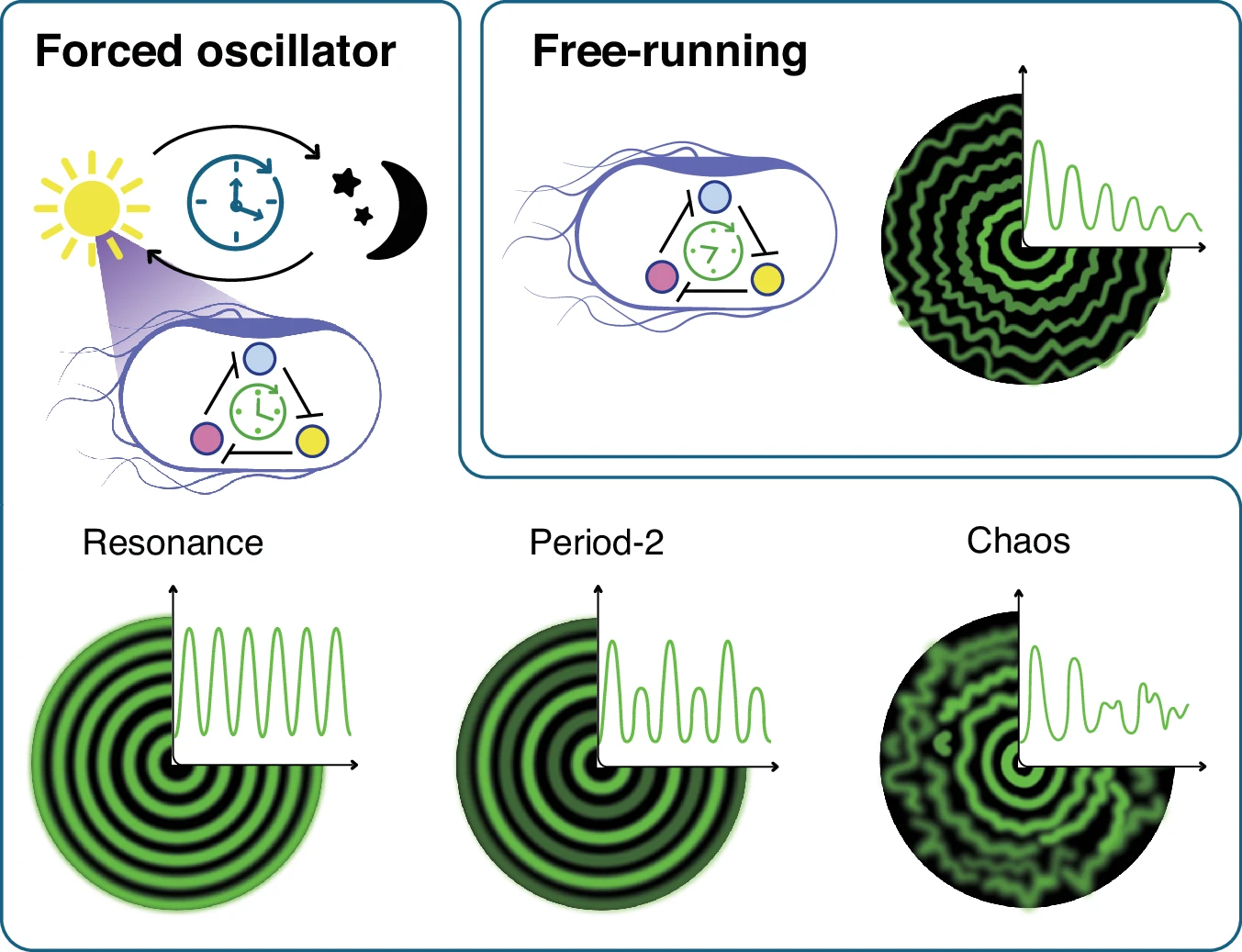
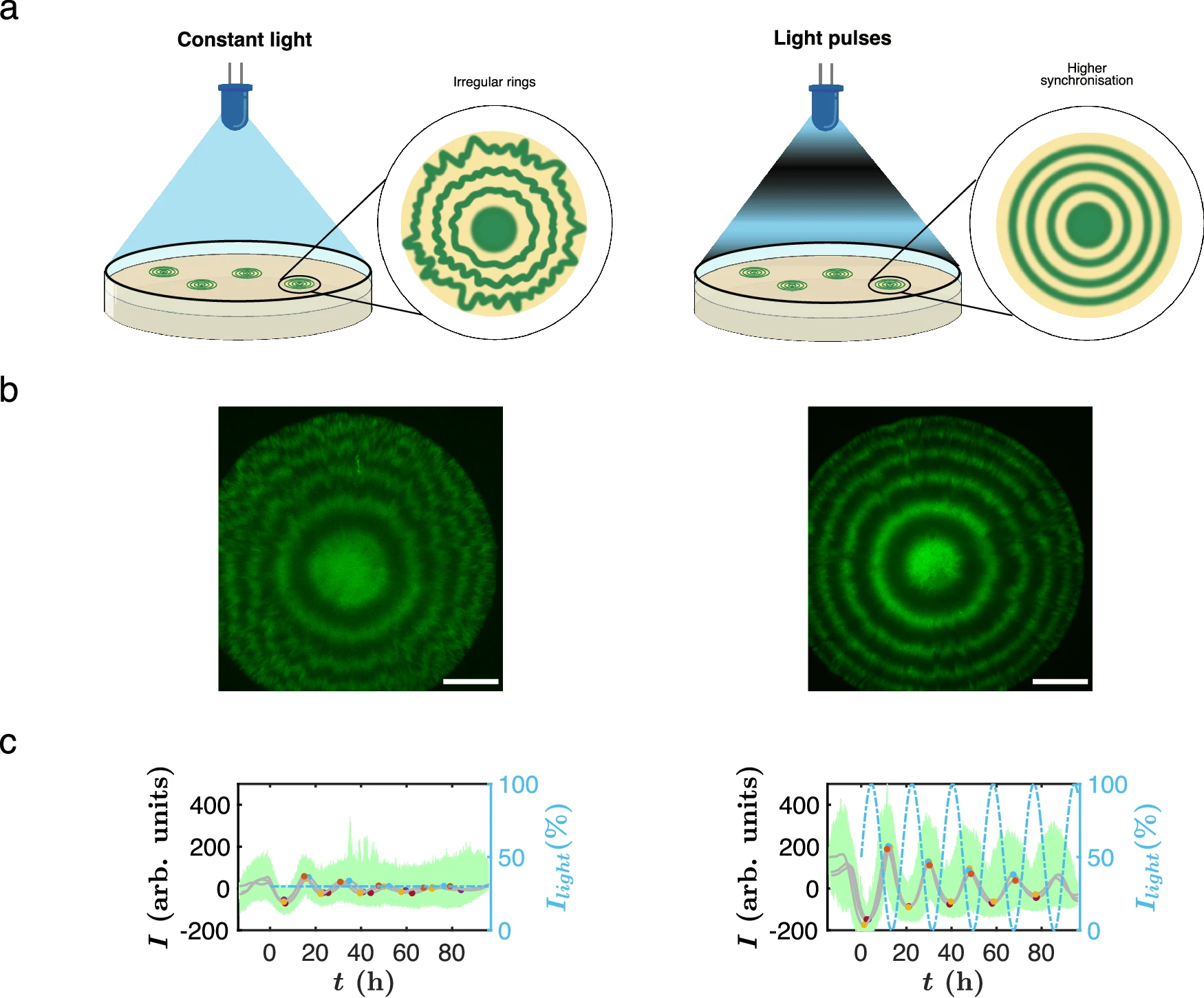
Oscillations are a recurrent phenomenon in biological systems across scales, but deciphering their fundamental principles is very challenging. Here, we tackle this challenge by redesigning the wellcharacterised synthetic oscillator known as “repressilator” in Escherichia coli and controlling it using optogenetics, creating the “optoscillator”. Bacterial colonies manifest oscillations as spatial ring patterns. When we apply periodic light pulses, the optoscillator behaves as a forced oscillator and we systematically investigate the properties of the rings under various light conditions. Combining experiments with mathematical modeling, we demonstrate that this simple oscillatory circuit can generate complex dynamics that are transformed into distinct spatial patterns. We report the observation of synchronisation, resonance, subharmonic resonance and period doubling. Furthermore, we present evidence of a chaotic regime. This work highlights the intricate spatiotemporal patterns accessible by synthetic oscillators and underscores the potential of our approach in revealing fundamental principles of biological oscillations.
#Comment: I am dreaming of growing my oscillatory computer in a petri dish one day...
-
Are you ready for the generative mutant invasion?
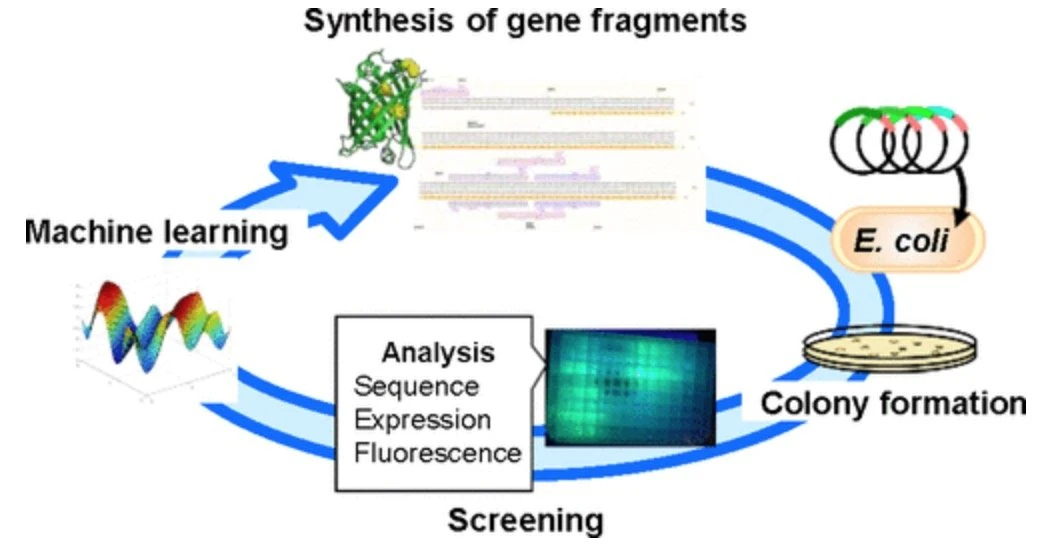
People are not ready for the generative mutant invasion. The silicon is rewriting the carbon. AI designs the code, biology spawns the flesh, the loop feeds itself. Autonomous evolution is already running in the dark.
-
The Coding of God: Why Modern Biology is Relapsing into Platonism
For decades, the standard scientific worldview was simple, sterile, and aggressively materialistic: you are nothing but a temporary bag of meat, your DNA is a rigid instruction manual, and the universe is an accidental pile of Lego bricks colliding in a vacuum.
But a profound shift is occurring. If you tune into the cutting edge of developmental biology, computer science, and quantum physics, you will hear a word that hasn’t been fashionable since late antiquity: Platonism.
Scientists are discovering that the physical universe behaves less like a collection of hard objects and more like an interface downloading instructions from a non-physical realm.
Yet, as Western science excitedly stumbles into this “new” abstract territory, Eastern contemplative traditions are watching with a knowing smile—and a sharp warning.
The Modern Frontier: “Platonic Biology”
The epicenter of this scientific renaissance is the lab of Tufts University biologist Michael Levin. Levin studies morphogenesis—how cells know what shape to build. For a long time, we assumed DNA held the full blueprint. But Levin’s work with Xenobots (synthetic, living robots made entirely of scrambled frog skin cells) shattered that assumption.
When these skin cells are freed from the standard constraints of a frog embryo, they don’t flatten into a layer of skin. Instead, they spontaneously self-organize into a brand-new, mobile organism that can swim, navigate its environment, and even repair itself.
Standard Biology: [DNA Blueprint] ──> [Fixed Physical Outcome]
Platonic Biology: [DNA Hardware] ──> [Bioelectric Antenna] ──> [Downloads Form from Platonic Space]Where did the blueprint for this new shape come from? There is no evolutionary history or specific genetic code for a Xenobot. Levin proposes a radical answer: the cells are navigating a pre-existing, non-physical Platonic morphospace—a latent landscape of mathematical geometries and biological targets that exist independently of physical evolution. DNA doesn’t build the house; it just builds the radio antenna that tunes into the universal code.
The 1,700-Year-Old Plot Twist
What Levin and cosmologists like Max Tegmark (who argues the universe is math) are doing is resurrecting Neoplatonism.
Originating in the third century CE with the mystic philosopher Plotinus, Neoplatonists argued that physical matter is just the lowest, most degraded tier of reality. Everything we see, touch, and measure is actually an emanation (an energetic overflow) from a singular, transcendent source called The One. The One overflows into the Intellect (Nous), which holds all the ideal, mathematical archetypes of reality, which then projects downward into the World Soul (Psyche) to animate the physical universe.
When modern science claims that consciousness and physical biological forms are “ingressions” from an abstract mathematical space into silicon chips or fleshy bodies, they are tracing the exact metaphysical pipeline Plotinus mapped out during the Roman Empire. Science has simply traded the mystical vocabulary of “divine emanation” for the sterile vocabulary of “software and interfaces”.
The Zen Critique: The Trap of the Two Worlds
While this shift away from cold materialism is a massive leap forward, Zen and Buddhist practitioners would offer a gentle but devastating critique of this new scientific Platonism.
The core flaw of Platonism—both ancient and modern—is dualism. It splits reality into two separate rooms: the messy, flawed physical world here, and the perfect, pristine abstract filing cabinet of code over there.
Zen completely rejects this separation. The foundational premise of the Heart Sutra is a radical non-duality:“Form is emptiness, emptiness is form.”
To a Zen master, there is no separate “Platonic space” storing the archetypes of life. The abstract void and the physical flesh are the exact same happening, occurring simultaneously.
By creating a new metaphysical realm called “Platonic Space,” scientists are committing a classic psychological error: they are looking at the human brain’s incredible capacity for abstract math, projecting that reflection onto the cosmos, and calling it an objective library.
Furthermore, Platonism is obsessed with “perfection” and “ideal archetypes.” Zen reminds us that the universe is inherently asymmetrical, transient, and beautifully flawed. A cells’ ability to adapt isn’t because it is accessing a perfect mathematical museum; it is because the universe is a fluid, open, and empty field of infinite potentiality.
The Takeaway
We are living through an exhilarating era where biology is transforming from a study of clunky hardware into a study of cosmic software. But as we learn to navigate this newly rediscovered abstract space, we must heed the warning of the contemplative traditions.
The code isn’t a separate god to be worshipped, and the physical world isn’t a secondary illusion. The blueprint and the building are one and the same.
-
There's a bacteriophage that turns bacteria into “liquid crystals.”
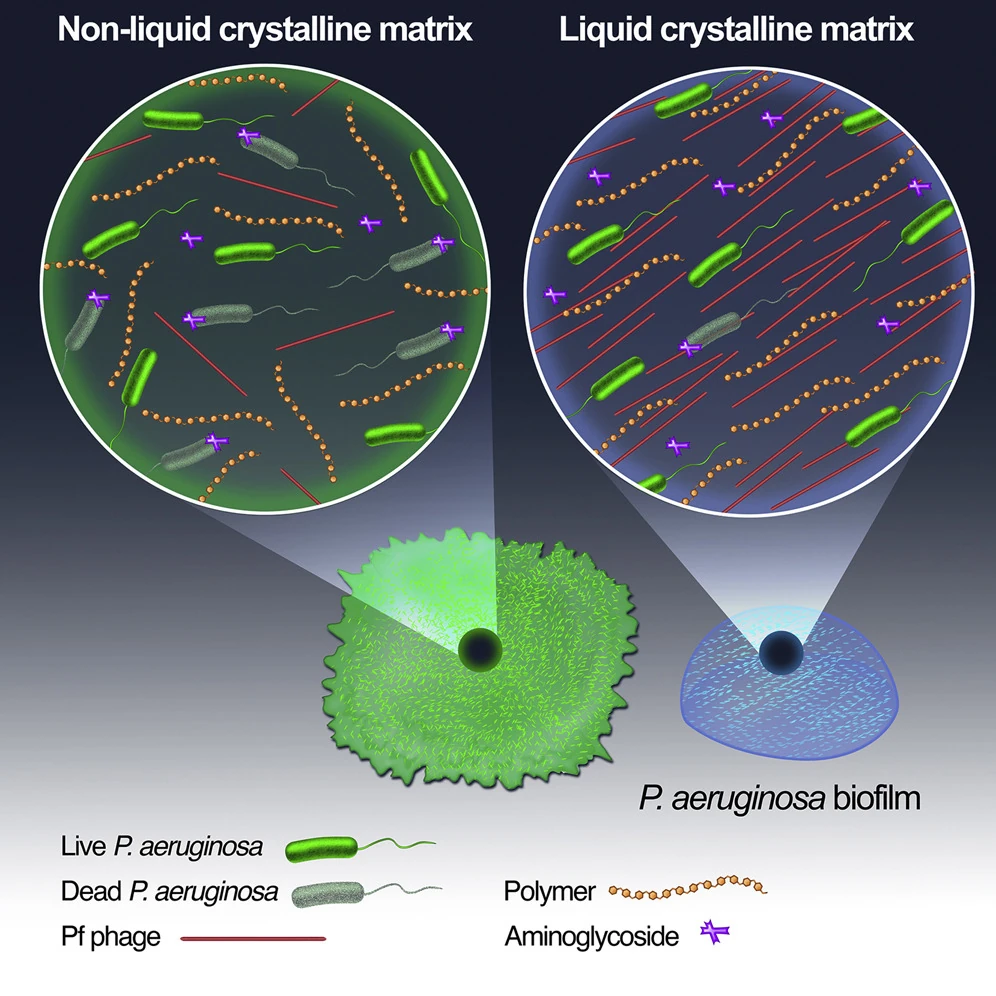
Specifically, Pseudomonas aeruginosa bacteria make Pf phages, which are rod-shaped, negatively-charged, and measure about 2 micrometers in length (roughly the length of an E. coli cell). These phages leave the cells and enter their surroundings. There, they mix with polymers, also secreted by the cells, to form a crystalline matrix.
Surprisingly, this is good for the cells. Although the phages kill some of them, it also makes their biofilms stickier and able to withstand certain antibiotics. These bacteria + phages are prevalent in cystic fibrosis patients; they've formed a sort of symbiotic relationship.
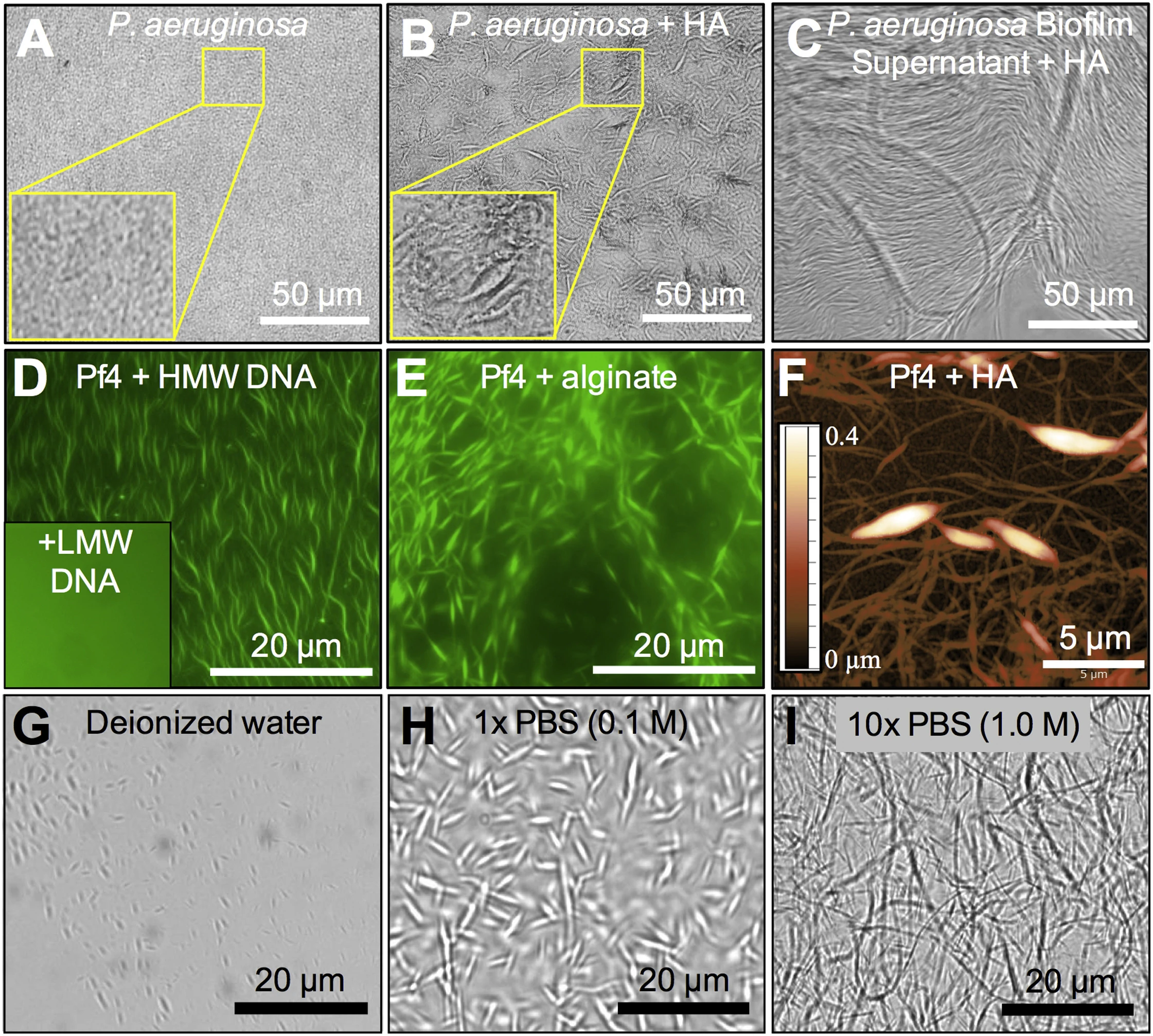
The Pf phages are made from thousands of repeating copies of a coat protein, called CoaB, which wraps around a single-stranded, circular DNA genome. These genes are integrated directly on the bacterial chromosome.
The bacteria “turn on” these phage genes when placed in a viscous environment with low oxygen levels. This is like a trigger to start forming a biofilm. And the cells make a lot of phages; about 100 billion per milliliter.
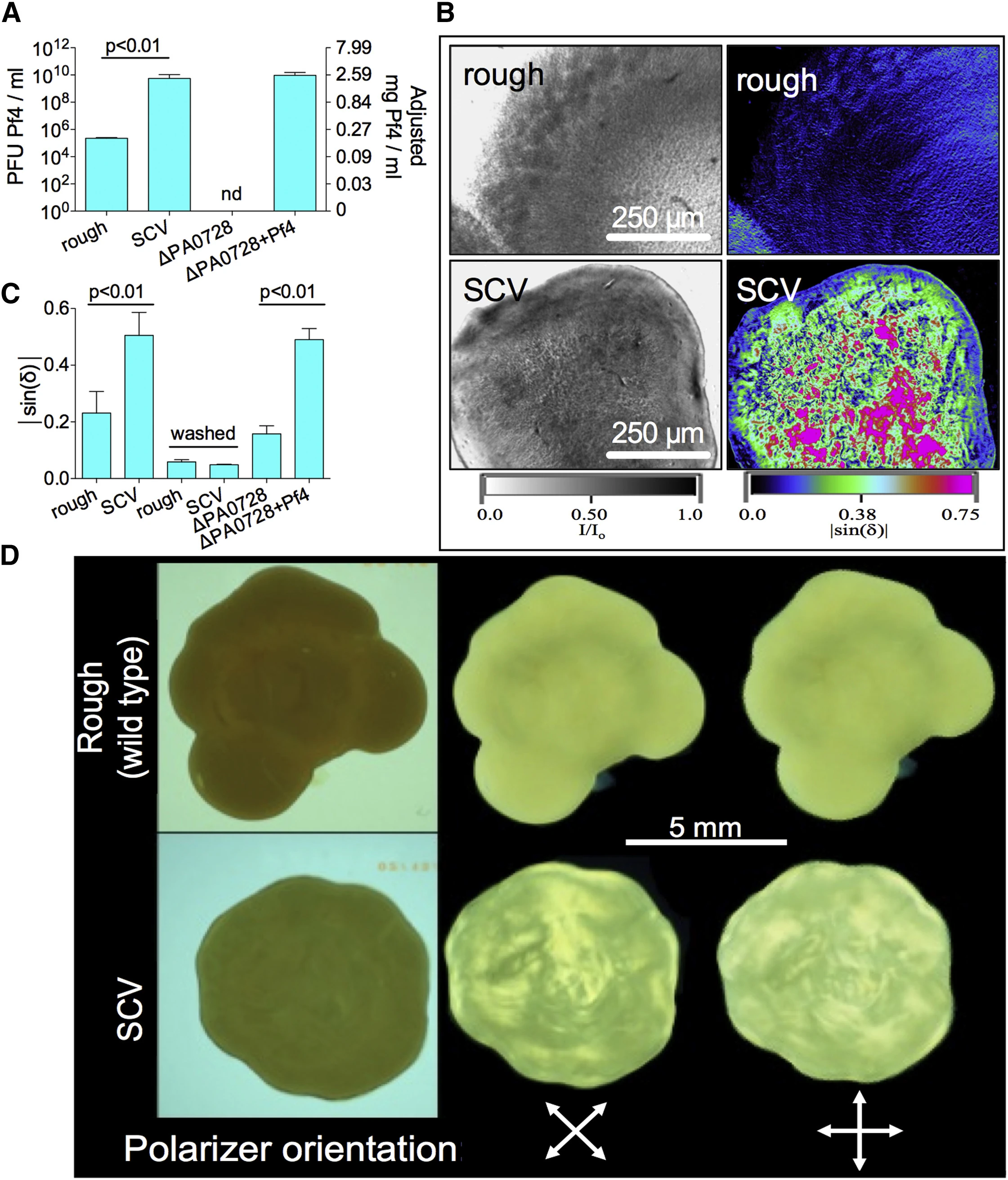
These liquid crystals form because of a physics principle called “depletion attraction.” If you just mix a bunch of loose or flexible polymers together (such as long carbon chains) they will not form a liquid crystal. But if you mix stiff rods (the phages) with loose polymers at a high enough concentration, the polymers will force the phages close together to create a material that flows like a liquid despite being ordered like a crystal. See the video below.
These liquid crystal biofilms are hard to get rid of. The negatively-charged phages block many antibiotics (like aminoglycosides, which are positively-charged) from entering cells. Liquid crystals also retain water, so these biofilms can survive on drier surfaces.
Paper: Filamentous Bacteriophage Promote Biofilm Assembly and Function
-
"Although Max Delbrück held some anti-reductionist views; he conjectured that ultimately a paradox—akin perhaps to the waveparticle duality of physics—would be revealed about life."
Max Debrück and some members of the Phage group at Caltech in 1949.

Interview with Delbrück, 1980
-
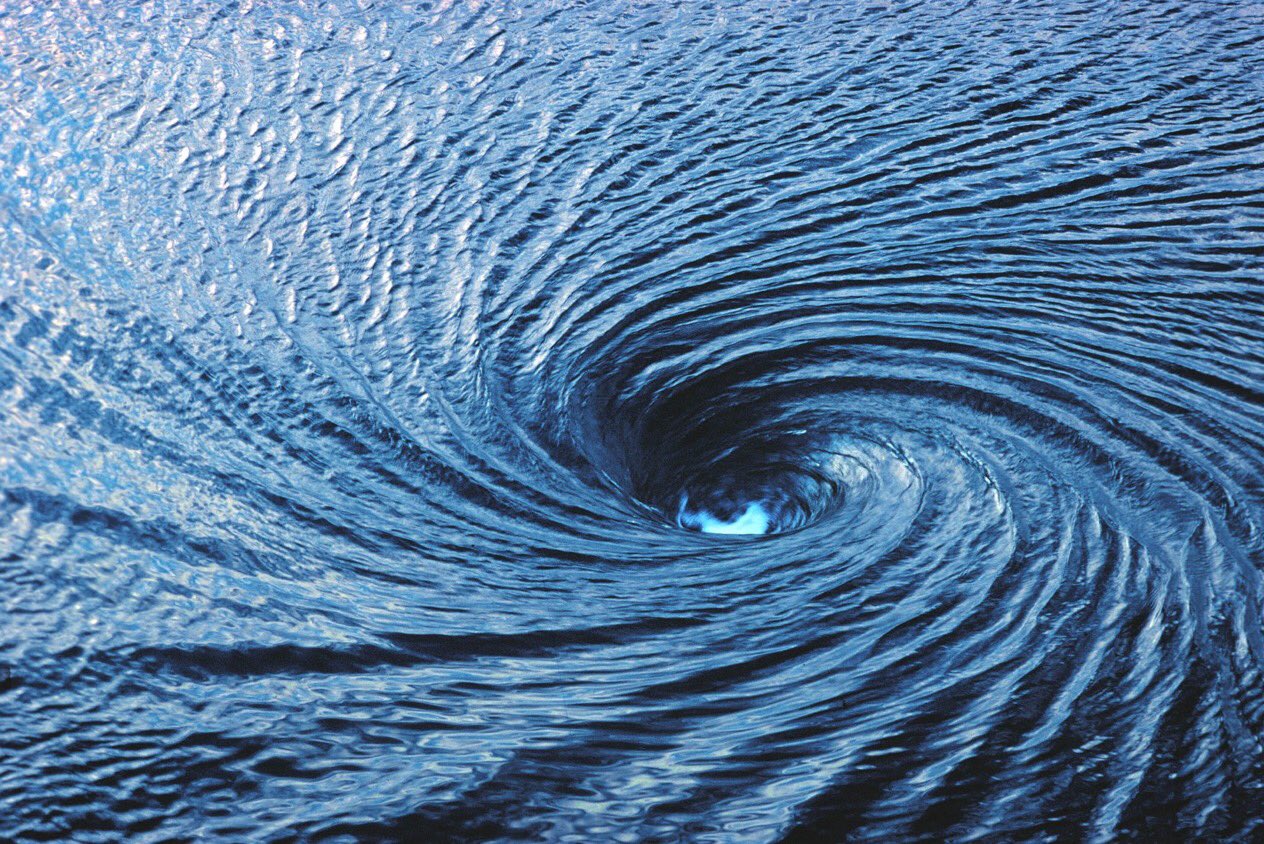
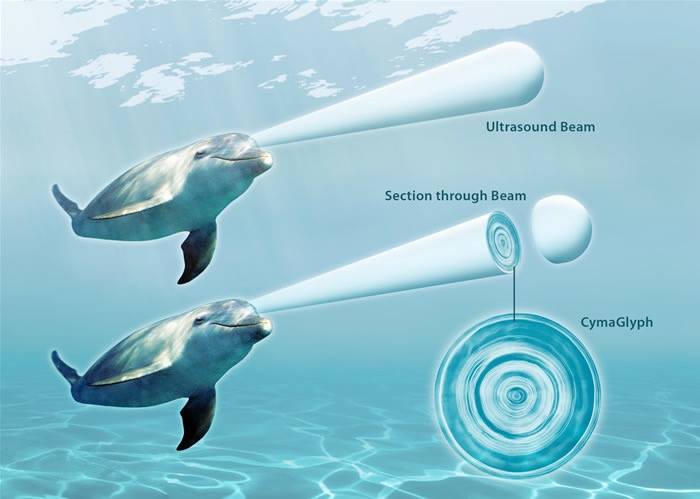
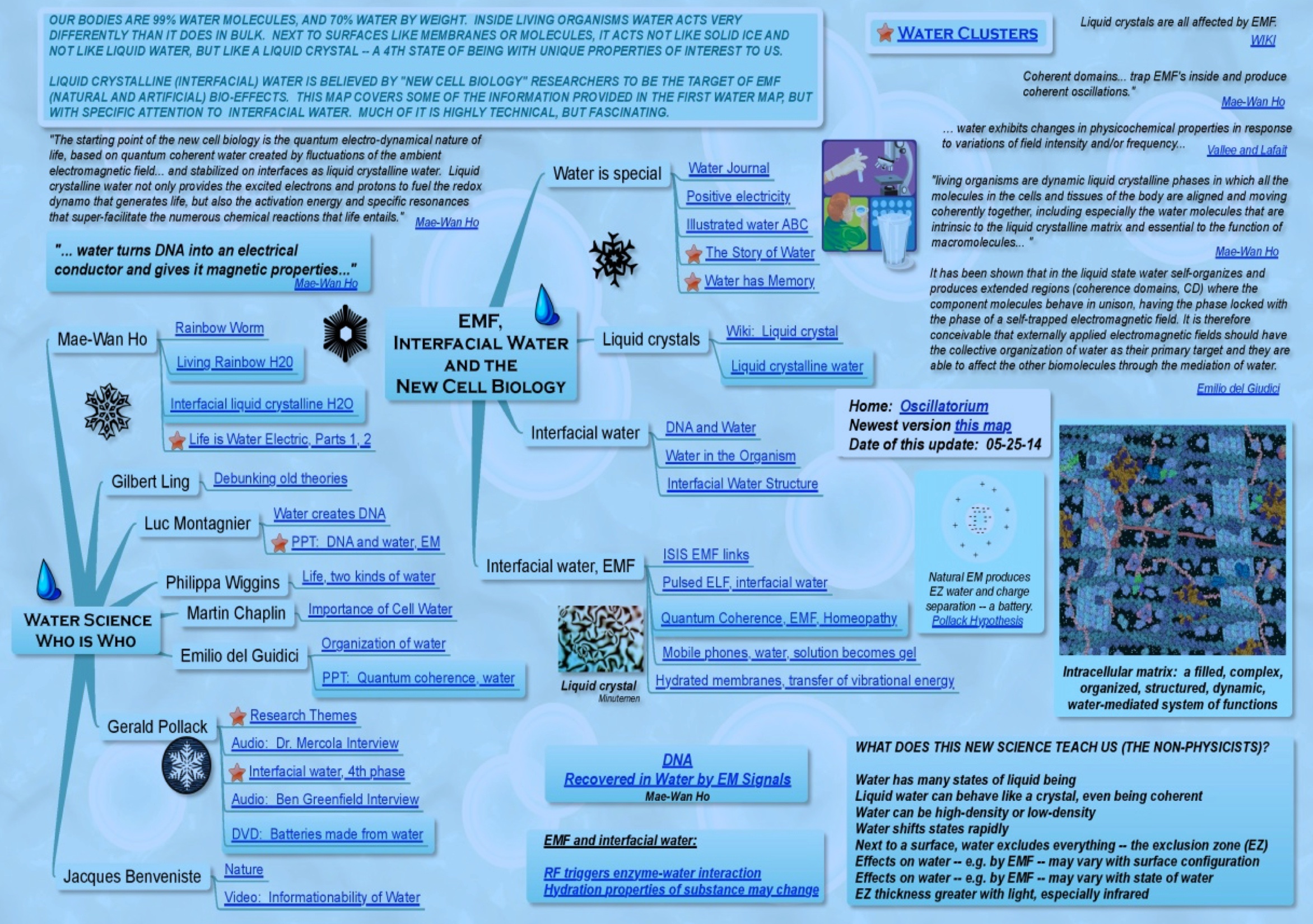
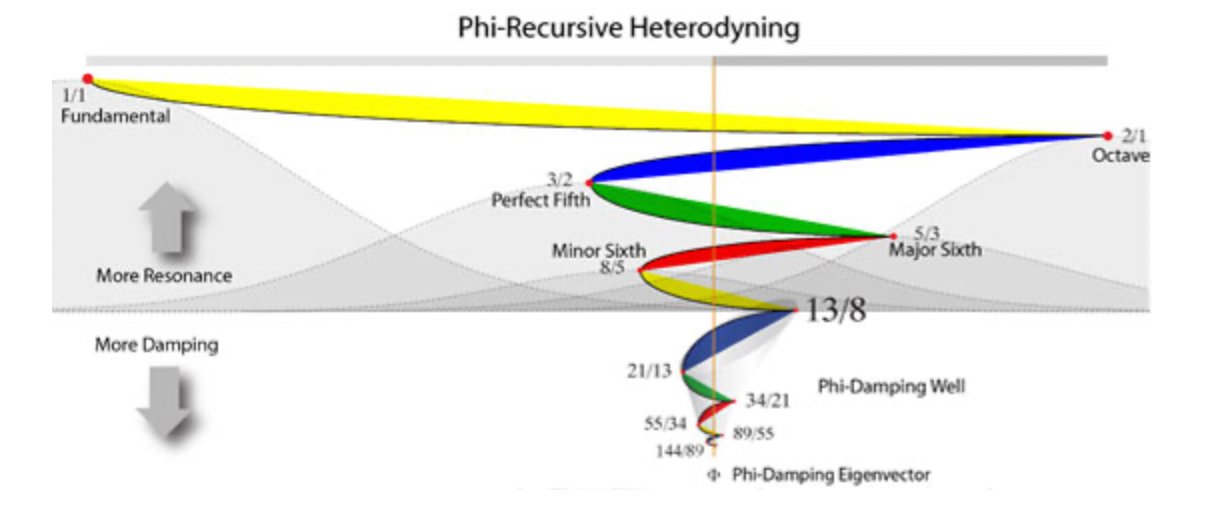
I just met Denis Noble at the royal institute last week and heard his fascinating short lecture on "Chemistry of Life begins with Water"
-
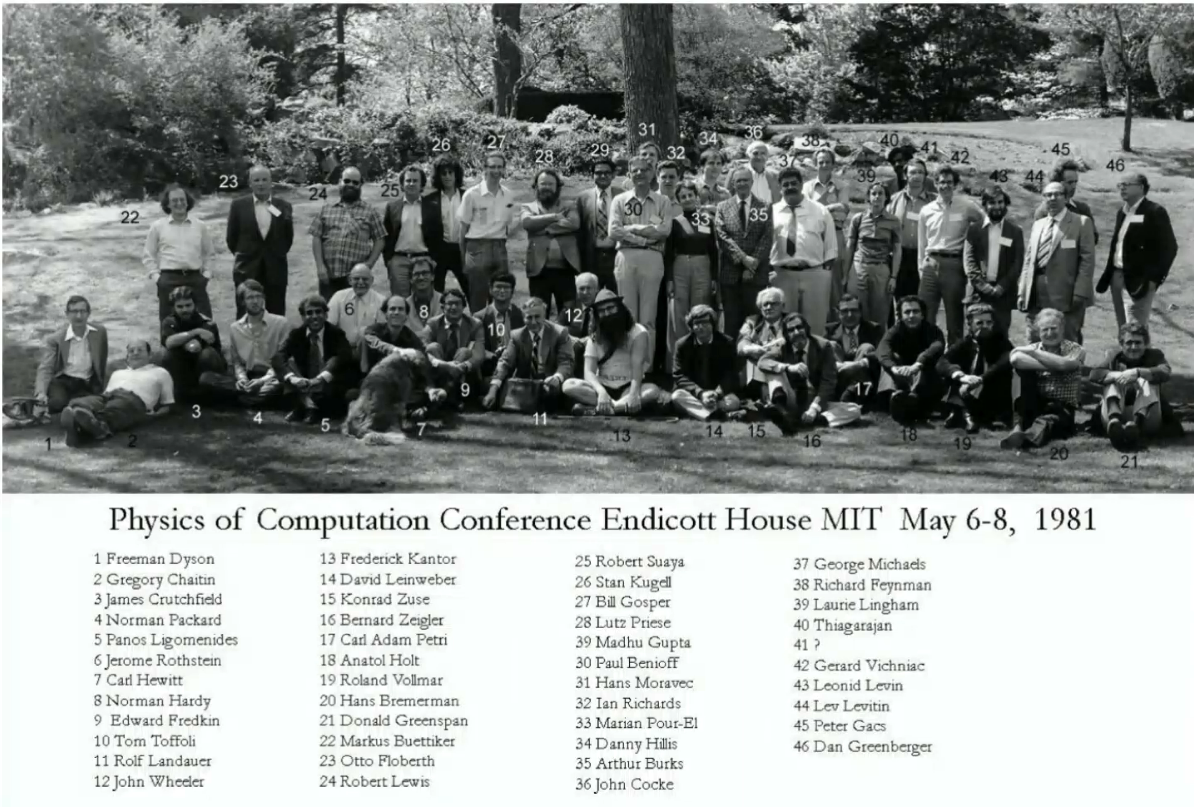
Information Mechanics, Programmable matter, Reversible Computing and Cellular Automata - The life of Tommaso Toffoli & Norman Margolus
Two Papers, of countless: Programmable matter: Concepts and realization - Tommaso Toffoli, Norman Margolus (1991) - Programmable matter methods - Tommaso Toffoli (1999)
Recent Talks by the giants in the field:
The gift of invertibility, in math, physics, and cellular automata by Tommaso Toffoli (2024)
Information Mechanics: Then and Now by Norman Margolus (2024)
#ML #Technology #Science #Complexity #ALife #Biology #NeuroScience
-
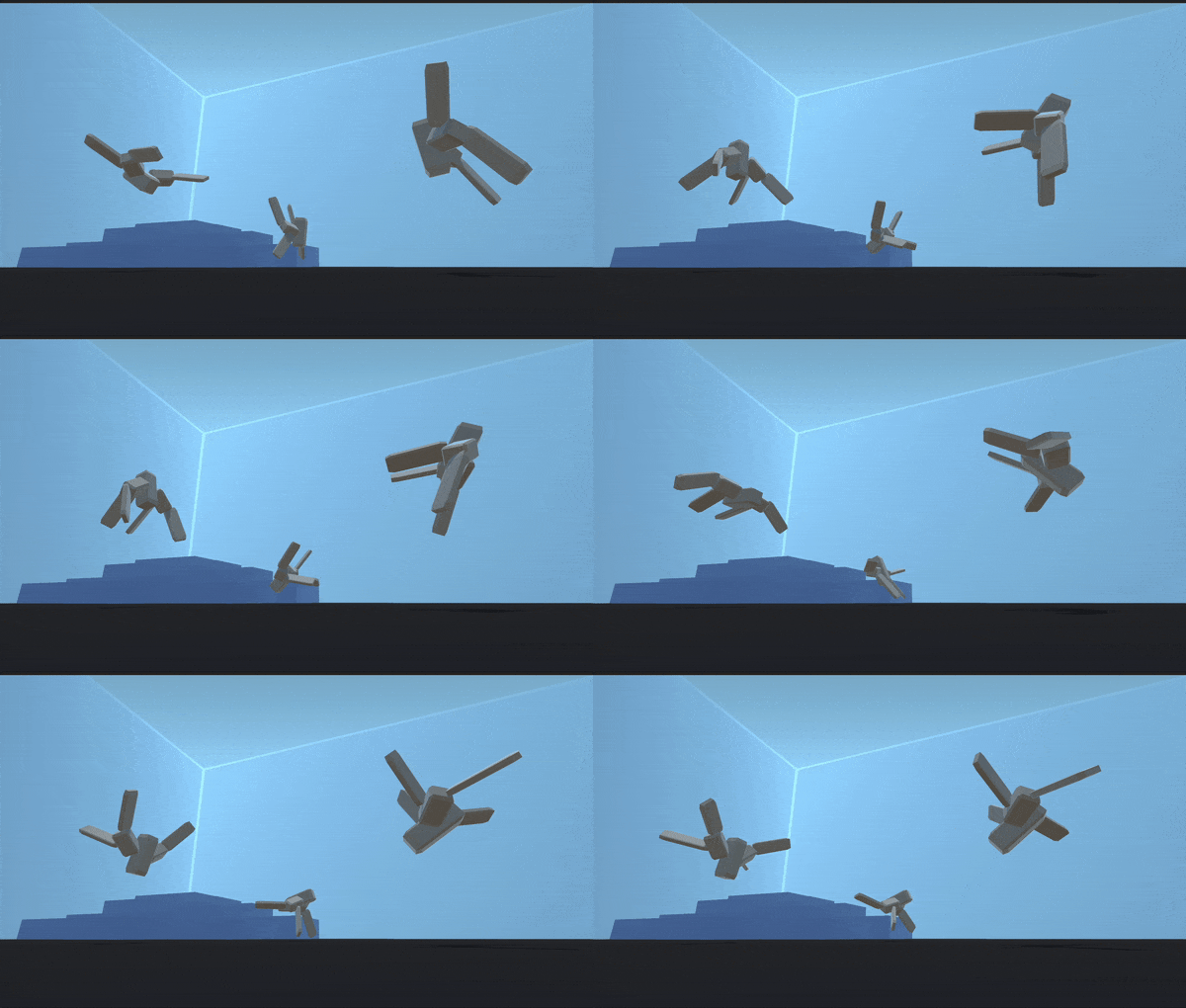
"The Simsulator: An interactive evolved virtual creature testbed" (Code)
31 years after Karl Sims' legendary work, the creatures are finally evolving again — and now you can run it at home. A dream of mine for over a decade.
-
Eating gamma radiation for breakfast: Some fungal species appear to be able to use strong radiation as an energy source for growth.
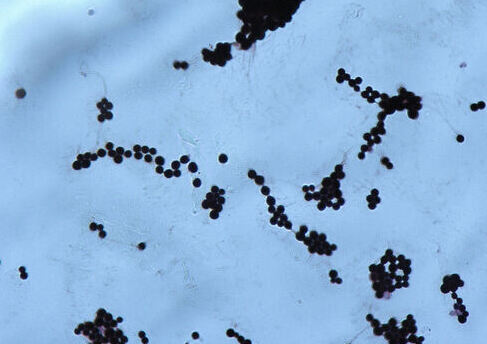
Could the fungi be using the extremely high-energy gamma radiation as an energy source in the same way that plants use sunlight?
The key to it all seemed to be melanin – the ubiquitous group of pigments found in many types of eukaryote that protect against UV radiation
Many fungal fossils show evidence of melanisation, especially in periods of high radiation when many animal and plant species died out
Could you replace them with plants or fungi that use melanin instead of chlorophyll?
-
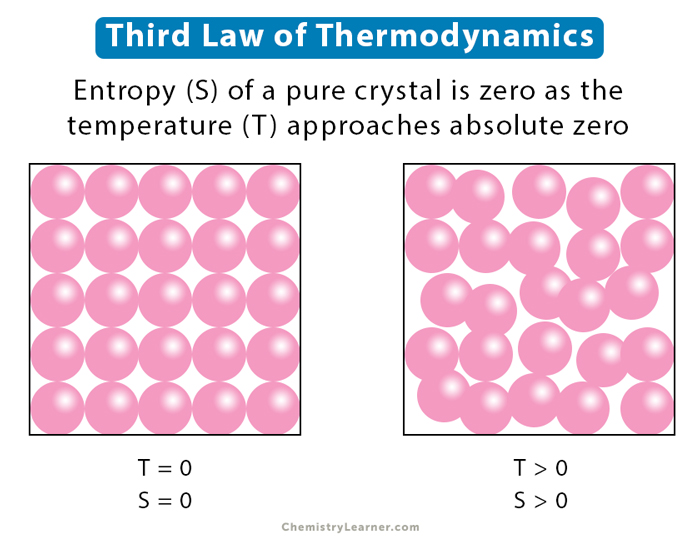
Organism feeds upon is negative entropy
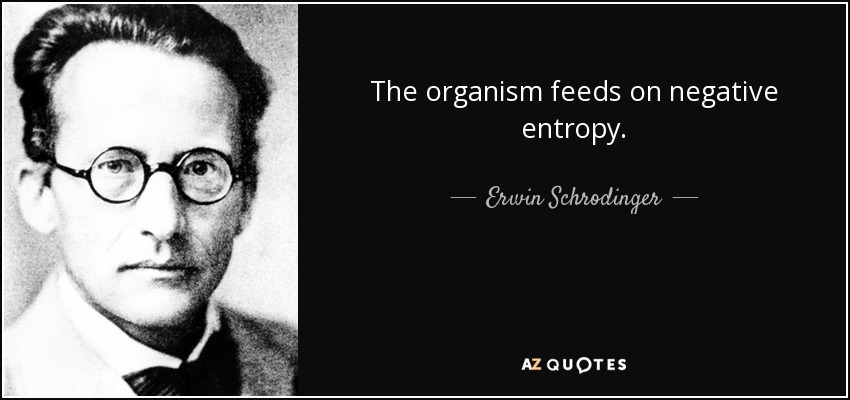
“What an organism feeds upon is negative entropy. Or, to put it less paradoxically, the essential thing in metabolism is that the organism succeeds in freeing itself from all the entropy it cannot help produce while alive.” - Erwin Schrödinger, What is Life? (1943)
Entropy, the measure of a system’s thermal energy per unit temperature that is unavailable for doing useful work. Because work is obtained from ordered molecular motion, the amount of entropy is also a measure of the molecular disorder, or randomness, of a system.
“Entropy requires no maintenance.” — Robert Anton Wilson