tag > Insects
-
Flying insect numbers have plunged by 60% since 2004, GB survey finds - "Scientists behind survey of car number plates said drop was ‘terrifying’, as life on Earth depends on insects."
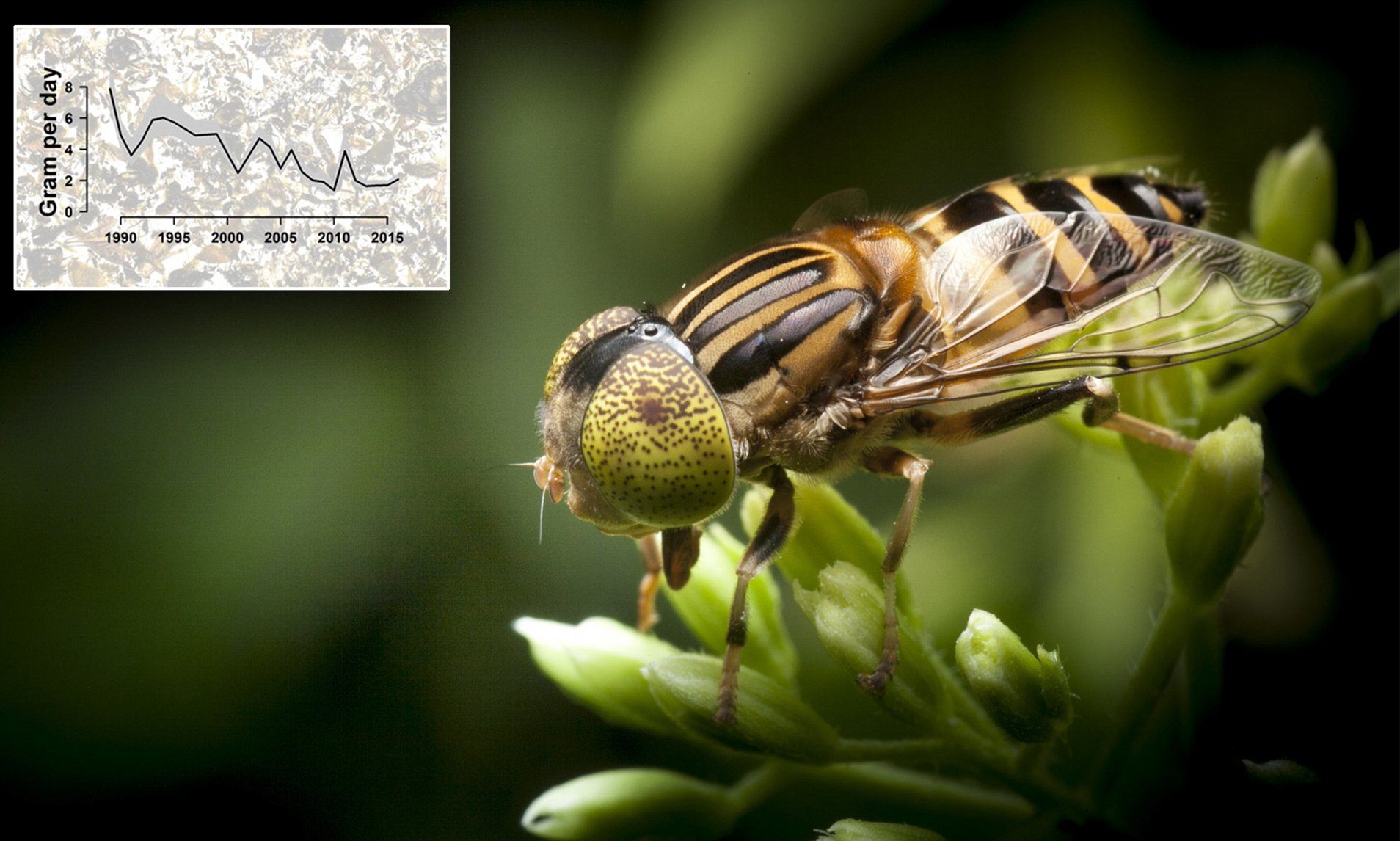
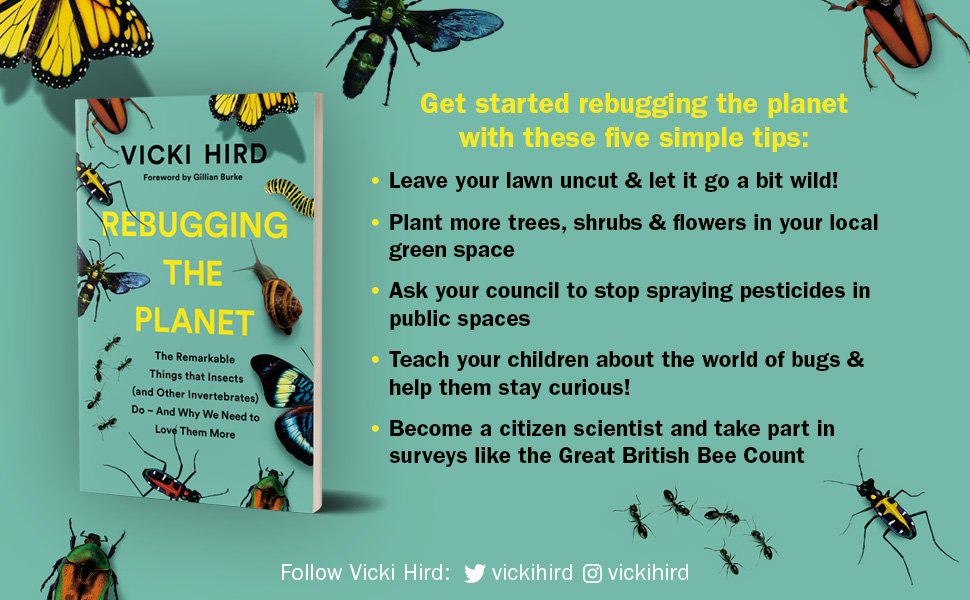
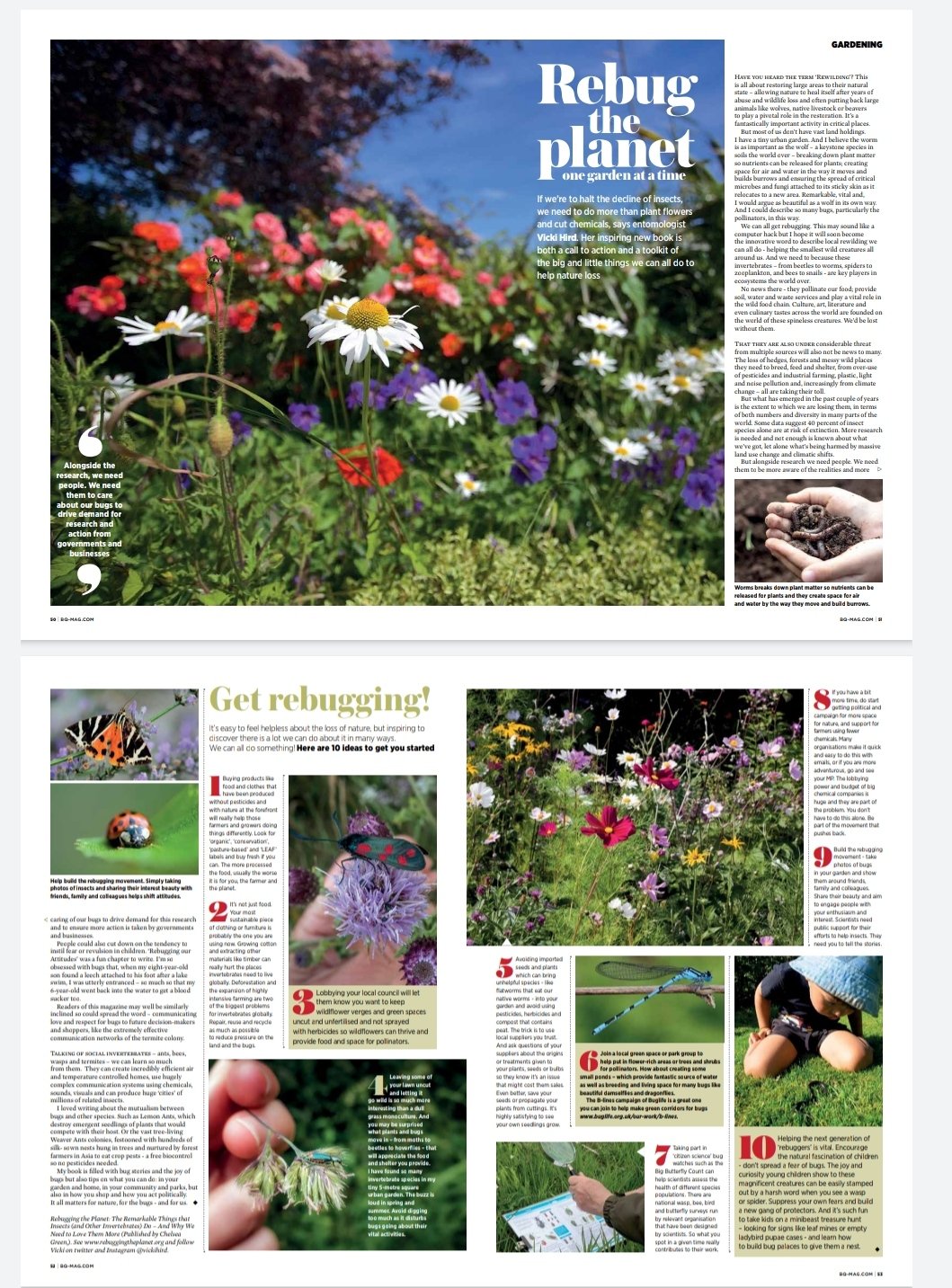
"Rebugging" spread in @BqEditor magazine - "Its easy to feel helpless about the loss of nature, but inspiring t discover there is a lot we can do about it in many ways. Here are 10 ideas to get you started."
-
Modified genes can distort wild cotton’s interactions with insects (sciencenews)
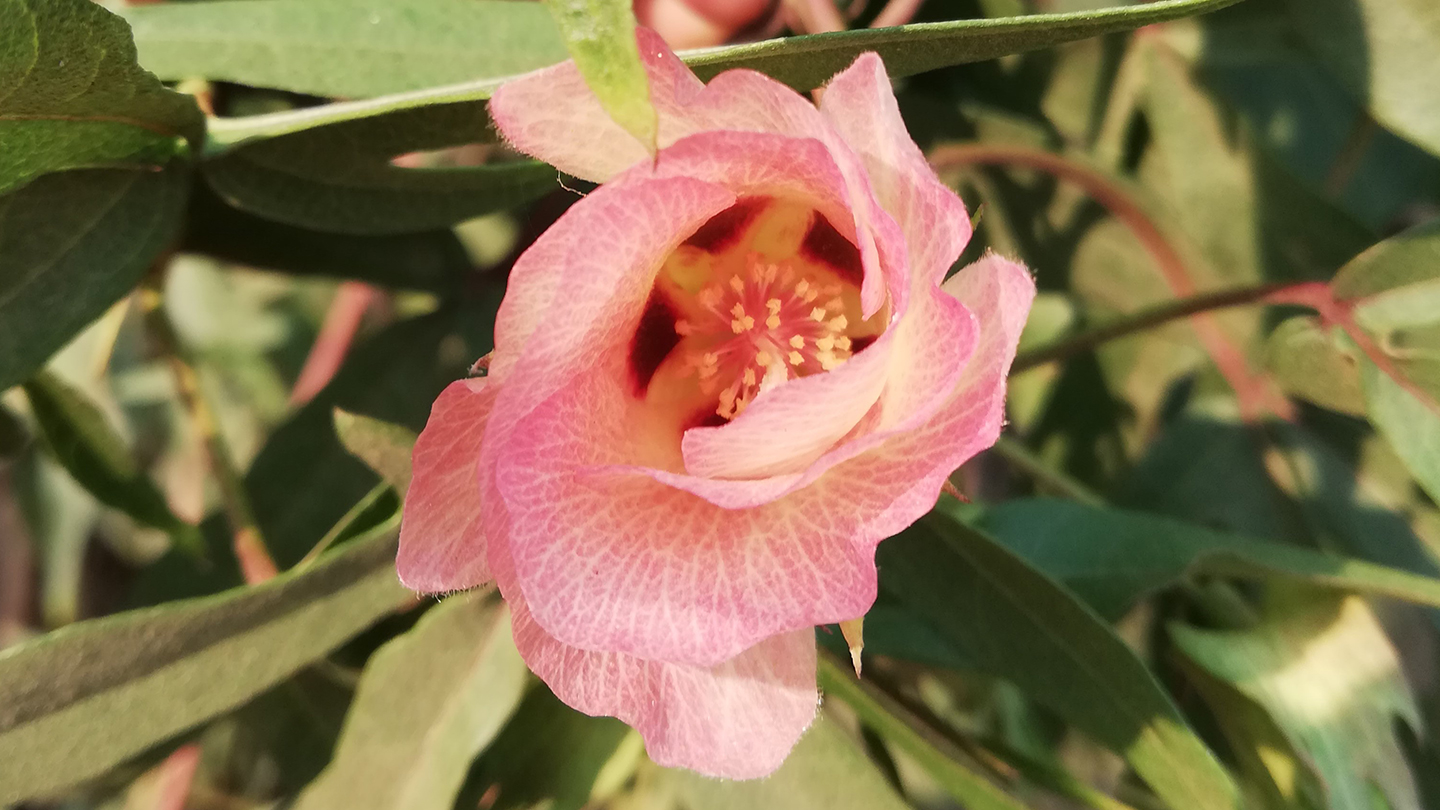
In Mexico, acquired herbicide resistance and insecticide genes can disrupt cotton’s ecosystem. [...] “These are profoundly interesting effects,” says Norman Ellstrand, an evolutionary biologist at the University of California. “It’s the first case that really suggests that a whole ecosystem can be disrupted” after transgenes enter a wild population.
-
A Fungus Is Pushing Cicada Sex Into Hyperdrive And Leaving Them Dismembered (npr.org)
After 17 years underground, the Brood X periodical cicadas are slowly emerging in 15 states across the East Coast and Midwest. From a report:
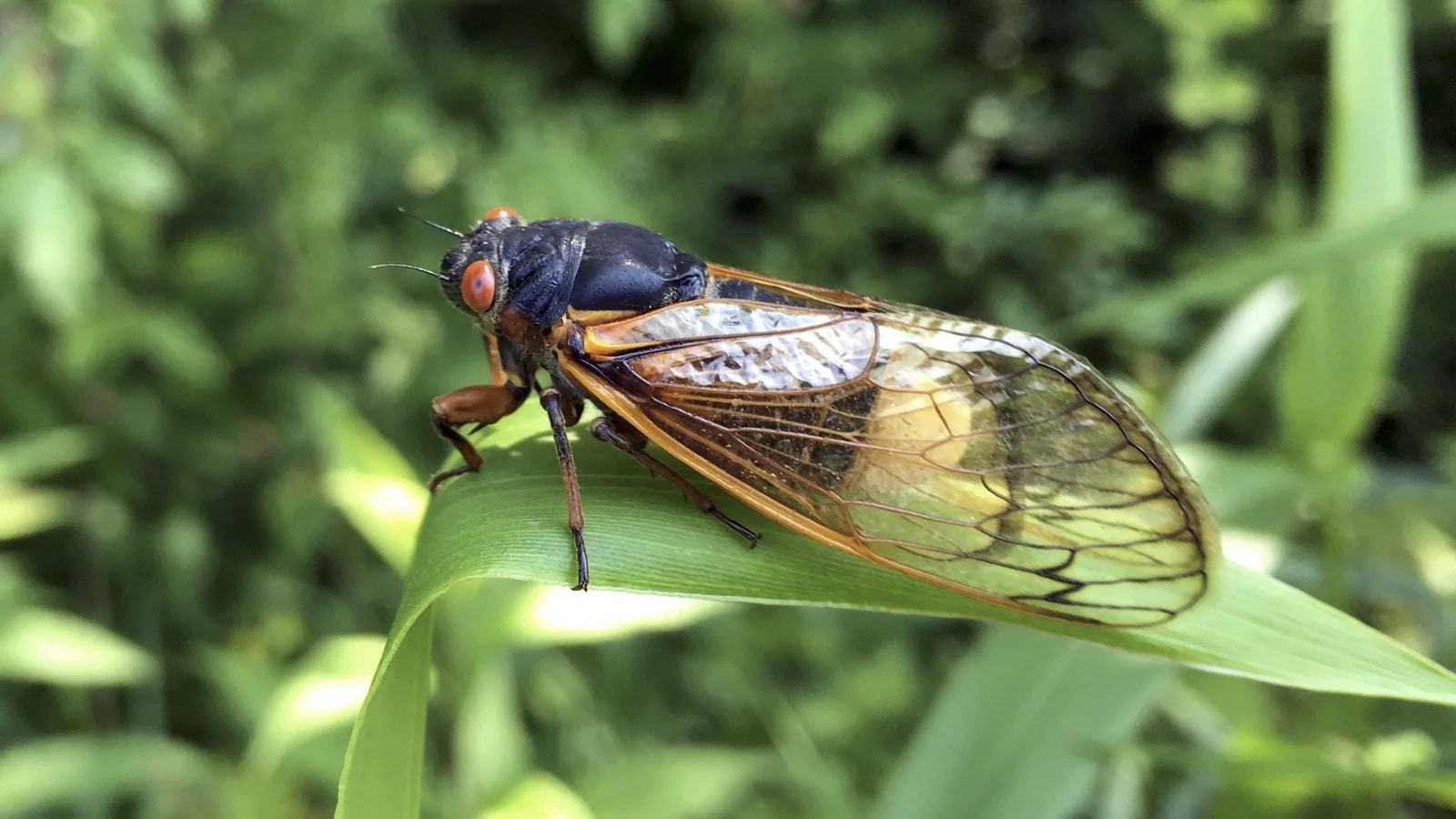
They'll shed their skins and spend four to six weeks mating before the females lay eggs and they all die. But some of them are getting wilder in their short lives above ground. A fungus called Massospora, which can produce compounds of cathinone -- an amphetamine -- infects a small number of them and makes them lose control. The fungus takes over their bodies, causing them to lose their lower abdomen and genitals. And it pushes their mating into hyperdrive.
"This is stranger than fiction," Matt Kasson, an associate professor of forest pathology and mycology at West Virginia University, tells NPR's All Things Considered. "To have something that's being manipulated by a fungus, to be hypersexual and to have prolonged stamina and just mate like crazy." Kasson, who has been studying Massospora for about five years, says just before the cicadas rise from the ground, the spores of the fungus start to infect the bug. Once it's above ground and starts to shed its skin to become an adult, its butt falls off. Then a "white plug of fungus" starts to grow in its place.
-
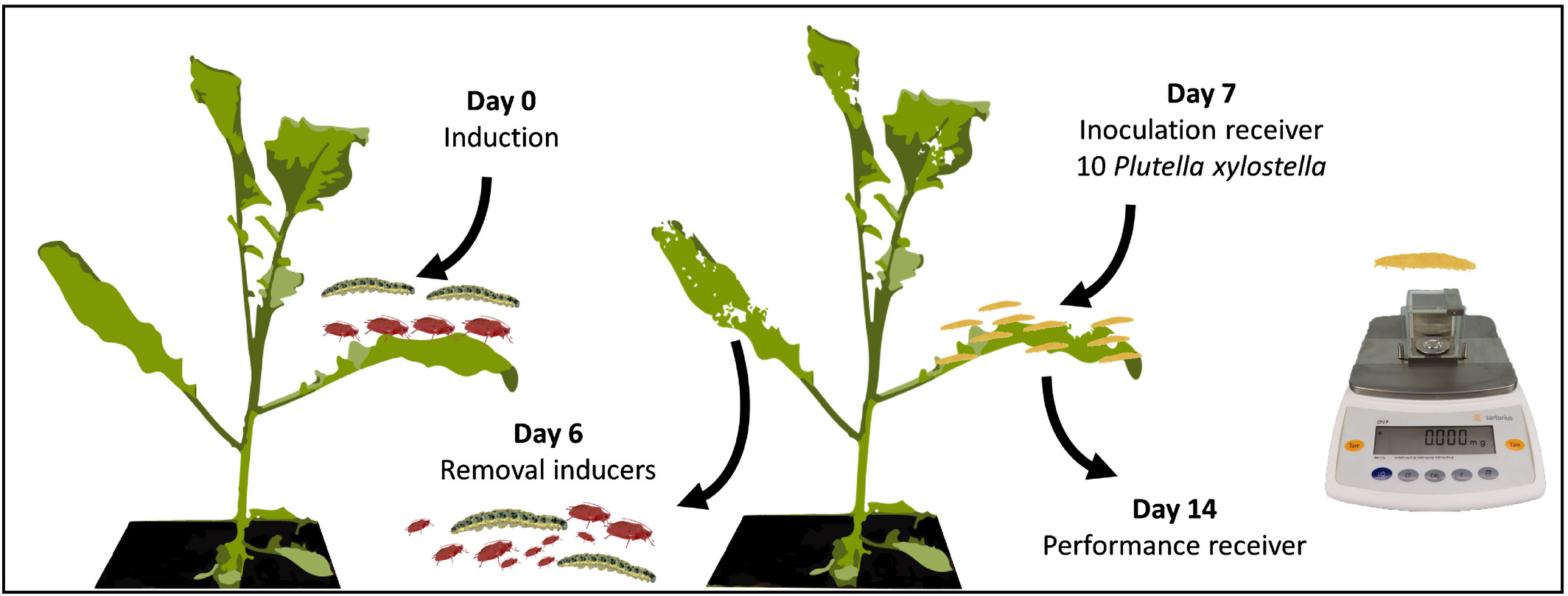
Insect species richness affects plant responses to multi‐herbivore attack - How plants respond to the diverse community of insects that interacts with them.
-
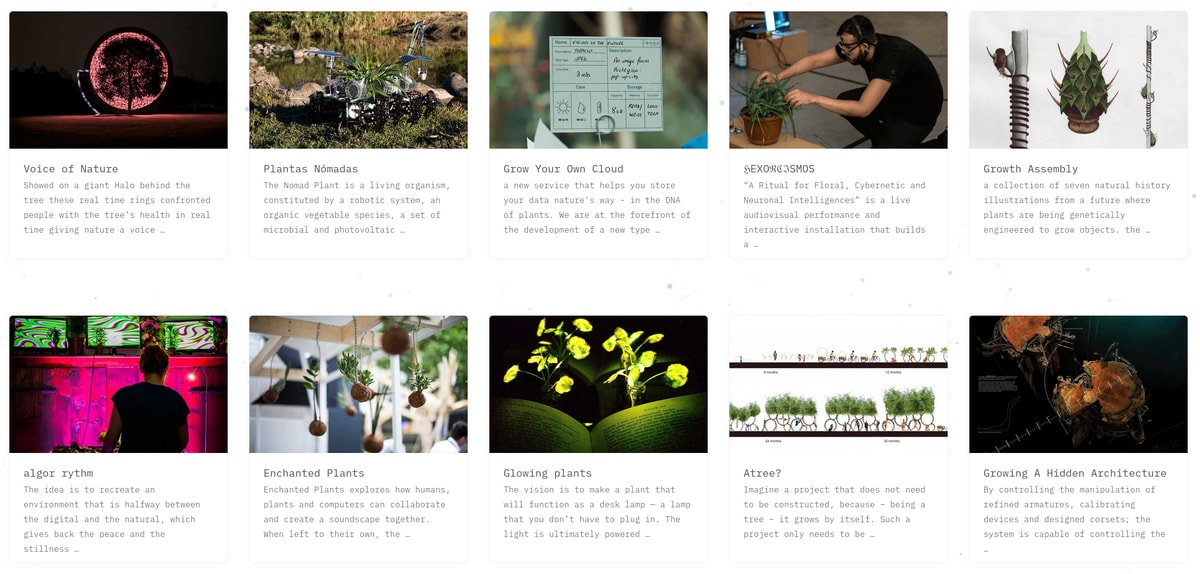
Cyberbiomes - Discussions with mycelium and solarpunk futures & Cyberbiomes.org - Concepts, projects and initiatives at the intersection of nature, culture and technology - by Ilja Panić
-
The most comprehensive review on blacksoldierfly and bionconversion to date
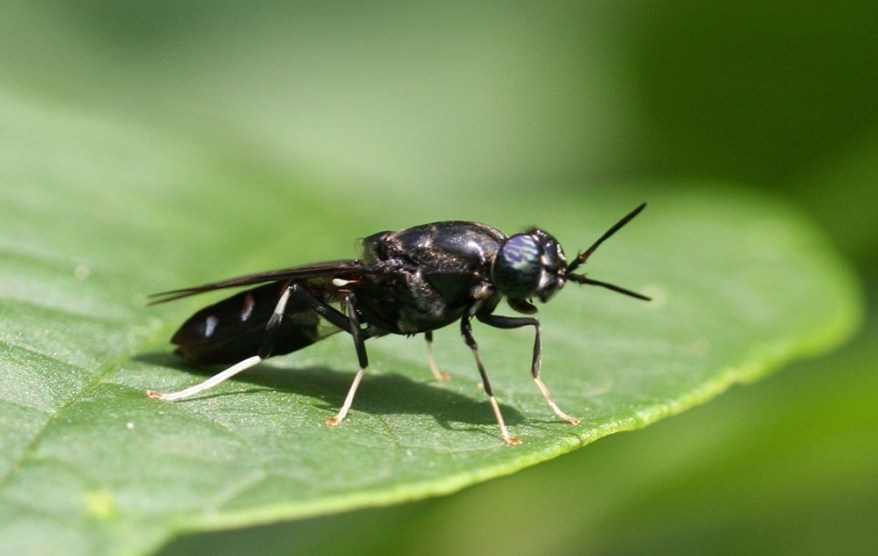
BSF-based biorefinery could valorize organic wastes into biobased products. BSF biomass could substitute a substantial amount protein and fat in animal diets. BSF biomass is rich in bioactive compounds and enhances the nutritive value as feed. Automation and process scale up are needed for exploitation of BSF technology.
-
Germany Plans To Dim Lights At Night To Save Insects 46
Germany is planning to ban floodlights from dusk for much of the year as part of its bid to fight a dramatic decline in insect populations, it emerged Wednesday.
-
Mind-controlling fungus makes zombie cicadas lure other cicadas to a zombie fate
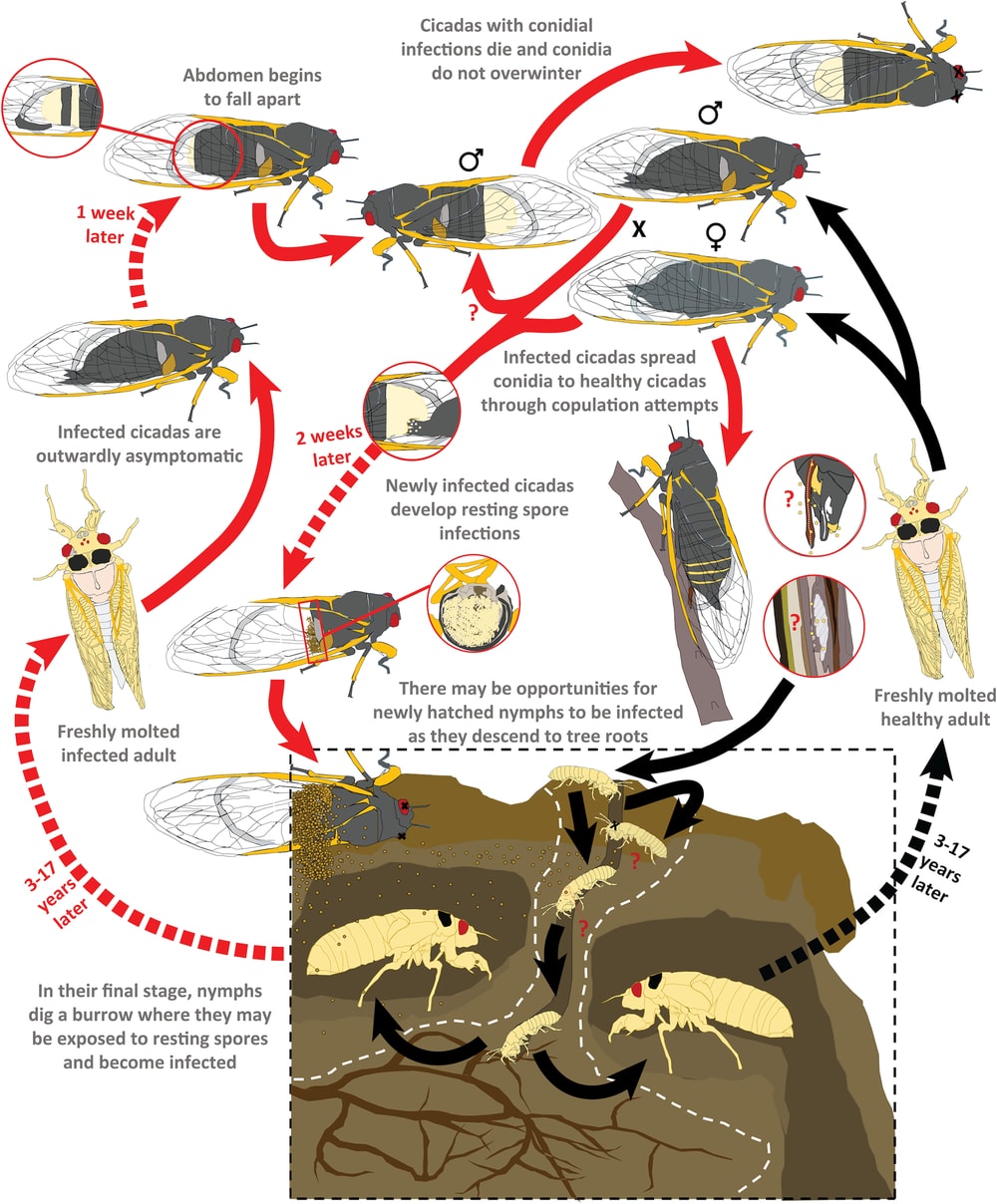
Male cicadas infected by a particularly gruesome parasitic fungus become zombies with an undercover mission: They broadcast a female's sexy come-hither message to other male cicadas, luring their unsuspecting victims to join the zombie cicada horde. Researchers recently discovered this unusual twist to the cicada's already horrific zombification story. As the parasitic fungus called Massospora eats away at a cicada's abdomen, replacing it with a mass of yellow spores, the fungus also compels males to flick their wings in movements that are typically performed by females to attract mates.
-
Western Bumblebee Population Drops Up To 93% Over the Last 20 Years
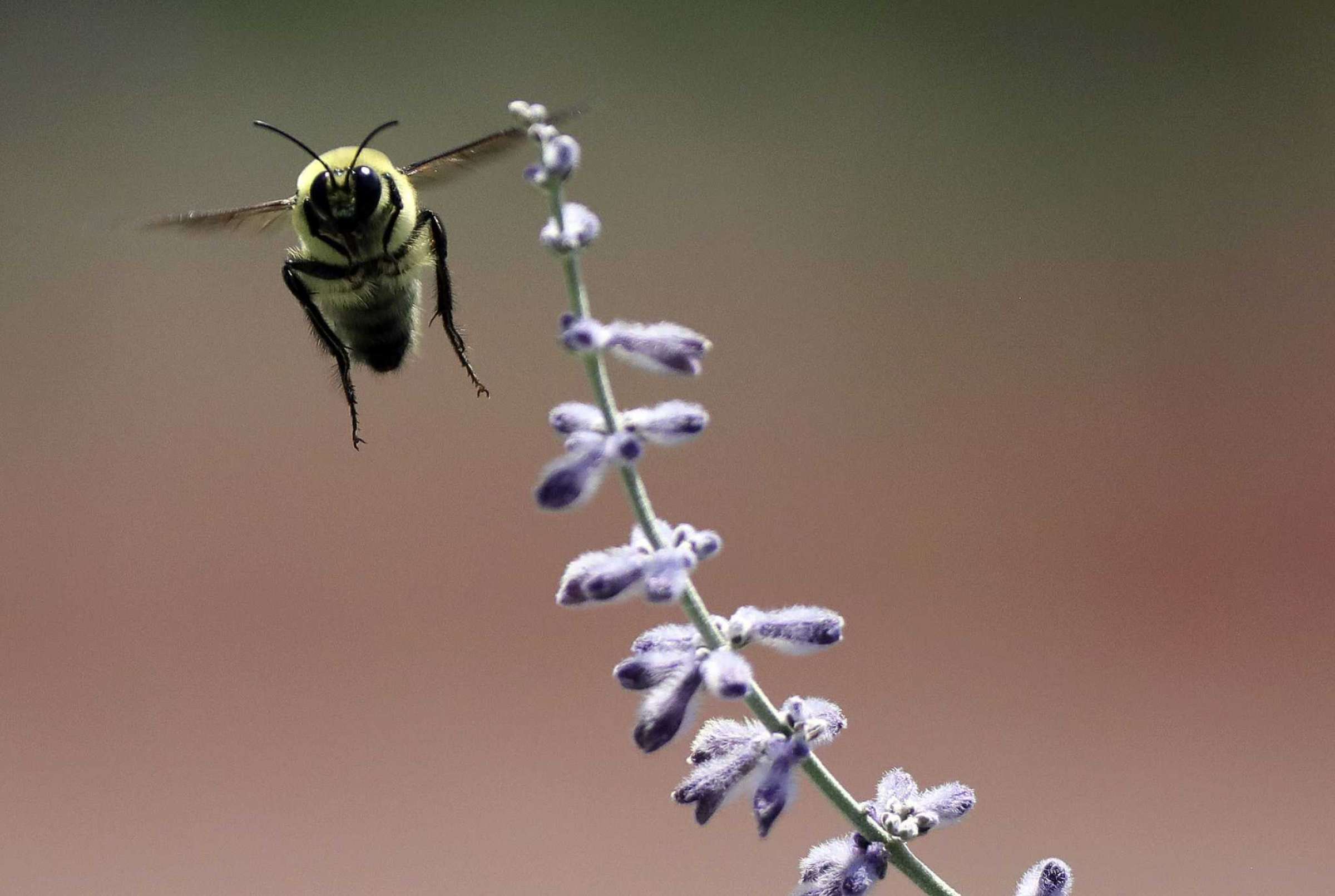
The western bumblebee is one of around 30 bumblebee species in the western U.S. and Canada. Now a federal review "unveils an alarming trend for the western bumblebee population, which has seen its numbers dwindle by as much as 93% in the last two decades".
-
The true price of pesticides is unaffordable
The European Union has banned many active pesticide ingredients due to damaging health and environmental effects. With leading global agrochemical firms seeking new markets to conquer, developing countries urgently need strict controls.
-
Edible insects set to be approved by EU in 'breakthrough moment' (Guardian)
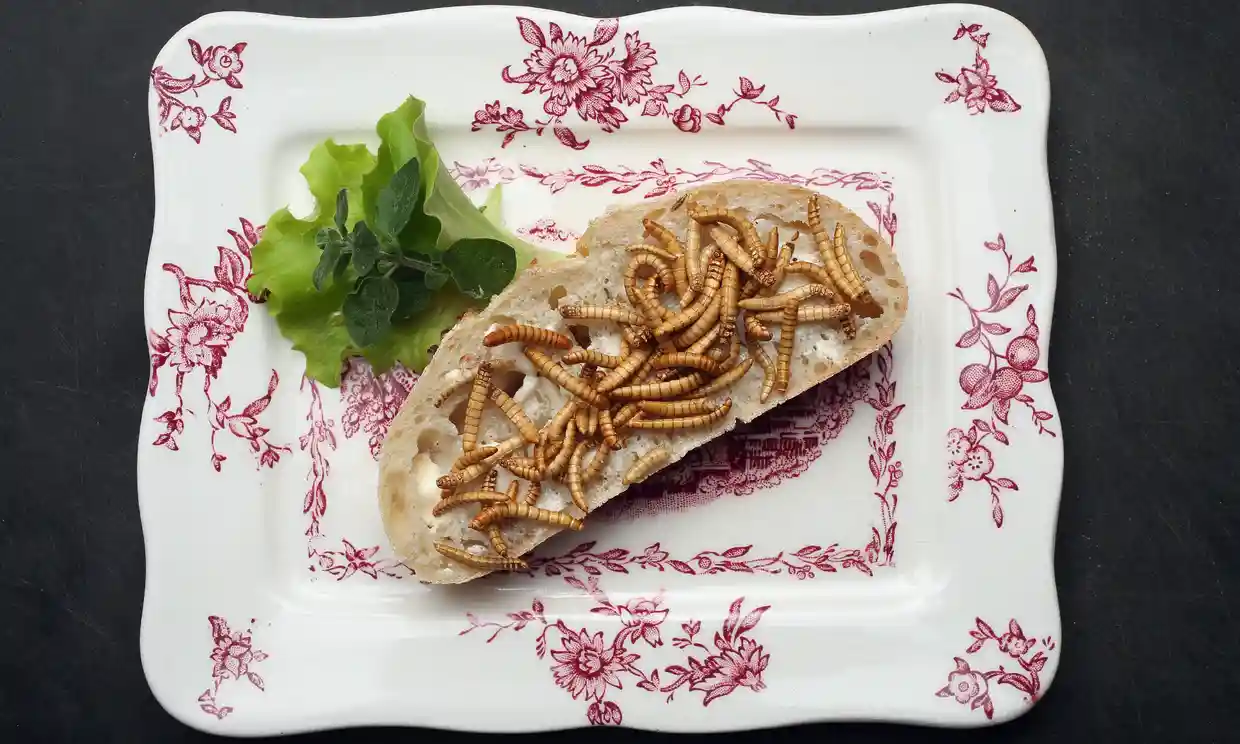
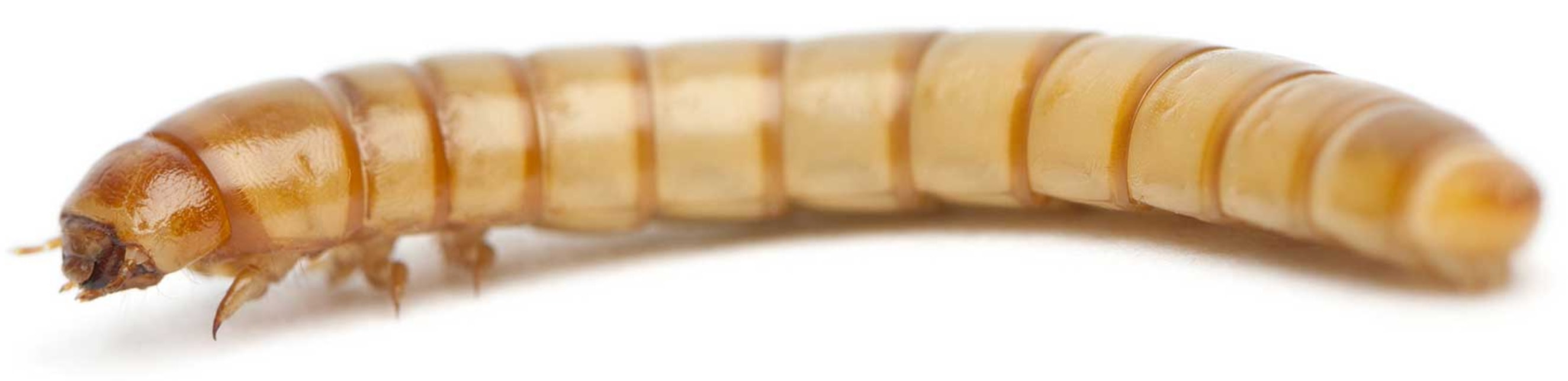
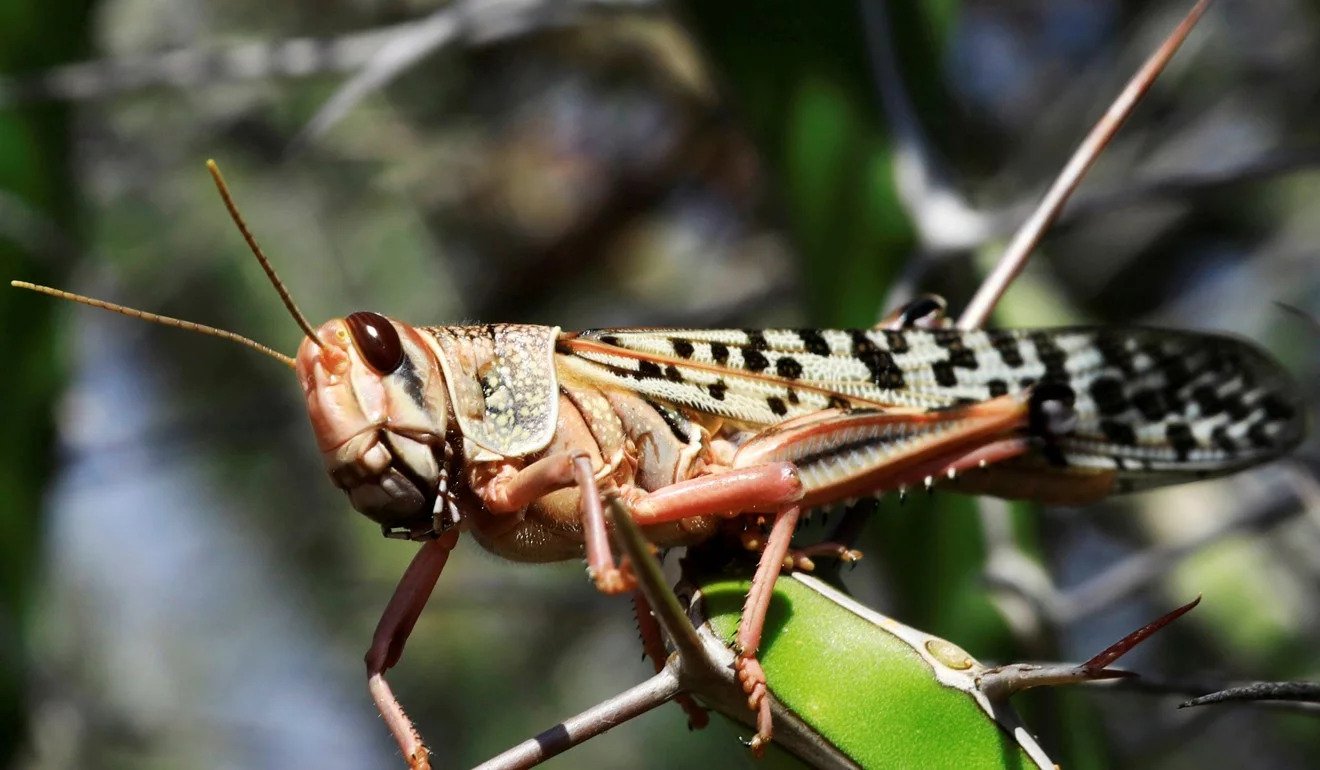
It is being billed as the long-awaited breakthrough moment in European gastronomy for mealworm burgers, locust aperitifs and cricket granola. Within weeks the EU’s European Food Safety Authority is expected by the insect industry to endorse whole or ground mealworms, lesser mealworms, locusts, crickets and grasshoppers as being safe for human consumption. The ruling is likely to lead to the final authorisation of their sale across the EU as a “novel food” by as soon as the autumn, opening up opportunities for mass production of a range of insect dishes to be sold across Europe for the first time. “These have a good chance of being given the green light in the coming few weeks,” said Christophe Derrien, the secretary general of the industry organisation International Platform of Insects for Food and Feed.
-
'Alarming' loss of insects and spiders recorded: https://www.bbc.com/news/science-environment-50226367 https://www.tum.de/nc/die-tum/aktuelles/pressemitteilungen/details/35768/ #ClimateChange #Insects #Biology