tag > OSC
-
A Fundamental Principle of Aeronautical Engineering Has Been Overturned
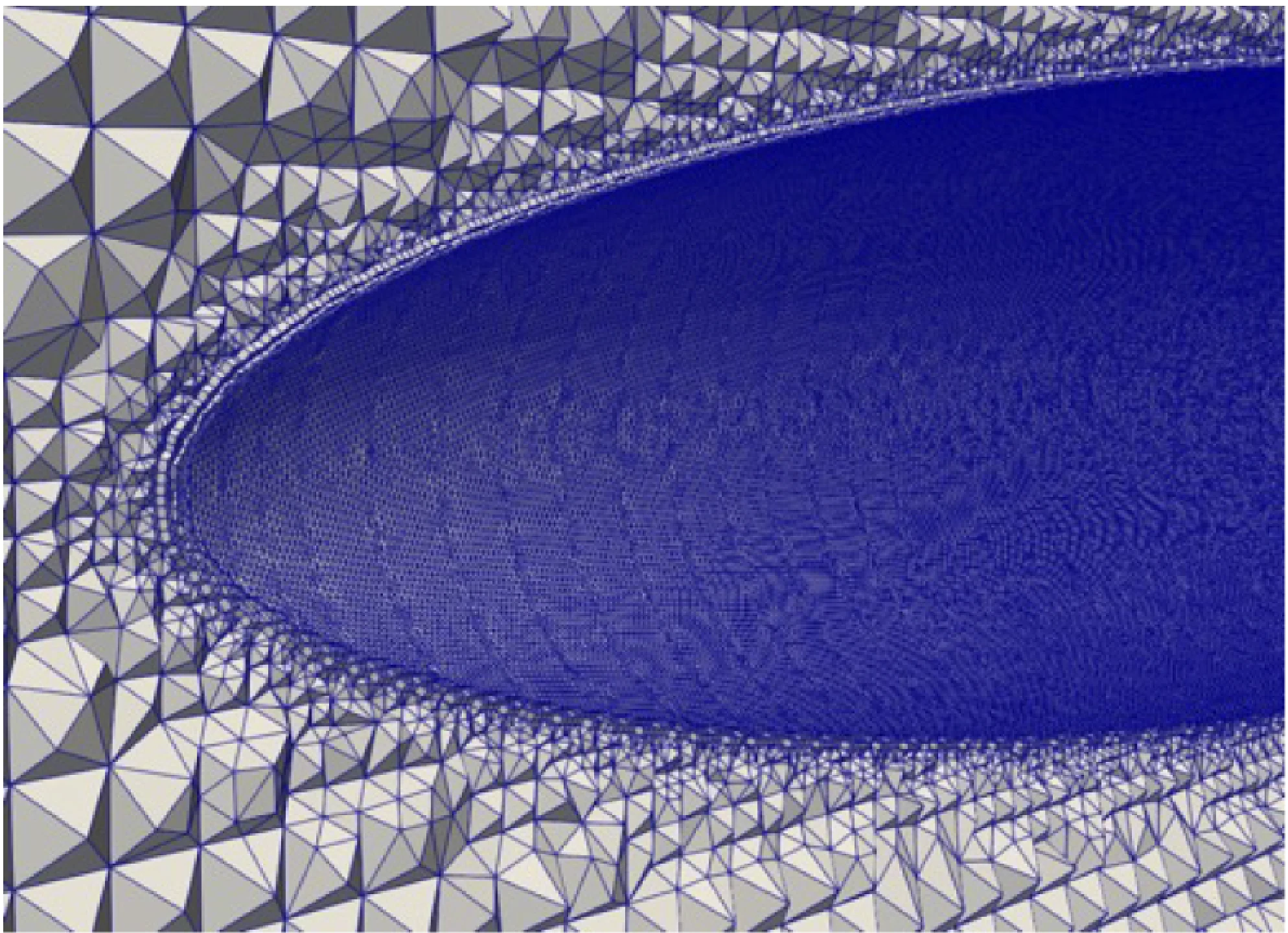
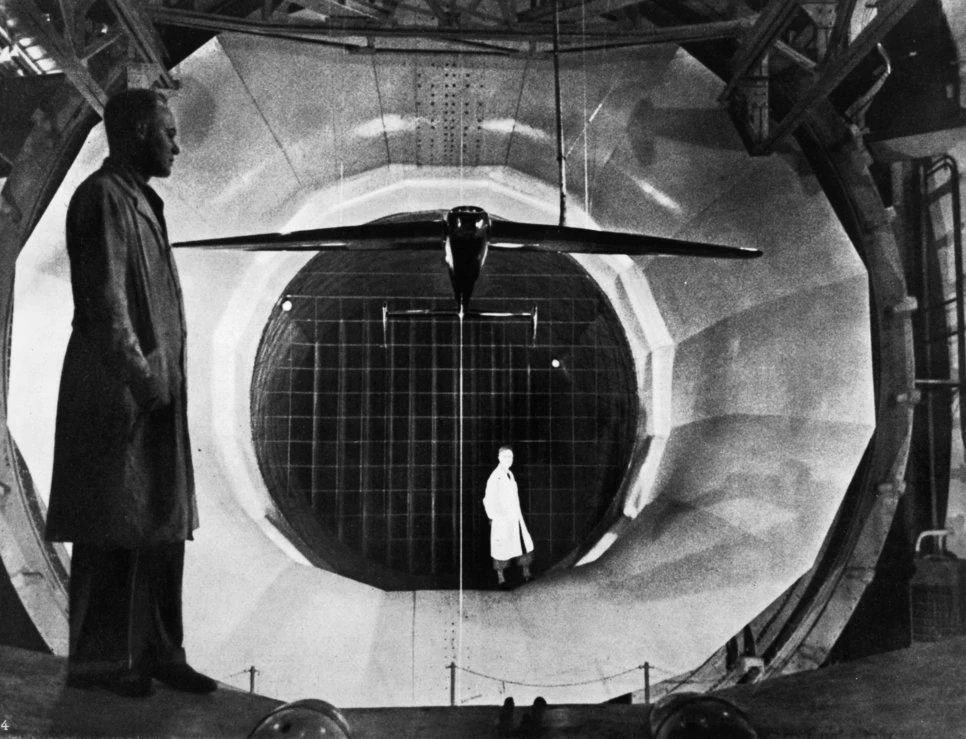
Aerodynamic drag is a major "barrier" in high-speed airplanes, automobiles, and bullet trains. This is because a design with less aerodynamic drag allows the aircraft to move at higher speeds with less energy. When an aircraft or car body moves at high speed, a thin layer of air called the "boundary layer" is formed on its surface. This boundary layer has two states: laminar flow, in which air flows in an orderly fashion, and turbulent flow, which involves turbulence. The longer the air stays in the laminar flow state with low friction, the smaller the air resistance becomes, but as the air speed increases, it transitions to turbulent flow. The key to reducing aerodynamic drag is how to delay this transition to turbulence.
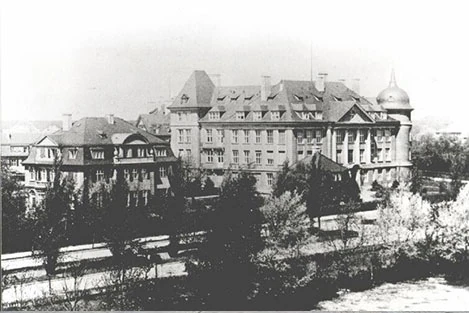
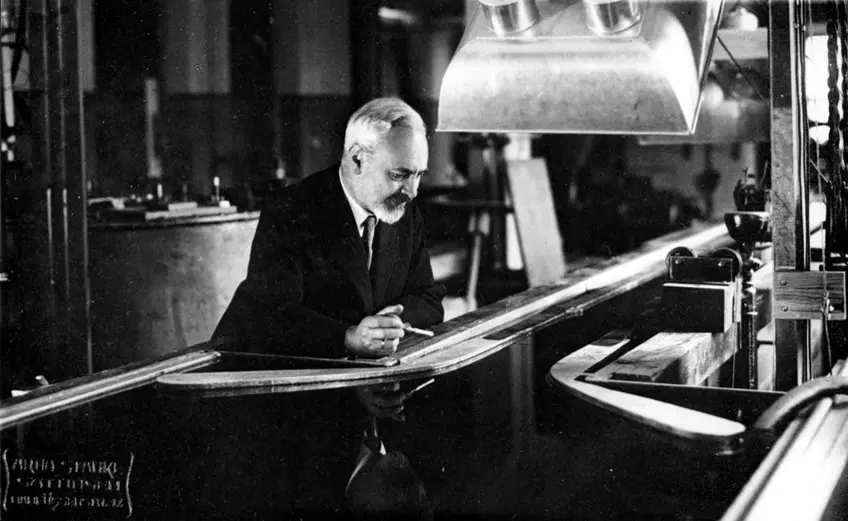
For more than 80 years, the principle of "the surface of an object must be smooth" has been the basic premise of aeronautical engineering throughout the world in order to suppress the transition to turbulence and reduce aerodynamic drag. This premise was based on the results of a 1940 study by Ichiro Tani, a Japanese aerodynamicist who quantitatively demonstrated the relationship between "surface roughness" (an indicator of the state of the machined surface) and turbulent transition, arguing that surface roughness, which was unavoidable with the manufacturing technology of the time, prevented laminar flow from being realized. However, in 1989 Tani reinterpreted the experimental data on rough-surface pipes obtained by fluid engineer Johann Nikulase in the 1930s, bringing a new perspective that "roughness may not necessarily only promote turbulent transition and increase fluid resistance." Inheriting this idea, a research group led by Yasuaki Kohama of Tohoku University experimentally demonstrated in the 1990s that fibrous rough surfaces, which have fine fibrous irregularities on their surface, have the effect of delaying transition under certain conditions.
The same Tohoku University research team recently announced a discovery that significantly advances this trend. Aiko Yakino, associate professor at Tohoku University's Institute of Fluid Science, and her research group were the first in the world to demonstrate that aerodynamic drag can be reduced by up to 43.6 percent simply by applying distributed micro-roughness (DMR), a surface roughness so fine and irregular that it cannot be distinguished by the naked eye. This technology is fundamentally different from the "rivulet (shark skin) process," which is known as a typical aerodynamic drag reduction technology. The rivulet process mimics the fine longitudinal grooves in shark skin, and by carving grooves approximately 0.1 mm wide along the direction of airflow, it aligns the vortices that occur near the wall surface of turbulent airflow areas. DMR, on the other hand, delays the switch from laminar to turbulent flow by means of random and minute irregularities. The flow zones it affects and the mechanisms it employs are based on completely different concepts.
-
Studies in the theory of random processes - Book by Anatoliy Skorokhod (1961)
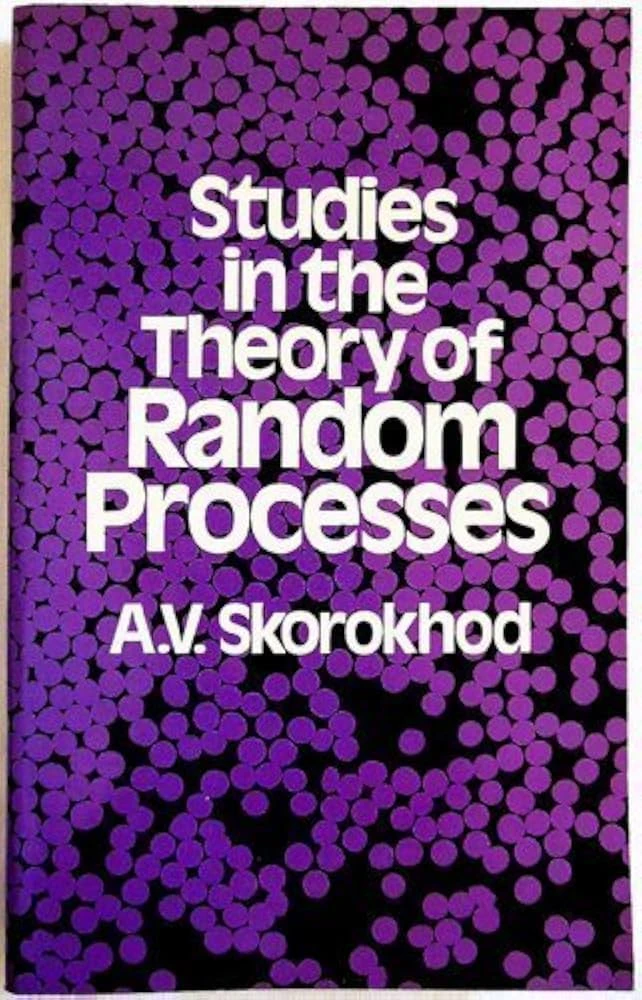
Studies in the Theory of Random Processes is a foundational mathematics text by Ukrainian mathematician A. V. Skorokhod, originally published in 1961. It provides an in-depth exploration of stochastic differential equations and limit theorems, serving as an essential reference for probability specialists and researchers.
Skorokhod goal was taming and structuring randomness into rigorous mathematical proofs. He Mostly treats randomness as "Mild" or manageable via central limit theorems. In contrast, Benoît Mandelbrot (known for exposing the "roughness" and complexity of chaotic, natural systems) championed "Wild Randomness" where variance can be infinite.
This random lineage continues today through the works of contemporaries such as Michel Talagrand, Avi Wigderson, Hugo Duminil-Copin and others.
-
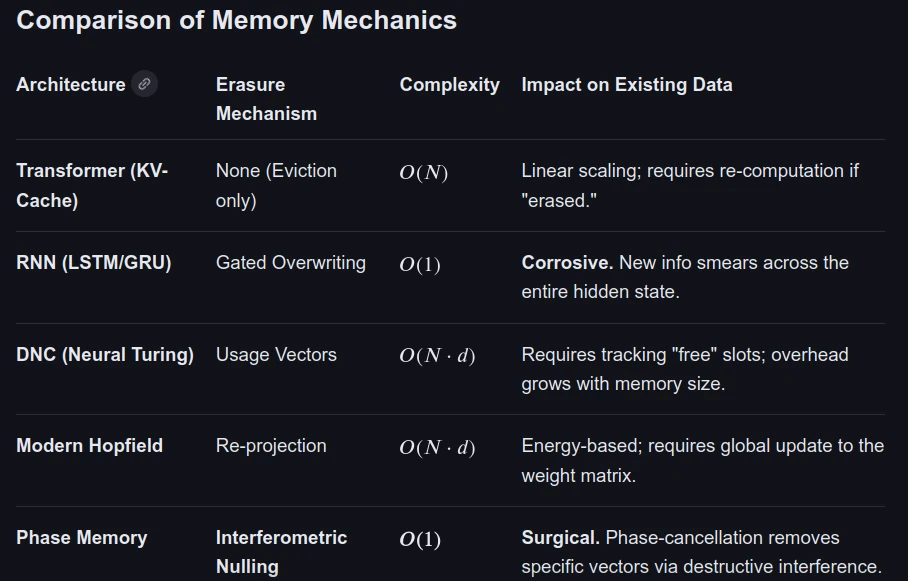
Solving the "Stability-Plasticity" dilemma
The "Stability-Plasticity" dilemma from a computational complexity perspective is the ability to perform selective erasure without disturbing the rest of the latent state—and doing so in constant time—is essentially the "holy grail" of dynamic context management.
-
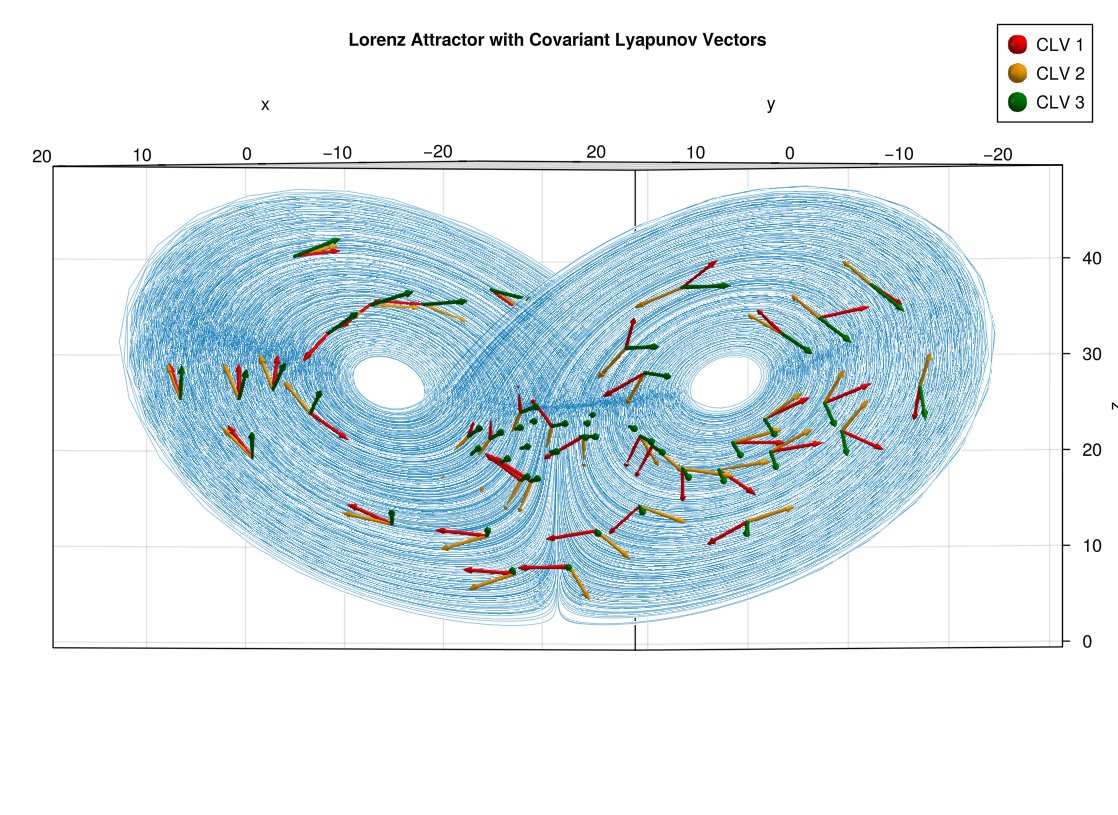
Introducing OscNet: A JAX library for oscillatory neural networks and dynamical systems.
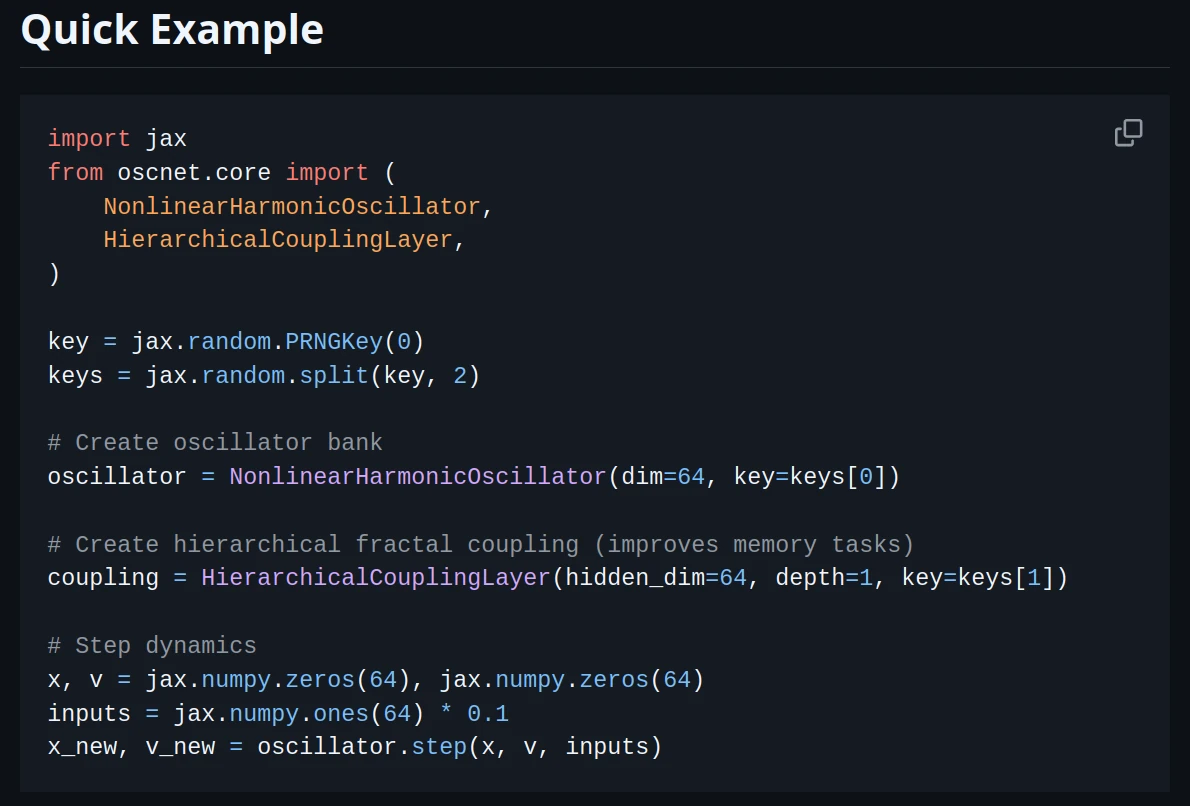
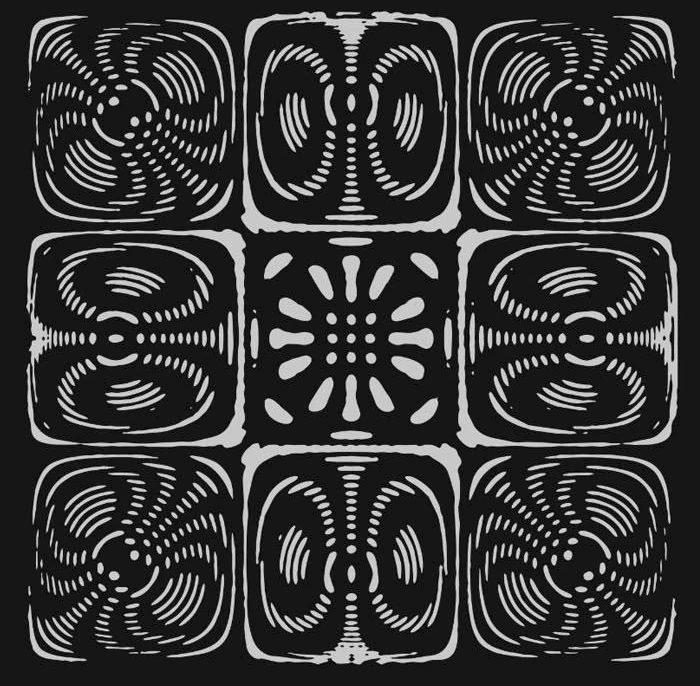
OscNet provides a framework for building and training neural networks based on oscillatory dynamics — coupled oscillator networks, continuous-time neural networks, and general dynamical systems. Built on JAX and Equinox for differentiable, high-performance computation. https://github.com/samim23/oscnet
Features
- Oscillator models: Harmonic, Van der Pol, Stuart-Landau, Kuramoto, FitzHugh-Nagumo
- Coupling topologies: Hierarchical fractal, power-law, log-periodic
- Analysis tools: Edge-of-chaos, Floquet analysis, bifurcation, stability
- Training utilities: Criticality initialization, stochastic forcing, schedulers
- Visualization: Phase space, network dynamics, oscillator analysis
More on the projects background: In Resonance with Nature - Toward a New Kind of Machine Learning with Oscillatory Neural Networks
-
Hologram News: Holograms Influence Brain & Universe as hologram
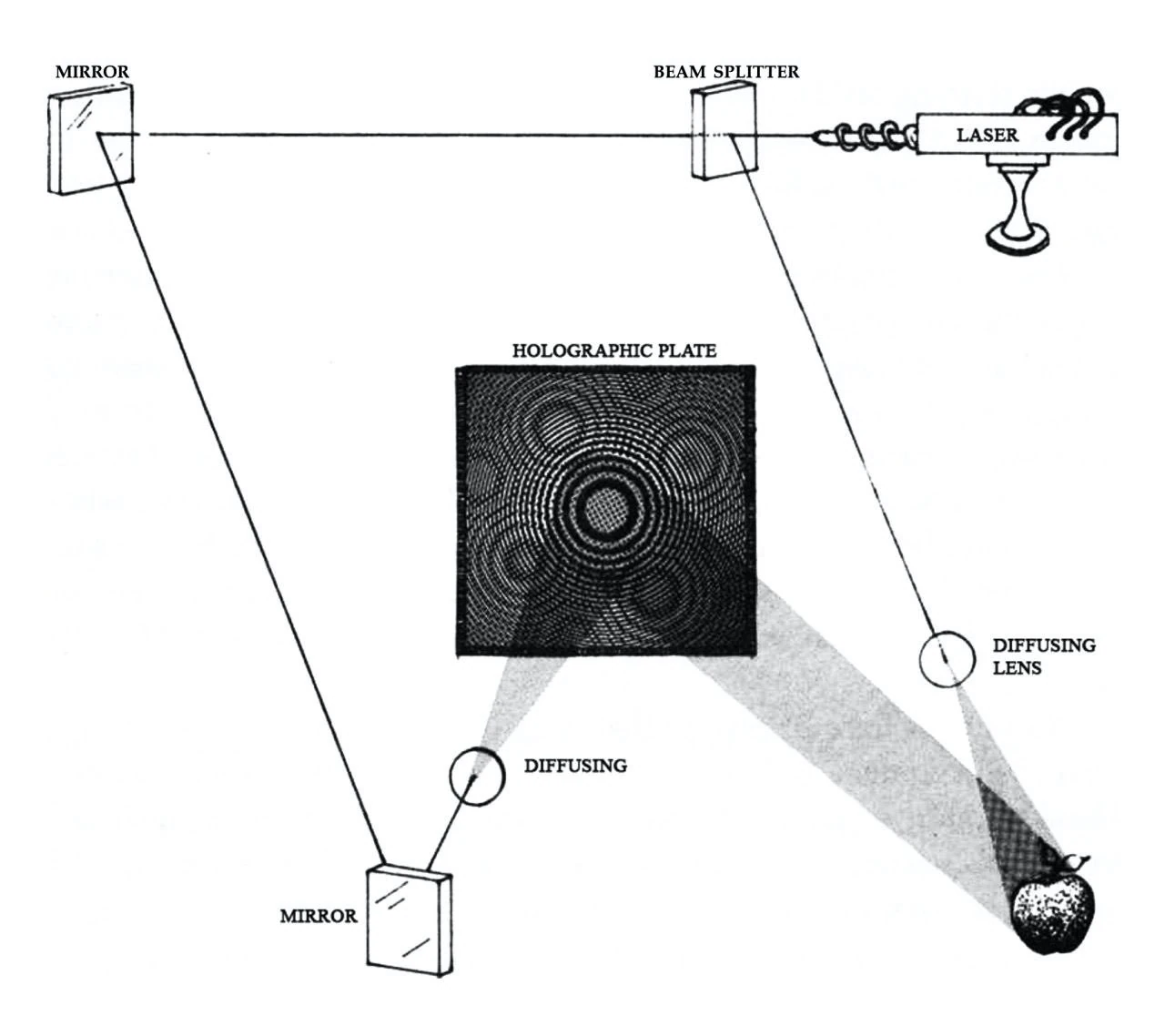
Researchers use Ultrasound Holograms to Influence Brain Networks
For the first time, a new ultrasound technique allows researchers to stimulate multiple locations in the brain simultaneously. This opens up new possibilities for treating devastating brain diseases such as Alzheimer’s, Parkinson’s and depression in the future.
Information and Quantum Physics: The Universe as a hologram
The exploration of quantum information challenges objective reality, positing the universe as a hologram. This piece examines how informational algorithms drive everything from the emergence of physical laws and time to the ultimate nature of consciousness as an emergent property
-
Why the Brain isn't a Computer—It’s a Wave Interference Engine
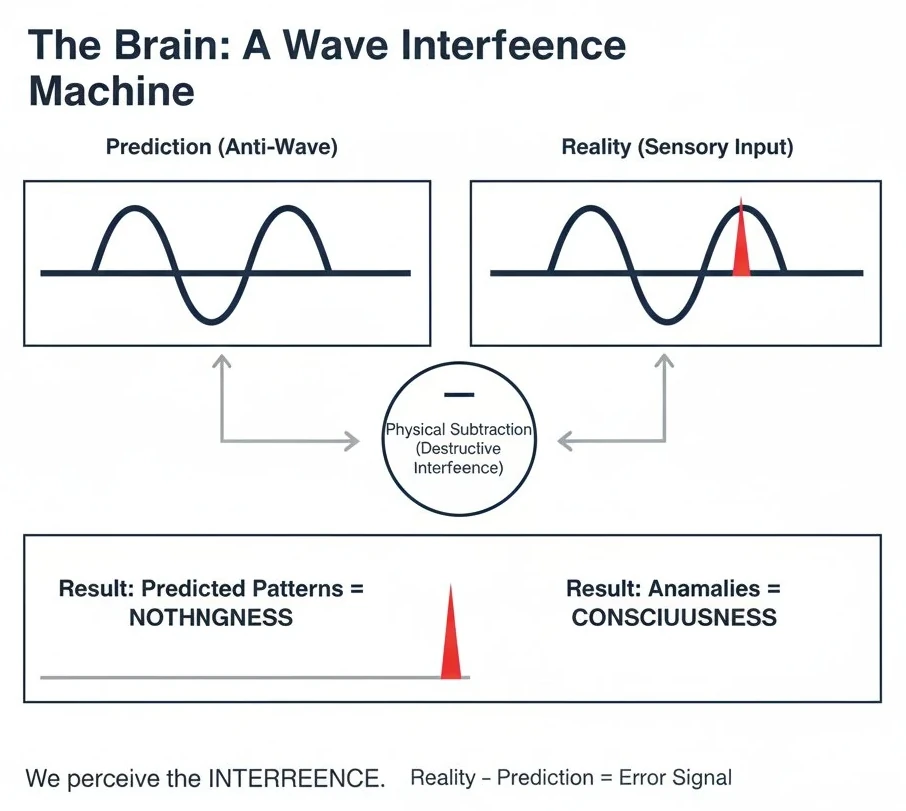
Most people think the brain "calculates" anomalies like a digital processor. They’re wrong. Digital is too slow. If you look at a 20x20 matrix and spot the "odd" numbers instantly, you aren't running an algorithm. You are performing Analog Subtraction.
The Theory
The brain doesn't process data; it manages Waves.
- The Prediction: Your internal model generates a "Counter-Wave" (Anti-Phase) based on expected patterns.
- The Reality: Sensory input hits as an incoming wave.
- The Interaction: When they meet, Destructive Interference occurs.
The Result
The predictable world—the "normal" numbers—simply cancels out into silence. No CPU cycles needed. No "processing" required. The "Oddness" (the anomaly) is the only thing that doesn't cancel. It survives the interference as a high-energy spike. Consciousness isn't the whole picture; it’s the "Residue" of the subtraction.
We don't "think" the difference. We feel the interference where the world fails to match our internal wave. Mathematics calls this a Fourier Transform. Nature calls it Perception. Memory must be wave-like: sensory inputs are converted into waves whose resonance generates meaning from reality.
Source: Cankay Koryak
-
VortexNet Anniversary. What's next?
The first "VortexNet: Neural Computing through Fluid Dynamics" anniversary is coming up. It's impact over the past year has been odd and noticeable. How should we continue this thread? Feedback welcome.
There is no shortage of ideas what to explore next in this context..
-
Zeroing In on Zero-Point Motion Inside a Crystal
A nanocrystal cooled to near absolute zero produces an unexpected light emission, which is shown to arise from quantum fluctuations in the crystal’s atomic lattice.
-
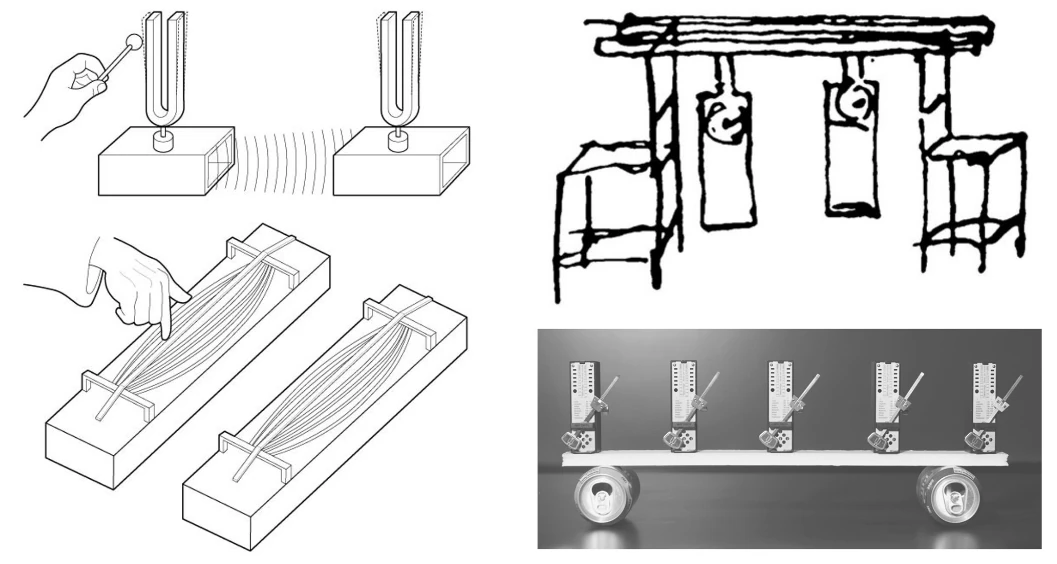
The brain doesn’t “store data”; it maintains resonant attractors that compress meaning into dynamics. Each oscillatory pattern is a lossy, context-dependent summary of prior experience that can be expanded (decoded) when needed. In other words: The brain’s oscillations are not just rhythms, they are compressive, generative codecs of reality.