tag > OpenSource
-
"Why we need an Open Source Circular Economy" - Sam Muirhead, Pecha Kucha Berlin
-
What Is Open Source Circular Economy? - presentation by Lars Zimmermann:
-
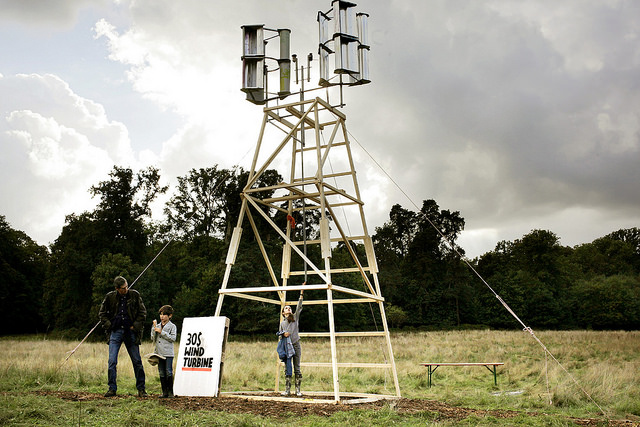
30$ Open-Source Wind Turbine: http://www.poc21.cc/30-wind-turbine/
https://www.instructables.com/id/Vertial-Axis-Wind-Turbine-from-30-Of-Scrap-Materia/- Generates 80W in a 25 km/h wind up, or 1000W in a 60 km/h wind
- Max. costs of $30 per unit, mostly from scrap materials
- Can be assembled by 2 people within 6 hours
-
The Sustainability Commons: Using Open Source Design to address Climate Change - by @catjohnson: https://www.resilience.org/stories/2016-06-09/the-sustainability-commons-using-open-source-design-to-address-climate-change/
A growing movement that combines open source design with sustainability is creating an exciting alternative to profit-driven, proprietary sustainability products. As we face urgent issues like climate change, the ability of open source communities to quickly and inexpensively create solutions makes increasing sense.
-
Today's hyped "decentralised organisations/movements" share many characteristics with good old "offshore companies": They are both highly nontransparent & hence great for corruption & deception. The challenge is how to enable large scale transparent collaboration (opensource etc)

-
Amazon Has Gone From Neutral Platform to Cutthroat Competitor, Say Open Source Developers: https://onezero.medium.com/open-source-betrayed-industry-leaders-accuse-amazon-of-playing-a-rigged-game-with-aws-67177bc748b7 #OpenSource #Politics
-
Resonate – "the ethical music streaming co-op" https://beta.resonate.is @resonatecoop has open-sourced its stream2own player app: https://github.com/resonatecoop/stream2own very sane move! congrats to @peteratomic and team! #Music #OpenSource #P2P
-
Digital DIY for self-sustainability of rural areas: http://mfioretti.com/2015/12/nitra-digital-diy-for-self-sustainability-of-rural-areas/
DIDIY, from agricultural extension to global villages and social makers: http://www.didiy.eu/blogs/didiy-agricultural-extension-global-villages-and-social-makers
The Free Knowledge Institute (FKI) is a non-profit organisation that fosters equal access to tools for production and exchange of knowledge in all areas of society. Inspired by the Free Software movement, the FKI promotes freedom of use, modification, copying and distribution of knowledge in several different but closely related fields. Accordingly, it promotes the commons economy. http://freeknowledge.eu/
-
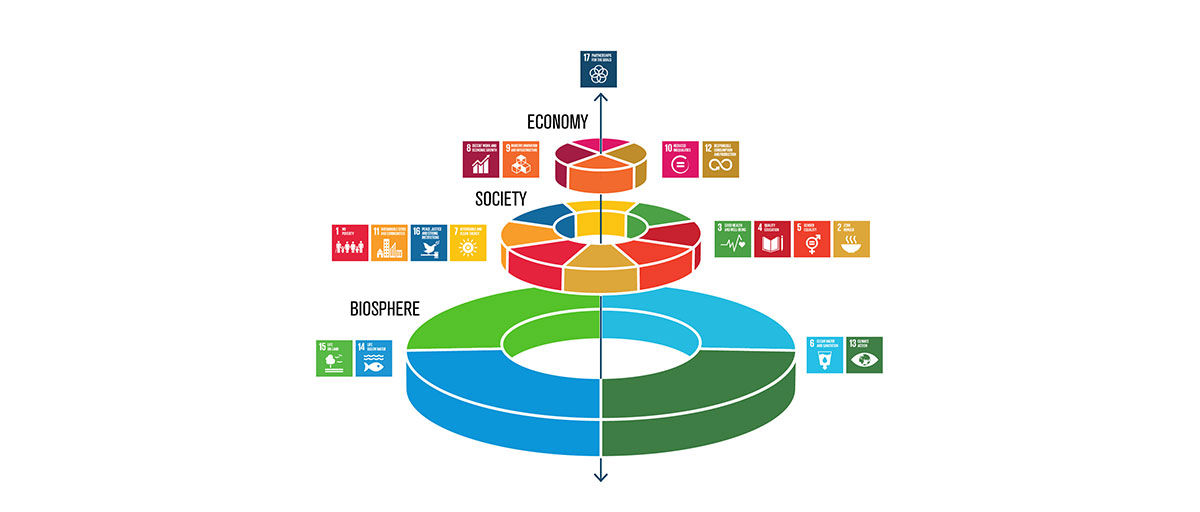
Stockholm Resilience Centre - "Sustainability Science for Biosphere Stewardship": https://www.stockholmresilience.org/ #Regenerative #Science #OpenSource #P2P
-
Elinor Ostrom on managing "common pool" resources:
Elinor Ostrom on resilient social-ecological systems:
-
https://www.feedipedia.org: Encyclopedia of animal feeds. #Regenerative #OpenSource
Feedipedia is an open access information system on animal feed resources that provides information on nature, occurrence, chemical composition, nutritional value and safe use of nearly 1400 worldwide livestock feeds.
-
https://www.developmentbookshelf.com/ - #Regenerative #OpenSource
Development Bookshelf is a specialist peer-reviewed and evidence-based online book and journal collection for International Development policy, practice and research professionals. The collection reflects the learning of multiple agencies and development professionals across a variety of specialist subject areas.
-
Shenzhen Open Innovation Lab aims to promote and facilitate collaboration between global makers and Shenzhen open ecosystem: https://twitter.com/szoil001 https://www.szoil.org/

-
SHAJI STUDIO 2019: An immersive summer school in the heart of China’s dynamic manufacturing ecosystem: https://blog.fab.city/shaji-studio-2019-an-immersive-summer-school-in-the-heart-of-chinas-dynamic-manufacturing-a289e6bc7f5b
Shaji Model
Inspired by what they see in Shaji, Alibaba Researcher worked with CASS (Chinese Academy of Social Science) on Shaji model that summarized critical drivers of their success.
- Bottom-up model: unlike the typical model of bringing e-commerce to the rural area in the top-down fashion, e-commerce was started from the bottom up by the rural residents themselves.
- Copy to scale: the low barriers of entry enabled others to copy the existing business and start their own. The paper called this a cell division copying with exponential growth.
- E-commerce market drove industrialization: unlike the traditional model of industrialization by offering a considerable amount of cheap labors to manufacture goods for others, the industrialization is driven by the market reality to decide what kind of tools, equipment, and technologies to adopt.
- The clear core group who compete and collaborate: the core group of Shaji e-commerce is the new entrepreneurs who are mostly related to each other through family ties. The multiple layers of relationship create a system of competing and collaboration that further expand the complexity of the business ecosystem that contributes to the growth of diversification and specialization.
- “presence and not interfering” governing: the government did not try to lead the development policy or direction and focus on building infrastructures such as roads, electricity, and telecommunication. Also, the government is responsible for solving problem arise from the community such as securing land usage for the factory. (e.g., Farmlands to industrial lands change is extremely hard in rural China).
- Proper vertical markets. The furniture markets with vast segmentations of the markets enable the cell division model of scaling to specialize in different segments. Thus, proper vertical market facilitates the cell division model of scaling of the Shaji model.
-
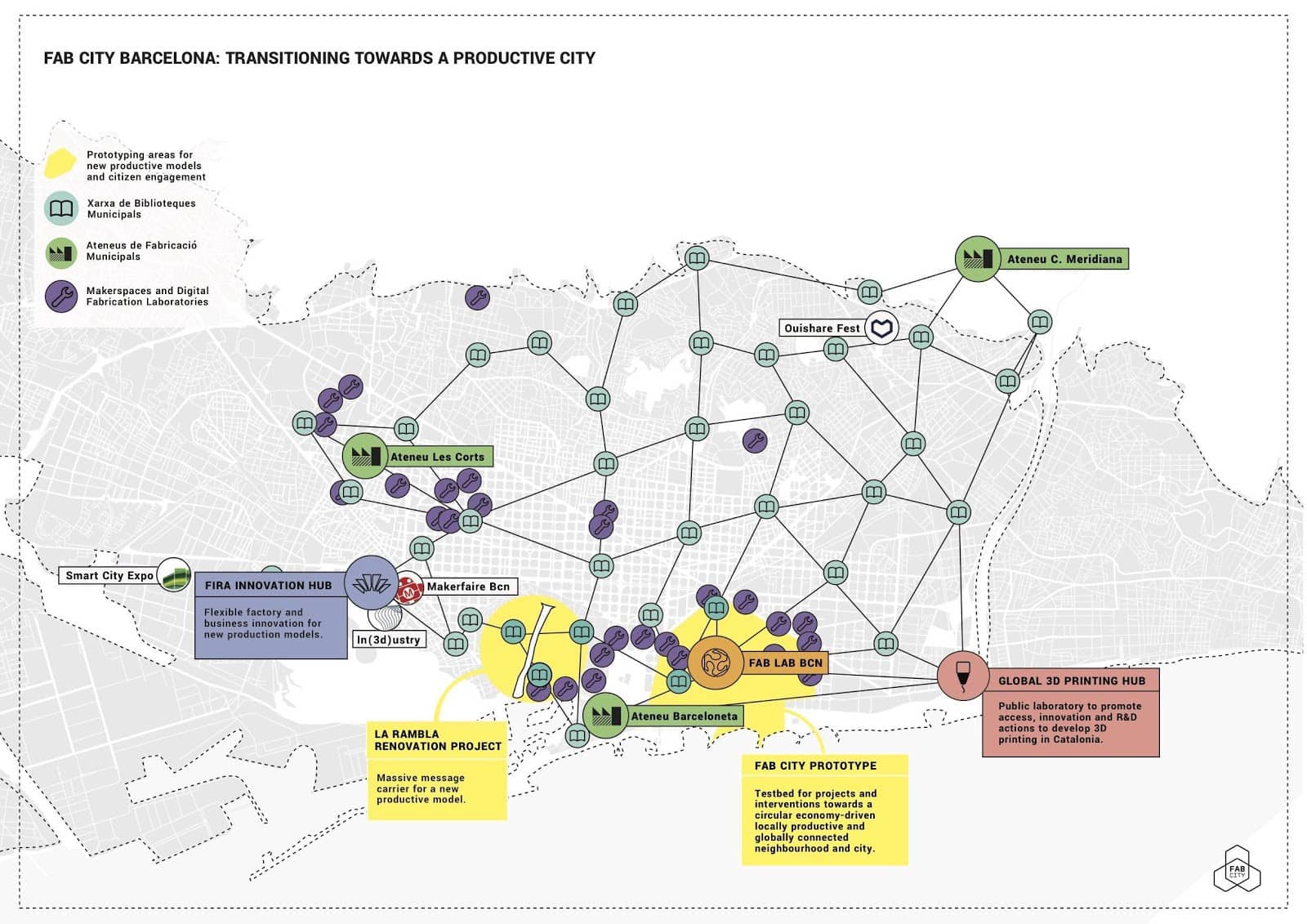
The Mass Distribution of (almost) Everything - by Tomas Diez (Fab Lab Barcelona Director):
https://blog.fab.city/the-mass-distribution-of-almost-everything-c0ca4be24429In a new iteration of democracy, participation should not be merely about giving an opinion or delegating power to elected representatives, but about co-creating and co-building neighbourhoods and cities.
-
OrganiCity is a service for experimentation, which explores how citizens, businesses and city authorities can work together to create digital solutions to urban challenges:
http://organicity.eu/ #OpenSource #Regenerative #Infrastructure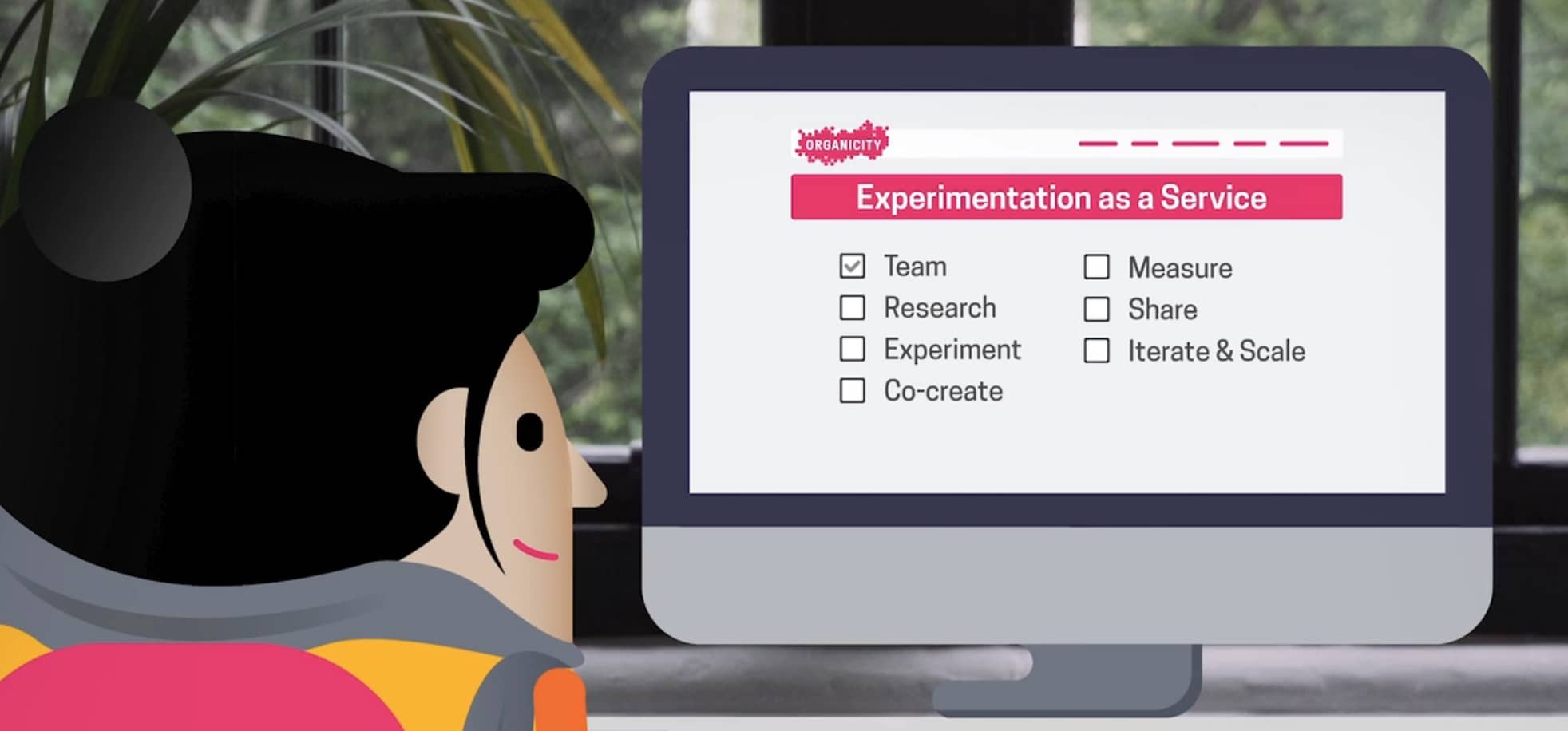
-
GROW Observatory: https://growobservatory.org/
The GROW Observatory (GROW) is a European-wide project engaging thousands of growers, scientists and others passionate about the land. We will discover together, using simple tools to better manage soil and grow food, while contributing to vital scientific environmental monitoring.
-
Making Sense: http://making-sense.eu/
Making Sense will show how #OpenSource software & hardware, digital maker practices and open #Design can be effectively used by local communities to appropriate their own technological sensing tools, make sense of their environments and address pressing environmental problems in air, water, soil and sound pollution.