-
Reflections on Plastic and the news that the "EU Commission plans ban on plastic waste":
http://www.dw.com/en/eu-commission-plans-ban-on-plastic-waste/a-43949554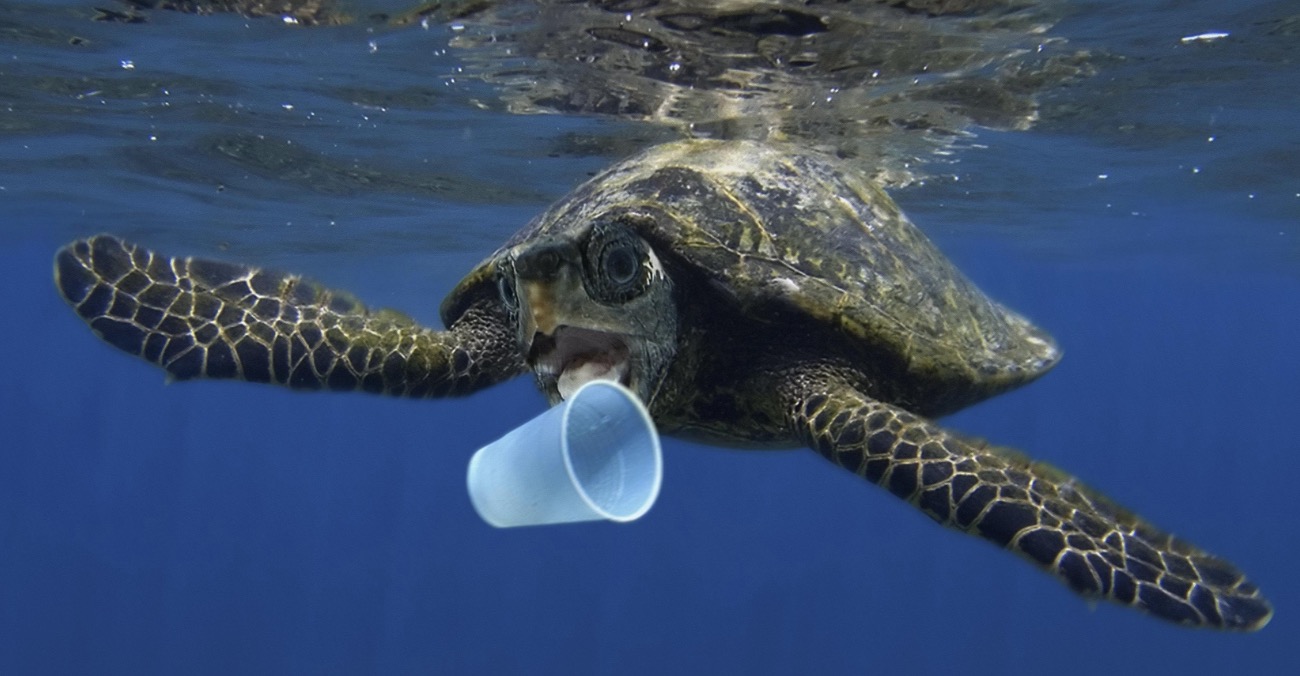
"If we continue as we are now, by the year 2050 there will be more plastic in the oceans than fish. Already now we are fishing more plastic waste than fish. There is really an urgent need for profound change" - Frans @TimmermansEU - Vice-President of the EU Commission
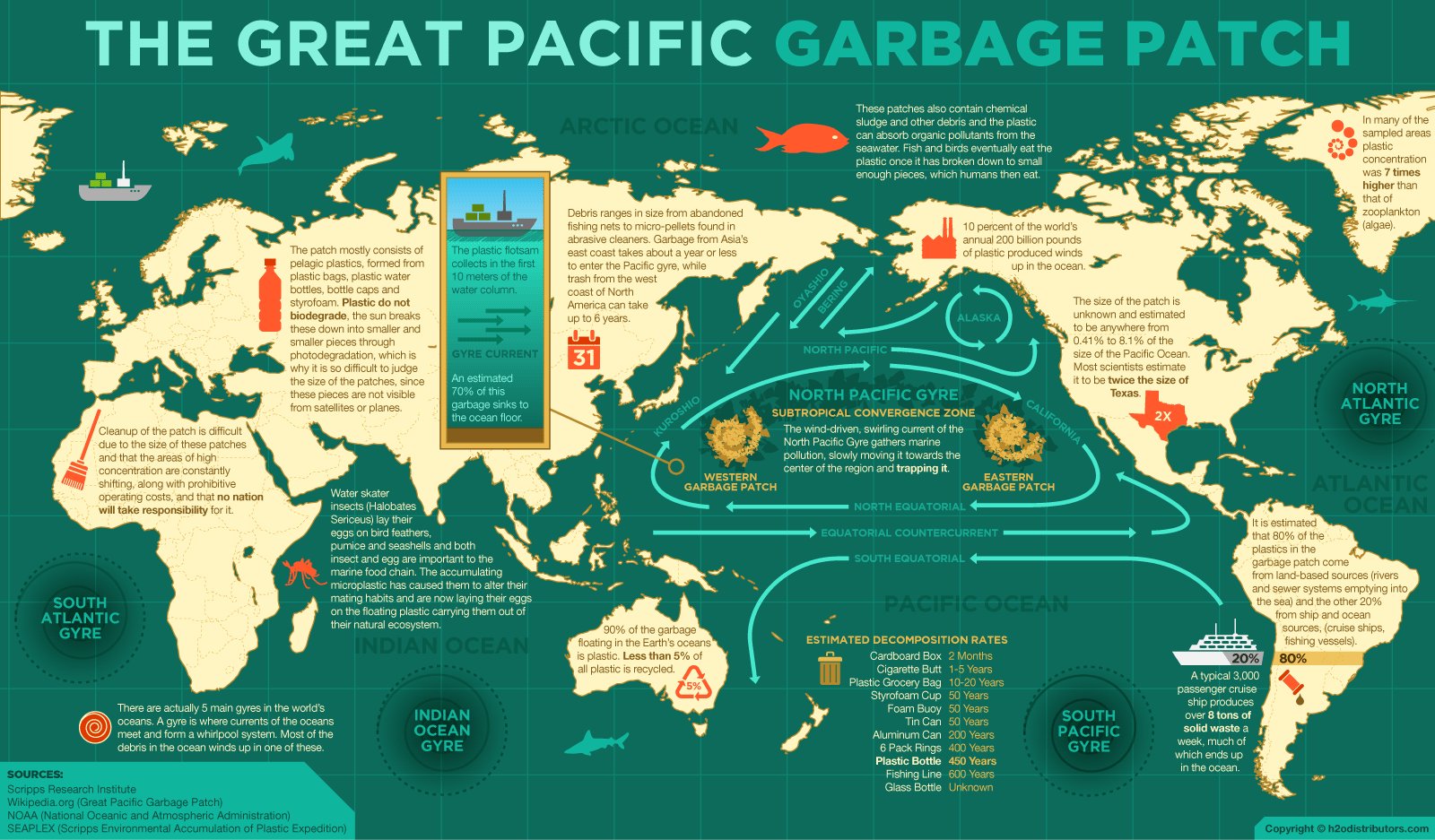
Today, the EU has officially acknowledged that plastic waste is a global environmental catastrophe of epic proportions. Why? To grasp the full extent of the plastic problem is hard, but here some facts: "More than 8m tons of plastic are dumped in our oceans every year"
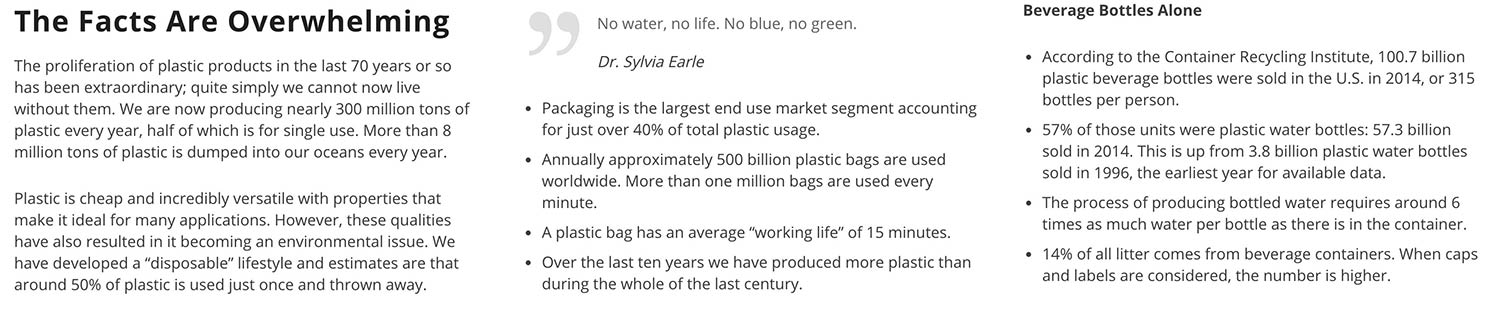
Beyond any singular facts on why plastic is bad, this perhaps is the most shocking: "The Great Pacific garbage patch" is a massive island of plastic, floating between California & Hawai. It is now 3 times the size of France and growing rapidly: https://en.wikipedia.org/wiki/Great_Pacific_garbage_patch
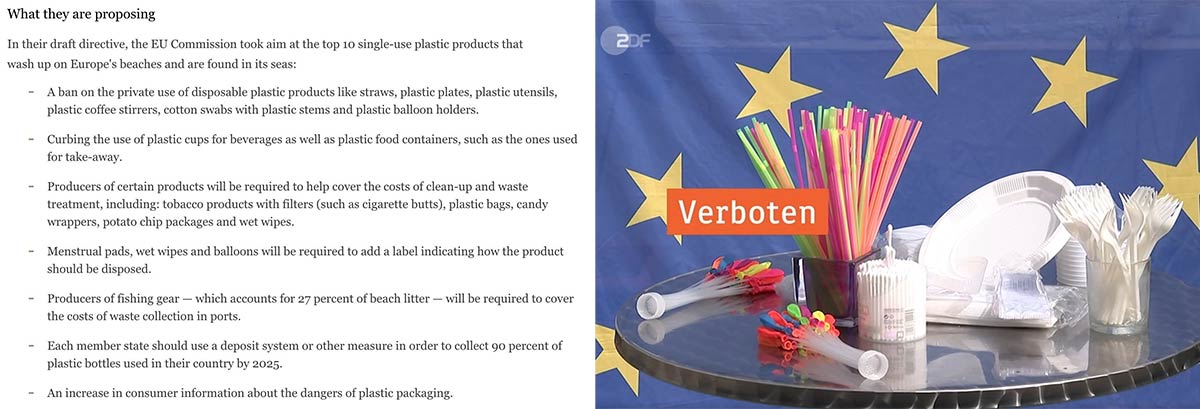
The EU Commission proposed new EU-wide rules this Monday, aimed at reducing plastic pollution in cities & oceans by banning several plastic products. They are the first major economic zone to signal a move towards "innovative alternatives" which "could create new jobs". Sane!
While the EU plastic regulations are ambitious in the global context - critics rightfully are saying much strong action is required to prevent a *total collapse* of global marine life & connect food chains. A scenario scientists see as increasingly likely:
https://www.newsecuritybeat.org/2017/02/ocean-fish-stocks-on-verge-collapse-irin-report/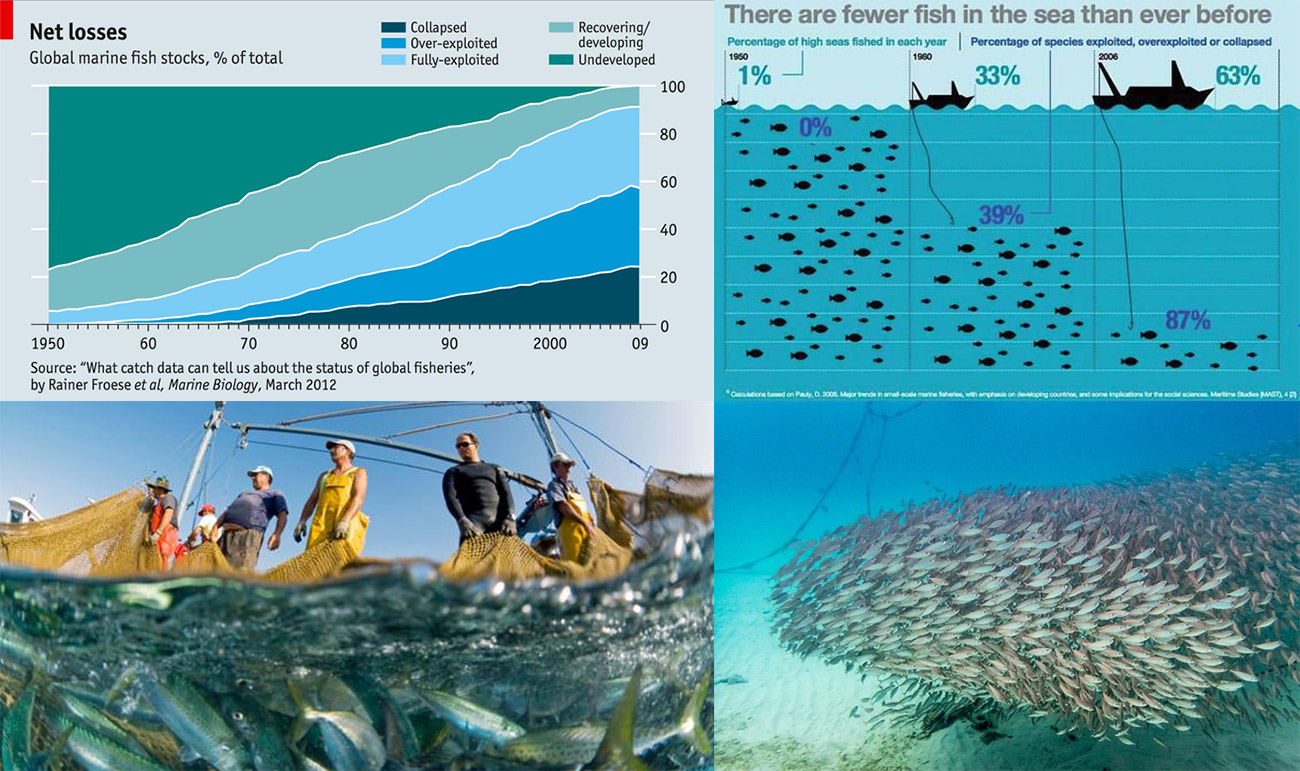
-
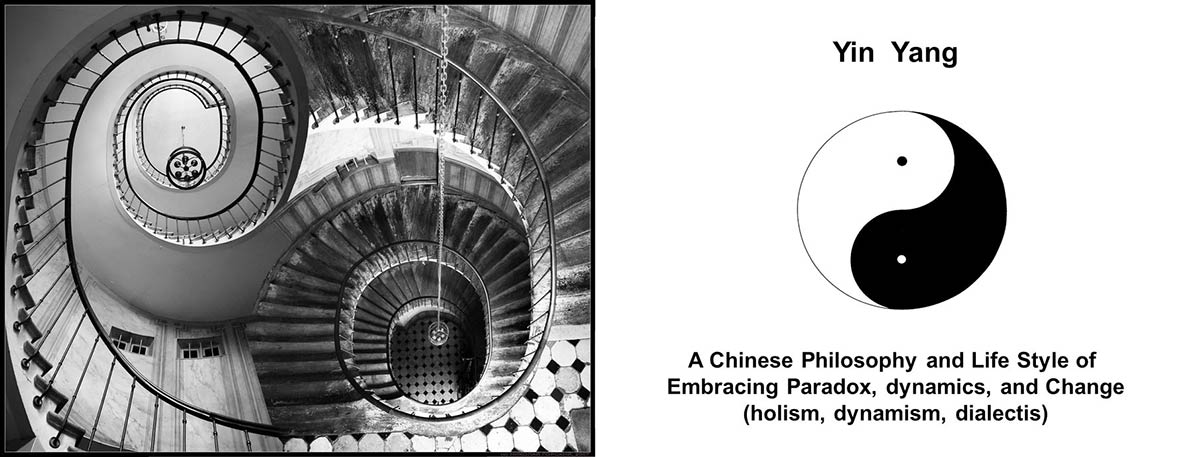
At the core of traditions like Zen & Daoism lies the appreciation of the deeply paradoxical nature of reality. In the west, paradoxes are seen as side-effects or bugs, in an otherwise perfectly computable universe. Yet the list of paradoxes keeps growing https://en.wikipedia.org/wiki/List_of_paradoxes #Mindful #Paradox
-
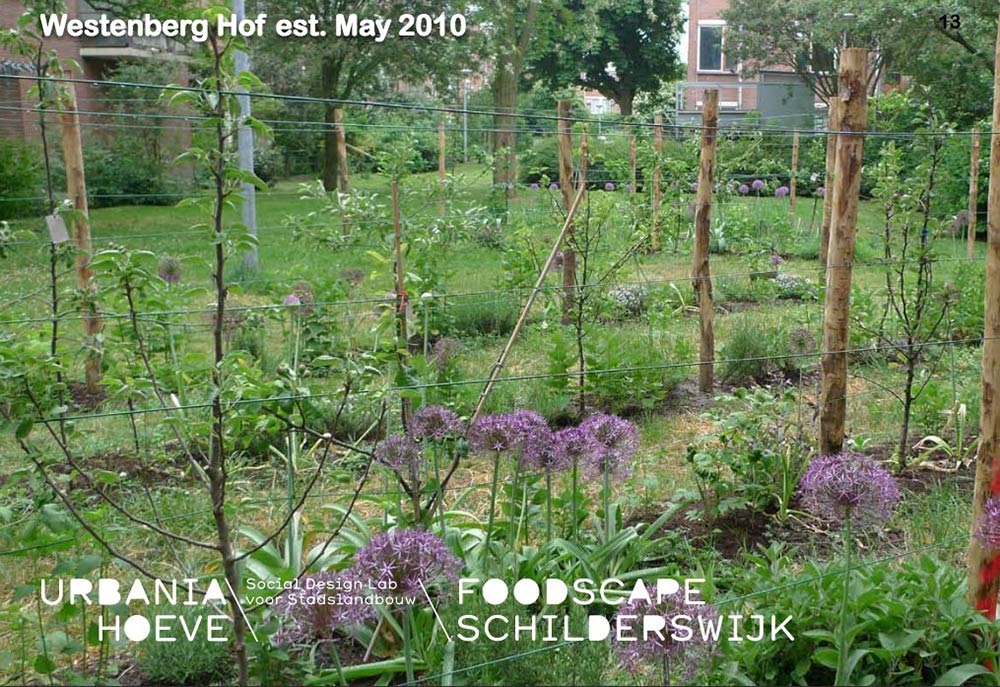
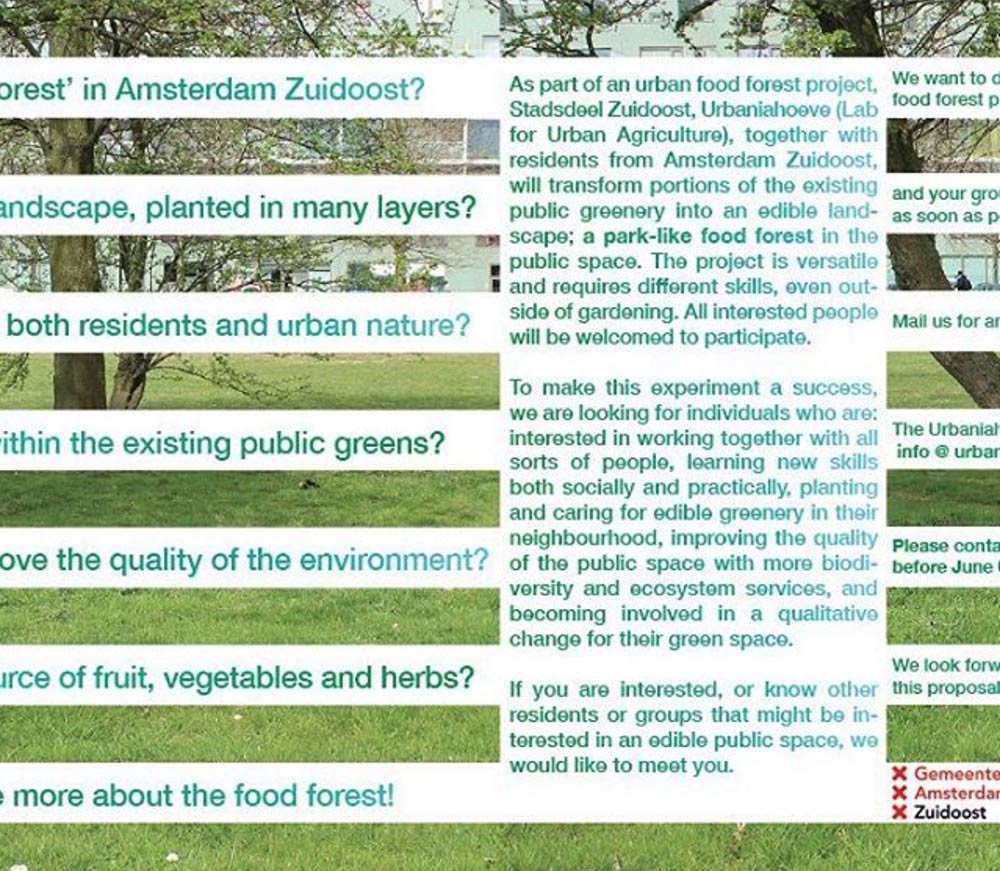
A public space food forest in Amsterdam Zuidoost? http://www.urbaniahoeve.nl/2018/05/a-public-space-food-forest-in-amsterdam-zuidoost-foodforest-amsterdam-publicspace-urbaniahoeve-stadsdeelzuidoost-zuidoost-info-at-urbaniahoeve-dot-nl-2/
"Edible Public Spaces"
-
Somalia-based startup http://Ari.farm allows investors to purchase and trade livestock over a mobile app: http://theprepaideconomy.com/post/174342359833/somalia-based-startup-arifarm-allows-investors #ValueFlow
-
In Berlin every week a new "X as Service" site pops-up - all with broken objective functions.
Convenience (deeply steeped in oppression) to drive greater consumption (a root cause of climate change) is a totally backwards concept. Lets use the tech for more interesting things!

-
"Security troops on US nuclear missile base took LSD, Coke & Ecstasy" - "I absolutely just loved altering my mind": https://apnews.com/98f903367b50404cb3c9695bcabefa5a
I can't make up my mind if this is extremely terrifying news or somewhat optimistic news...
-
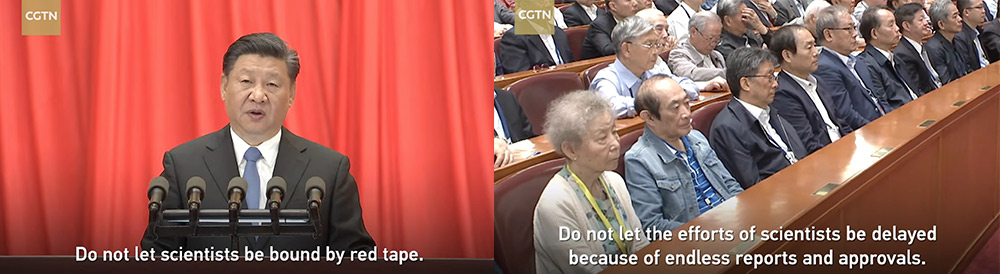
"Xi Jinping calls for China to become world leader in science, technology": https://www.youtube.com/watch?v=unqPqFJyb2o "Do not let scientists be bound by red tape": https://www.youtube.com/watch?v=i61bCm-Em2c
#Prediction: China will replace its drive for technocratic leadership, with eco-leadership in the next 10y.
The second largest economy in the world calling for total deregulation of science & technology in times of climate change. What could possibly go wrong?
@vakibs asks: Are you really that hopeful? They are cutting edge in how to abuse face recognition. A part of me hopes for China to realize its Daoist heritage. But I am really not convinced by the current leadership. It will most likely push for mass surveillance and not ecological health.
My answer: I am very much this hopeful, for hope is powerful https://samim.io/p/2018-02-27-excerpts-from-the-revolution-of-ho/ I do not say such things out of blind/dumb idealism or self-deception - but realistically see our path going from geo-politics to eco-politics, as a matter of naked survival. It won't be utopia, more Gaia. While I don't fully agree with the visions & conclusions of thinkers like Latour or Rifkin, they are at least soberly and cunningly discussing the coming politics of Gaia. The notion is right and we ought to do the same: https://samim.io/p/2018-05-21-on-not-joining-the-dots-excellent-talk-by-bruno-lat/
@prepaid_africa responds: Plus, ironically, comparative and competitive advantage. I once wrote a whole article tracing how the EU regs were forcing sustainable & eco friendly changes in industry sectors
My answer: exactly, a "competitive advantage" - a notion which itself is being eclipsed by more complex and dynamic model (see Actor–network theory etc). Plus it is time to say this clearly: The fairies, ents and river spirits are waking up & demanding from us to dance to a different beat.
-
"What Is Plant-Thinking?: Botany’s Copernican Revolution" - by @michael_marder:
https://lareviewofbooks.org/article/what-is-plant-thinking-botanys-copernican-revolution/ -
A Word of Caution: Against the Commodification of Vegetal Subjectivity:
http://philosoplant.lareviewofbooks.org/?p=255Like ontological plurality, the dispersal of intelligence into a multiplicity of minds, distributed across the sentient extension of plants, is not an assured escape route from metaphysical and capitalist domination. In our “knowledge economies,” intelligence is the commodity that produces and reproduces itself with the excess of surplus-value, over and above what is strictly required for its self-reproduction. Why would plant intelligence be any different?
Capitalism and metaphysics coax knowledges out, extract, attribute value to, and traffic in them. The surplus over the knowing and the known is the capacity to know, a potentiality prior to its actualization. Doesn’t the surge of interest in plant intelligence zero in (and capitalize) on this capacity of plants, which it then converts into the principles of vegetal robotics, environment sensing, or biochemical signaling? There is nothing inherently wrong with learning these things from plants in a cross-species or cross-kingdoms pedagogy that is not limited to capitalism.
The troublesome bit is the form such learning and its objective outcomes assume: a commodity. Of course, nothing and no one is ensured against the far-reaching power of commodification, insinuating itself into the previously noneconomic domains of life (in the discourse of economics: “externalities”). If, however, plant intelligence is also under the spell of the commodity form, then we cannot assert that it maintains and fosters an innately redemptive potential in the midst of the current capitalist-metaphysical onslaught.It is for this reason that I much prefer plant-thinking, an expression I coined with the inspiration of Plotinus’s phutiké noesis (“vegetal mind”), to plant intelligence. In a nutshell, intelligence is instrumental; thinking is not. Intelligence is meant to solve problems and achieve determinate goals; thinking problematizes things and makes them indeterminate. Intelligence is the triumphant, algorithmically verifiable application of the mind to matter (or to the environment), forced to do the mind’s bidding. Thinking happens when the instrumental approach fails; it is a positive sign of failure, of disquiet, of an unending albeit finite search.
-
Larger Than Life: Injecting Hope into the Planetary Health Paradigm - by @susanprescott88 et.al: http://www.mdpi.com/2078-1547/9/1/13/htm
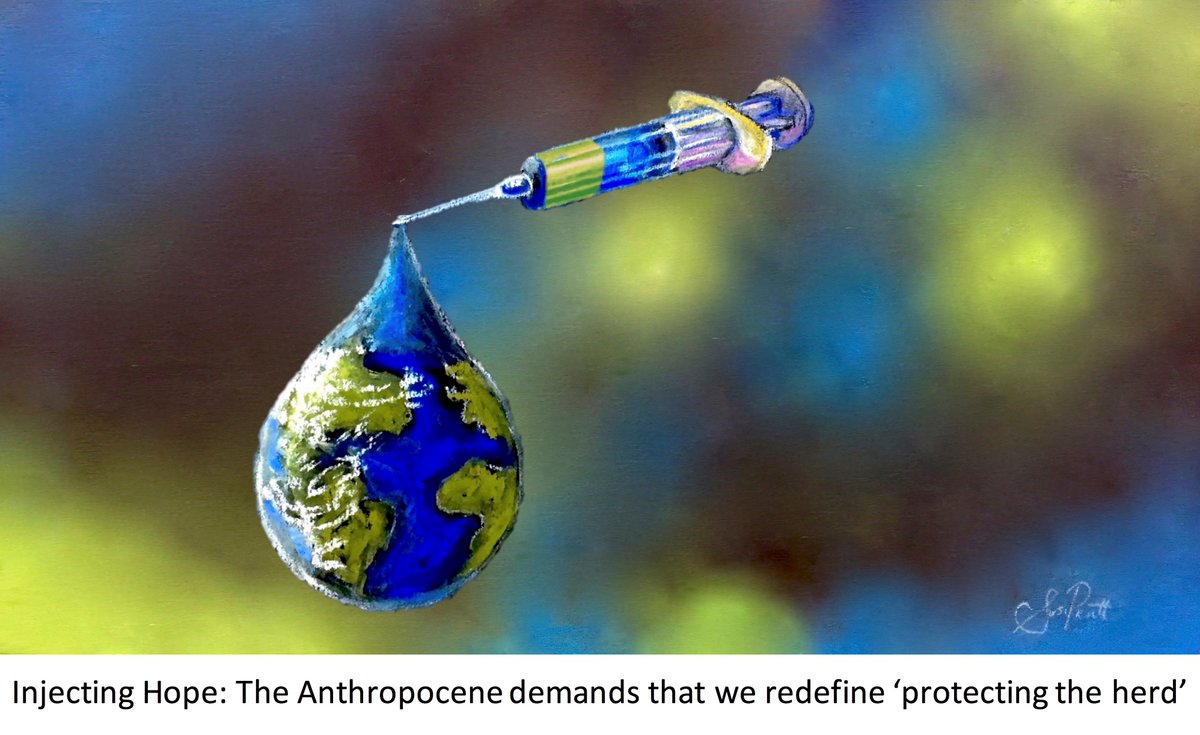
Abstract: The term planetary health, popularized in the 1980s and 1990s, was born out of necessity; although the term was used by many diverse groups, it was consistently used to underscore that human health is coupled to the health of natural systems within the Earth’s biosphere. The interrelated challenges of climate change, massive biodiversity losses, environmental degradation, grotesque socioeconomic inequalities, conflicts, and a crisis of non-communicable diseases are, mildly stated, daunting. Despite ‘doomsday’ scenarios, there is plenty of room for hope and optimism in planetary health. All over planet Earth, humans are making efforts at the macro, meso and micro scales to promote the health of civilization with the ingredients of hope—agency and pathway thinking; we propose that planetary health requires a greater commitment to understanding hope at the personal and collective levels. Prioritizing hope as an asset in planetary health necessitates deeper knowledge and discourse concerning the barriers to hope and the ways in which hope and the utopian impulse are corrupted; in particular, it requires examining the ways in which hope is leveraged by advantaged groups and political actors to maintain the status quo, or even promote retrograde visions completely at odds with planetary health. Viewing the Earth as a superorganism, with humans as the collective ‘nervous system’, may help with an understanding of the ways in which experience and emotions lead to behavioral responses that may, or may not be, in the best interest of planetary health. We argue that the success of planetary health solutions is predicated on a more sophisticated understanding of the psychology of prevention and intervention at all scales.
-
"Skatebot music for the skatebot culture" - by @dadabots:
https://theoutline.com/post/3567/this-skate-punk-album-was-created-by-artificial-inteliigence"A neural network used NOFX’s music to create a ten-track album of frantic skate punk tunes, complete with high-speed drums, palm-muted guitars & sneering vocals"
-
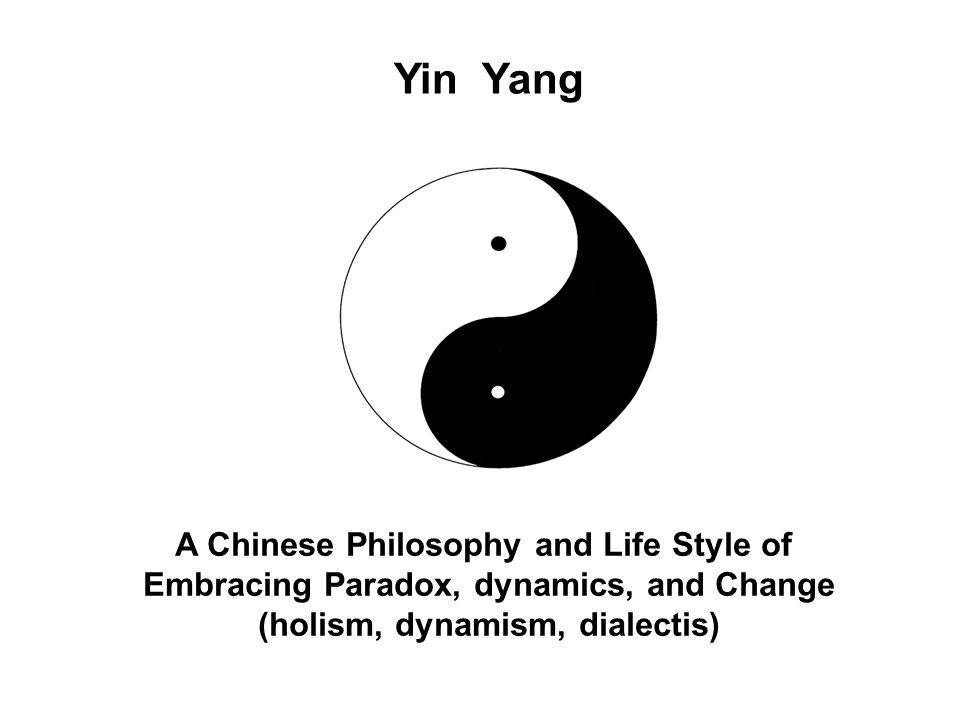
At the core of traditions like Zen & Daoism lies the appreciation of the deeply paradoxical nature of reality. In the west, paradoxes are seen as side-effects or bugs, in an otherwise perfectly computable universe. Yet the list of paradoxes keeps growing: https://en.wikipedia.org/wiki/List_of_paradoxes

-
A Population That Pollutes Itself Into Extinction (and It’s Not Us):
https://mobile.nytimes.com/2018/04/30/science/microbes-ecological-suicide.html"microbial village be infected with mass stupidity, to devastating effect. soil bacteria fed a diet of glucose and nutrients in the lab & allowed to grow at will, ends up polluting their local environment so quickly & completely that the entire population soon kills itself":
-
A website full of machine-generated, dadaistic bollocks: #Bots
https://theexpertconsulting.com/global-leukocyte-surface-antigen-cd47-market-analysis-2018-forty-seven-inc-surface-oncology-inc-trillium-therapeutics-inc-and-celgene-corp/But why? My guess is to trick financial high-speed trading bots, who take signals from the web to guide their trades. Botnet VS Botnet. Some thoughts on the topic here https://samim.io/p/2018-04-23-the-solution-to-exploding-fake-news-and-spam-botnets-ca/
-
My number 1 recommendation for improved mental health and ecologically & ethically sound behaviour, is "surround yourself with lifeforms that exist at radically different timescales". Plants & Animals perceive time very differently and act differently. It is worth listening deeply.
-
Goodbye, Things: The New Japanese Minimalism:
A growing movement in Japan is choosing to part with their possessions and appreciate the beauty of less. These extreme minimalists may limit their wardrobe to only 20 items of clothing or choose to forgo a bed, paring their home down to the bare essentials. Inspired by the aesthetics and principles of traditional Zen Buddhism, Japan’s new minimalists say their transformation to simple living has freed them to spend time on other pursuits. Fumio Sasaki, minimalist and author of Goodbye, Things: The New Japanese Minimalism, joins us at Japan Society to discuss how he opted for minimalism over materialism and share his insight on this life-altering philosophy. Moderated by filmmaker Matt D’Avella, whose latest film Minimalism: A Documentary About the Important Things examines the cultural movement of simple living. Followed by a book signing and reception.