tag > Art
-
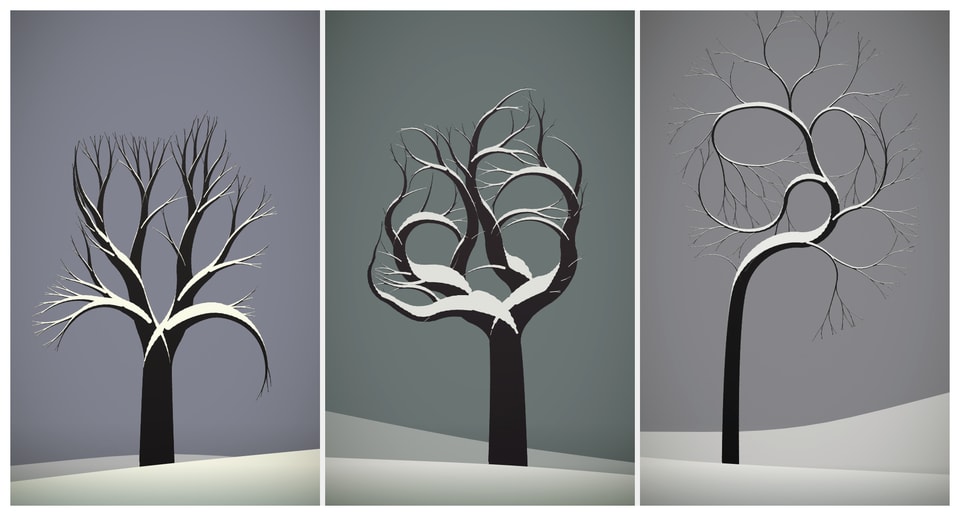
Fractal Animation
-
"Through Fields" Animation Created using GauGAN (via)
-
85,000 Chinese museum artefacts lost in New York fire in Lunar New Year disaster (SCMP)
‘One hundred per cent of the museum’s collection’ was lost in the blaze, the Museum of Chinese in America says. The museum’s collection included items such as textiles, restaurant menus and ship tickets that tell the story of Chinese migration to the US. The fire came ahead of the Lunar New Year on Saturday.
-
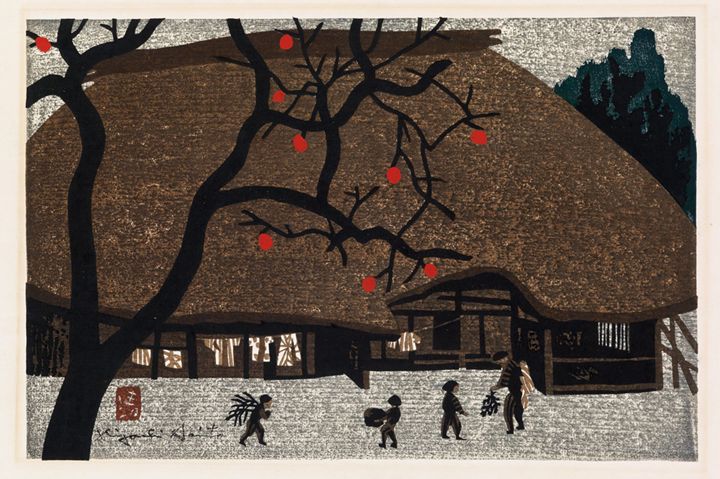
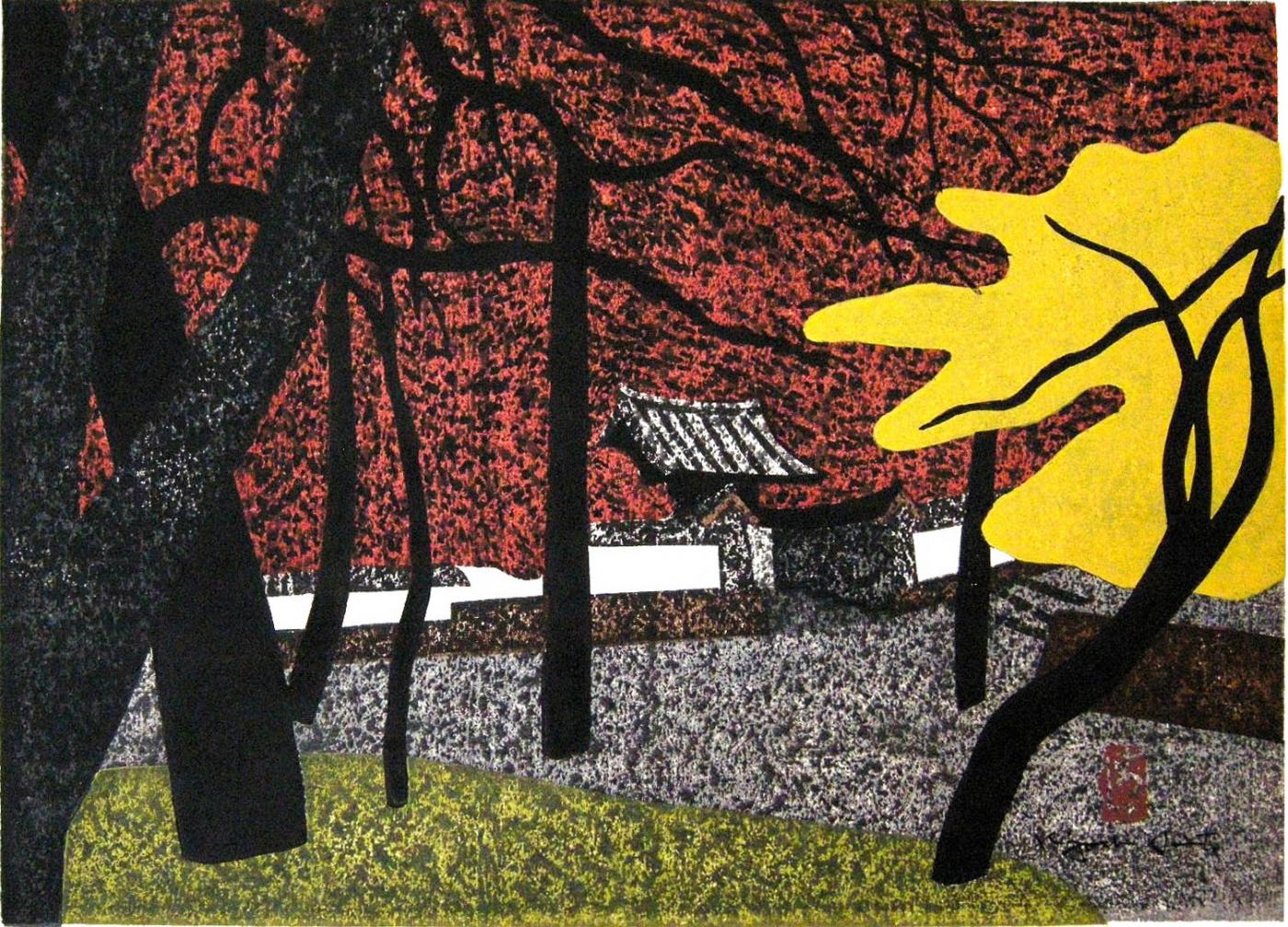
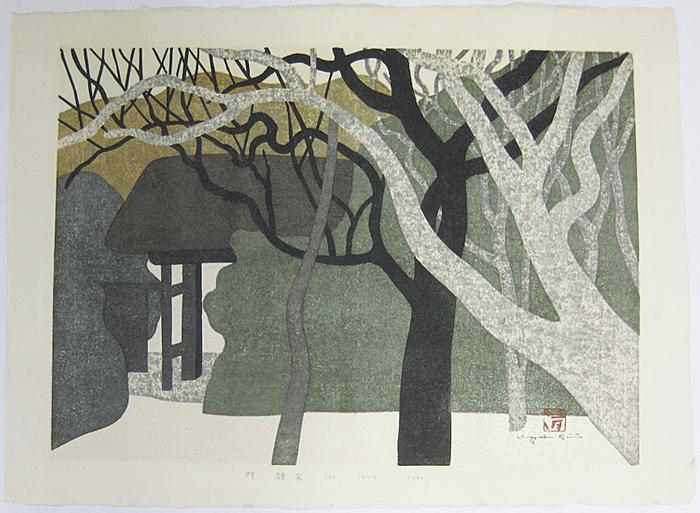
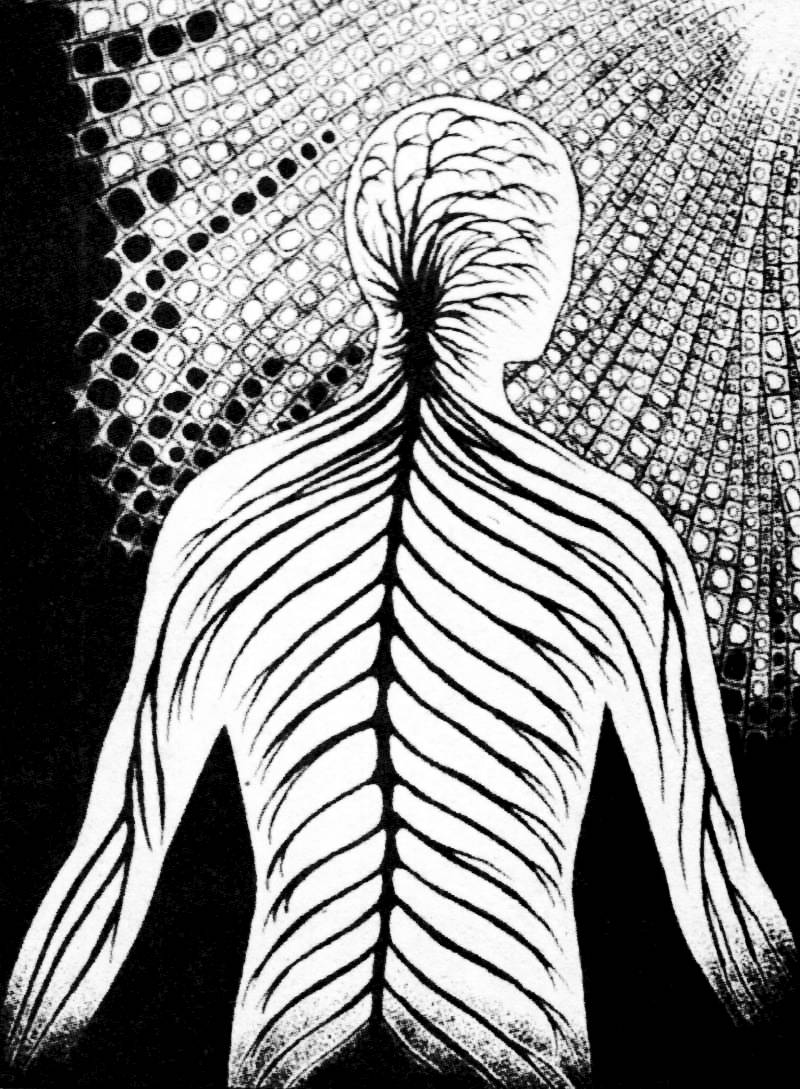
#Art by Kiyoshi Saitō (1907-1997)
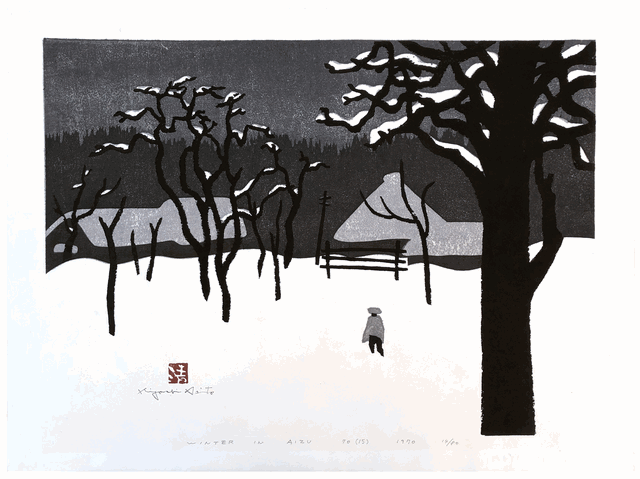
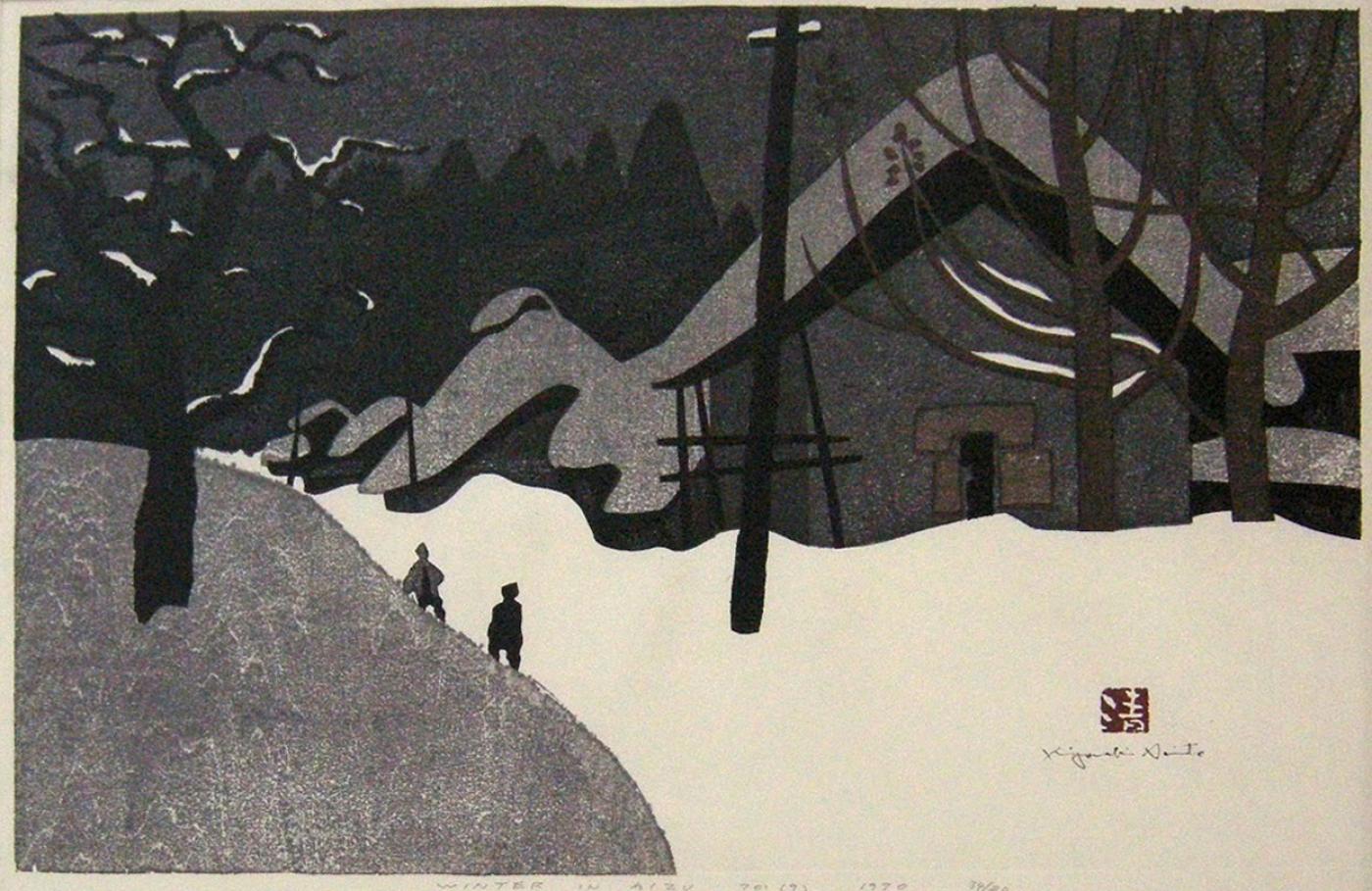
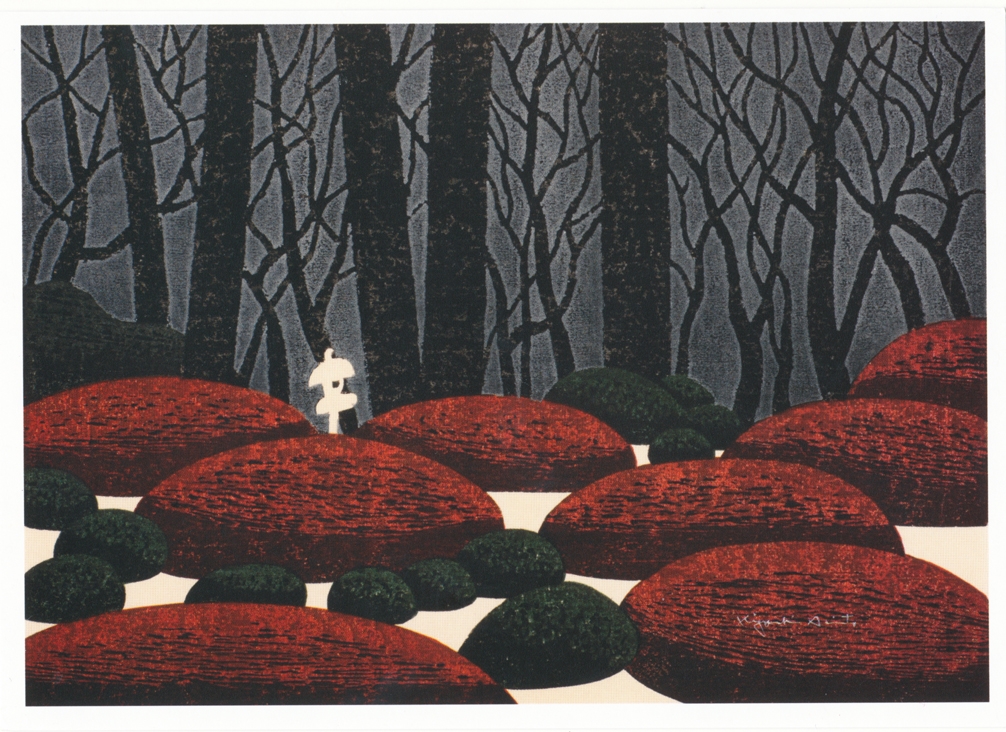
-
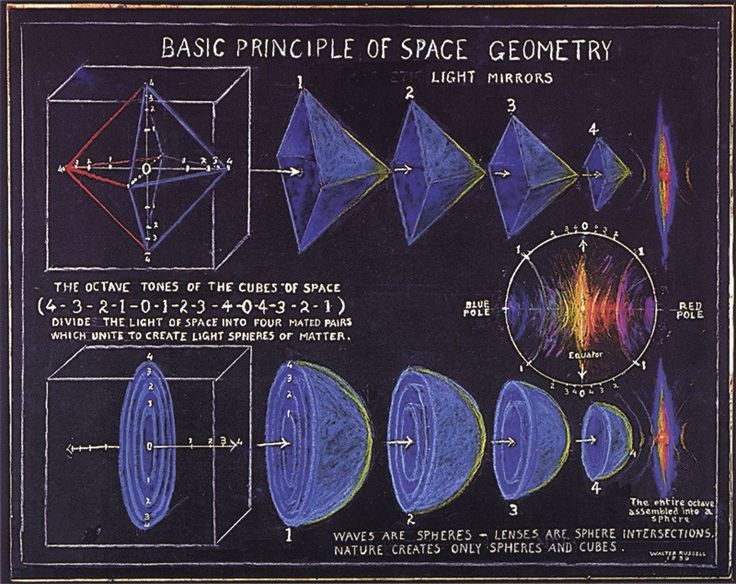
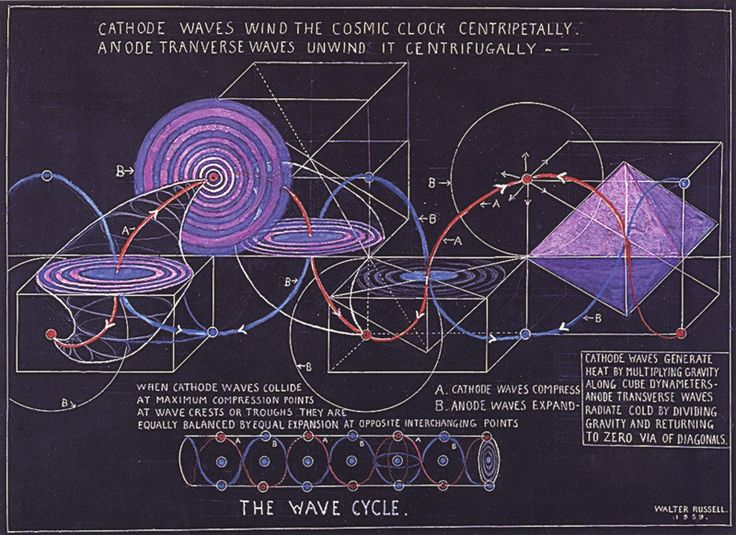
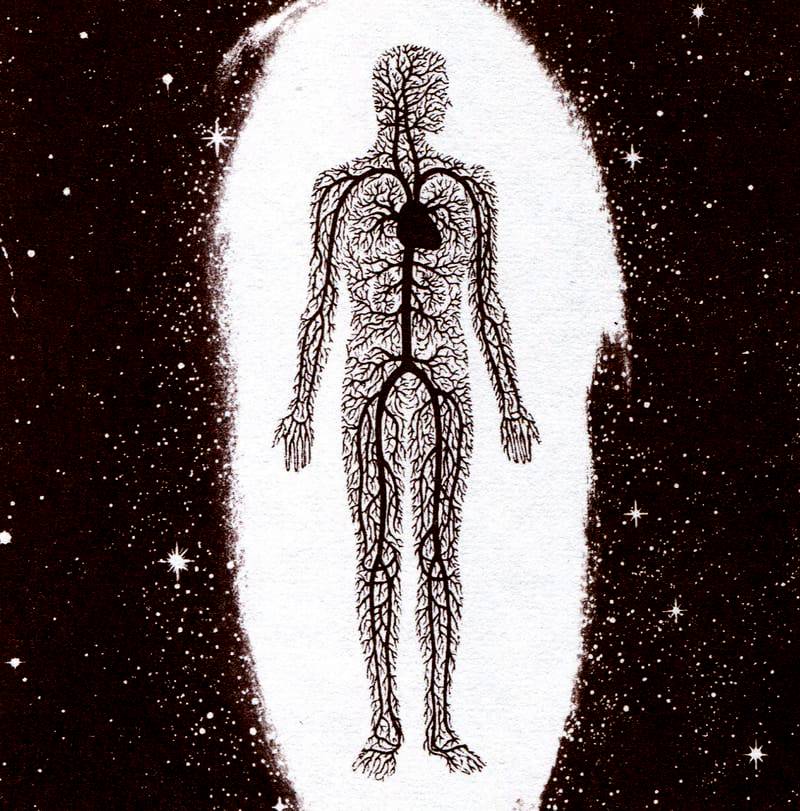
#Art by Walter Russell (1871 - 1963) (via)
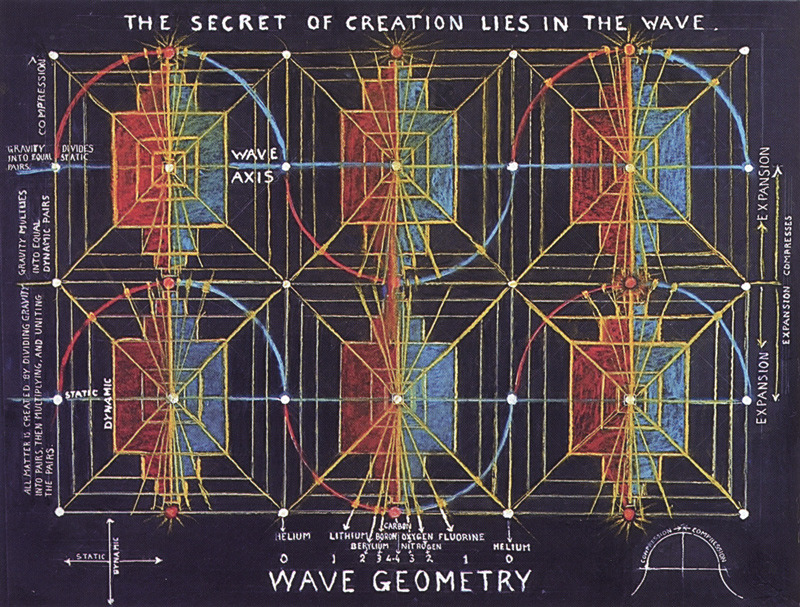
-
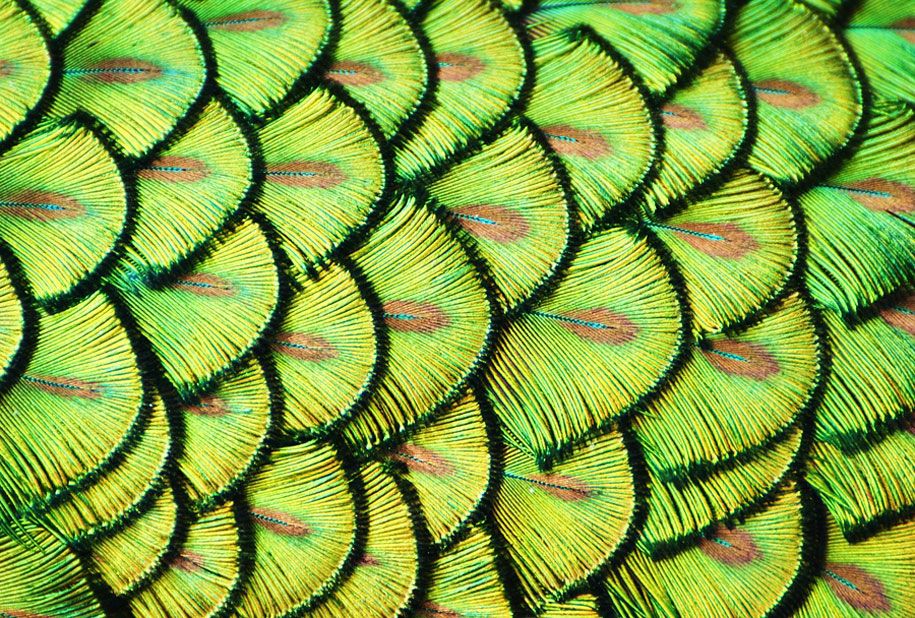
“The infinite works of nature, are woven together in a unity filled with marvelous patterns.” - Leonardo Da Vinci


-
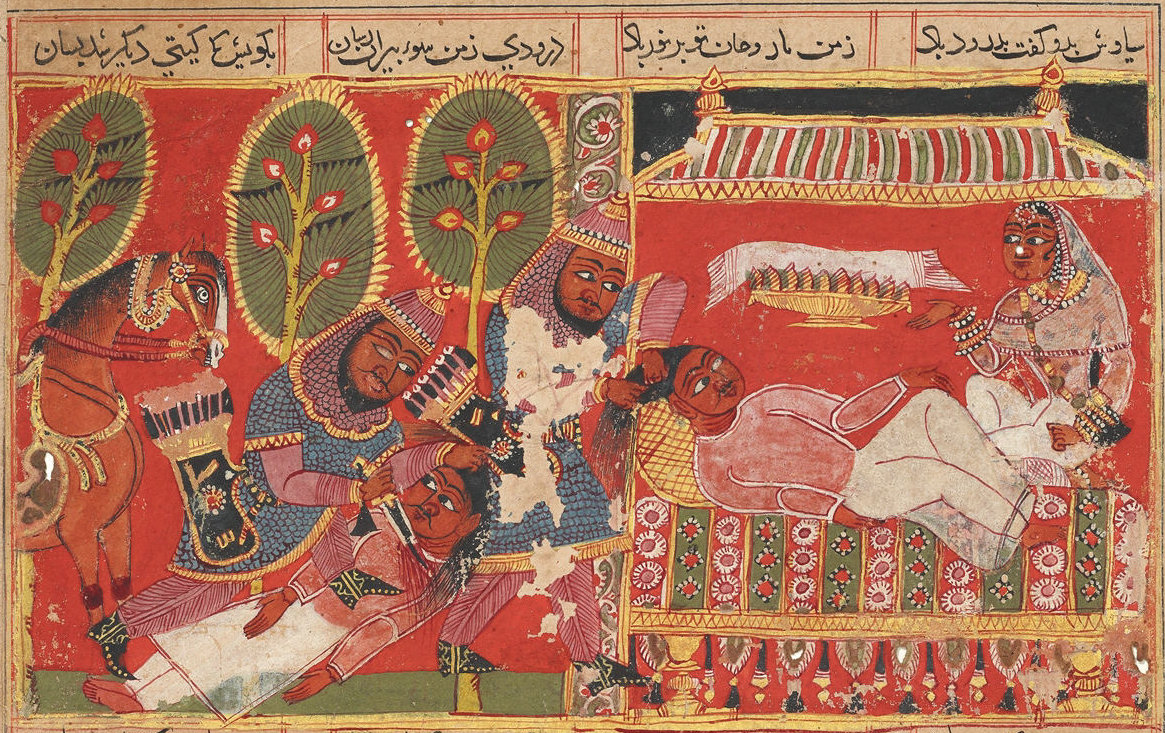
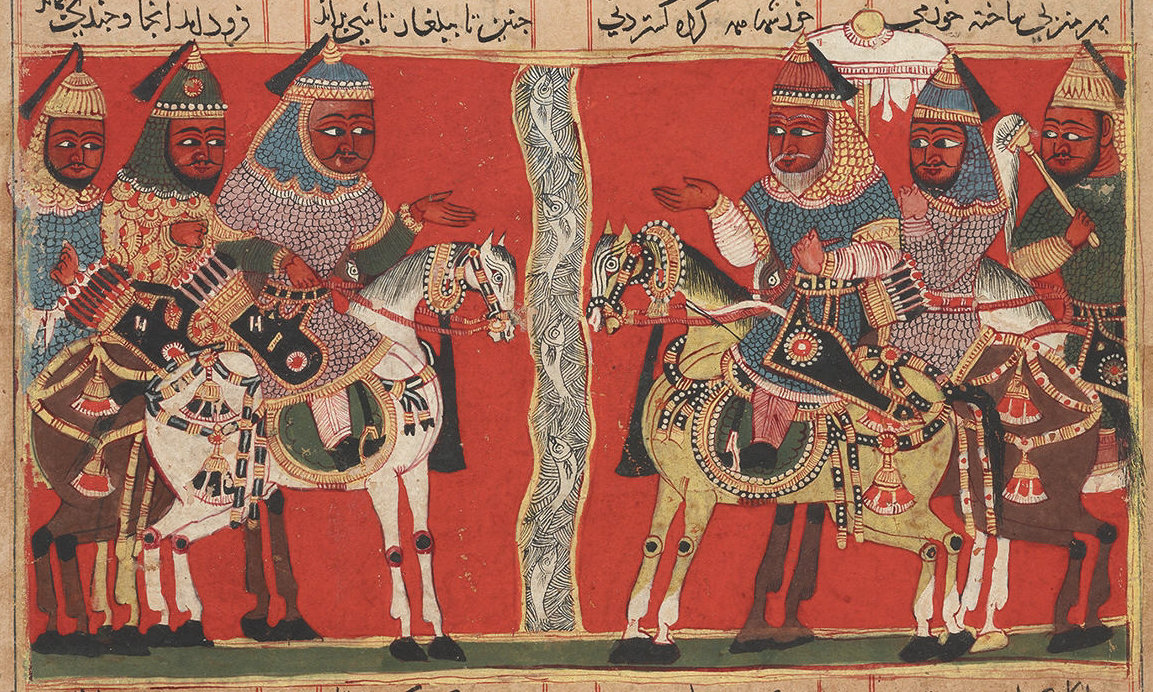
Siyavash faces Afrasiyab across the Jihun River, from a Shahnama manuscript (ca. 1425)
-
The Serpent in Aztec Culture
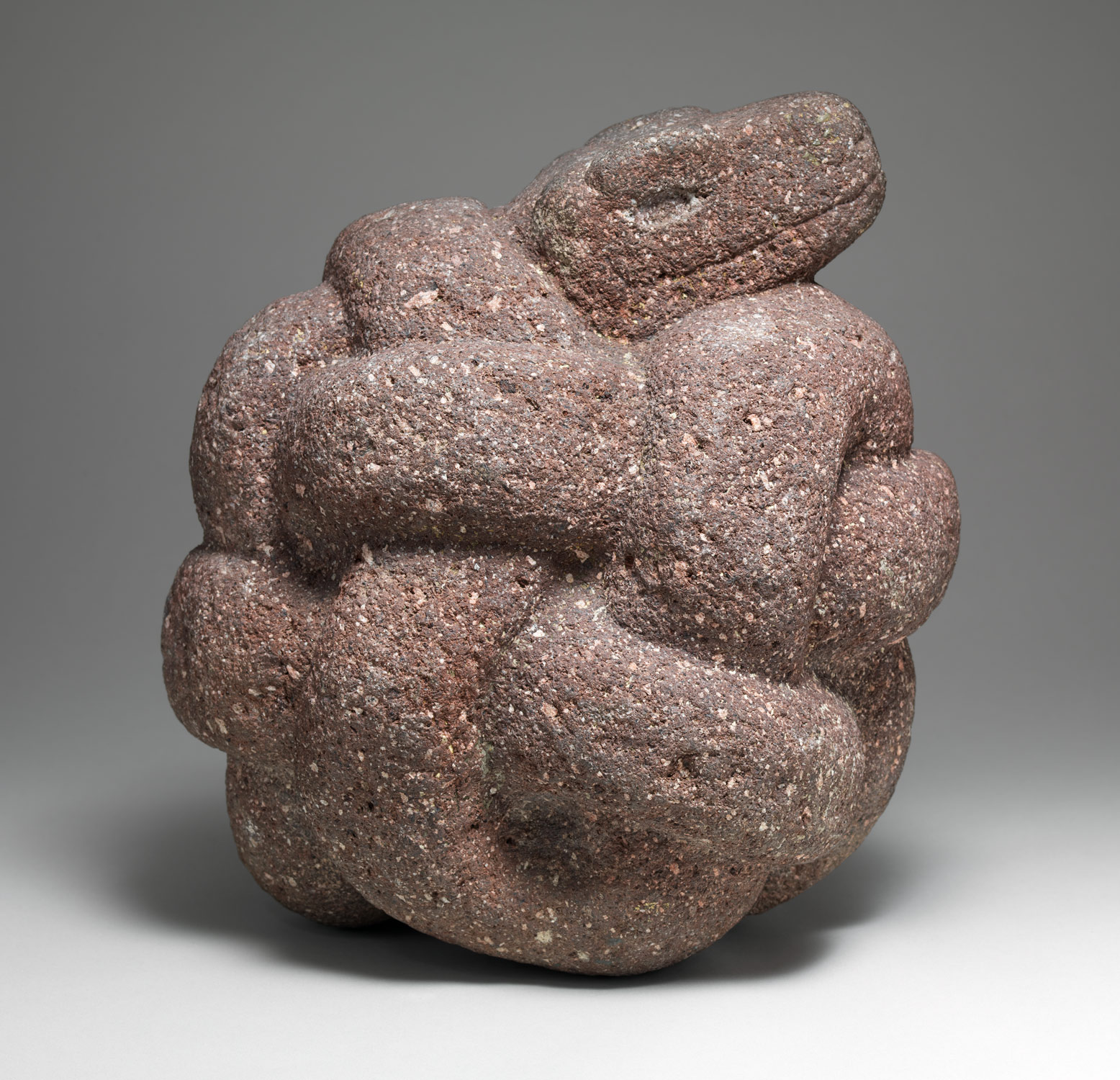
Coiled Serpent (15th–early 16th century) - by the Aztecs in Mexico, Mesoamerica Serpents held an important place in the belief systems of many peoples in ancient Mexico and they are the most frequently portrayed animals in art. Serpents had multiple connotations and inspired sky and earth imagery alike. Above all, they were fertility symbols, probably suggested by their terrestrial habitat and periodic skin shedding. At the Main Temple in the Aztec imperial capital Tenochtitlan, serpent depictions proliferate: monumental snake heads, probably representing different species—with open fanged mouths and forked tongues—flank braziers and stairways leading to the sanctuaries.
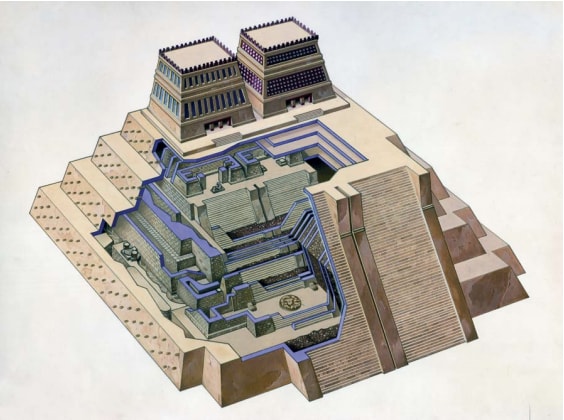
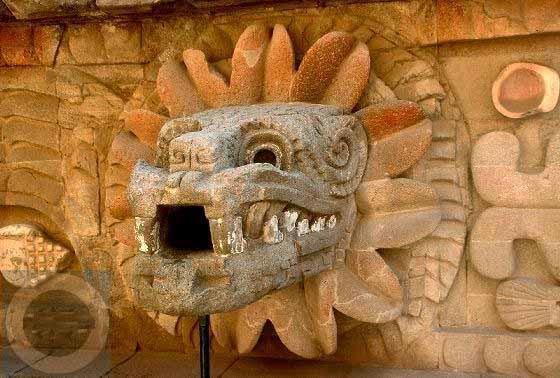
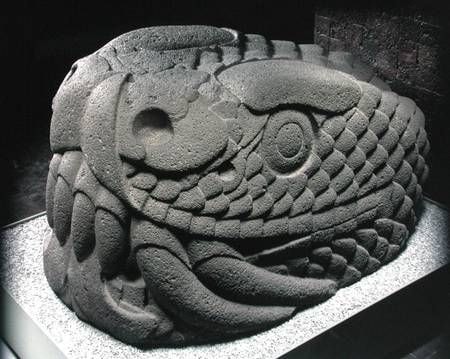
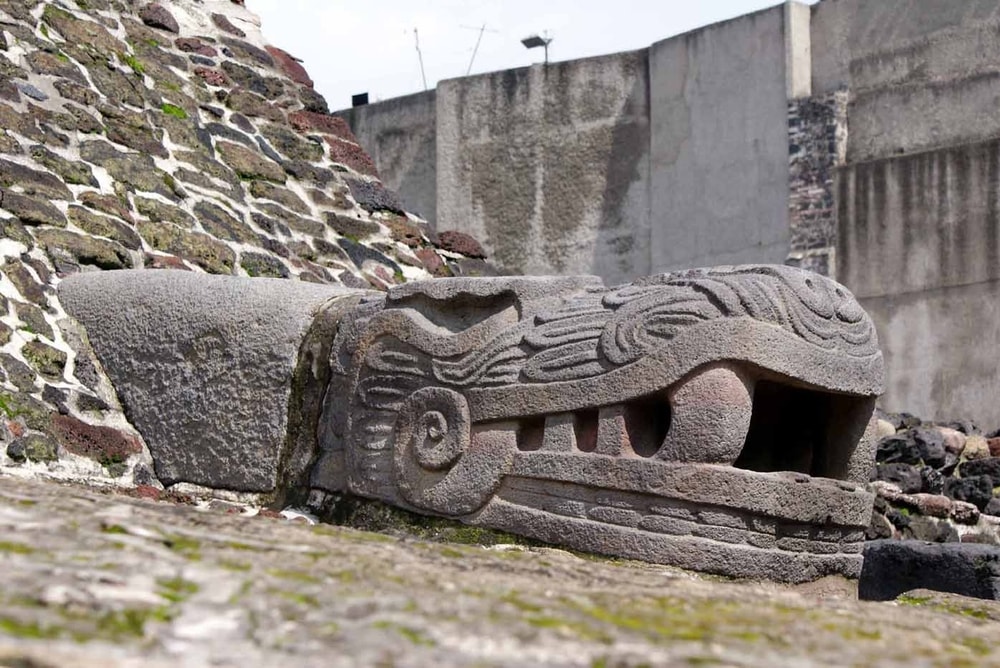
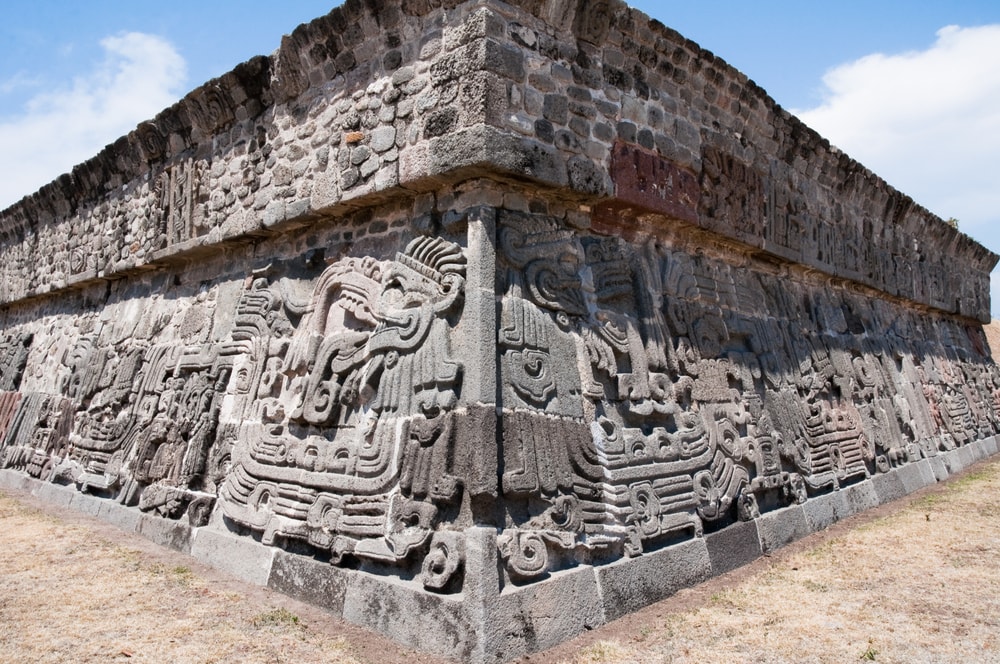
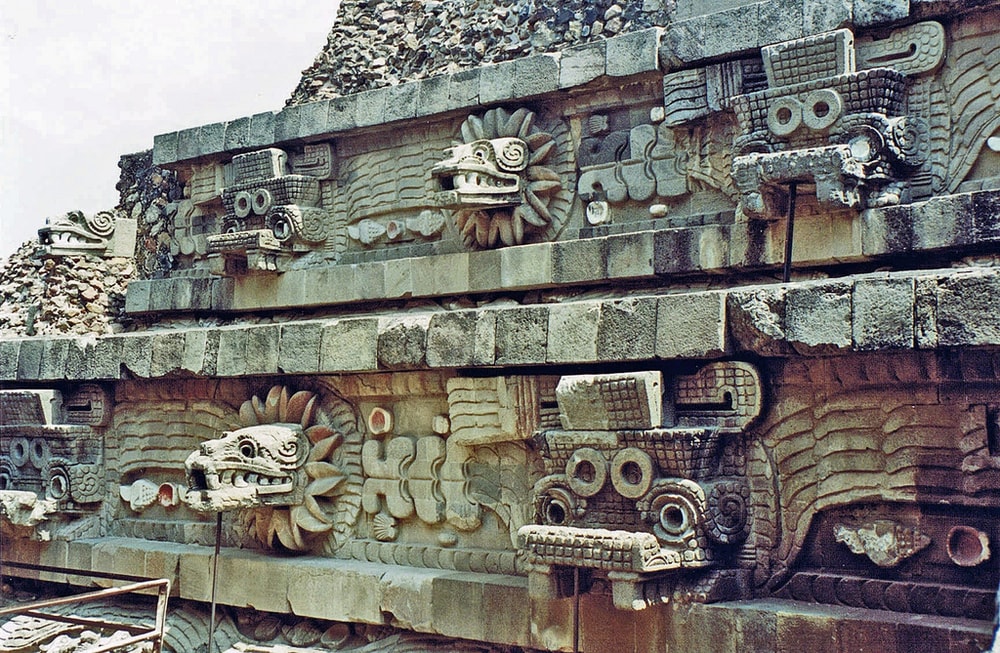
The temple itself is said to have been surrounded at the time of the Spanish conquest by a serpent wall, or Coatepantli, formed by hundreds of adjoining sculptures of snakes. In three-dimensional stone sculpture, serpents are most frequently shown coiled or knotted, as in this example. Carved from a porous stone, the body of the reptile is a tightly wound knot; the tail end with two rattles in shallow relief is visible on one side. Its flattened head, emerging from the tangled body at the top, has a pointed, closed mouth, and sunken oval eyes under bulbous supraorbital ridges. The function of this snake sculpture is uncertain.
-
#Art of the day
-
Hakuin Ekaku (白隠慧鶴) (1686-1769) was one of the most influential figures in Japanese Zen Buddhism. He possessed an unusual ability to convey the meaning of Zen to large numbers of people from all classes and religions. His work had a profound effect on Zen study & painting. Master Hakuin published many texts, including "Yasen kanna" (夜船閑話), "Idle Talk on a Night Boat" - a work on health-improving meditation techniques (PDF, PDF)
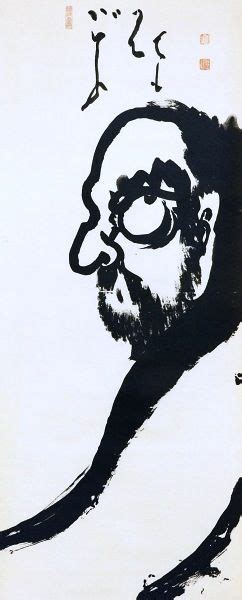
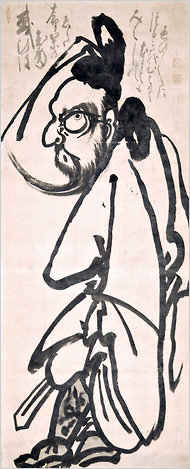
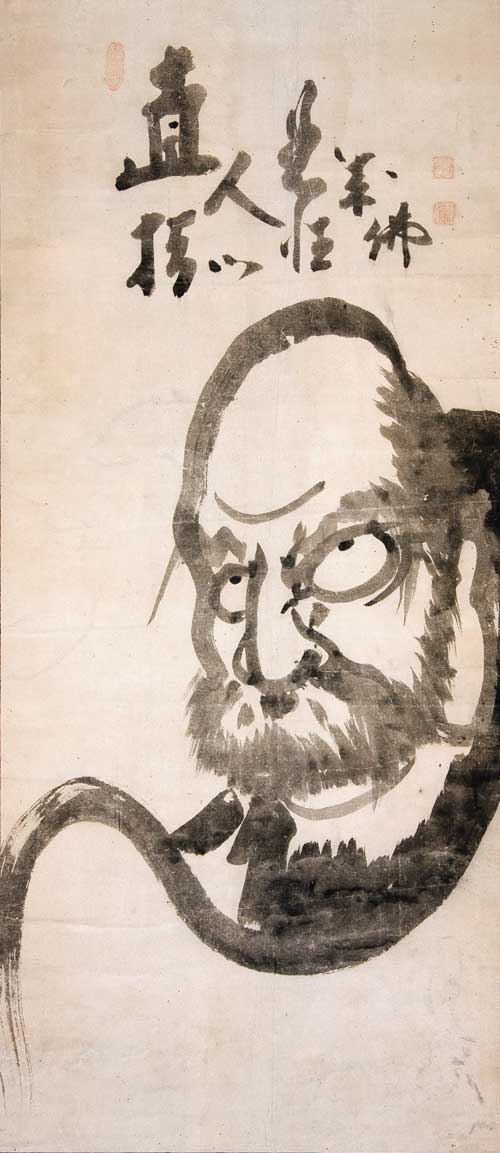
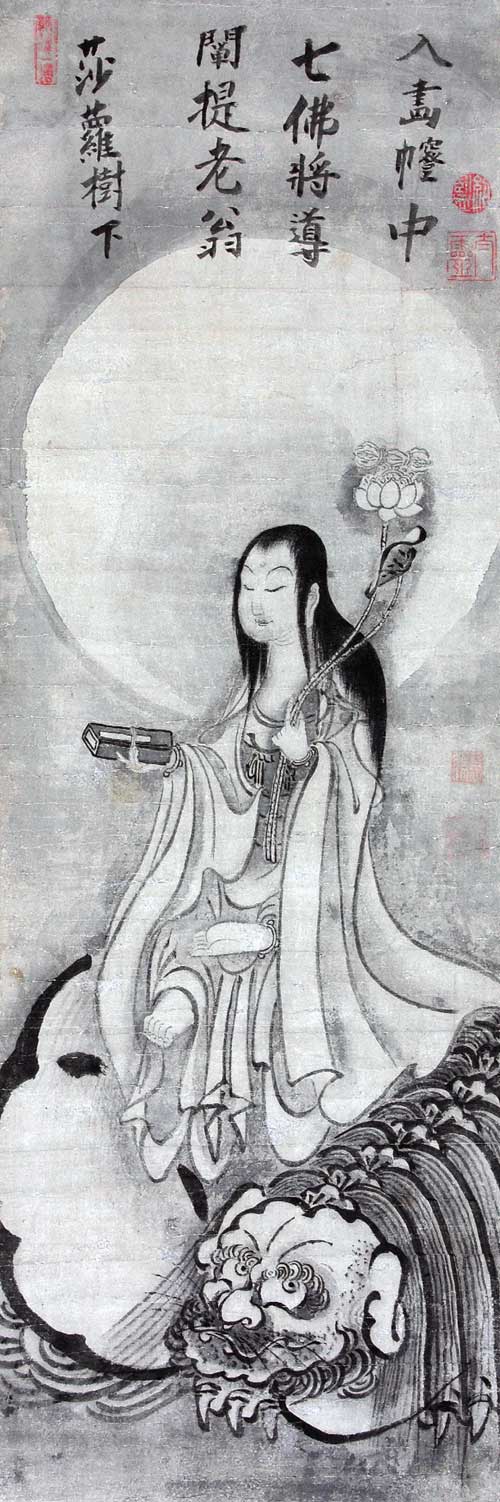
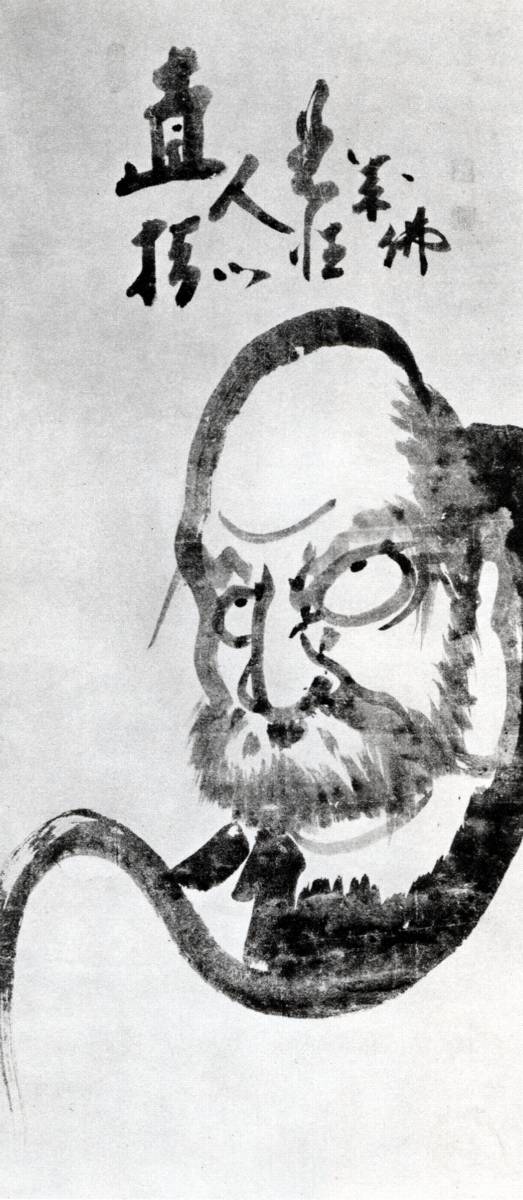
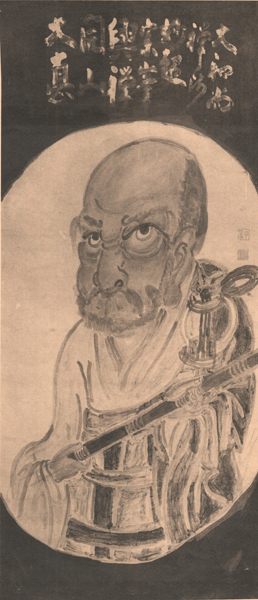
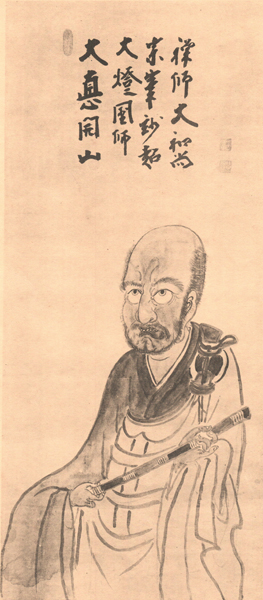
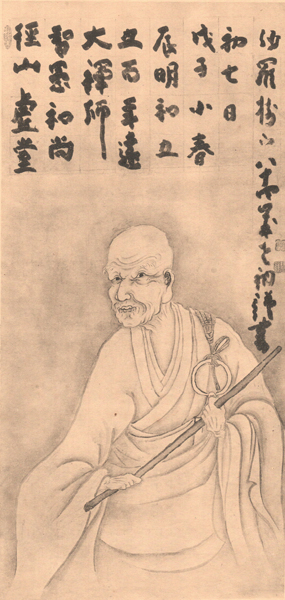
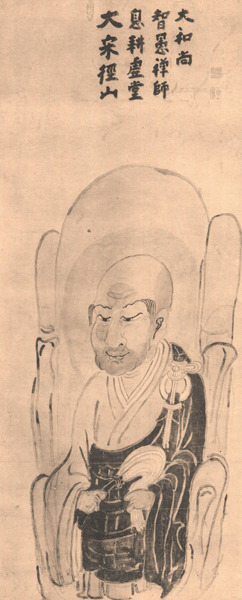
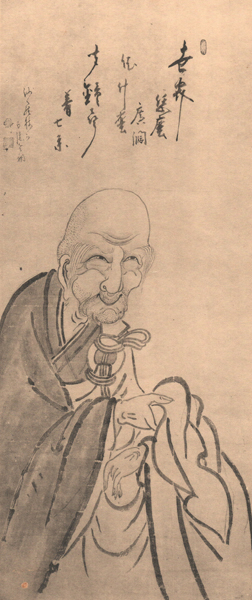
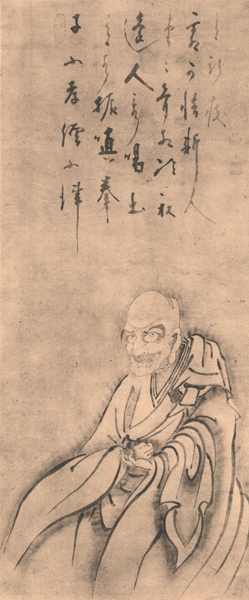
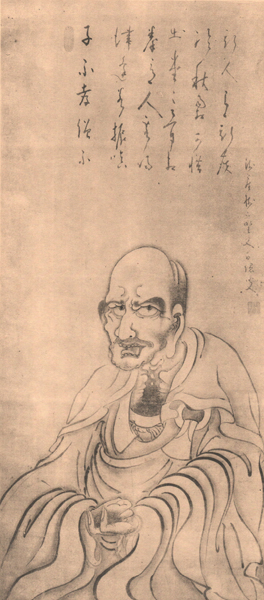
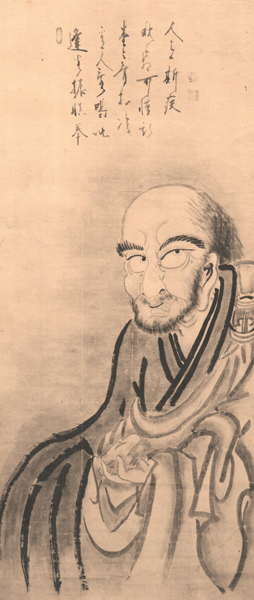
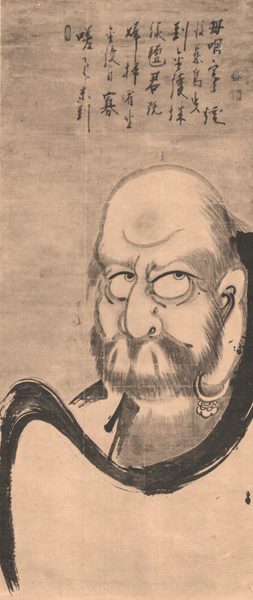
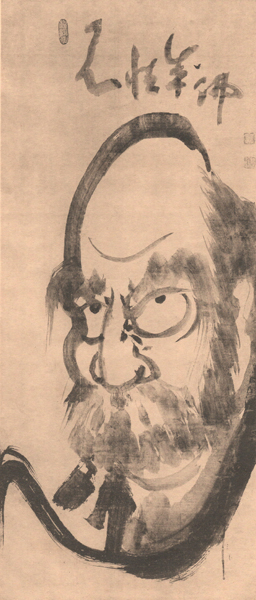
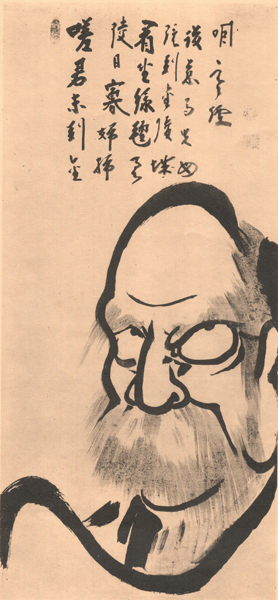
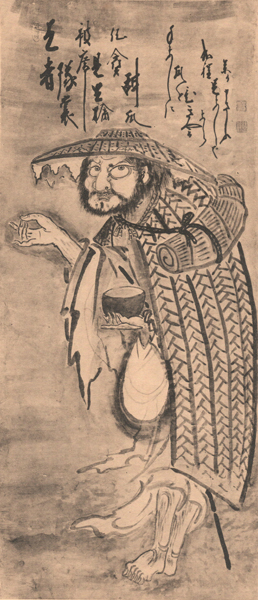
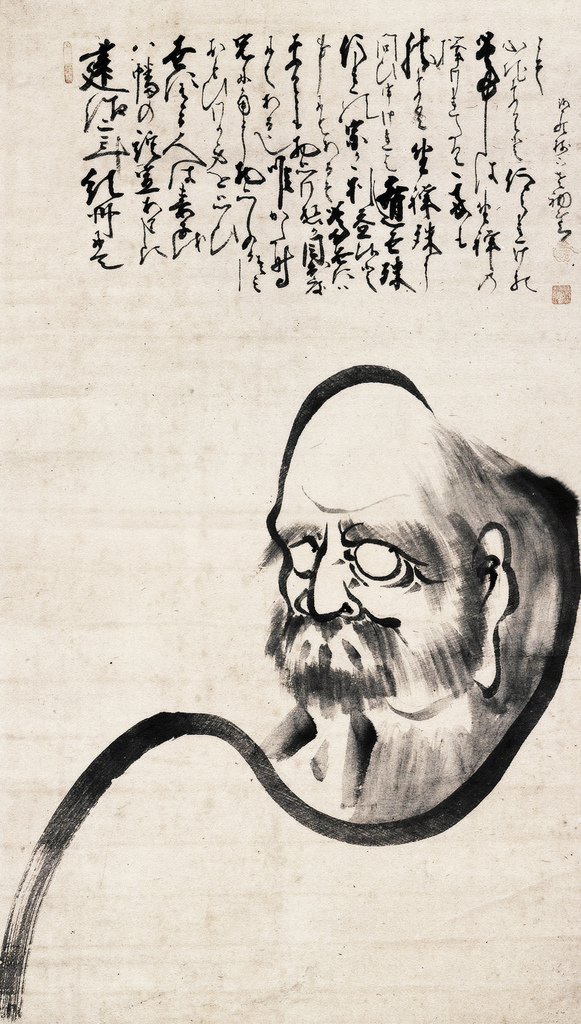
Related: The Sound of One Hand: Paintings and Calligraphy by Zen Master Hakuin
-
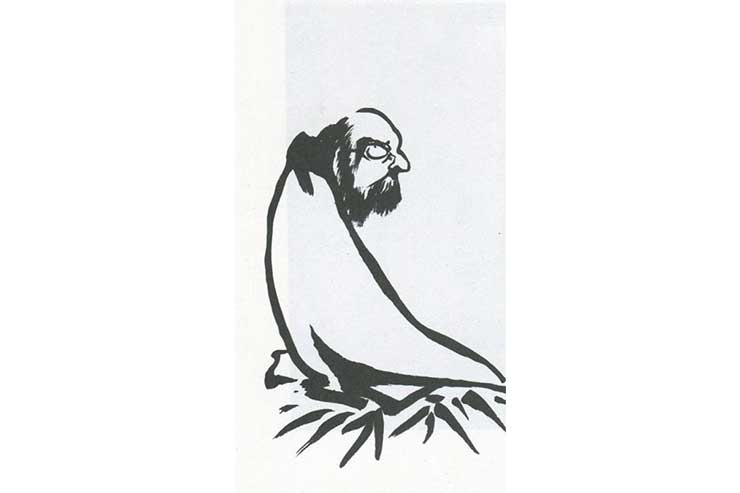
Japanese Hanging Scroll of Bodhidharma seated on grass. From Song of the Brush. Found via "Daily Life as Spiritual Exercise, by Karlfried Graf Dürckheim"