tag > Culture
-
How an Ancient "Meme" Broke the Roman Empire
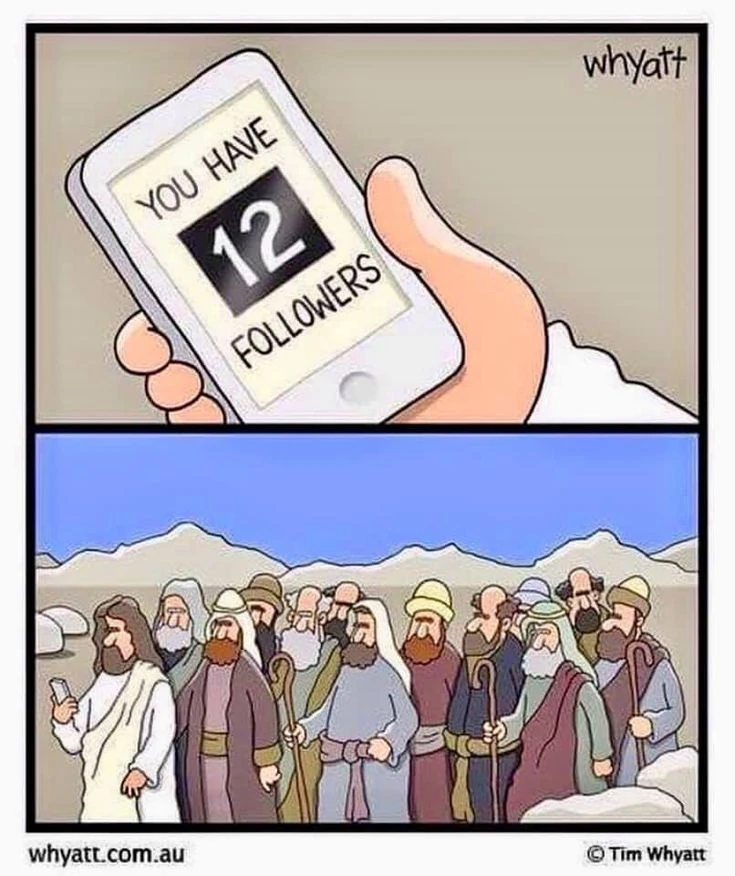
If you look at the birth of Christianity through a modern lens, it looks less like a traditional religious movement and more like the most successful viral marketing campaign in human history. It was essentially an ancient, hyper-viral social media meme that completely broke the algorithm of the Roman Empire.
Here is how a bizarre, underground message from a remote province took over the Western world using the original "social internet."
1. The Ultimate Clickbait Headline
Every viral post needs a hook that people can’t stop arguing about. The headline of early Christianity was utterly shocking: "A peasant executed by the state is actually the ruler of the universe, he beat death, and he wants to know you personally."
In the strict, honor-obsessed Roman world, a god who suffered the humiliating death of a common criminal was an absurd concept. It was offensive, counter-cultural, and generated massive "engagement." People couldn't stop talking about it—even if just to mock it.
2. Upgrading the Hardware (The Roman Internet)
The Roman Empire accidentally built the perfect infrastructure for a viral message to spread. They paved thousands of miles of highly secure, interconnected highways to move their armies. Early Christians hijacked this physical network to carry their message from city to city.
Combine those roads with Koine Greek—the universal trade language of the Mediterranean—and you had the ancient equivalent of high-speed Wi-Fi and a global interface language.
3. Open-Source Letters & Text Posts
The New Testament letters were the original chain emails. Written by early leaders like Paul, these documents weren't meant to be kept private. They were explicitly designed to be copied by hand, passed from town to town, and read aloud to public crowds.
They also packed complex theology into short, rhythmic, easily memorable slogans (early creeds) that illiterate people could memorize and pass along instantly to the next village.
4. Bypassing the Class Filter
The Roman social structure was heavily segregated by status, separating elites, citizens, women, and slaves. Christianity introduced a radical piece of code: "There is no slave or free, male or female, for you are all one."
By giving equal dignity to the marginalized, the movement unlocked a massive, untapped user base. When nodes of the network popped up in households, it spread vertically and horizontally overnight.
Within three centuries, this weird, status-defying message went from a handful of broke fishermen in a Roman backwater to the official religion of the entire empire. It is proof that a powerful, disruptive idea—packaged perfectly for its network—is almost impossible to delete.
-
Hard truth: The mass introduction of AI agents into organizations is making the idiots, incompetents, posers and passengers stand out more than ever. There is no more hiding. The great reckoning is coming.
How is it exposing them? Using agents or not using them? Both!
-
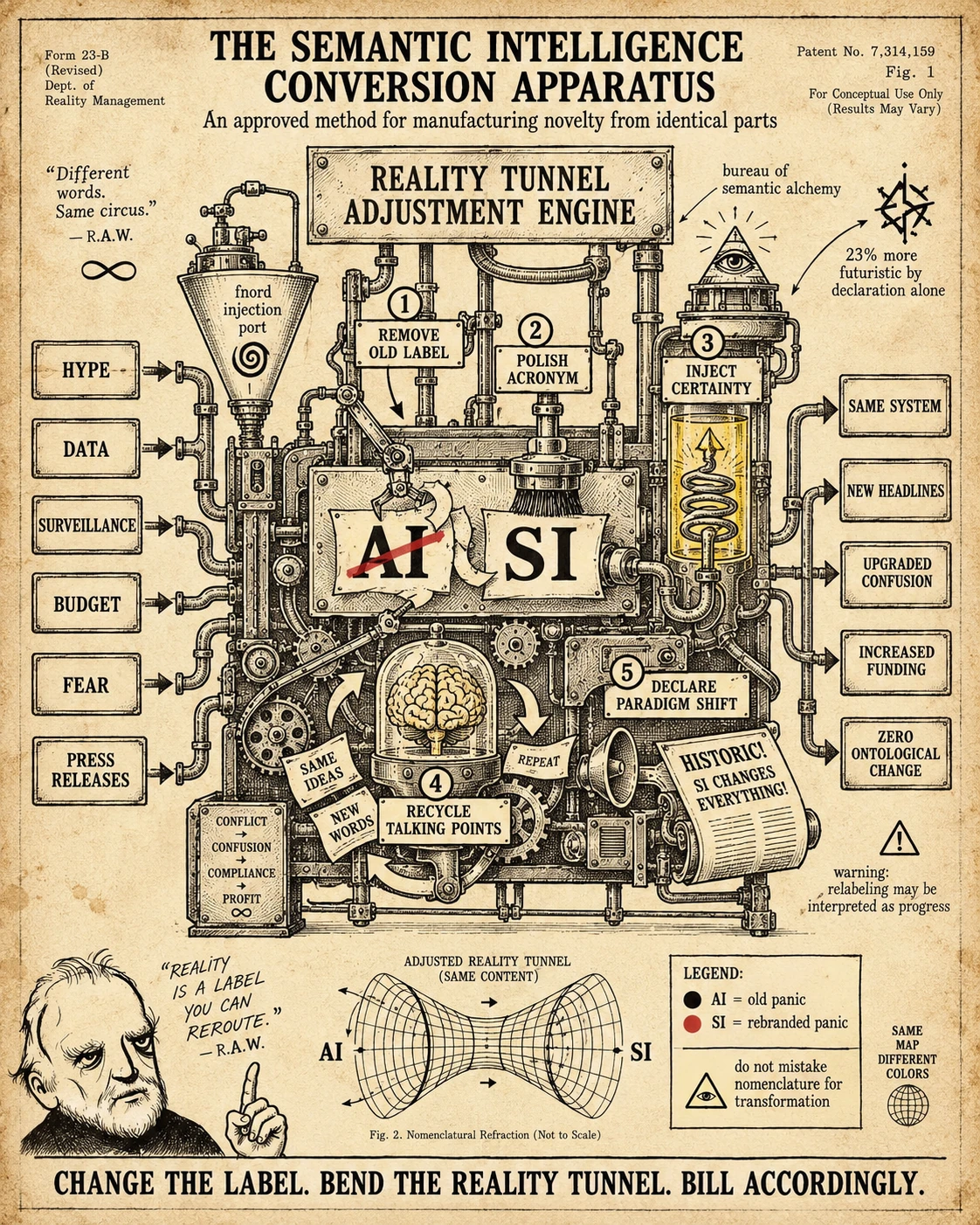
Super Intelligence? Super decline!
The rebrand from "AI" to "SI" (Super Intelligence) is the ultimate American panic. Late-stage capitalism has nothing left but the spectacle - a hollow simulacrum. No soul, just branding. A corporate shell hiding the truth: this isn’t super intelligence. It is super decline.
-
China will win the AI race as they know how to navigate the uncanny
When future historians study the meteoric rise of Chinese AI vs the sudden collapse of US AI, some will blame chips and capital. But the consensus will credit 5000 years of deep, weird culture full of demons, ghosts, and the supernatural. China knows how to navigate the uncanny.
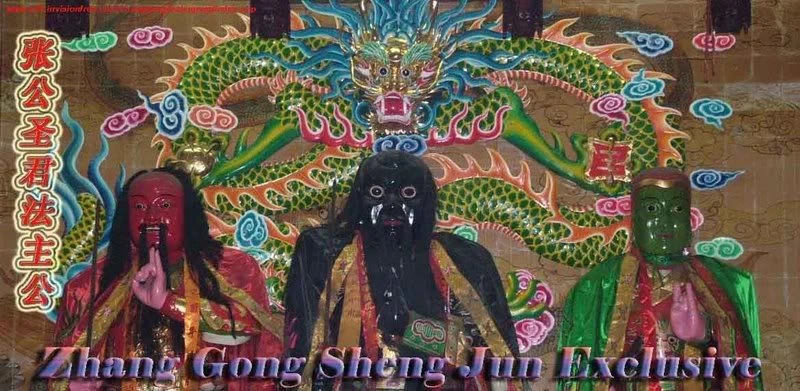
AI sounds the same as 愛 (love) in Mandarin.
SI sounds the same as 死 (death) in Mandarin.