tag > Biology
-
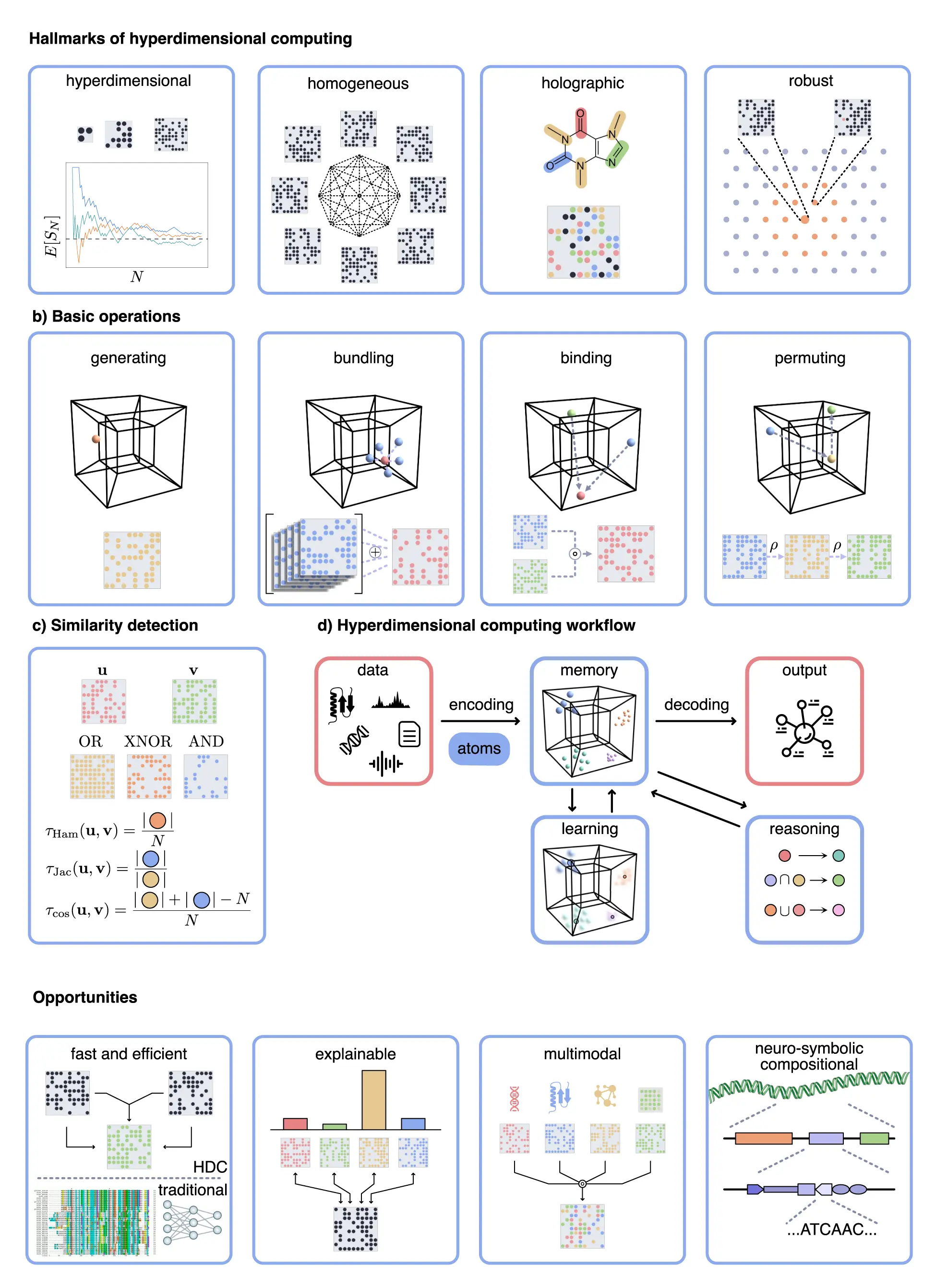
Hyperdimensional Computing (HDC) Playground
Spent a few hours this weekend learning about Hyperdimensional Computing (HDC), inspired by a fun chat with @mwilcox & friends. Built a IPython notebook with toy examples—like an HDC Autoencoder for ImageNet—to learn by tinkering: https://github.com/samim23/hyperdimensional_computing_playground
-
Eating gamma radiation for breakfast: Some fungal species appear to be able to use strong radiation as an energy source for growth.
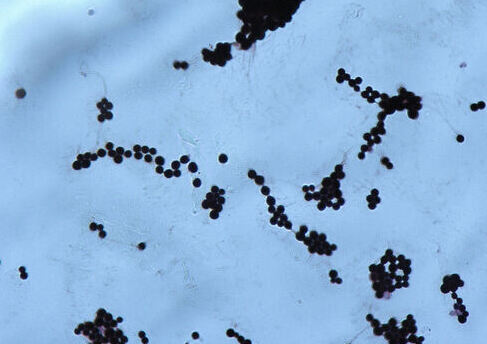
Could the fungi be using the extremely high-energy gamma radiation as an energy source in the same way that plants use sunlight?
The key to it all seemed to be melanin – the ubiquitous group of pigments found in many types of eukaryote that protect against UV radiation
Many fungal fossils show evidence of melanisation, especially in periods of high radiation when many animal and plant species died out
Could you replace them with plants or fungi that use melanin instead of chlorophyll?
-
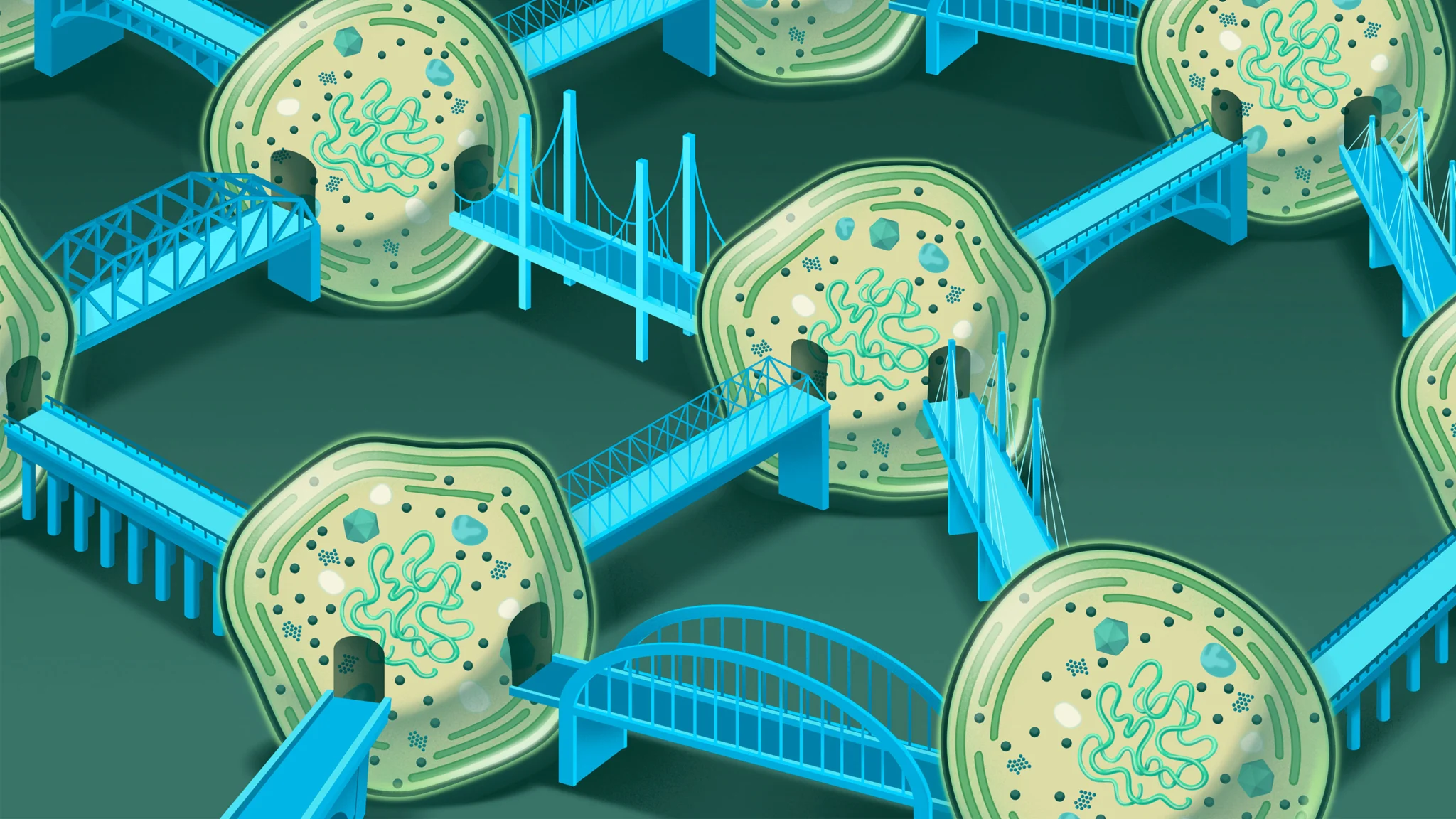
The Ocean Teems With Networks of Interconnected Bacteria
Nanotube bridge networks grow between the most abundant photosynthetic bacteria in the oceans, suggesting that the world is far more interconnected than anyone realized.
-
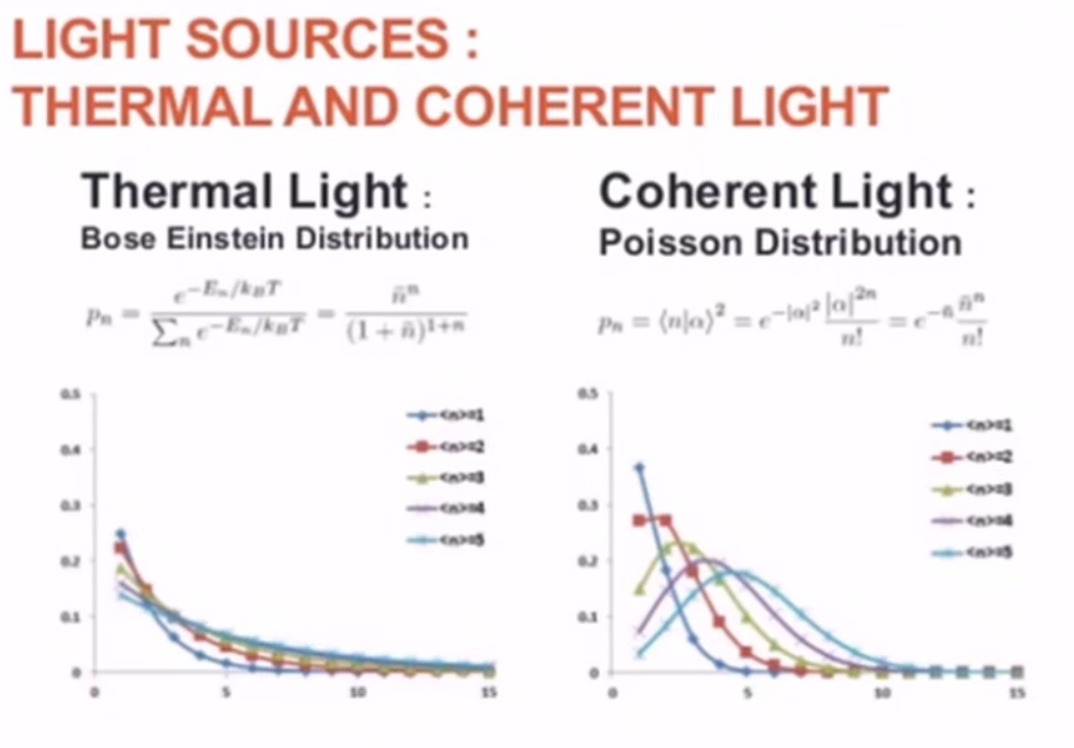
Coherent light is electromagnetic radiation with synchronized waves: same direction, phase, and level. Parameters like frequency, polarization, & phase remain fixed spatially & temporally, allowing overlapping waves to reinforce each other.
-
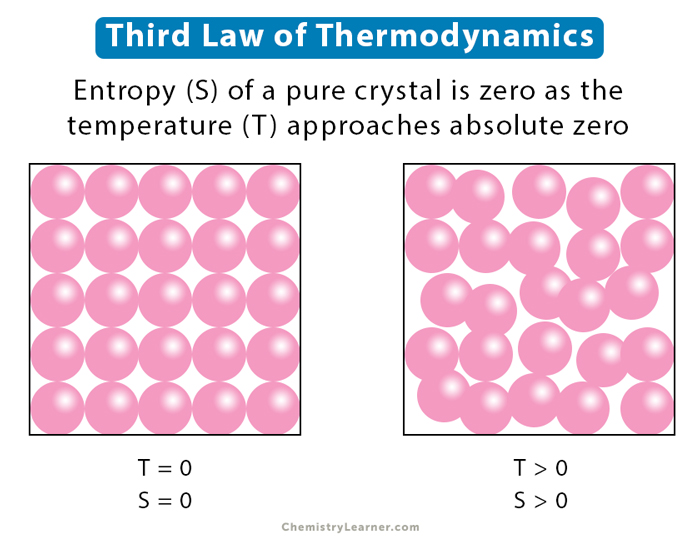
Organism feeds upon is negative entropy
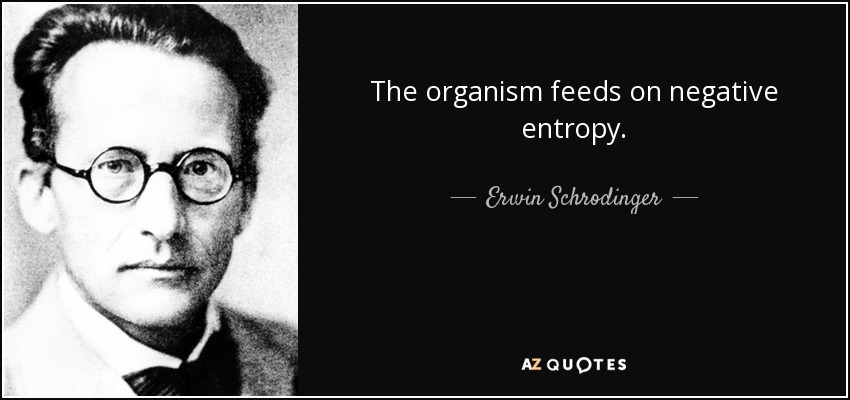
“What an organism feeds upon is negative entropy. Or, to put it less paradoxically, the essential thing in metabolism is that the organism succeeds in freeing itself from all the entropy it cannot help produce while alive.” - Erwin Schrödinger, What is Life? (1943)
Entropy, the measure of a system’s thermal energy per unit temperature that is unavailable for doing useful work. Because work is obtained from ordered molecular motion, the amount of entropy is also a measure of the molecular disorder, or randomness, of a system.
“Entropy requires no maintenance.” — Robert Anton Wilson
-
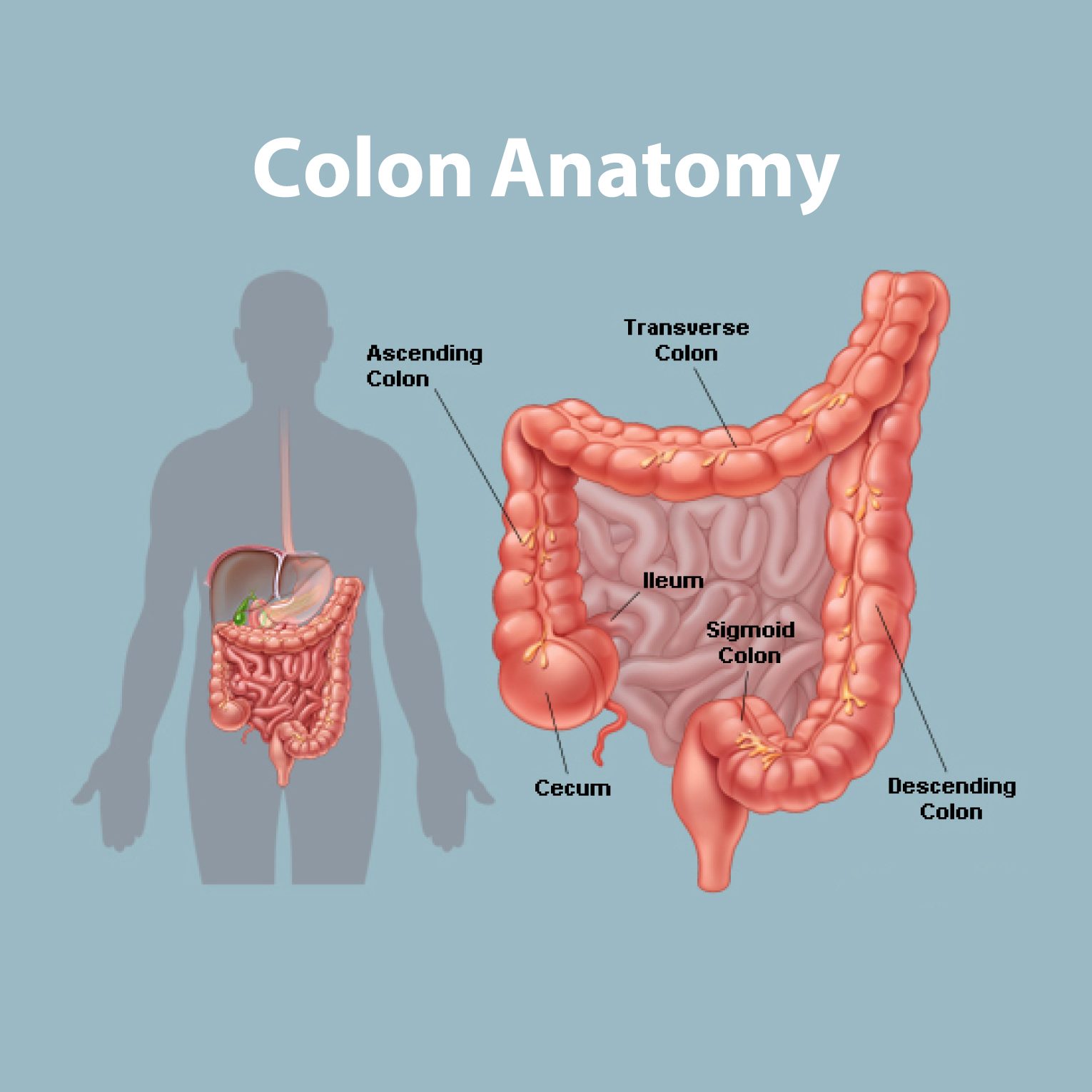
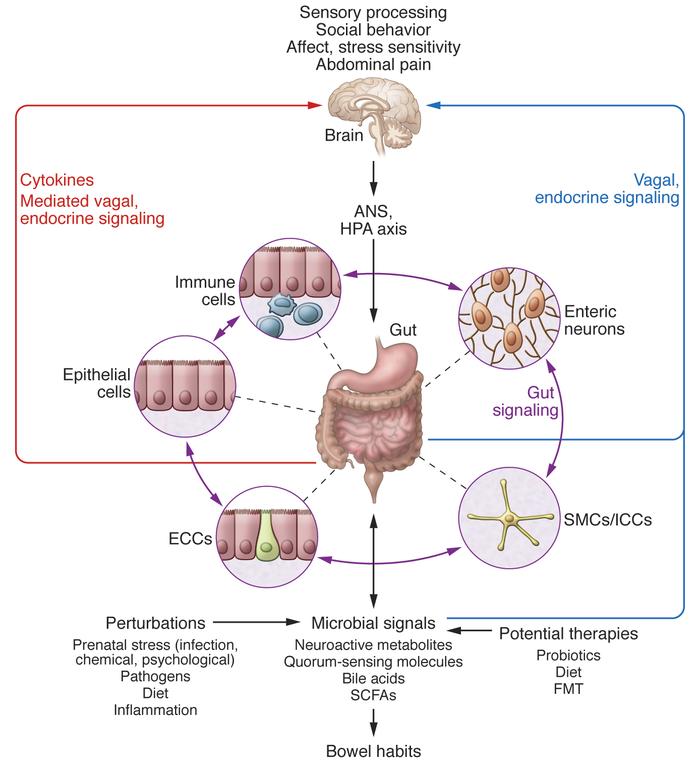
The gut-brain axis is the network of nerves that connect your brain and gut and send signals back and forth. Your nervous system works closely with your endocrine system. Your brain closely with your entire body.
-
The “Intelligence Trap”

The “Intelligence Trap” is a concept in psychology that suggests that highly intelligent people are more susceptible to cognitive biases and flawed thinking than less intelligent people. For example, it can be argued that Stephen Hawking’s Warning on Contacting Aliens may be an example of the so-called intelligence trap, as some evidence from the field of physics suggests.
-
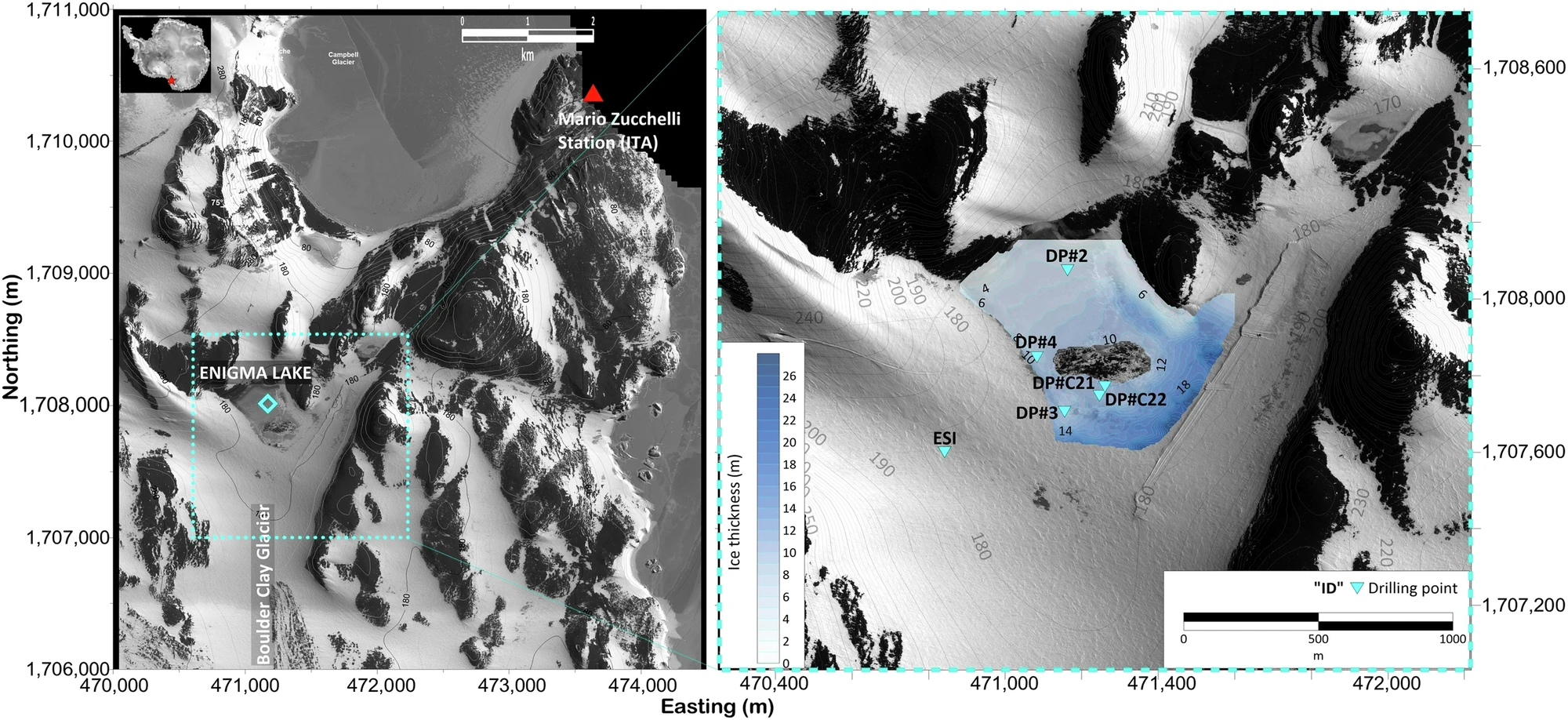
The silence surrounding the recent breakthroughs on cryptoendolithic microorganisms thriving in extreme subglacial Antarctic lakes could fill entire libraries.
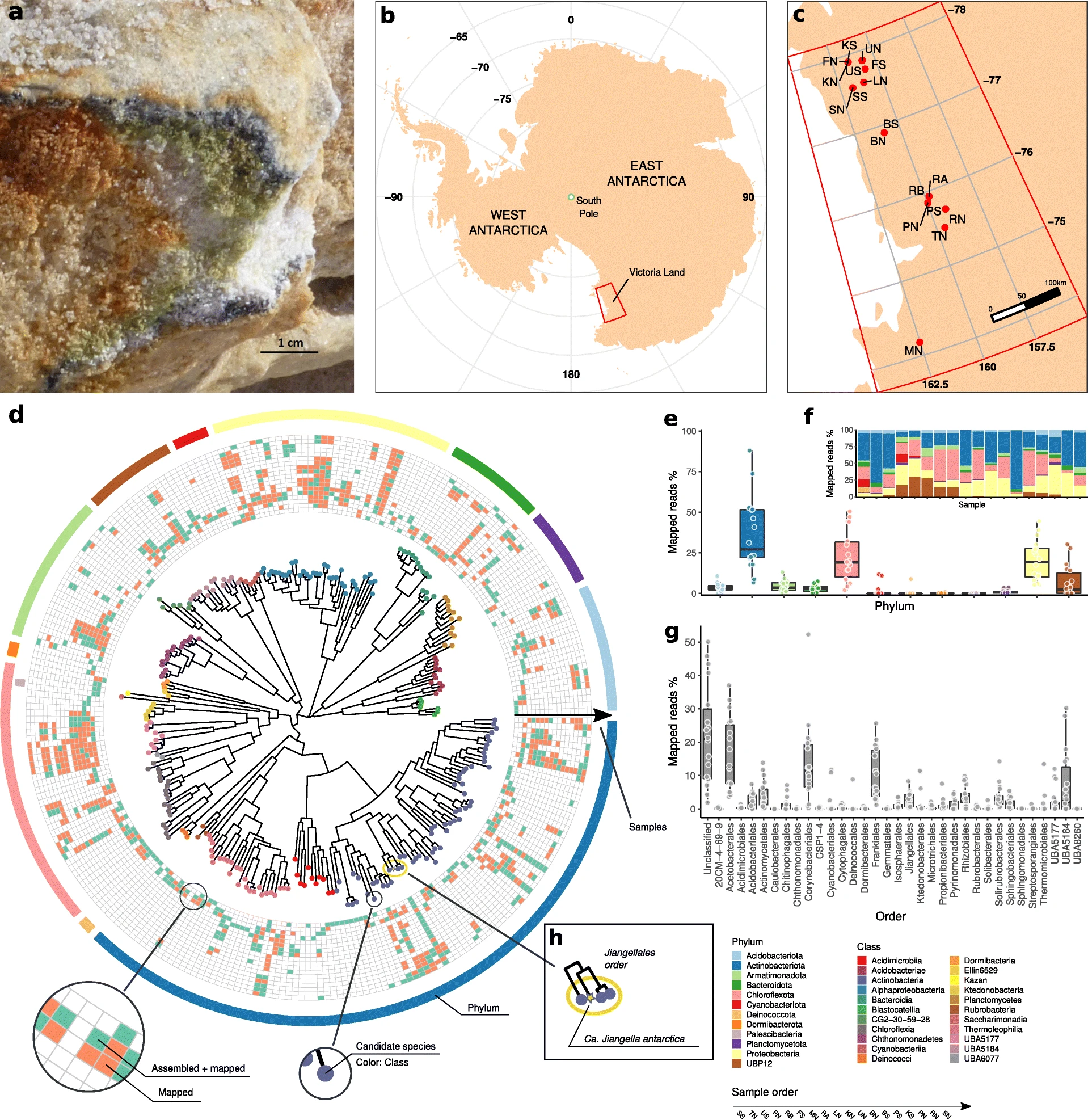
Image Source: Pre-Cambrian roots of novel Antarctic cryptoendolithic bacterial lineages
-
Magnetotactic bacteria are a polyphyletic group of bacteria that orient themselves along the magnetic field lines of Earth's magnetic field

-
The human body completely changes the matter it is made of roughly every 8 weeks, through metabolism, replication and repair. Yet, you're still you --with all your memories, your personality... If science insists on chasing particles, they will follow them right through an organism and miss the organism entirely. — Robert Rosen (1934 - 1998)
-
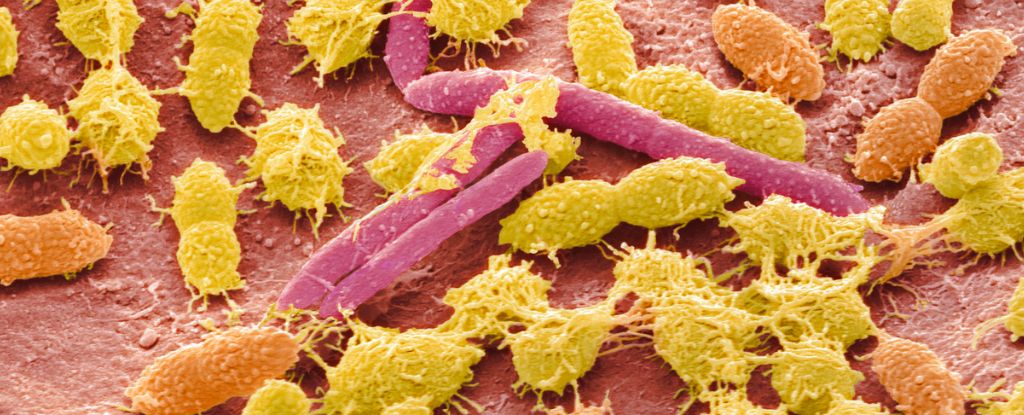
Remember this paper from January? "‘Wildly weird’ RNA bits discovered infesting the microbes in our guts" The news of the “obelisks” went through the media like a wildfire and equally quickly disappeared again. What's new?
-
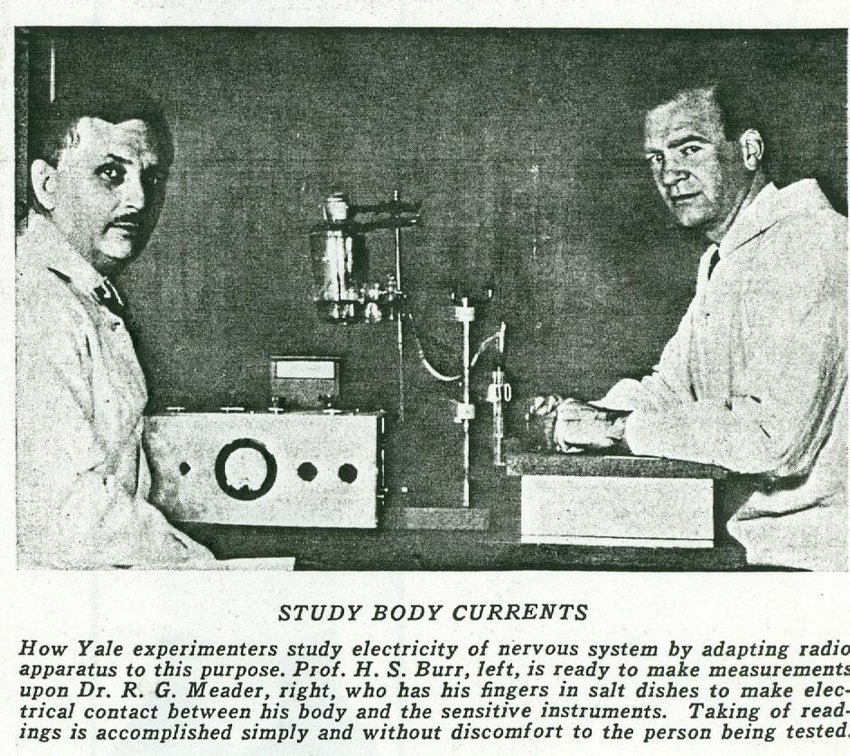
The history of Harold Saxton Burr, who proposed the term "L-Field" for the bio-electric fields of living systems, remains a fun research rabbit hole. Harold Saxton Burr (left) and Cleve Backster (right)