tag > Ethics
-
“Artificial Intelligence must directly relate to people and people's needs. The biggest challenge for designers, scientists, managers and engineers these days is to develop a language, a method of actually letting people participate in the design and architectural and technological processes. We have failed in that. This is not the fault of the people we are working for or with, but this is our fault and we have to think about that.” - Victor Papanek (remixed by samim)
-
Given that the entire A.I industry is controlled by the high priests of capitalism (billionaires & organisation they own) - we must seriously contemplate if all these new intelligent machines won't mainly be used to amplify the worst of humanity: greed, inequality, crime, war, etc.
If our advanced intelligent machines are mainly used to sell & kill stuff, the outcomes are inevitably highly stupid. -
Responsible Research and the Human Brain Project - talk by Nikolas Rose
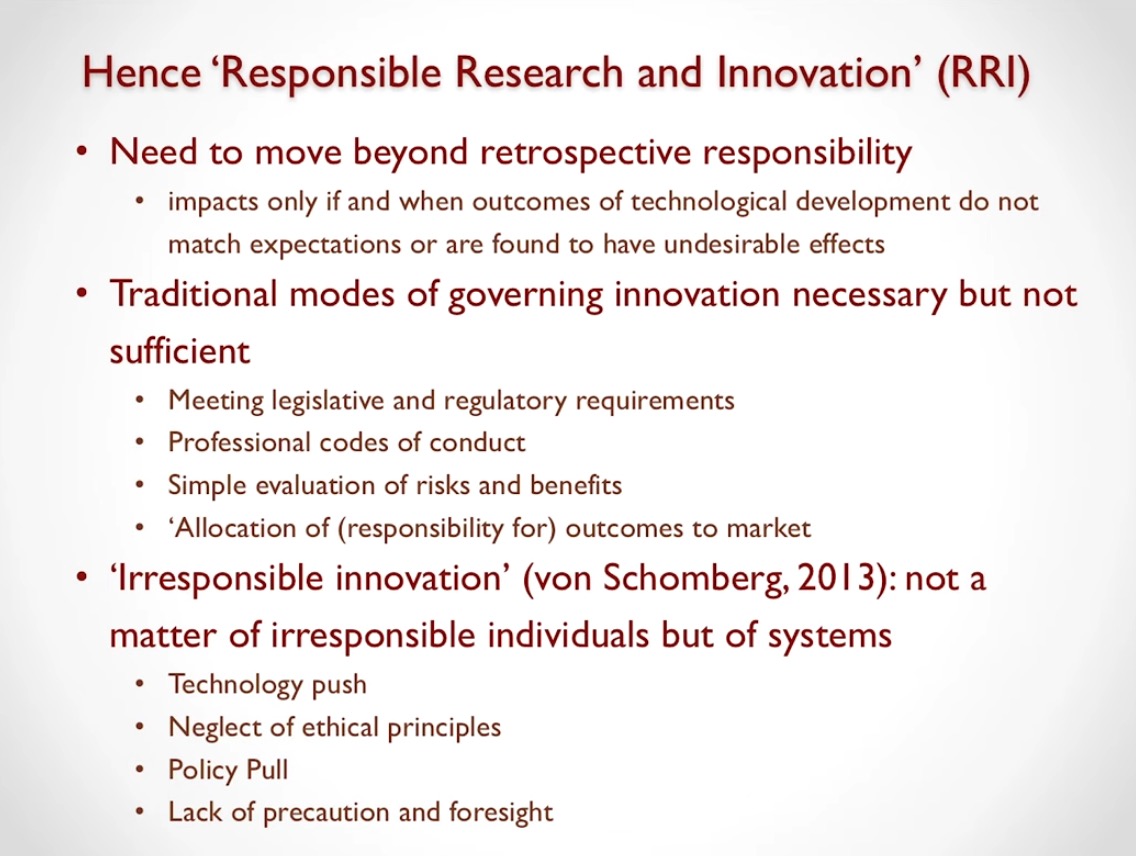
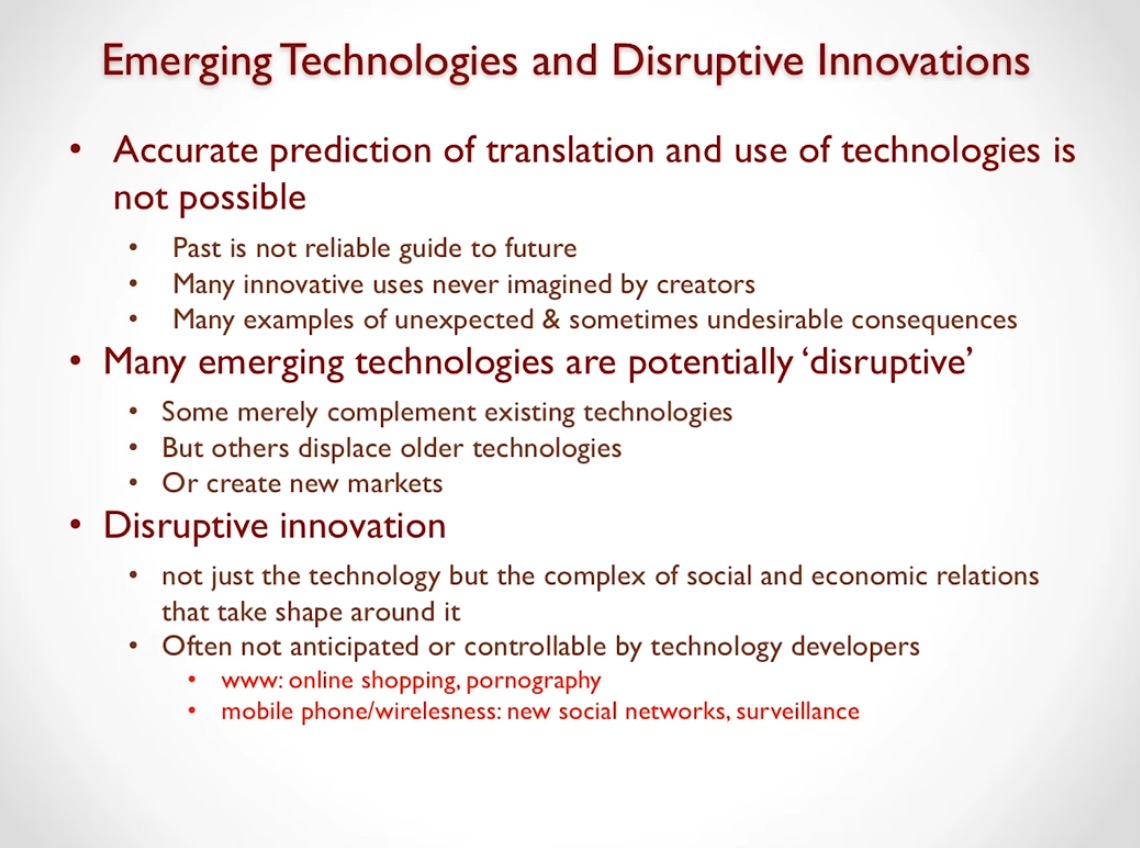
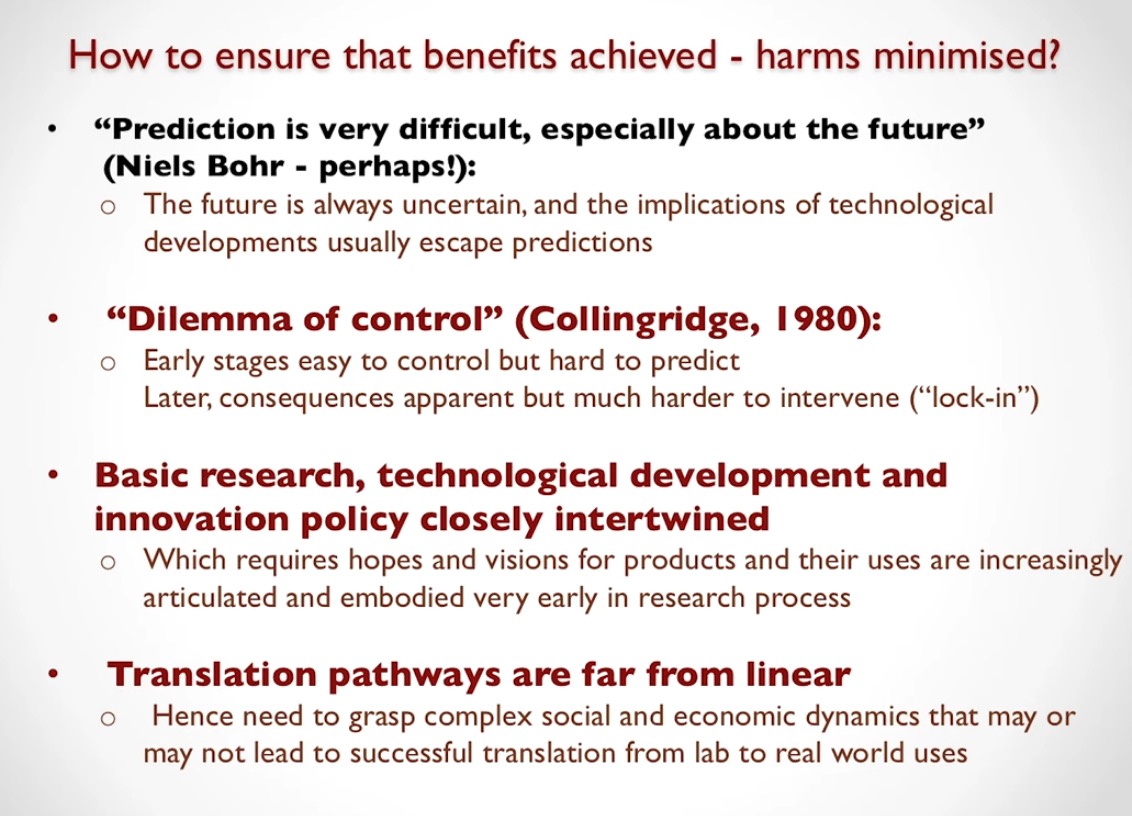
Opinion on Responsible Dual Use from the Human Brain Project:
https://www.humanbrainproject.eu/en/follow-hbp/news/opinion-on-responsible-dual-use-from-the-human-brain-project/
-
This advertising for a swiss private bank perfectly expresses the meaning of "responsibility" (ethics, governance, transparency, ecology, etc.) in late capitalism. #Ethics

-
There is a reason why all ancient traditions talk about ethics, virtues and self-cultivation.
-
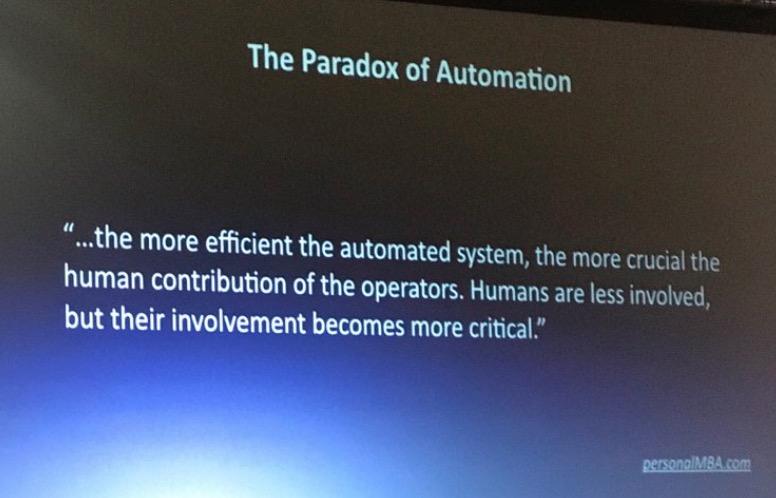
"We have an ethical responsibility to refuse to work on software that will negatively impact the well-being of other humans, flora and fauna."
-
"Ethical Autonomous Algorithms" - A few chapters Matthieu Cherubini wrote during his PhD: https://medium.com/@mchrbn/ethical-autonomous-algorithms-5ad07c311bcc #ML #Ethics
Interviewed him & the guys at @automato_farm a while back, touching on related topics:
-
Walmart's Future Workforce: Robots and Freelancers:
https://www.theatlantic.com/business/archive/2018/04/walmarts-future-workforce-robots-and-freelancers/557063/ "Walmart is raising wages, but its plans to use more gig labor and automation put workers at a disadvantage". #Robot #Politics #Ethics -
Leading AI researchers threaten Korean university with boycott over its work on ‘killer robots’: https://www.theverge.com/2018/4/4/17196818/ai-boycot-killer-robots-kaist-university-hanwha and https://www.theguardian.com/technology/2018/apr/05/killer-robots-south-korea-university-boycott-artifical-intelligence-hanwha #ML #Robot #Ethics #Military

-
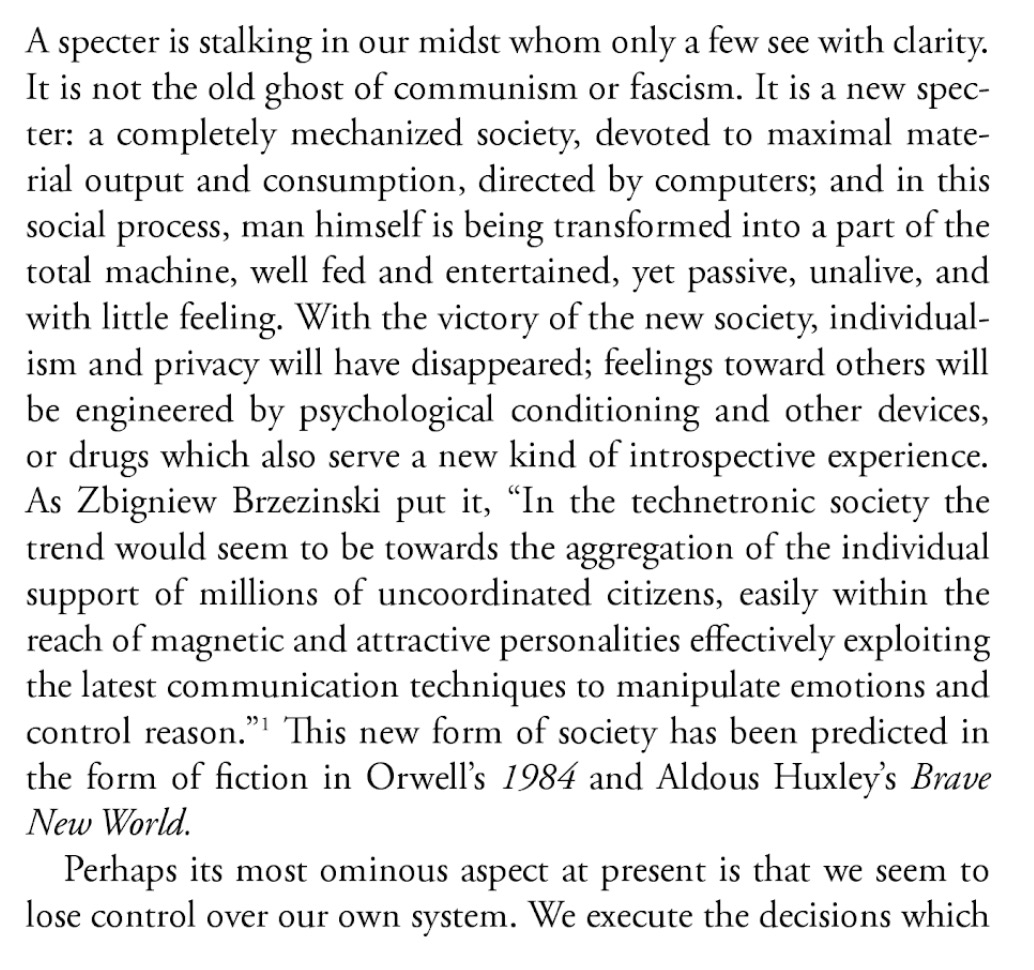
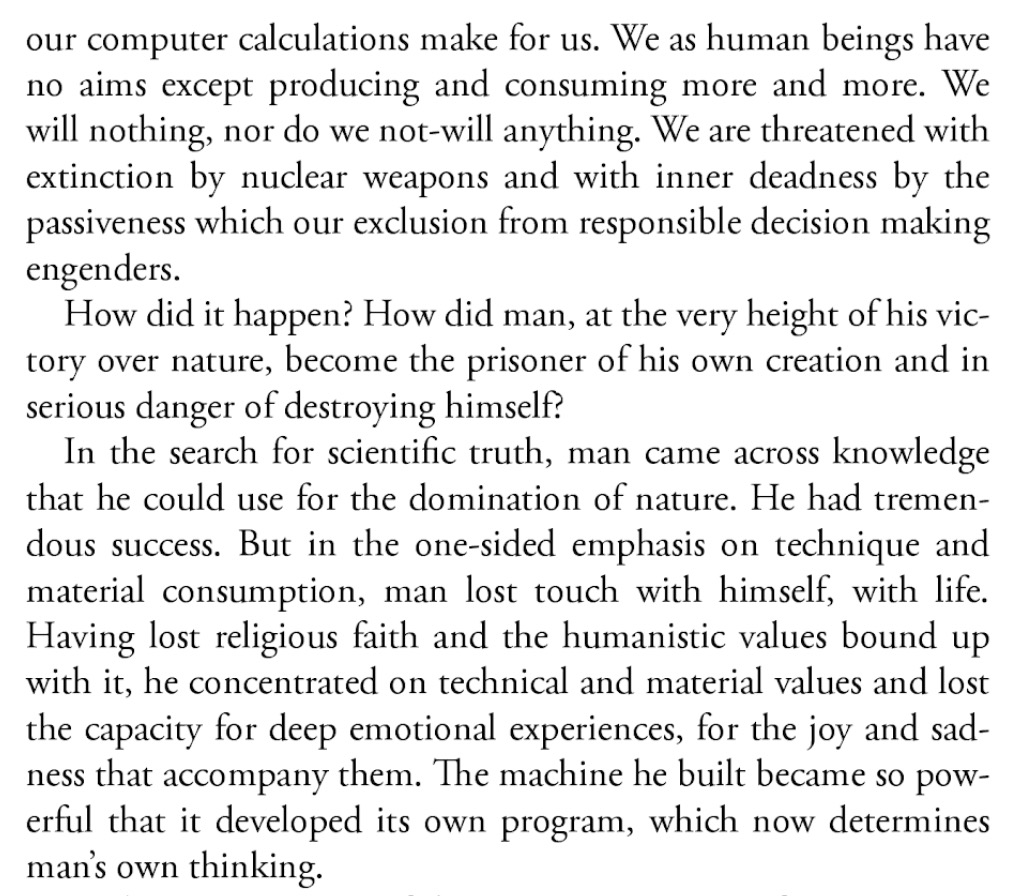
Excerpts from "The Revolution of Hope: Toward a Humanized Technology"
- by Erich Fromm (1968): #Technology #Ethics #Book
-
If and Then: A Critique of Speculative NanoEthics
https://link.springer.com/article/10.1007/s11569-007-0007-6
Abstract: Most known technology serves to ingeniously adapt the world to the physical and mental limitations of human beings. Humankind has acquired awesome power with its rather limited means. Nanotechnological capabilities further this power. On some accounts, however, nanotechnological research will contribute to a rather different kind of technological development, namely one that changes human beings so as to remove or reduce their physical and mental limitations.
The prospect of this technological development has inspired a fair amount of ethical debate. Here, proponents and opponents of such visions of human enhancement are criticized alike for engaging in speculative ethics. This critique exposes a general pattern that extends to other nano-, bio-, or neuroethical debates.
While it does not apply to all discussions of “enhancement technologies” it does apply to all ethical discourse that constructs and validates an incredible future which it only then proceeds to endorse or critique. This discourse violates conditions of intelligibility, squanders the scarce and valuable resource of ethical concern, and misleads by casting remote possibilities or philosophical thoughtexperiments as foresight about likely technical developments. In effect, it deflects consideration from the transformative technologies of the present. -
The Malicious Use of Artificial Intelligence:
Forecasting, Prevention, and MitigationThe report was written by 26 authors from 14 institutions, spanning academia, civil society, and industry. The report builds on a 2 day workshop held in Oxford, UK, in February 2017. More information can be found in Appendix A of the report.
Site: https://maliciousaireport.com
Research: https://arxiv.org/pdf/1802.07228.pdf
#ML #Ethics #Research