tag > FFHCI
-
Towards fungal computer - by Andrew Adamatzky
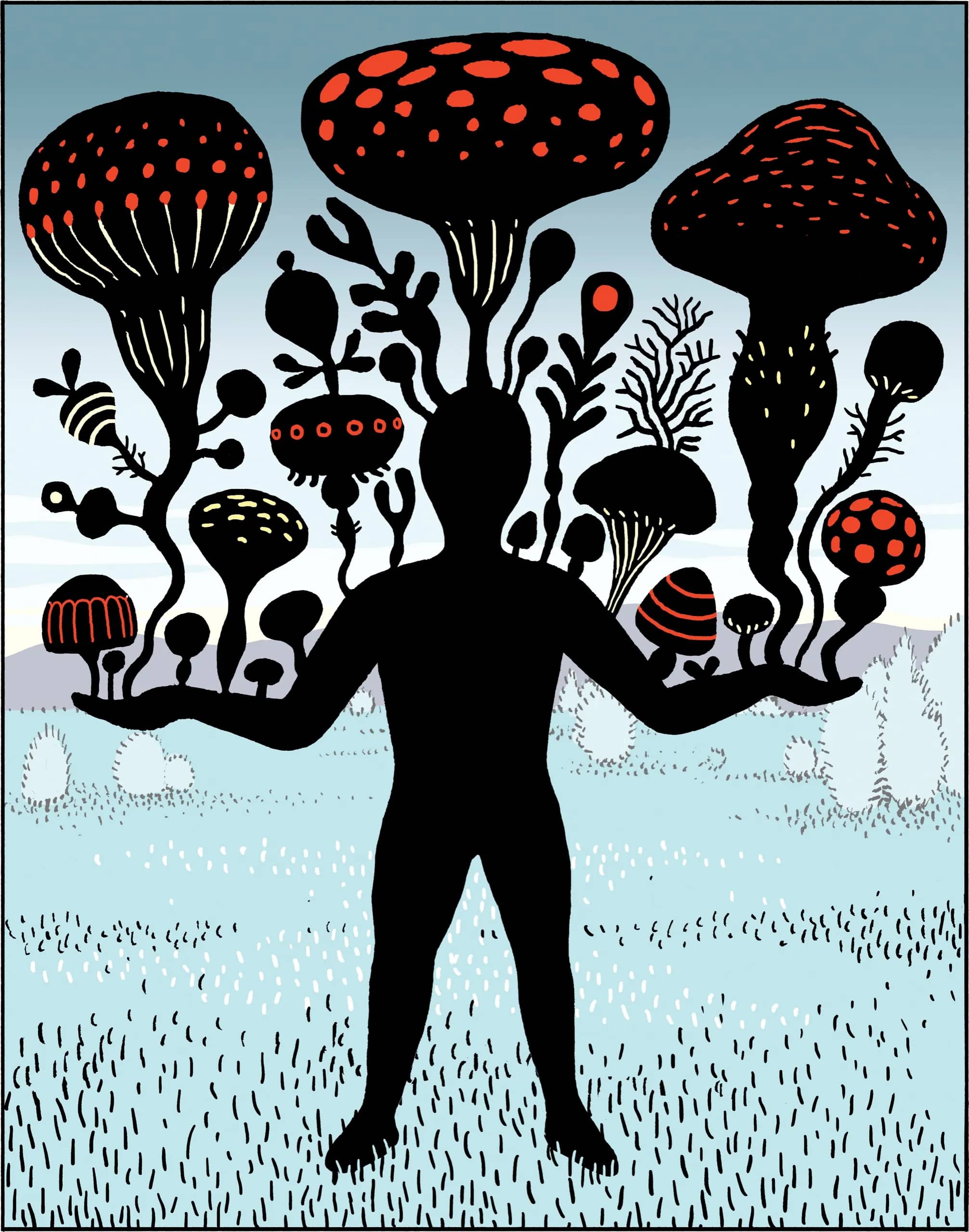
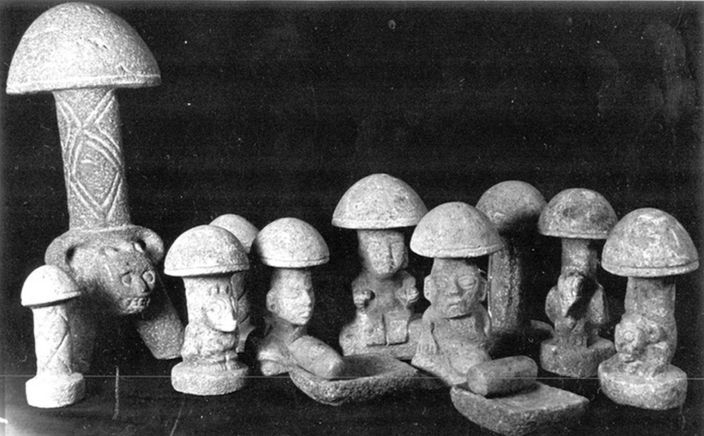
We propose that fungi Basidiomycetes can be used as computing devices: information is represented by spikes of electrical activity, a computation is implemented in a mycelium network and an interface is realized via fruit bodies. In a series of scoping experiments, we demonstrate that electrical activity recorded on fruits might act as a reliable indicator of the fungi’s response to thermal and chemical stimulation. A stimulation of a fruit is reflected in changes of electrical activity of other fruits of a cluster, i.e. there is distant information transfer between fungal fruit bodies. In an automaton model of a fungal computer, we show how to implement computation with fungi and demonstrate that a structure of logical functions computed is determined by mycelium geometry.
Academics are making 'intelligent buildings' with the help of fungi - The Centre for Unconventional Computing is using fungal colonies in surprising ways.
Wearables Computing made of Mushrooms… Finally - Tasty Sustainable Computing Solutions
#FFHCI #Mushroom #Technology #Networks #Regenerative #Complexity
-
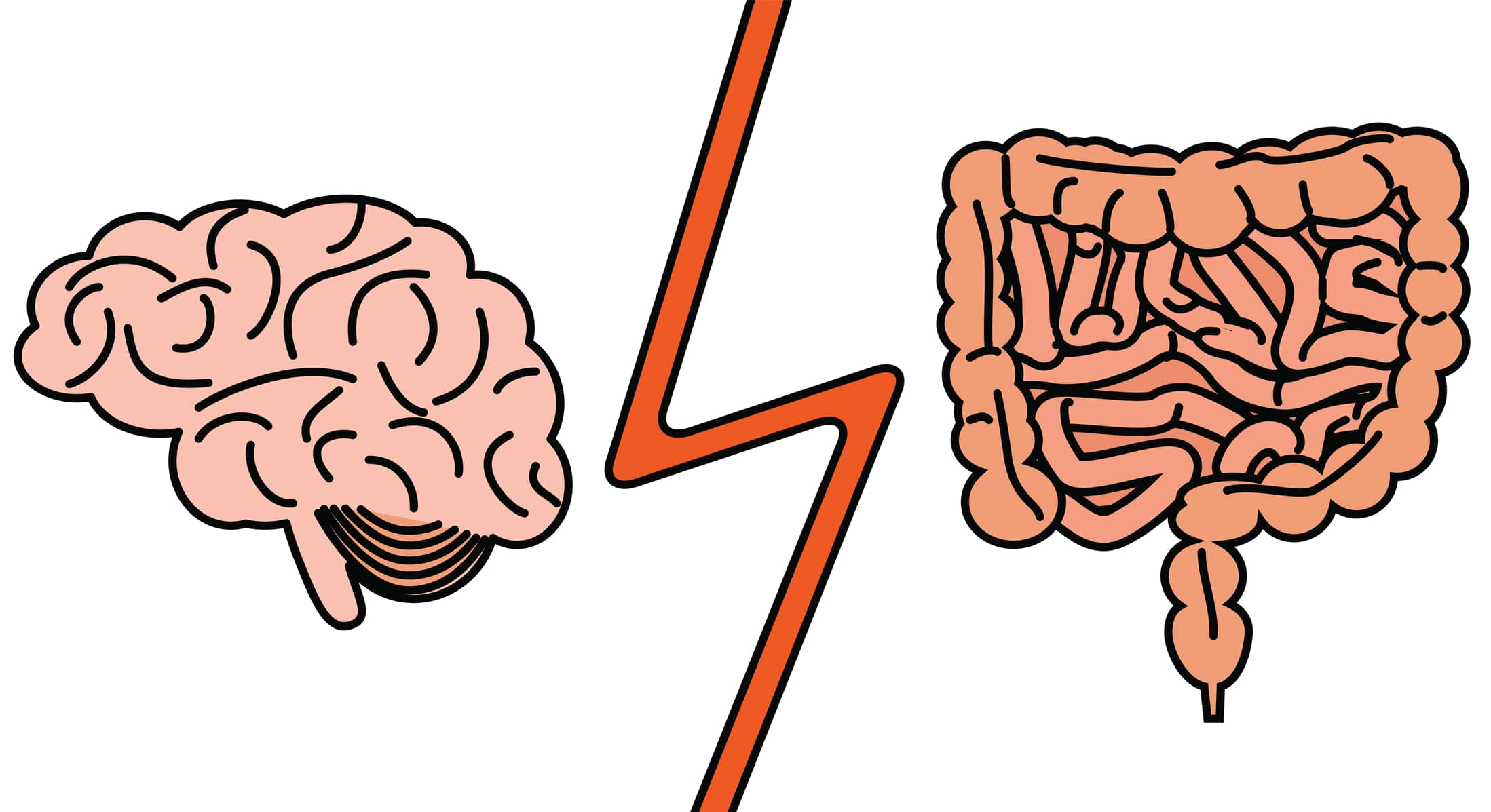
Cultivate your inner gut garden

"The food we eat dictates what kind of inner garden we are growing in our guts. This garden is filled with bugs that determine more about your health and your emotional and mental wellbeing than you ever imagined." - Mark Hyman
-
NIER Effects on Flora & Fauna: A Major Review
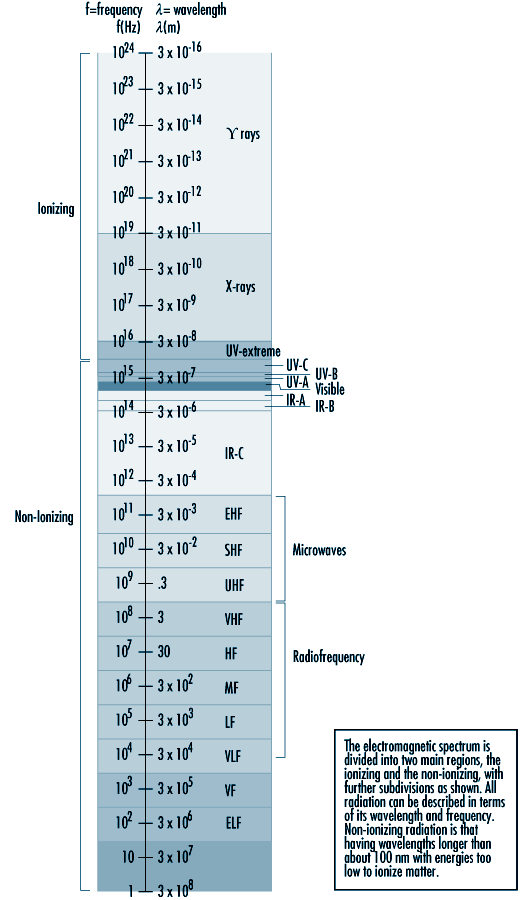
A detailed examination —likely the most exhaustive ever attempted— of the environmental effects of non-ionizing radiation has been published in Reviews on Environmental Health.
“Effects of Non-Ionizing Electromagnetic Fields on Flora and Fauna” is in three parts, the last of which was posted today. They are:
- Part 1. Rising Ambient EMF Levels in the Environment
- Part 2. Impacts: How Species Interact with Natural and Man-Made EMF
- Part 3. Exposure Standards, Public Policy, Laws, and Future Directions
Taken together, the three papers run over 200 pages in the journal and include more than 1,000 references.
The authors are Blake Levitt, Henry Lai and Albert Manville. Levitt is a science journalist, based in Connecticut, and the author of Electromagnetic Fields: A Consumer's Guide to the Issues and How To Protect Ourselves, first published in 1995. Lai is a professor emeritus at the University of Washington, Seattle. In the 1990s, he and N.P. Singh were the first to show that ELF (60 Hz) EMFs and RF radiation could lead to DNA breaks. Manville is a lecturer at Johns Hopkins University in Baltimore and, formerly, a wildlife biologist with the U.S. Fish and Wildlife Service.
“We approached it from the biology/environmental ecosystem level, rather than the typical physics and/or human physiology side,” Levitt told Microwave News. She added that they are planning to publish a book on the topic for the lay reader.
-
"Biodiversity is the greatest treasure we have... Its diminishment is to be prevented at all cost." - Thomas Eisner
-
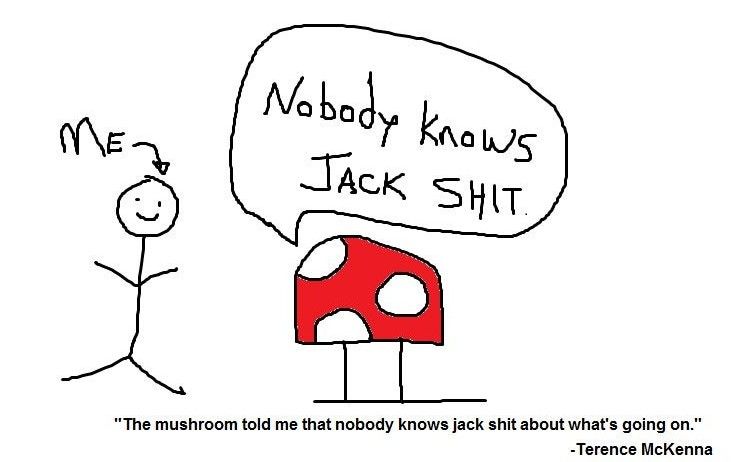
"The mushroom told me that nobody knows jack shit about what's going on." - Terence McKenna