tag > HCI
-
My Politics as a Technologist: A Conversation With Terry Winograd and Alan Borning:
"Technology doesn't just happen. It has to be invented, funded and carried out by somebody. Those are all social choices, political choices" - Terry Winograd
-
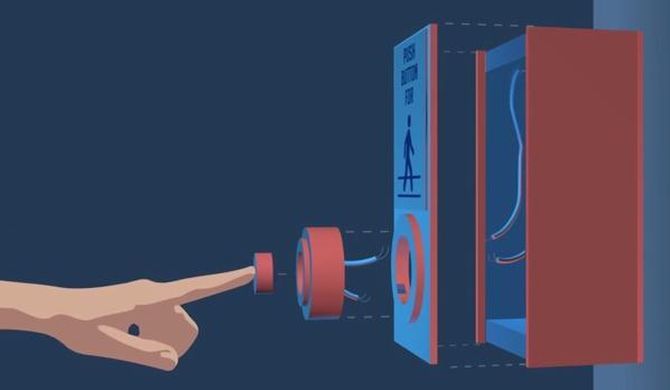
Privacy Settings. #HCI #SE #Technology
-
"Calendar.help: Designing a Workflow-Based Scheduling Agent with Humans in the Loop":
https://dl.acm.org/citation.cfm?id=3025453.3025780 #HCI #ML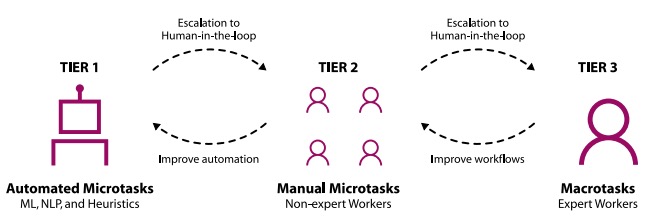
-
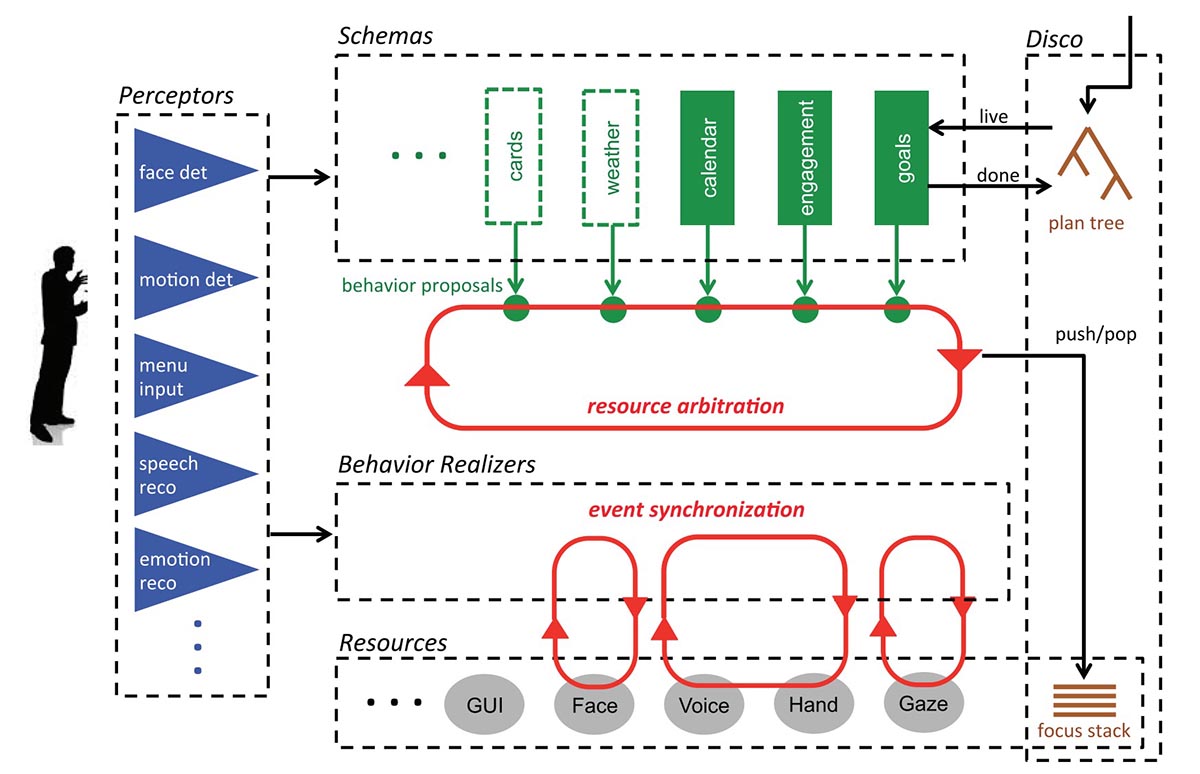
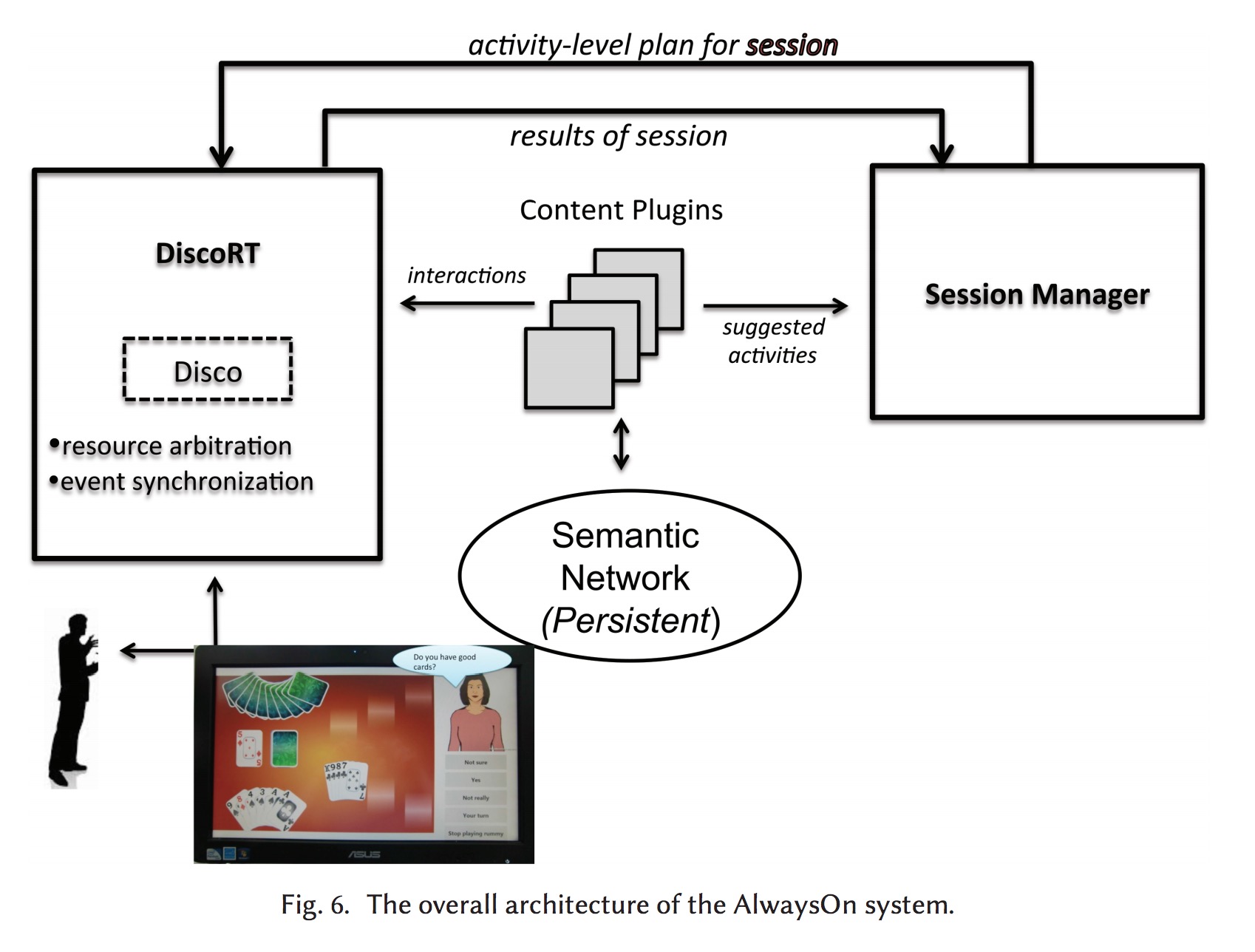
"Creating New Technologies for Companionable Agents to Support Isolated Older Adults": https://dl.acm.org/citation.cfm?id=3213050 sans-paywall: http://sci-hub.tw/https://dl.acm.org/citation.cfm?id=3213050 #ML #HCI
-
"Recent Research Advances on Interactive Machine Learning": https://arxiv.org/abs/1811.04548
"Learning Shaping Strategies in Human-in-the-loop Interactive Reinforcement Learning": https://arxiv.org/abs/1811.04272 #ML #HCI
-
"Successful interaction design requires a shift from seeing the machinery to seeing the lives of the people using it"
- Terry Winograd (The Design of Interaction, 1997) -
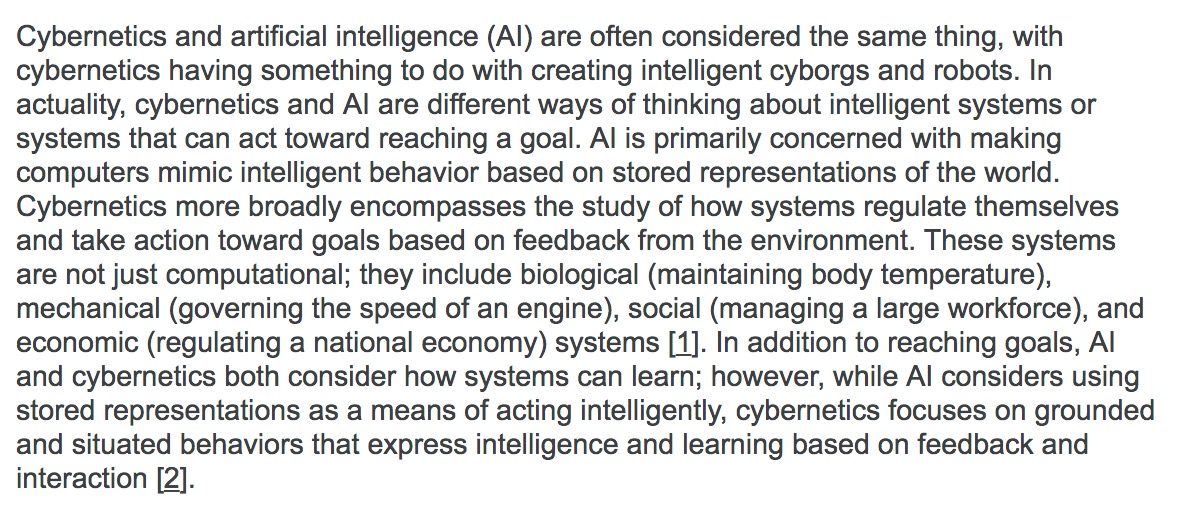
"Cybernetics & the design of the user experience of AI systems": http://interactions.acm.org/archive/view/november-december-2018/cybernetics-and-the-design-of-the-user-experience-of-ai-systems #ML #HCI
-
The Future Evolution of Language - UIST 2018 talk by Ken Perlin: #HCI
The Material for the 21st Century - UIST 2018 talk by Gregory Abowd:
-
Designing the future with the help of the past with Bill Buxton: #HCI
-
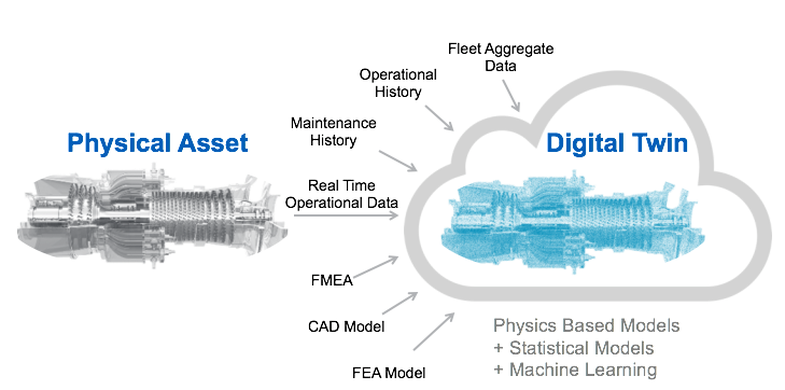
Digital twin: https://en.wikipedia.org/wiki/Digital_twin #HCI #IOT
"a digital replica of physical assets (physical twin), processes, people, places, systems and devices that can be used for various purposes"
-
Believe it or not: Designing a Human-AI Partnership for Mixed-Initiative Fact-Checking
-
Visual information seeking using the FilmFinder (1994)
-
“Watsuji and Nishida on the Predictability of Nature” - talk by Yū Inutsuka, University of Tokyo
-
ZENetic Computer ~ Cultural Computing:
ZENetic is an interface that evokes self-awakening through essential aspects of Zen Buddhist culture. Through esoteric riddles, ZENetic teases particular cognitive responses from users, as reflections of their inner, subliminal consciousness. With stories portrayed in ink painting, haiku, and kimono, ZENetic conveys the rich allegorical interaction characteristic of Eastern philosophy. ZENetic Computer was presented during Siggraph 2004.:
https://www.siggraph.org//s2004/conference/etech/zen.php?=conference -
Project Zanzibar: "A Portable and Flexible Tangible Interaction Platform": https://www.microsoft.com/en-us/research/project/project-zanzibar/
-
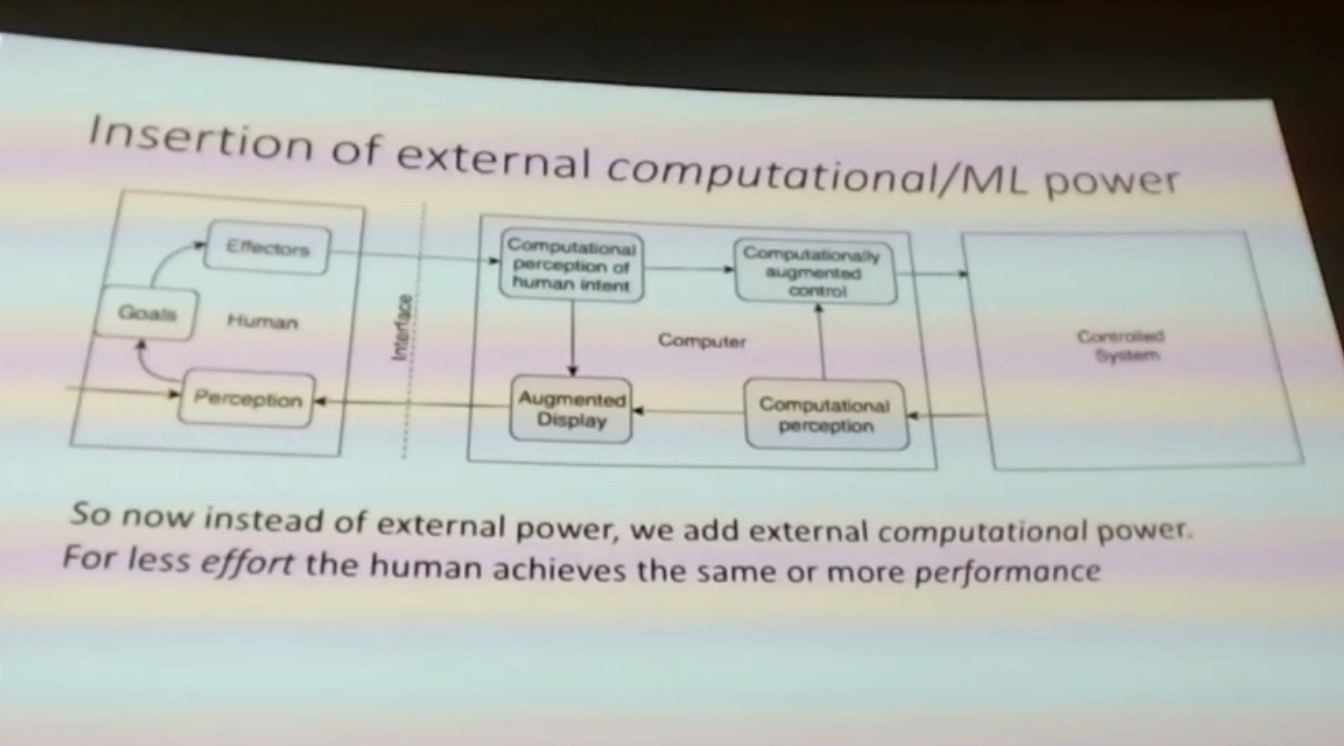
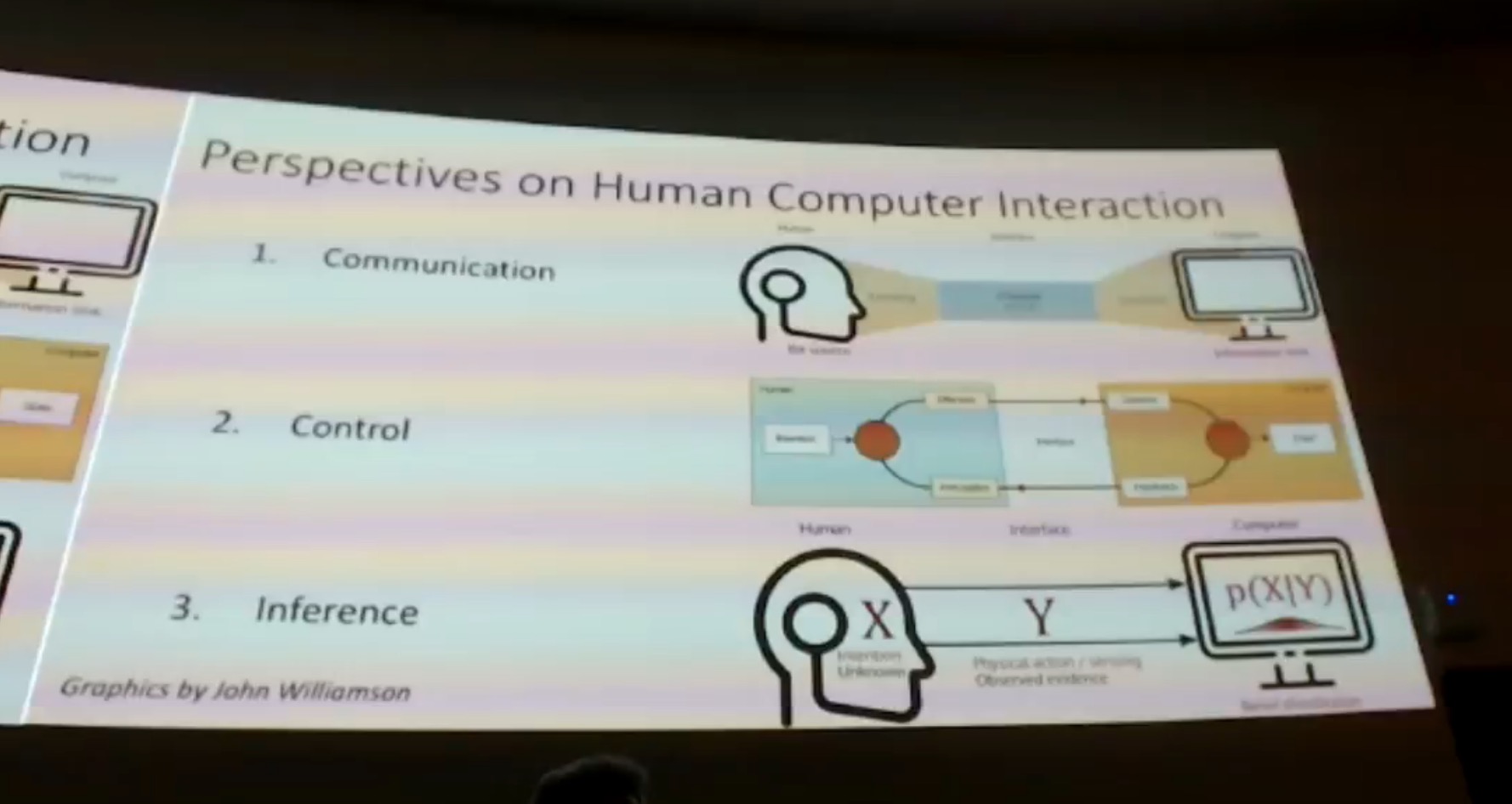
"Stratified, Computational Interaction via Machine Learning" - talk by @MurraySmithRod:
https://www.youtube.com/watch?v=rSrs7QreTYQ&feature=youtu.be&t=3945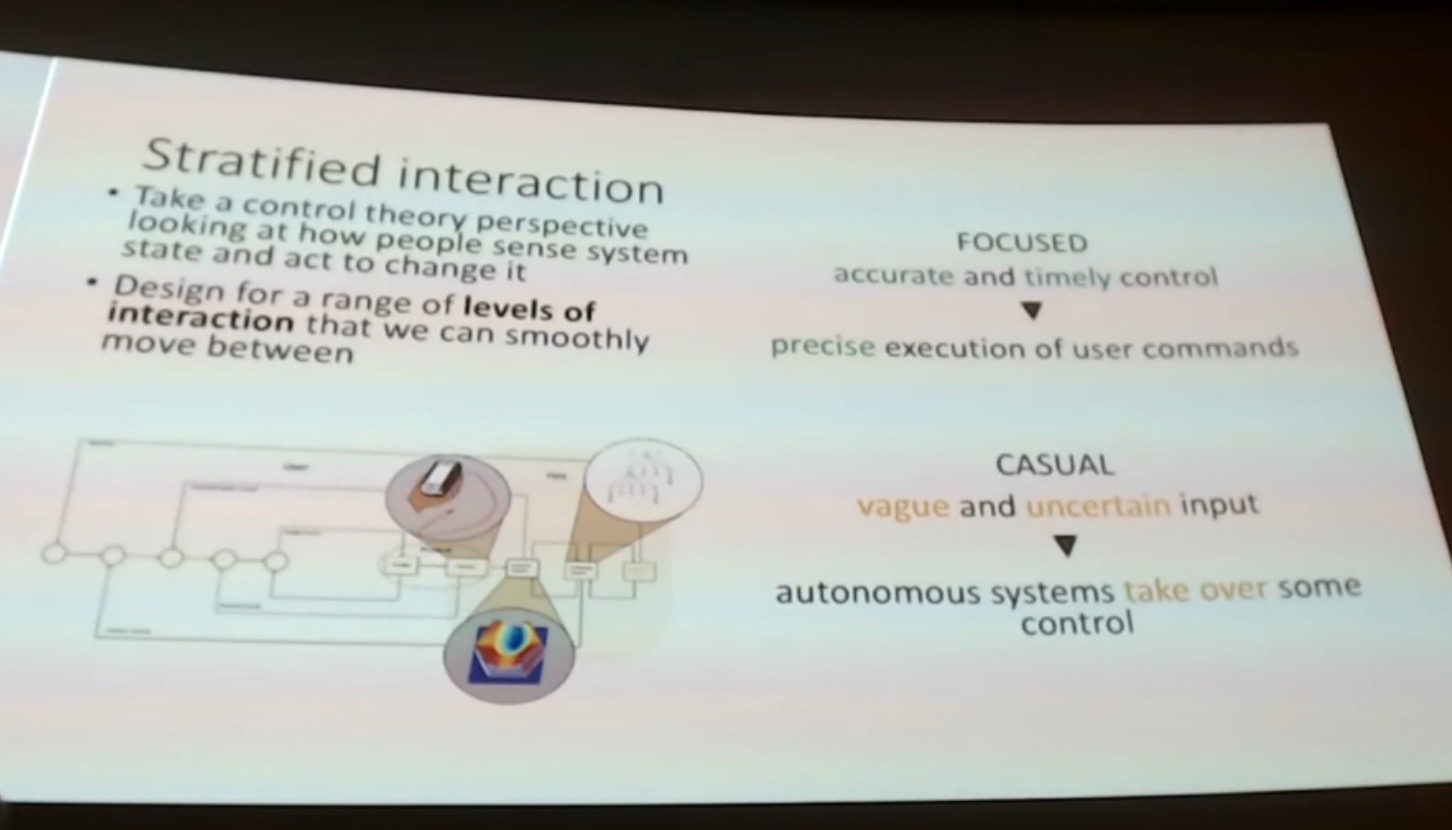
-
LiquidText: The future of reading/writing. A very impressive app: https://liquidtext.net #HCI
-
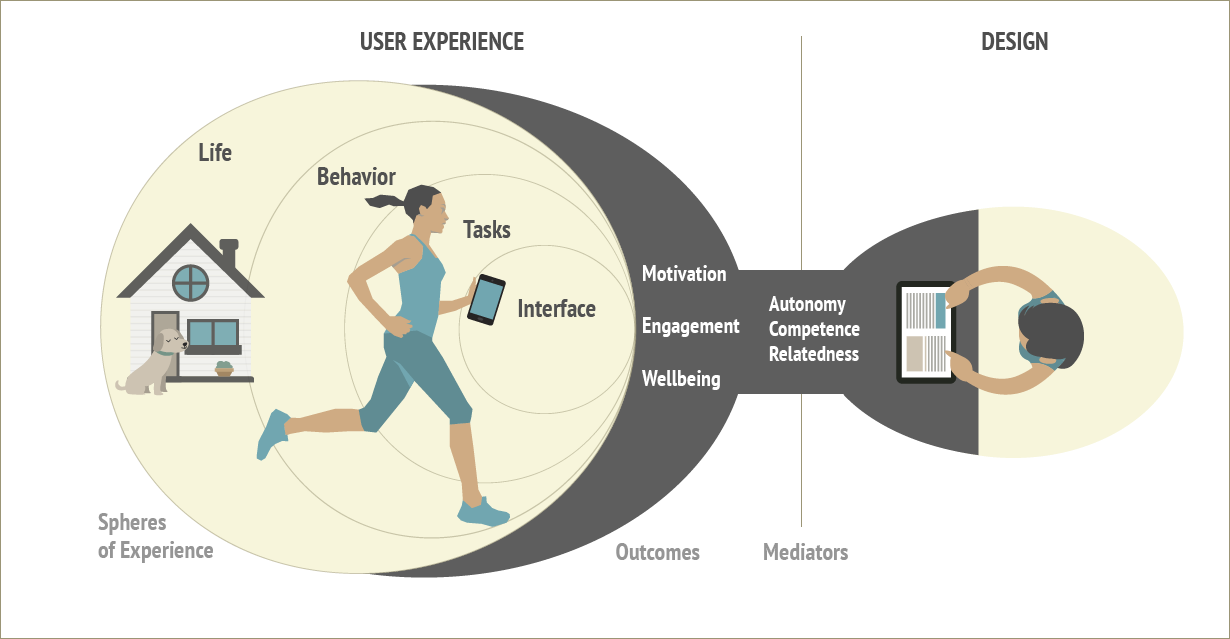
"Motivation, Engagement and Thriving in User Experience (METUX)" - A Wellbeing Design Framework for Practice: https://www.frontiersin.org/articles/10.3389/fpsyg.2018.00797/full
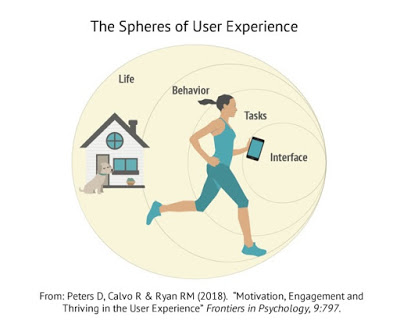
There is a great need for practical tools to help designers and researchers incorporate wellbeing research into practice. The model provides a framework grounded in psychological research that allows HCI researchers and practitioners to form actionable insights with respect to how technology designs support or undermine basic psychological needs, thereby increasing motivation and engagement, and ultimately, improving user wellbeing.
We propose that in order to address wellbeing, psychological needs must be considered within at least five different spheres of analysis including: at the point of technology adoption, during interaction with the interface, as a result of engagement with technology-specific tasks, as part of the technology-supported behavior, and as part of an individual's life overall. Otherwise, important contradictory effects can be missed. After all, a technology can appear to support wellbeing at one level but severely hinder it at another level (think of tech addiction that provides momentary need-satisfaction at the moment of use but disrupts psychological need satisfaction at the life level.)
-
An Introduction to Slow Computing:
Paper: https://osf.io/preprints/socarxiv/rmxfk/
Project: http://progcity.maynoothuniversity.ie/2017/12/new-paper-slow-computing/Abstract: "In this short position paper we examine some of the dimensions and dynamics of the algorithmic age by considering three broad questions. First, what are the problematic consequences of life mediated by ‘algorithm machines’? Second, how are individuals or groups and associations resisting the problems they encounter? Third, how might the algorithmic age be re-envisioned and re-made in more normative terms? We focus on two key aspects of living with ubiquitous computing, ‘acceleration’ and ‘data grabbing,’ which we contend are two of the most prominent and problematic features of the algorithmic age. We then begin to shed light on the sorts of practices that constitute slow computing responses to these issues. In the conclusion, we make the case for a wide-scale embrace of slow computing, which we propose is a necessary step for society to make the most of the undeniable opportunities for radical social change emerging from contemporary technological developments"
SLOW COMPUTING
- How to practice resistance in the algorithmic age?
- Slowing down one's rate of participation in processes of acceleration and temporal reconfiguration
- Performing intricate 'dances' around and within data grabbing infrastructures
- Using technology on our own terms
ACCELERATION
- Networked technologies ore creating a faster and busier world
- Acceleration of the pace of life; technological acceleration; acceleration of social change
- People being 'always-everywhere available'
- Time shifting of activities to formerly unavailable times (*dead time mode 'productive time)
- More flexible scheduling of activities • Simultaneous occurrences, multitasking, and the interleaving of Wit/tiles
- Shortening In the time log between action and event - immediate, distanciated response and real time systems
- Compression, densification and fragmentation of time
SLOWING DOWN
- Deciding to participate in tool processes at a slower rate than might be otherwise expected
- Aim is to reduce time compression, fragmentation, densification and stresses.
- Tactics include:
- Switching off Wifi routers for set periods each day
- less frequent 'checking in' on social media or only pursuing one or two email sessions per day
- reserving computational free leisure time
- maintaining scheduled, no device-ing meal times
- organising pro-arranged meetings rather than doing so on-the-fly
- choosing to buy and use non-smart or analogue electrical goods
- collecting goods purchased online in-store rather than having them delivered
- In other words, re-build one's life around social and clock time rather than network time, and older, slower practices rather than accelerated ones.
- Not to abandon technology, but use it differently
CONCLUSION
- Algorithmic age poses a number of personal challenges
- Slow computing is about trying to negotiate these challenges as much as possible on one's own terms
- As well as practical interventions, slow computing requires normative and political thinking concerning the land of algorithmic future we wont to create and live in
- How should society and states respond collectively through regulation, legislation, education, and training?
- Need to elaborate an ethics of acceleration and grabbing; an ethics of big data, algorithmic governance, machine learning, artificial intelligence, automation and the diverse technologies and practices that increasingly shape everyday life
- Plus map out moral contours and actions and more just alternatives