tag > Infrastructure
-
FOOD AND MATERIALS - Rotterdam: https://www.fabrications.nl/portfolio-item/collectingresources/ #Regenerative #Infrastructure
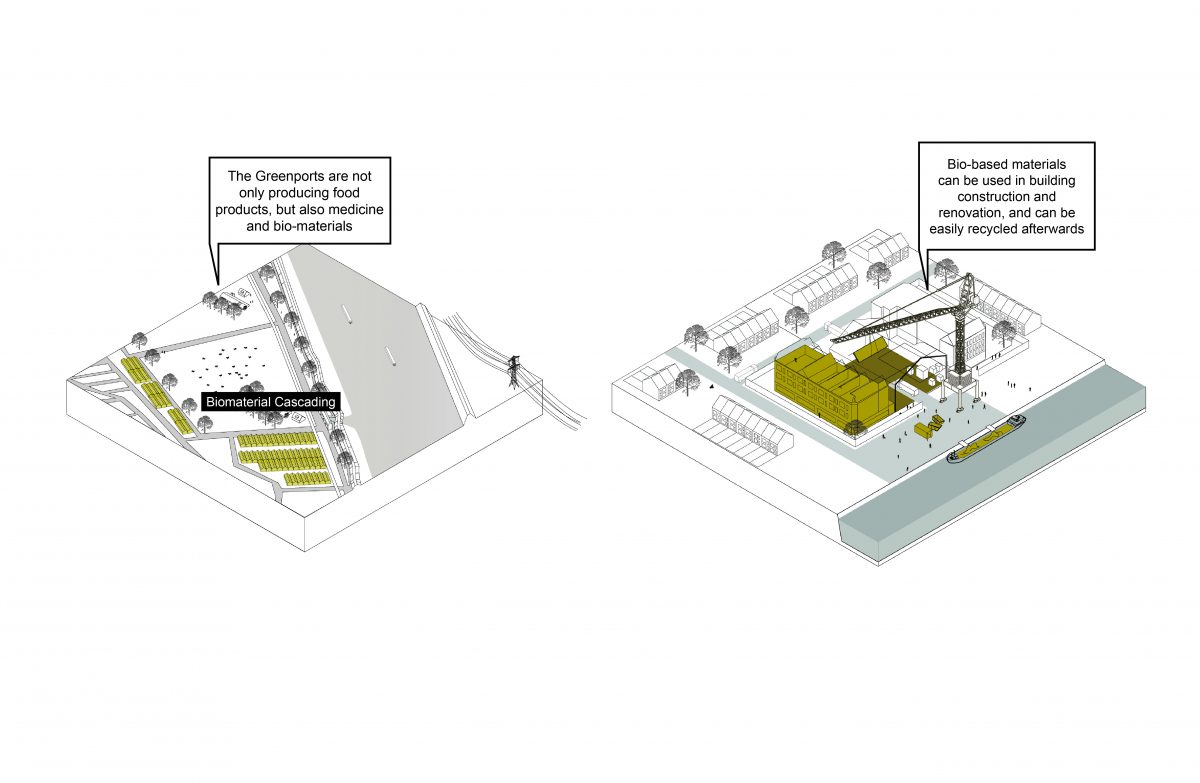
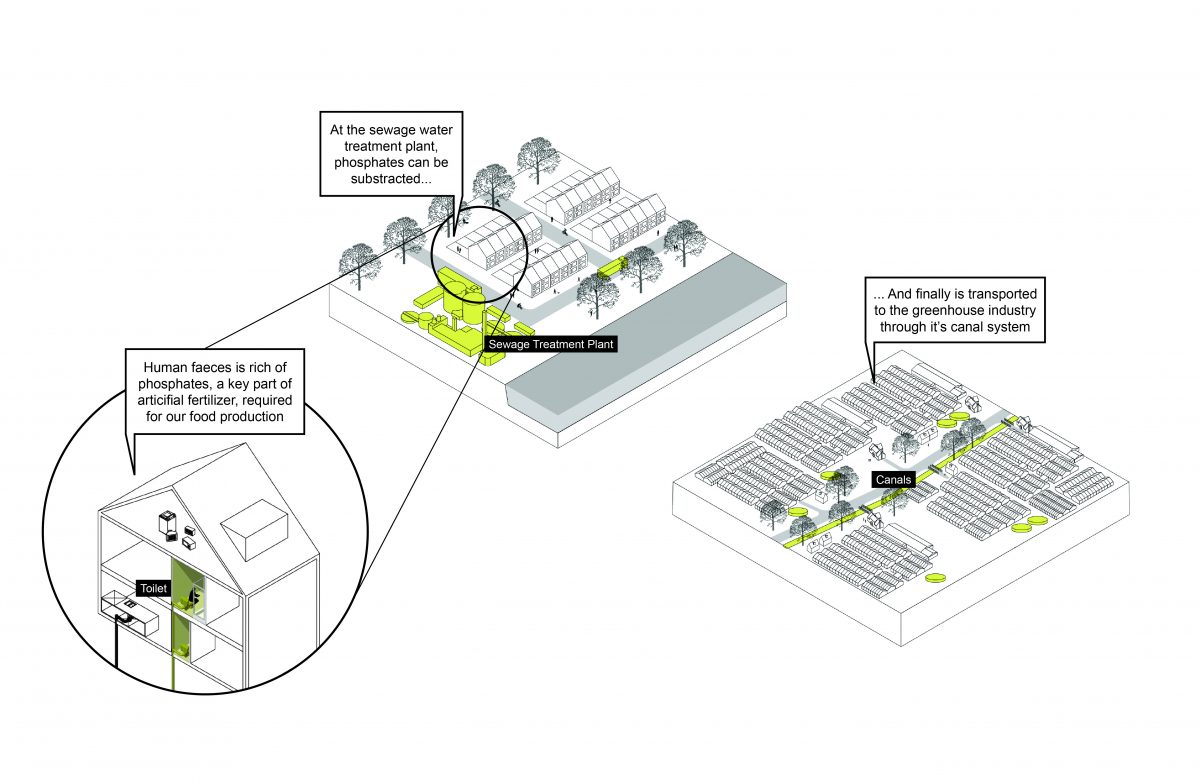

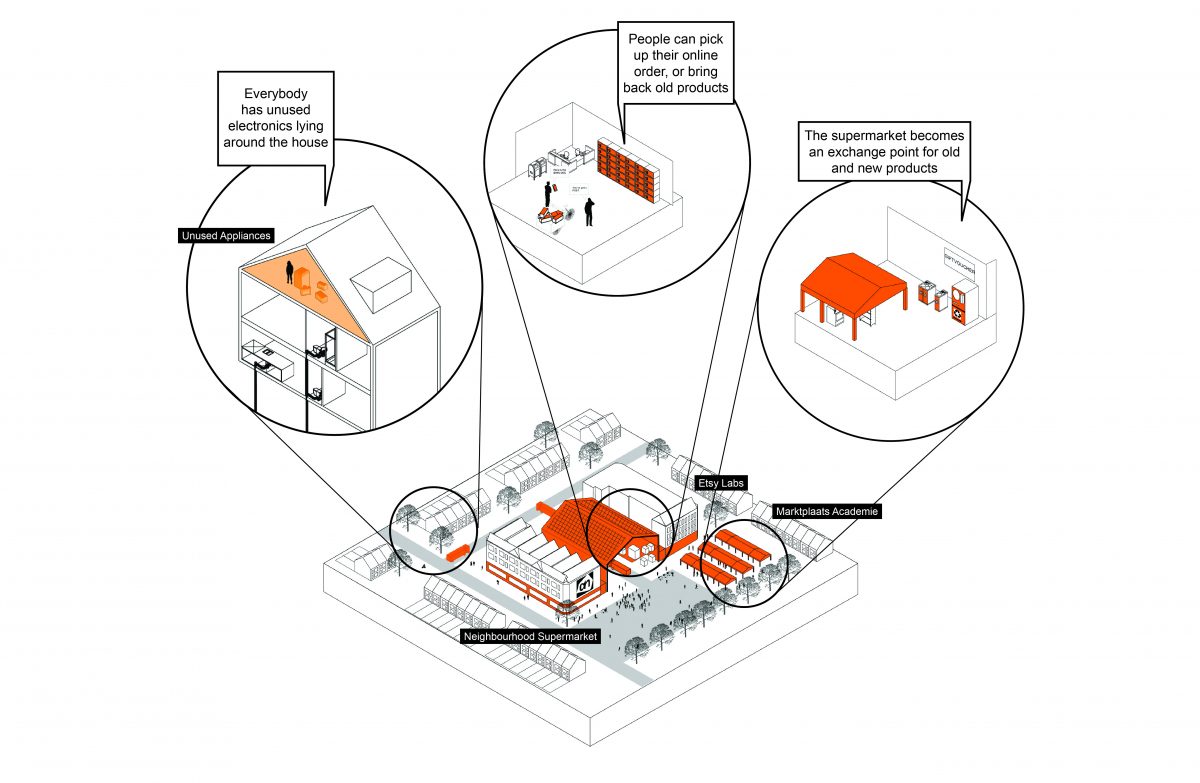
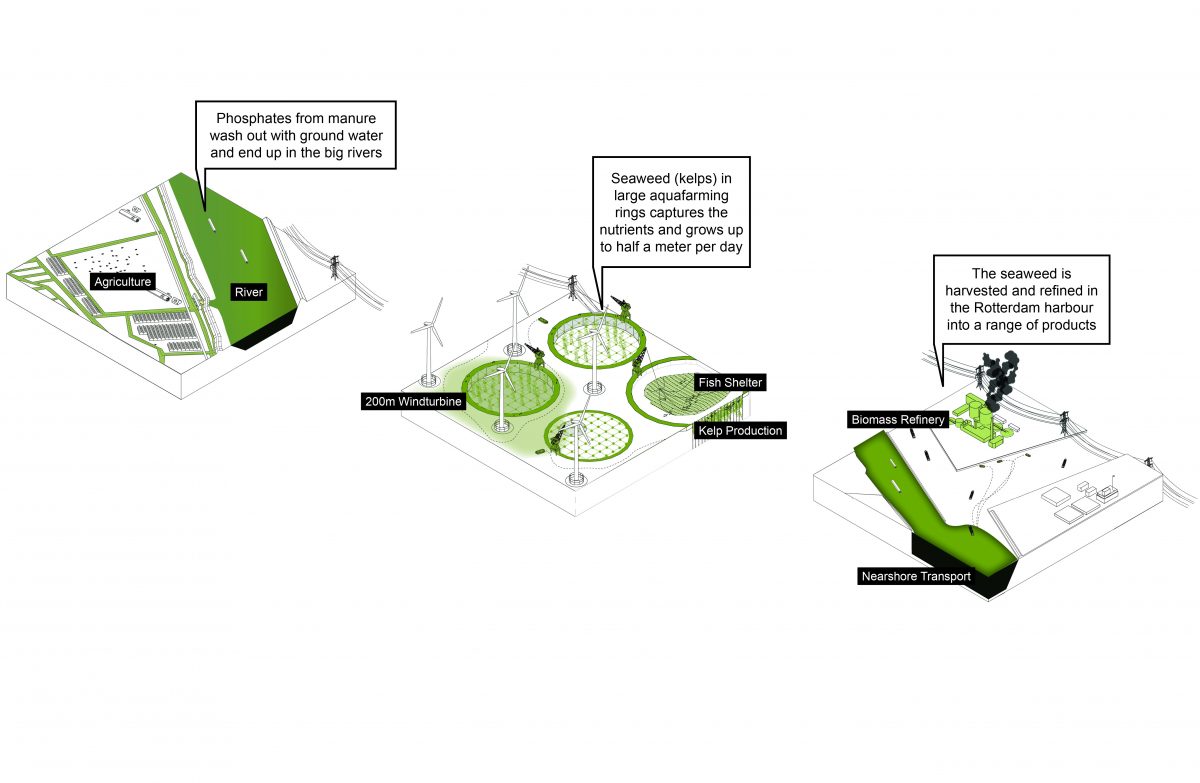
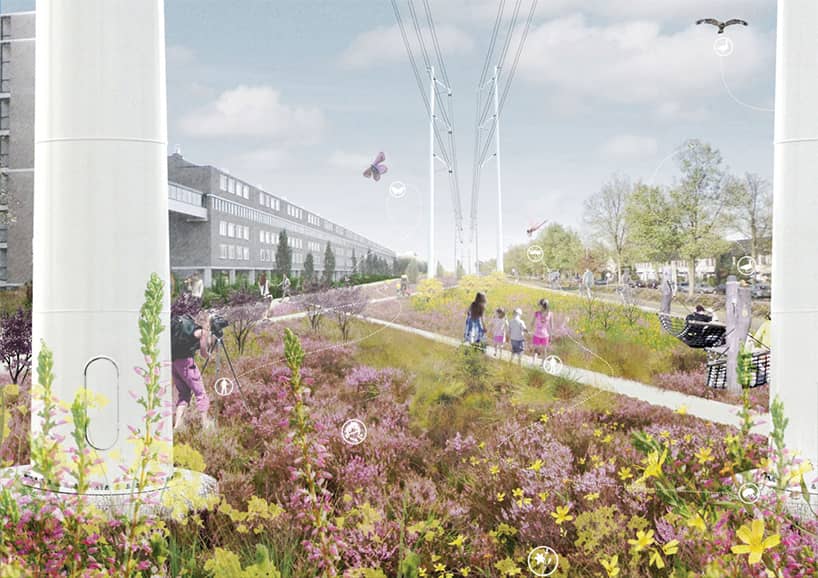
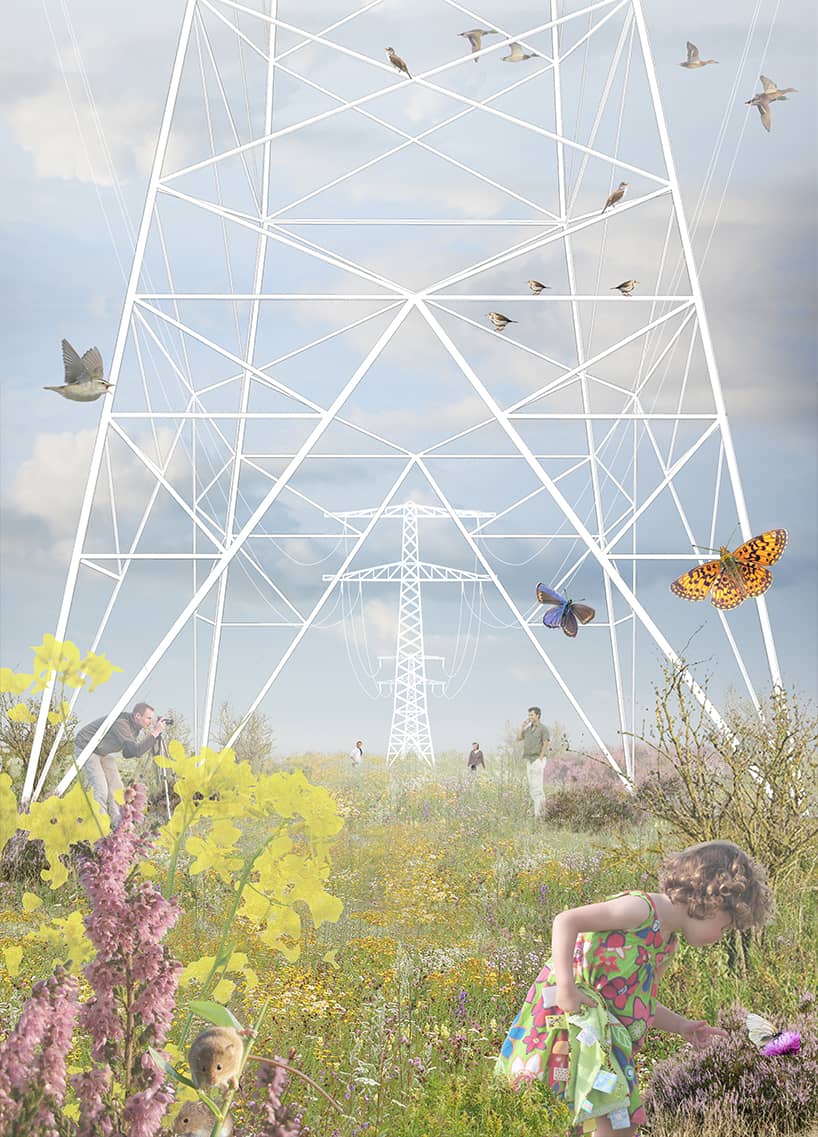
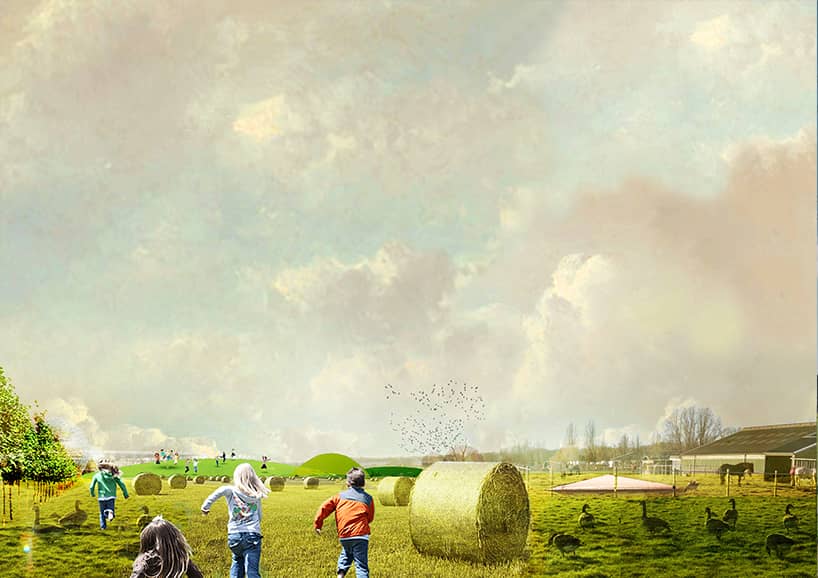
FABRICations draws a framework for energy landscapes of the future netherlands:
https://www.designboom.com/architecture/fabrications-framework-energy-landscapes-future-netherlands-02-08-2019/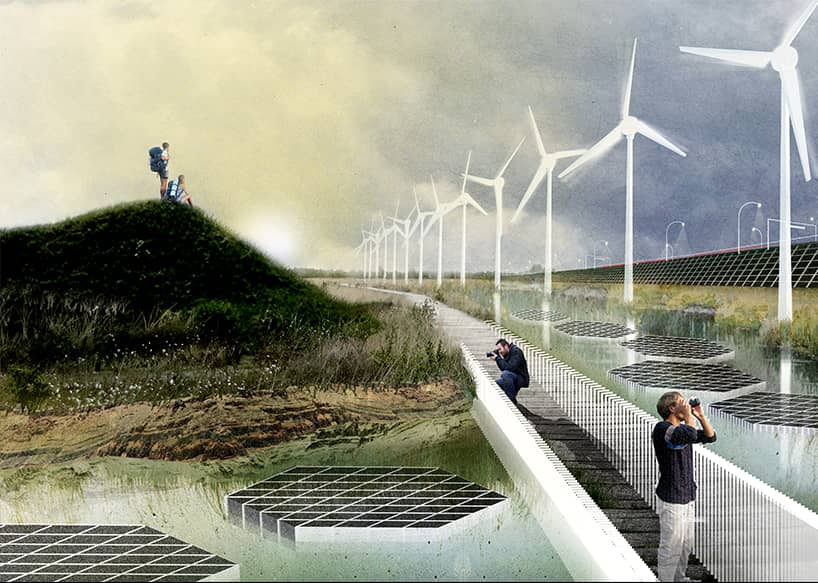



-
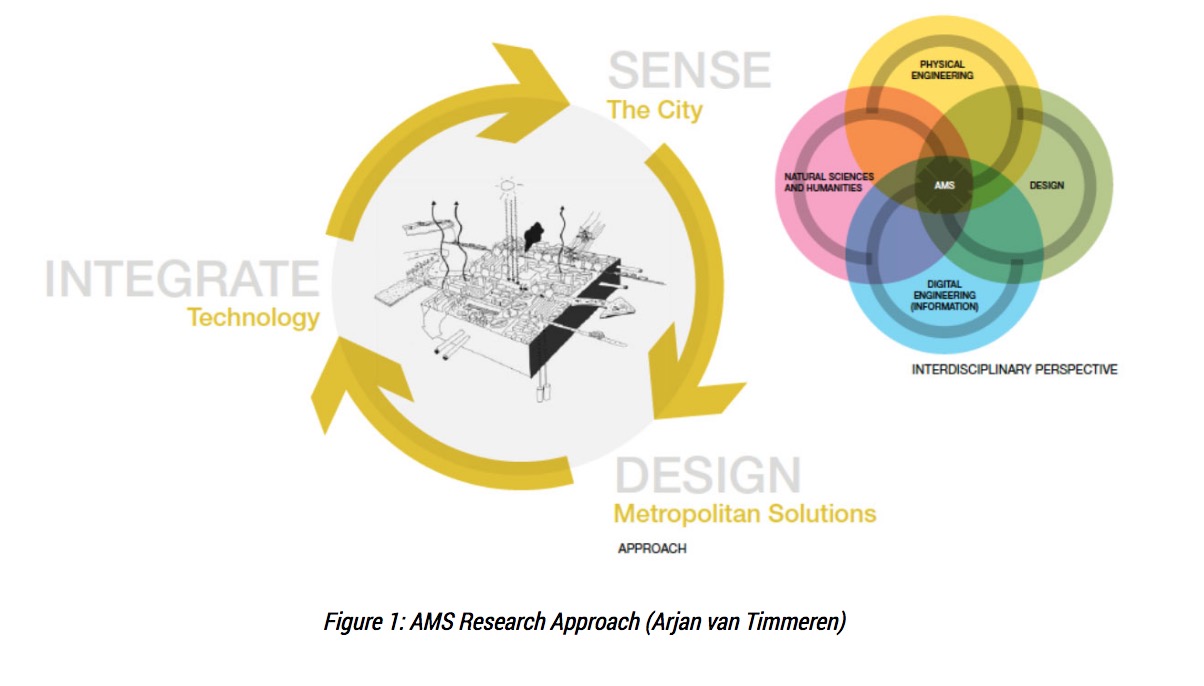
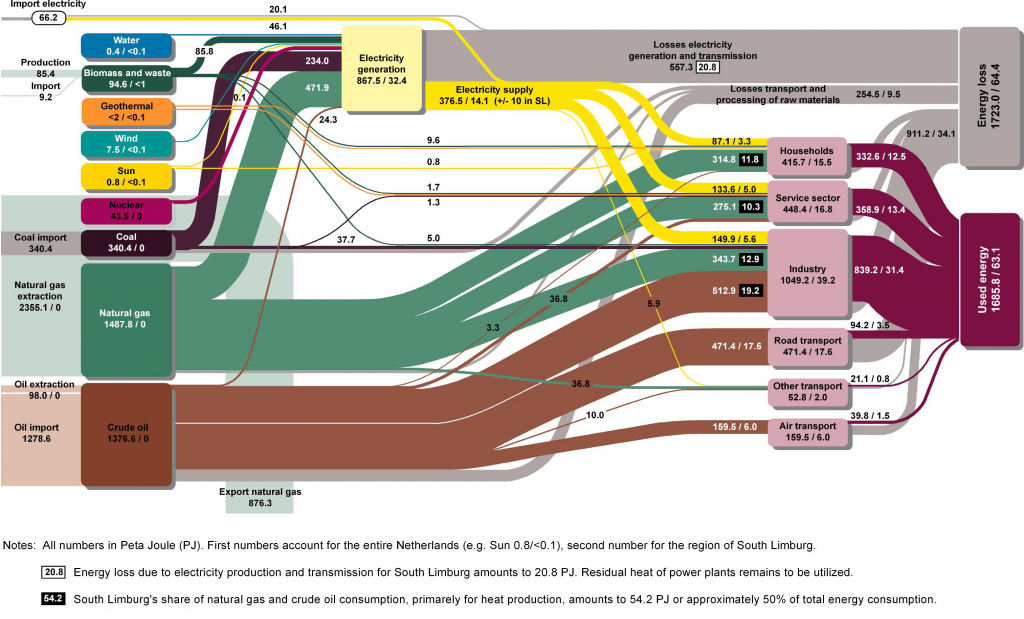
The Pulse of the City: Exploring Urban Metabolism in Amsterdam - by Ilse Voskamp and Sven Stremke: https://iabr.nl/en/publicatie/stedelijk-metabolisme
-
Green Building Training: Resilient City Strategies: Towards liveable low carbon cities - talk by Nico Tillie
-
World Council on City Data - Created by Cities for Cities: https://www.dataforcities.org/
-
Designing a knowledge co-production operating space for urban environmental governance—Lessons from Rotterdam, Netherlands and Berlin, Germany - by Niki Frantzeskakia, Nadja Kabisch: https://www.sciencedirect.com/science/article/pii/S1462901116300107
unpaywalled: http://sci-hub.tw/https://www.sciencedirect.com/science/article/pii/S1462901116300107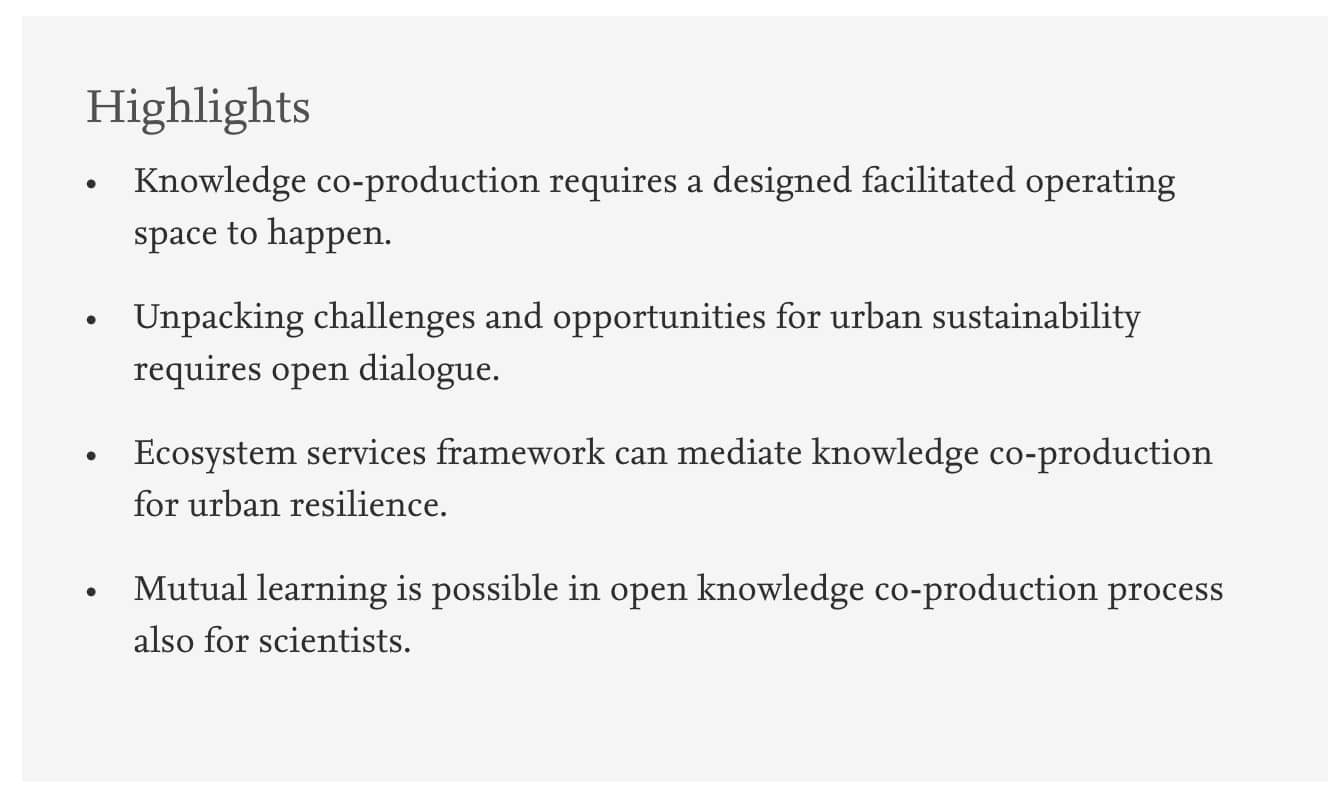
-
URBES film: Rotterdam - the transition to urban resilience
-
The Nature of Cities - 2013 MAS Summit for NYC.
-
Science and the Future of Cities:
https://www.nature.com/documents/Science_and_the_future_of_cites.pdf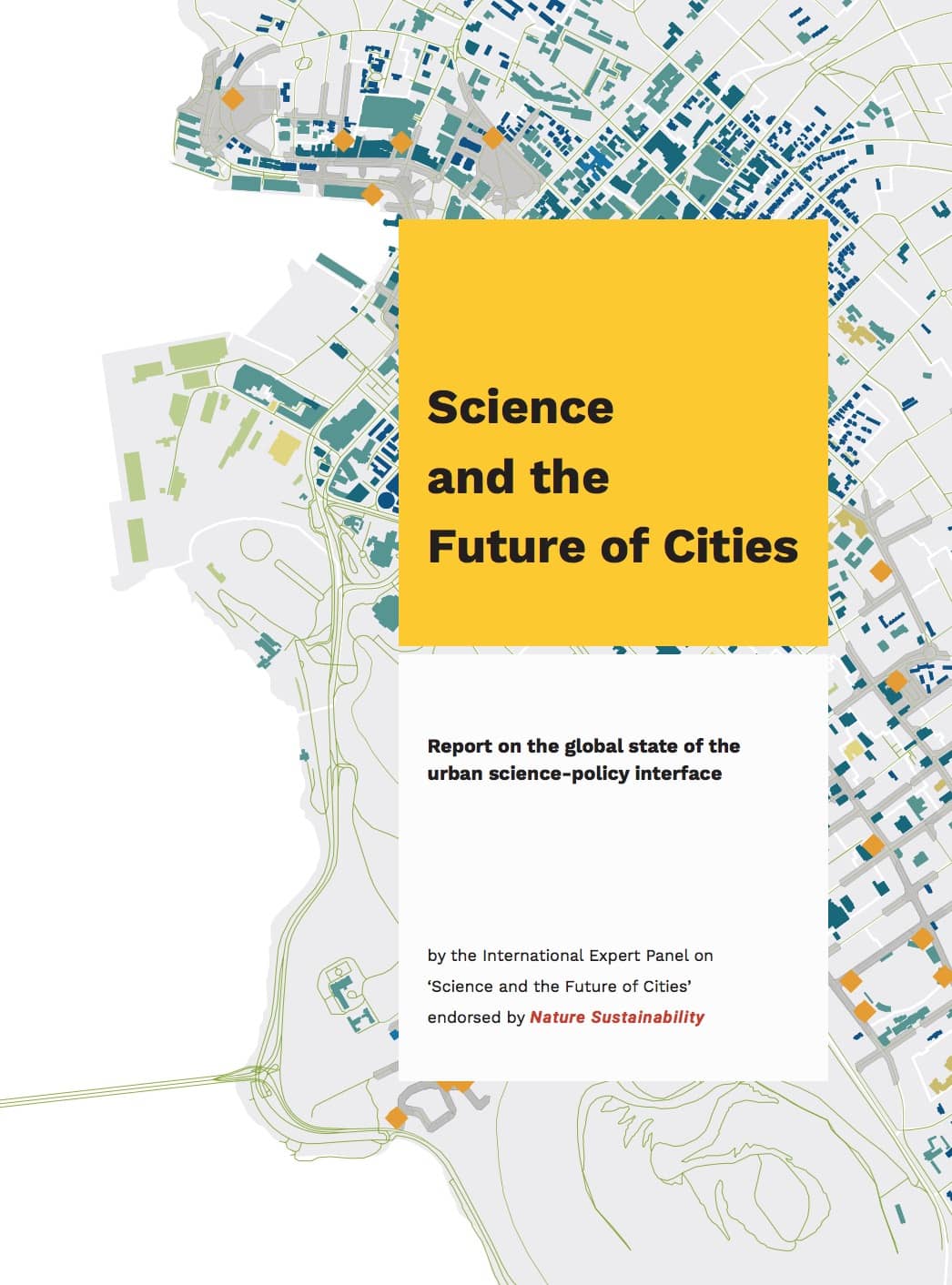
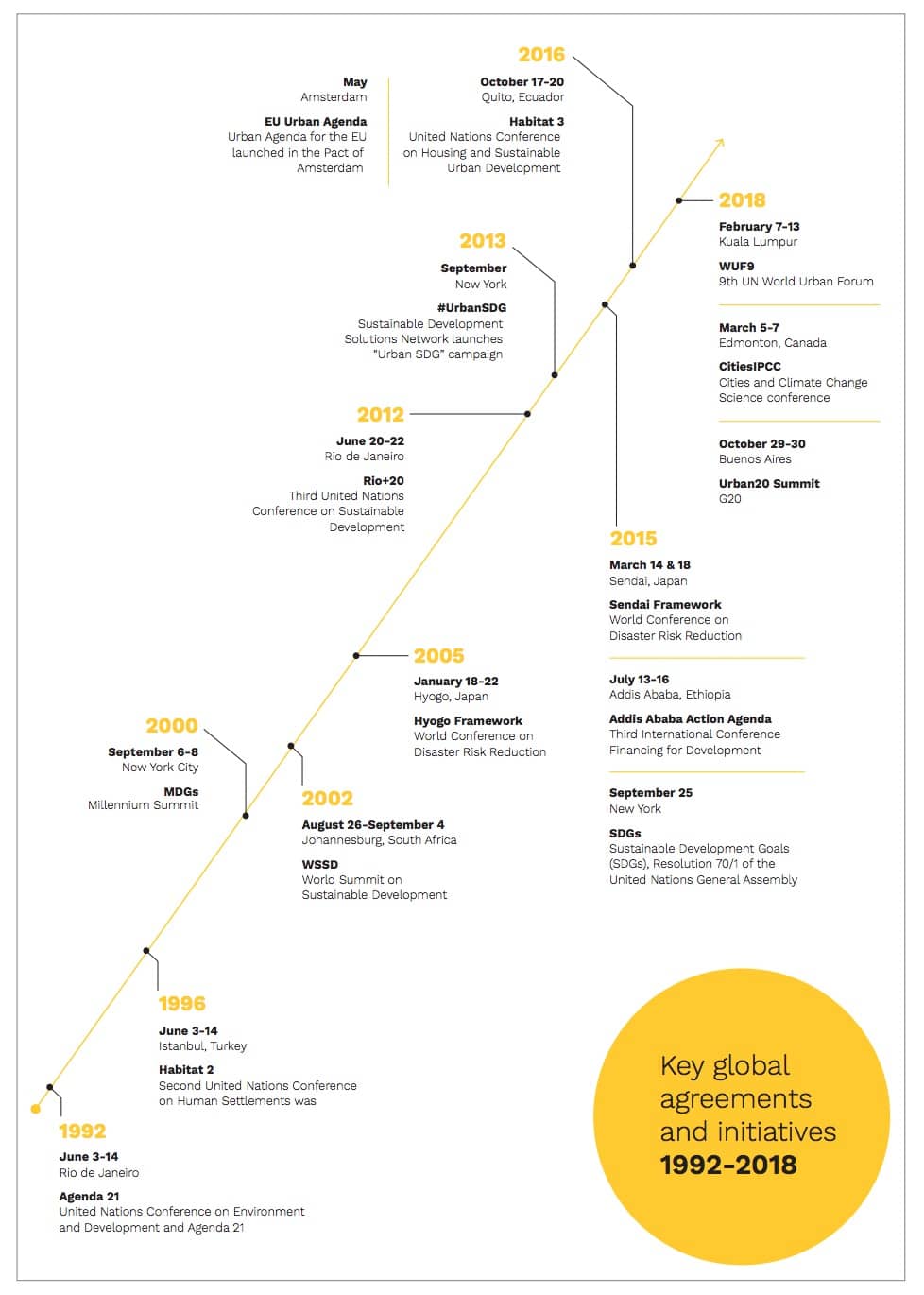
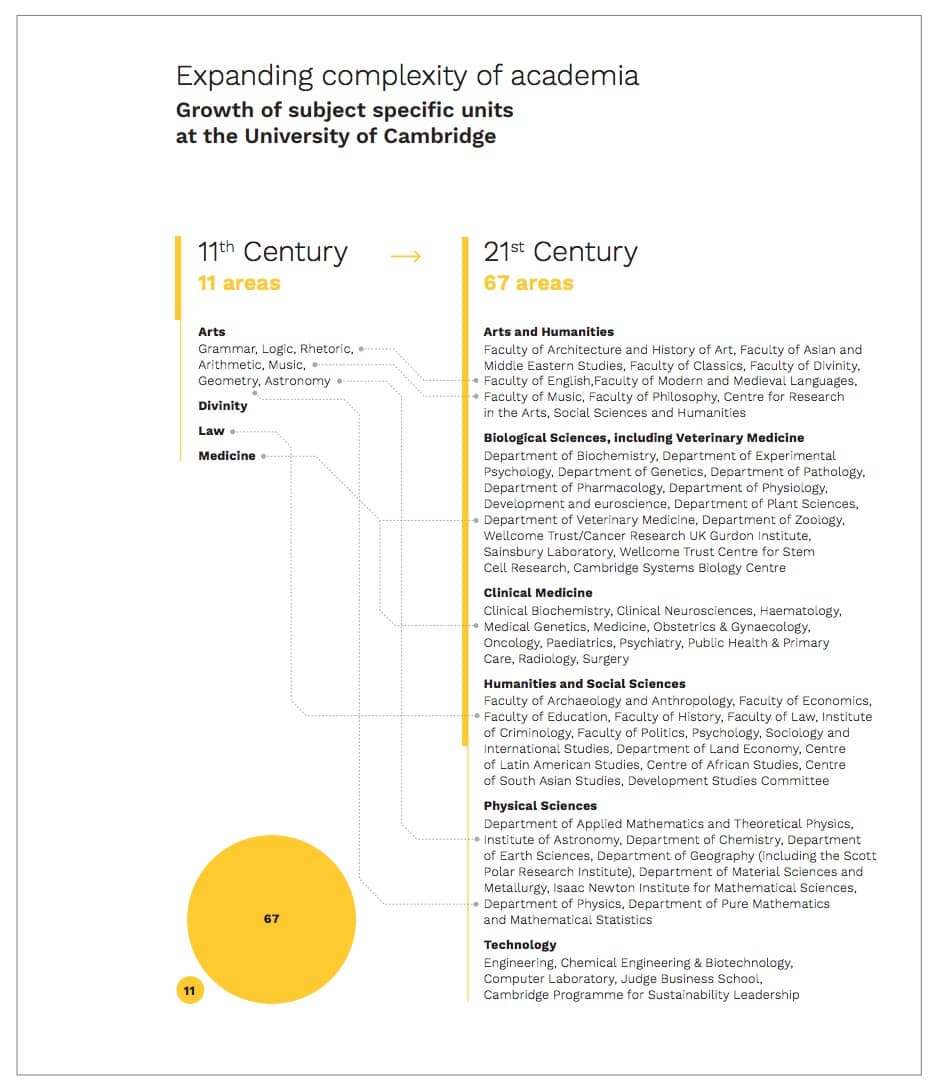
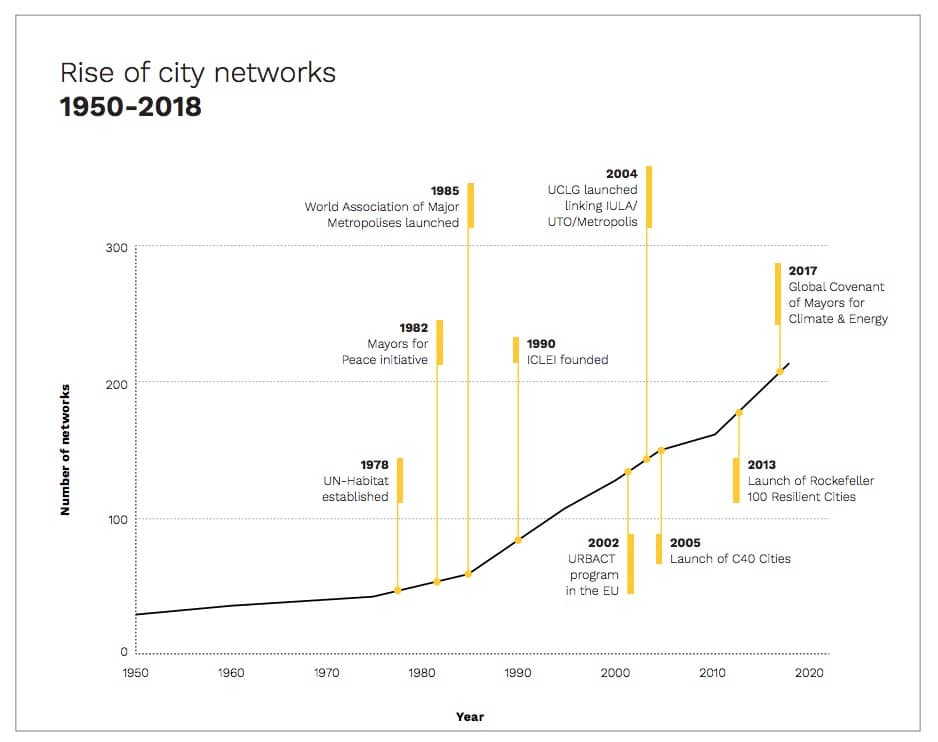
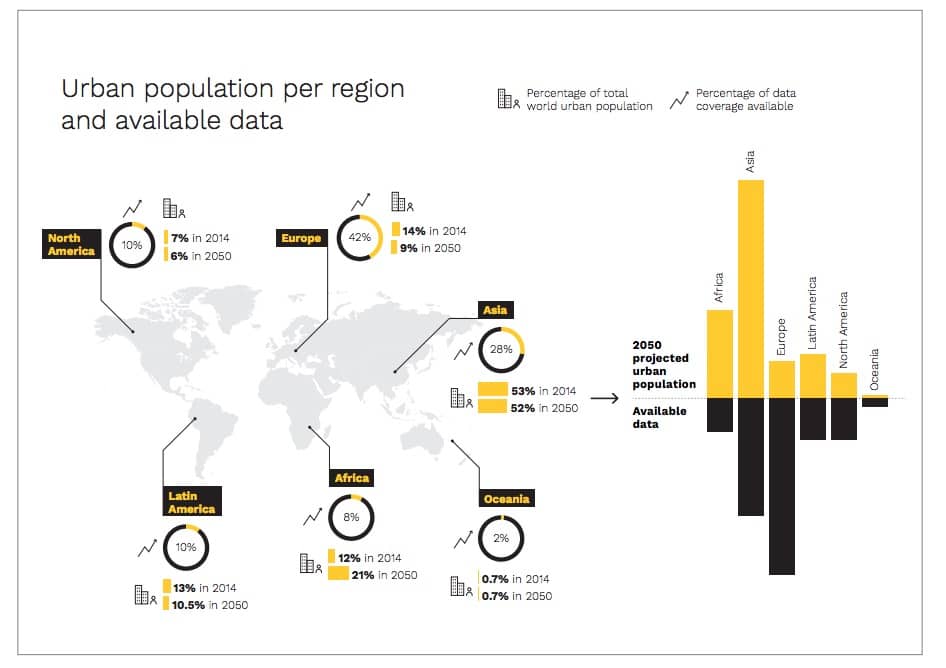
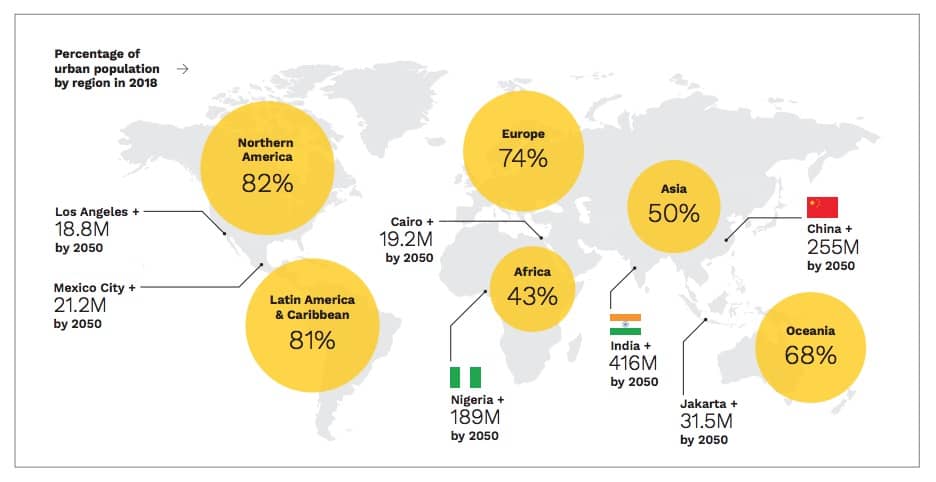
Cities are central to life on our planet. Urban areas generate more than 75% of global GDP, contribute to about 75% of carbon emissions from global final energy use, and are home to the majority of the world population, including over 863 million urban dwellers living in slums and informal settlements. Understanding how cities work, what opportunities and challenges they afford humanity, and how we can harness these for a sustainable continuation of our societies is key. Knowledge about our planet from an urban perspective has become central in understanding the present and possible future of our living conditions.
-
REFRAMING URBAN RESILIENCE IMPLEMENTATION: Timon McPhearson and Adriana Allen:

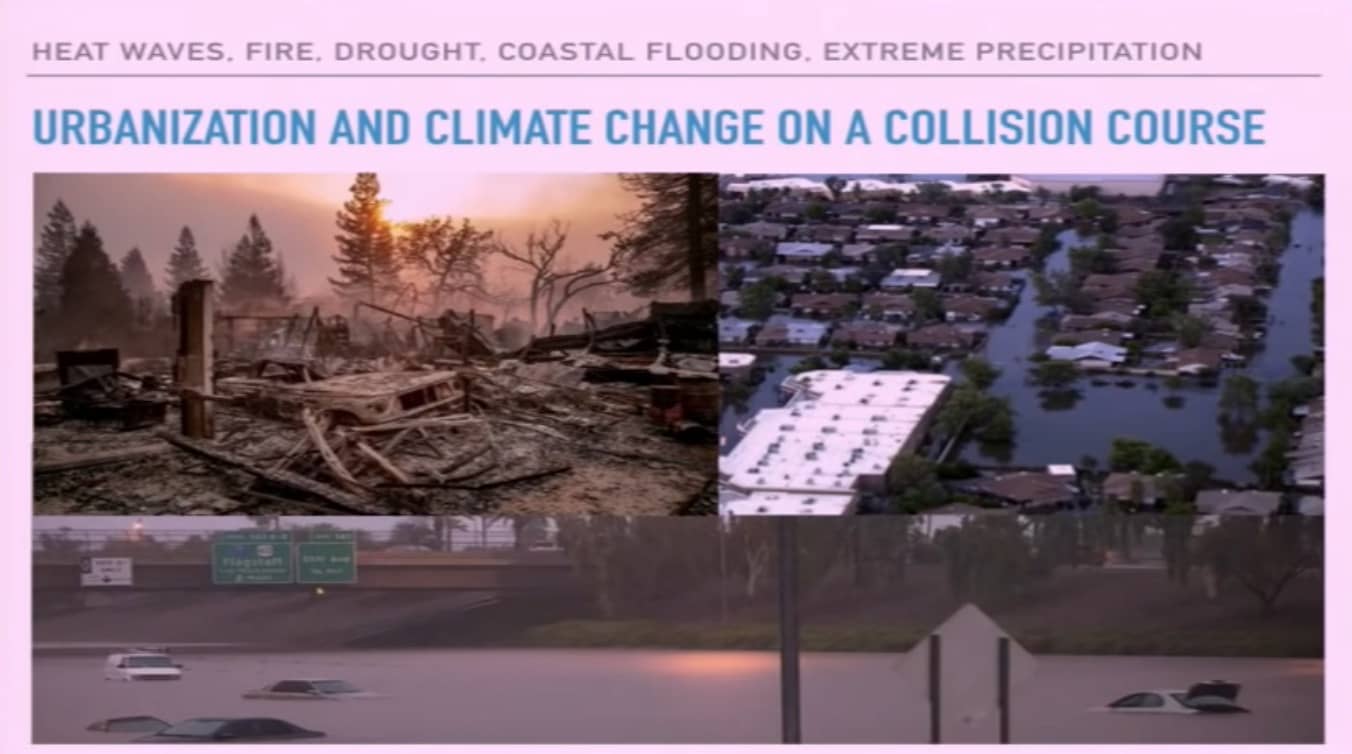
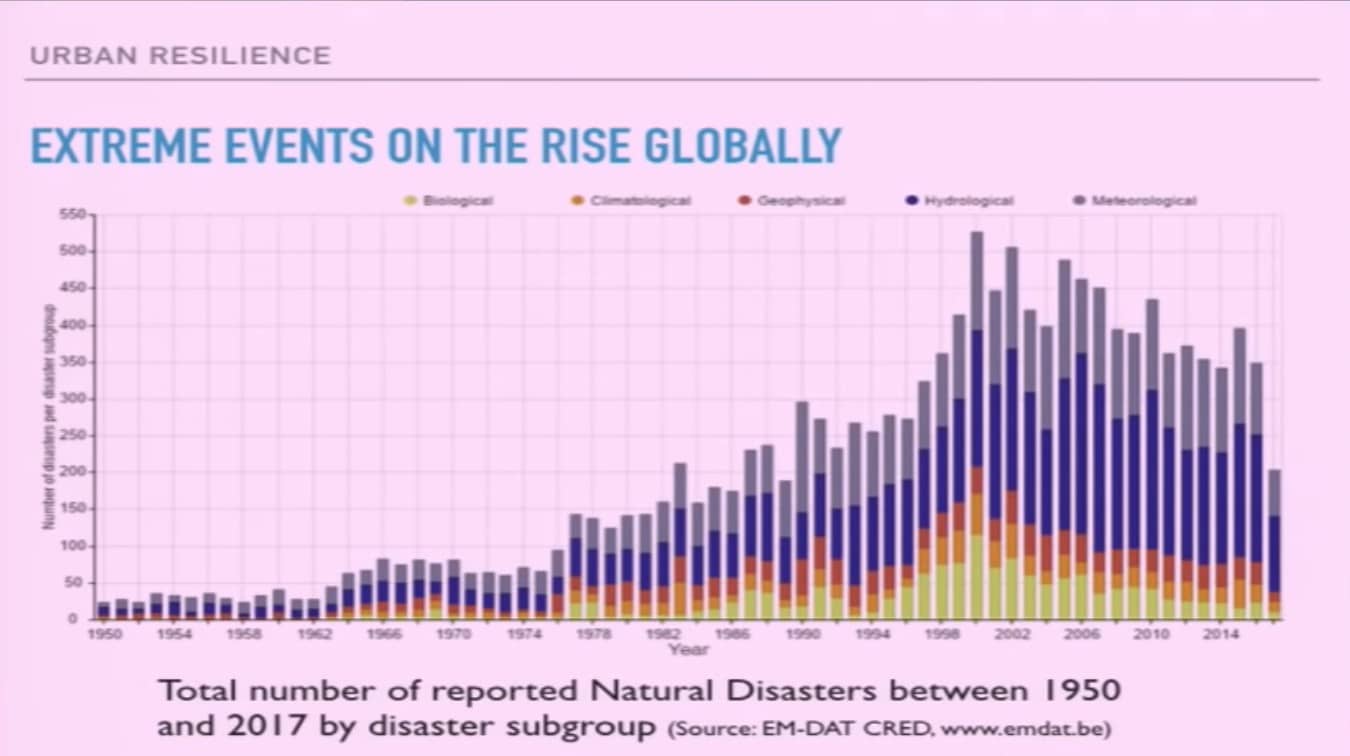
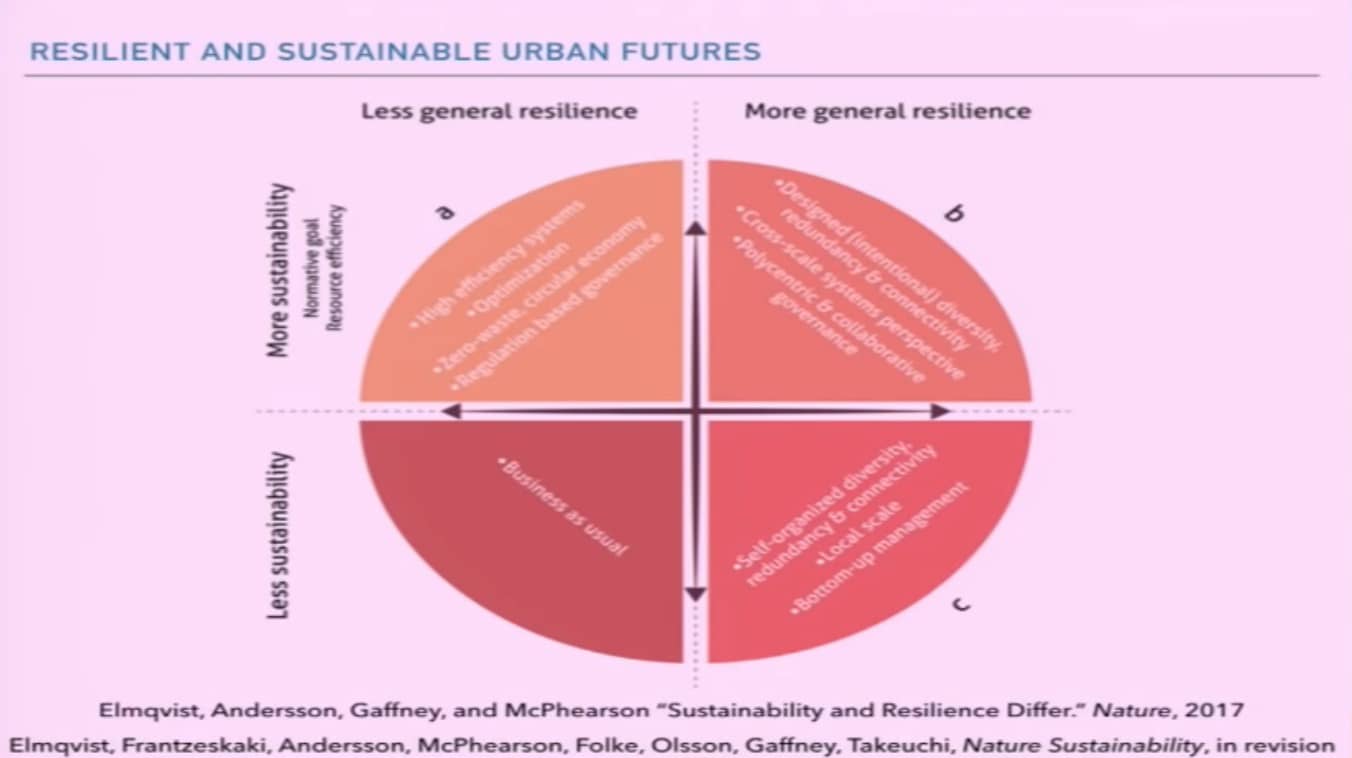
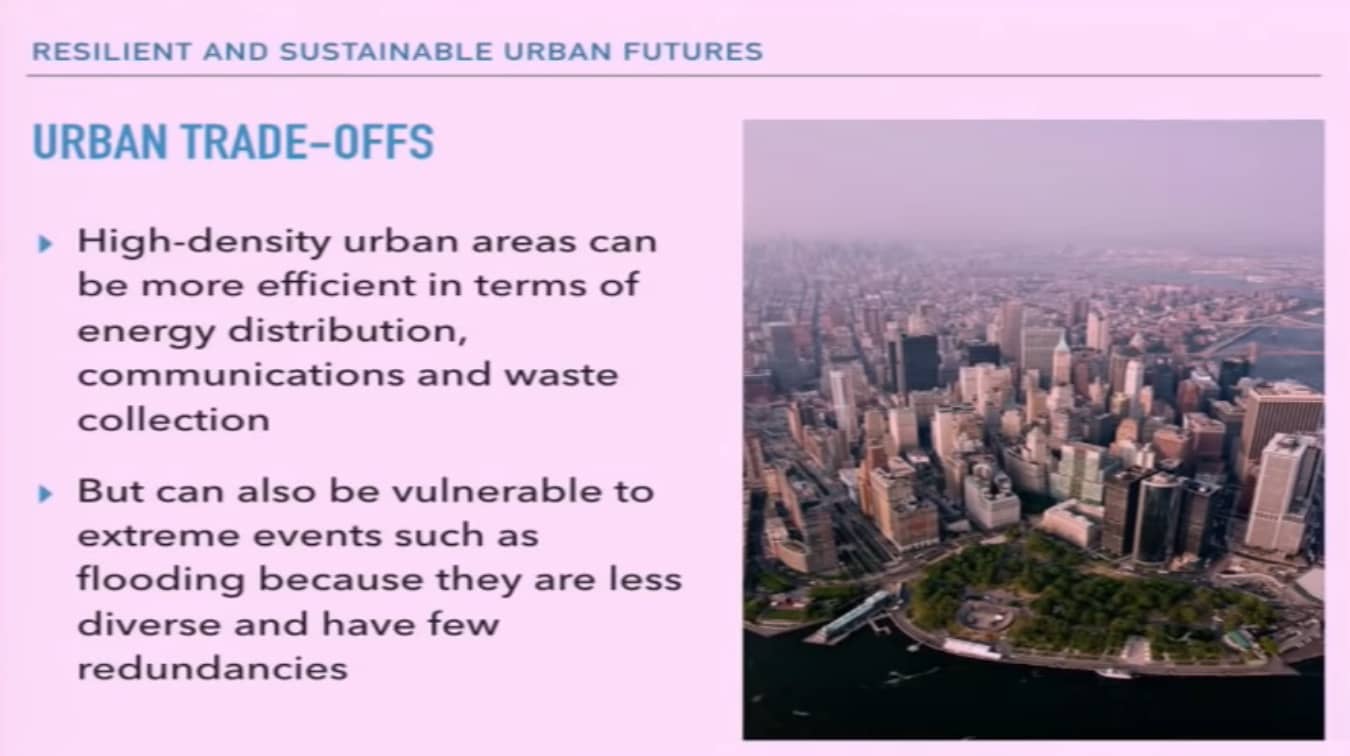
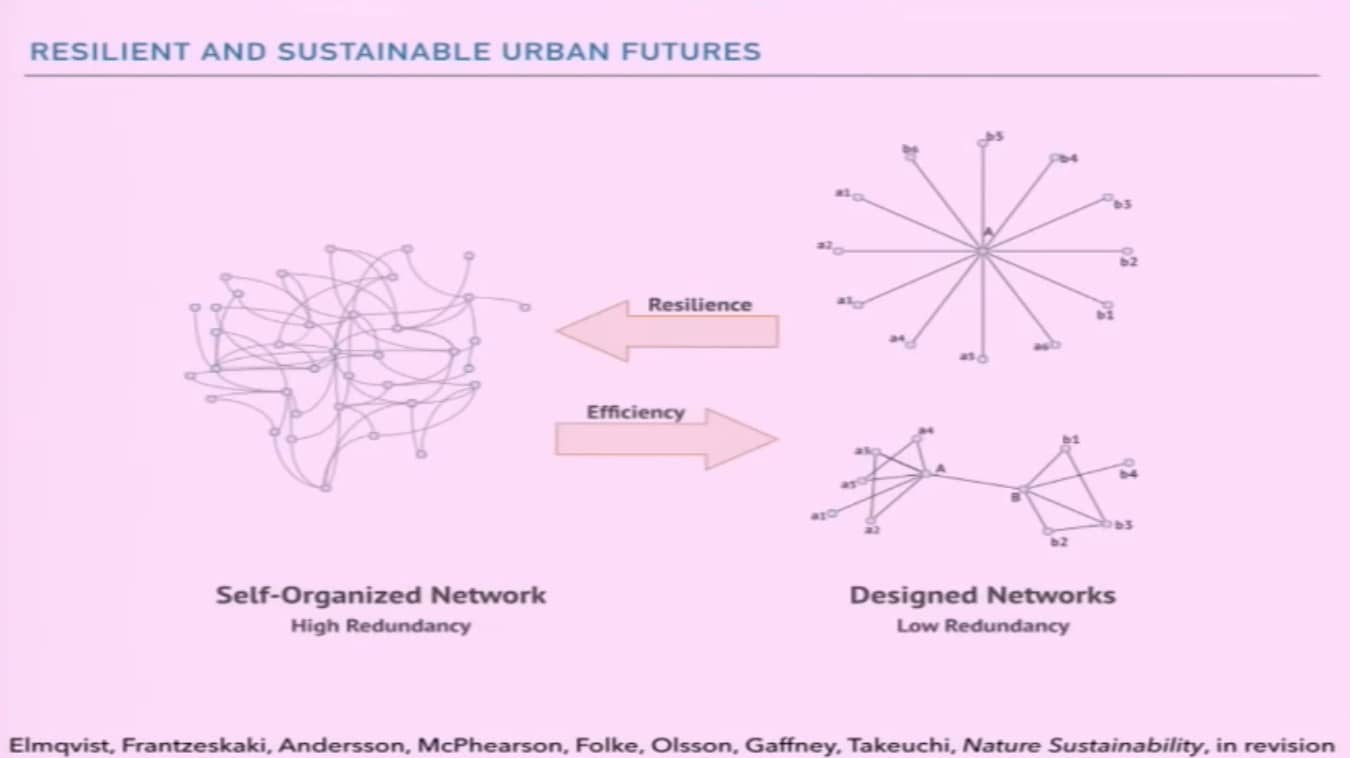

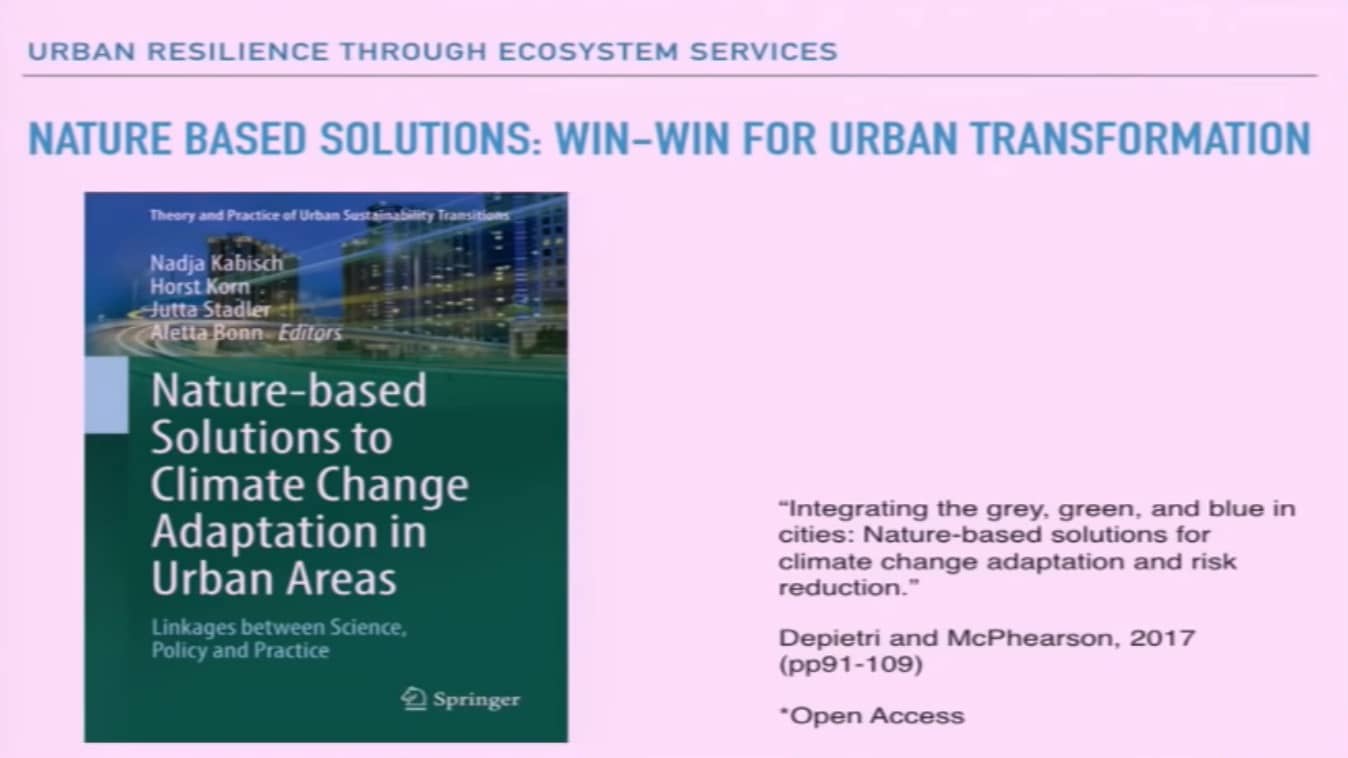
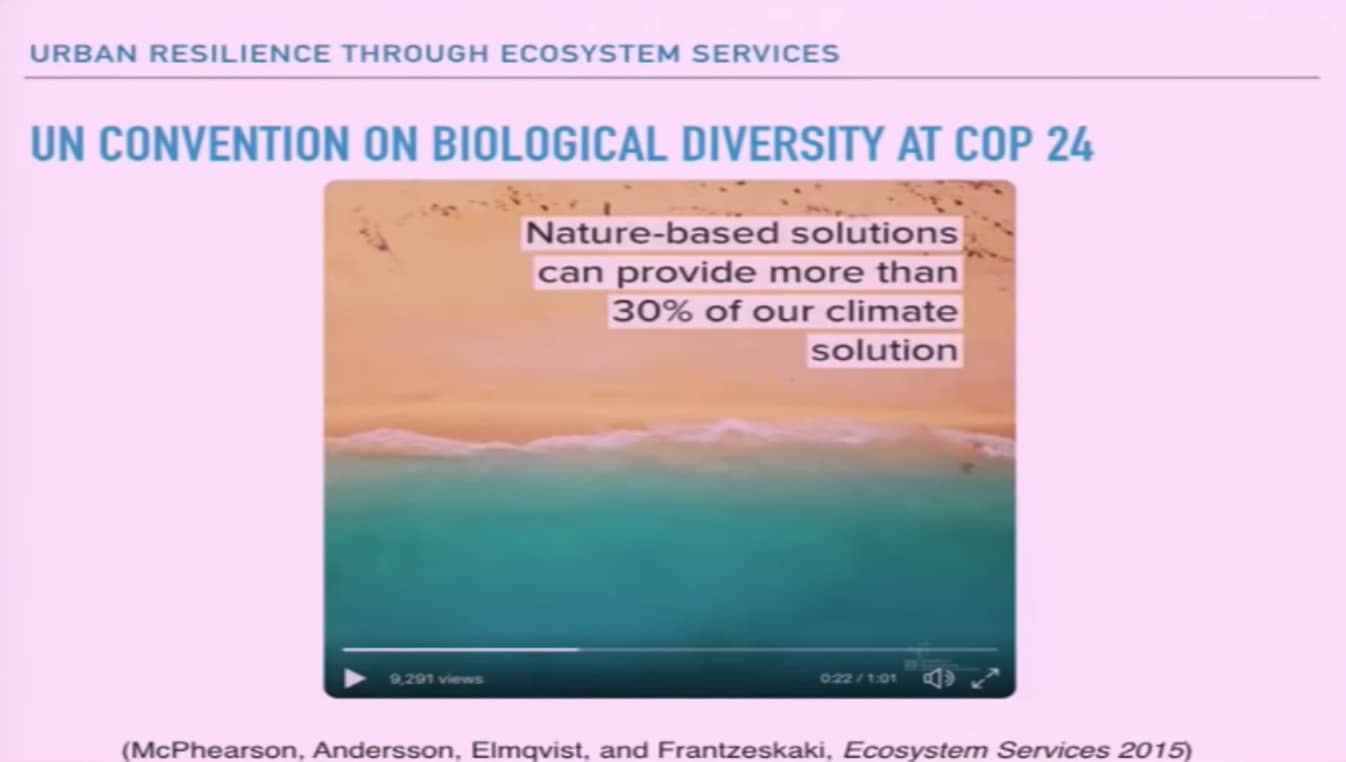
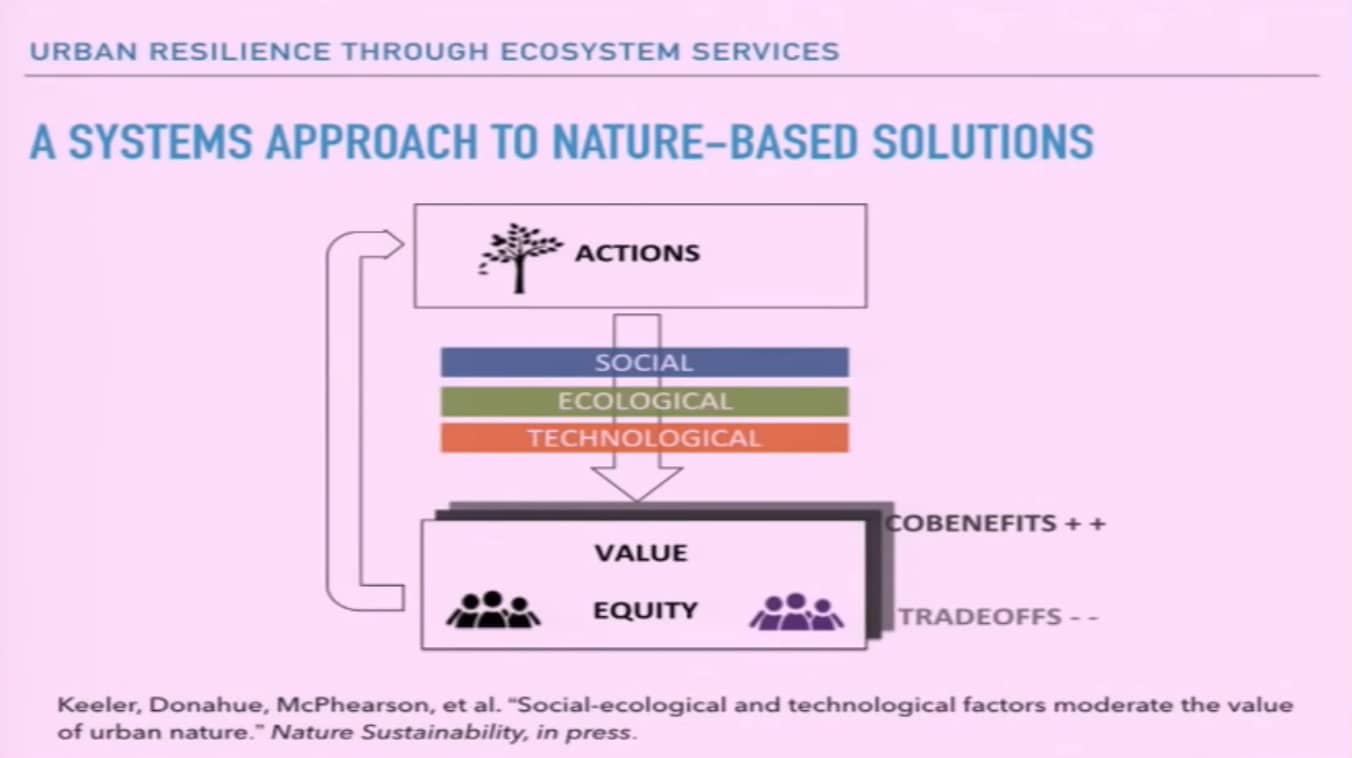
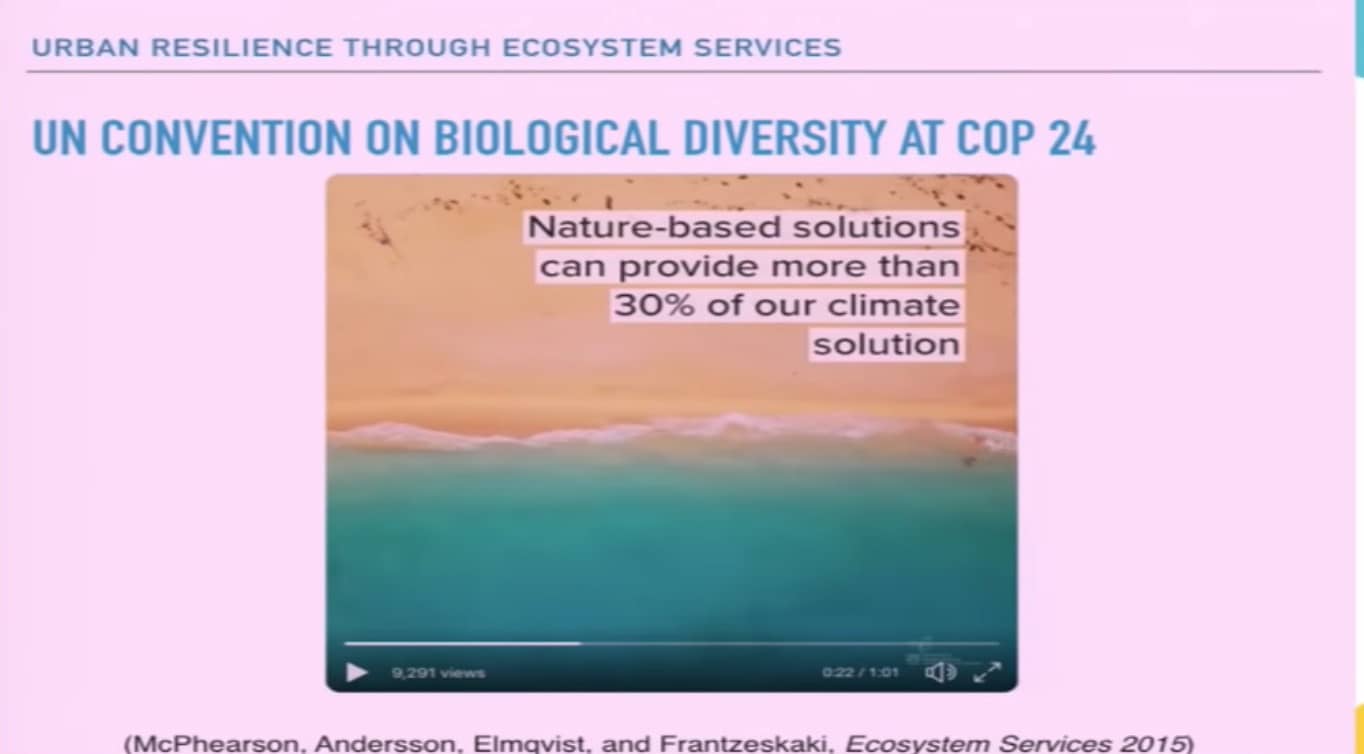

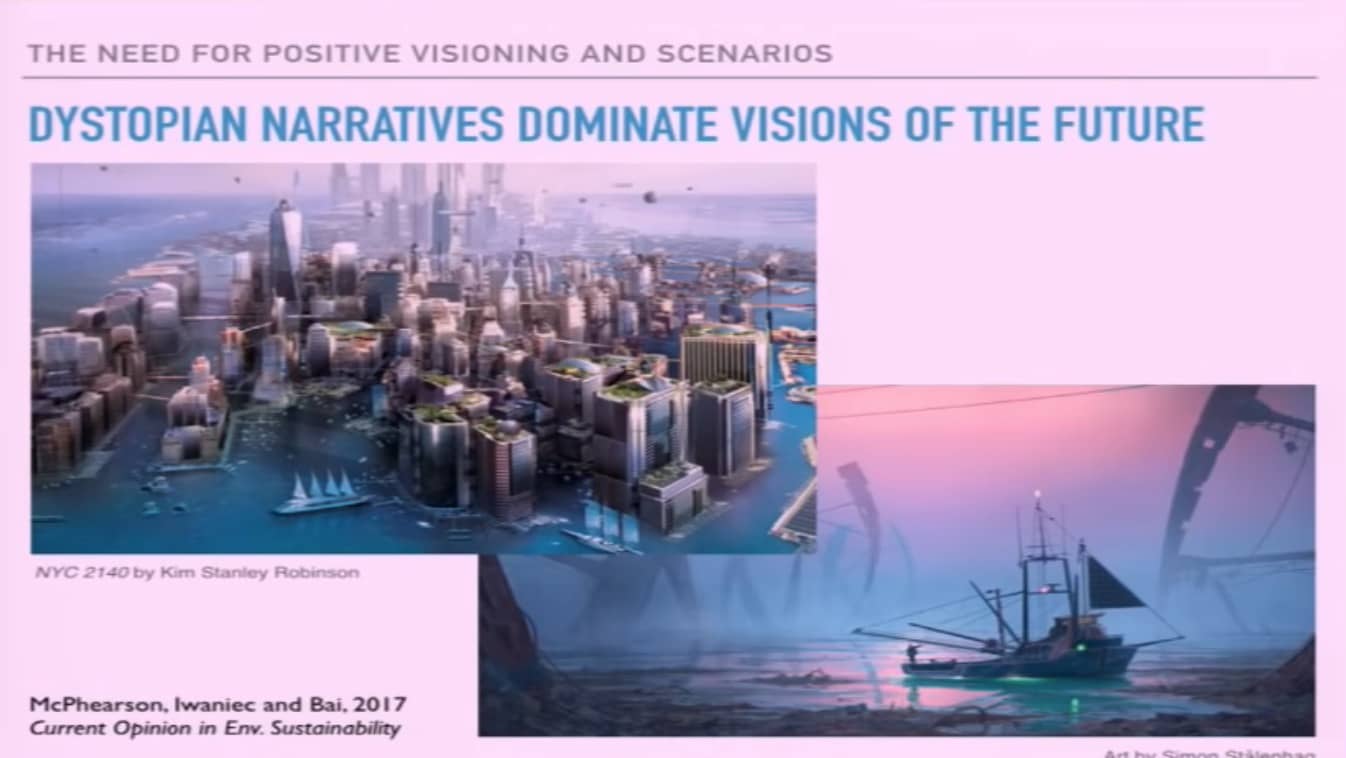
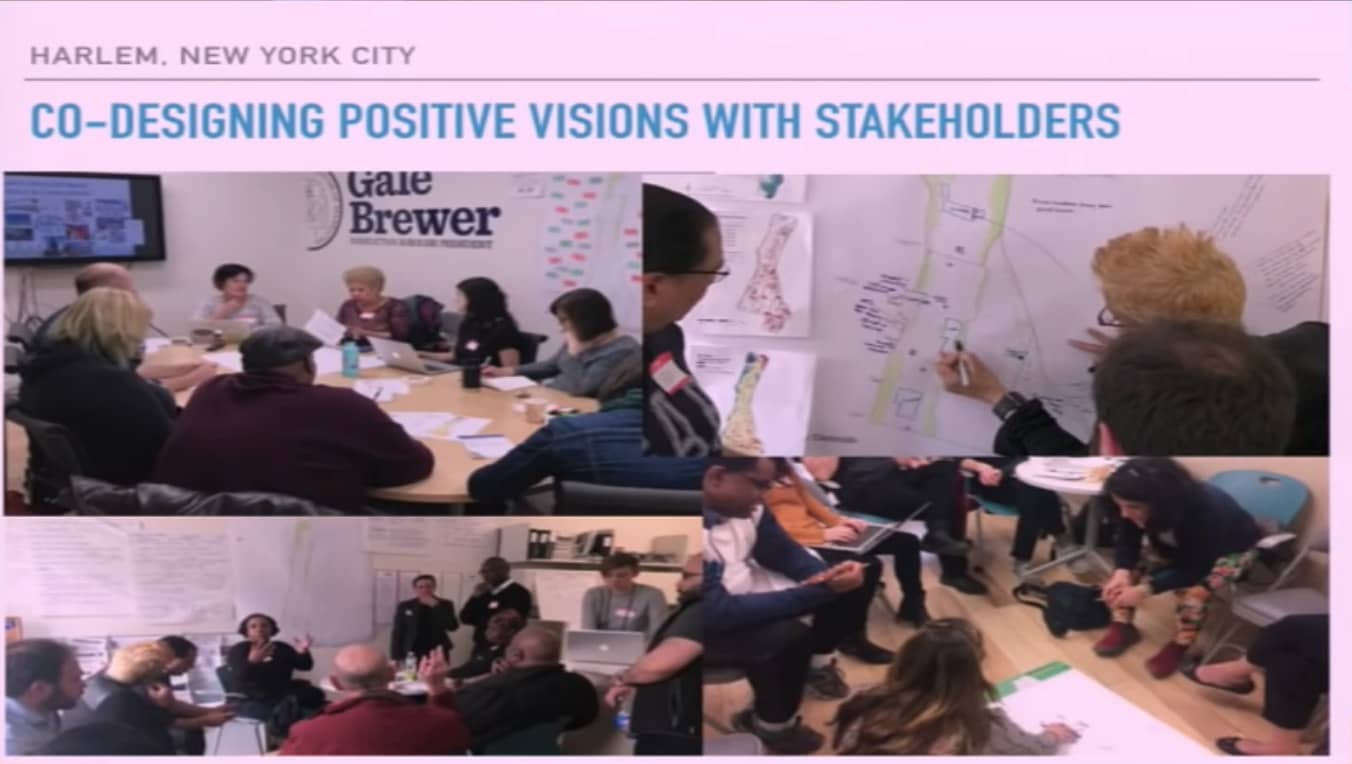
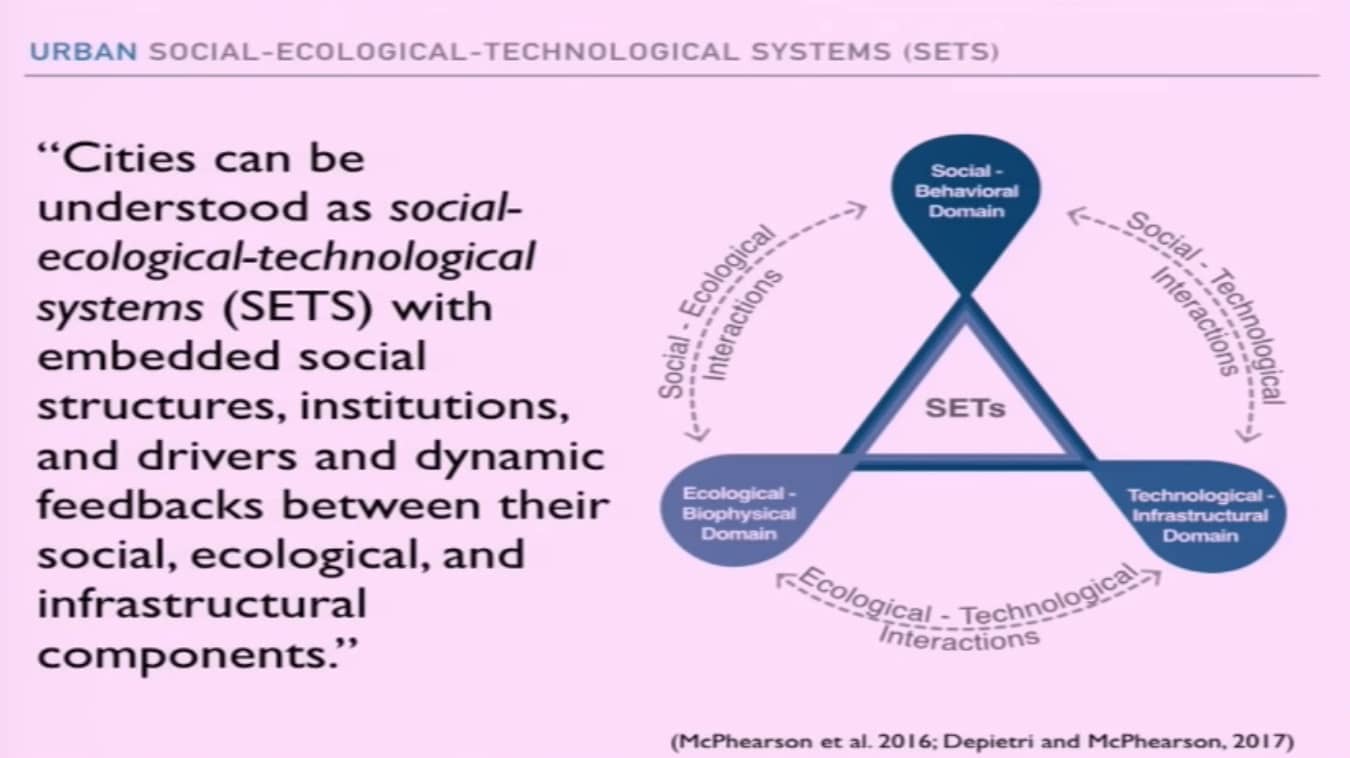
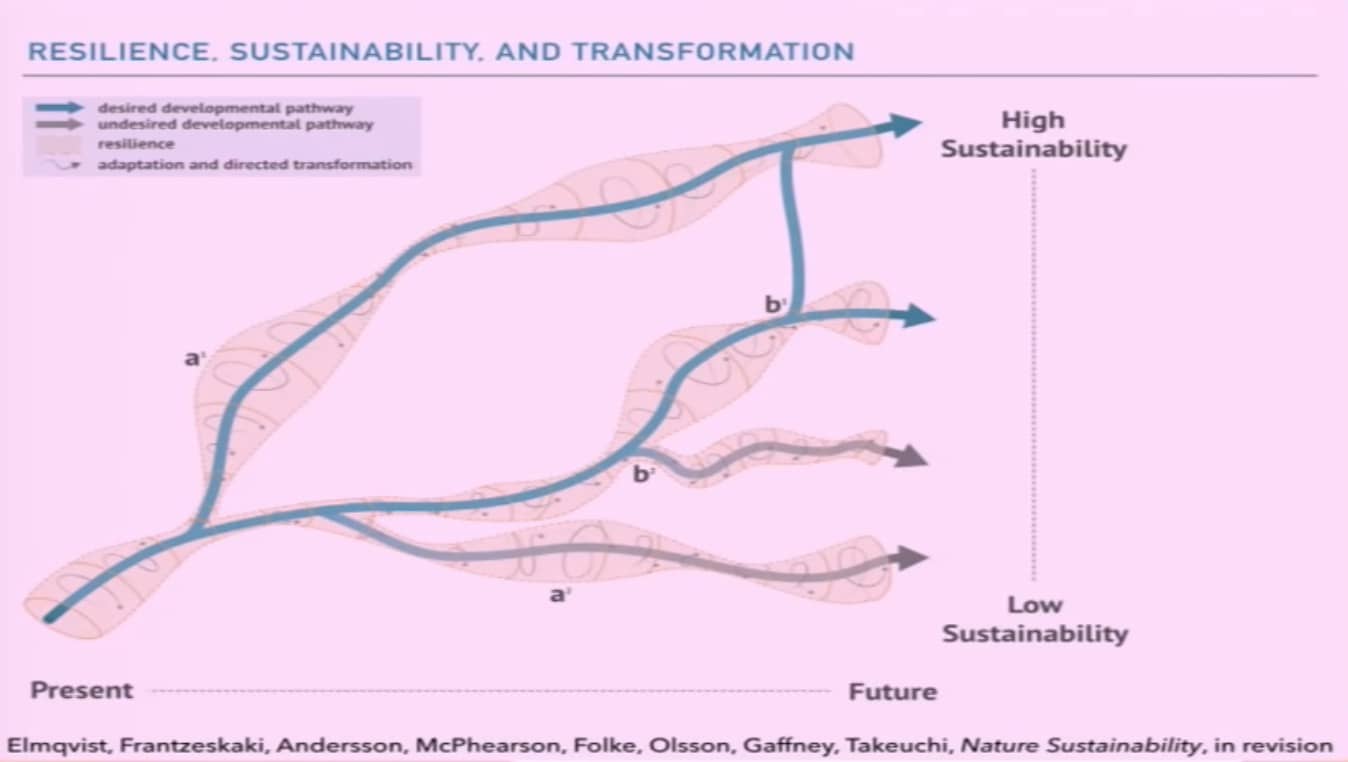
Timon McPhearson Kicks off Sustainapalooza III - Earth Week 2016
2013 MAS Summit for NYC: The Nature of Cities
-
"By ensuring the proper amount of natural light indoors to support plant life, it's possible to support a healthy and productive environment for people, too,"
What are your plants telling you? Planterra experts unveil research to show how natural light benefits plants, people: http://www.digitaljournal.com/pr/4261386

-
Elinor Ostrom on managing "common pool" resources:
Elinor Ostrom on resilient social-ecological systems:
-
"Rotten eggs: e-waste from Europe poisons Ghana's food chain": https://www.theguardian.com/global-development/2019/apr/24/rotten-chicken-eggs-e-waste-from-europe-poisons-ghana-food-chain-agbogbloshie-accra
"Toxins from old computers, fridges and other electronic goods are polluting chicken eggs in an area where 80,000 people live"
-
Digital Fabrication, Circular Systems & the Future of Cities - interview with Tomás Díez:
-
Expulsions: Brutality and Complexity in the Global Economy - talk by Saskia Sassen:
-
Shenzhen Open Innovation Lab aims to promote and facilitate collaboration between global makers and Shenzhen open ecosystem: https://twitter.com/szoil001 https://www.szoil.org/

-
SHAJI STUDIO 2019: An immersive summer school in the heart of China’s dynamic manufacturing ecosystem: https://blog.fab.city/shaji-studio-2019-an-immersive-summer-school-in-the-heart-of-chinas-dynamic-manufacturing-a289e6bc7f5b
Shaji Model
Inspired by what they see in Shaji, Alibaba Researcher worked with CASS (Chinese Academy of Social Science) on Shaji model that summarized critical drivers of their success.
- Bottom-up model: unlike the typical model of bringing e-commerce to the rural area in the top-down fashion, e-commerce was started from the bottom up by the rural residents themselves.
- Copy to scale: the low barriers of entry enabled others to copy the existing business and start their own. The paper called this a cell division copying with exponential growth.
- E-commerce market drove industrialization: unlike the traditional model of industrialization by offering a considerable amount of cheap labors to manufacture goods for others, the industrialization is driven by the market reality to decide what kind of tools, equipment, and technologies to adopt.
- The clear core group who compete and collaborate: the core group of Shaji e-commerce is the new entrepreneurs who are mostly related to each other through family ties. The multiple layers of relationship create a system of competing and collaboration that further expand the complexity of the business ecosystem that contributes to the growth of diversification and specialization.
- “presence and not interfering” governing: the government did not try to lead the development policy or direction and focus on building infrastructures such as roads, electricity, and telecommunication. Also, the government is responsible for solving problem arise from the community such as securing land usage for the factory. (e.g., Farmlands to industrial lands change is extremely hard in rural China).
- Proper vertical markets. The furniture markets with vast segmentations of the markets enable the cell division model of scaling to specialize in different segments. Thus, proper vertical market facilitates the cell division model of scaling of the Shaji model.
-
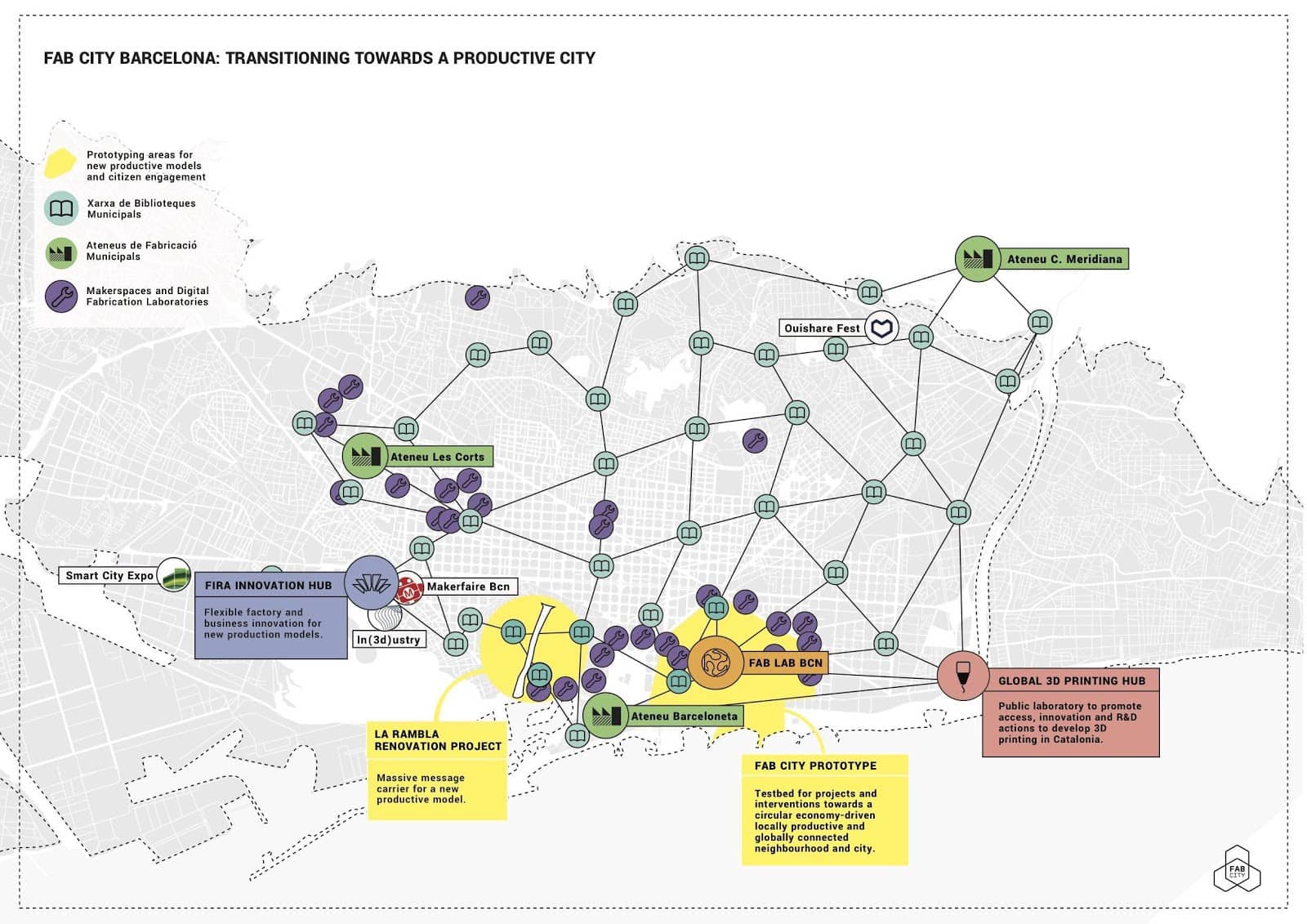
The Mass Distribution of (almost) Everything - by Tomas Diez (Fab Lab Barcelona Director):
https://blog.fab.city/the-mass-distribution-of-almost-everything-c0ca4be24429In a new iteration of democracy, participation should not be merely about giving an opinion or delegating power to elected representatives, but about co-creating and co-building neighbourhoods and cities.
-
OrganiCity is a service for experimentation, which explores how citizens, businesses and city authorities can work together to create digital solutions to urban challenges:
http://organicity.eu/ #OpenSource #Regenerative #Infrastructure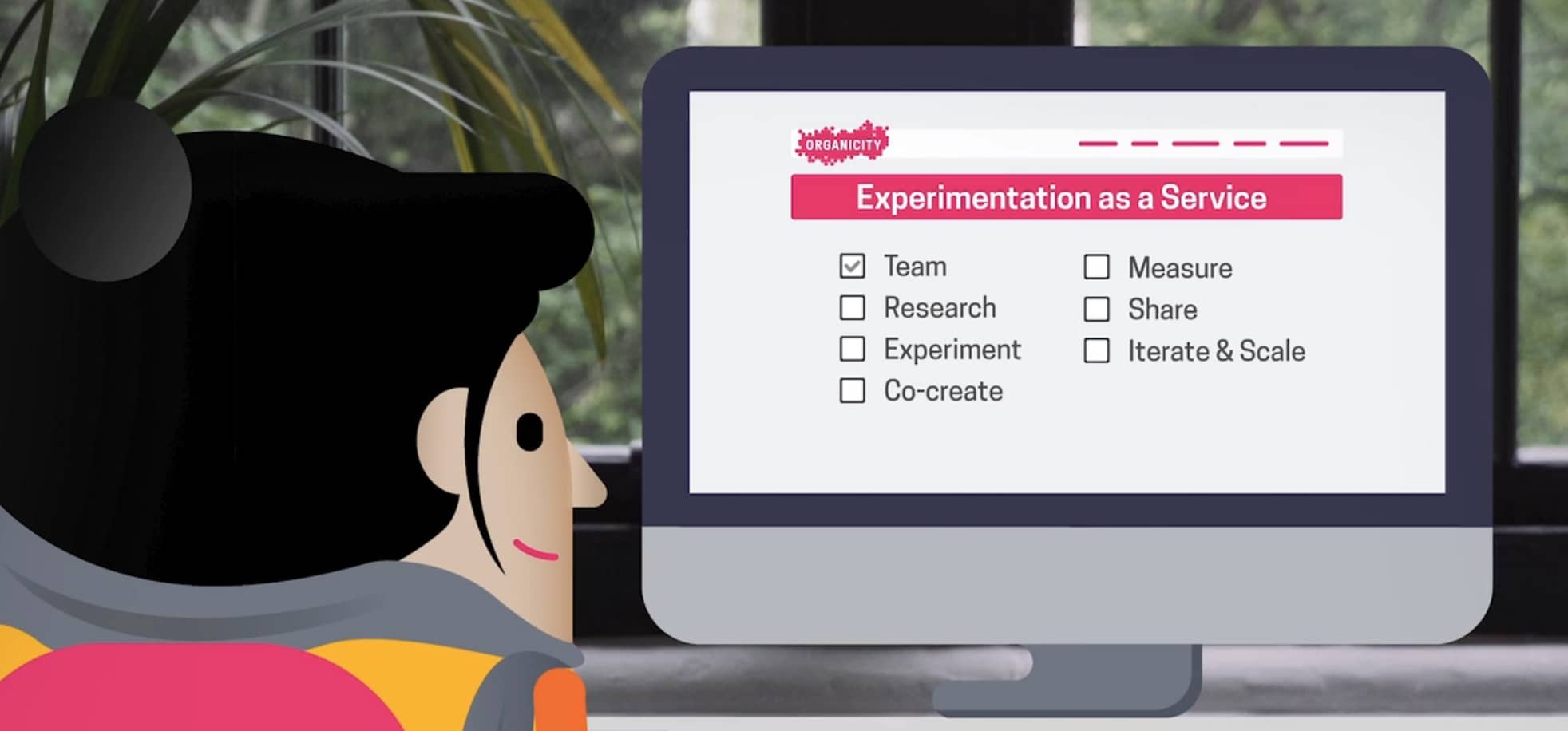
-
Opendesk: Towards a Local Means of Production - talk by Joni Steiner (2018)