tag > Japan
-
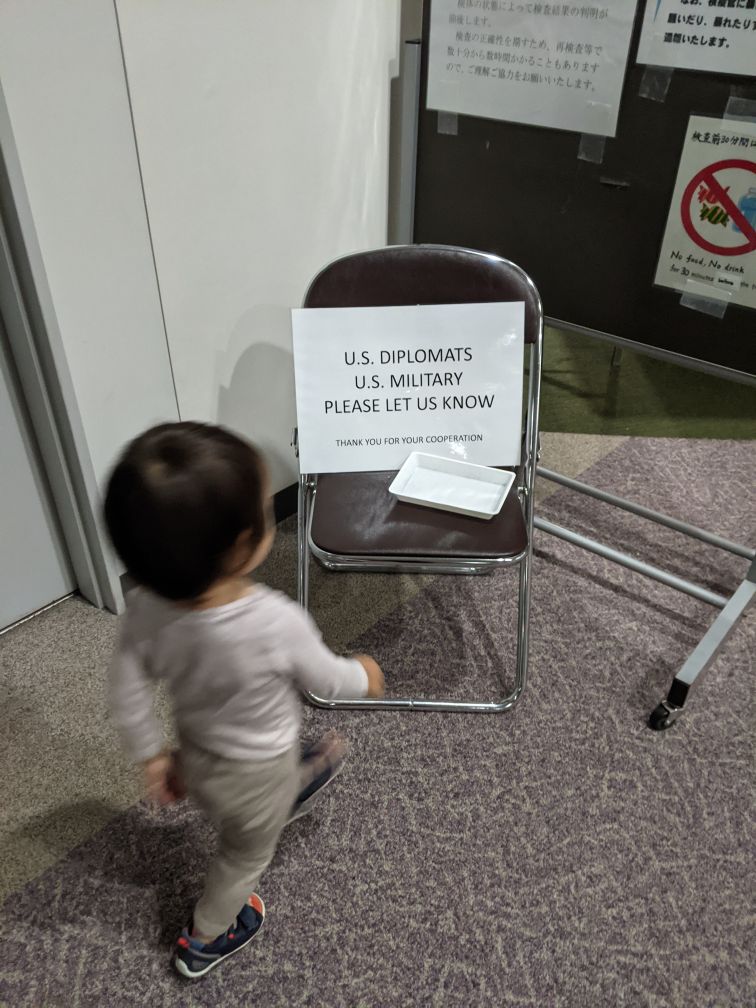
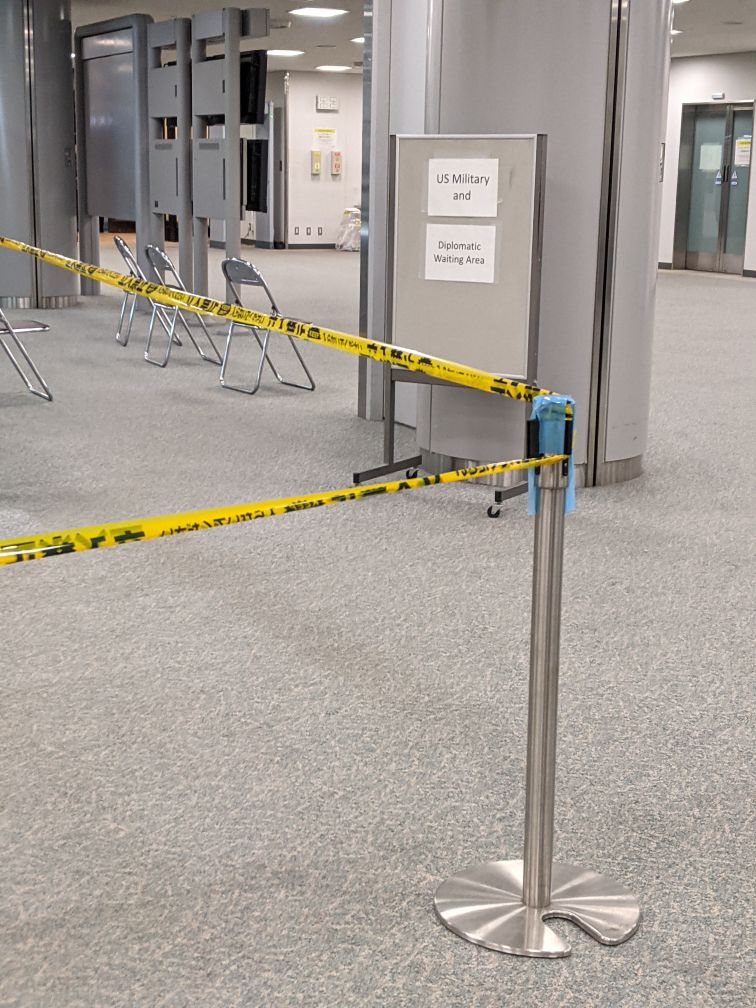
"We are stuck in a bad Zombie movie, just with out the zombies" - was my wife's fitting reaction after haven been through countless hours of highly nonsensical and intrusive "health regulation" procedures at the Japanese border. An unprecedented level of theatrical harassment to "keep everyone safe". "Asteroid please" is an appropriate request in reaction to this clown world.

-
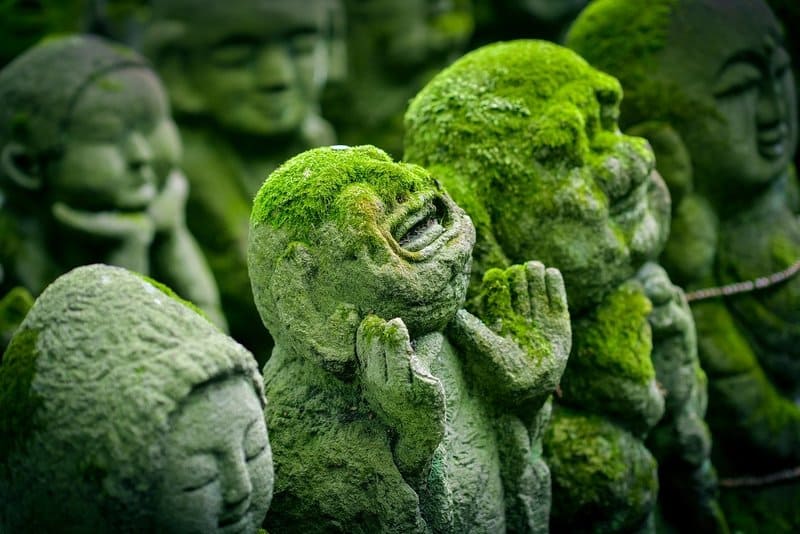
Kotodama (言霊) refers to the Japanese belief that mystical powers dwell in words and names.
-
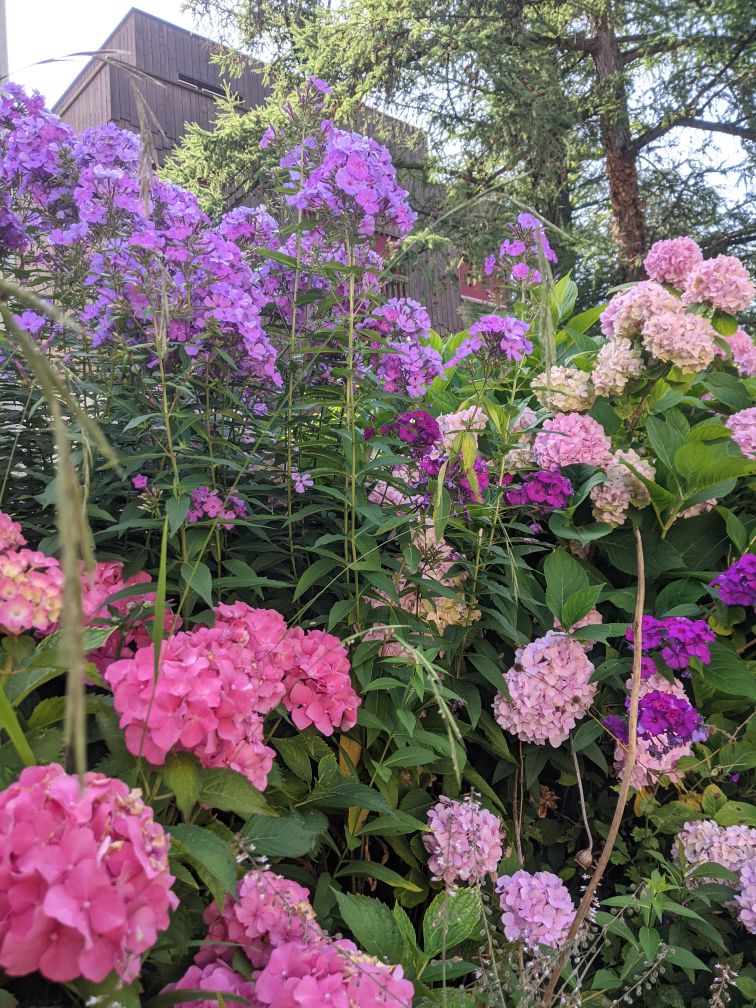
"Experience the beauties of nature, and in doing so learn about yourself." - Japanese proverb
-
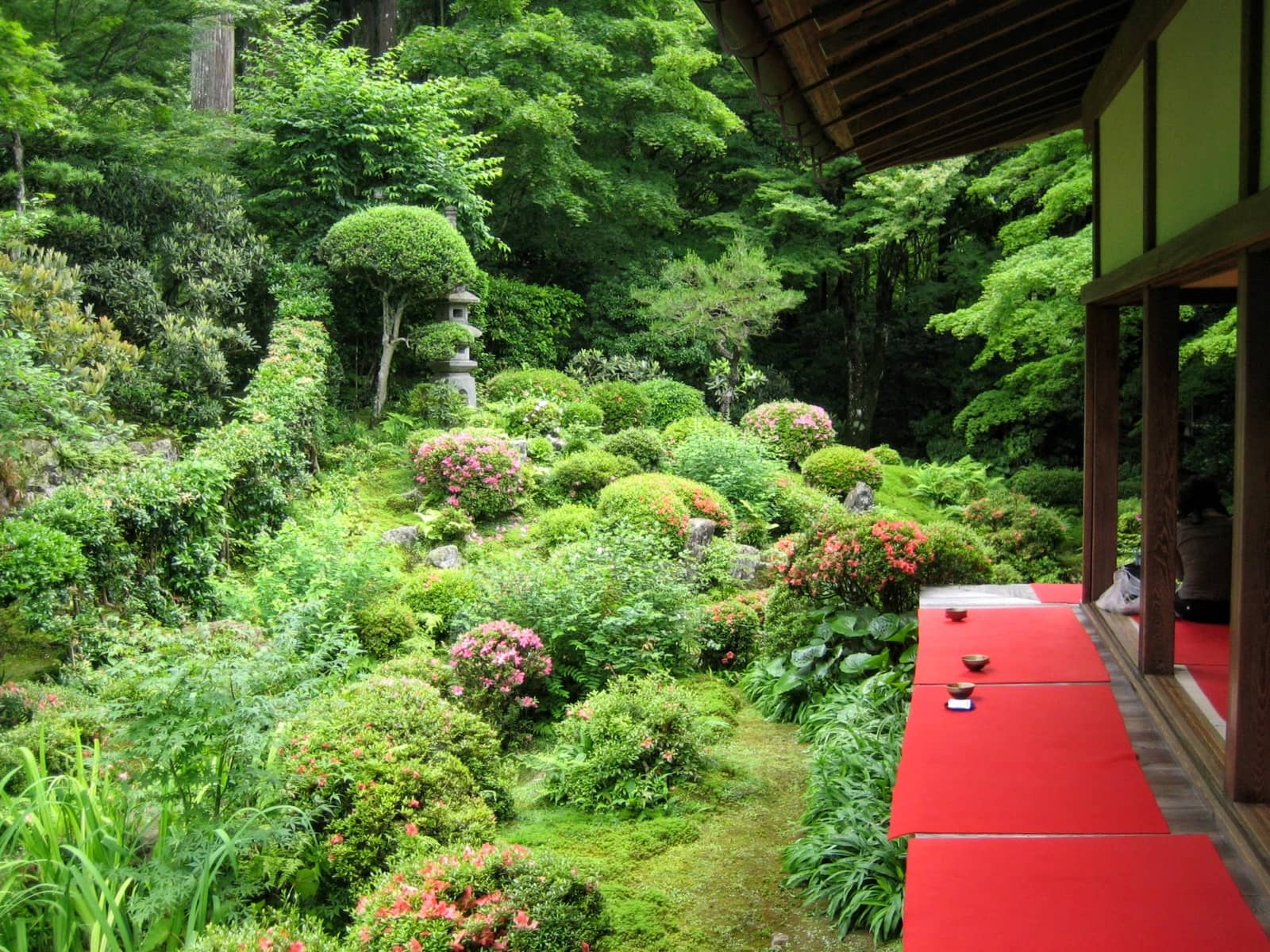
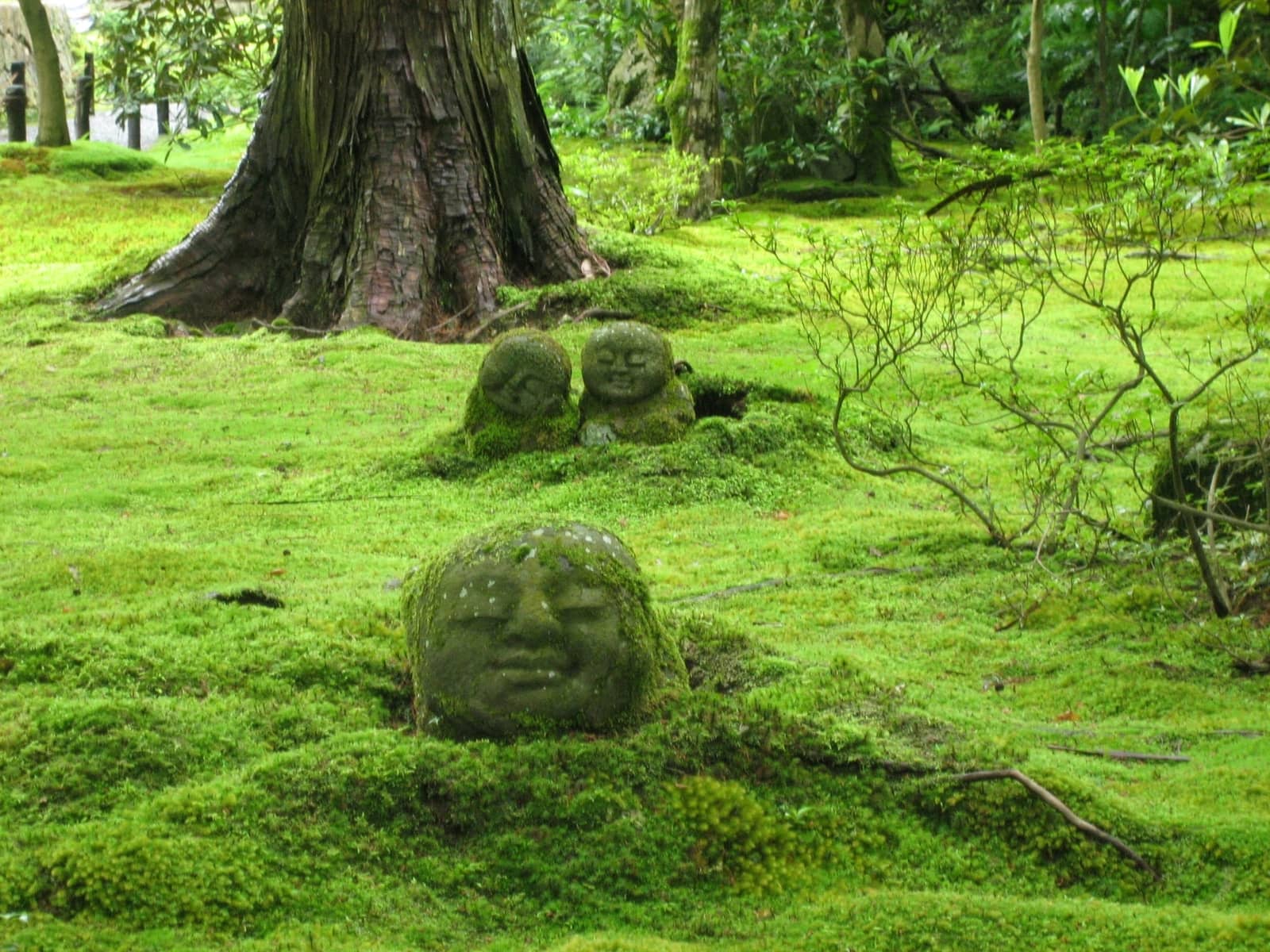
Ōhara (大原) - small village to the north east of Kyōto, Japan
-
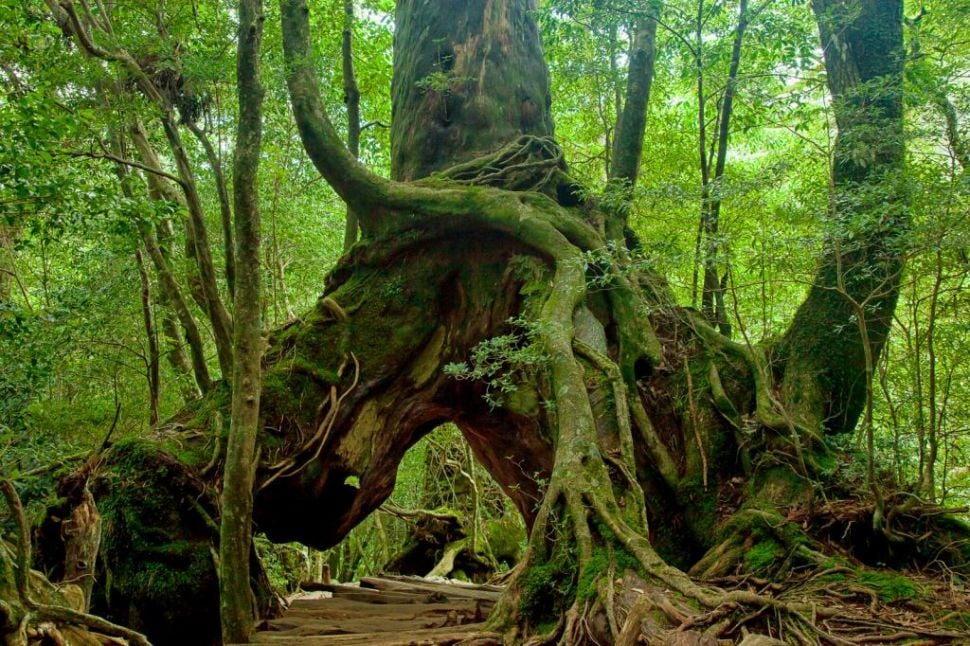
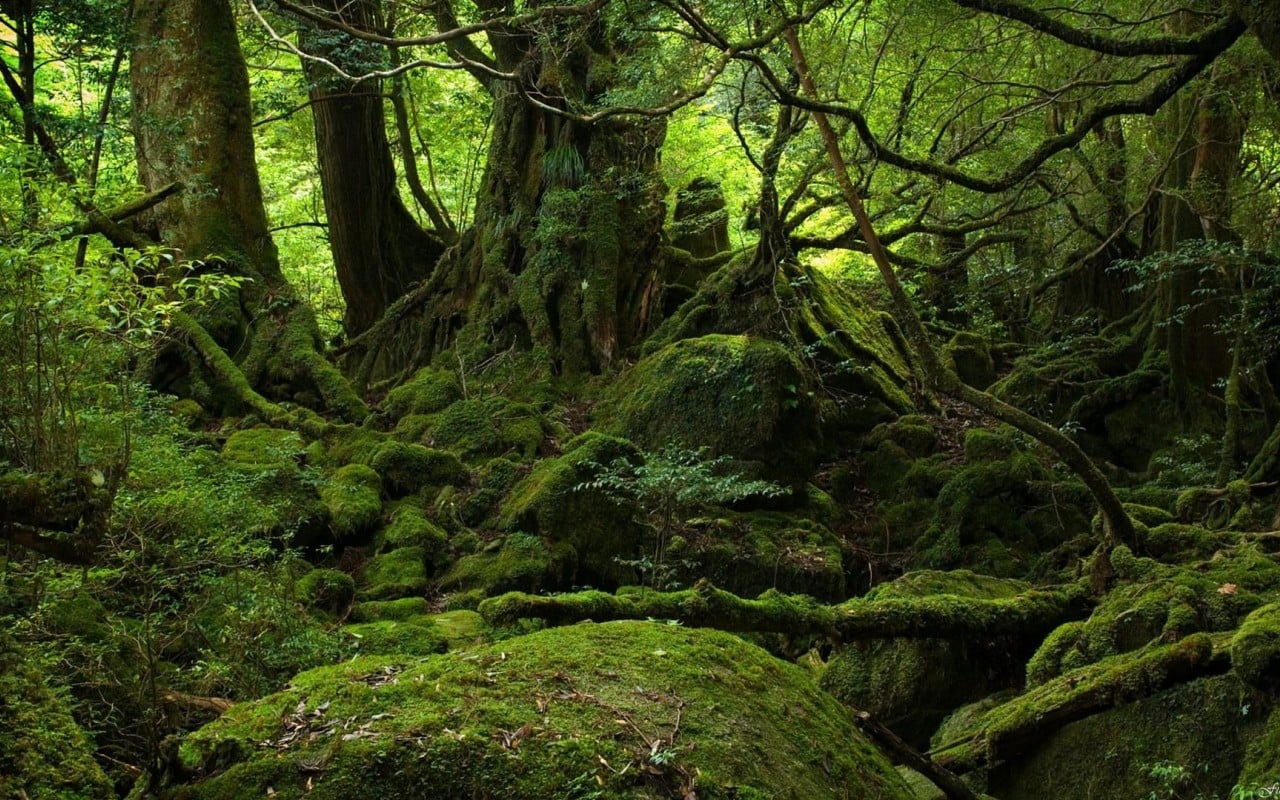
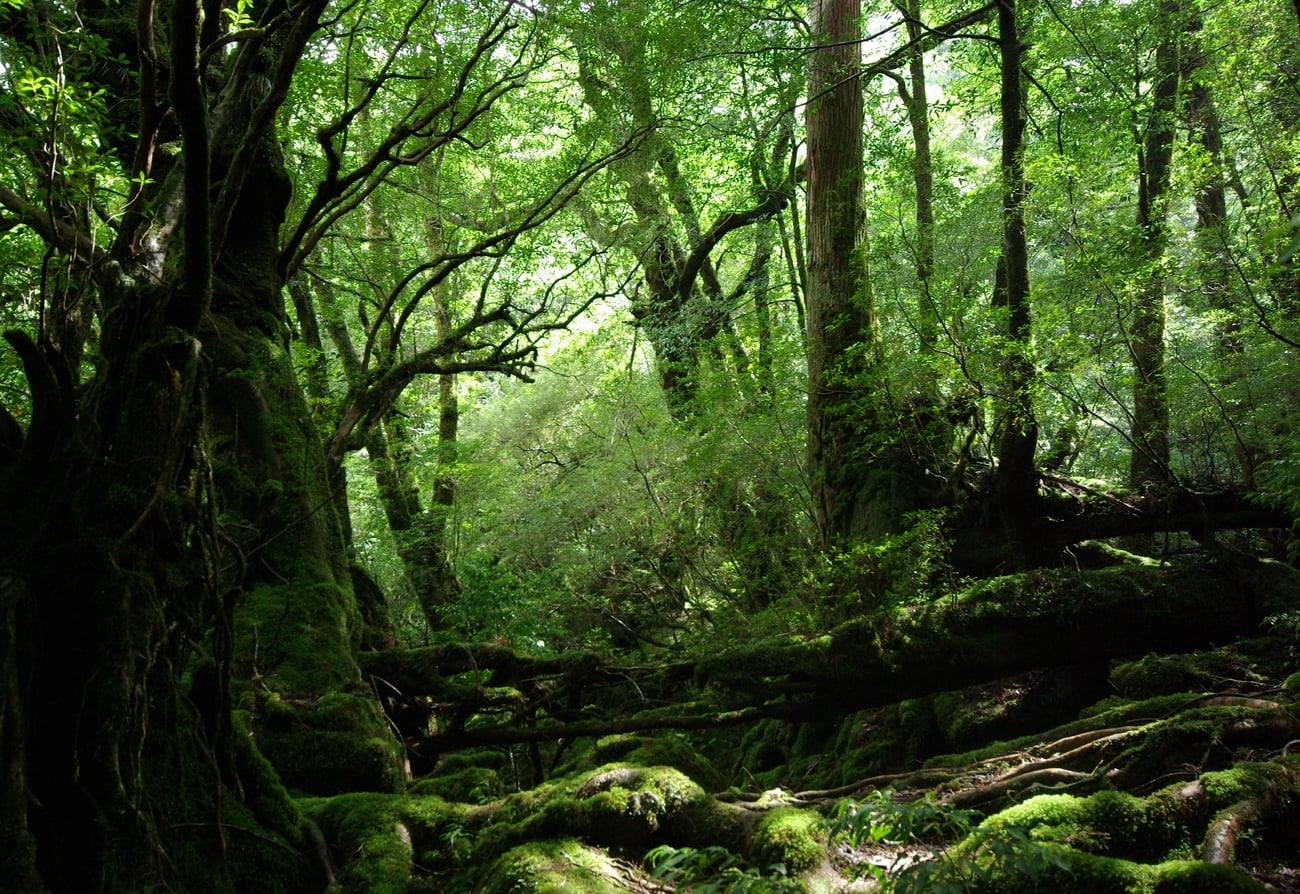
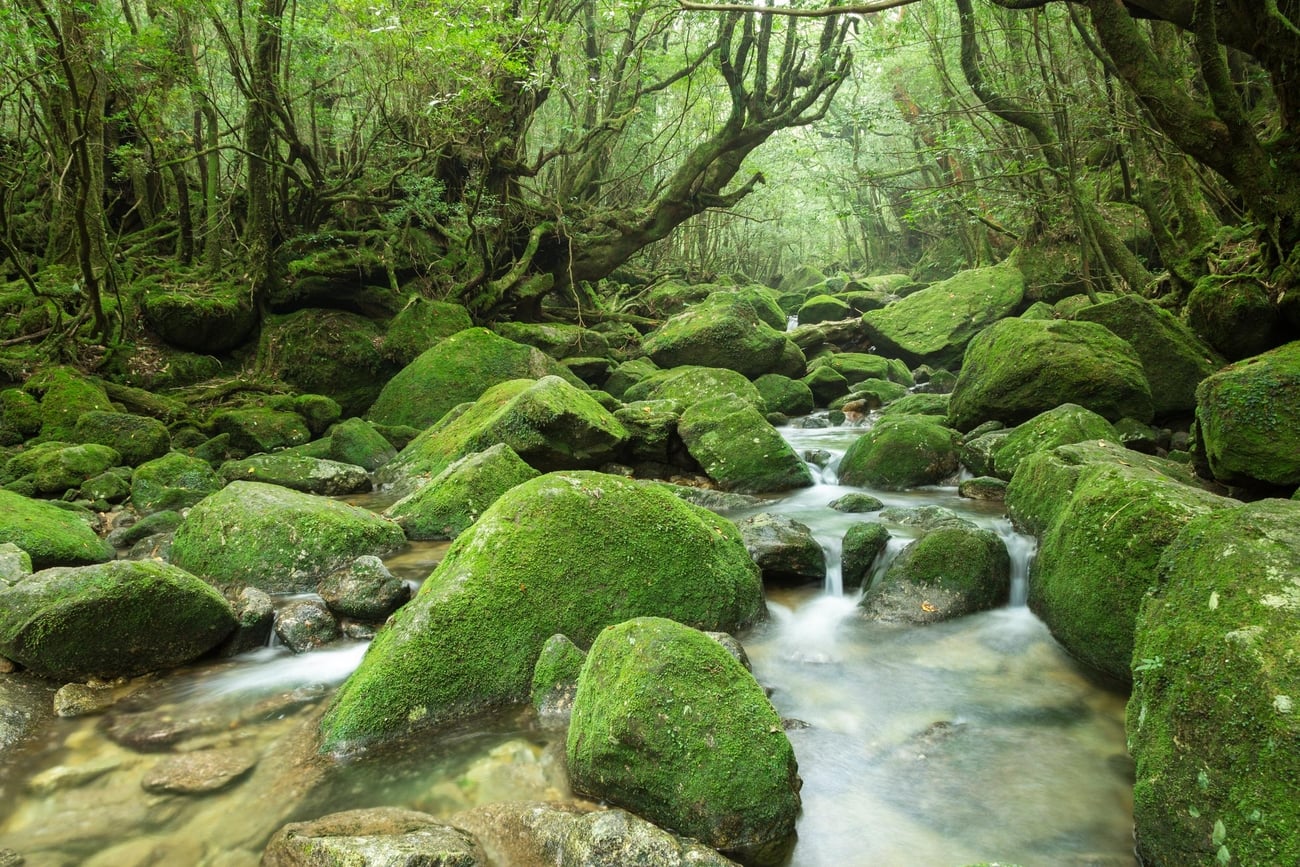
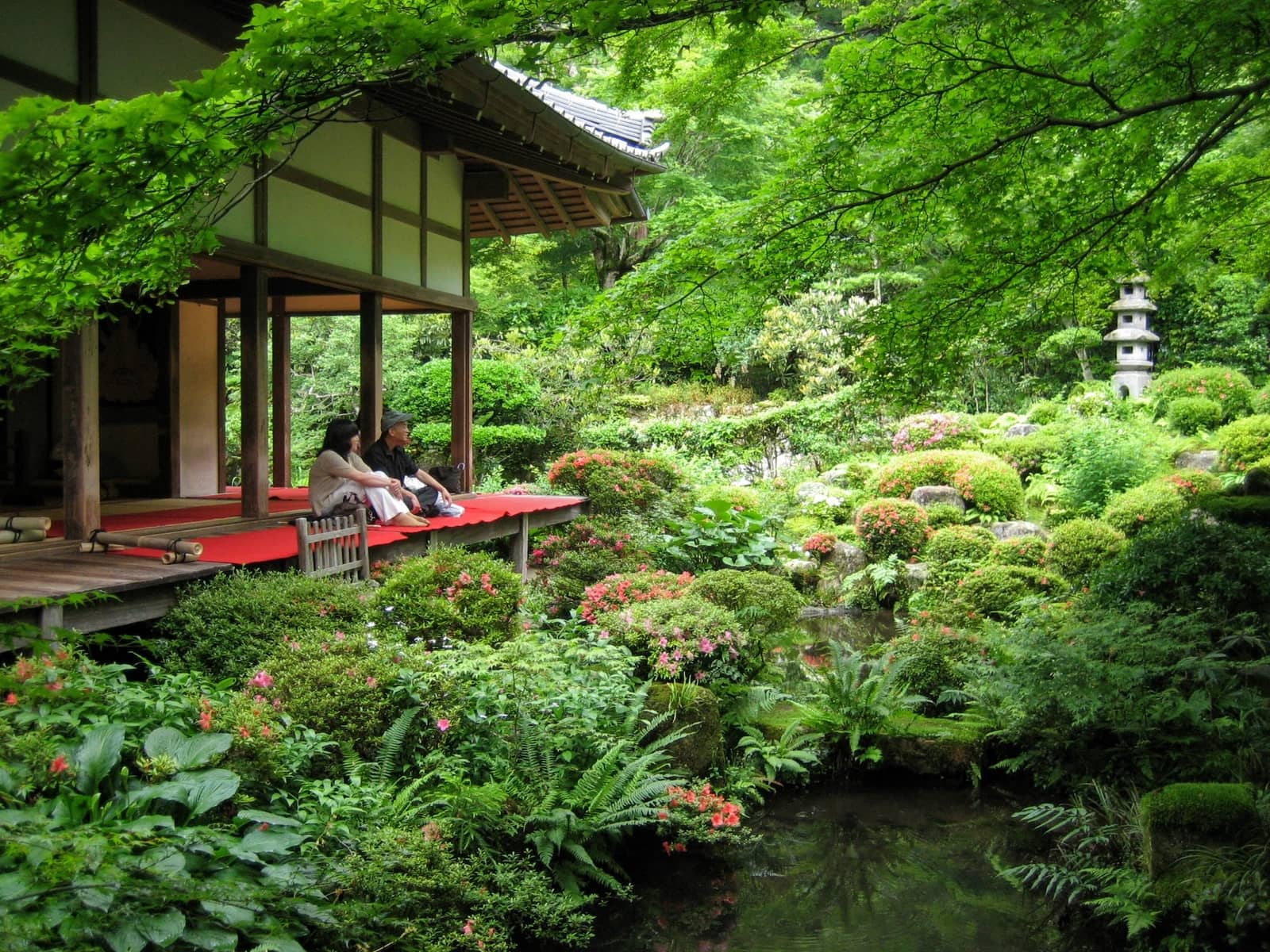
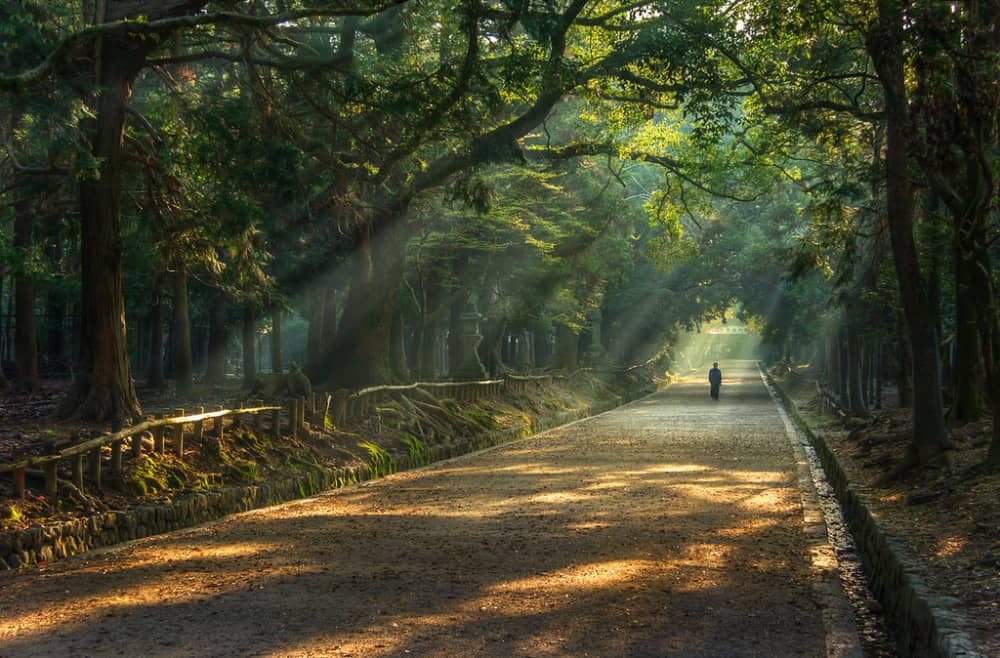
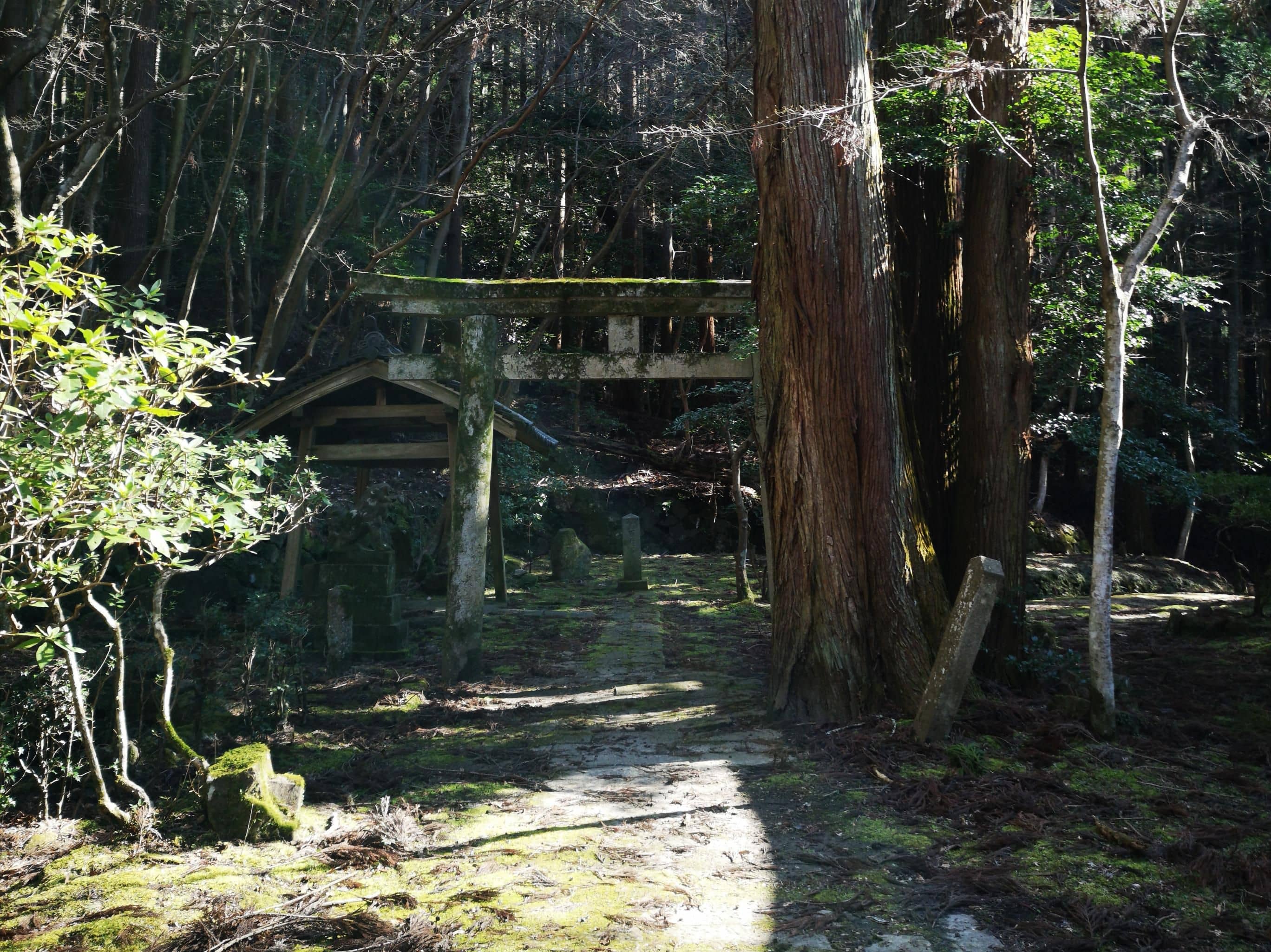
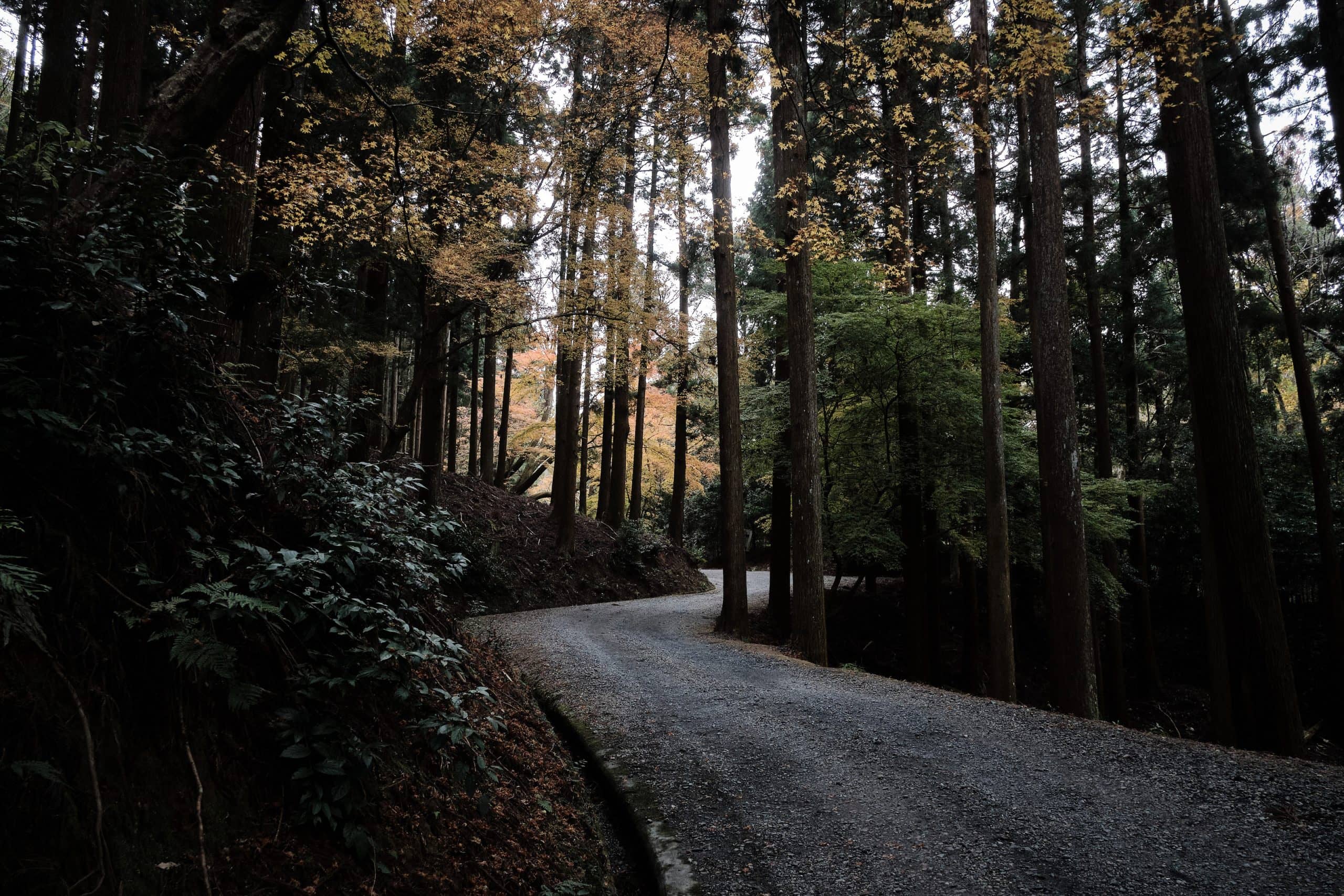
The Mount Kasuga Primeval Forest, at the gates of the city of Nara, Japan
-
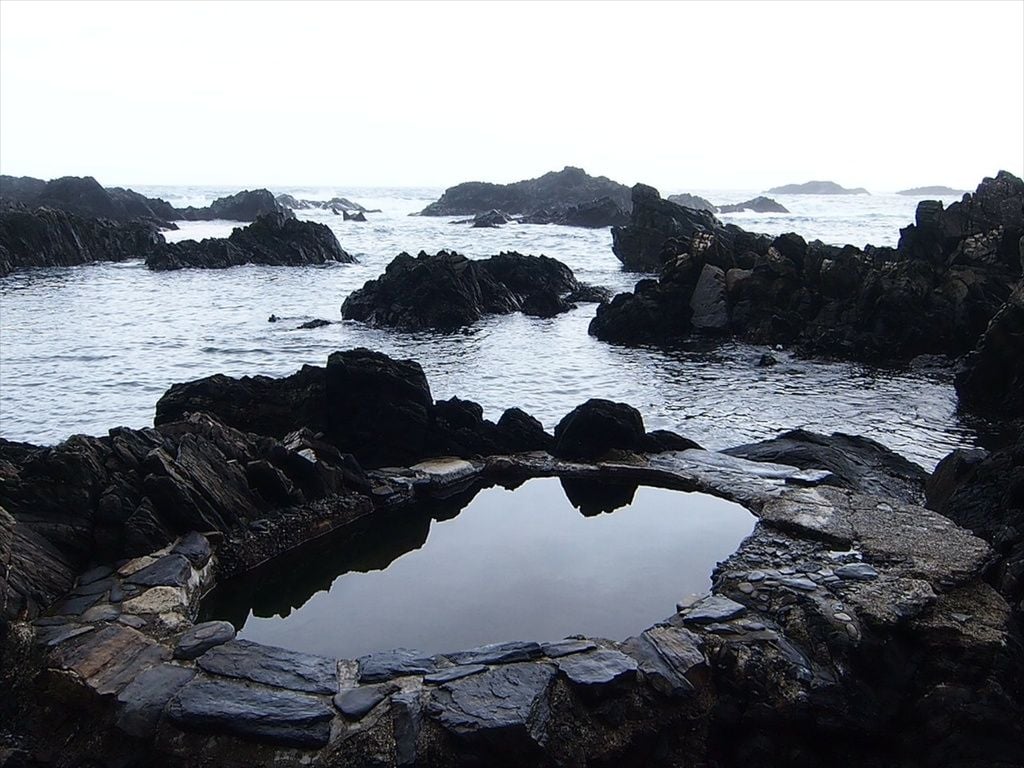
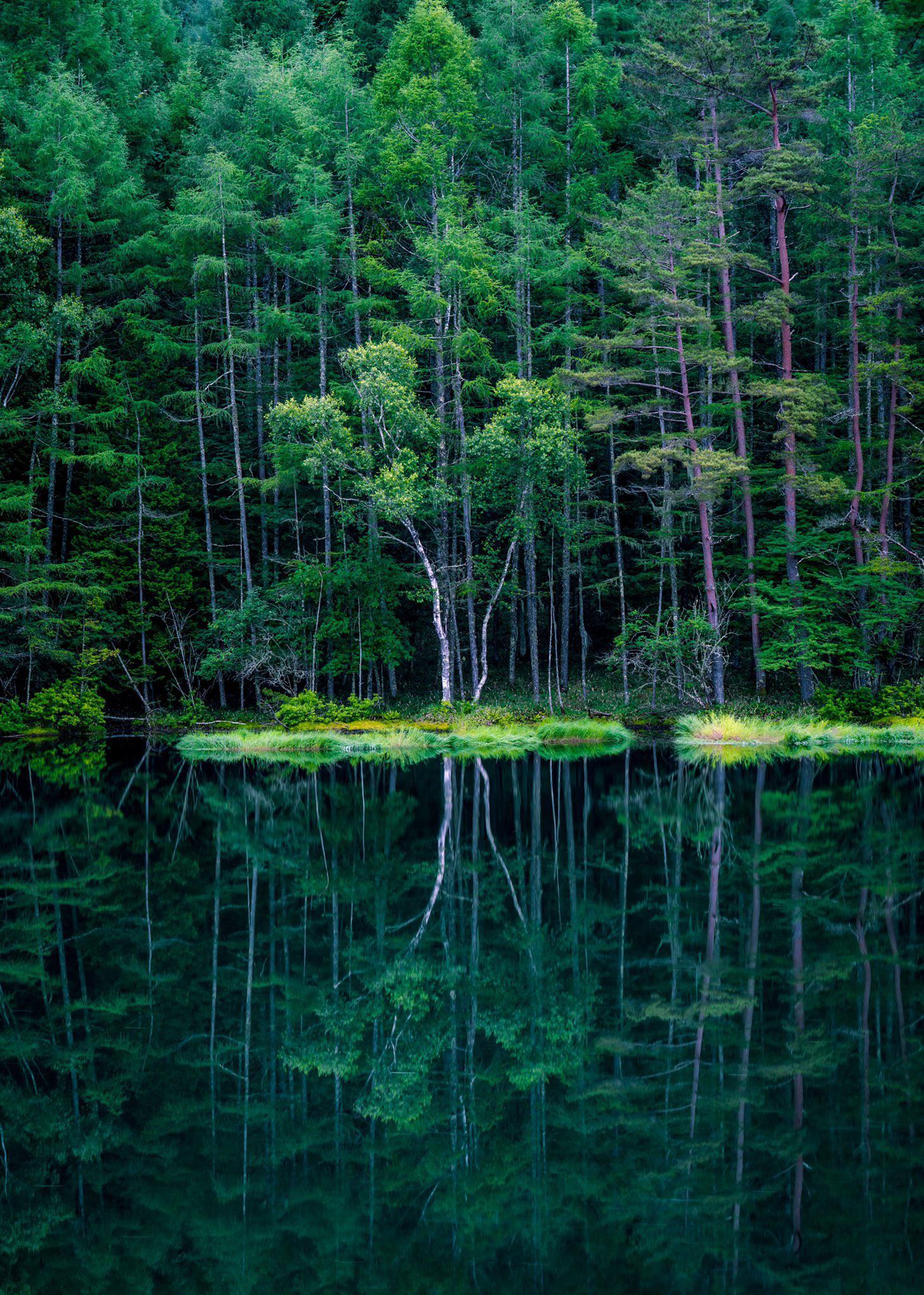
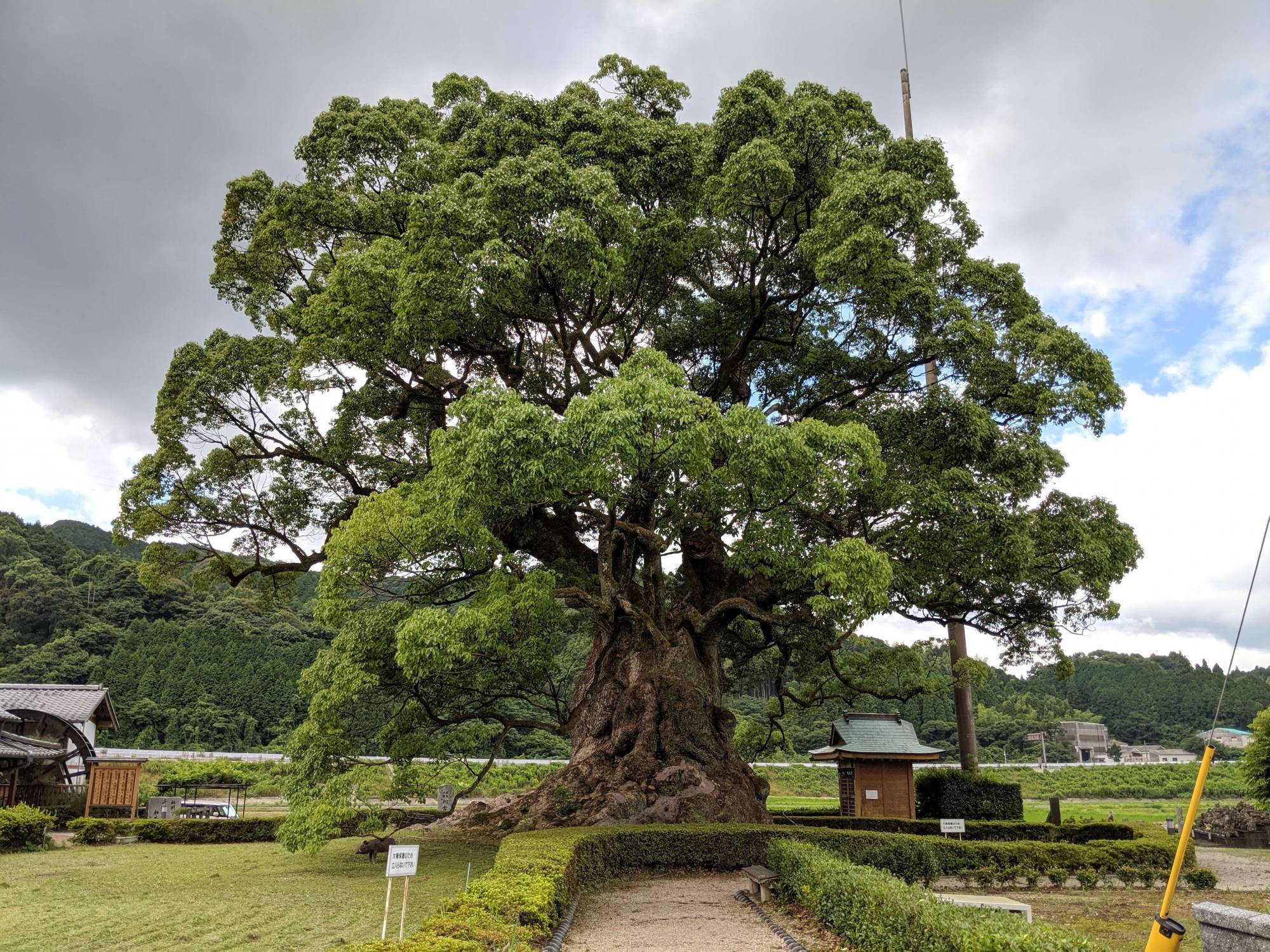
Nature's Marketing Agency Sucks
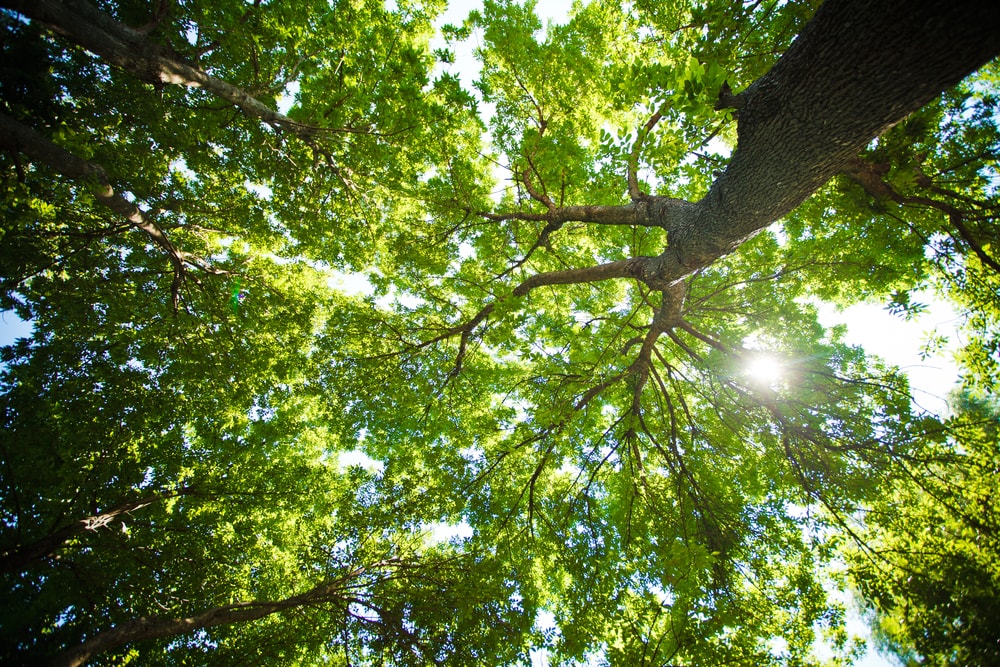
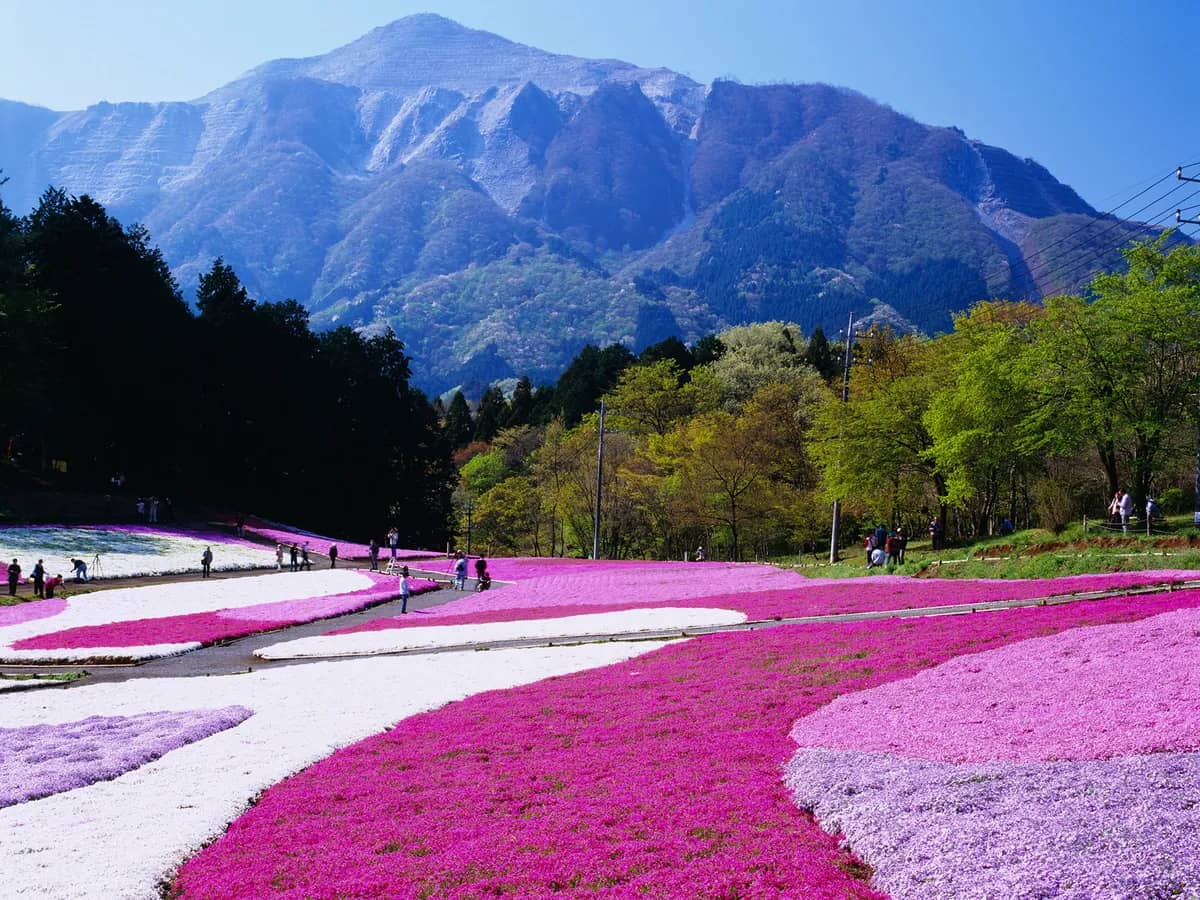
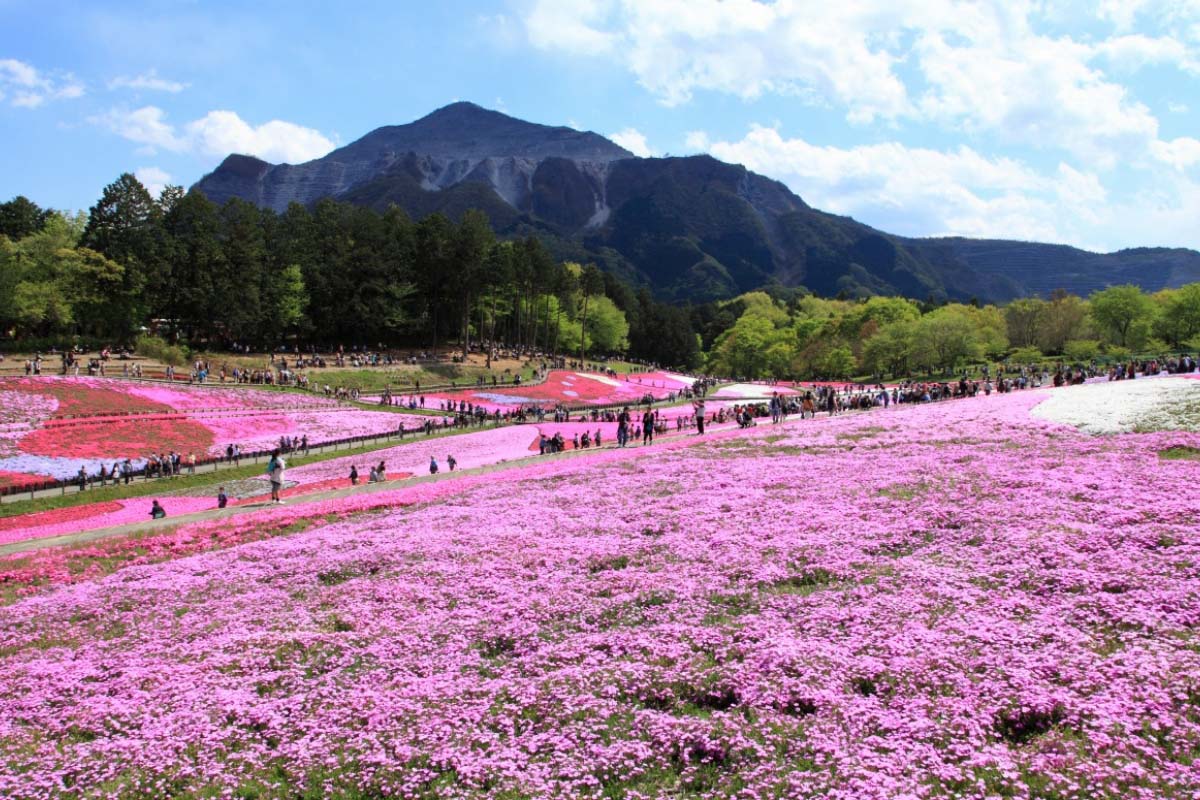
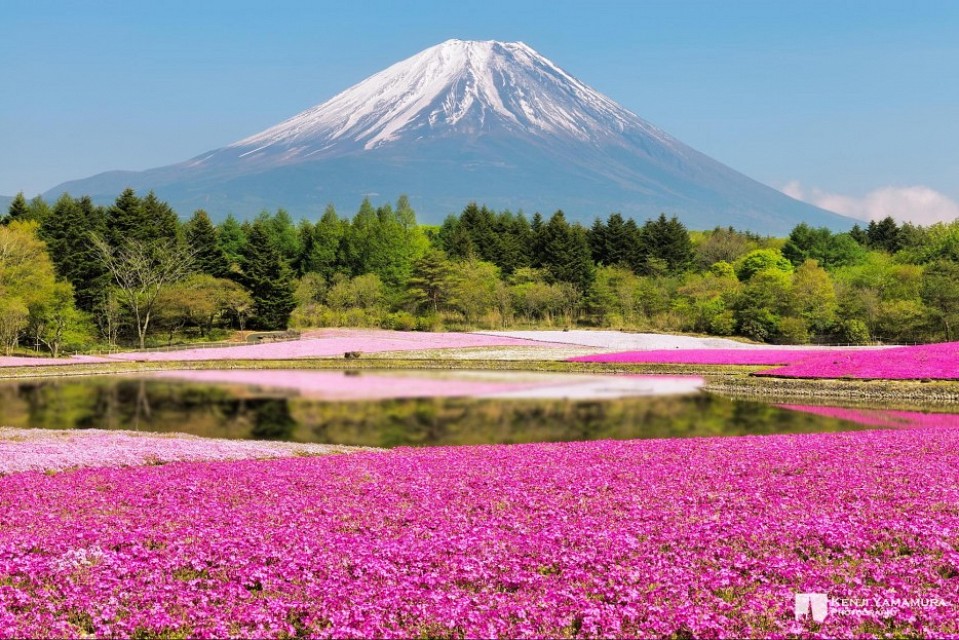
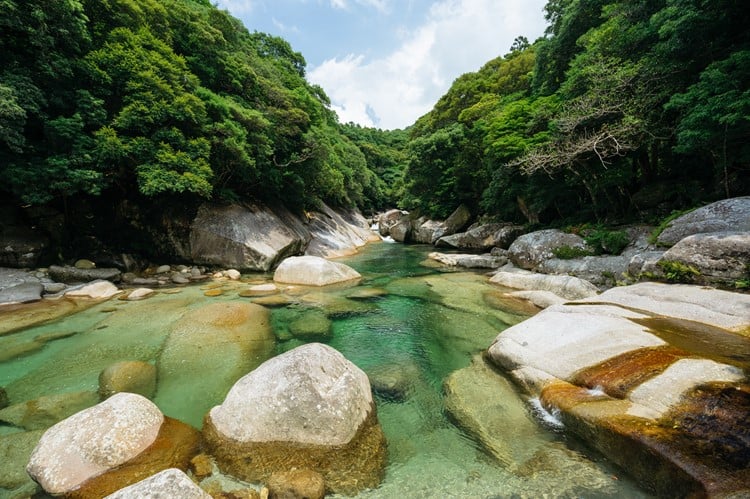
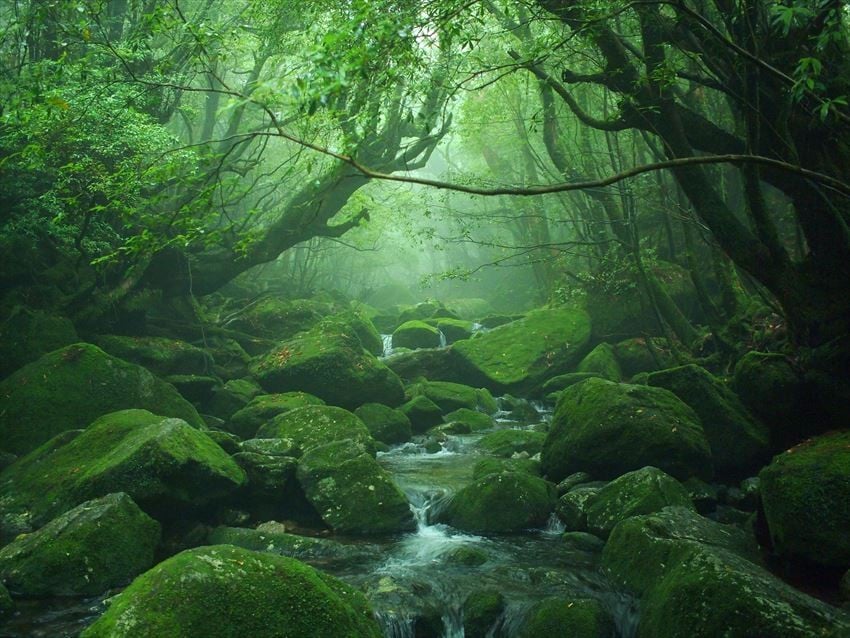
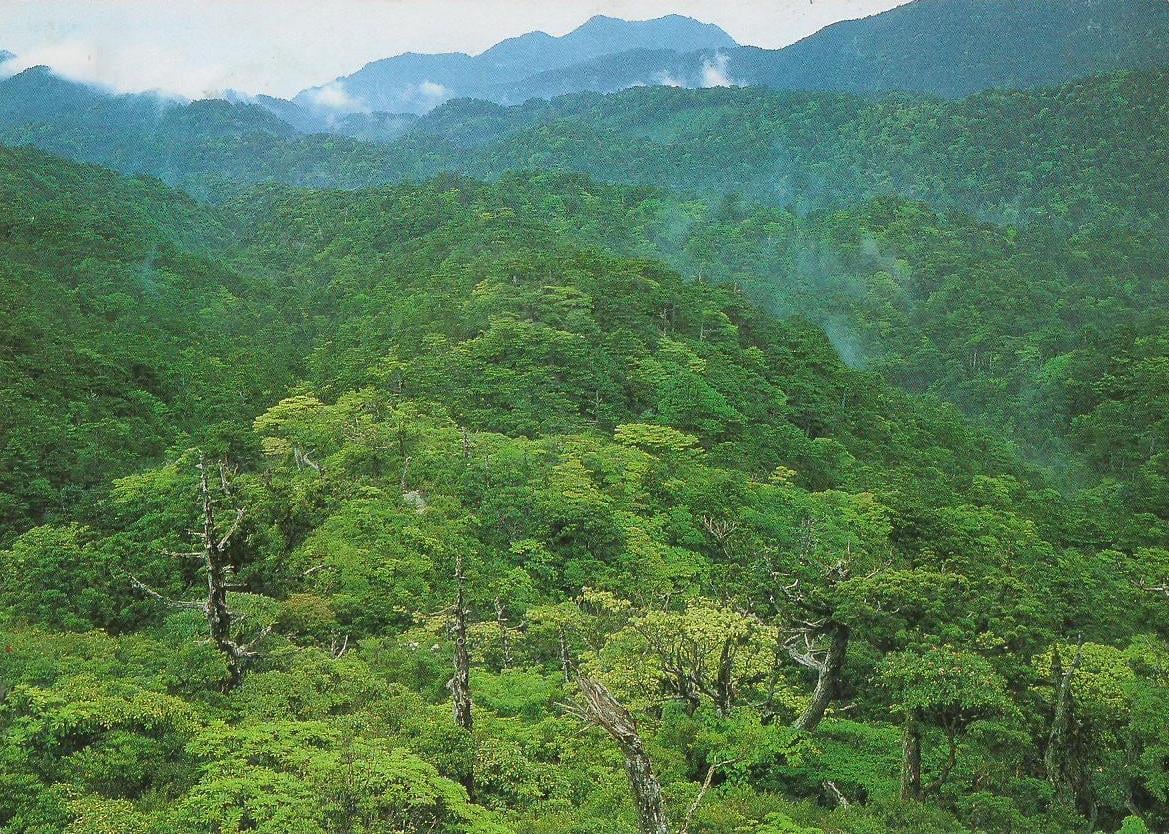
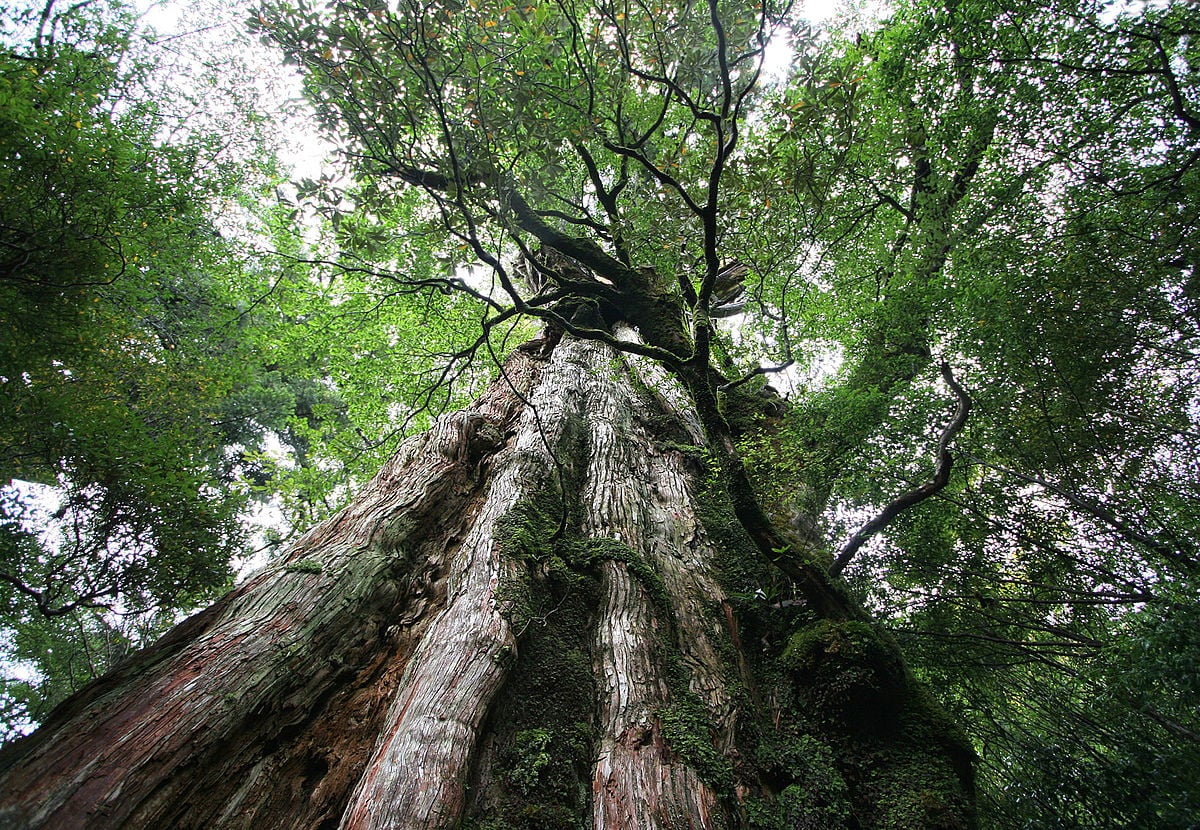
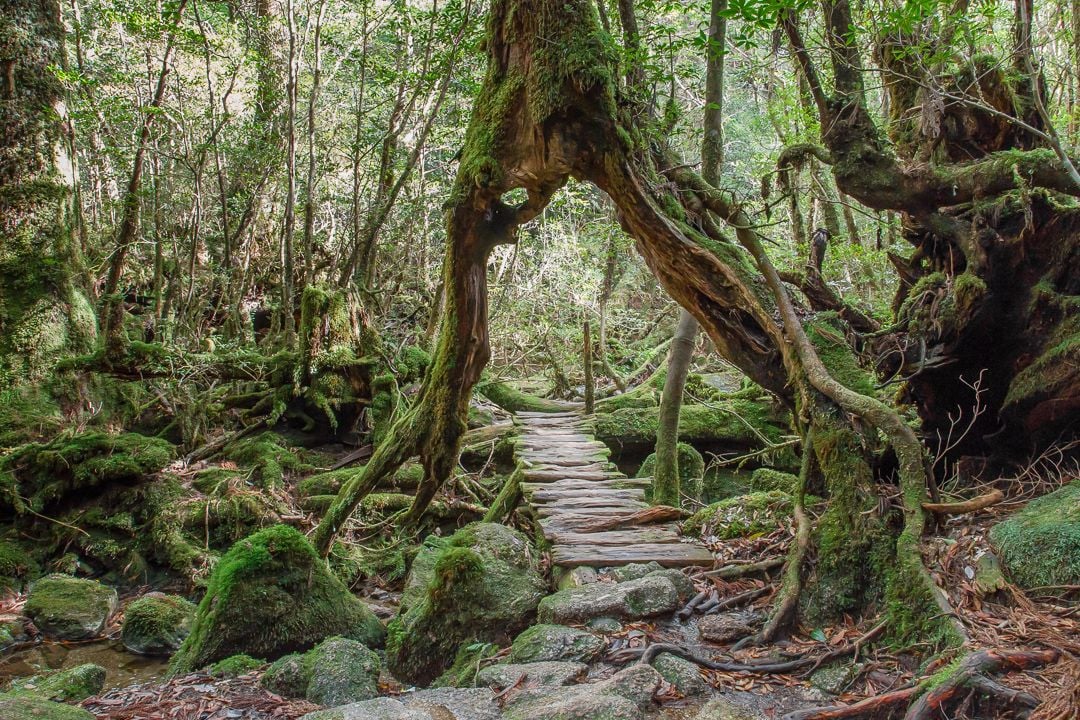
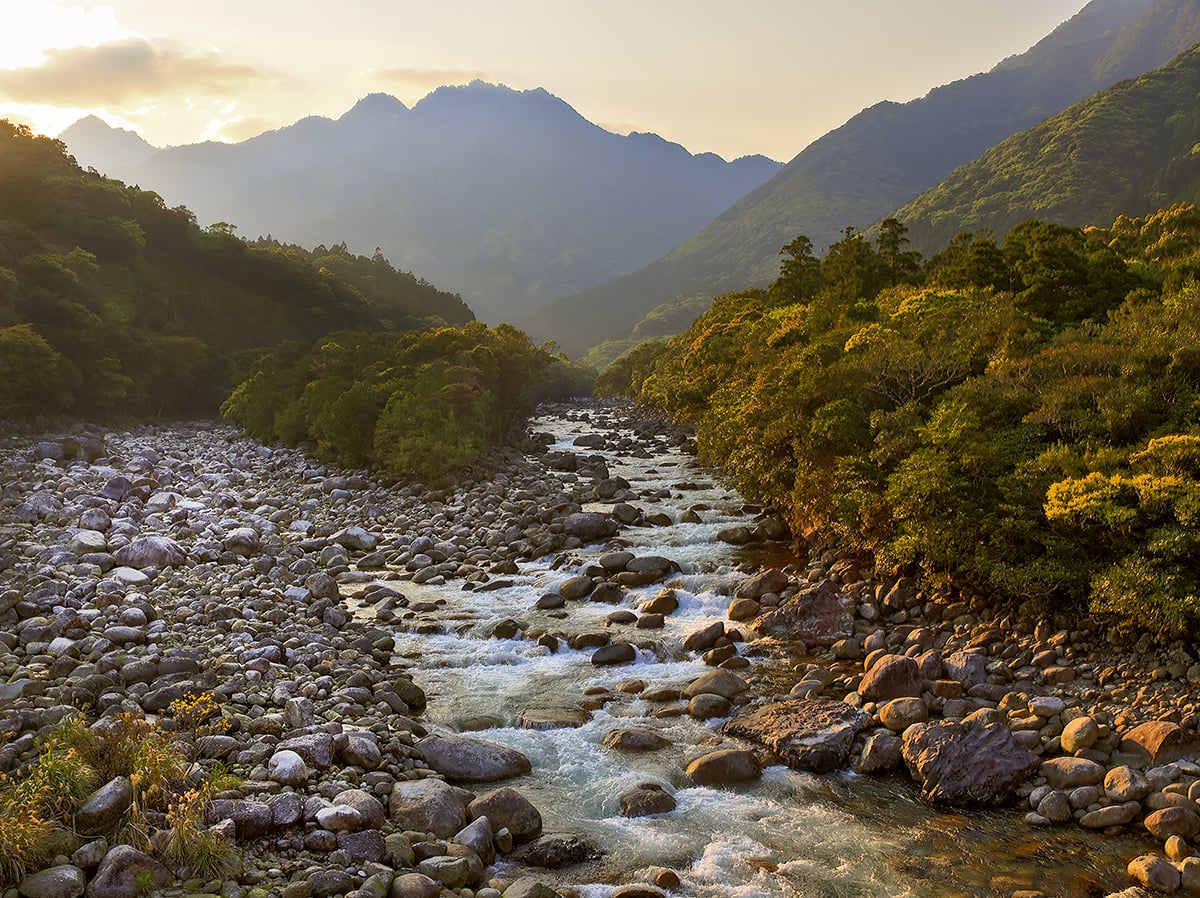
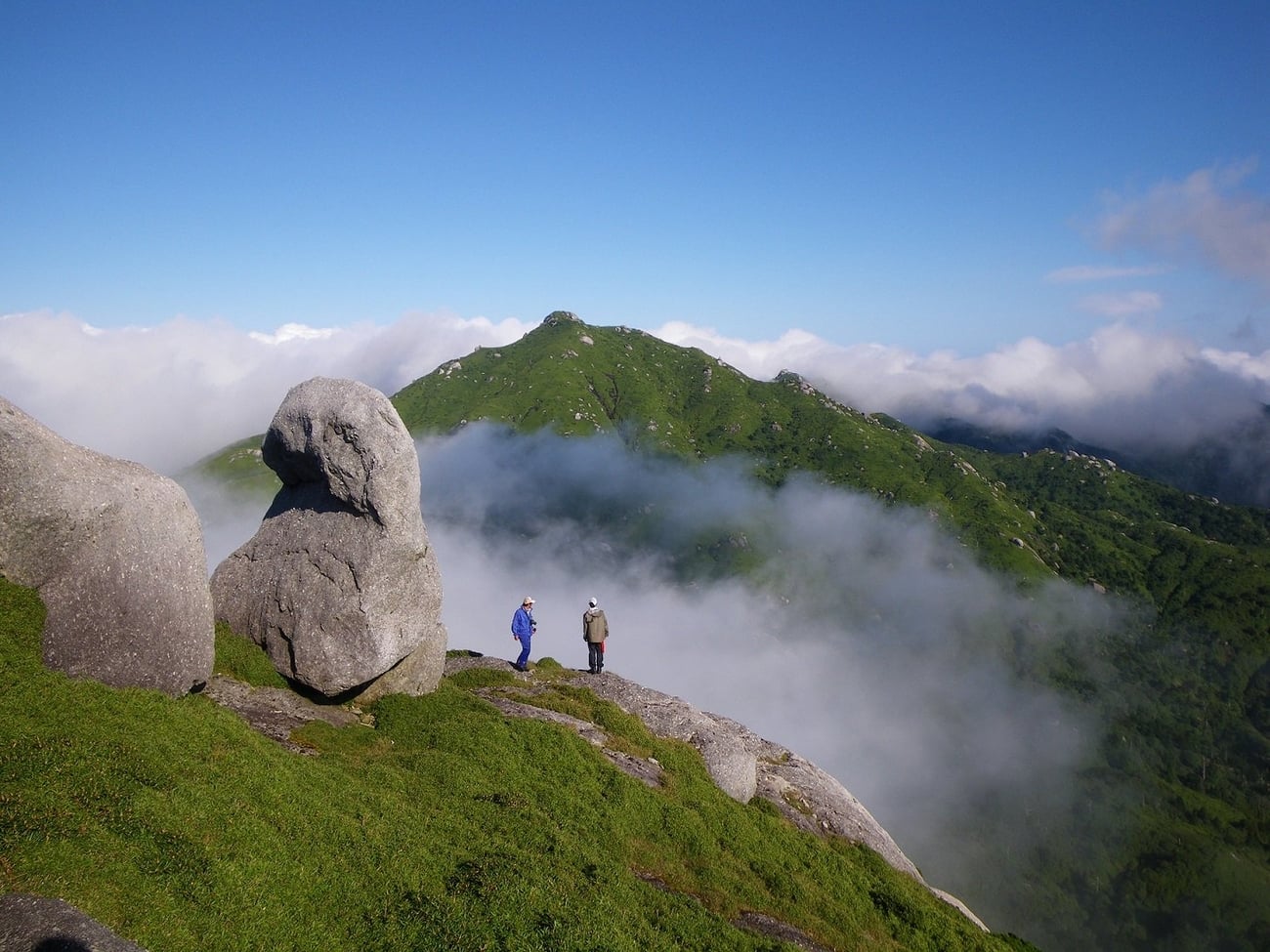
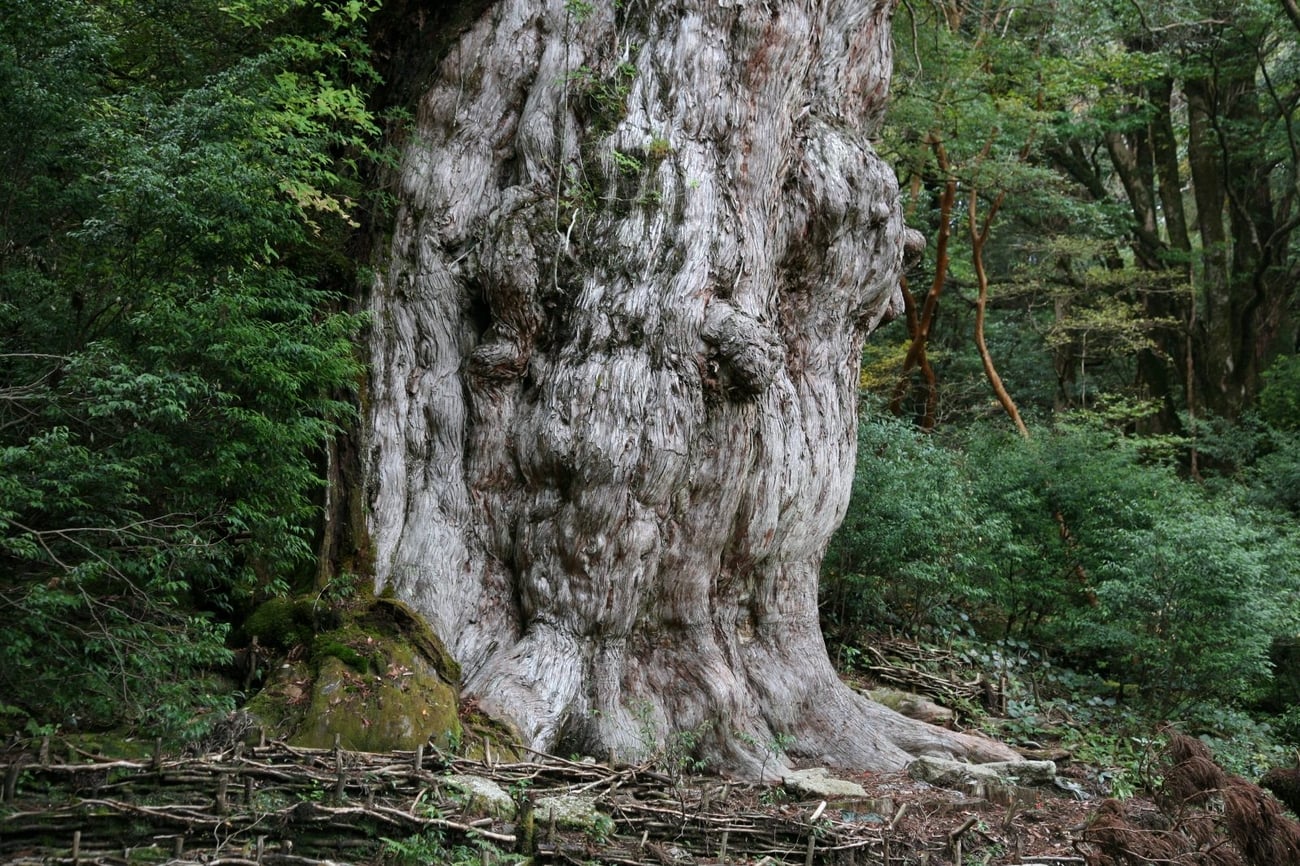
I find it peculiar how the topic of "nature" is poorly communicated in contemporary culture: The most stunningly beautiful natural places are commonly promoted (and perceived) as just "a place to do sports", "a place for old people", "a place to stop at for 30min during a car trip", "a place to take selfies for social media" or "a place to kill animals, grill & eat them". And the communication style is poor across the board: Think of climate activists describing nature mainly in terms of crisis & doom - or corporate "green-washing/laundering".
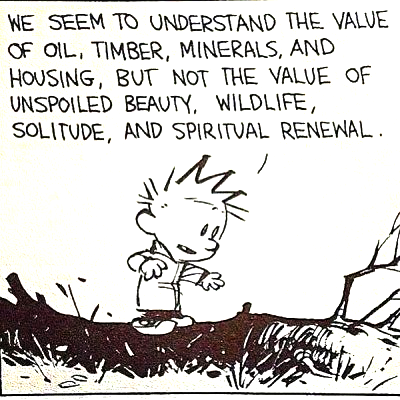
The "value of unspoiled natural beauty, wildlife, solitude and spiritual renewal" is hardly ever emphasized. Nature as a powerful source of experience, meaning, health and community. One thing is clear: Nature's Marketing Agency Sucks. And this has profound implication for how people perceive topics such as bio-diversity or well-being, and how people act.
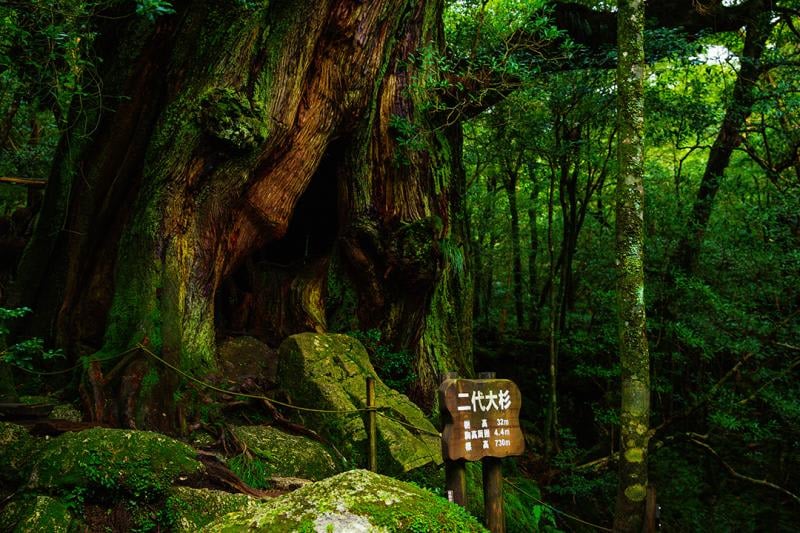
Examples of great "marketing for nature" do exist: In Japan natural experiences are more frequently communicated with an appropriate sense of grace, dignity, care, maturity and playfulness - making nature relatable, desirable and relevant for ordinary people at scale. How can we learn from such successes and what new stories about nature do we tell?
#Nature #Ideas #Japan #Media #Narrative #Comment #Ideas #Regenerative
-
A Post-COVID Revival for Community Shopping? Sharing Expertise with “Machizemi”
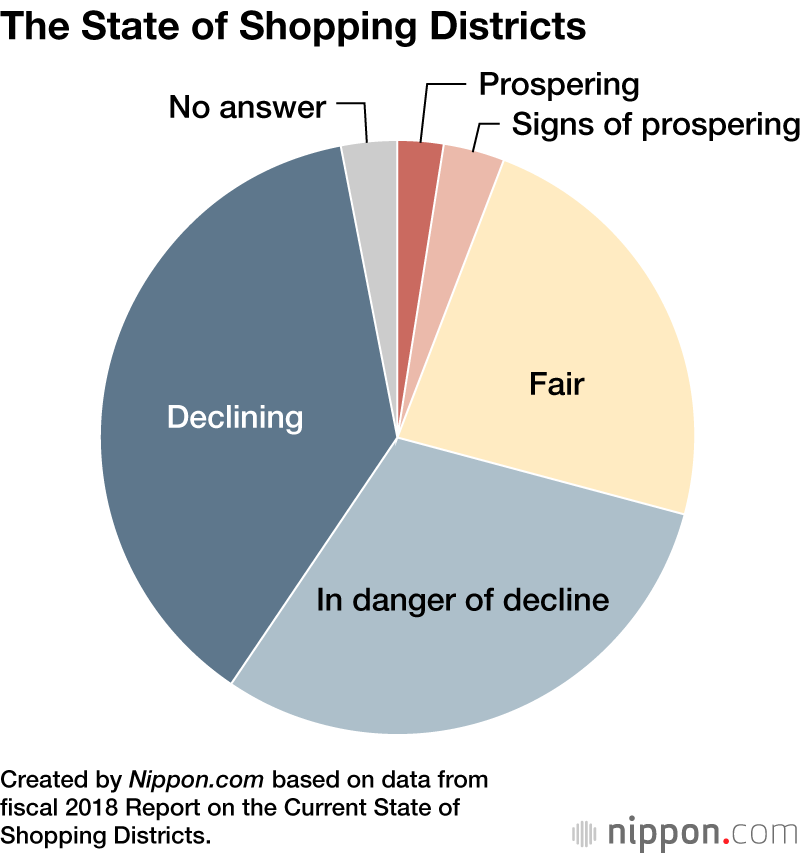
On the Japanese practice of "machizemi" where shop keepers hold learning seminars on things related to their business specialty resulting in increased sales and visitors, revitalization of shopping districts etc. An effective way of competing with malls. A knife shop teaches customers how to sharpen their knives, a restaurant teaches visitors how to cook their speciality, a tea store teaches people who to properly brew tea, etc. So many great stories and ideas here. Should be applicable anywhere in the world.
-
Engawa (縁側/掾側)
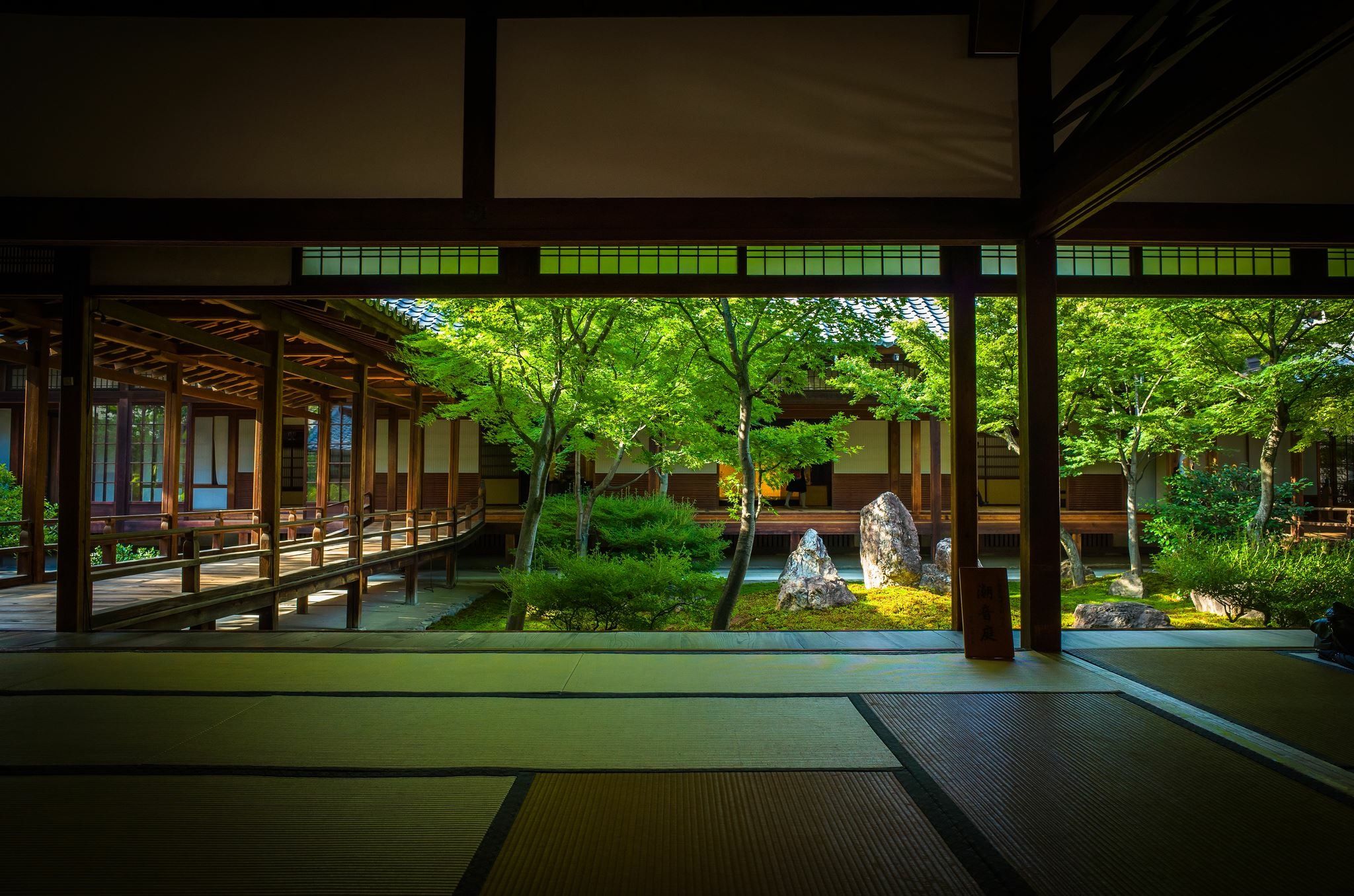
The engawa is a traditional Japanese "in-between-space", from a closed corridor connecting rooms in a home to an open space that blends the garden with the interior, allowing for perfect fine tuning depending on weather, season, for warmer winters and cooler summers. In a dense urban area the engawa can be used to surround a courtyard pocket garden of any size, for a private spot of green in the middle of any city. All the rooms are modular, walls can be removed or closed off, windows put in or taken out, half height screens can divide rooms.
-
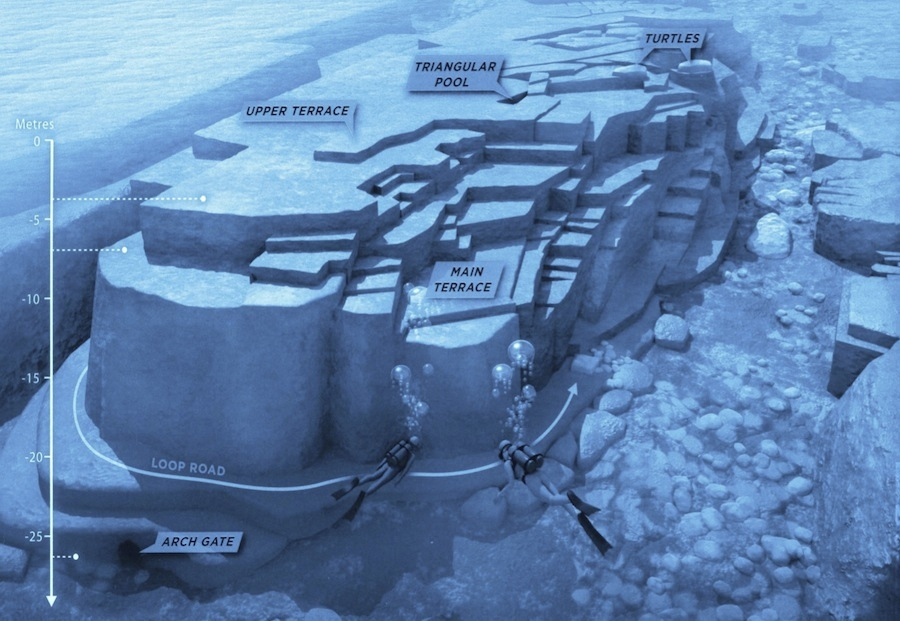
Submerged stone structures lying just below the waters off Yonaguni Jima are actually the ruins of a Japanese Atlantis—an ancient city sunk by an earthquake about 2,000 years ago. That's the belief of Masaaki Kimura, a marine geologist at the University of the Ryukyus in Japan who has been diving at the site to measure and map its formations for more than 15 years. Each time he returns to the dive boat, Kimura said, he is more convinced than ever that below him rest the remains of a 5,000-year-old city. "