tag > Japan
-
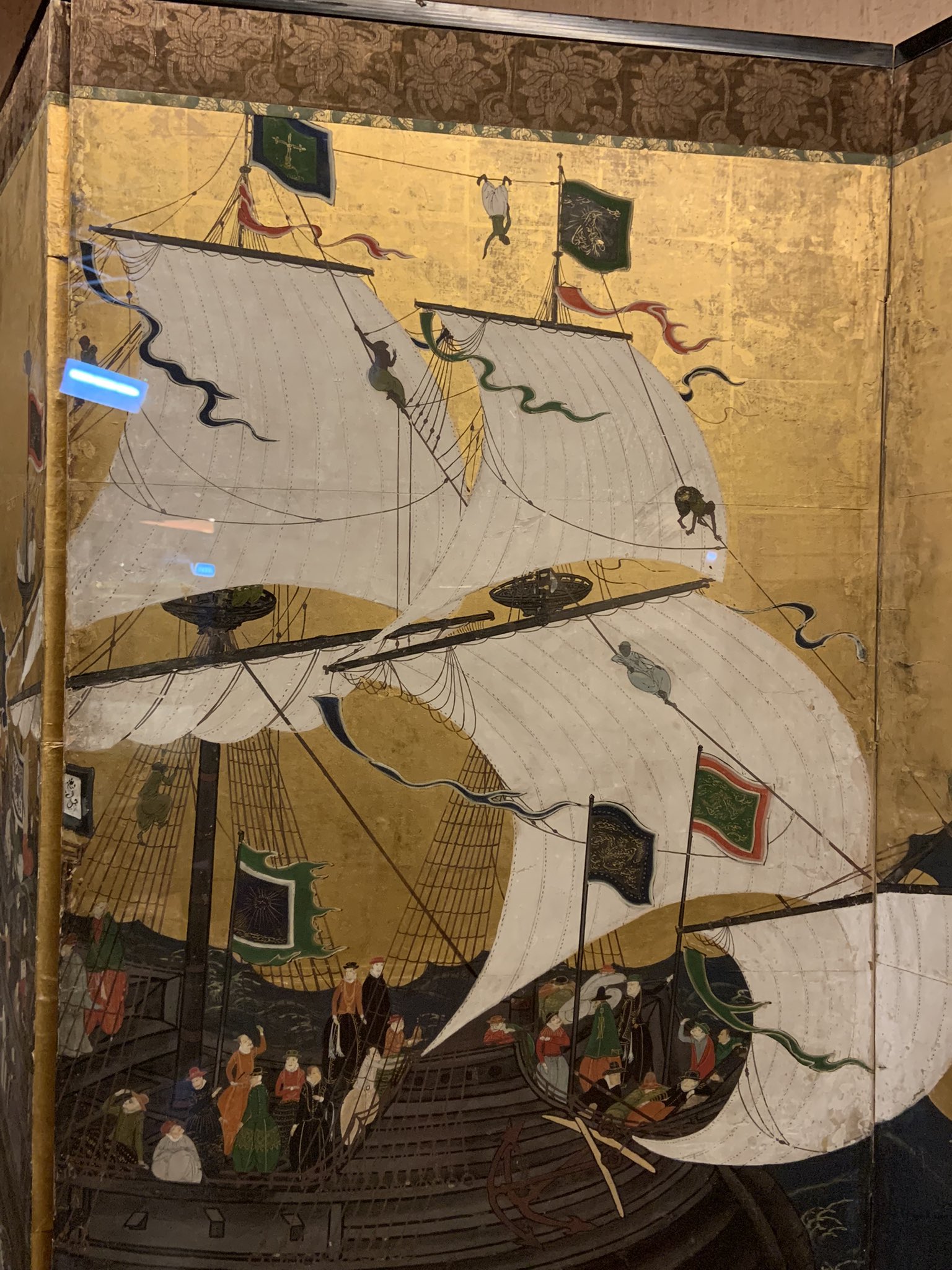
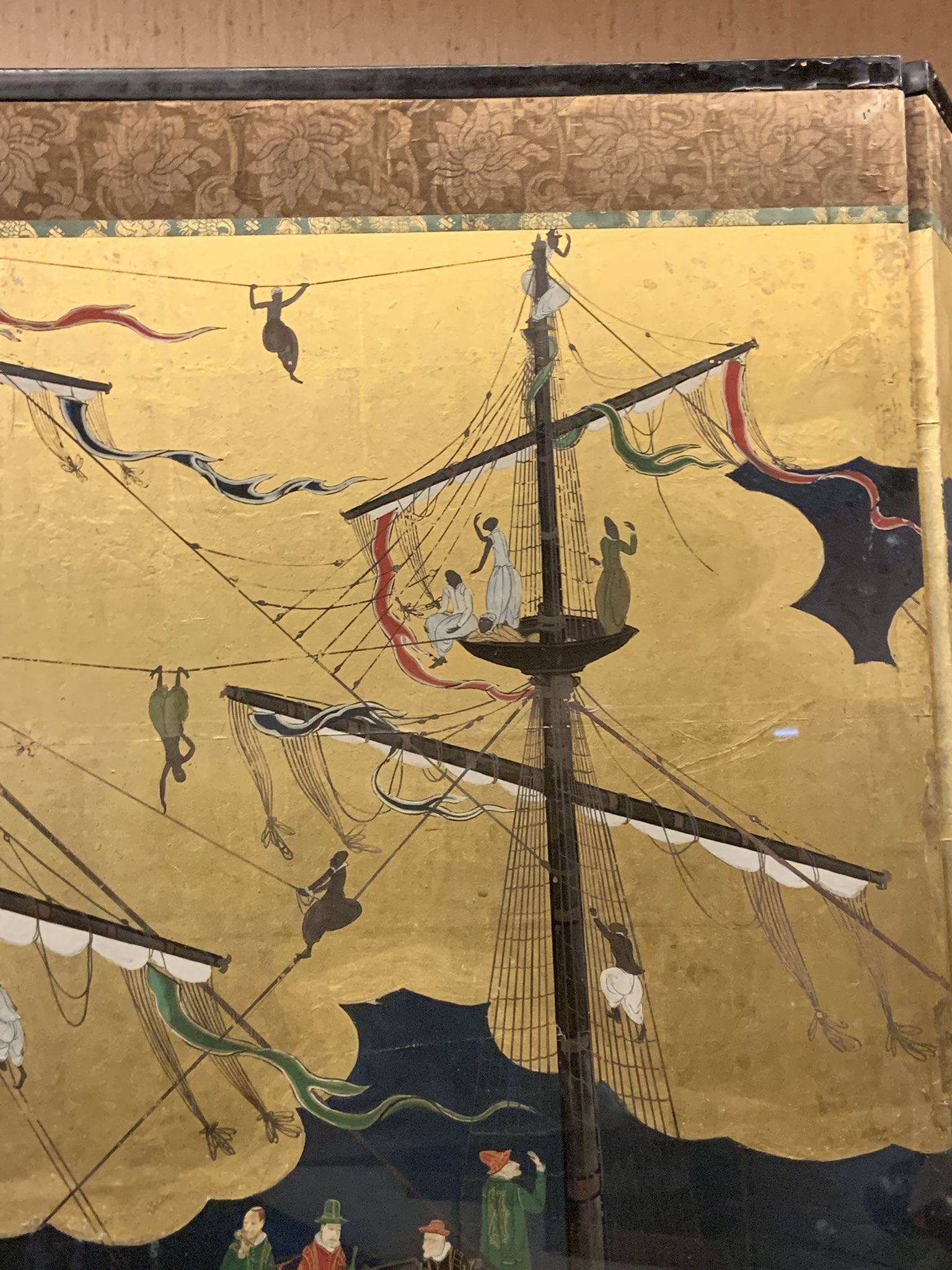
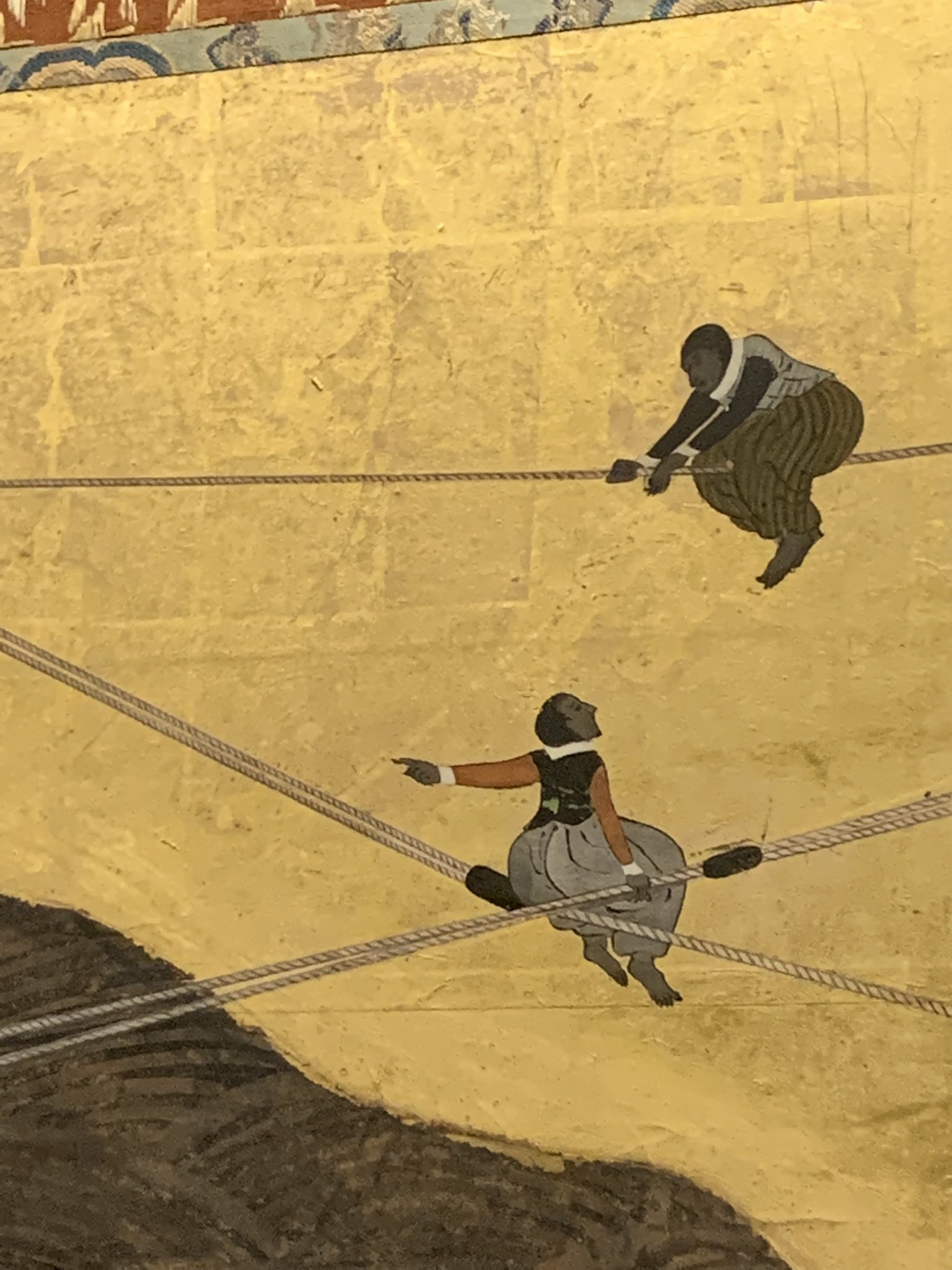
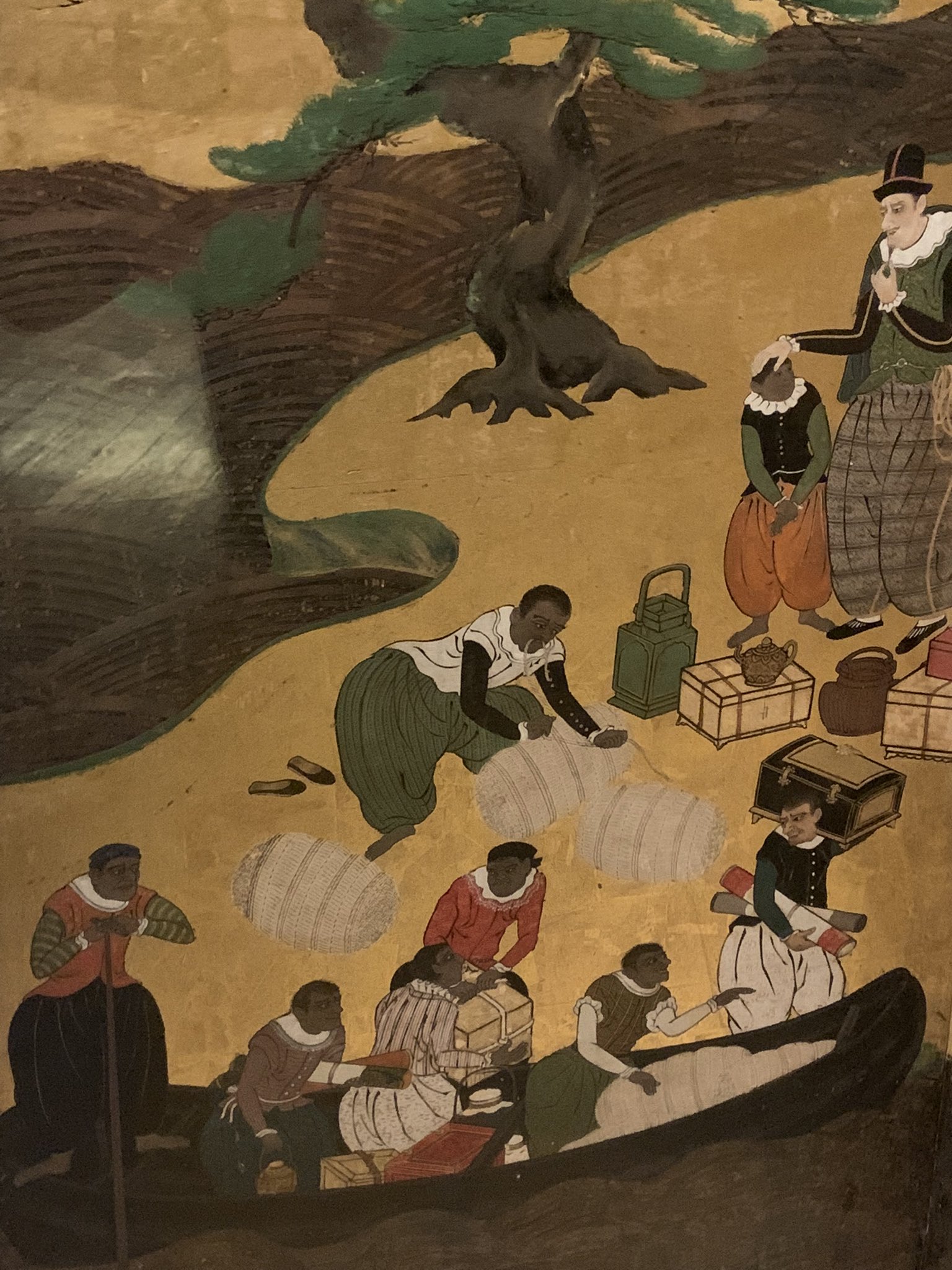
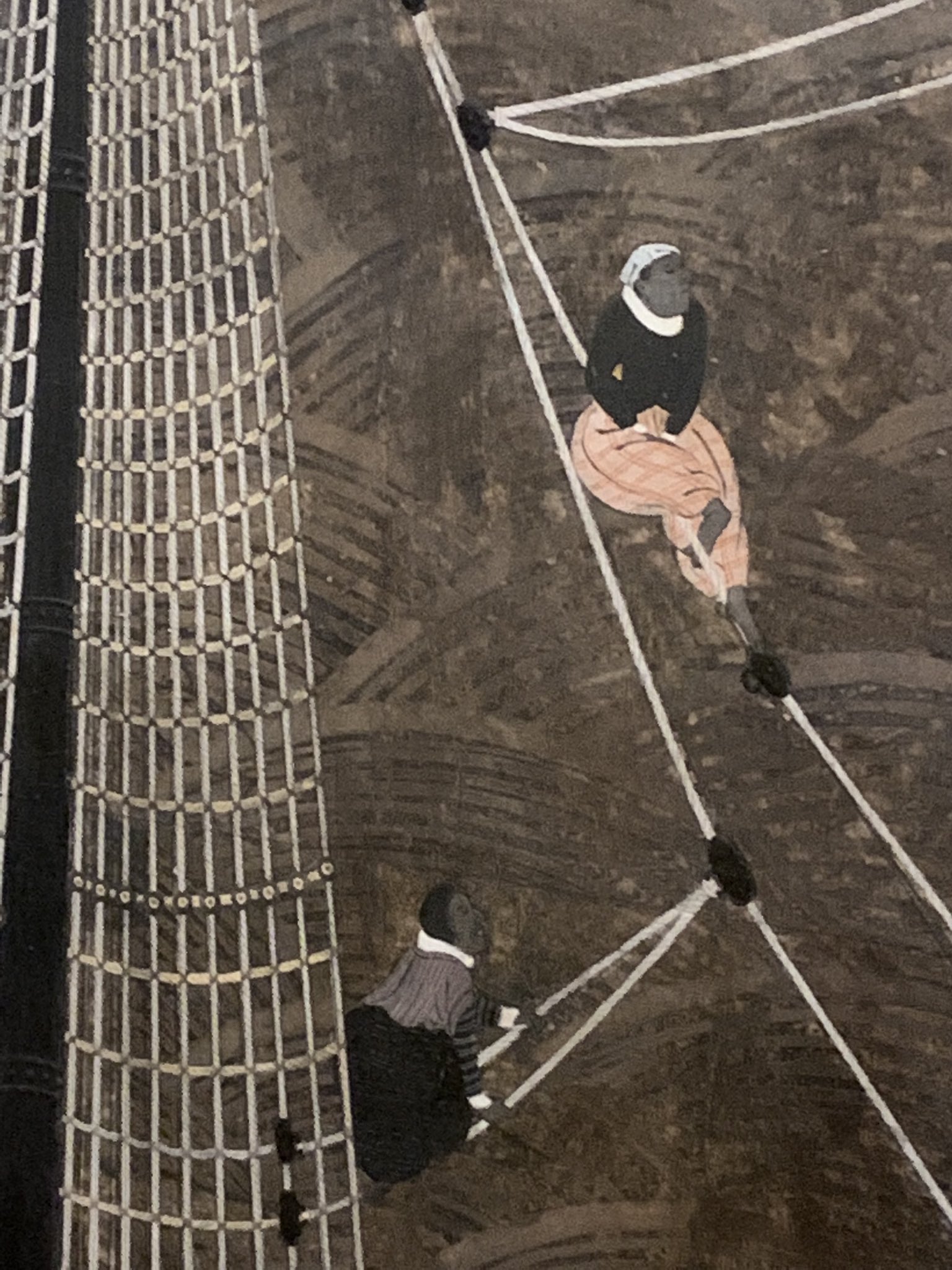
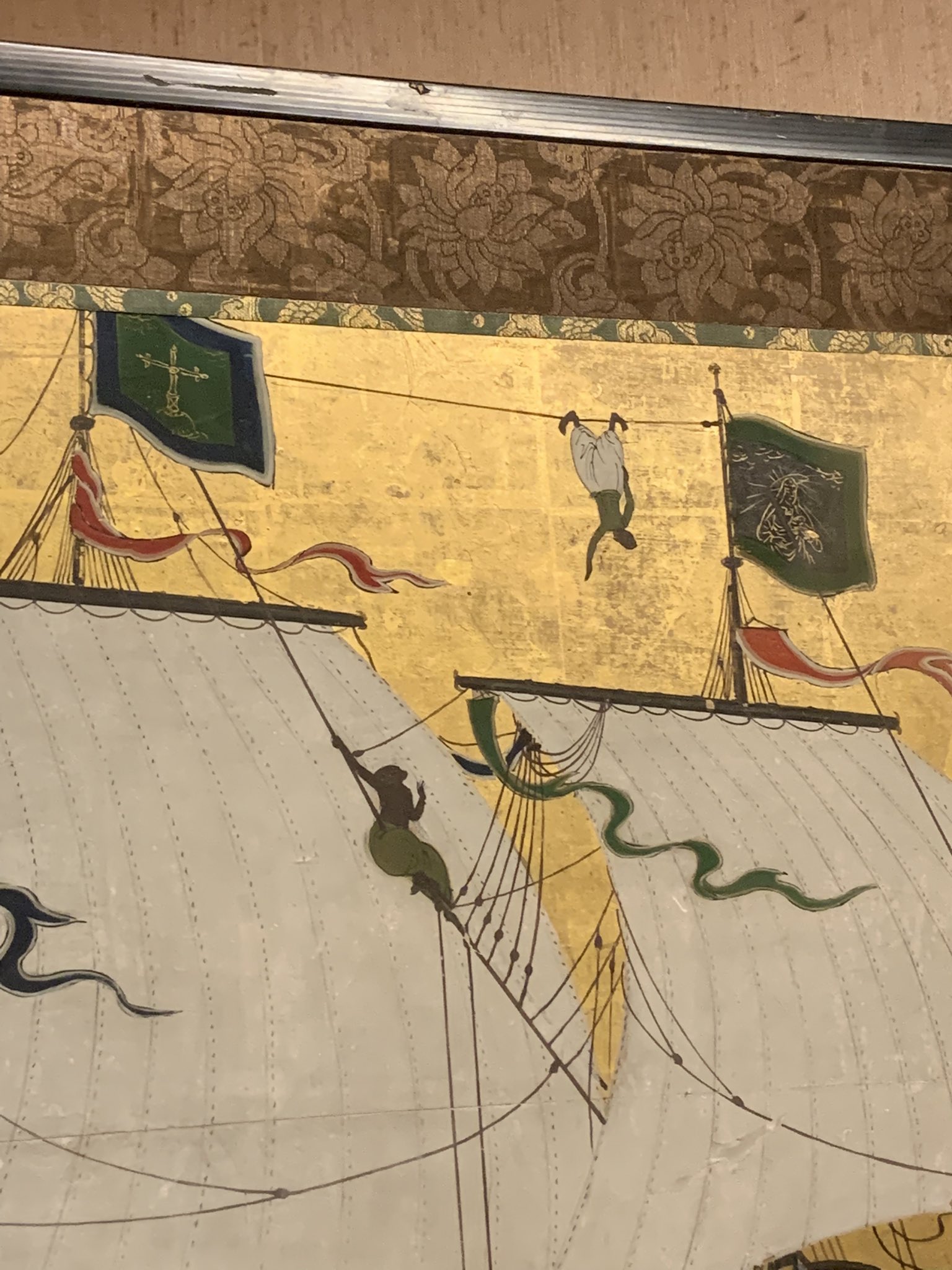
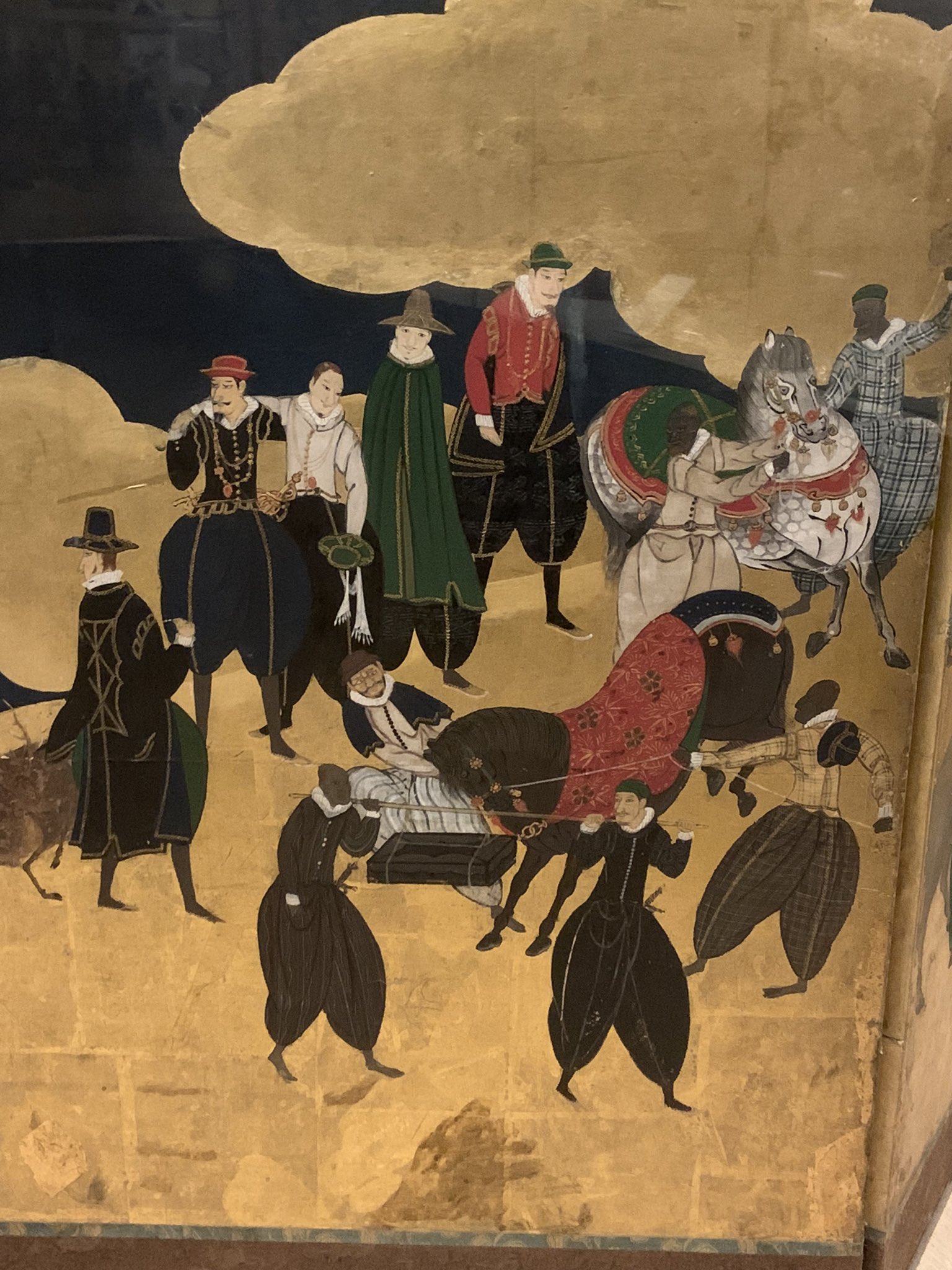
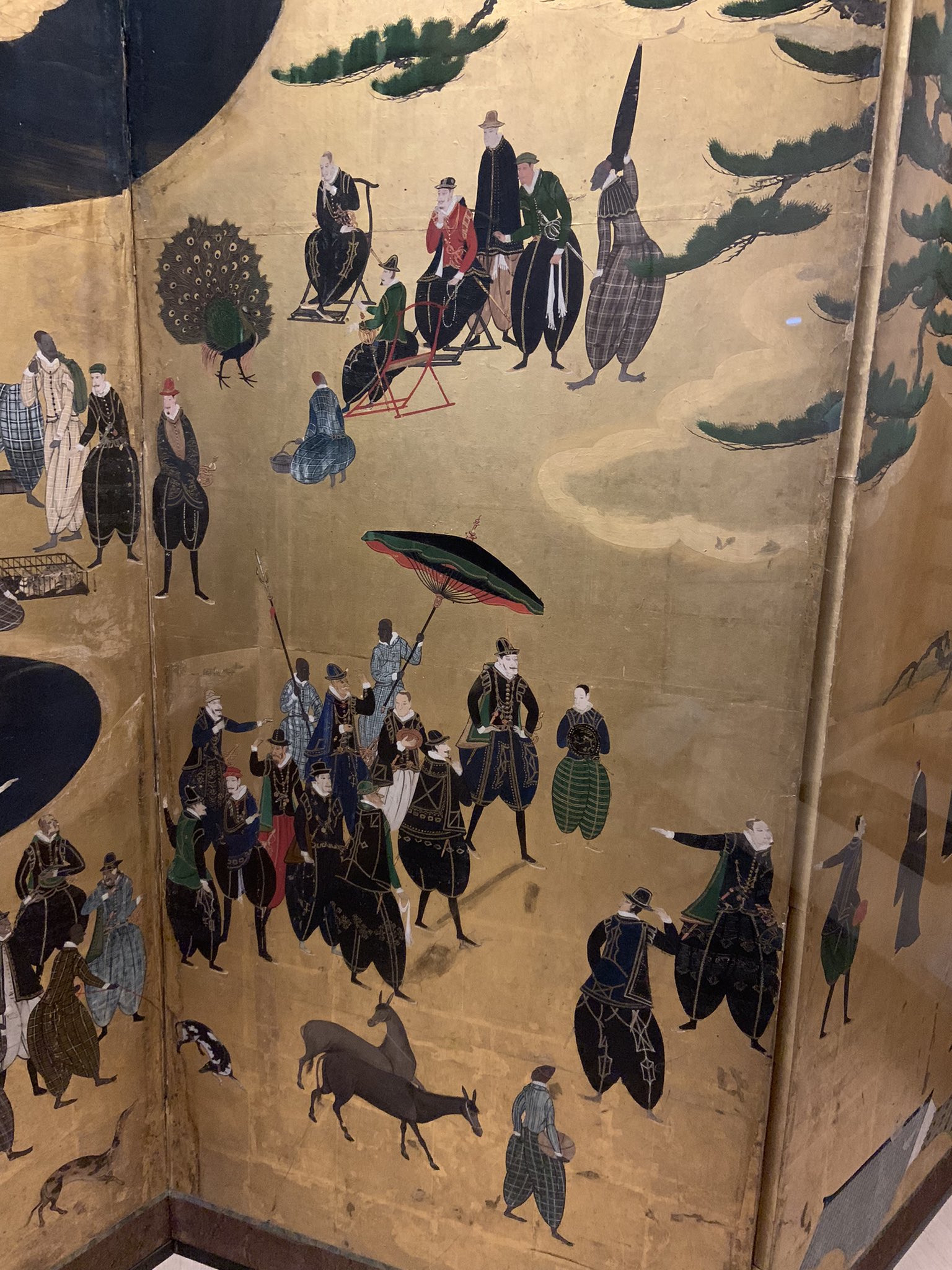
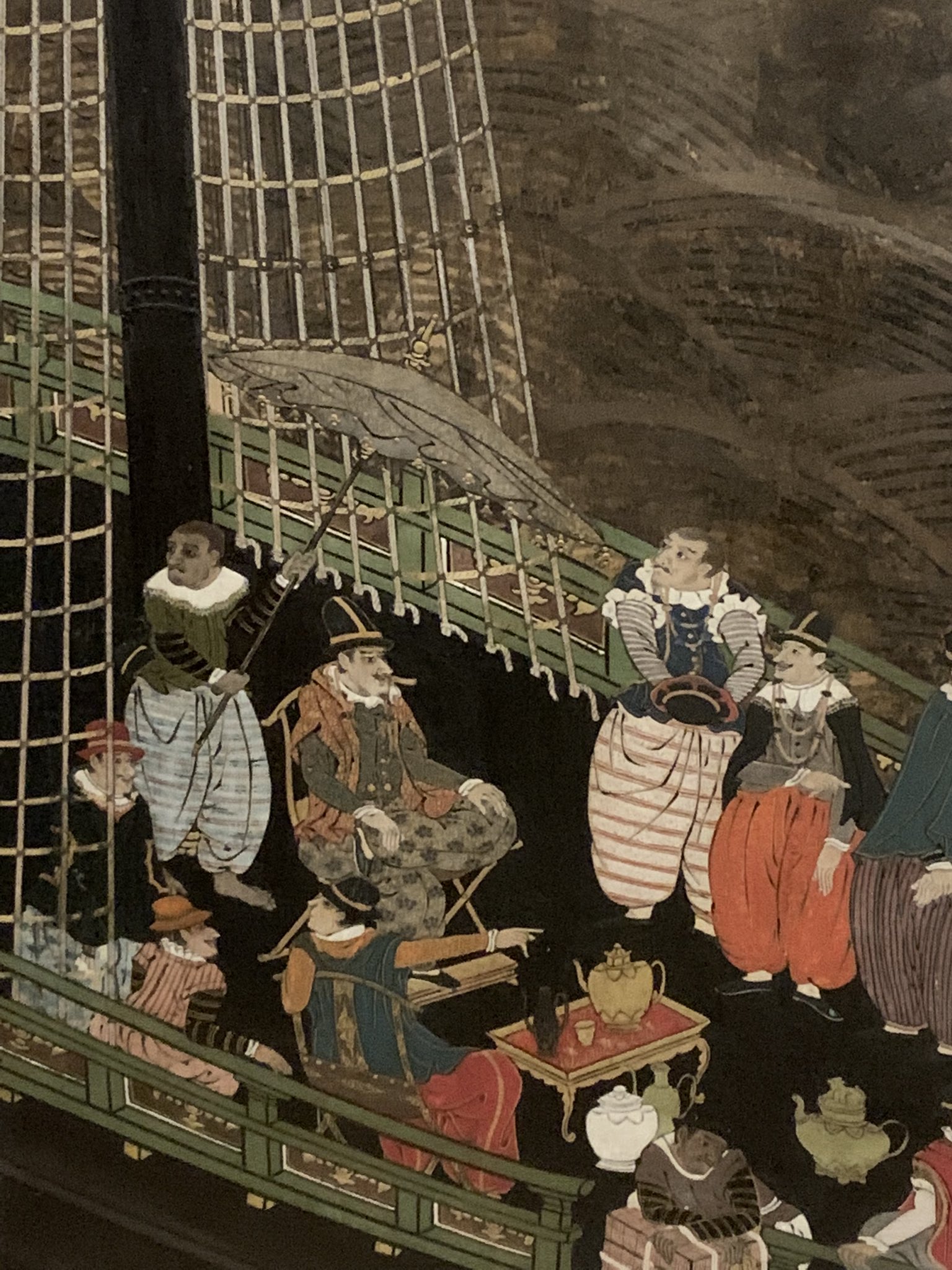
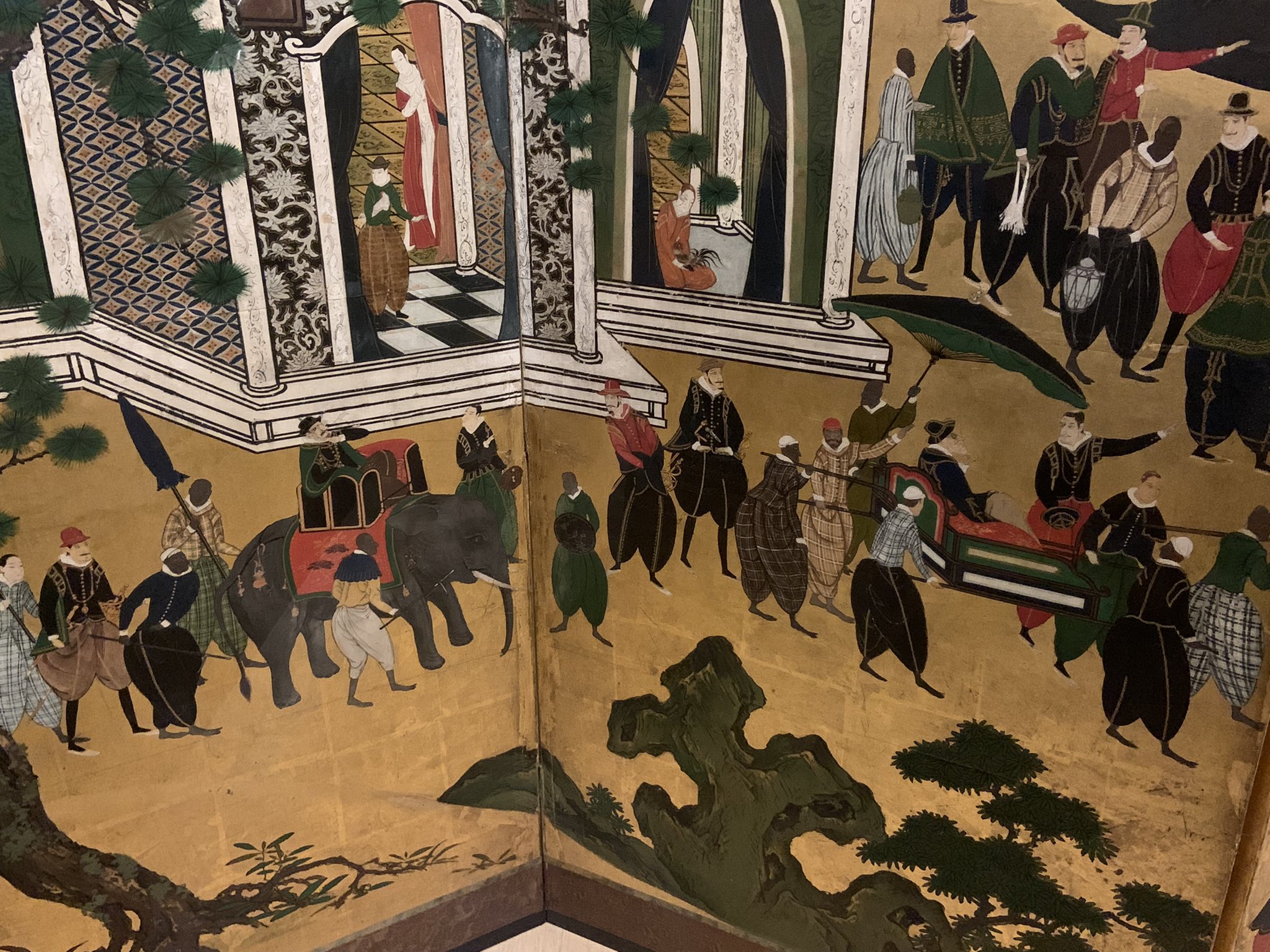
Namban screens depicting African seamen performing acrobatics on the rigging of a Portuguese ship in Nagasaki, Japan - ca. 1593-1603
-
Quotes from The Art of Peace - by Morihei Ueshiba

“When you bow deeply to the universe, it bows back; when you call out the name of God, it echoes inside you.”
“Heaven is right where you are standing, and that is the place to train.”
“Those who are enlightened never stop forging themselves.”
“The Art of Peace begins with you. Work on yourself and your appointed task in the Art of Peace. Everyone has a spirit that can be refined, a body that can be trained in some manner, a suitable path to follow. You are here for no other purpose than to realize your inner divinity and manifest your inner enlightenment. Foster peace in your own life and then apply the Art to all that you encounter.
One does not need buildings, money, power, or status to practice the Art of Peace. Heaven is right where you are standing, and that is the place to train.”
“The Art of Peace is the principle of nonresistance. Because it is nonresistant it is victorious from the beginning. Those with evil intentions or contentious thoughts are instantly vanquished. The Art of Peace is invincible because it contends with nothing.”
-
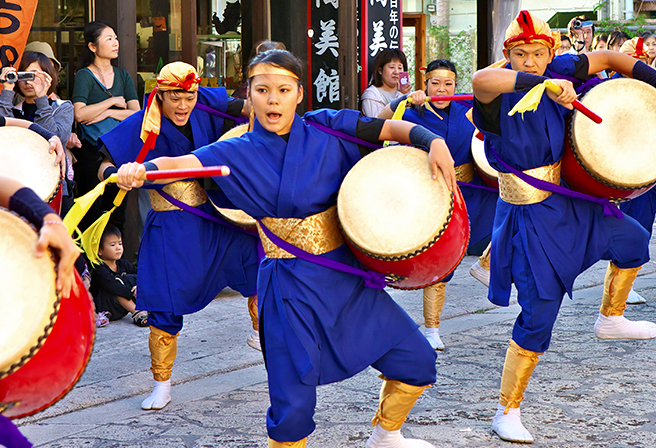
Eisa (エイサ) - a folk dance originating from the Okinawa Islands, Japan (video)
-
The game of life, reimagined for a superaging society
Japan's Community Coping, a “superaging society” board game, is intended to be a microcosm of the myriad socioeconomic problems facing citizens of the world’s most rapidly aging society.
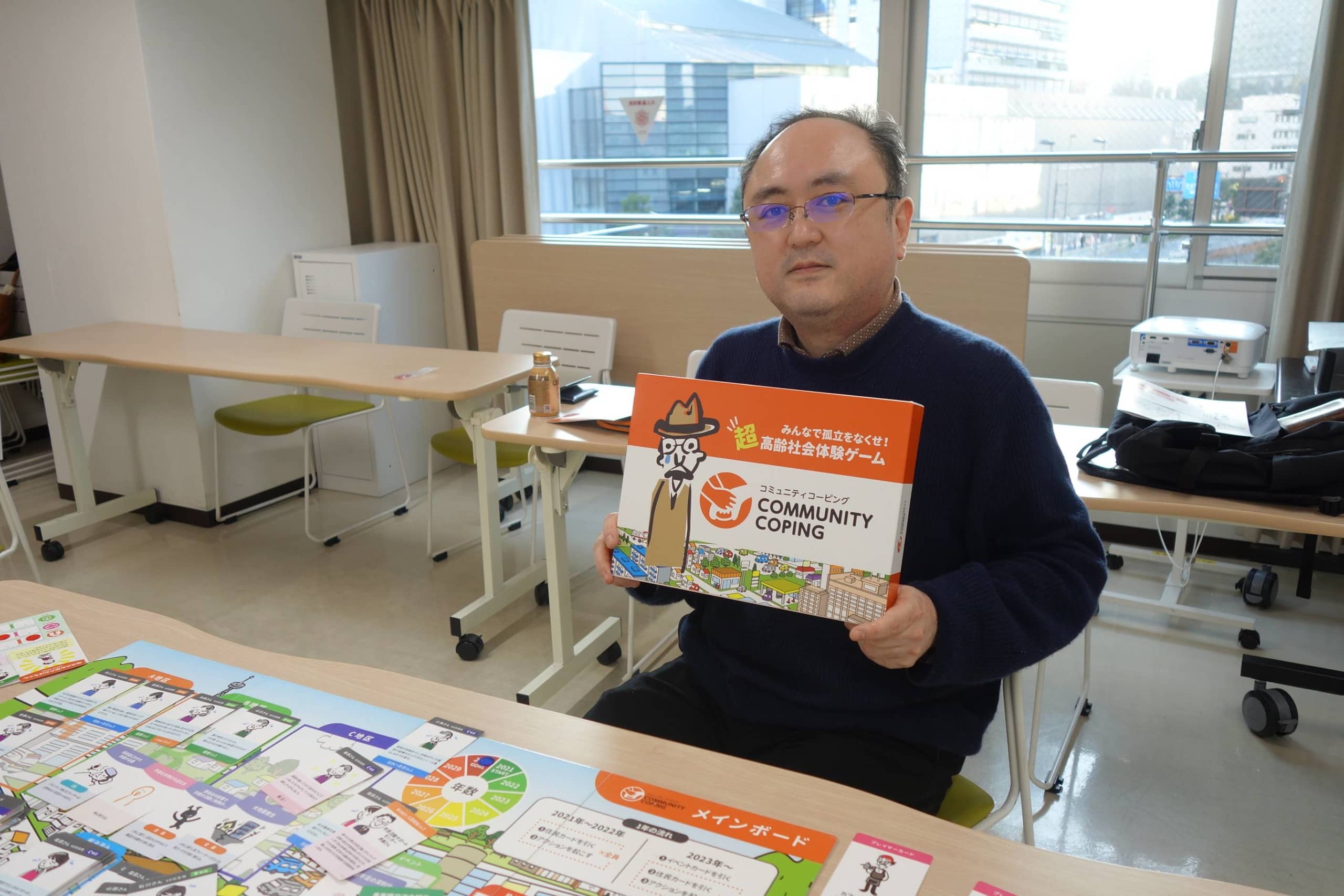
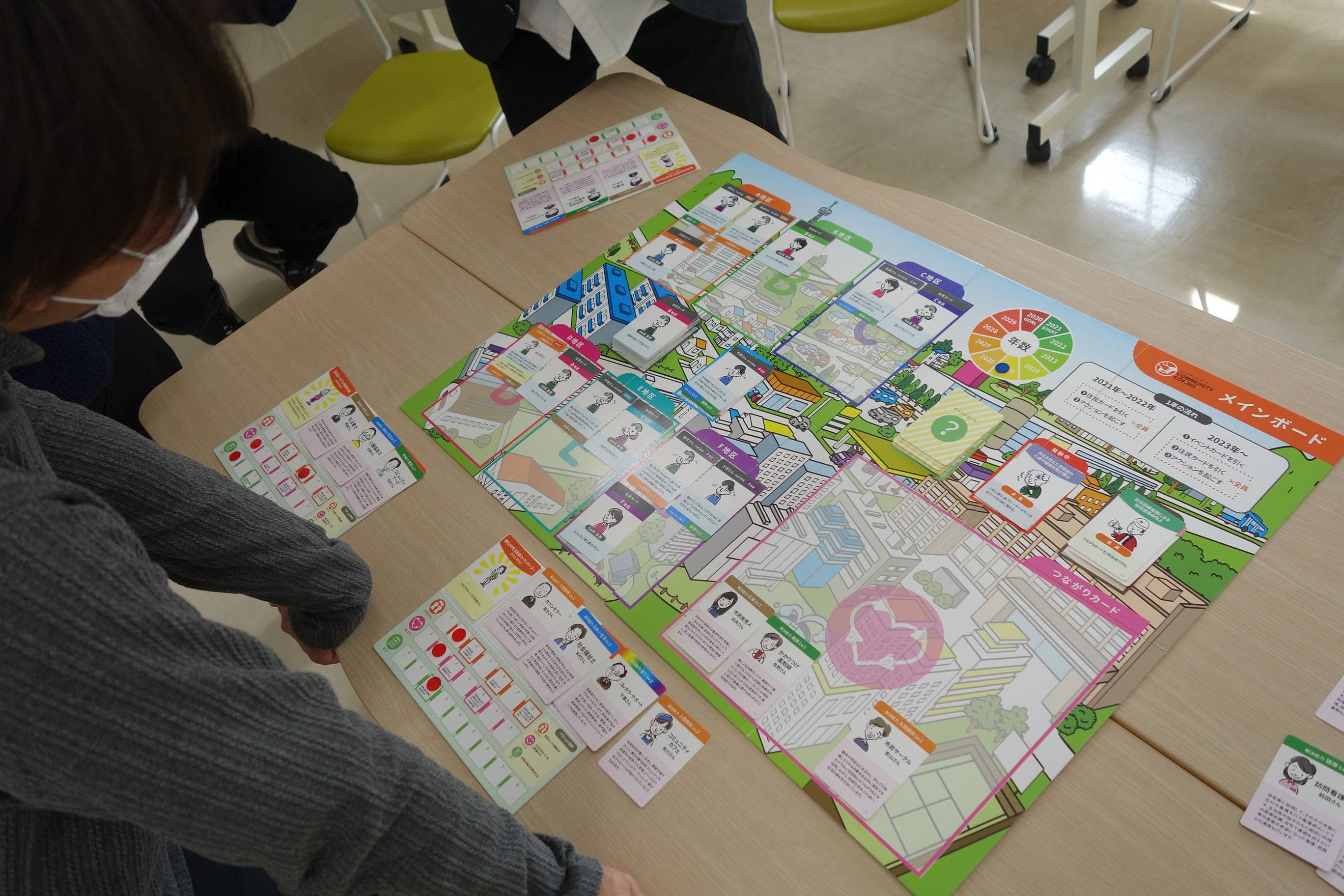
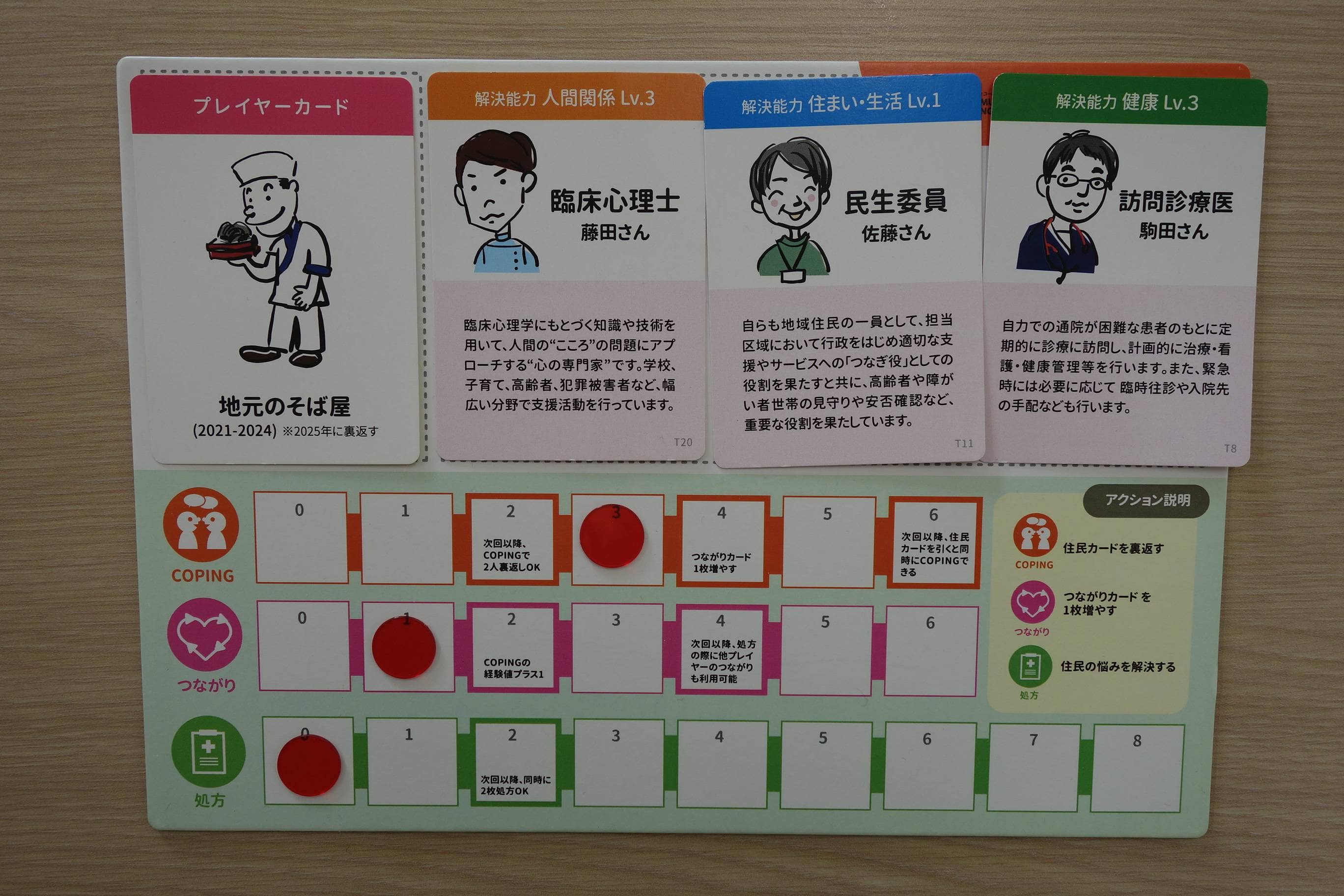
"I played the “superaging society” board game in which players are tasked with preventing graying communities from collapsing. And it's much more difficult than one might think - as it is in real life."
"A single game lasts 10 years, from 2021 to 2030. If more than four residents are left in any of the districts after a round, the community is overwhelmed and collapses. Game over."
-
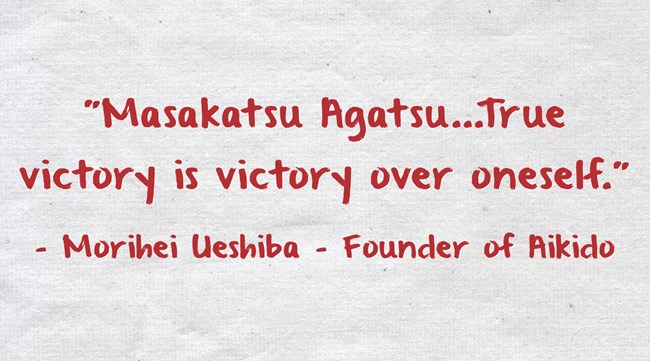
Masakatsu agatsu (正勝吾勝) - True victory is victory over oneself
-
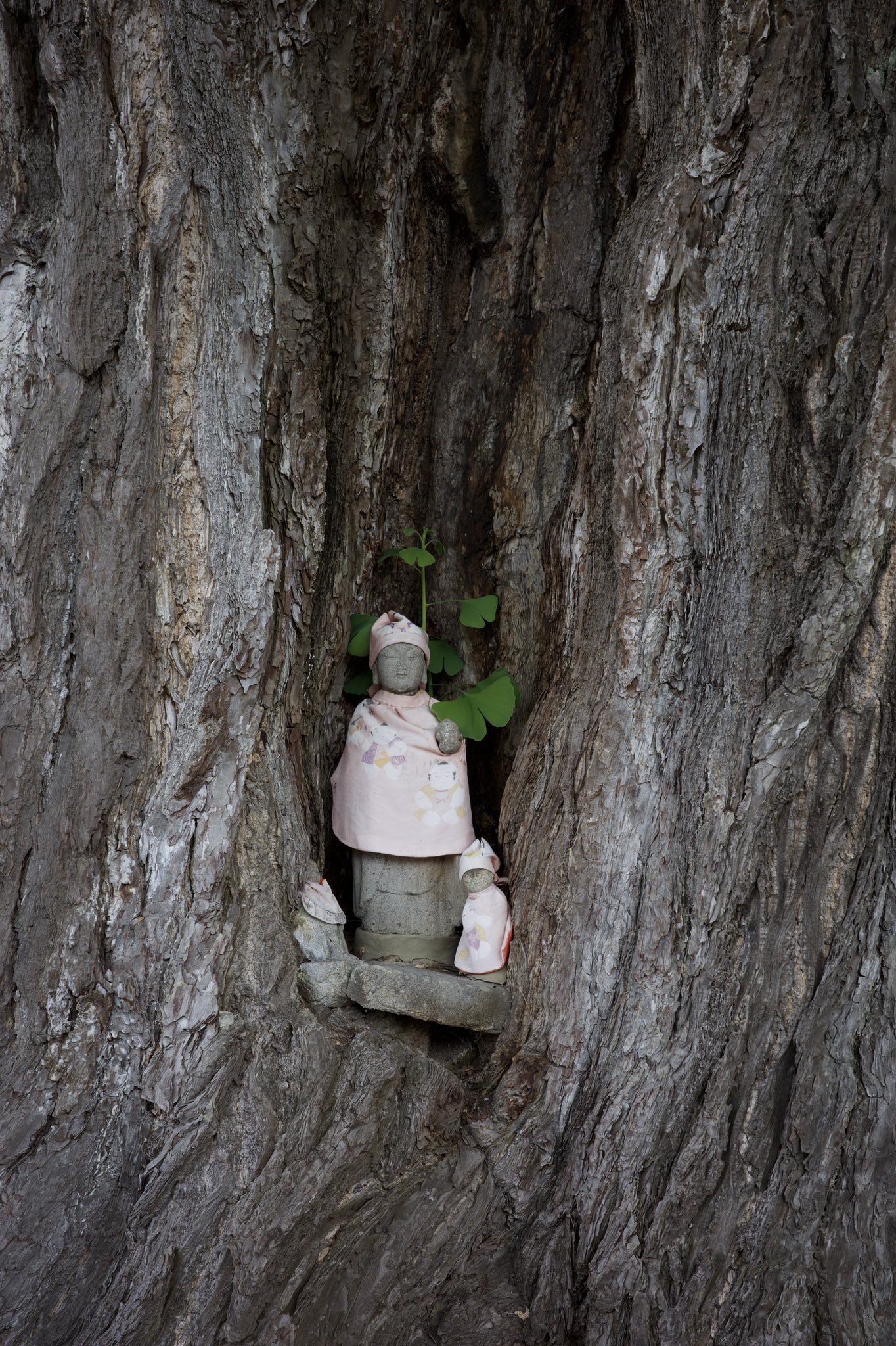
1000-year-old ginkgo at Tsurugaoka Hachimangū
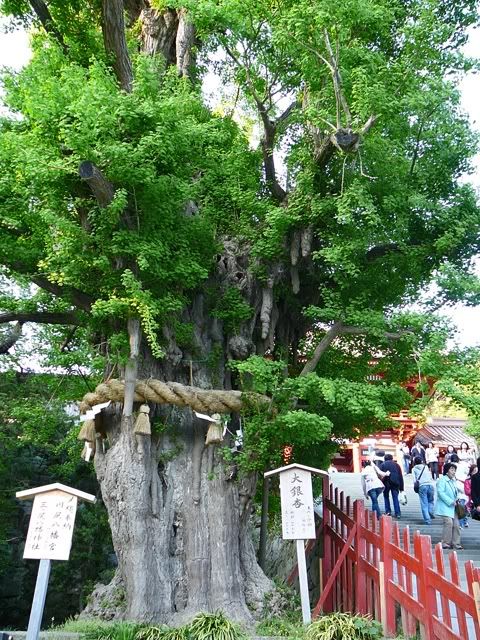
The ginkgo tree that stood next to Tsurugaoka Hachiman-gū's stone stairway approximately from the Shinto shrine's foundation in 1063, and which appears in almost every old depiction of the shrine, was blown down on 10 March 2010. The remaining roots of the tree were later seen to be sprouting vigorously. The shrine is in the city of Kamakura, Kanagawa Prefecture, Japan.
The tree was nicknamed kakure-ichō (hiding ginkgo), derived from an Edo period legend in which Minamoto no Sanetomo is assassinated on 13 February 1219 by his nephew, Kugyō, who had been hiding behind the tree. In fact ginkgos arrived from China in the 14th century, and a 1990 tree-ring measurement indicated the tree's age to be about 500 years.
-
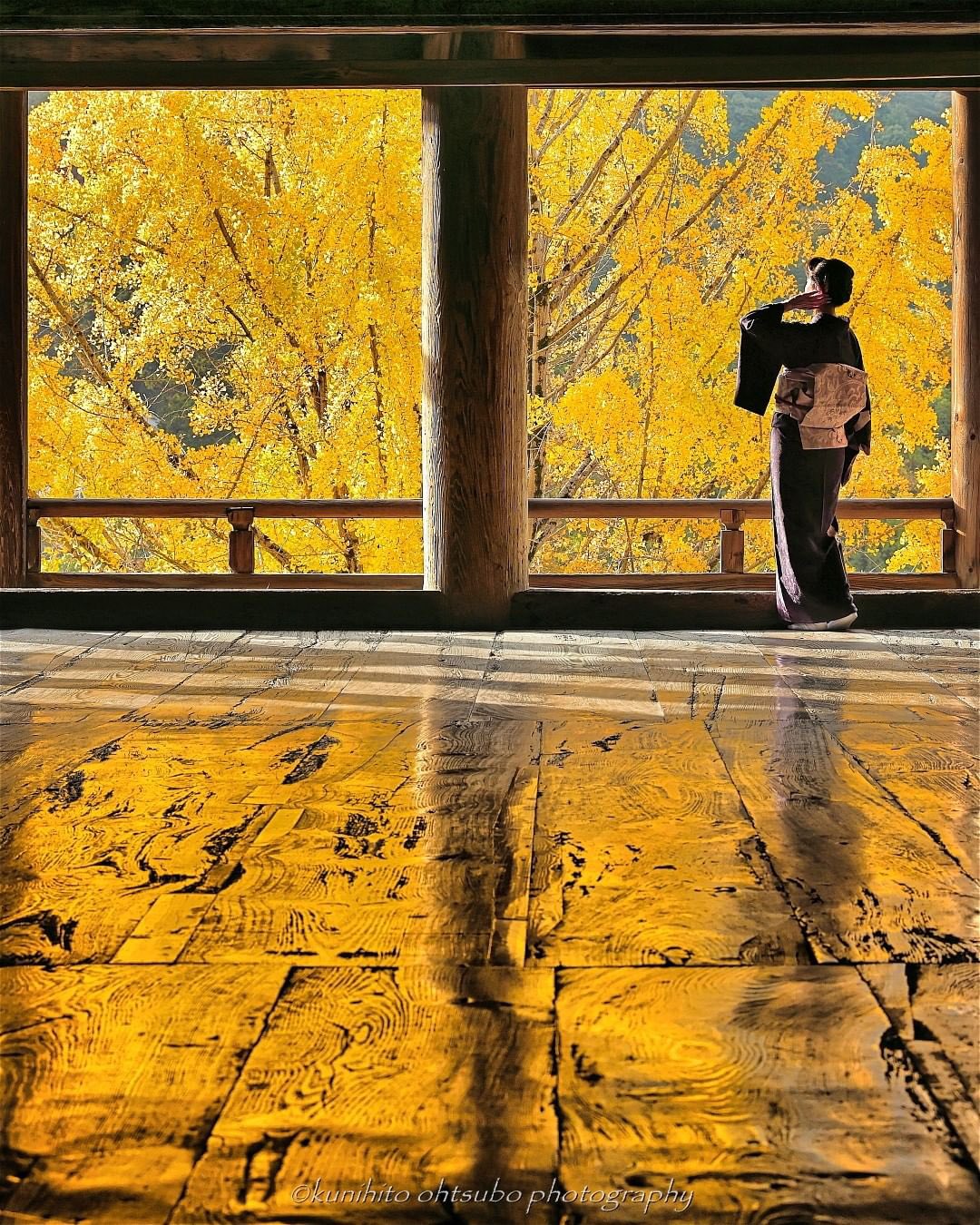
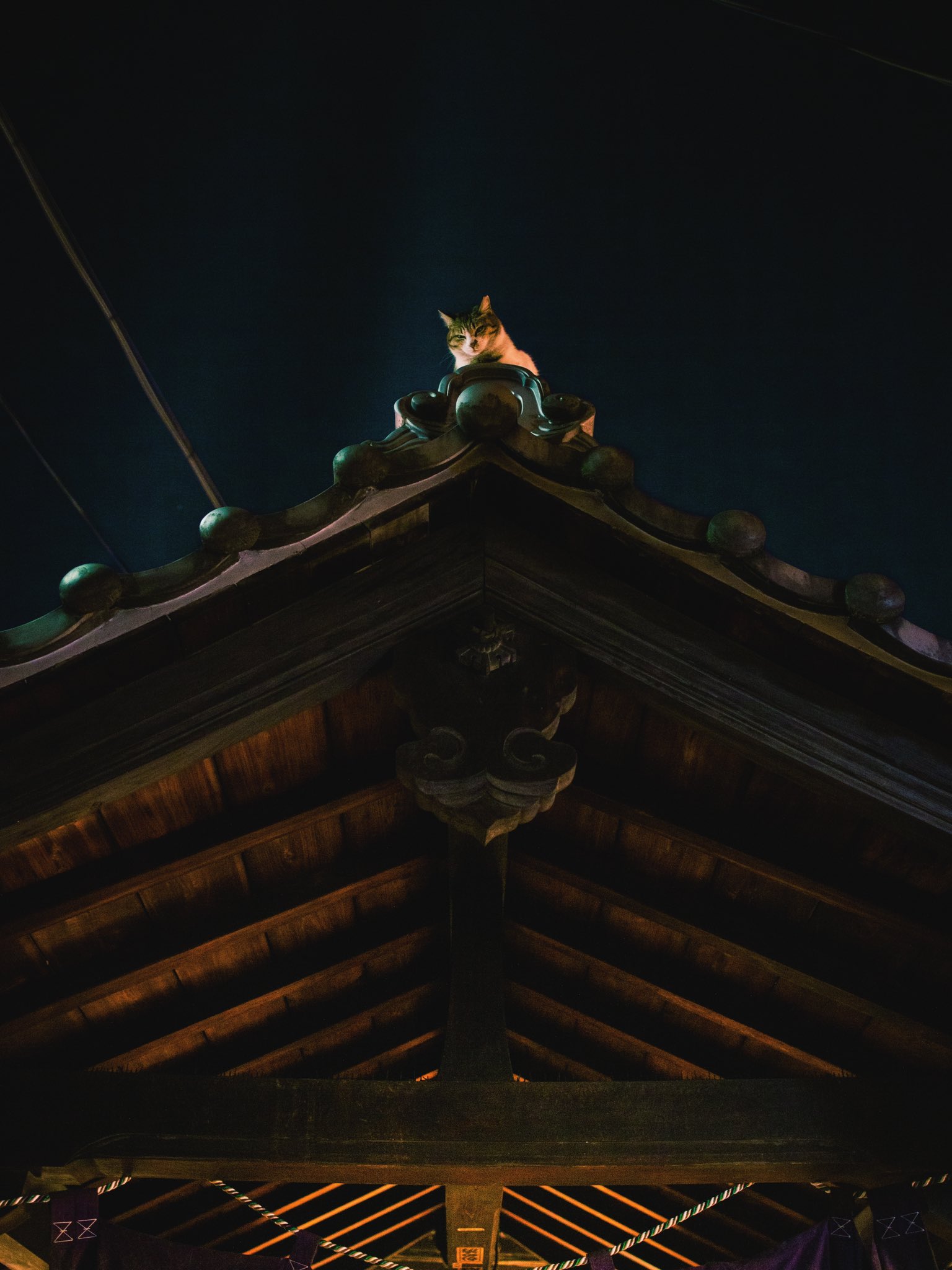
Senjoukaku is a shrine building in Hiroshima Prefecture. Construction halted suddenly in 1598, since the building consists of a single floor space, 1419m². The floor is 4" thick boards of camphor tree, never polished never repaired, worn to a mirror smoothness over the centuries.