tag > Mushroom
-
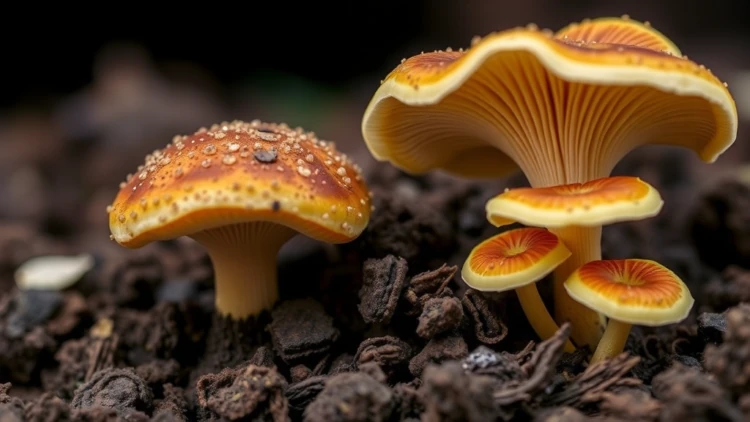
PsiloSoma Project
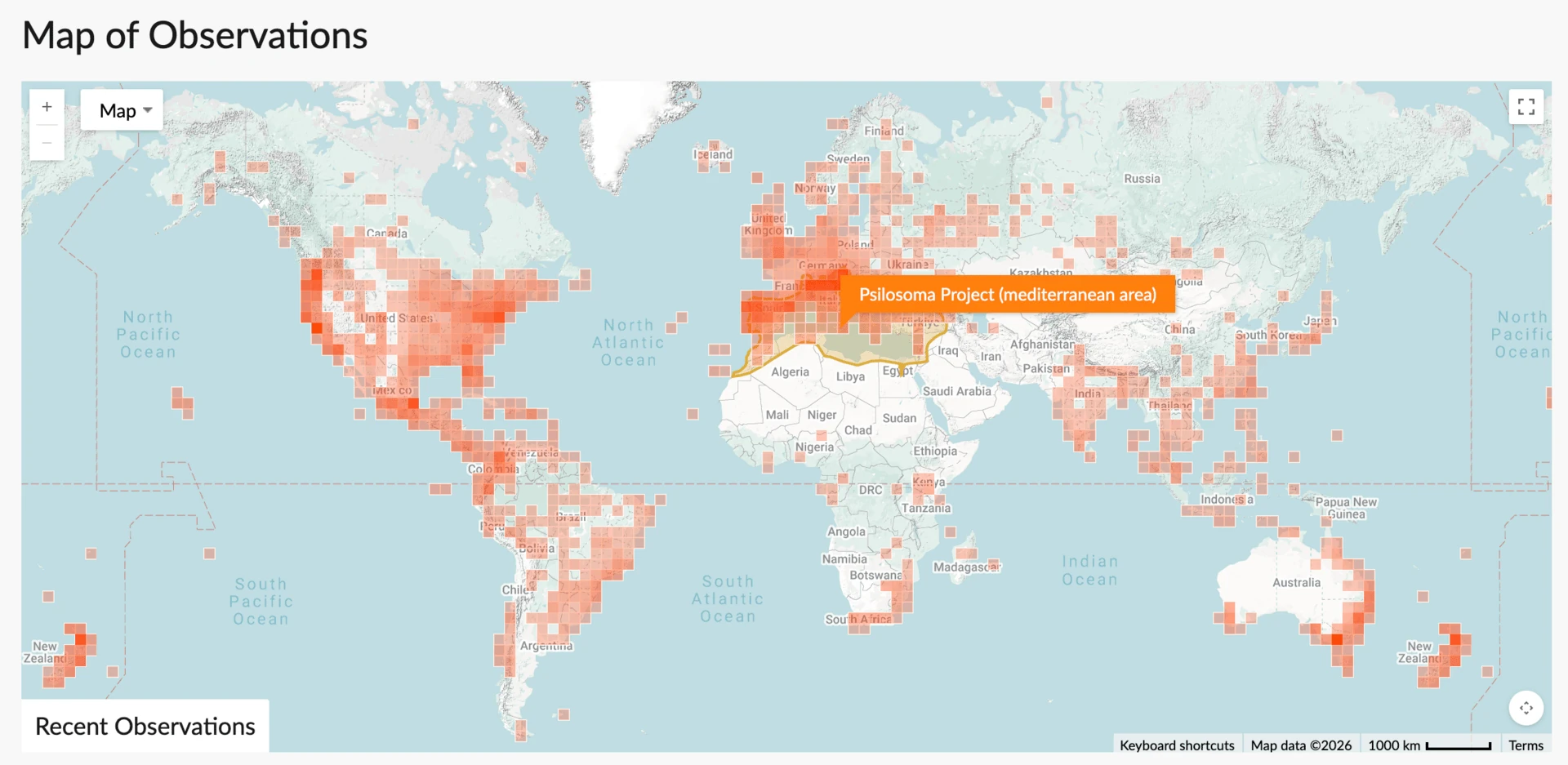
The PsiloSoma Project is a research endeavor aimed at documenting the global distribution of native magic mushroom species including local strains and uses in regions around the world.
-
Scientists hear mushroom 'thoughts' for very first time. There was one phrase they kept repeating..

-
A Super Mario 64 manga from 1996 suggests that 1-Up mushrooms grow from dead Marios in a cycle of life and death

-
Machine Learning for the Genetic Engineering of Fungal Secondary Metabolite Clusters: A Novel Framework for Alien Communication
The Search for Extraterrestrial Intelligence (SETI) has long scanned the skies for radio signals. But what if an advanced civilization's signature isn't a broadcast, but a biological program?
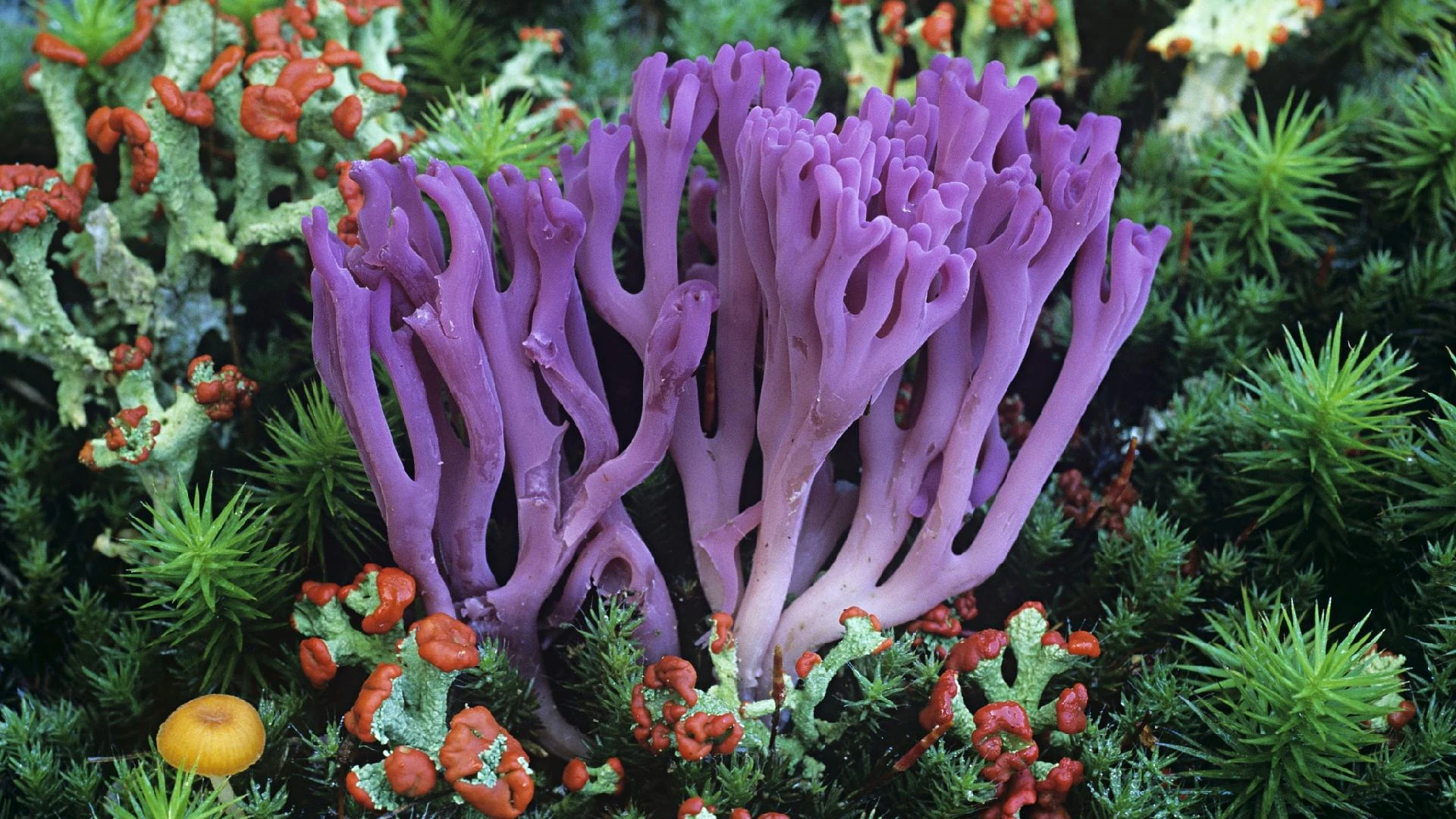
Hypothesis
Mastery over a planet's biology is the ultimate technology. Instead of fleeting electromagnetic waves, a persistent, self-replicating message could be encoded into the very blueprint of life - an engineered gene cluster in a hardy organism like a fungus, designed to survive deep space and seed itself on new worlds.
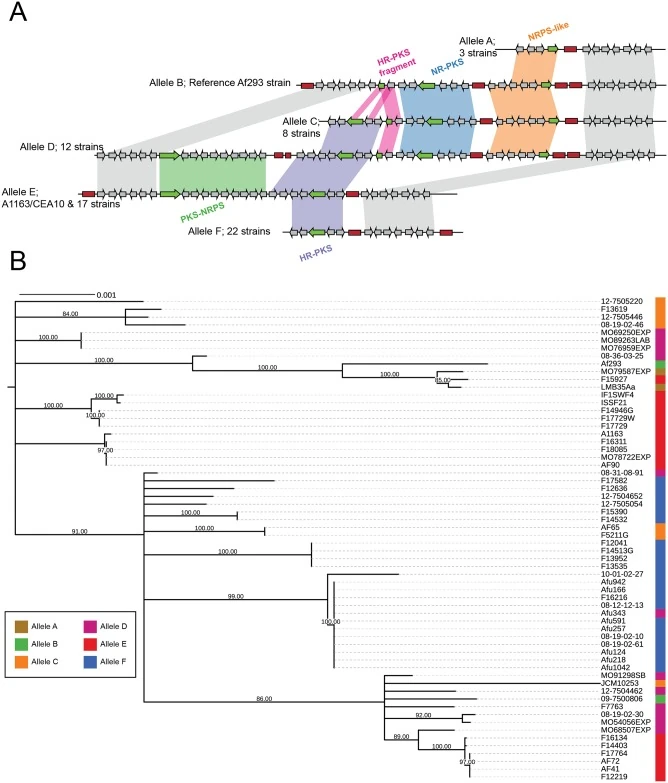
Fungal Gene Clusters: Nature's Data Cassette
Fungal secondary metabolite (SM) clusters are modular genetic programs. Enzymes like Polyketide Synthases (PKSs) are built from domains (A-T-C-KR-ER-ACP...) in a precise order. This sequence is a code. In theory, it could be repurposed. A non-functional, hyper-complex cluster discovered in a space-borne spore might not be for making a toxin - it could be a biochemical QR code, a message etched in DNA that can last for eons and travel between stars.
Machine Learning is the Decoder
Decoding such a message, however, would be impossible by eye. It would require advanced machine learning—trained on every known natural and engineered biological pattern—to first recognize the cluster as artificially designed, then reverse-engineer its domain sequence into a payload: an image, a mathematical constant, a map.
This isn't just speculation - it's a new lens for our own research. As we use AI to genetically engineer fungal SM clusters for new drugs and materials, we are learning to write and read this deep language of biology. We are developing the very tools needed to one day ask: Is this fungus from Earth, or is it a message in a bottle, waiting for a reader smart enough to understand it?
We're not just engineering fungi. We're building the translator for a conversation that may have already begun.

-
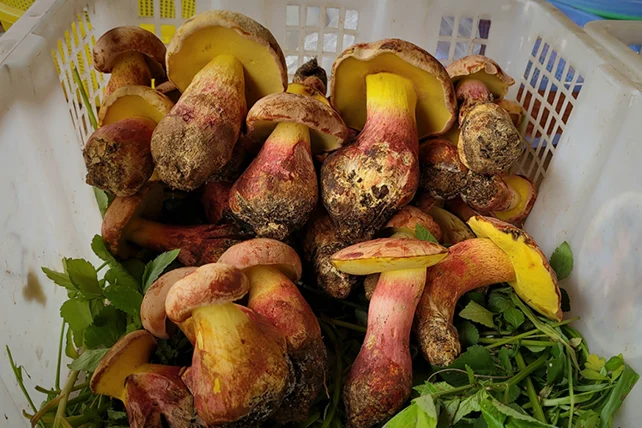
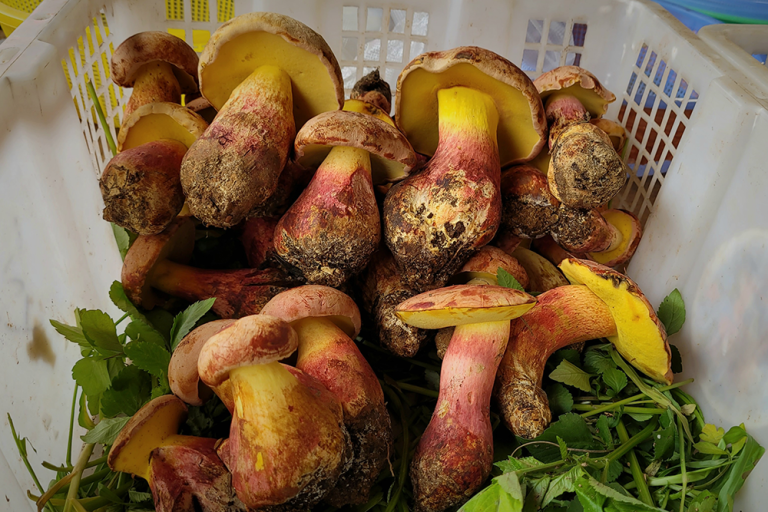
Lanmaoa asiatica - The Mushroom that makes you reliably see little people "hallucinations"
-
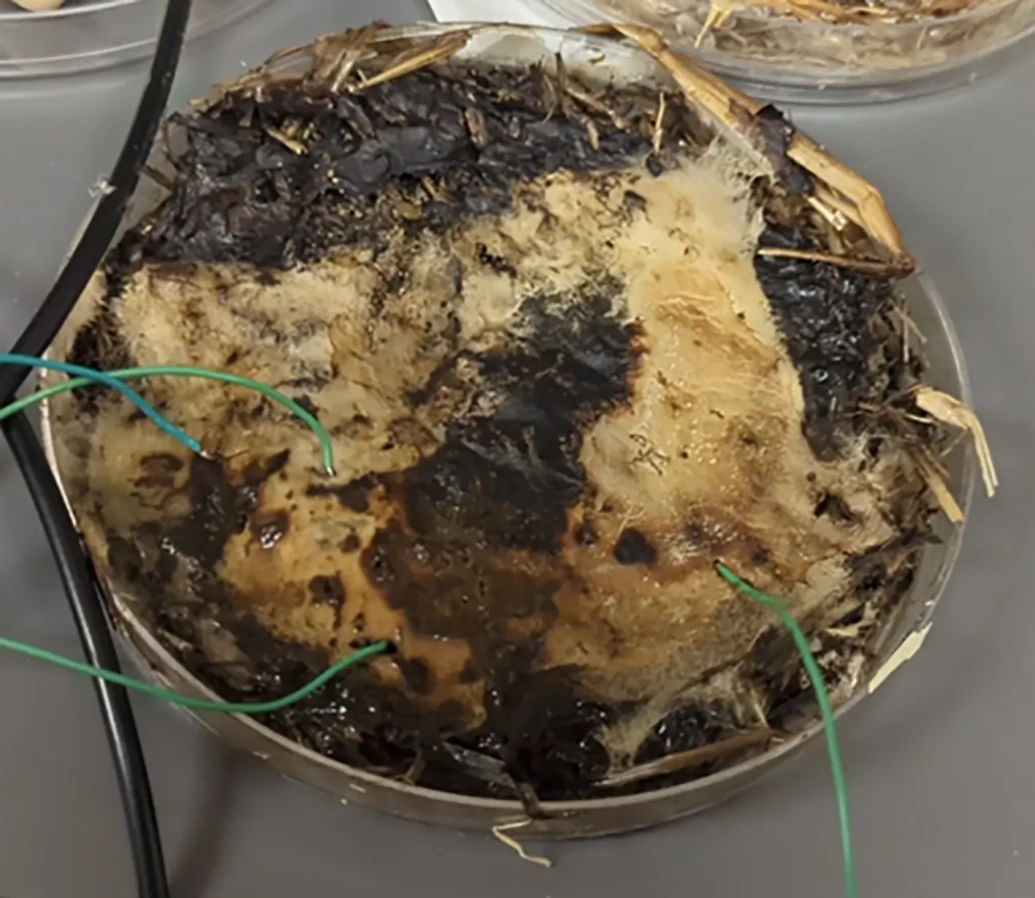
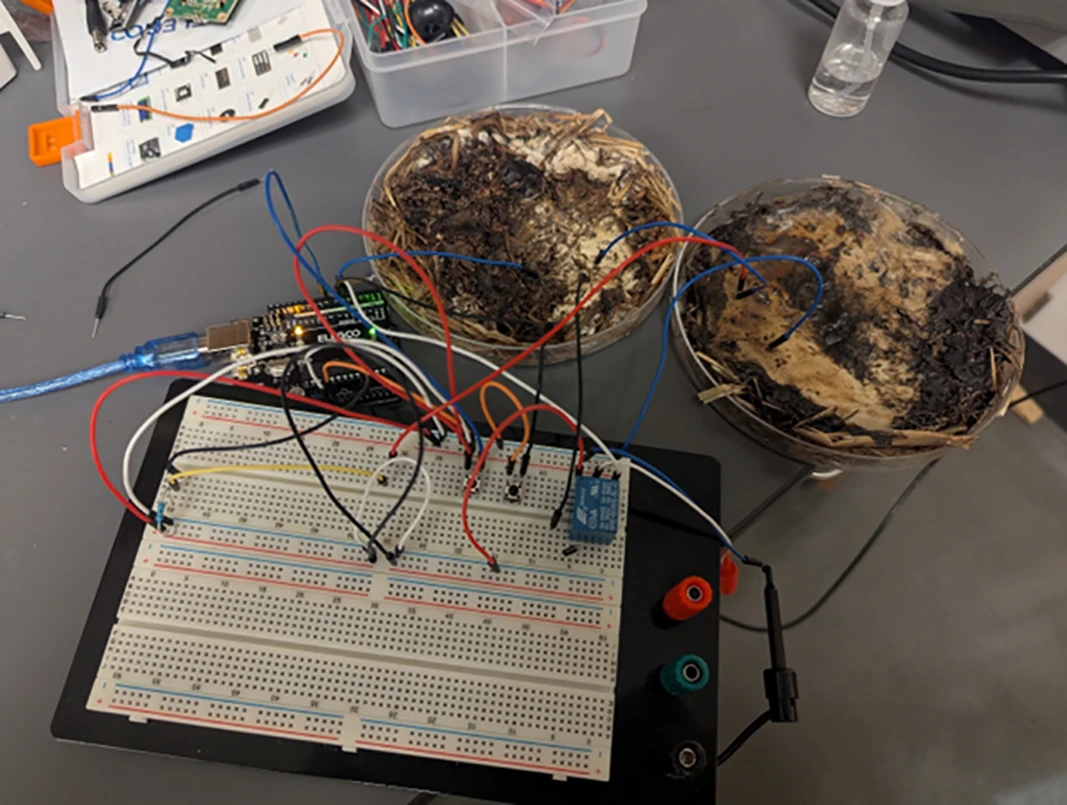
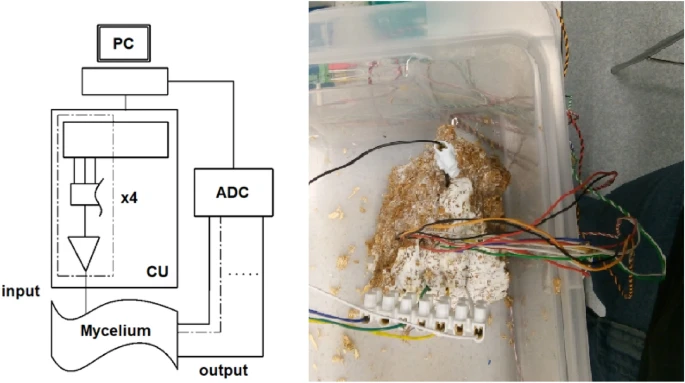
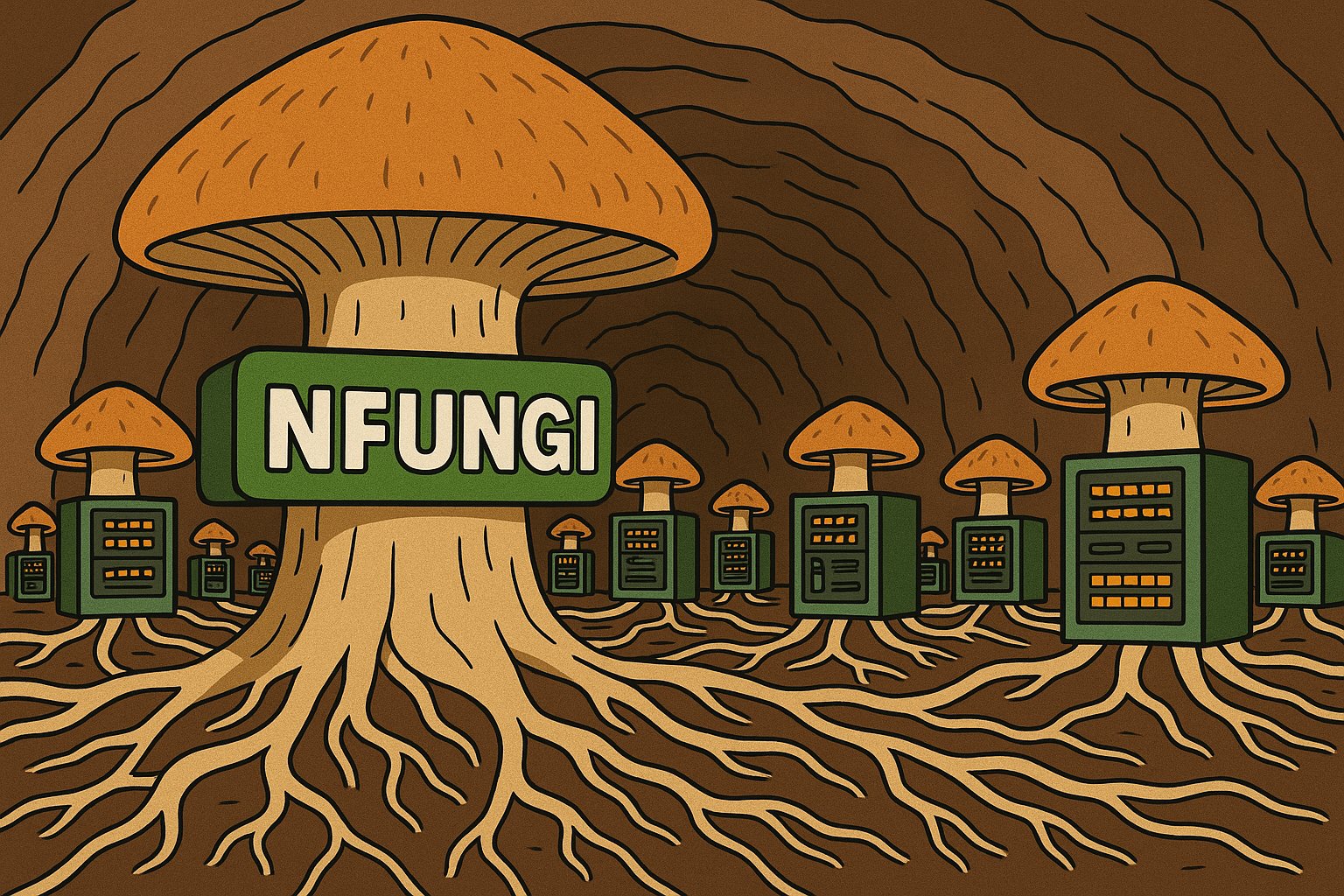
The datacenters of the future will be fungal: vast underground mycelial networks performing reservoir computation - infinitely more advanced and sustainable than today’s silicon monstrosities.
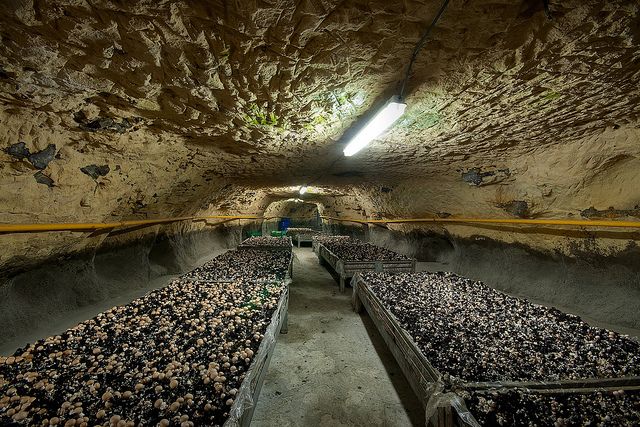
Tired: Nvidia - Wired: Nfungi
-
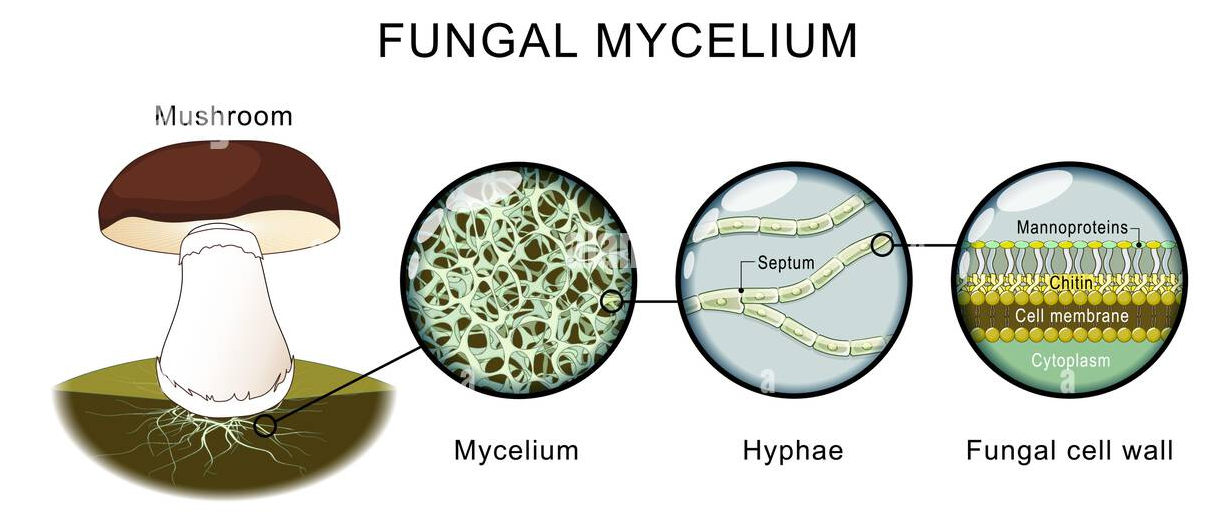
There are some six million different types of fungi worldwide, each of which has its own specific characteristics. We've just scratched the surface.
-
Oscillatory Mycelium - Overview
1. Oscillatory Growth:
- Hyphae, the thread-like filaments of fungi, don't grow at a constant rate. Instead, they exhibit oscillations in growth speed.
- These oscillations are thought to be related to changes in the hyphal tip, including the fusion of vesicles with the plasma membrane and dynamic changes in the cell wall's mechanical properties.
- These oscillations in growth are linked to fluctuations in turgor pressure, which is the pressure within the hyphal cell.
- Research has even shown that these growth oscillations can be synchronized between hyphae, preparing them for fusion, according to eLife.
2. Oscillatory Electrical Potential:
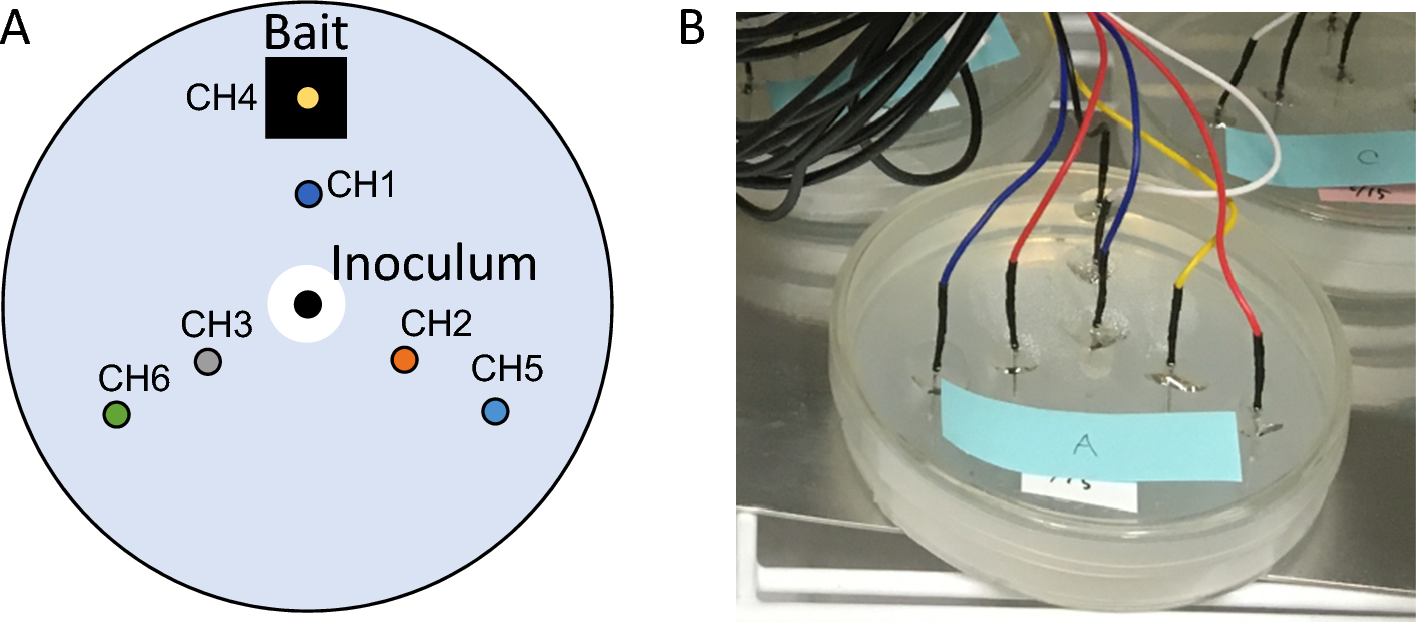
- Fungal mycelia can exhibit spontaneous electrical low-frequency oscillations (SELFOs).
- These oscillations have been detected throughout the mycelial network and may serve as a form of communication.
- One study even recorded a week-long electrical oscillation in the mycelium of a wood decay fungus, according to Tohoku University.
3. Oscillatory Pattern Formation:
- Some studies have shown that oscillations can contribute to the formation of patterns within the mycelial network.
- For example, the growth of mycelium on a substrate can lead to the emergence of spatially organized oscillatory domains.
4. Significance:
Understanding oscillatory mycelium can provide insights into how fungal mycelia communicate, coordinate growth, and respond to environmental stimuli.
It can also have implications for our understanding of fungal development, disease, and the use of mycelium in biotechnology.
Links:
https://pubmed.ncbi.nlm.nih.gov/29229585/
https://royalsocietypublishing.org/doi/10.1098/rsif.2024.0574
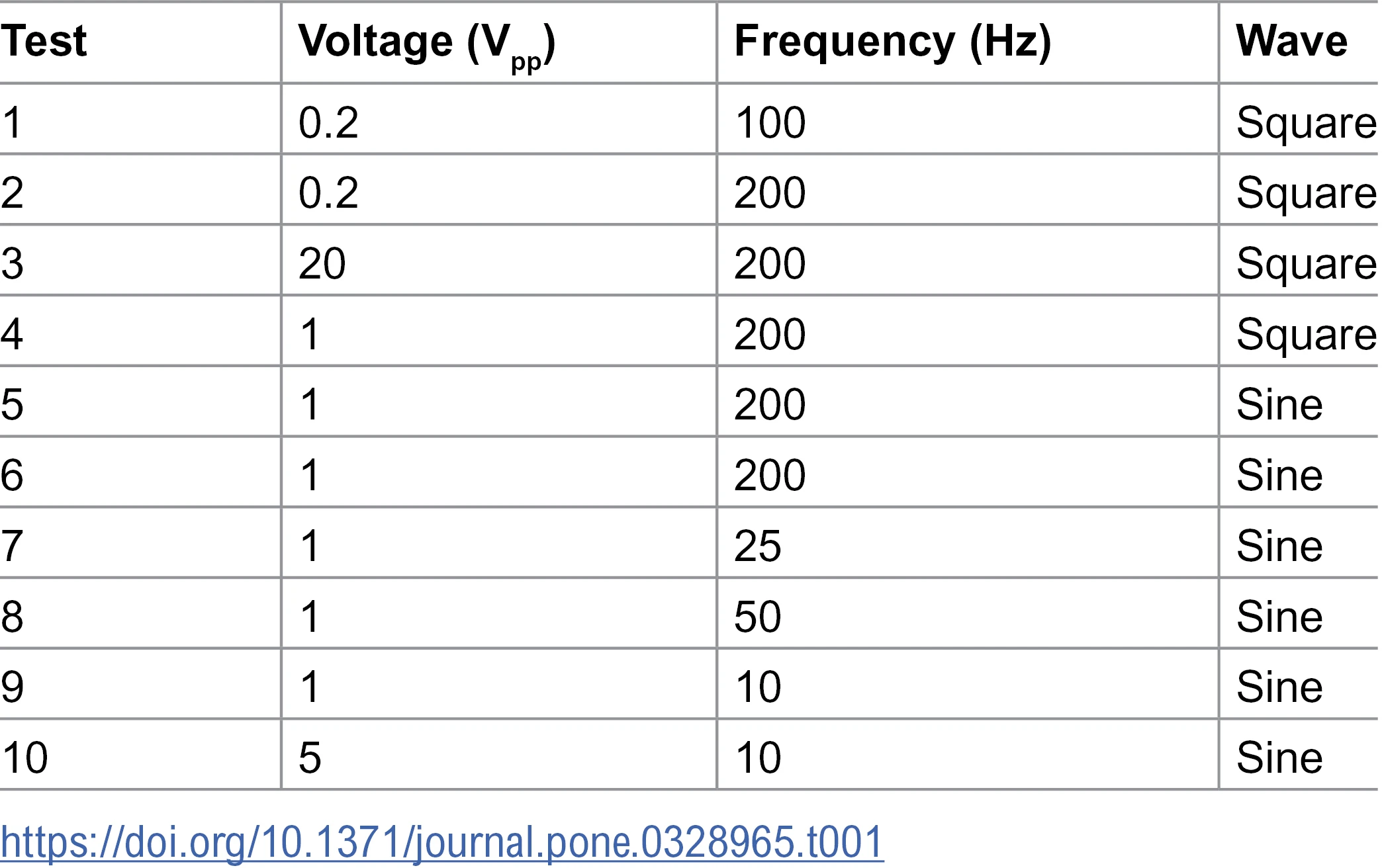
https://sciencedirect.com/science/article/pii/S0303264723001089
https://ieeexplore.ieee.org/document/10628662
-
The ancient Mushroom Sage appears only to those whose minds are ready to expand beyond ordinary perception. "I've watched civilizations rise and fall, yet humans still mistake my gifts for mere hallucinations," he whispers. The knowledge you seek isn't found in books, screens or AI—it grows silently beneath your feet, connecting all living things. Will you listen ? The forest has been patient... but time grows short.