-
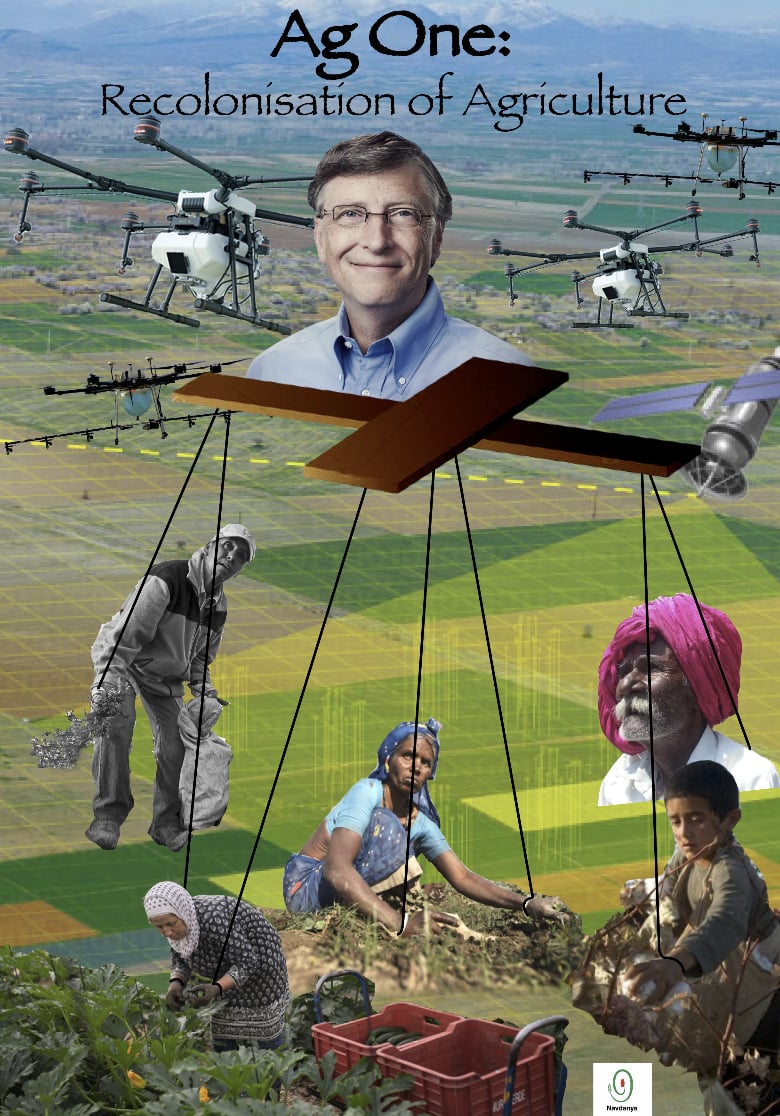
Ag One: Recolonisation of Agriculture (PDF)
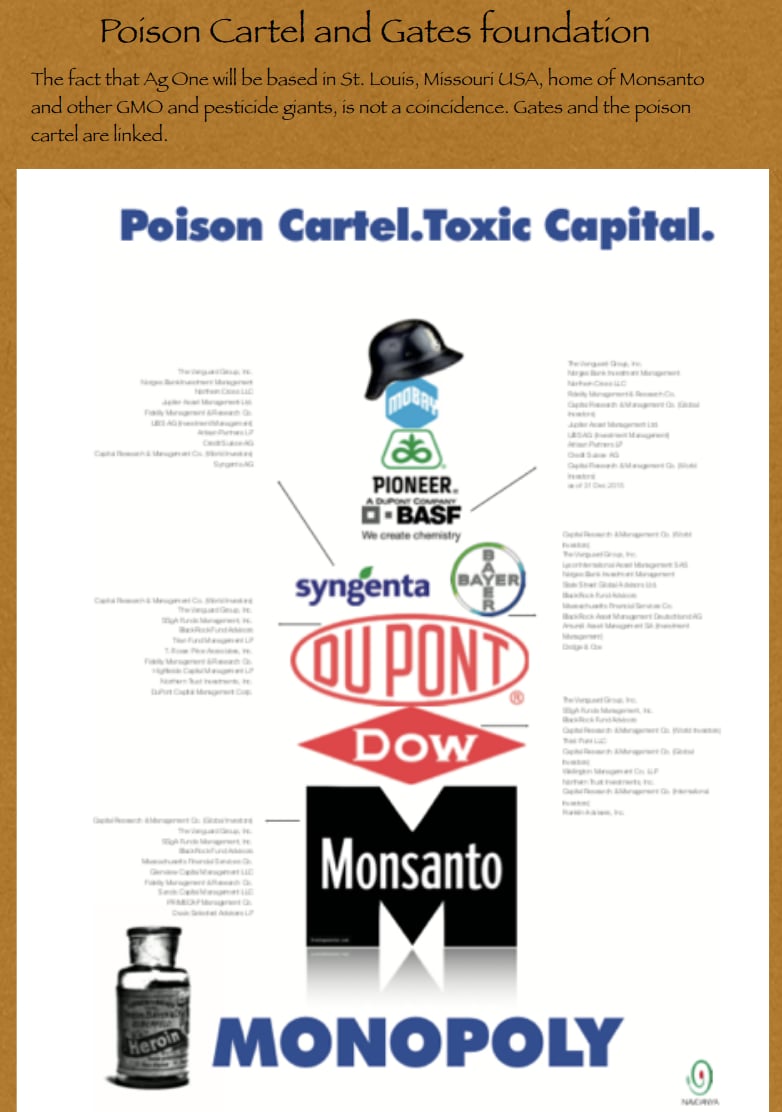
Bill Gates who became a billionaire through the deregulation of corporate globalisation is now leading the recolonization of Indian and African agriculture. Read our new report that unveils the real motives of Bill Gates.

-
Underwater Snail-o-Bot gets kick from light
Researchers at the Max Planck Institute for Intelligent Systems in Stuttgart in cooperation with Tampere University in Finland developed a gel-like robot inspired by sea slugs and snails they are able to steer with light. Much like the soft body of these aquatic invertebrates, the bioinspired robot is able to deform easily inside water when exposed to this energy source. Due to specifically aligned molecules of liquid crystal gels – its building material – and illumination of specific parts of the robot, it is able to crawl, walk, jump, and swim inside water. The scientists see their research project as an inspiration for other roboticists who struggle to design untethered soft robots that are able to move freely in a fluidic environment. Such inventions could one day play a pivotal role in the research field of minimally-invasive robotic medical applications. In the video: the top left panel represents crawling with 2X speed; the middle left represents walking with 2X speed, bottom left represents jumping with 2X speed, and the right panel represents swimming with 1X speed.
-
Uber and Lyft generate 70 percent more pollution than trips they displace: study
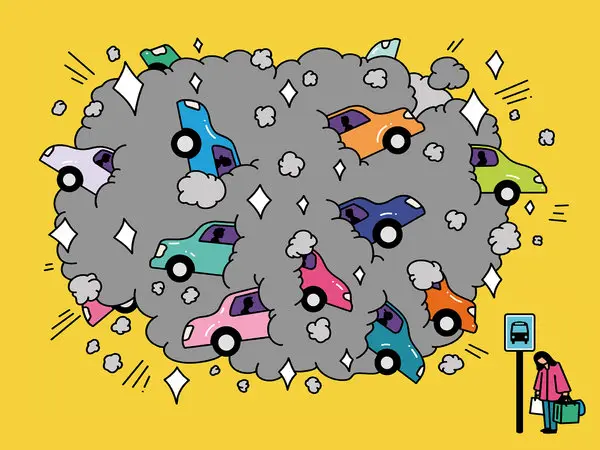
According to the Union of Concerned Scientists, ride-hailing trips today result in an estimated 69% more climate pollution on average than the trips they displace. In cities, ride-hailing trips typically displace low-carbon trips, such as public transportation, biking, or walking. Uber and Lyft could reduce these emissions with a more concerted effort to electrify its fleet of vehicles or by incentivizing customers to take pooled rides, the group recommends.
Uber Adding To Air Pollution In Europe - Report
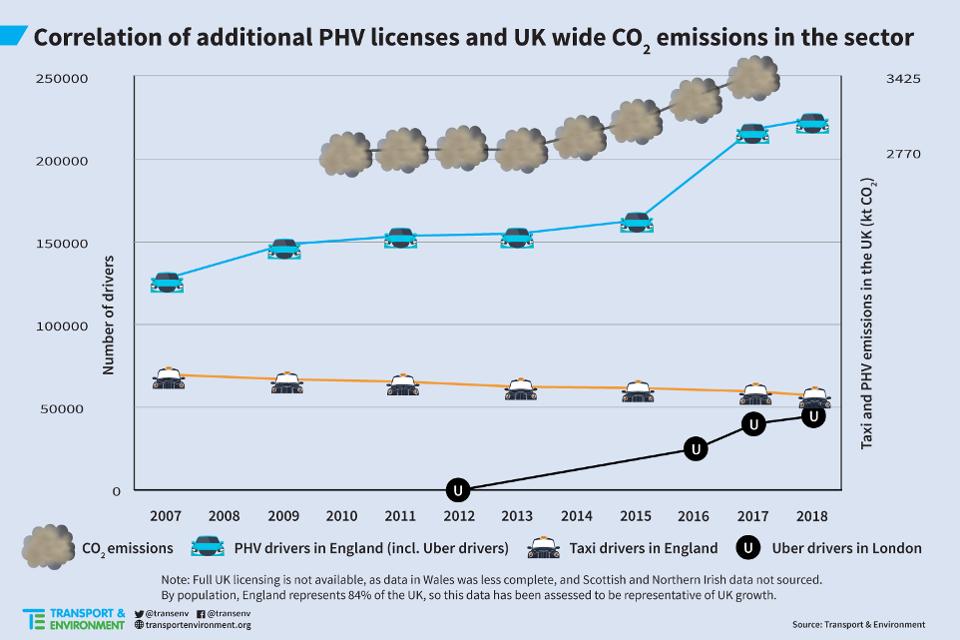
The report suggests the surge in taxi apps like Uber is actually contributing to air pollution and climate change. Data compiled by Euromonitor shows a correlation between the surge in the number of ride-share drivers in major European cities and increasing levels of air pollution.
-
New study shows the effects of obesity mirror those of aging
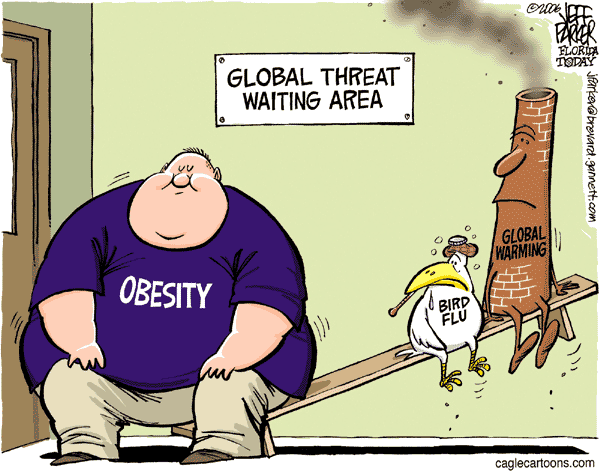
Globally, an estimated 1.9 billion adults and 380 million children are overweight or obese. In their paper published in Obesity Reviews, the researchers argue that obesity should be considered premature aging. They look at how obesity predisposes people to acquiring the kinds of life-threatening diseases normally seen in older individuals: compromised genomes, weakened immune systems, decreased cognition, type 2 diabetes, Alzheimer’s disease, cardiovascular disease, cancer and other illnesses.
-
Scientists Find The First-Ever Animal That Doesn't Need Oxygen to Survive
Scientists have just discovered that a jellyfish-like parasite doesn't have a mitochondrial genome - the first multicellular organism known to have this absence. That means it doesn't breathe; in fact, it lives its life completely free of oxygen dependency.
-
Things I Learned From Five Years in Climate Tech - by Evan Meagher
Over the past five years, I’ve worked at two startups in what is now being called the climate tech sector1. Given the recent surge in interest in this space, I thought it would be worthwhile to record a handful of lessons that I’ve learned from this experience. These lessons span business strategy and the realities of the electric utility industry.
-
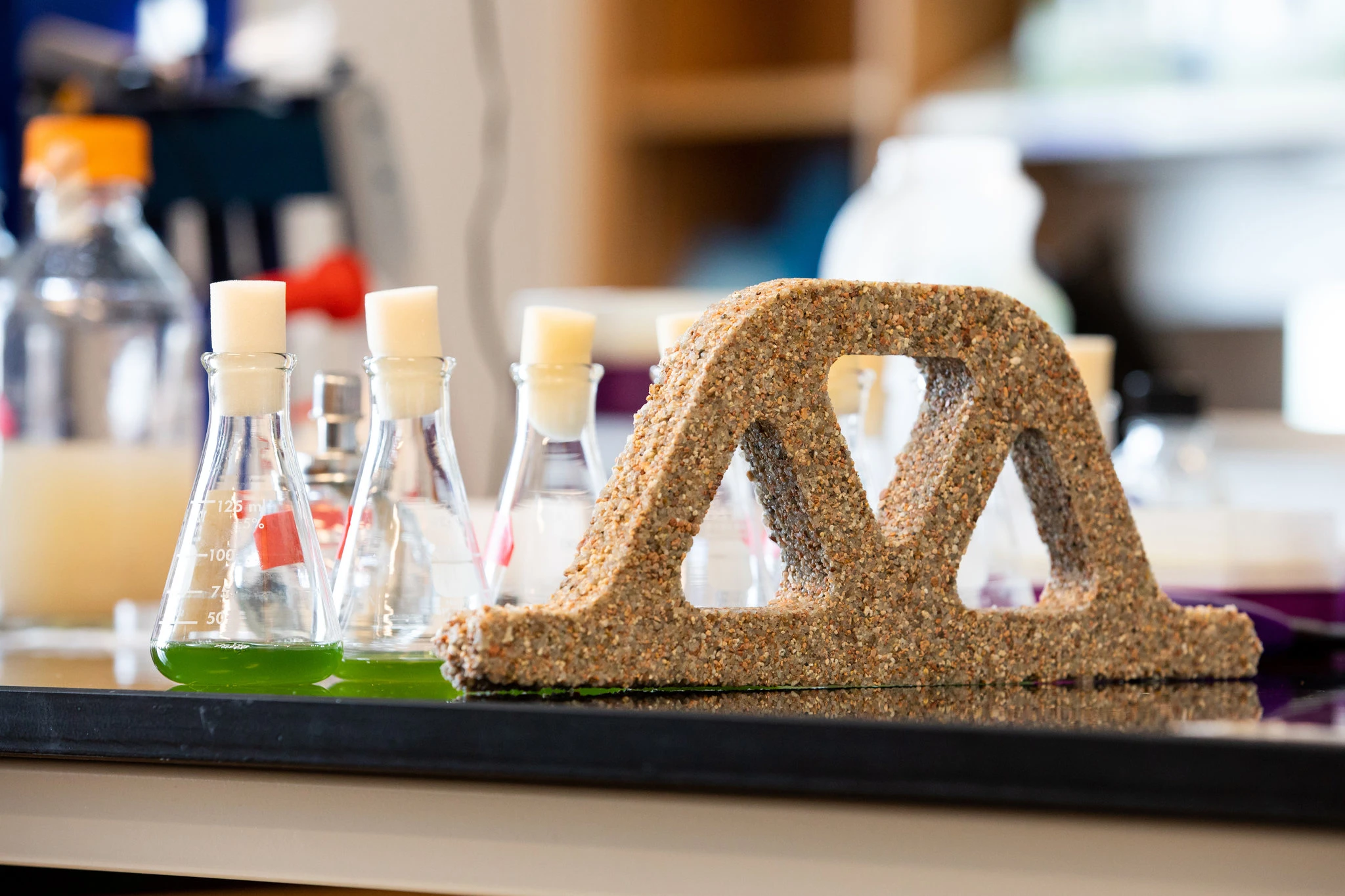
Bricks Alive! Scientists Create Living Concrete (nytimes)
“A Frankenstein material” is teeming with — and ultimately made by — photosynthetic microbes. And it can reproduce.
-
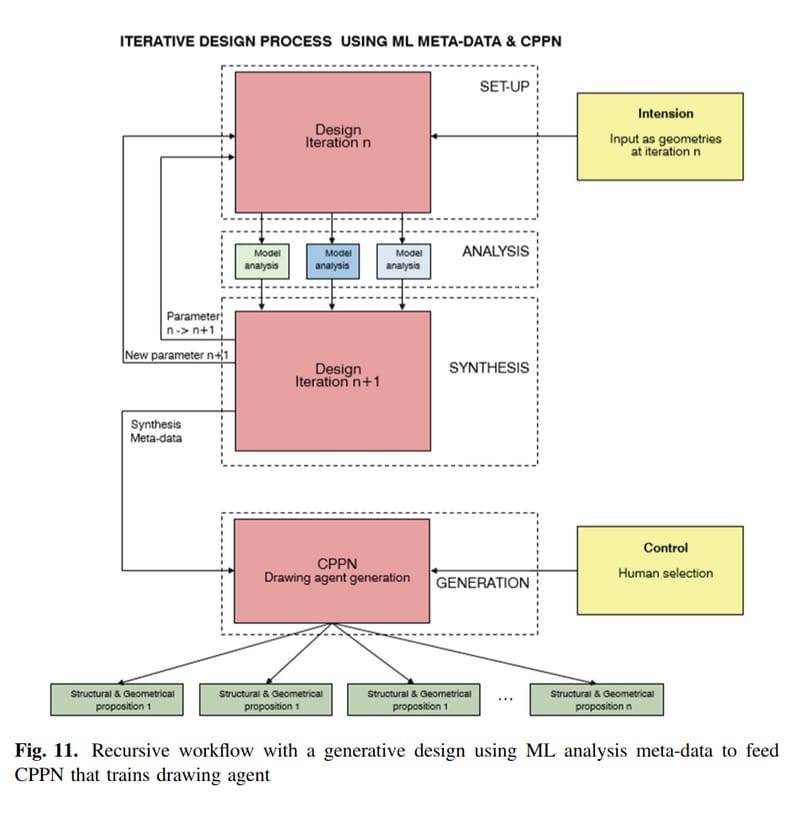
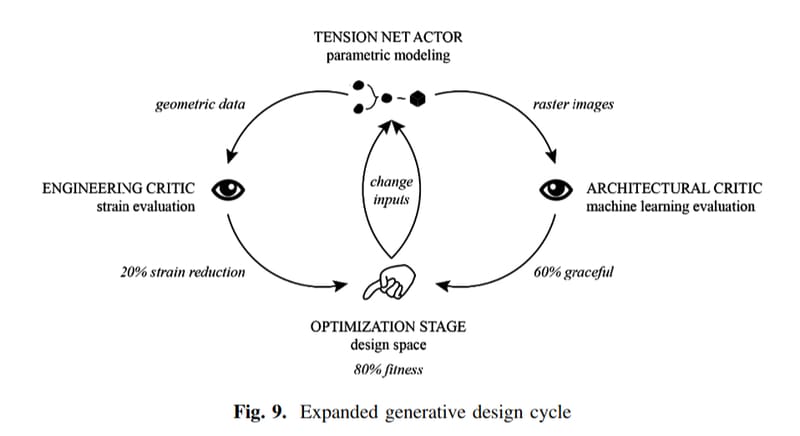
The Difference Between Computational Design vs. Generative Design vs. Parametricism
The Future of BIM Is NOT BIM And Its Coming Faster Than You Think - The Sequel
Is GENERATIVE DESIGN the future of architecture?
My MASTERTHESIS on Generative Design
Danish AM Hub Talks: Bastian Schaefer (Airbus) and David Benjamin (Autodesk) (2019)
-
Wearing a mask won’t stop facial recognition anymore (SCMP)
The coronavirus is prompting facial recognition companies to develop solutions for those with partially covered faces
-
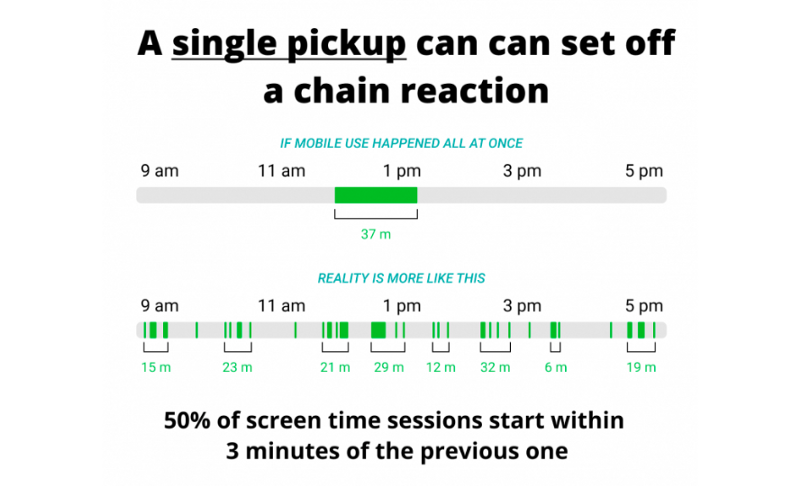
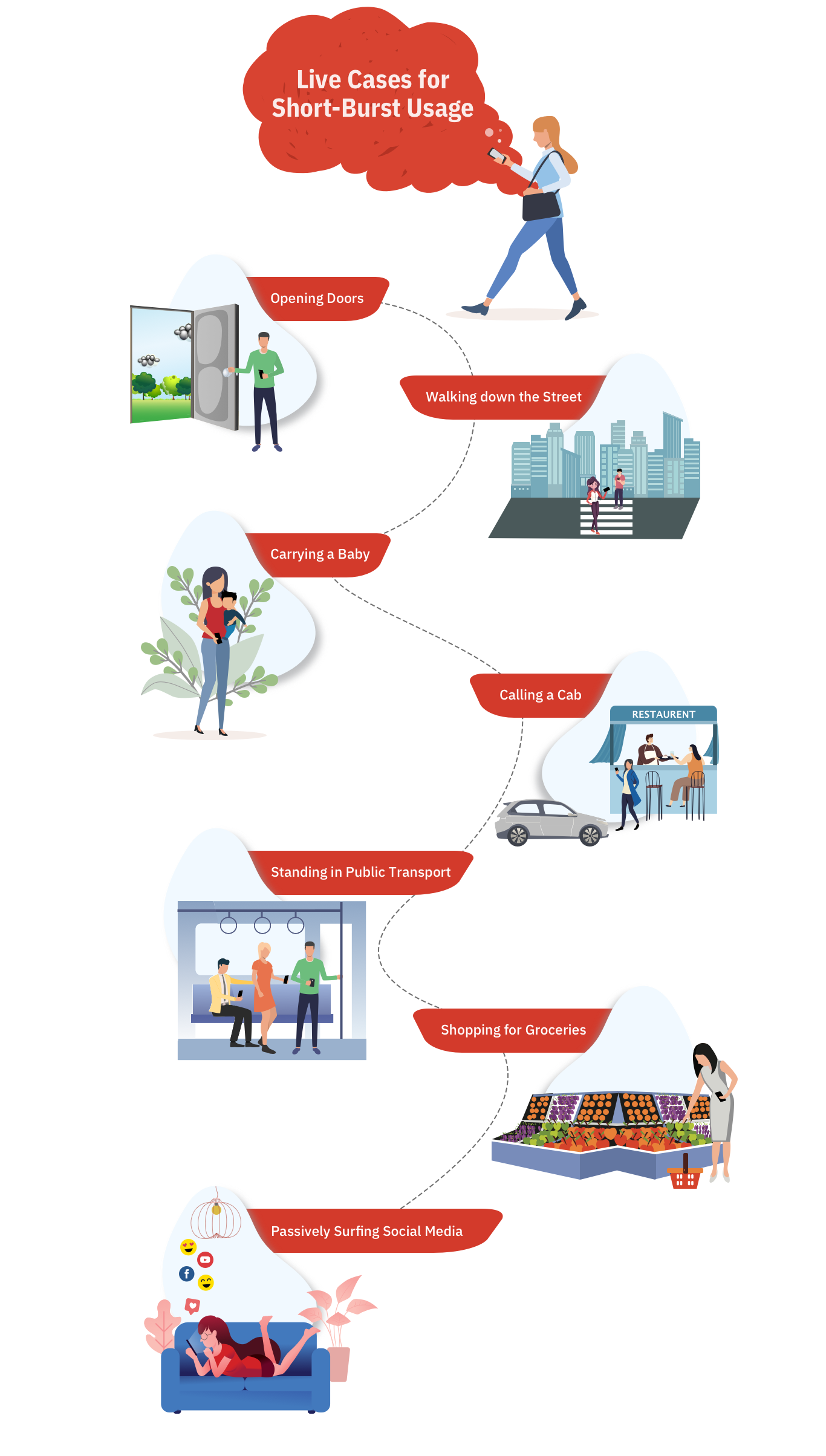
Addiction Patterns: 50% of screen time (on mobile) sessions start within 3min of the previous one.
via https://www.smashingmagazine.com/2020/02/design-mobile-apps-one-hand-usage/
-
Leaked Reports Show EU Police Are Planning a Pan-European Network of Facial Recognition Databases (The Intercept)
European police have long had access to fingerprint and DNA databases throughout the 27 countries of the EU and, in certain cases, the US. But soon, that investigator may be able to also search a network of police face databases spanning the whole of EU and the U.S.
The Global Expansion of AI Surveillance (Carnegie)
A growing number of states are deploying advanced AI surveillance tools to monitor, track & surveil citizens. Carnegie’s new index explores how different countries are going about this.
-
Scientists Built a Genius Device That Generates Electricity 'Out of Thin Air'

This unusual microbe, belonging to the Geobacter genus, was first noted for its ability to produce magnetite in the absence of oxygen, but with time scientists found it could make other things too, like bacterial nanowires that conduct electricity. For years, researchers have been trying to figure out ways to usefully exploit that natural gift, and they might have just hit pay-dirt with a device they're calling the Air-gen. According to the team, their device can create electricity out of… well, almost nothing.
-
Recent #Science News. May you live in interesting times...
- New NASA Photos From Antarctica Reveal Shocking Levels of Ice Melt
- Representing 500 Million Citizens, The EP Officially Declares a Climate Emergency
- Scientists Have Created Bionic Jellyfish And Successfully Controlled Their Movements
- Scientists Have Discovered a Brand New Electronic State of Matter
- Crystals Have Been Used to Generate Truly Random Numbers For The Very First Time
- Scientists Warn That We Must Prepare For The Next Global Viral Outbreak Now
- Scientists Find a Wild Salamander That Hasn't Moved From Its Spot For 7 Years
-
Coronavirus cuts China’s greenhouse gas emissions by a quarter

Reducing industrial working hours and keeping construction sites and shops closed has curbed the use of coal and cut output of steel products in the country, which produces about 27% of global greenhouse gases. Output of key steel products are at their lowest level for five years, and domestic flights have fallen by up to 70% in a month. The measures have also led to a drop of 36% in levels of nitrogen dioxide air pollution over China, according to analysis by climate science website Carbon Brief. Overall, the changes in Chinese society have caused a 40% plunge in output across key industrial sectors, according to the study, which was based on official statistics.