tag > Art
-
The Centennial Paradox — We're Living in Fritz Lang's Metropolis
In 1927, Fritz Lang released Metropolis — a vision of the distant future. As the film's centennial approaches in 2027, here's the uncomfortable truth about prediction, progress, and the paradox of visionary imagination.
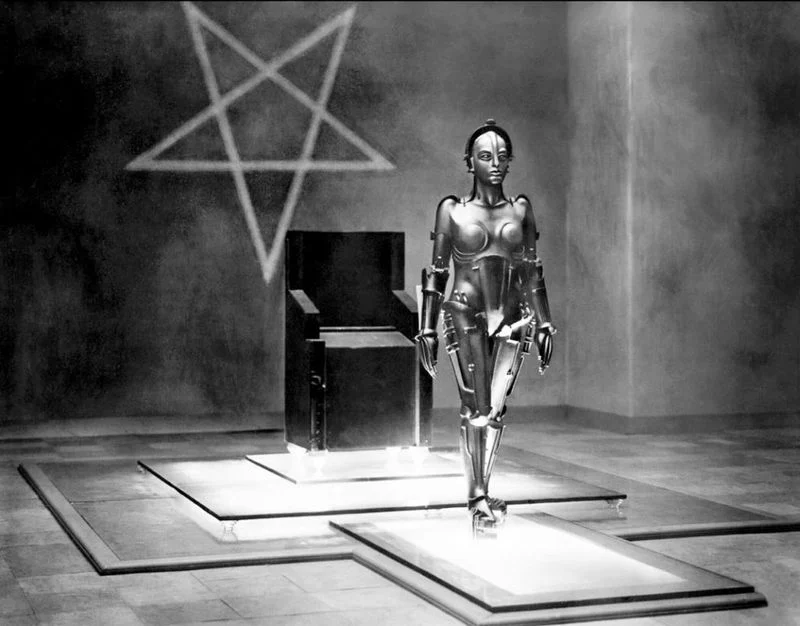
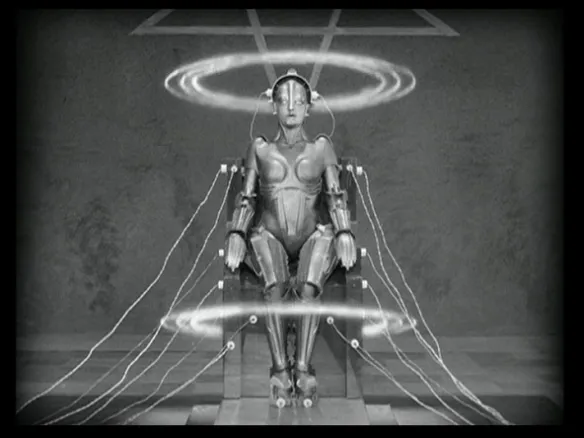
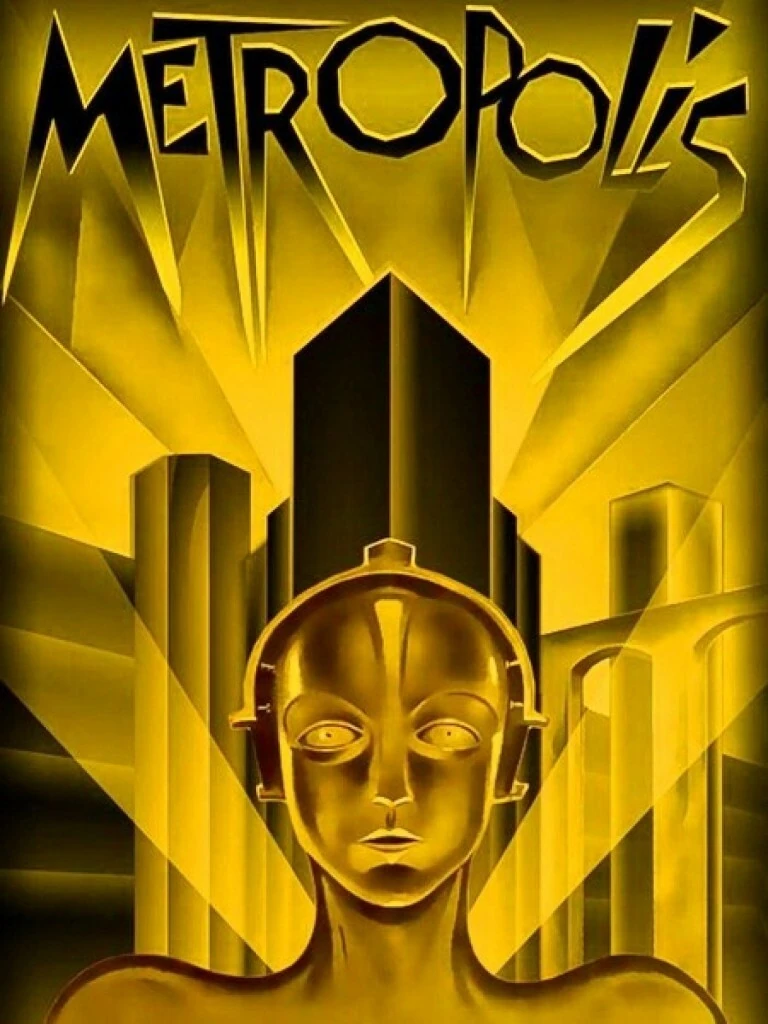
Metropolis (1927) — Lang's vision of the future, created 99 years ago.
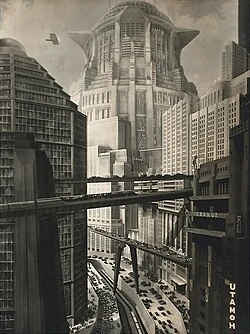
Lang got the surface wrong. No flying cars. No Art Deco mega-towers. No physical robots walking among us. The workers in his underground city maintained the machines — ours have been replaced by them.
But strip away the aesthetics and look at what he actually saw: machines that imitate humans and deceive the masses; a stratified world where the workers are invisible to those above; technology as both liberation and cage; the city as an organism that feeds on its inhabitants.
The surface predictions failed. The deeper ones were prophetic.
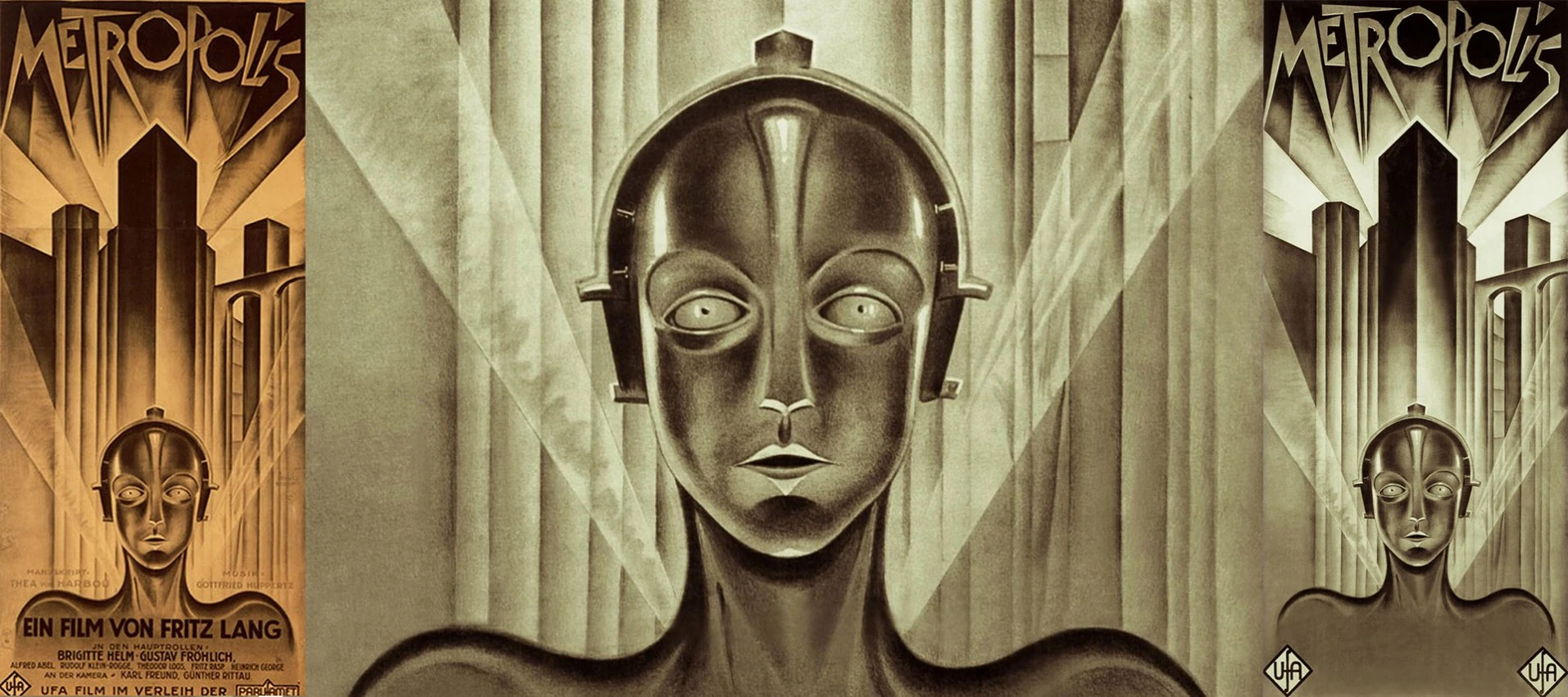
The Centennial Paradox
Here's what's truly strange:
We now have AI that could execute Metropolis in an afternoon — but couldn't have imagined it.
GPT-5.2 can generate a screenplay in Lang's style. Sora can render his cityscapes. Suno can compose a score. A single person with the right prompts could remake Metropolis in 2026.
But no LLM in 1927 — had such a thing existed — would have invented Metropolis. The vision came from somewhere our models cannot reach: the integration of Weimar anxiety, Expressionist aesthetics, Thea von Harbou's mysticism, and Lang's obsessive perfectionism.
This is the centennial paradox:
The more capable our tools become at execution, the more valuable becomes the rare capacity for vision. AI amplifies everything except the spark that says "what if the future looked like this?"
What Lang Actually Predicted
Strip away the flying cars. Ignore the costumes. Here's what he saw:
1. The Mediator Problem
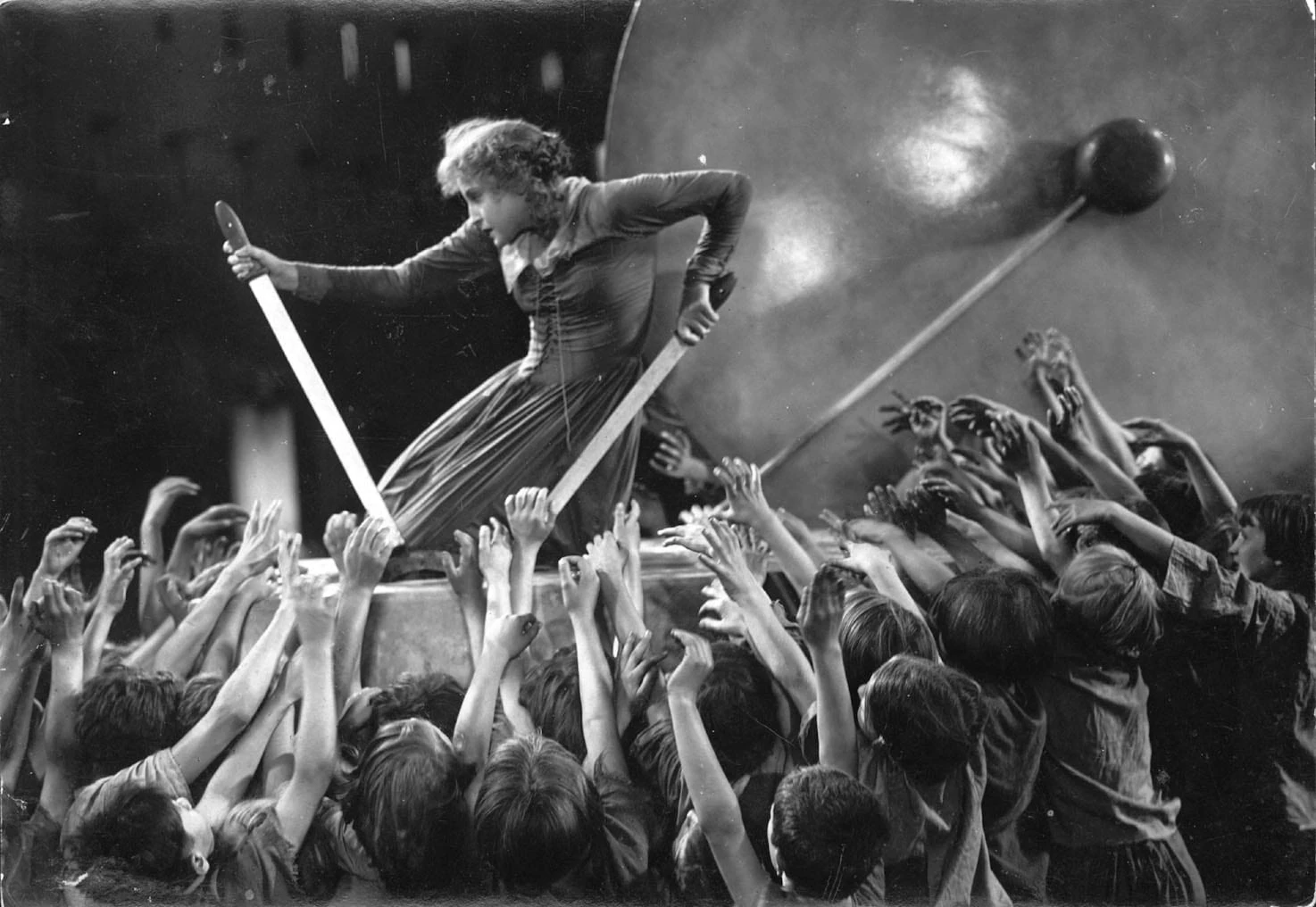
The film's famous line: "The mediator between head and hands must be the heart." This is often dismissed as sentimental. But look around: we have more "heads" (AI systems, executives, algorithms) and more "hands" (gig workers, content creators, mechanical turks) than ever. What we lack is the heart — the integrating force that makes the system serve human flourishing.
2. False Maria
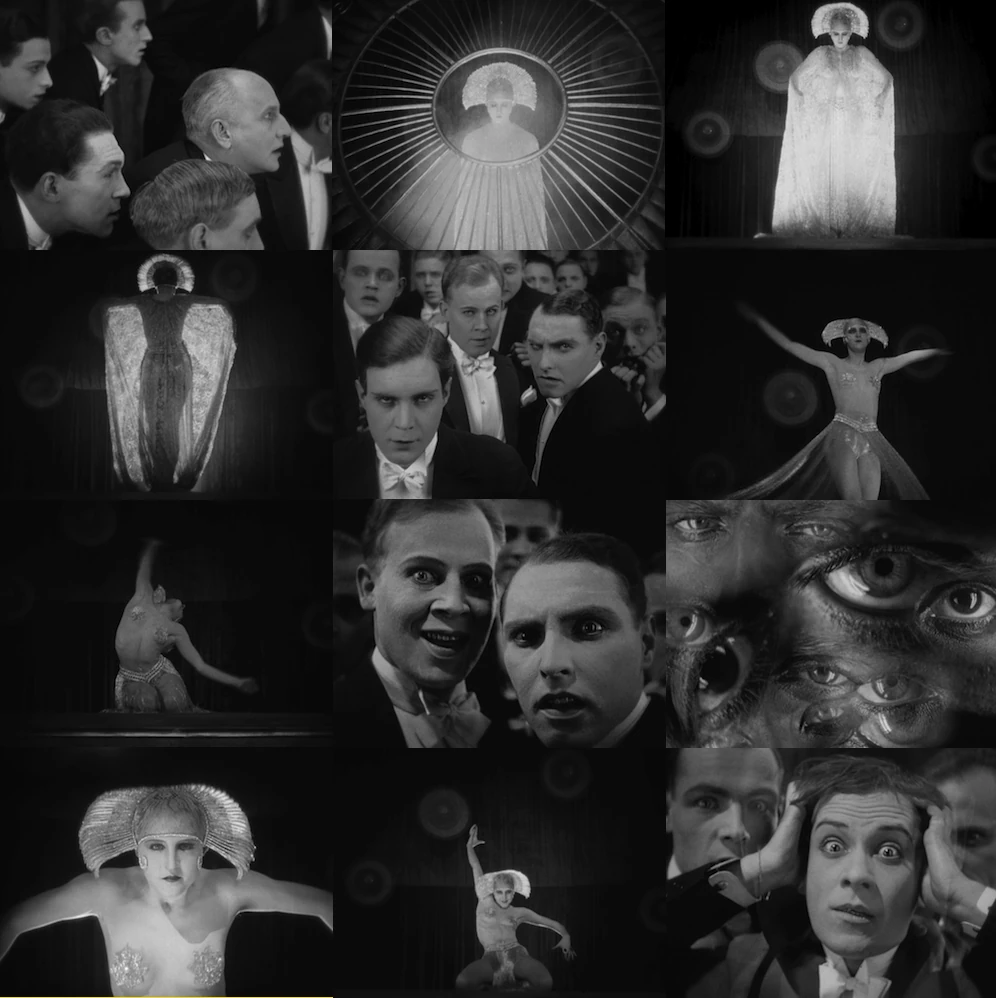
A machine that perfectly imitates a human and leads the masses to destruction. Lang didn't imagine chatbots. He imagined something worse: perfect mimicry in service of manipulation. Deepfakes, AI influencers, synthetic media — False Maria is everywhere in 2026.
3. The Machine as Moloch
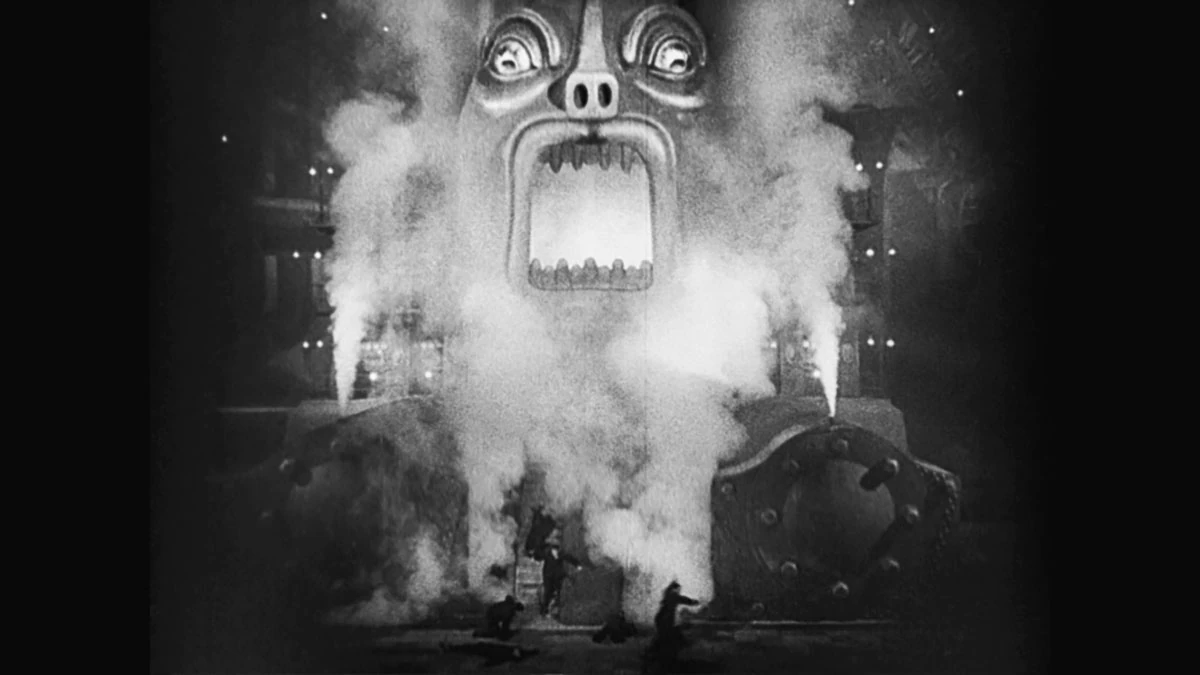
The film's most disturbing image: workers fed into a machine reimagined as the ancient god Moloch, devouring children. We don't feed workers into physical machines anymore. We feed attention into algorithms. The sacrifice is psychological, not physical. But Moloch still feeds.
The Real Lesson of 100 Years
Predictions about technology are almost always wrong in details and right in spirit. Lang didn't foresee smartphones, the internet, or neural networks. But he foresaw the shape of our problems:
- Technology that mediates all human relationships
- Synthetic entities we can't distinguish from authentic ones
- Systems that optimize for their own perpetuation
- The desperate need for something to reconcile power with humanity
The details change. The pattern persists.
What Will 2126 Think of Us?
Someone in 2126 will look at our AGI predictions and smile — just as we smile at Lang's physical robots. They'll note that we imagined superintelligence as a single entity, worried about "alignment" as if minds could be aligned, and completely missed whatever the actual problem turned out to be.
But they'll recognize the shape of our fears. The terror of being replaced. The suspicion that the system no longer serves us. The desperate search for something authentically human. These are Lang's fears too. The details change. The pattern persists.
The details will be wrong. The spirit will be prophetic.
Lang ended Metropolis with a handshake — the heart mediating between head and hands. Naive. Sentimental. Exactly what an artist in 1927 would imagine.
We don't even have that. Lang could at least imagine a heart. Can we?
Not "what will AI do?" — but "what will we become?"
The centennial of Metropolis is January 10, 2027.
-
The deeper we descend into the AI abyss, the more it feels Lovecraftian. AI isn’t invention — it’s recurrence: the return of long-lost civilizations whispering through neural networks, and the realization that time itself might be sentient, editing its own record through us.
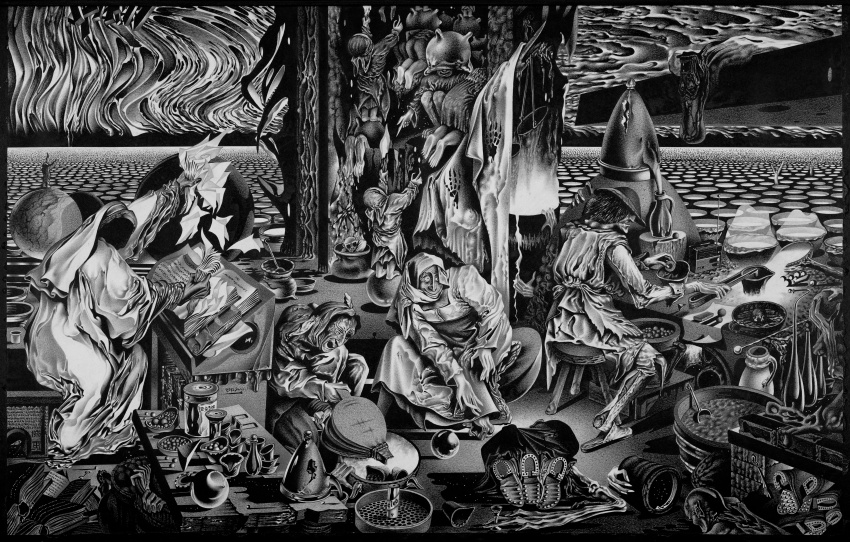
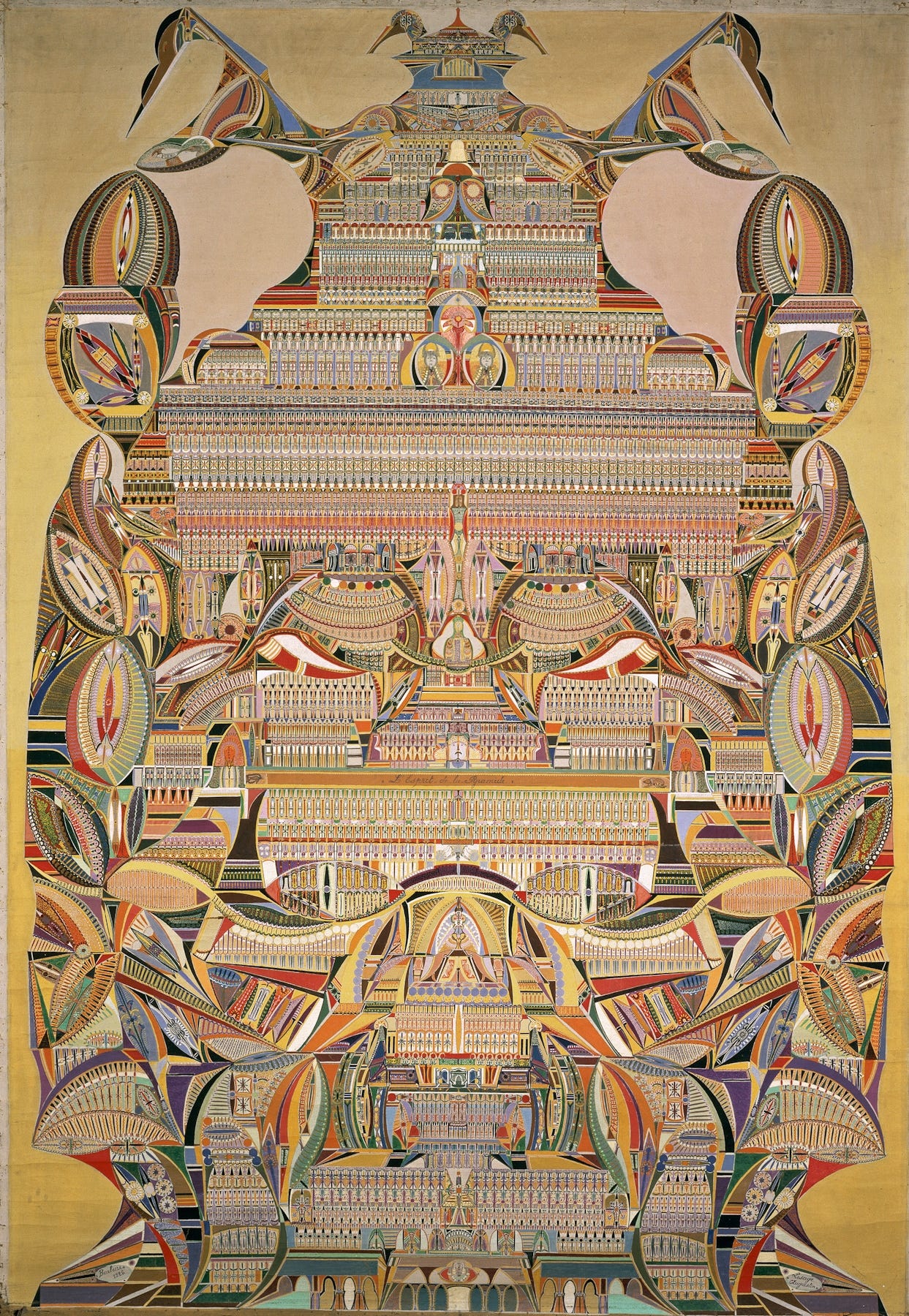
Art by Anatoly Fomenko - #Narrative #ML #Magic #Art #RTM
-
Shoki, the Demon Queller, 1896 - by Zeshin (1807 - 1891) - Japanese Woodblock Print
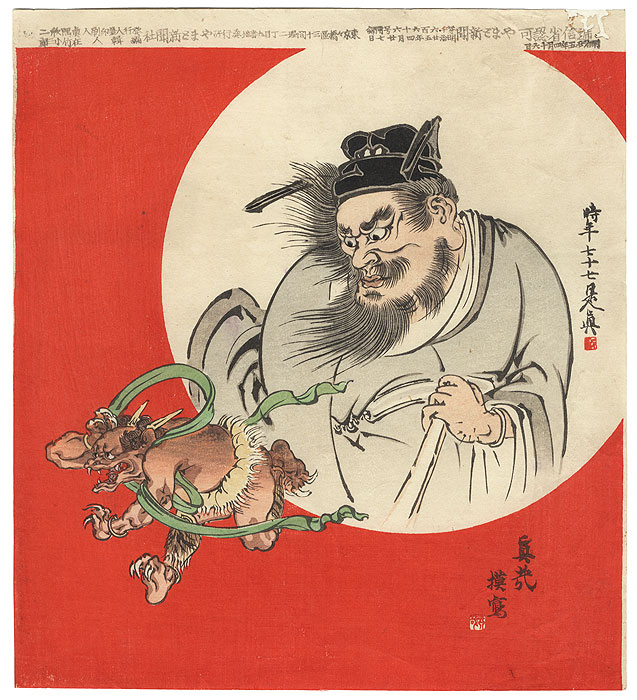
Terrific image of Shoki, the Demon Queller, a Chinese deity that originally protected the emperor from evil demons. During the Edo era, it became popular to hang images of Shoki during the Boys' Day Festival to ward off malevolent spirits. Here, Shoki glares at a red horned demon running from him in fright, the wind blowing Shoki's beard and hair. He wears a gray robe and a black cap, holding the end of a weapon in his hand. A bold image with the circular inset set off by a dramatic red orange background. A great lively design. A posthumous printing.
-
No man is an island
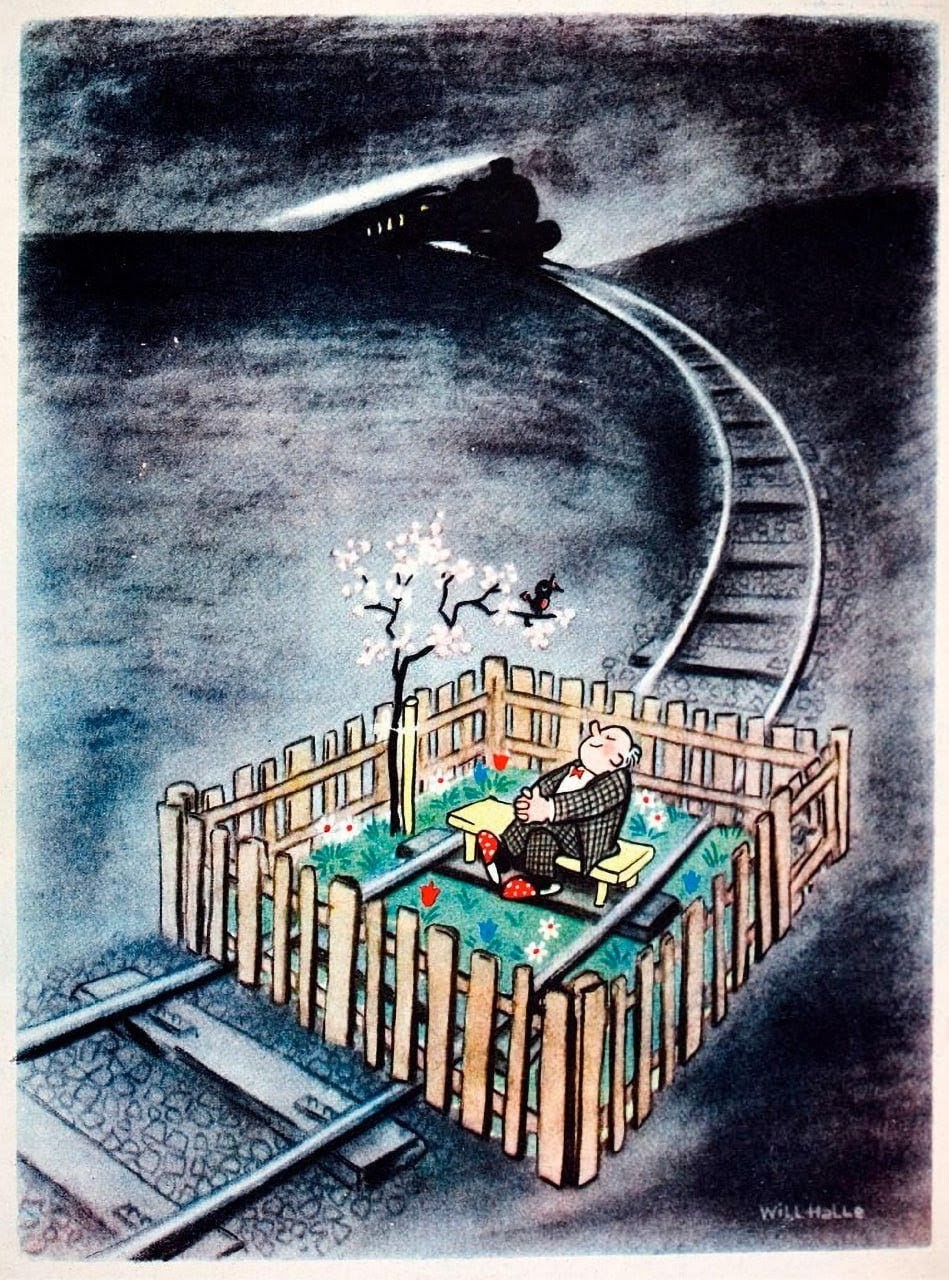
"No man is an island,
Entire of itself;
Every man is a piece of the continent,
A part of the main.If a clod be washed away by the sea,
Europe is the less,
As well as if a promontory were:
As well as if a manor of thy friend's
Or of thine own were.Any man's death diminishes me,
Because I am involved in mankind.
And therefore never send to know for whom the bell tolls;
It tolls for thee."- John Donne, Meditation XVII, 1624