tag > Art
-
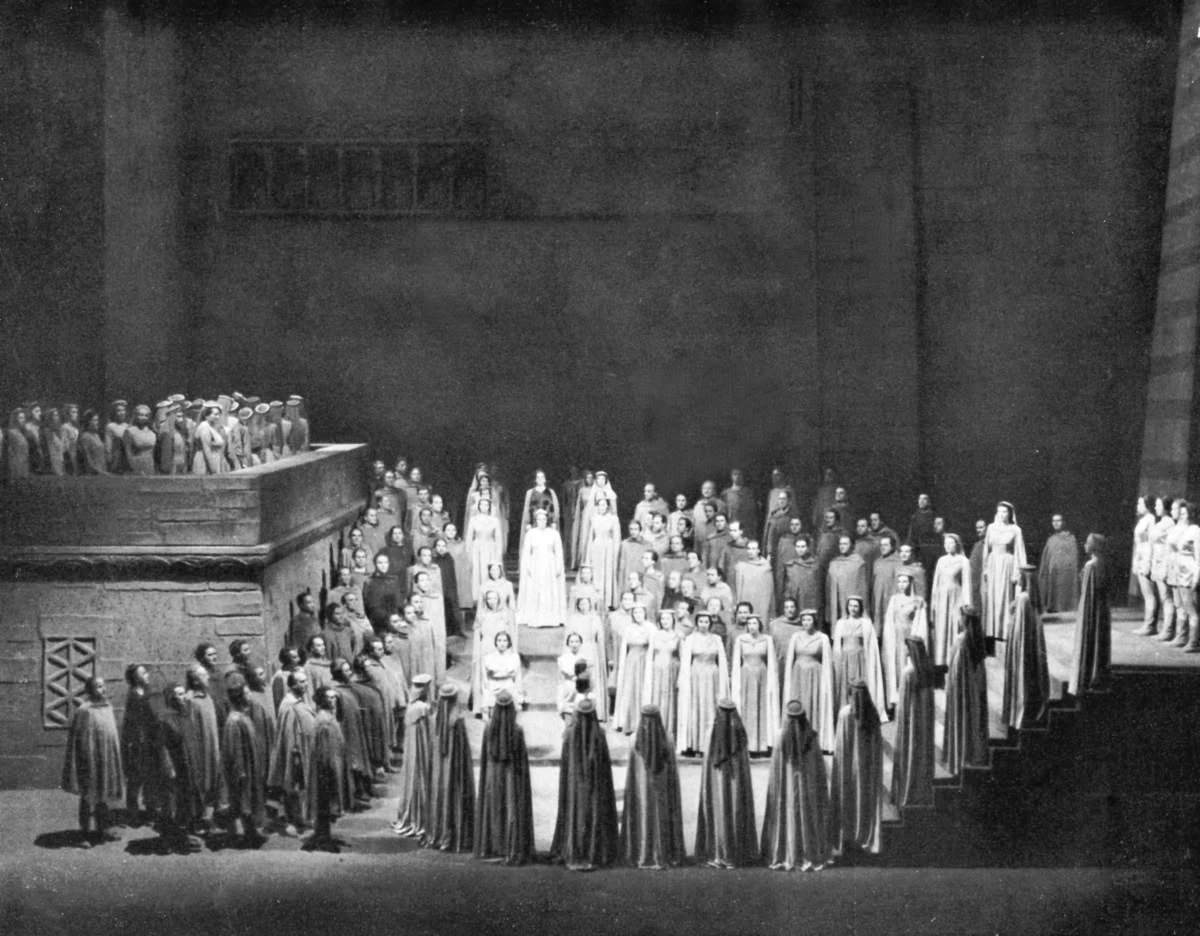
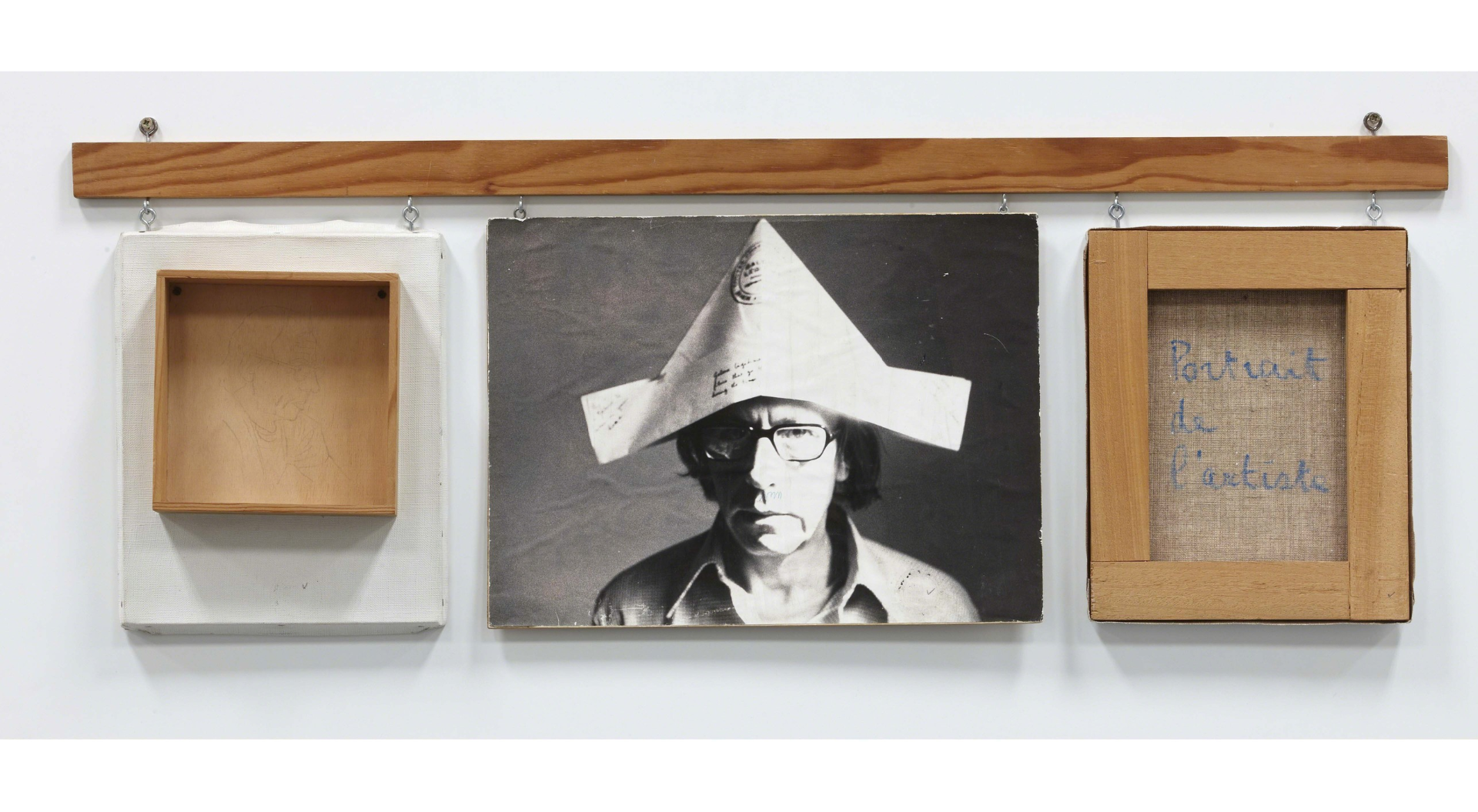
“One thing I've learned since I was born / that I must die since I was born” - Robert Filliou
-
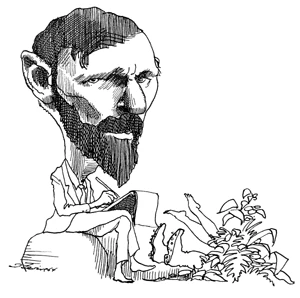
The Art of Divination: D.H. Lawrence on the Power of Pure Attention
“Attention, taken to its highest degree, is the same thing as prayer” - Simone Weil
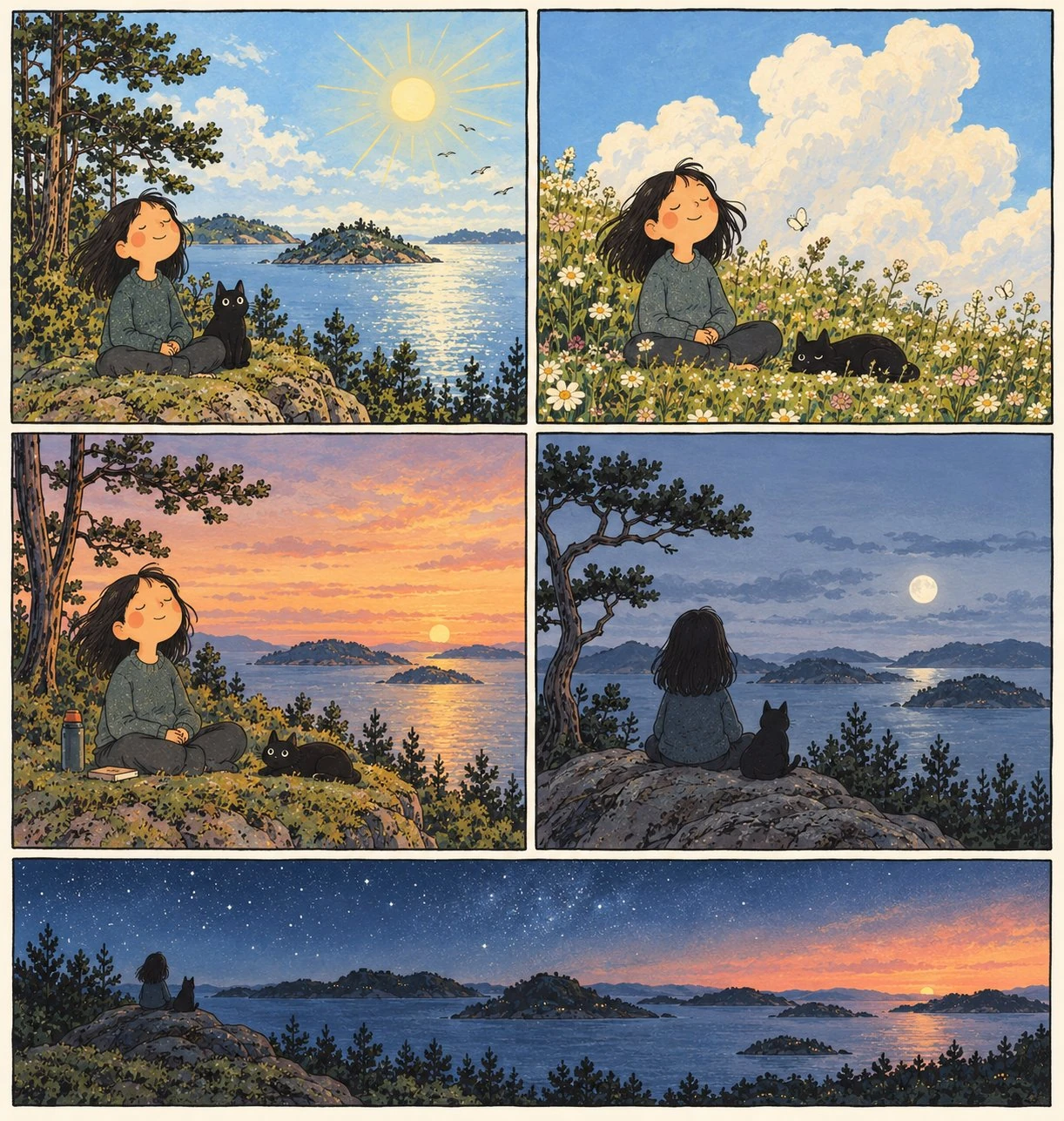
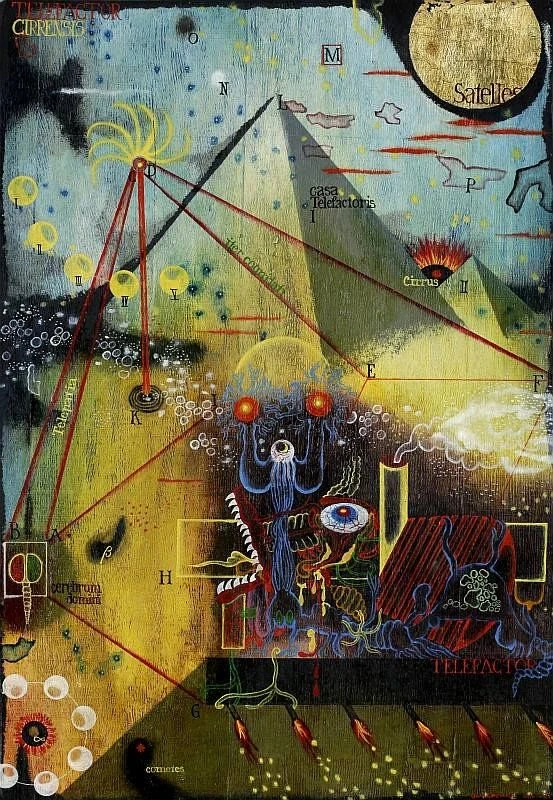
If you live by the cosmos, you look in the cosmos for your clue. If you live by a personal god, you pray to him. If you are rational, you think things over. But it all amounts to the same thing in the end. Prayer, or thought or studying the stars, or watching the flight of birds, or studying the entrails of the sacrifice, it is all the same process, ultimately: of divination. All it depends on is the amount of true, sincere, religious concentration you can bring to bear on your object. An act of pure attention, if you are capable of it, will bring its own answer. And you choose that object to concentrate upon which will best focus your consciousness. Every real discovery made, every serious and significant decision ever reached, was reached and made by divination. The soul stirs, and makes an act of pure attention, and that is a discovery. […] It is the same with the study of the stars, or the sky of stars. Whatever object will bring the consciousness into a state of pure attention, in a time of perplexity, will also give back an answer to the perplexity. - D.H. Lawrence
-
Nuns walk down a street as temperatures hover over 95 degrees Fahrenheit (35°C) in Prague, Czech Republic, June 2026

-
Art by Guy Billout - Illustrator
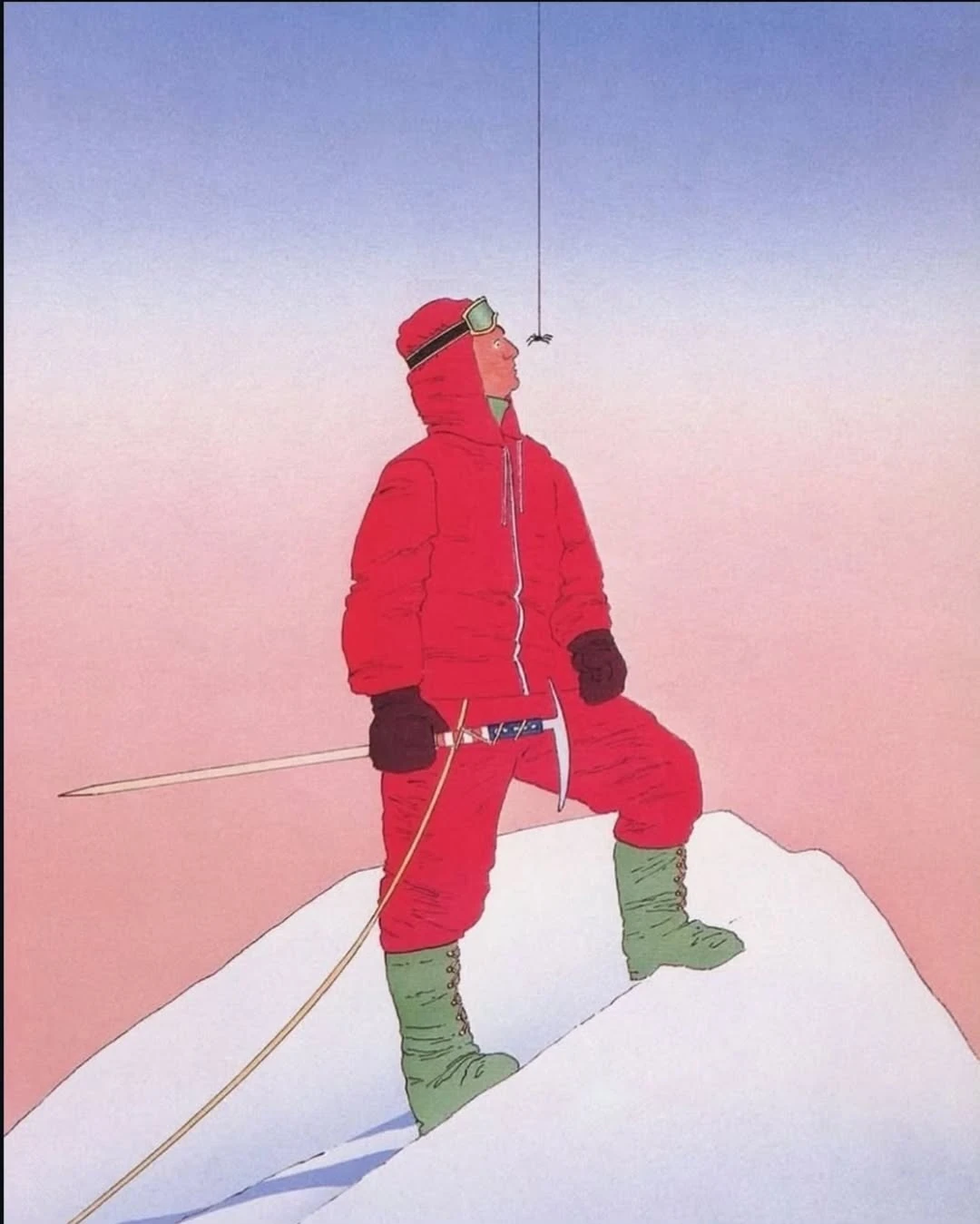


Born in 1941 in France, Guy Billout is a master of visual irony who has spent decades subtly challenging our perception of reality. After beginning his career in advertising in Paris, he moved to New York in 1969, where he was discovered by legendary designer Milton Glaser. His career soon took off, and he became especially known for his 24-year run at The Atlantic, where he was given remarkable editorial freedom to create single-page illustrations that appeared ordinary at first glance—until a single impossible detail turned the entire scene on its head.
His work is heavily influenced by the ligne claire (“clear line”) style popularized by Hergé, featuring crisp outlines, subtle gradients, and minimalist compositions. Beneath their calm, architectural precision, Billout’s illustrations are deeply philosophical and quietly surreal. His work has earned him a place in the Society of Illustrators Hall of Fame and inclusion in the permanent collection of the Smithsonian Institution. By using visual “glitches” as a storytelling device, Billout reminds viewers that even the most orderly worlds can be undone by a single poetic disruption.