tag > Biology
-
Human Stem Cells Successfully Used To Cure Diabetes In Mice
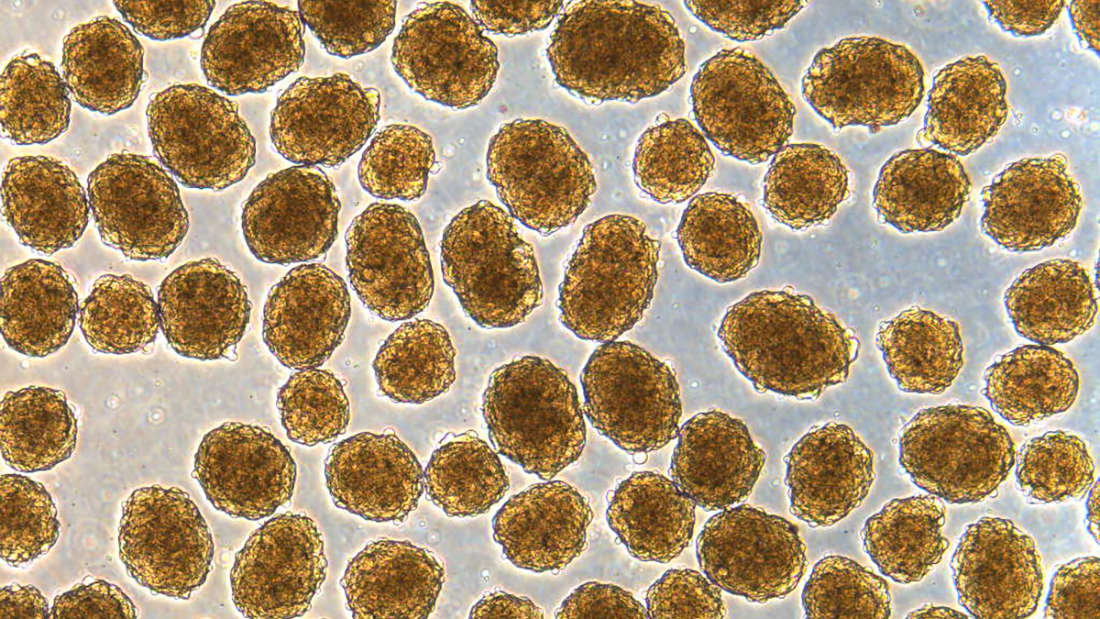
Researchers at the Washington University School of Medicine in St. Louis have shown that it is possible to use human stem cells to functionally cure diabetes in mice in just a couple of weeks. The treatment kept the disease at bay for at least nine months and up to more than a year in some mice. See the researchers statement here.
-
China Confronts COVID19 with Endless Creation Towards a Shared Future for Mankind - by Peter Koenig (Neo - New Eastern Outlook)
The new coronavirus (2019-nCoV / COVID19) has as of this date killed more than 3,000 people and infected more than 80,000 around the globe, the vast majority of them in China. The virus has spread to at least 33 countries. What western media do not talk about is that with high probability the virus was man-made in one or several bio-warfare laboratories of which the Pentagon and CIA have about 400 around the world. But such high-security bio-labs also exist in Canada, the UK, Israel and Japan. Western media also are silent about the fact that the virus is directed specifically at the Chinese race, meaning, it targets specifically Chinese DNA.
-
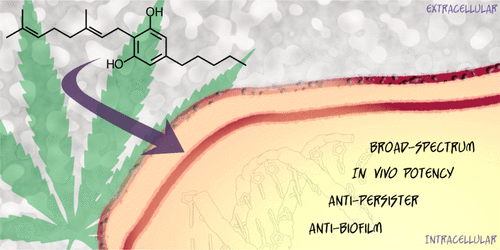
Uncovering the Hidden Antibiotic Potential of Cannabis - Research by Maya A. Farha et.al
-
Coronavirus far more likely than Sars to bond to human cells due to HIV-like mutation (SCMP)
The new coronavirus has an HIV-like mutation that means its ability to bind with human cells could be up to 1,000 times as strong as the Sars virus, according to new research.
-
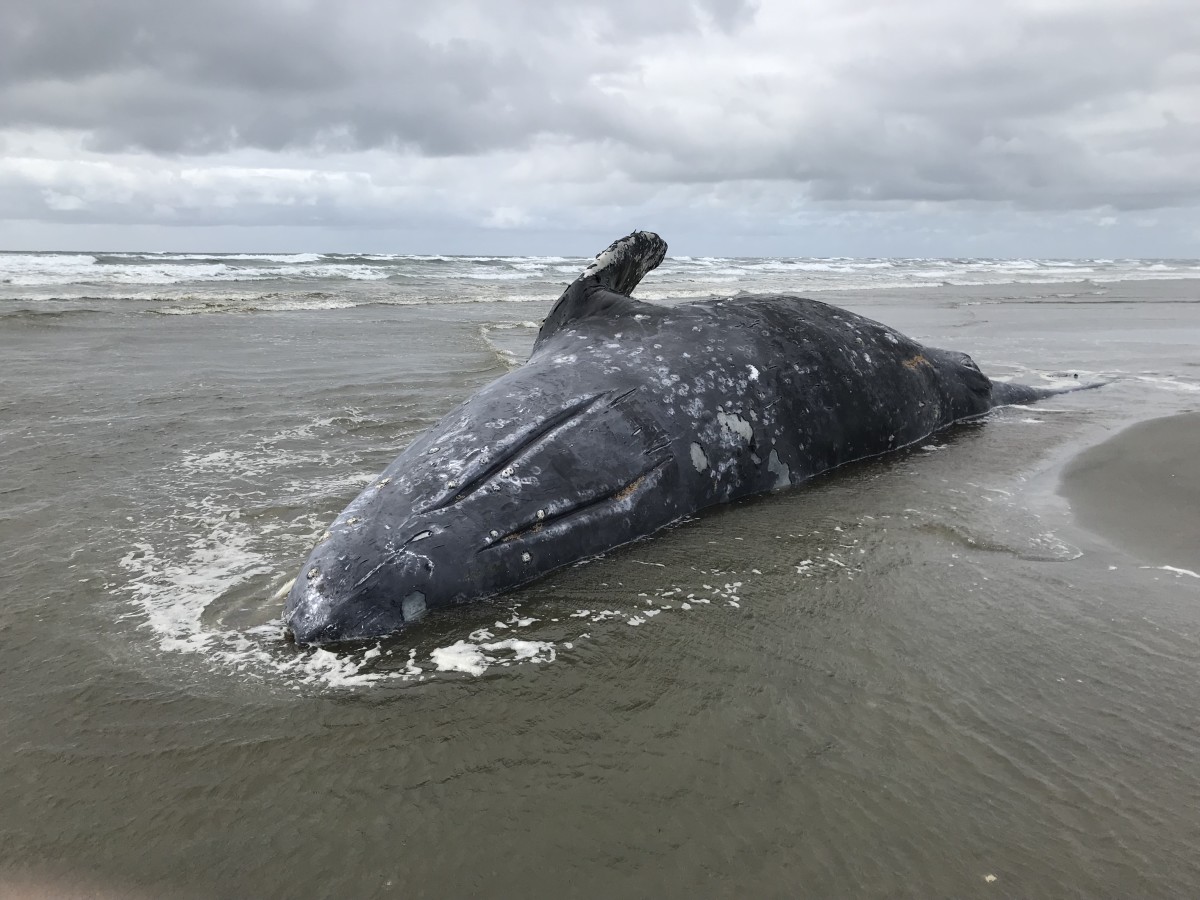
Solar Storms Can Mess With Whales' Ability To Navigate, Cause Strandings (alt: NYTimes)
The ocean's most mammoth, docile beasts manage to find their way around the oceans with relative ease. And that's especially true for the gray whale, a creature that makes the biggest migration of any mammal, traveling over 12,000 km across the planet to feed and breed. New research suggests gray whales may navigate with a kind of seventh sense that allows them to detect variations in the Earth's magnetic field -- and this sense can be adversely affected by the sun.
-
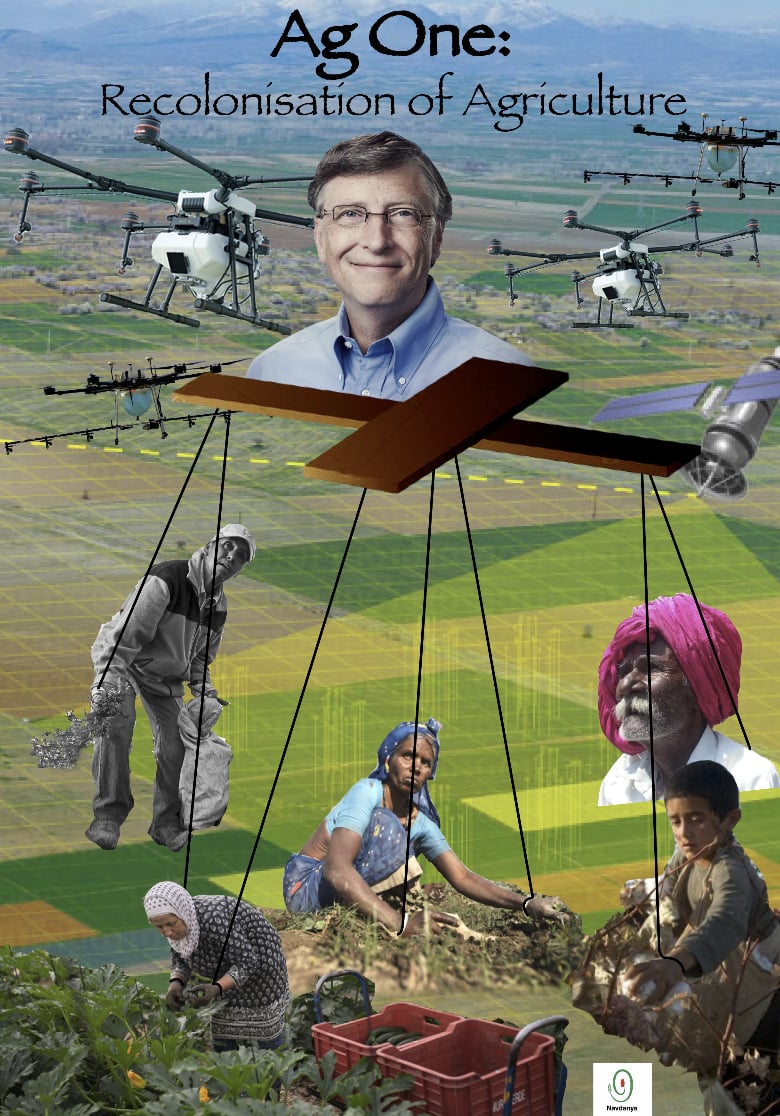
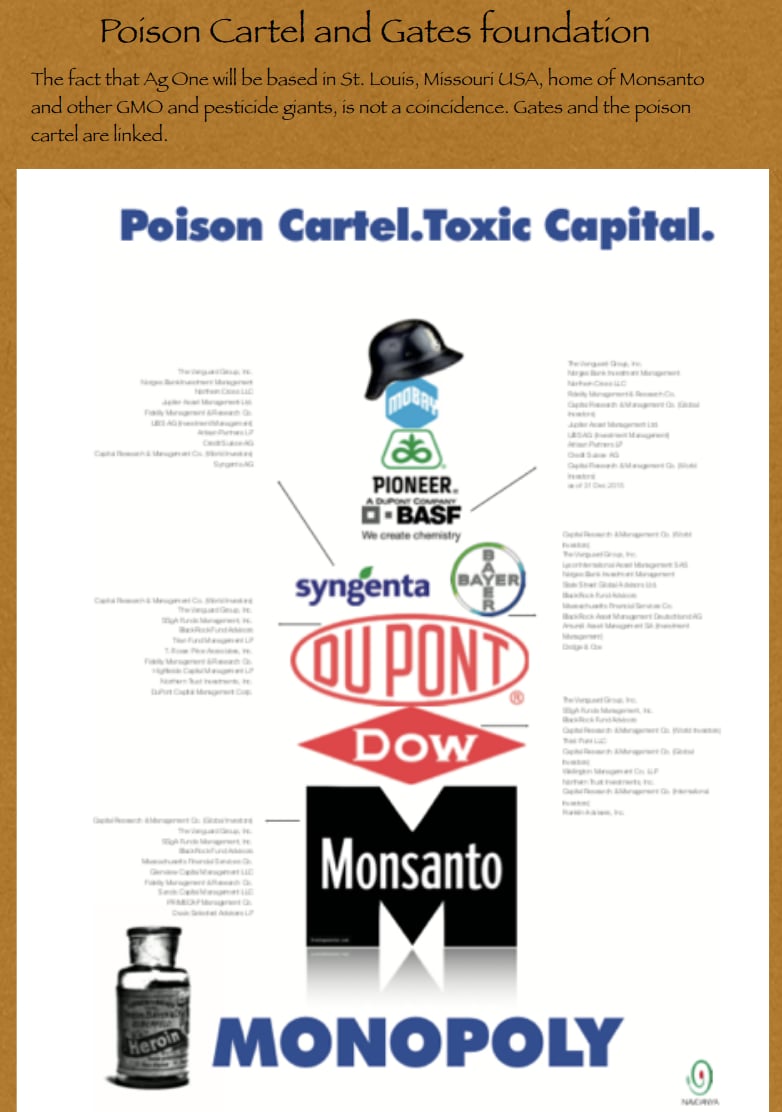
Ag One: Recolonisation of Agriculture (PDF)
Bill Gates who became a billionaire through the deregulation of corporate globalisation is now leading the recolonization of Indian and African agriculture. Read our new report that unveils the real motives of Bill Gates.

-
New study shows the effects of obesity mirror those of aging
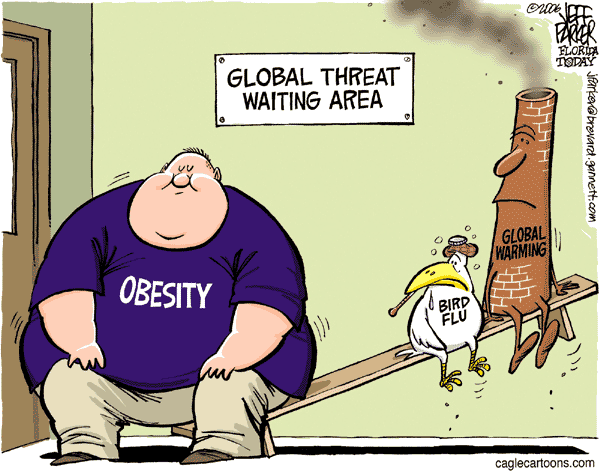
Globally, an estimated 1.9 billion adults and 380 million children are overweight or obese. In their paper published in Obesity Reviews, the researchers argue that obesity should be considered premature aging. They look at how obesity predisposes people to acquiring the kinds of life-threatening diseases normally seen in older individuals: compromised genomes, weakened immune systems, decreased cognition, type 2 diabetes, Alzheimer’s disease, cardiovascular disease, cancer and other illnesses.
-
Scientists Find The First-Ever Animal That Doesn't Need Oxygen to Survive
Scientists have just discovered that a jellyfish-like parasite doesn't have a mitochondrial genome - the first multicellular organism known to have this absence. That means it doesn't breathe; in fact, it lives its life completely free of oxygen dependency.
-
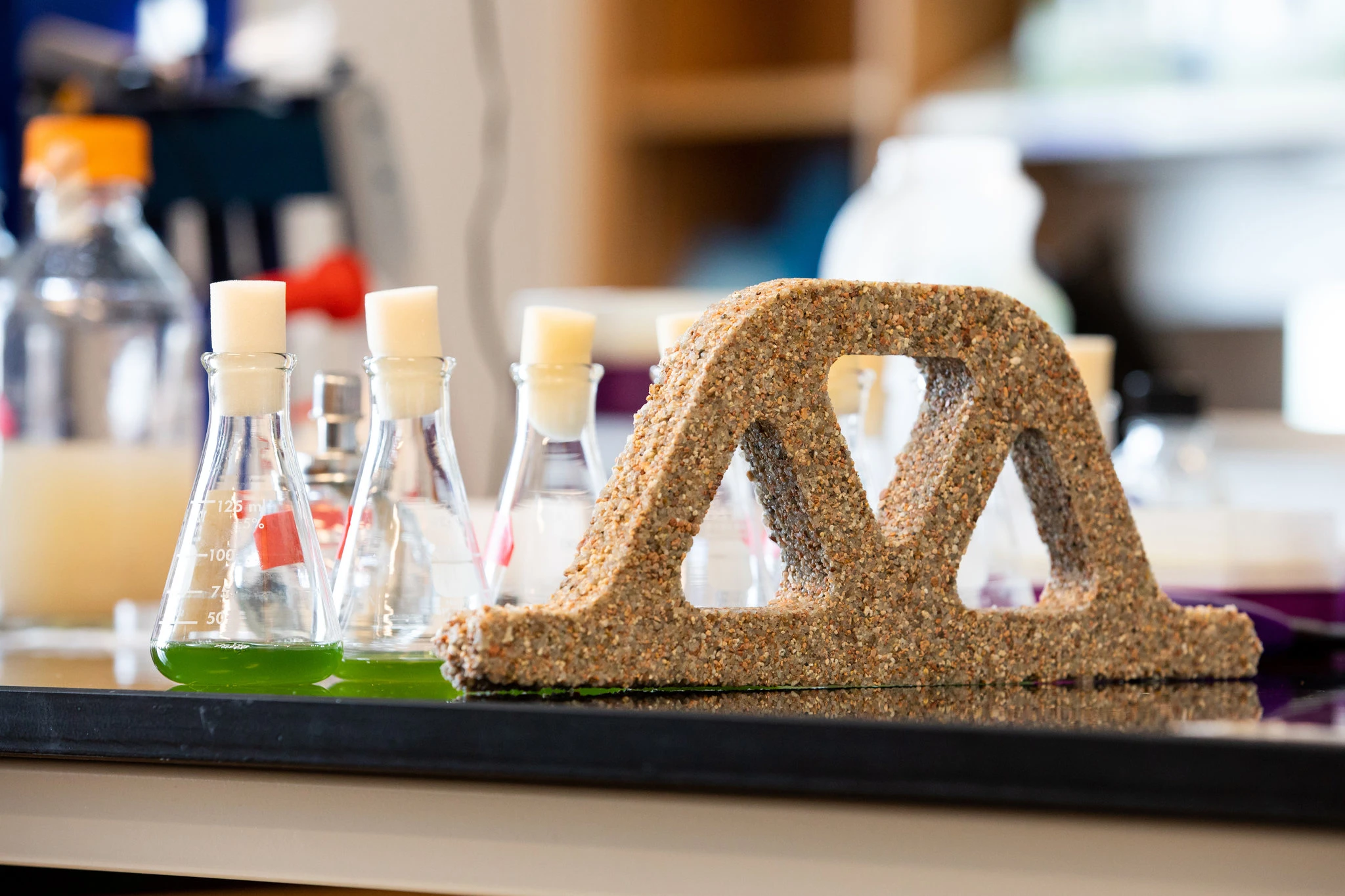
Bricks Alive! Scientists Create Living Concrete (nytimes)
“A Frankenstein material” is teeming with — and ultimately made by — photosynthetic microbes. And it can reproduce.
-
Scientists Built a Genius Device That Generates Electricity 'Out of Thin Air'
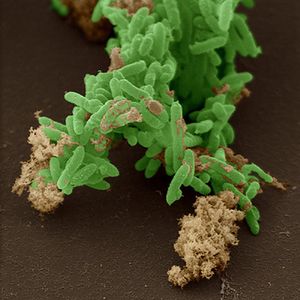
This unusual microbe, belonging to the Geobacter genus, was first noted for its ability to produce magnetite in the absence of oxygen, but with time scientists found it could make other things too, like bacterial nanowires that conduct electricity. For years, researchers have been trying to figure out ways to usefully exploit that natural gift, and they might have just hit pay-dirt with a device they're calling the Air-gen. According to the team, their device can create electricity out of… well, almost nothing.
-
Outbreak analytics: a developing data science for informing the response to emerging pathogens (2019)
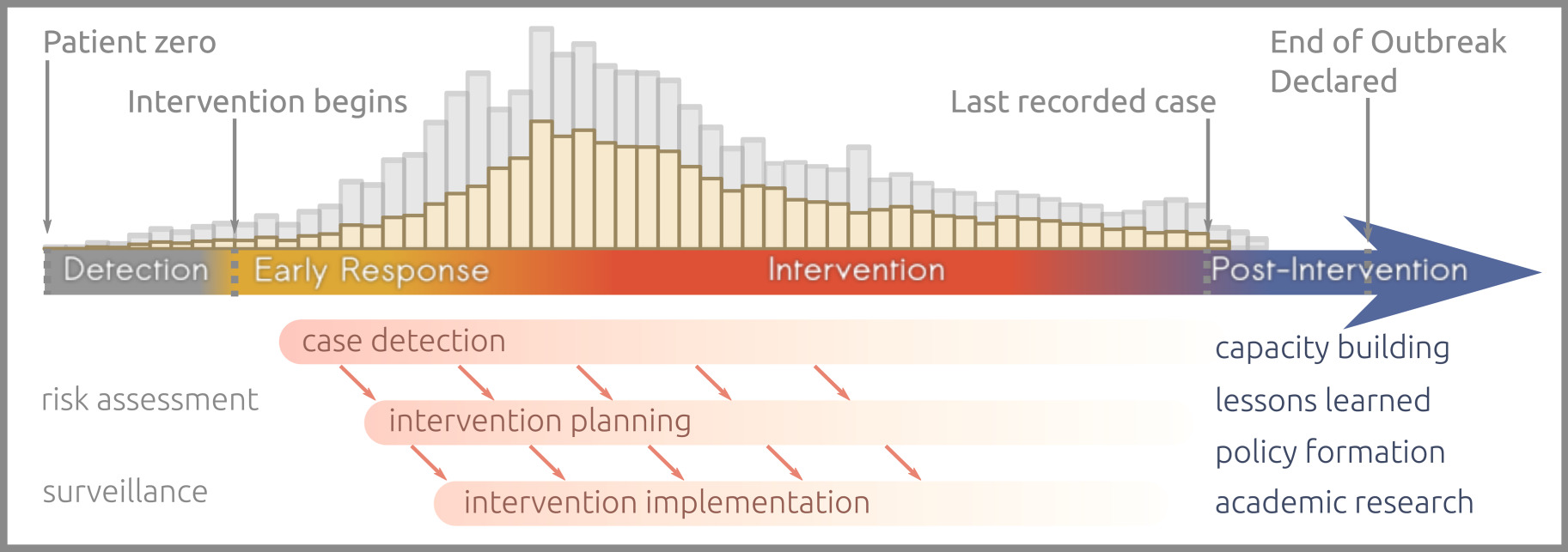
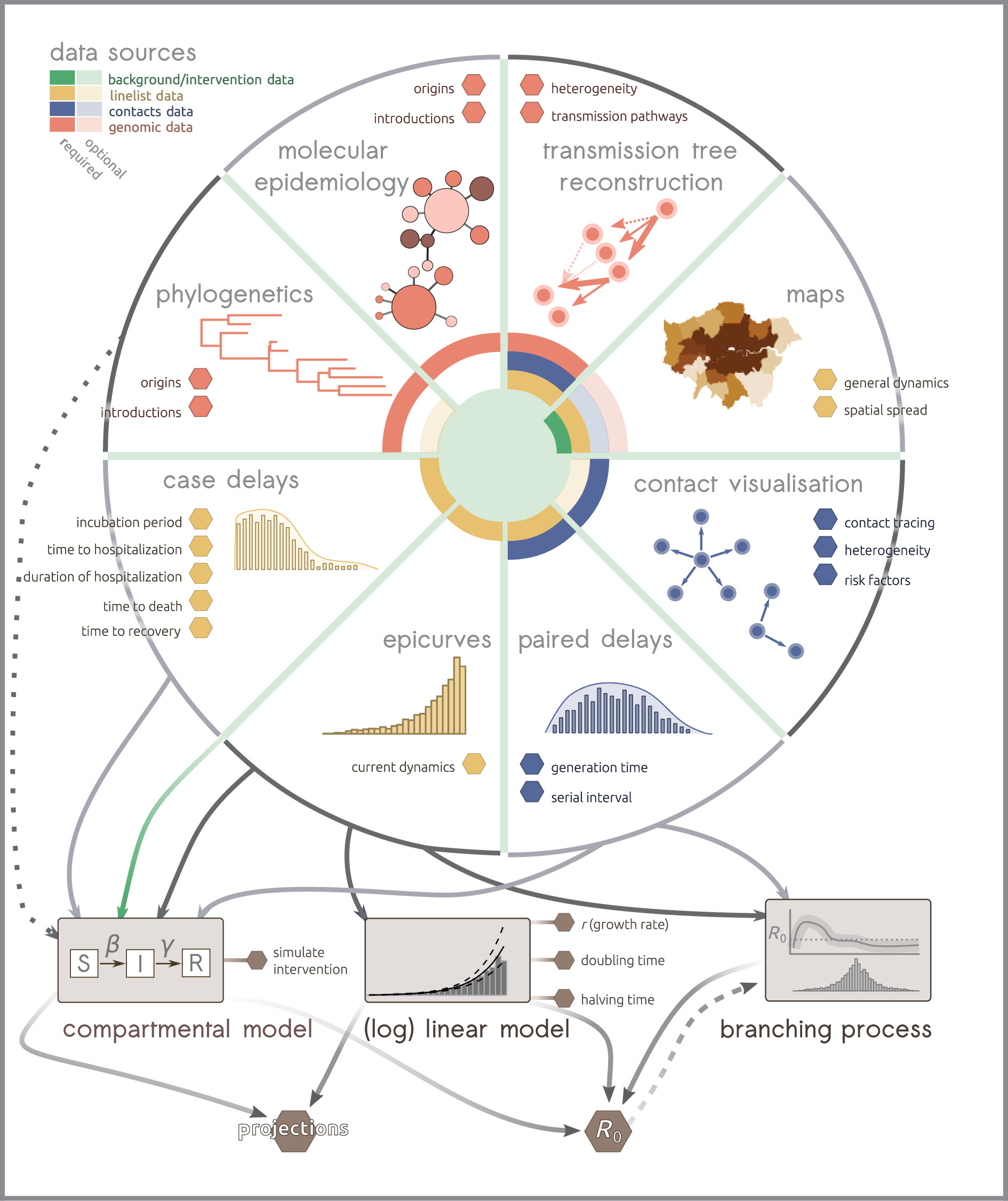
Abstract:
Despite continued efforts to improve health systems worldwide, emerging pathogen epidemics remain a major public health concern. Effective response to such outbreaks relies on timely intervention, ideally informed by all available sources of data. The collection, visualization and analysis of outbreak data are becoming increasingly complex, owing to the diversity in types of data, questions and available methods to address them. Recent advances have led to the rise of outbreak analytics, an emerging data science focused on the technological and methodological aspects of the outbreak data pipeline, from collection to analysis, modelling and reporting to inform outbreak response. In this article, we assess the current state of the field. After laying out the context of outbreak response, we critically review the most common analytics components, their inter-dependencies, data requirements and the type of information they can provide to inform operations in real time. We discuss some challenges and opportunities and conclude on the potential role of outbreak analytics for improving our understanding of, and response to outbreaks of emerging pathogens.
This article is part of the theme issue ‘Modelling infectious disease outbreaks in humans, animals and plants: epidemic forecasting and control‘. This theme issue is linked with the earlier issue ‘Modelling infectious disease outbreaks in humans, animals and plants: approaches and important themes’. -
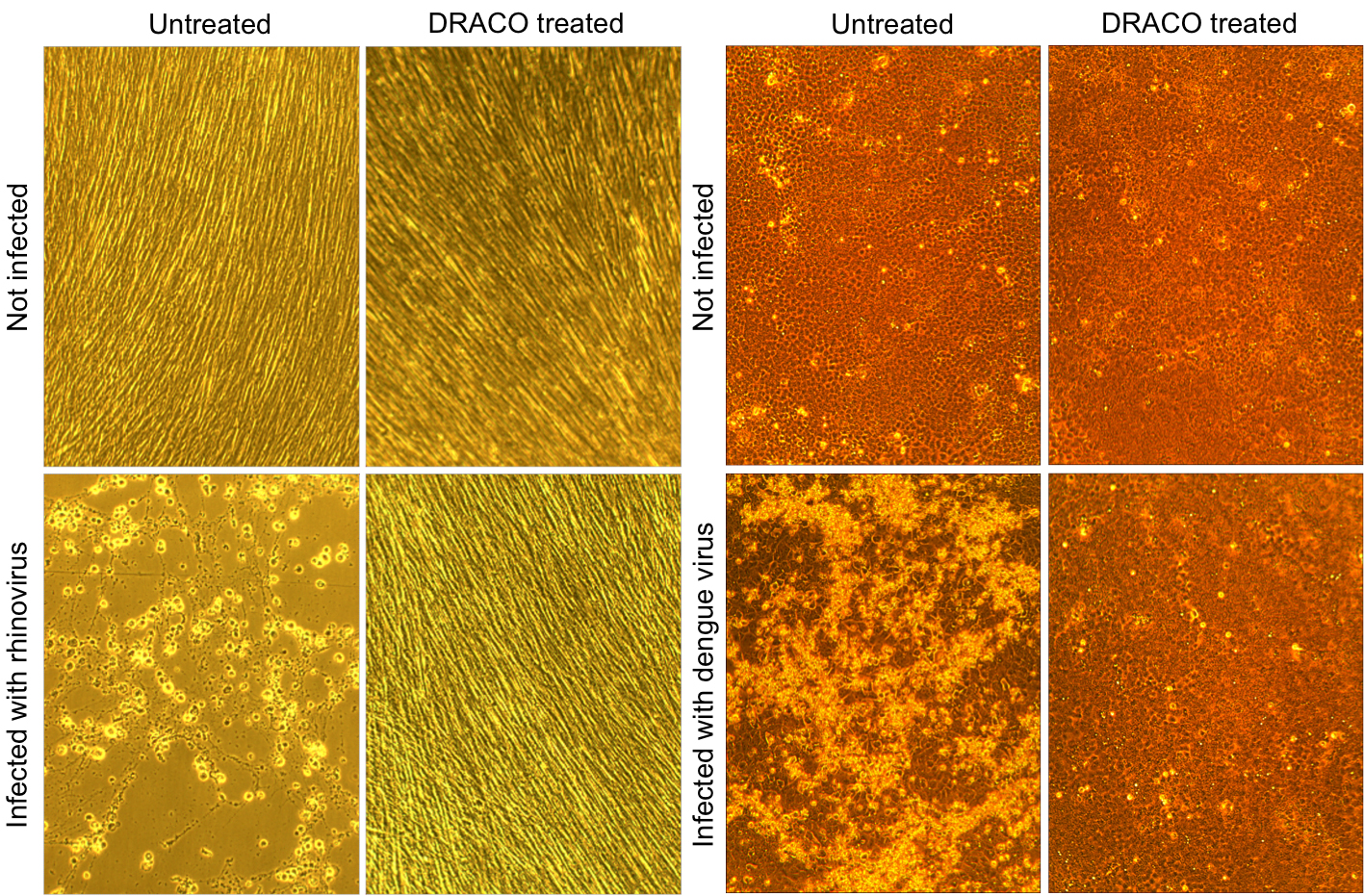
New drug could cure nearly any viral infection (MIT, 2011)
"Researchers at MIT’s Lincoln Lab have developed DRACO - a technology that may someday cure the common cold, influenza and other ailments. "
-
Chinese government rolls out coronavirus ‘close contact detector’ app (BBC)
The “close contact detector” notifies users if they have had exchanges with any individuals who have been confirmed or suspected of carrying the virus. All users need to do is scan a QR code with an app like Alipay or WeChat. People at risk are then advised to stay at home or inform local health authorities.
#InfoSec #Health #Biology #Biotech #China #Augmentation #Cryptocracy
-
AI contributes to coronavirus diagnosis (China Daily)
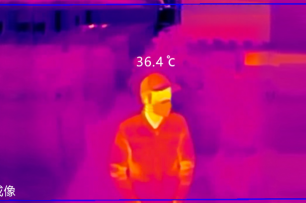
The Mudanyuan station on the Beijing subway's Line 10 uses an artificial intelligence based fever screening system. Developed by Beijing-based Megvii and put into use on Tuesday, it supports non-contact remote temperature screening from a distance of 3 meters. The system's margin of error is within 0.3 degree Celsius and it can send fever alerts for up to 15 people per second.
-
Toward an MRI-Based Mesoscale Connectome of the Squid Brain (science direct)
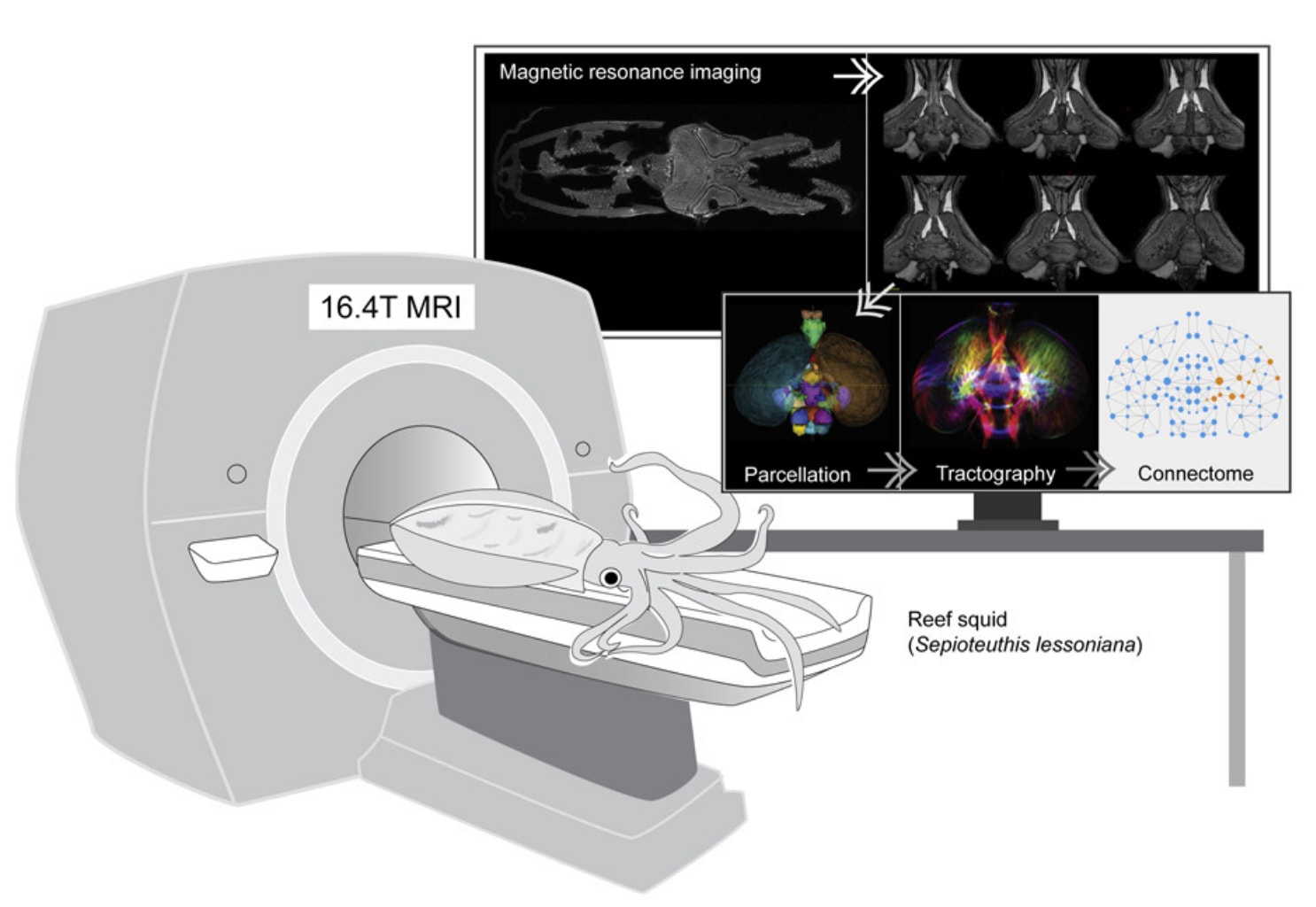
- The first MRI-based connectome in a cephalopod
- Retinotopic organization through the optic lobes and into other brain areas
- Subdivided basal lobe system defines topographic information from optic lobes
- A new chiasm is proposed to coordinate vision and countershading camouflage
- The first MRI-based connectome in a cephalopod