tag > Biology
-
Scientists Create 'Xenobots' -- Virtual Creatures Brought to Life (nytimes.com)
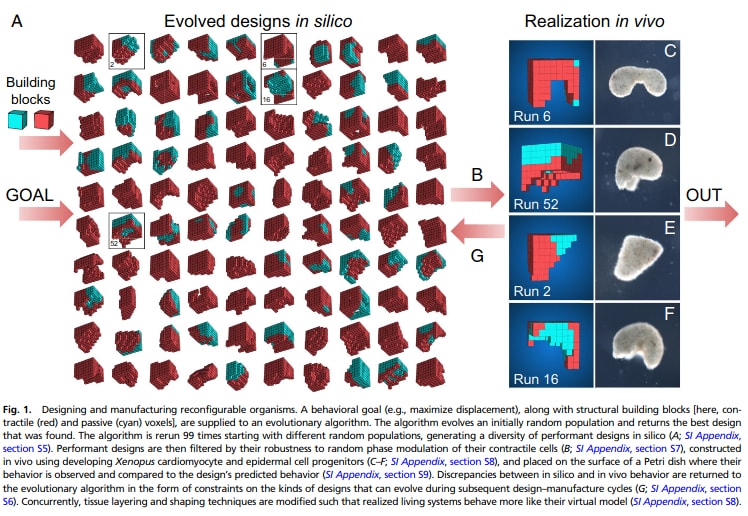
Strictly speaking, these life-forms do not have sex organs — or stomachs, brains or nervous systems. The one under the microscope consisted of about 2,000 living skin cells taken from a frog embryo. Bigger specimens, albeit still smaller than a millimeter-wide poppy seed, have skin cells and heart muscle cells that will begin pulsating by the end of the day. These are all programmable organisms called xenobots, the creation of which was revealed in a scientific paper in January, by Sam Kriegmana, Douglas Blackistonb, Michael Levinb, and Josh Bongarda,
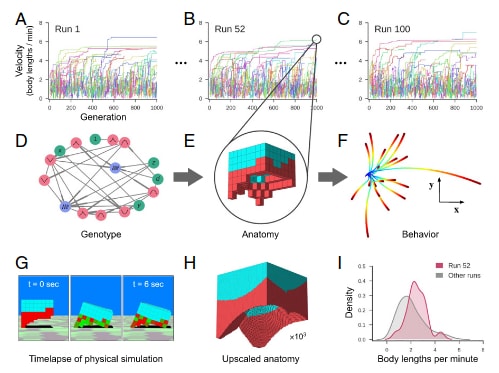
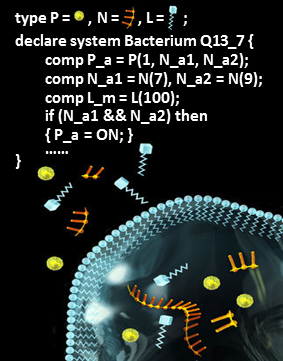
A xenobot lives for only about a week, feeding on the small platelets of yolk that fill each of its cells and would normally fuel embryonic development. Because its building blocks are living cells, the entity can heal from injury, even after being torn almost in half. But what it does during its short life is decreed not by the ineffable frogginess etched into its DNA — which has not been genetically modified — but by its physical shape. And xenobots come in many shapes, all designed by roboticists in computer simulations, using physics engines similar to those in video games like Fortnite and Minecraft...
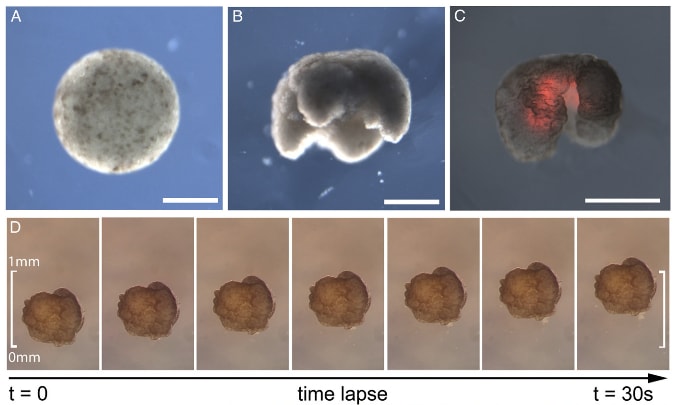
All of which makes xenobots amazing and maybe slightly unsettling — golems dreamed in silicon and then written into flesh. The implications of their existence could spill from artificial-intelligence research to fundamental questions in biology and ethics. "We are witnessing almost the birth of a new discipline of synthetic organisms," said Hod Lipson, a roboticist at the Columbia University who was not part of the research team. "I don't know if that's robotics, or zoology or something else."
An algorithm running for about 24 hours iterated through possible body shapes, after which the the two researchers tried "to sculpt cellular figurines that resembled those designs." They're now considering how the process might be automated with 3-D cell printers, and the Times ponders other future possibilities the researchers have hinted at for their Xenobots. ("Sweep up ocean microplastics into a larger, collectible ball? Deliver drugs to a specific tumor? Scrape plaque from the walls of our arteries?")
-
Combined DNA Index System (CODIS)
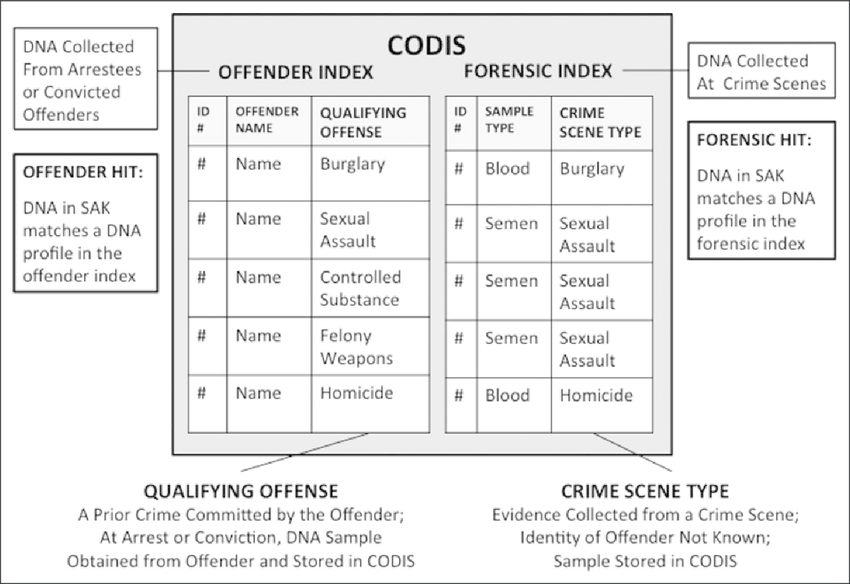
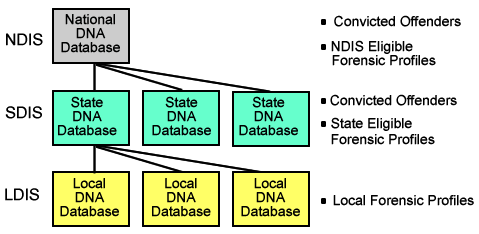
Since 1996, the Combined DNA Index System (CODIS) is the national DNA data-base of the USA, created and maintained by the Federal Bureau of Investigation(FBI). It combines forensic science and computer technology into a tool which enables federal, state, and local forensic laboratories to exchange and compare DNA profiles electronically.
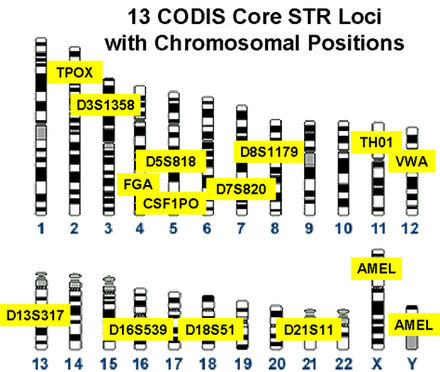
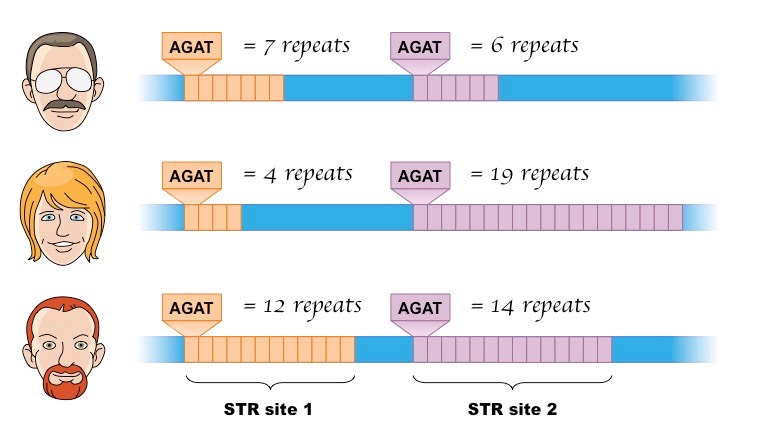
In that way the CODIS STR loci help in linking serial violent crimes to each other and to identify the offenders. The DNA Identification Act of 1994 dignified the FBI’s authority to establish a National DNA Index System (NDIS) for law enforcement purposes. Across the USA, over 190 public law enforcement laboratories participate in NDIS. More than 90 forensic laboratories in more than 50 countries use the CODIS software for their own database initiatives.
Thirteen core STR loci were selected to be the basis of the future CODIS national database on November! 3-14, 1997, in STR Project meeting. Later, additional seven loci (D1S1656, D2S441, D2S1338, D10S1248, D12S391, D19S433,and D22S1045) were added to the CODIS core in 2015, which came to effect from January 2017.
Different countries employ different STR-based DNA-profiling systems, e.g., 20 core CODIS universal in North America, 17 loci system in the UK(DNA-17), and 18 loci system in Australia. CODIS STR loci DNA-profiling system is based on multiplex reactions which result in testing many STR regions at the same time.
Text from the book "DNA Fingerprinting: Advancements and Future Endeavors"
The following related text on DNA Profiling from Wikipedia
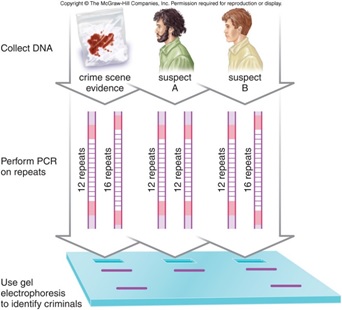
The U.S. Patriot Act of the United States provides a means for the U.S. government to get DNA samples from suspected terrorists. DNA information from crimes is collected and deposited into the CODIS database, which is maintained by the FBI. CODIS enables law enforcement officials to test DNA samples from crimes for matches within the database, providing a means of finding specific biological profiles associated with collected DNA evidence.
When a match is made from a national DNA databank to link a crime scene to an offender having provided a DNA sample to a database, that link is often referred to as a cold hit. A cold hit is of value in referring the police agency to a specific suspect but is of less evidential value than a DNA match made from outside the DNA Databank.
FBI agents cannot legally store DNA of a person not convicted of a crime. DNA collected from a suspect not later convicted must be disposed of and not entered into the database. In 1998, a man residing in the UK was arrested on accusation of burglary. His DNA was taken and tested, and he was later released. Nine months later, this man's DNA was accidentally and illegally entered in the DNA database.
-
Deep-sea worms and bacteria team up to harvest methane (phys.org)
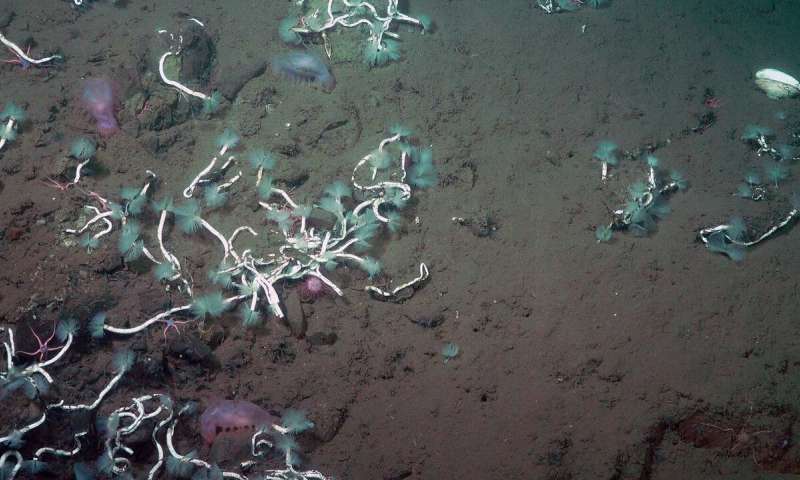
Methane-consuming serpulid worms on the seafloor off the coast of Costa Rica. Scientists at Caltech and Occidental College have discovered a methane-fueled symbiosis between worms and bacteria at the bottom of the sea, shedding new light on the ecology of deep-sea environments. They found that bacteria belonging to the Methylococcaceae family have been hitching a ride on the feathery plumes that act as the respiratory organs of Laminatubus and Bispira worms. Methylococcaceae are methanotrophs, meaning that they harvest carbon and energy from methane, a molecule composed of carbon and hydrogen.
-
Fears over covert DNA database (FT, 2008) (Unpaywalled)

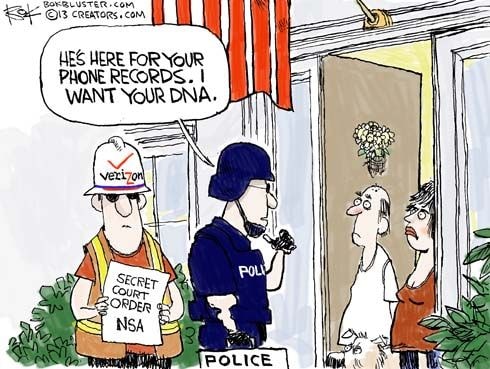
Valuable intelligence on thousands of suspected terrorists risks being lost because of backlogs at a little-known US federal government database that processes DNA samples gathered in Iraq, Afghanistan and elsewhere. The unfinished work at the database – part of a classified intelligence partnership of military, intelligence and law enforcement agencies – has been referred to in public documents but has not been openly discussed by US government officials.
DNA profiling (Wikipedia)
DNA profiling (also called DNA fingerprinting) is the process of determining an individual's DNA characteristics. DNA analysis intended to identify a species, rather than an individual, is called DNA barcoding. DNA profiling is a forensic technique in criminal investigations, comparing criminal suspects' profiles to DNA evidence so as to assess the likelihood of their involvement in the crime. It is also used in parentage testing, to establish immigration eligibility, and in genealogical and medical research. DNA profiling has also been used in the study of animal and plant populations in the fields of zoology, botany, and agriculture.
-
Topological turbulence in the membrane of a living cell (Nature)
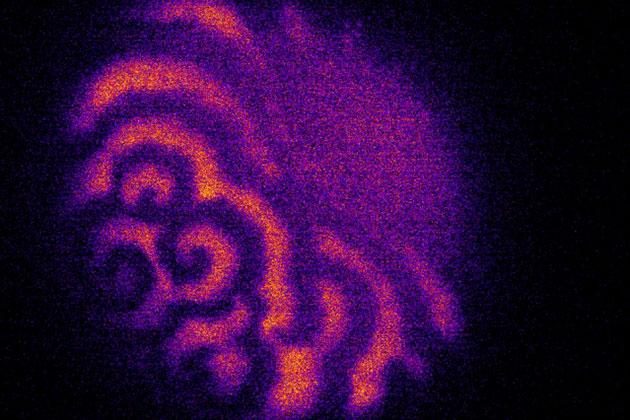
With spectacular as well as hypnotically beautiful recordings, US researchers have succeeded in showing how life spreads in a fertilized egg when activated proteins spread in a spiral wave through the egg membrane and thus give the star signal for cell division. (via)
-
Saving ocean life within a human generation is ‘largely achievable’ say scientists (sciencefocus)
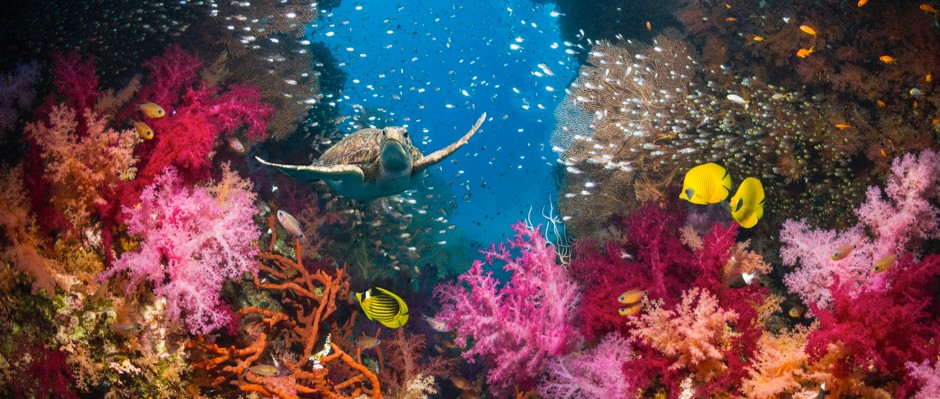
The number of marine species threatened with global extinction has decreased from 18 per cent in 2000 to 11.4 per cent in 2019. Notable rebounds from the brink of extinction include humpback whales, which have increased from a few hundred animals to more than 40,000; and northern elephant seals, from just 20 breeding animals to more than 200,000 today. Scientists say the focus should be on rebuilding depleted wildlife populations and ecosystems, not simply on conserving what remains.
-
Ocean Creatures Have Been Protecting Us From Millions of Viruses This Entire Time (sciencealert)
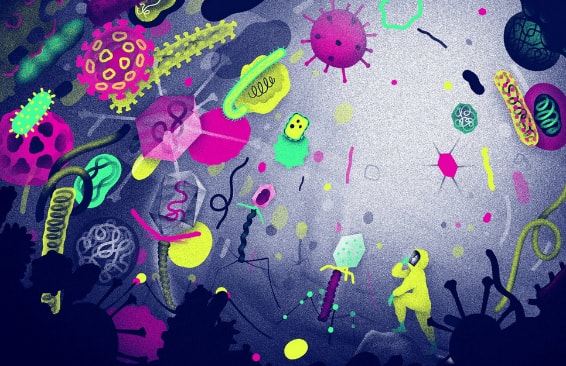
Illustration from "Welcome to the Virosphere" (NYTimes) It's fair to say that the world has had more than enough of viruses right now. Unfortunately, the converse is not necessarily true. The incredible vastness of the virosphere is hard to overstate. While several thousand kinds of virus have been studied in detail, scientists say we haven't even scratched the surface. There could be trillions of species overall, some think. Even more conservative estimates are mind-boggling. In the oceans, tens of millions of different kinds may lurk: as many as 10 million viruses can be present in a millilitre of water.
-
Some People Can Detect Earth's Magnetic Field (popularmechanics)
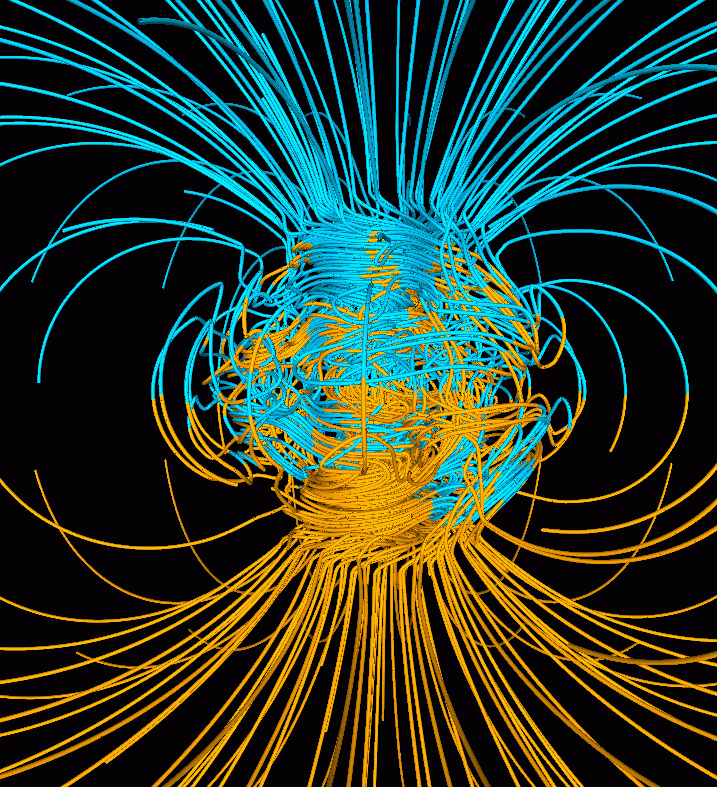
Could some humans be able to sense the Earth’s magnetic field? Evidence suggests that in addition to quite a few animal species, humans could be—yes, this is the real term—magnetoreceptors. In a recent study, scientists conducted an experiment that measured how alpha waves interacted with a trace mineral that they believe registers magnetism.
Some Humans Can Detect Earth's Magnetic Field, After All (interestingengineering)
"Our results indicate that human brains are indeed collecting and selectively processing directional input from magnetic field receptors," concluded the scientists. "Such neural activity is a necessary prerequisite for any subsequent behavioral expression of magnetoreception, and it represents a starting point for testing whether such an expression exists."
"Can humans sense the Earth's magnetic field?" - the spooks at WHO said in 2008:
"Based on a recent in-depth review of the scientific literature, the WHO concluded that current evidence does not confirm the existence of any health consequences from exposure to low-level electromagnetic fields," it says. "However, some gaps in knowledge about biological effects exist and need further research."
For extensive coverage on this topic, browse the #RadioBio tag on samim.io
-
Subsurface Mercury: Window to ancient, possibly habitable, volatile-rich materials (phys.org)
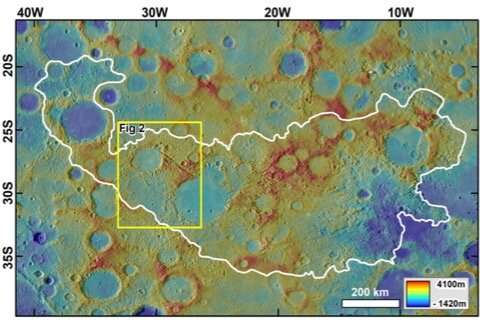
New research raises the possibility that some parts of Mercury's subsurface, and those of similar planets in the galaxy, once could have been capable of fostering prebiotic chemistry, and perhaps even simple life forms, according to a paper by a team led by Planetary Science Institute Research Scientist Alexis Rodriguez.
-
Global condom shortage looms as coronavirus shuts down production (Guardian)
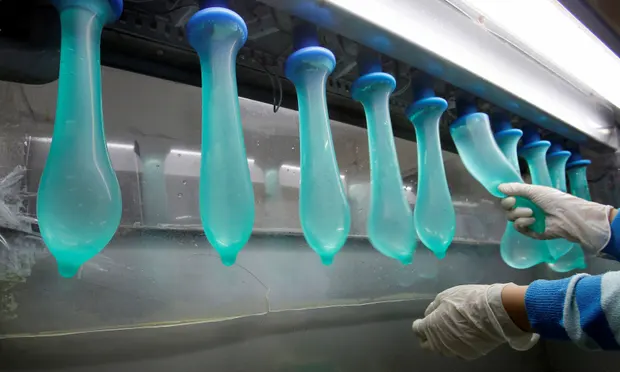
A global shortage of condoms is looming, the world’s biggest producer has said, after a coronavirus lockdown forced it to shut down production. Malaysia’s Karex Bhd makes one in every five condoms globally. It has not produced a single condom in its three Malaysian factories for more than a week because of a lockdown imposed by the government to halt the spread of the virus.
-
COVID-19 drives new threat to bats in China (sciencemag)
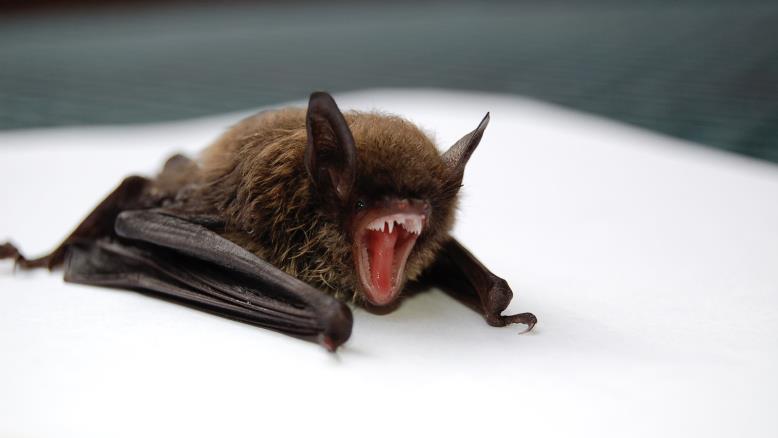
In China, bats are traditionally symbols of good luck and happiness. There are more than 1400 species of bats worldwide, but more than half of them have unknown or decreasing population trends. Unfortunately, the suggestion that coronavirus disease 2019 (COVID-19) may have originated in bats is putting them at increased risk.
-

Karl Brandt on trial, 20 August 1947 The Nuremberg Code (German: Nürnberger Kodex) is a set of research ethics principles for human experimentation created as a result of the Nuremberg trials at the end of the Second World War. The origin of the Nuremberg Code began in pre–World War II German politics, particularly during the 1930s and 1940s. The pre-war German Medical Association was considered to be a progressive. On August 20, 1947, the judges delivered their verdict against Karl Brandt and 22 others. The verdict reiterated the memorandum's points and, in response to expert medical advisers for the prosecution, revised the original six points to ten.
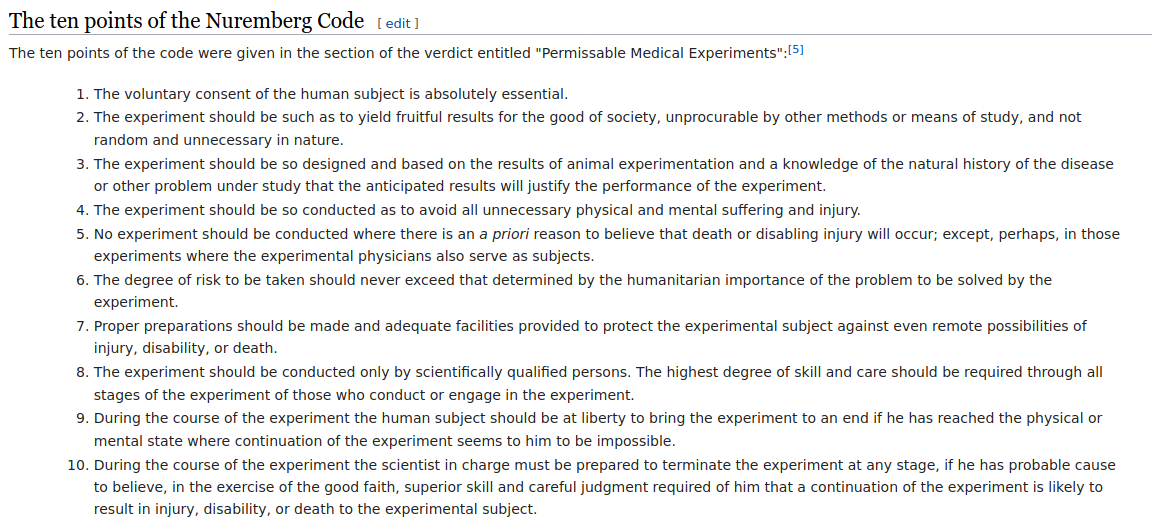
The ten points became known as the "Nuremberg Code", which includes such principles as informed consent and absence of coercion; properly formulated scientific experimentation; and beneficence towards experiment participants. It is thought to have been mainly based on the Hippocratic Oath, which was interpreted as endorsing the experimental approach to medicine while protecting the patient.
-
Wuhan doctors plan long-term look at coronavirus impact on male sex hormone (SCMP)
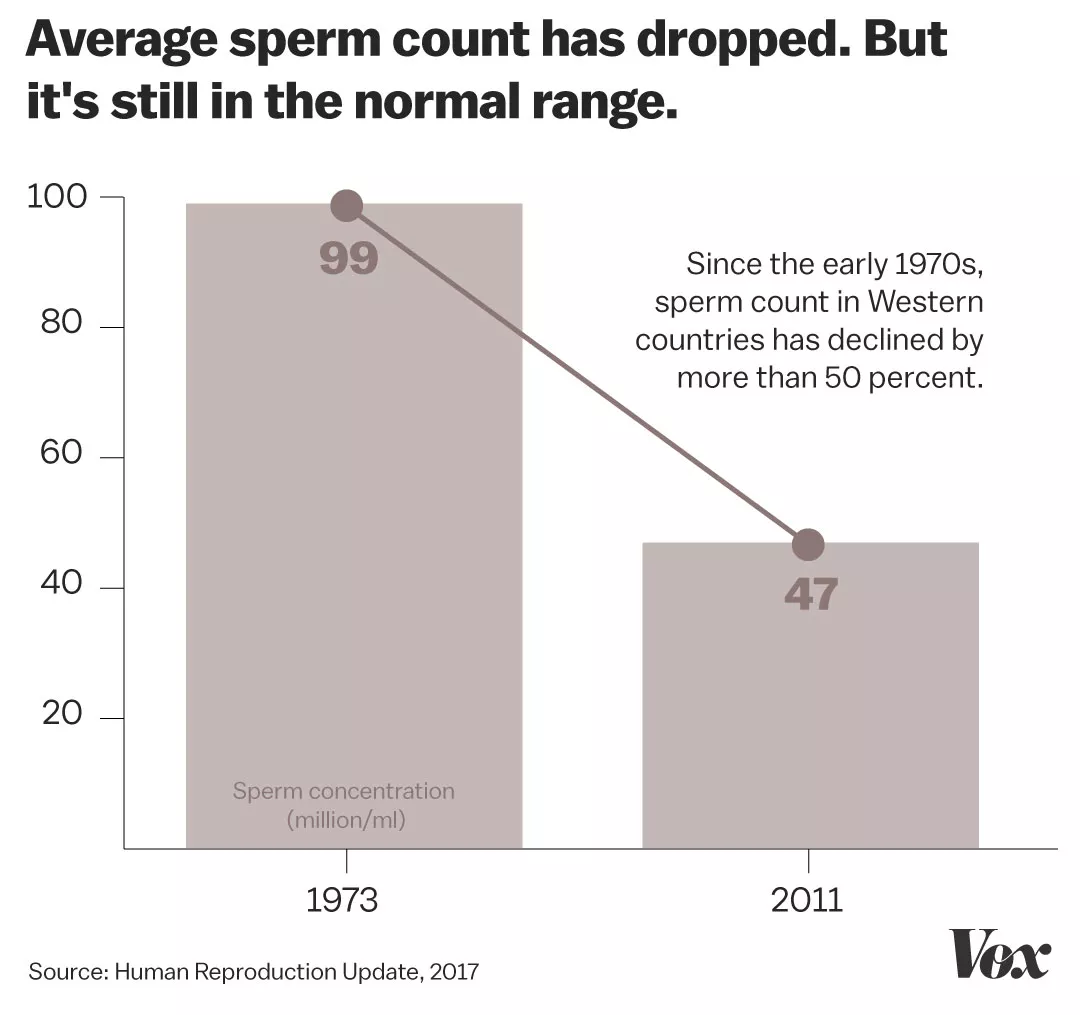
Doctors in the central Chinese city of Wuhan plan to embark on a long-term study of the effects of the coronavirus on the male reproductive system, building on small-scale research indicating that the pathogen could affect sex hormone levels in men. Though still preliminary and not peer reviewed, the study is the first clinical observation of the potential impact of Covid-19, the disease caused by the coronavirus, on the male reproductive system, especially among younger groups.
-

Rabies is a viral disease that causes inflammation of the brain in humans and other mammals. Early symptoms can include fever and tingling at the site of exposure. These symptoms are followed by one or more of the following symptoms: violent movements, uncontrolled excitement, fear of water, an inability to move parts of the body, confusion, and loss of consciousness. Once symptoms appear, the result is nearly always death. The time period between contracting the disease and the start of symptoms is usually one to three months, but can vary from less than one week to more than one year. The time depends on the distance the virus must travel along peripheral nerves to reach the central nervous system.
-
Aldous Huxley on next generation pharmacological methods (1962)

“There will be, in the next generation or so, a pharmacological method of making people love their servitude, and producing dictatorship without tears, so to speak, producing a kind of painless concentration camp for entire societies, so that people will in fact have their liberties taken away from them, but will rather enjoy it, because they will be distracted from any desire to rebel by propaganda or brainwashing, or brainwashing enhanced by pharmacological methods. And this seems to be the final revolution” ― Aldous Huxley
-
Earth's Soil Could Absorb 5.5 Billion Tonnes of CO2 Annually, if We Get It Right (Nature)
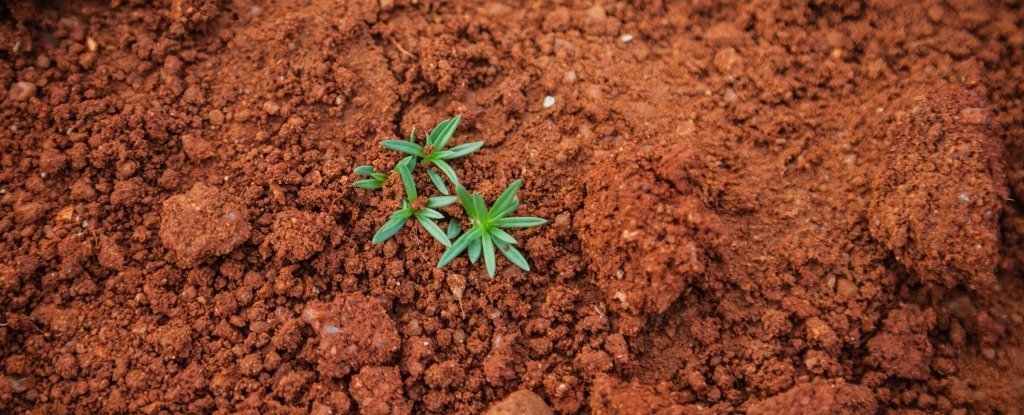
A new paper in the journal Nature Sustainability analysed the potential for carbon sequestration in soils and found it could, if properly managed, contribute a quarter of absorbtion on land. The total potential for land-based sequestration is 23.8 gigatonnes of CO2-equivalent, so soil could in theory absorb 5.5 billion tonnes annually. Most of this potential, around 40%, can be achieved simply by leaving existing soil alone - that is, not continuing to expand agriculture and plantation growth across the globe.
The Diversity of Tropical Forest Carbon Sinks Is More Complicated Than We Thought (IIASA)

Tropical forest ecosystems are an important part of the global carbon cycle as they take up and store large amounts of CO2. It is however uncertain how much these forests’ ability to take up and store carbon differ between forests with high versus low species richness. New IIASA research sheds light on this question aiming to enhance our ability to predict tropical ecosystems’ strength as global carbon sinks. Paper: Shedding light on how much carbon tropical forests can absorb (2020, IIASA)
-
Butterfly Wings Have a Hidden Structure That Rivals Vantablack in Its Darkness (Nature)
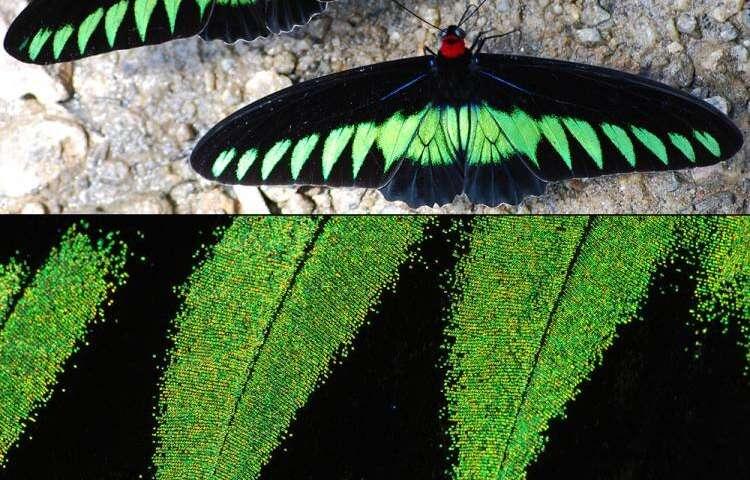
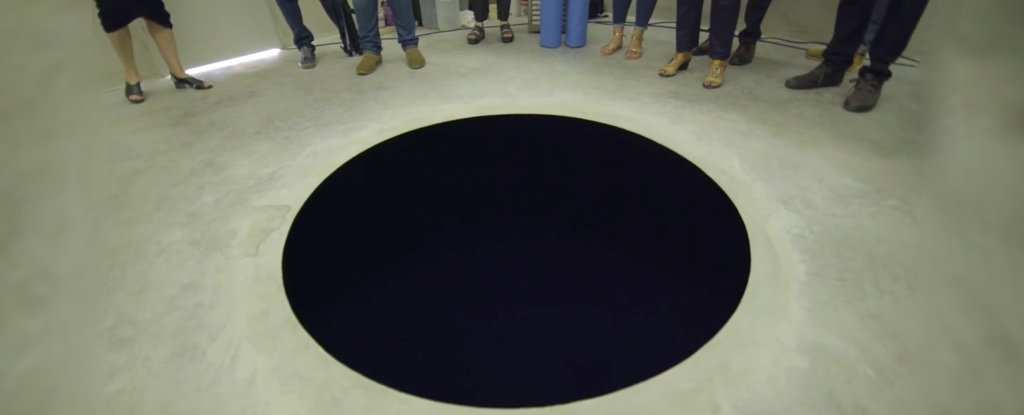
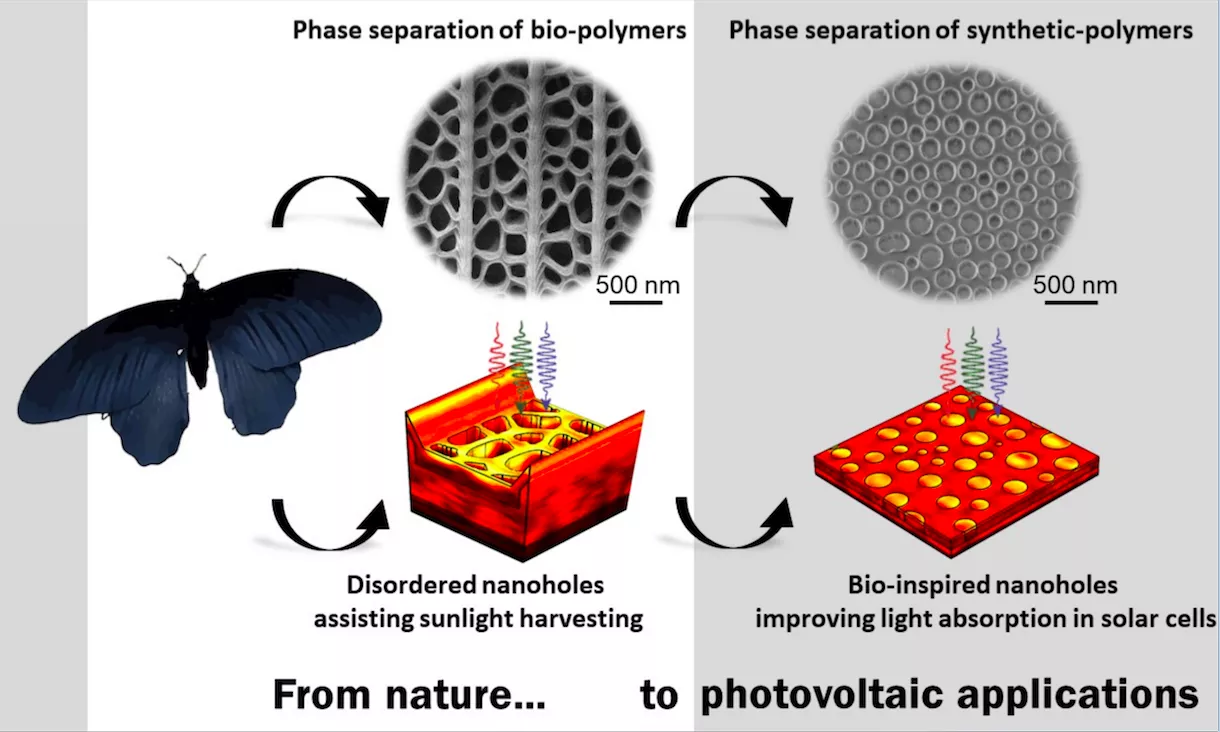
Butterflies have taken the colour black to an entirely new level. The scales that shingle this insect's dark wings are nearly on par with the blackest of black coatings made by humans - except they're only a fifth of the thickness. At just a few microns wide, these natural nanostructures absorb 99.94 percent of the light that hits them, allowing only a tiny amount to be reflected.
To put that in perspective, Vantablack, which used to be the blackest material known to science, absorbs 99.96 percent of light. And the material that surpassed its blackness has vertically aligned carbon nanotubes (CNTs) that can absorb more than 99.995 percent. Examining 10 species from around the world, which were either ultra-black, regular black or dark brown, researchers at Duke University found these creatures were between 10 to 100 times darker than charcoal, fresh asphalt and velvet.
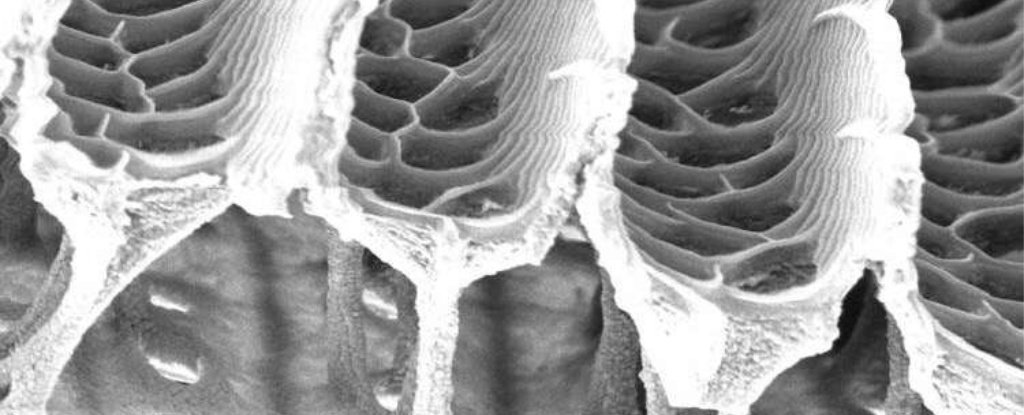
"Given that these structural changes increase the surface area for absorption," the authors write, "we conclude that butterflies operate under the same design principles as synthetic ultra-black materials - high surface roughness and a large area for absorption."
But because these scales are several times thinner than stacked carbon nanotubes, engineers and biologists alike are interested in learning how they can trap so much light without weighing themselves down. The answer could possibly help us design better solar panels and telescopes. It could maybe even camouflage an aircraft so it can't be detected at night or by radar. The possibilities are huge for such a nanoscopic mechanism.
-
How China is Curbing Coronavirus: Nanjing: A City with 0 New Cases - by Ryo Takeuchi, a Japanese documentary director who currently lives in Nanjing.
#Health #Biology #SE #Technology #Military #China #Documentary