tag > Biology
-
I should have loved biology - essay by James Somers
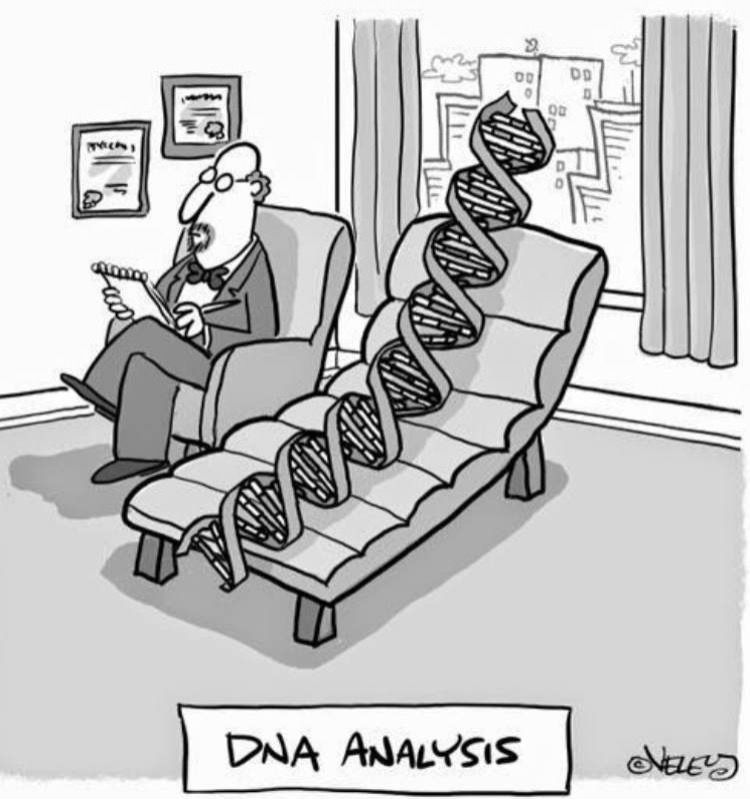
I should have loved biology but I found it to be a lifeless recitation of names: the Golgi apparatus and the Krebs cycle; mitosis, meiosis; DNA, RNA, mRNA, tRNA. In the textbooks, astonishing facts were presented without astonishment. Someone probably told me that every cell in my body has the same DNA. But no one shook me by the shoulders, saying how crazy that was. I needed Lewis Thomas, who wrote in The Medusa and the Snail: "For the real amazement, if you wish to be amazed, is this process. You start out as a single cell derived from the coupling of a sperm and an egg; this divides in two, then four, then eight, and so on, and at a certain stage there emerges a single cell which has as all its progeny the human brain. The mere existence of such a cell should be one of the great astonishments of the earth. People ought to be walking around all day, all through their waking hours calling to each other in endless wonderment, talking of nothing except that cell."
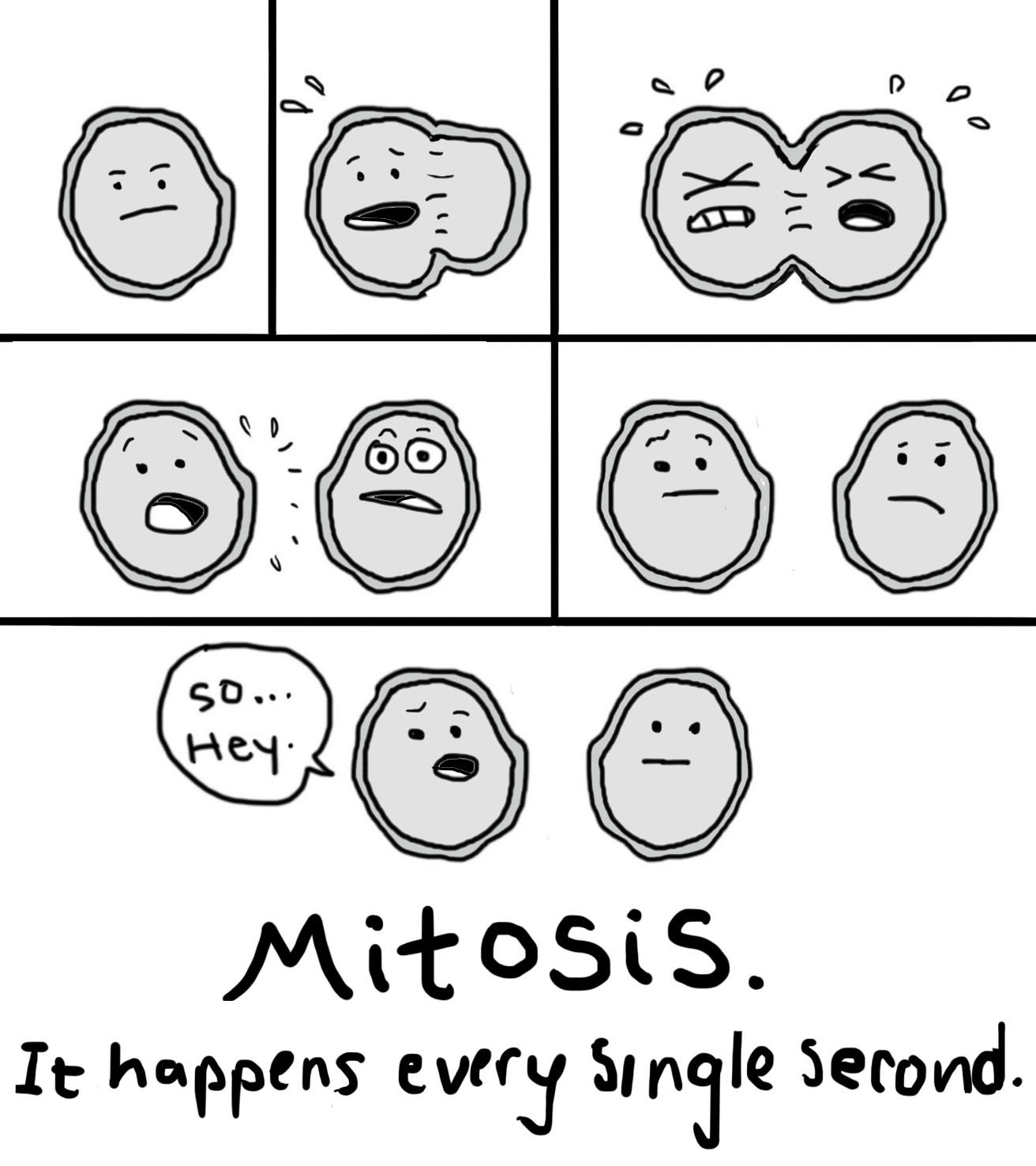
I wish my high school biology teacher had asked the class how an embryo could possibly differentiate -- and then paused to let us really think about it. The whole subject is in the answer to that question. A chemical gradient in the embryonic fluid is enough of a signal to slightly alter the gene expression program of some cells, not others; now the embryo knows "up" from "down"; cells at one end begin producing different proteins than cells at the other, and these, in turn, release more refined chemical signals; ...; soon, you have brain cells and foot cells. How come we memorized chemical formulas but didn't talk about that? It was only in college, when I read Douglas Hofstadter's Godel, Escher, Bach, that I came to understand cells as recursively self-modifying programs. The language alone was evocative. It suggested that the embryo -- DNA making RNA, RNA making protein, protein regulating the transcription of DNA into RNA -- was like a small Lisp program, with macros begetting macros begetting macros, the source code containing within it all of the instructions required for life on Earth. Could anything more interesting be imagined? [...]
-
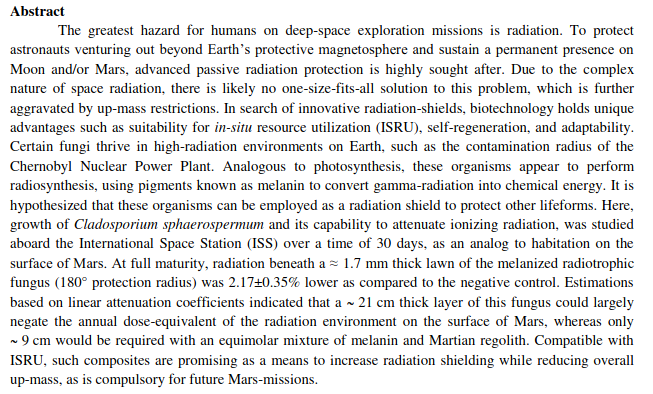
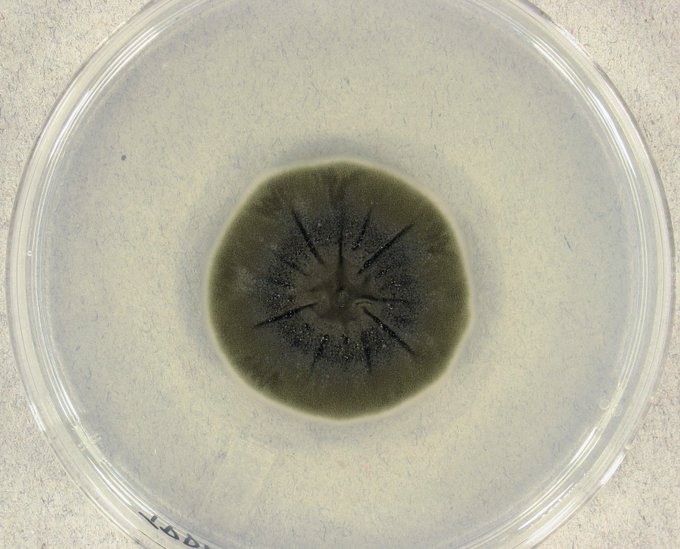
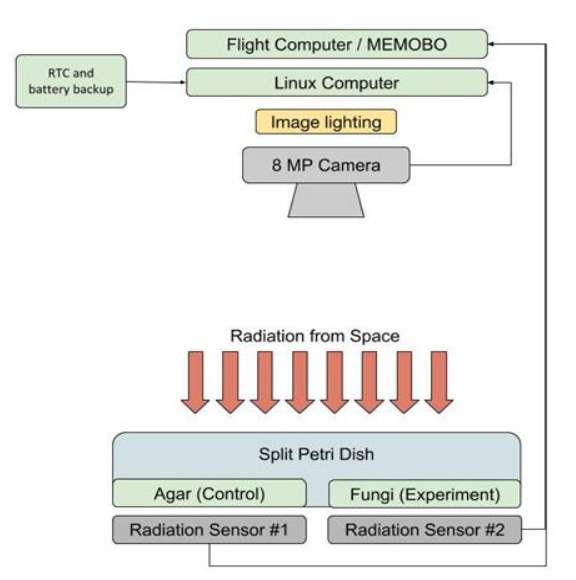
Self-replicating fungi converts gamma radiation into chemical energy.
"been found to thrive in ... Chernobyl Nuclear Power Plant" and " been found to populate the exteriors of spacecraft in low Earth orbit (LEO)".
-
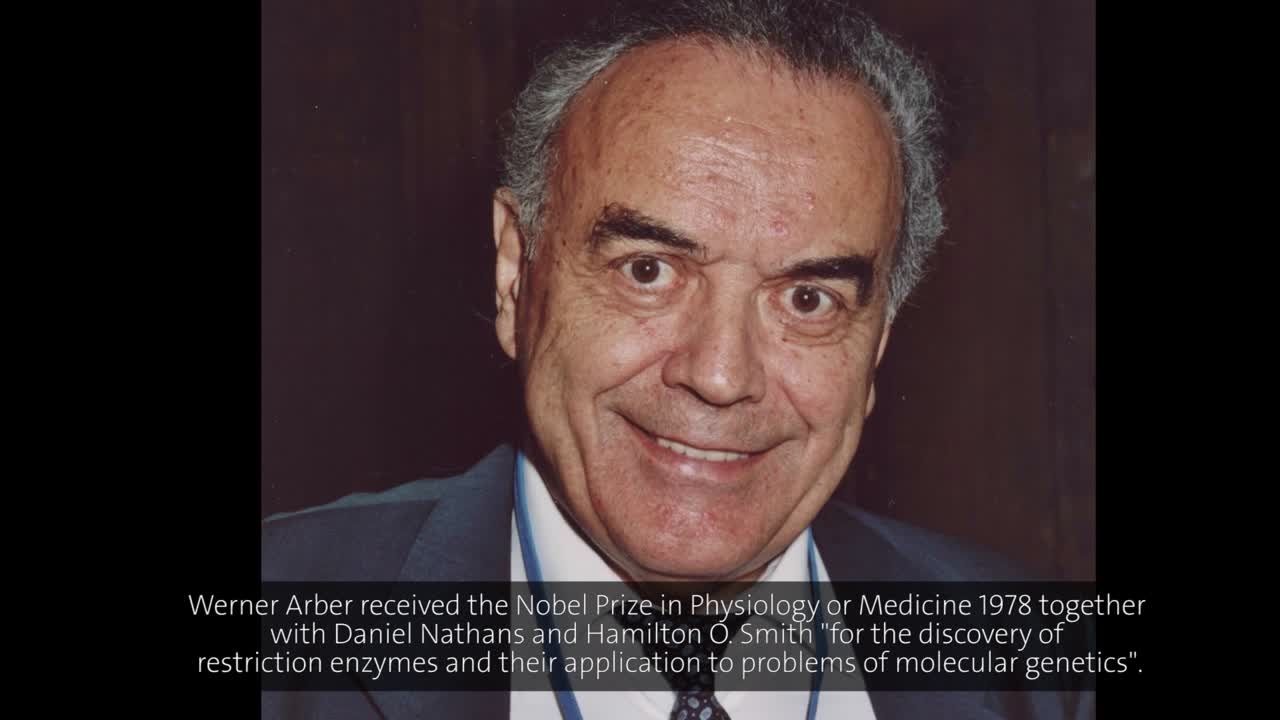
Werner Arber shared the 1978 Nobel Prize in Physiology or Medicine for the discovery of restriction endonucleases "The most primitive cells may require at least several hundred different specific biological macromolecules. How such already quite complex structures may have come together, remains a mystery to me. The possibility of the existence of a Creator, of God, represents to me a satisfactory solution to this problem." ... "I know that the concept of God helped me to master many questions in life; it guides me in critical situations, and I see it confirmed in many deep insights into the beauty of the functioning of the world." - Werner Arber
-
Systems Chemistry Symposium 2020 - Introduction video by Petra Schwille
-
"Evolution is cleverer than you are." - Orgel's Second Rule
-
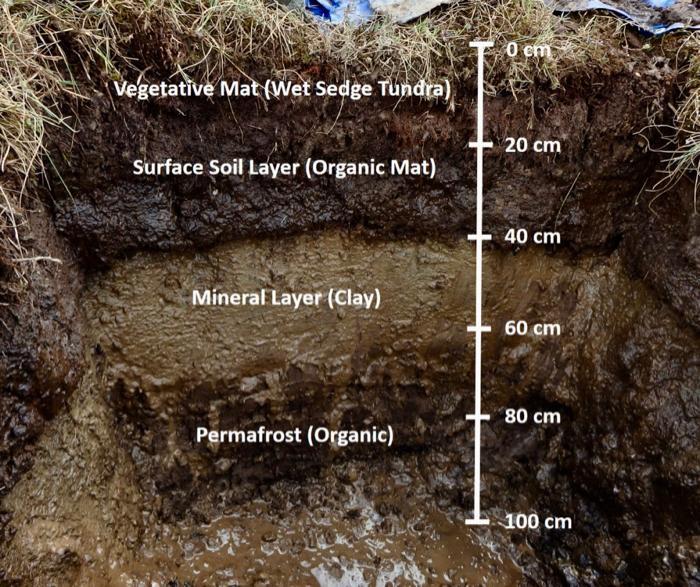
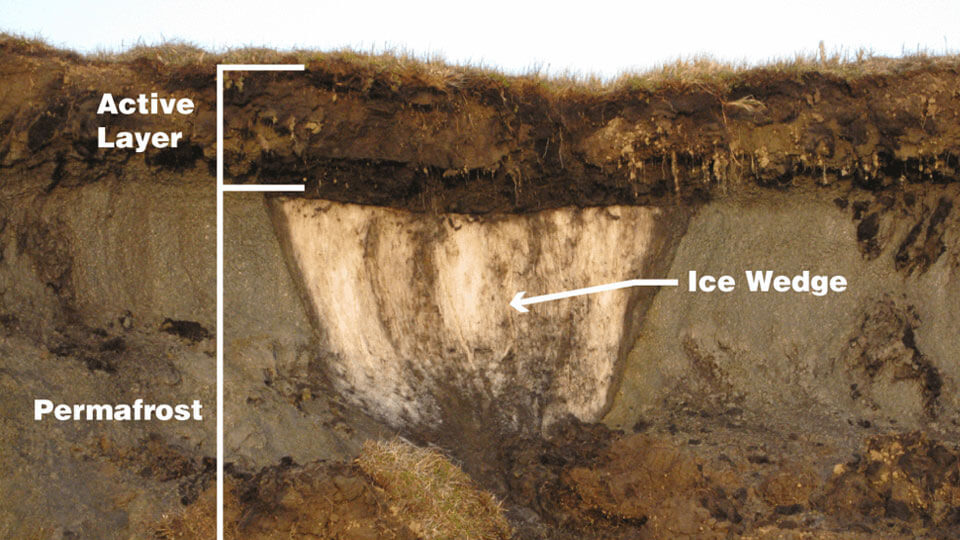
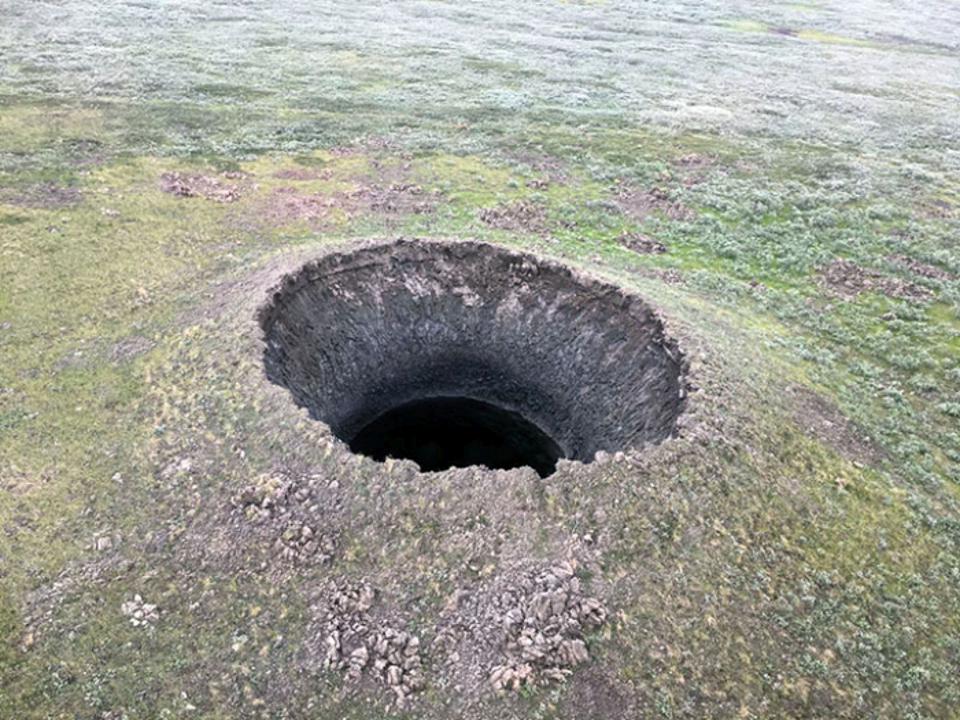
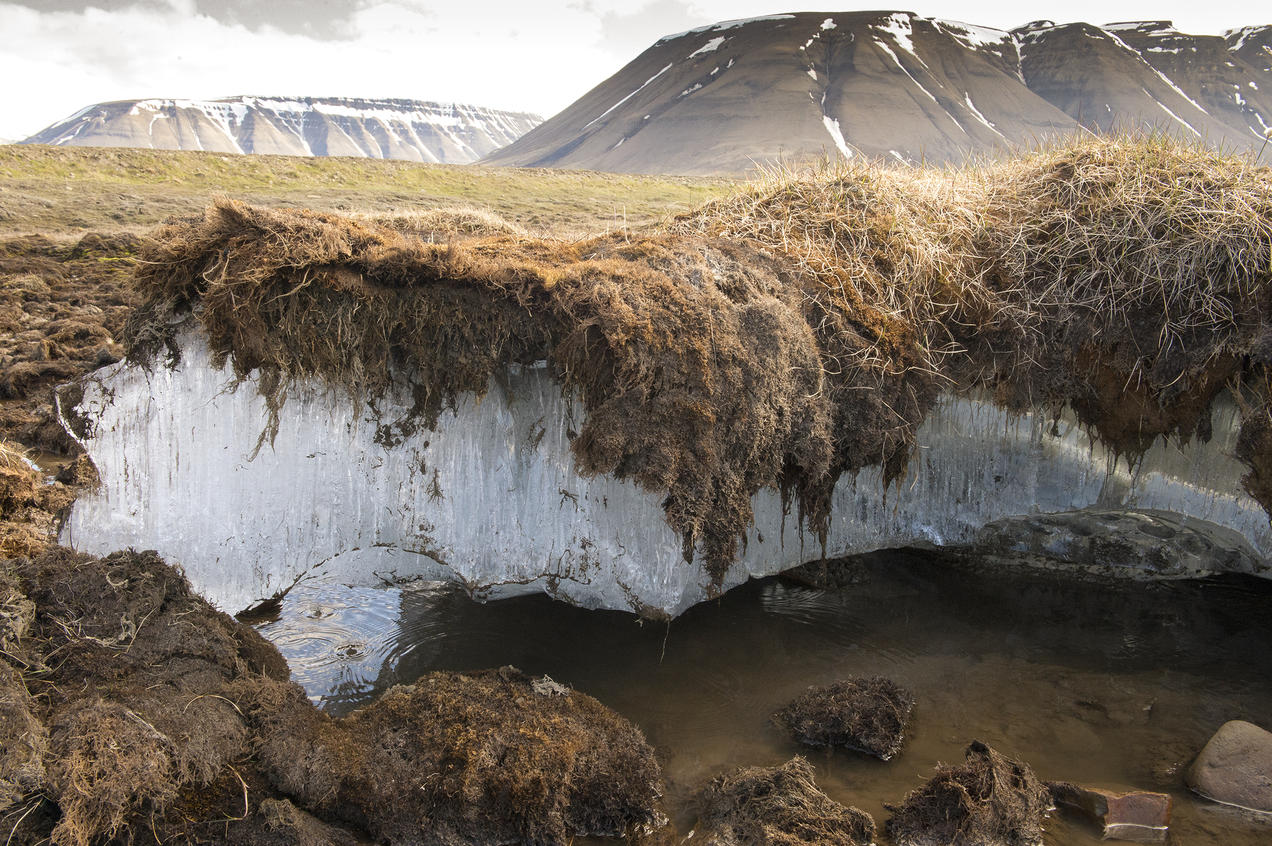
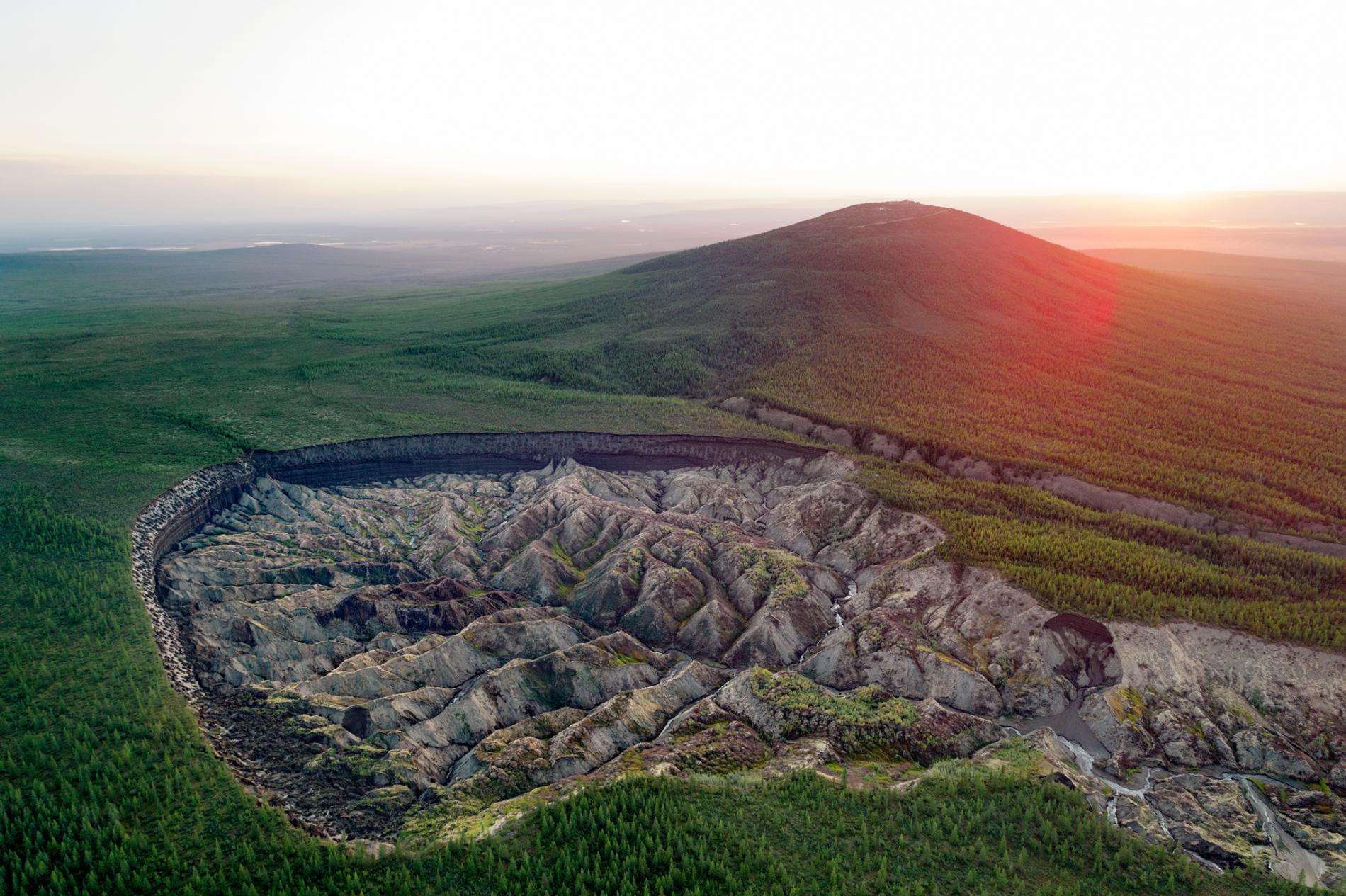
Deep Frozen Arctic Microbes Are Waking Up (scientificamerican)
Thawing permafrost is releasing microorganisms, with consequences that are still largely unknown.

-
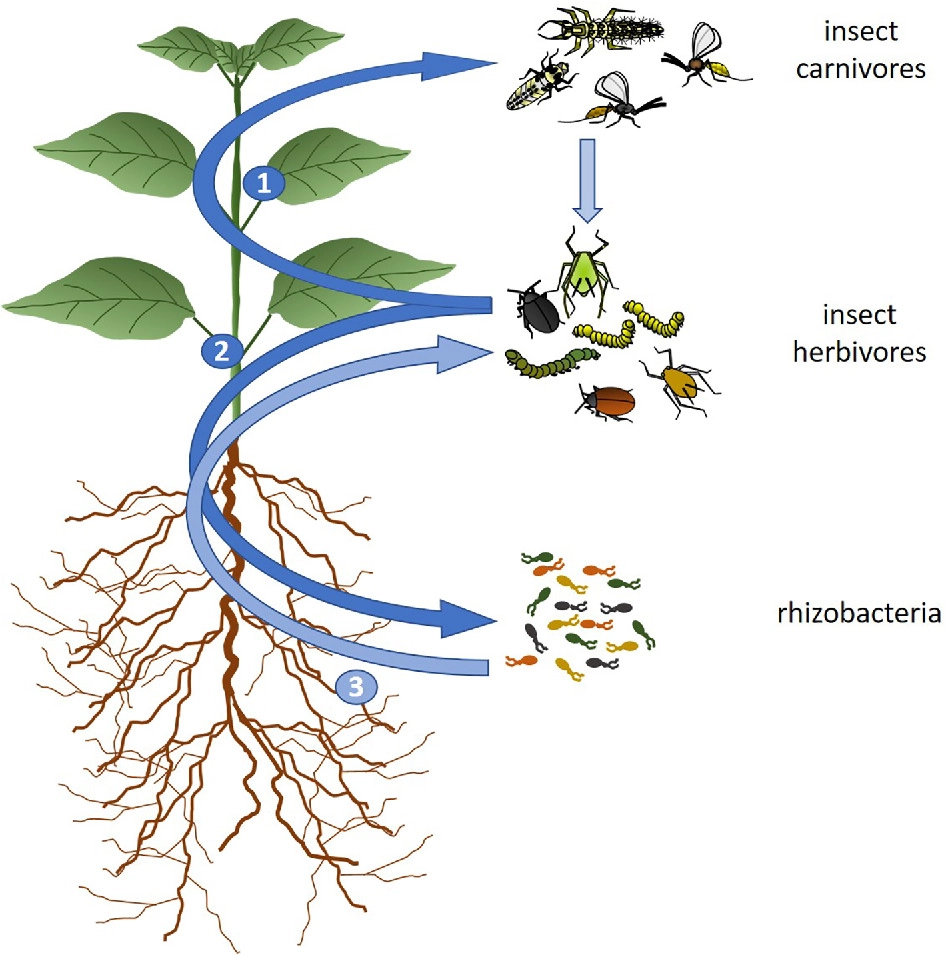
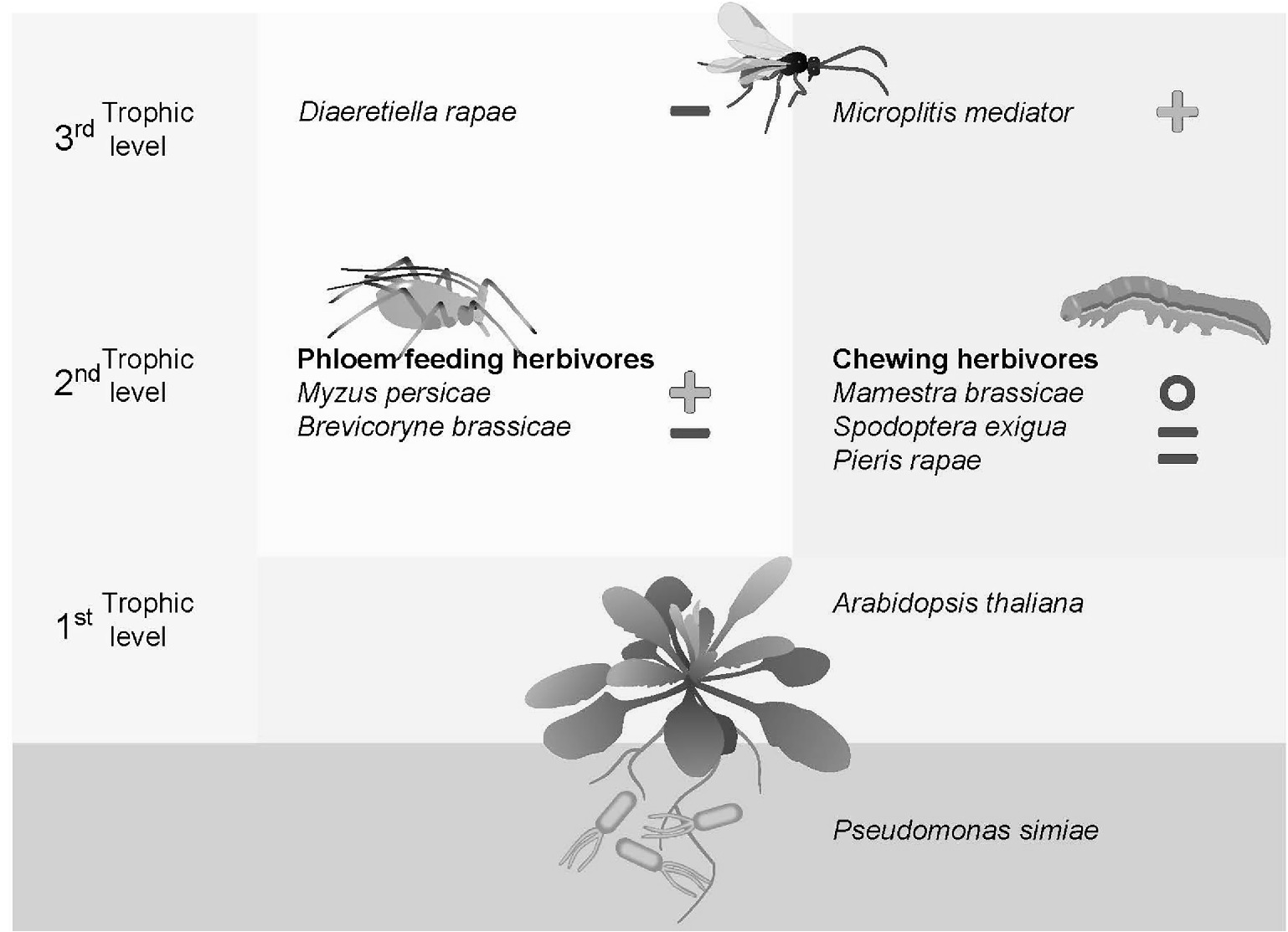
Plants cry for help and thus recruit the enemies of their enemies as well as soil microbes that both assist the plant in its defence against insect herbivores
-
From Big Six to Big Four (2019)
OECD study sheds light on concentration and competition in seed markets.
The Big Six, as described in the wiki on DuPont
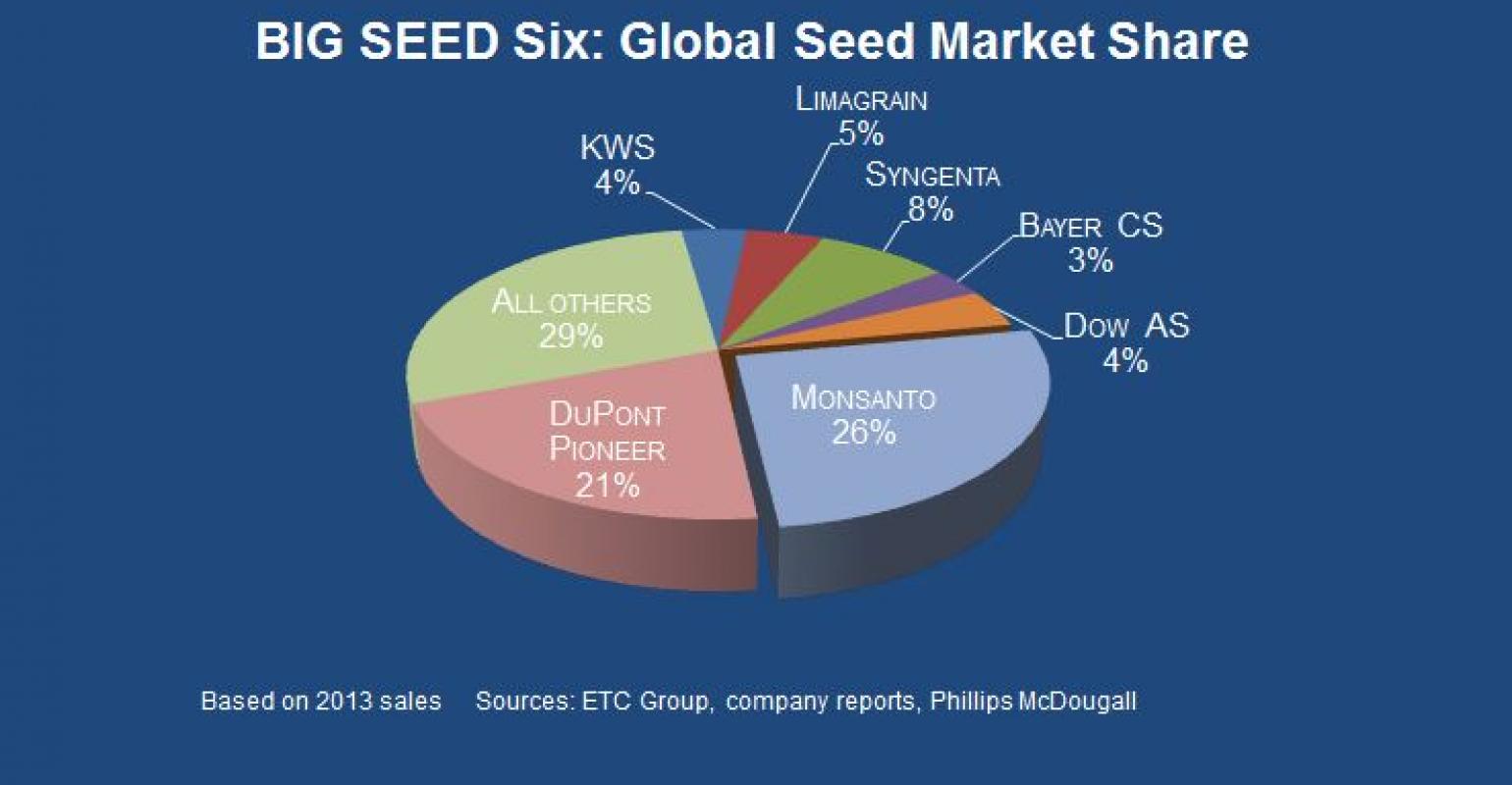
"On the other hand, if Monsanto and Bayer, the 1st and 3rd largest biotech and seed firms, together with Dow and DuPont being the 4th and 5th largest biotechnology and seed companies in the world respectively, both went through with the mergers, the so-called "Big Six" in the industry would control 63% of the global seed market and 76% of the global agriculture chemical market."
-
Scientists Discover New Molecule, Possible Basis For Life, on Saturn's Moon Titan (cnn)
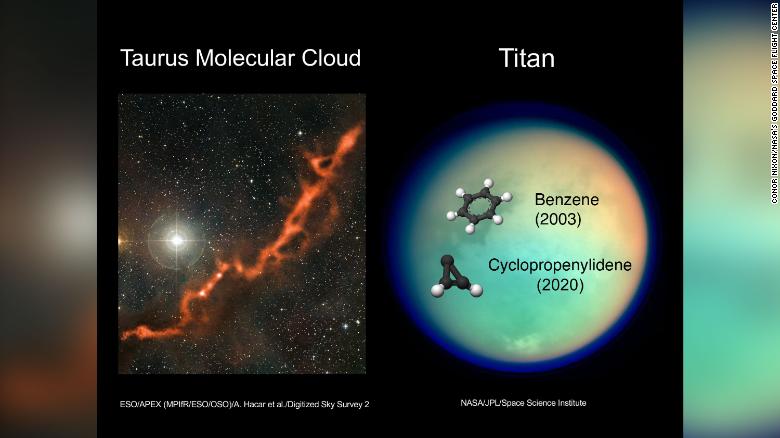
Saturn's largest moon, Titan, is the only moon in our solar system that has a thick atmosphere. It's four times denser than Earth's. And now, scientists have discovered a molecule in it that has never been found in any other atmosphere. The particle is called cyclopropenylidene, or C3H2, and it's made of carbon and hydrogen. This simple carbon-based molecule could be a precursor that contributes to chemical reactions that may create complex compounds. And those compounds could be the basis for potential life on Titan. The molecule was first noticed as researchers used the Atacama Large Millimeter/submillimeter Array of telescopes in Chile. This radio telescope observatory captures a range of light signatures, which revealed the molecule among the unique chemistry of Titan's atmosphere. The study published earlier this month in the Astronomical Journal...
-
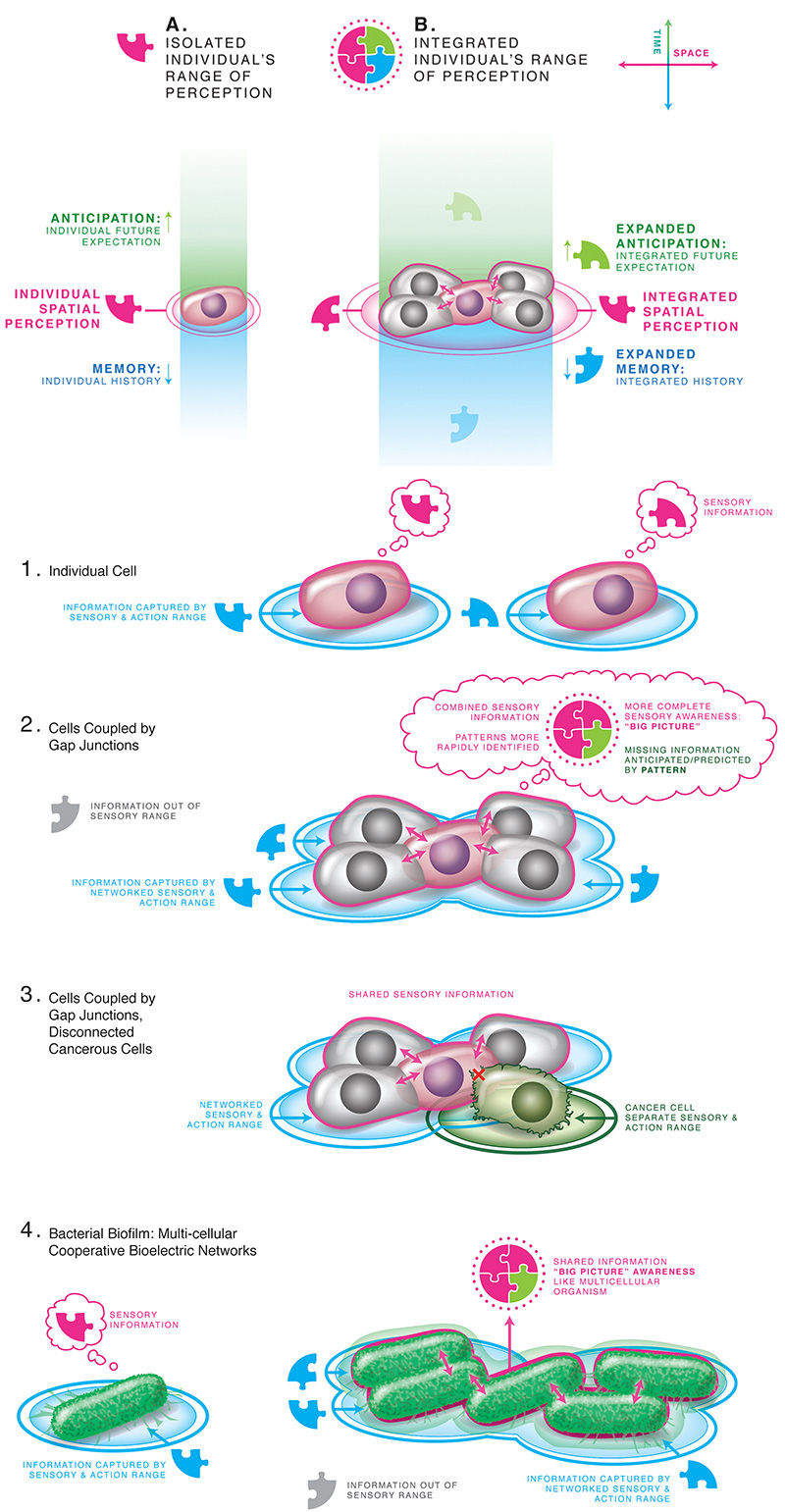
Cognition all the way down (aeon)
Biology’s next great horizon is to understand cells, tissues and organisms as agents with agendas (even if unthinking ones)
-
NASA’s SOFIA Discovers Water on Sunlit Surface of Moon (NASA)
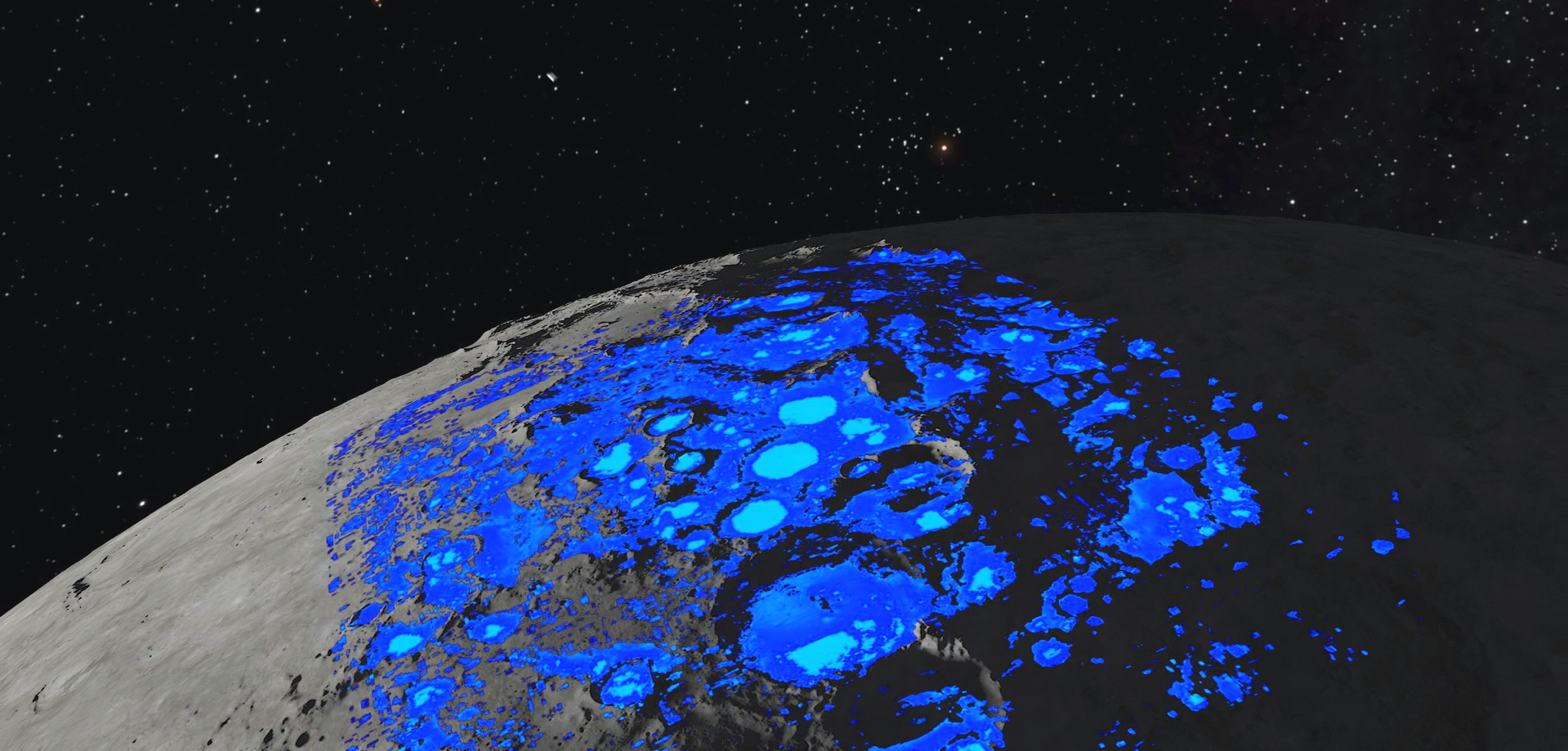
NASA’s Stratospheric Observatory for Infrared Astronomy (SOFIA) has confirmed, for the first time, water on the sunlit surface of the Moon. This discovery indicates that water may be distributed across the lunar surface, and not limited to cold, shadowed places.
Water on the moon should be more accessible than we thought (MIT)
If you don’t already know: Yes, there is water on the moon. NASA suggests there’s as much as 600 million metric tons of water ice there, which could someday help lunar colonists survive. It could even be turned into an affordable form of rocket fuel (you just have to split water into oxygen and hydrogen, and presto—you have propulsion for spaceflight).
-
Static EMFs Control Diabetes - A Chance Finding Leads to a Breakthrough
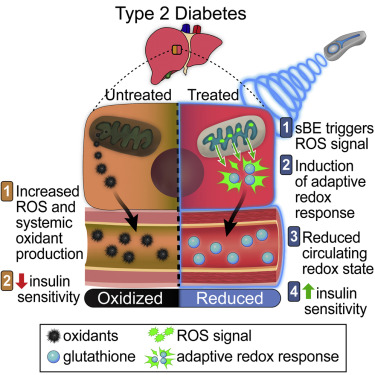
In a startling new paper, researchers at the University of Iowa medical school are reporting that static electric and magnetic fields (EMFs) can control diabetes in laboratory mice. “Exposure to EMFs for relatively short periods reduces blood sugar and normalizes the body’s response to insulin,” says Calvin Carter, one of the leaders of the research group. “The effects are long-lasting, opening the possibility of an EMF therapy that can be applied during sleep to manage diabetes all day.” Carter is a post-doc in the lab of Val Sheffield at the university’s Carver College of Medicine. Sheffield is a former Howard Hughes Medical Institute (HHMI) investigator. The new findings appear in Cell Metabolism, a highly regarded journal.
-
Water on Mars: discovery of three buried lakes intrigues scientists
Researchers say they have detected a group of lakes hidden under the red planet’s icy surface.
-
Dwarf planet Ceres is an 'ocean world' with sea water beneath surface, mission finds
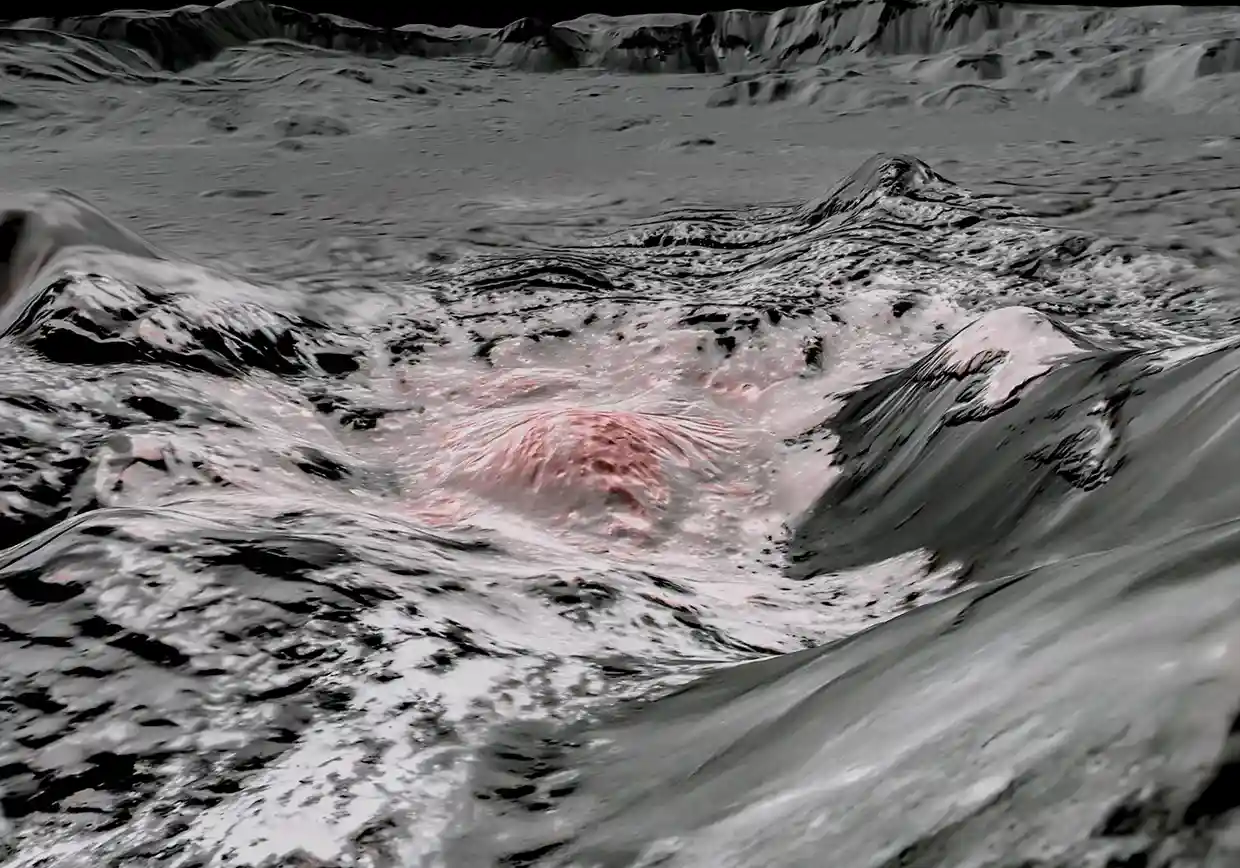
Using infrared imaging, one team discovered the presence of the compound hydrohalite – a material common in sea ice but which until now had never been observed beyond Earth. Maria Cristina De Sanctis, from Rome’s Istituto Nazionale di Astrofisica said hydrohalite was a clear sign Ceres used to have sea water. “We can now say that Ceres is a sort of ocean world, as are some of Saturn’s and Jupiter’s moons,” she told AFP. The team said the salt deposits looked like they had built up within the last 2 million years – the blink of an eye in space time. This suggests that the brine may still be ascending from the planet’s interior, something De Sanctis said could have profound implications in future studies. “The material found on Ceres is extremely important in terms of astrobiology,” she said. “We know that these minerals are all essential for the emergence of life.”