tag > Biotech
-
Scientists Finally Reveal The Electronic Structure of Benzene -- in 126 Dimensions
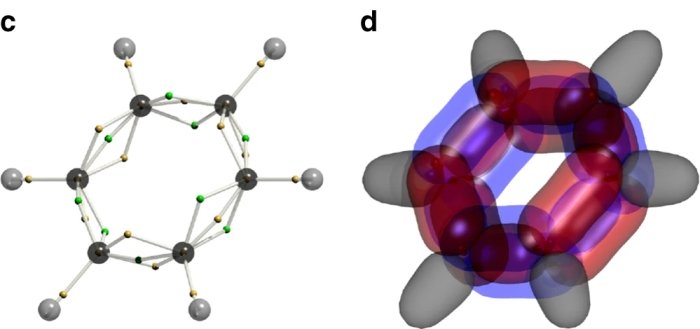
Nearly 200y after the molecule was discovered by Michael Faraday, researchers have finally revealed the complex electronic structure of benzene. This not only settles a debate that has been raging since the 1930s, this step has important implications for the future development of opto-electronic materials, many of which are built on benzenes.
-
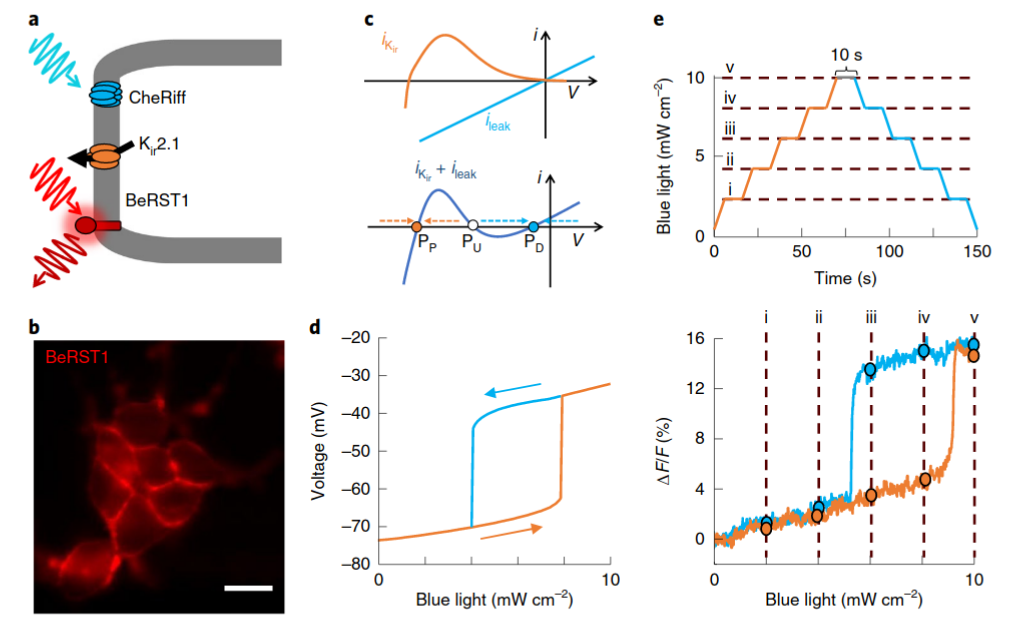
Bioelectrical domain walls in homogeneous tissues - New software for modeling embryonic morphogenesis (unpaywalled)
-
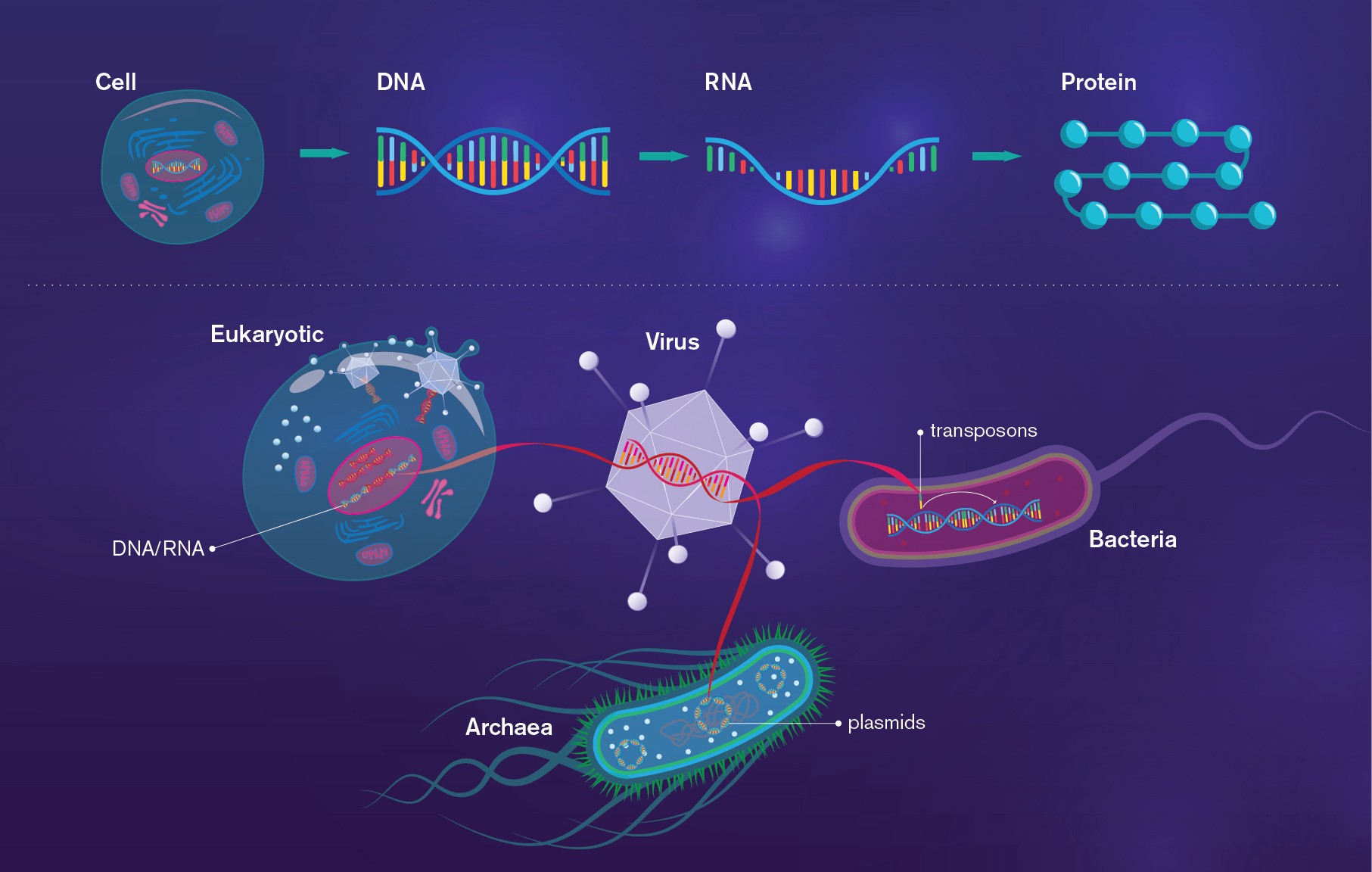
The Human Genome Is Full of Viruses - The body requires viruses, viruses don’t require a body.
-
What if your steak came from the greenhouse instead of the slaughterhouse?
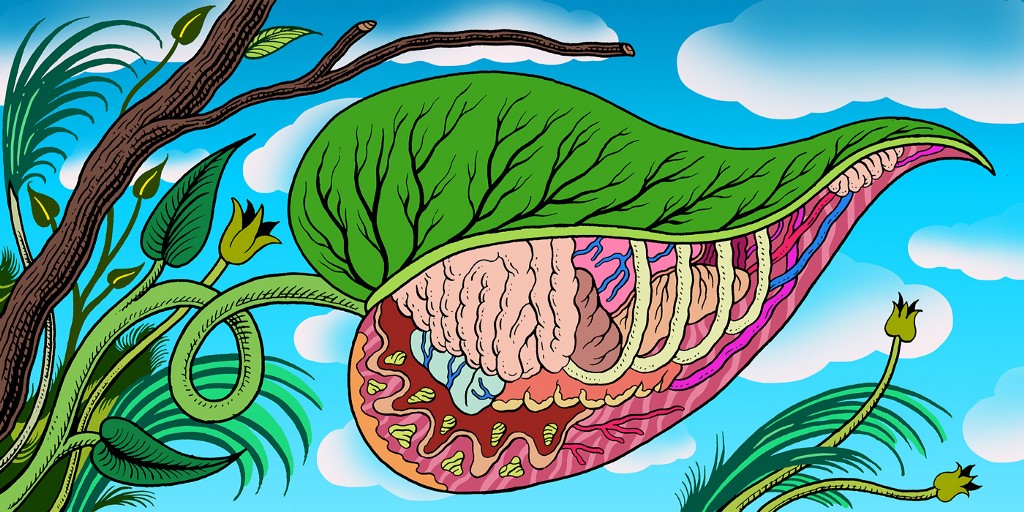
To make meat out of animal cells but no actual animals, you have to solve a big (meaty!) problem: Where do you grow the stuff? Though it might sound like a vegetarian’s nightmare, the answer could be to produce the meat on plants. Glenn Gaudette, a professor of biomedical engineering, is growing cow muscle cells on spinach leaves.
-
‘Pandemic’ on Netflix: How to Prevent an Outbreak
From this seemingly never-ending news cycle to the results of the Event 201 simulation, it seems like everything having to do with the Coronavirus outbreak is plagued with uncertainty. But there is one, definite historical event people are pointing to explain their concern about how a global outbreak may happen: the 1918 flu. If you’re looking for a deep dive into this previously little discussed bout of mass disease, look no further than Netflix’s chilling docuseries Pandemic: How to Prevent an Outbreak. (Trailer)
-
Aerogel from fruit biowaste produces ultracapacitors with high energy density and stability

• High performance supercapacitors synthesized from durian and jackfruit biowaste. • Outstanding performance due to large surface area, mesoporous structure and intrinsic nitrogen. • Pyridinic and graphitic n and facile ionic diffusion enable high performance supercapacitance. • Excellent stability, long-term cycling, energy density with pseudo-capacitance.
-
Human Stem Cells Successfully Used To Cure Diabetes In Mice
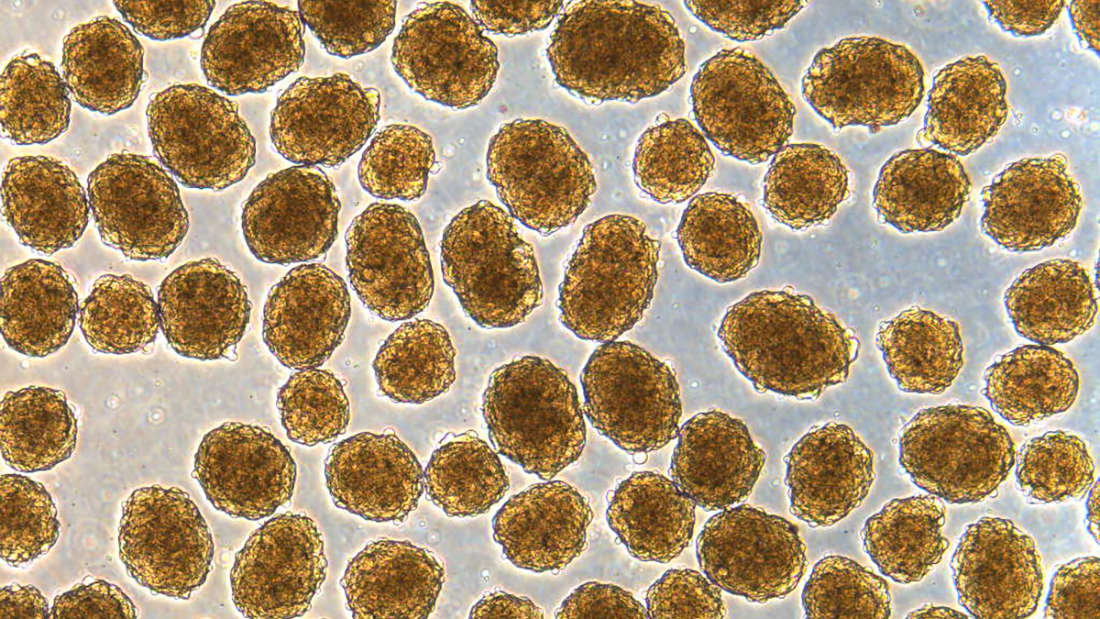
Researchers at the Washington University School of Medicine in St. Louis have shown that it is possible to use human stem cells to functionally cure diabetes in mice in just a couple of weeks. The treatment kept the disease at bay for at least nine months and up to more than a year in some mice. See the researchers statement here.
-
China Confronts COVID19 with Endless Creation Towards a Shared Future for Mankind - by Peter Koenig (Neo - New Eastern Outlook)
The new coronavirus (2019-nCoV / COVID19) has as of this date killed more than 3,000 people and infected more than 80,000 around the globe, the vast majority of them in China. The virus has spread to at least 33 countries. What western media do not talk about is that with high probability the virus was man-made in one or several bio-warfare laboratories of which the Pentagon and CIA have about 400 around the world. But such high-security bio-labs also exist in Canada, the UK, Israel and Japan. Western media also are silent about the fact that the virus is directed specifically at the Chinese race, meaning, it targets specifically Chinese DNA.
-
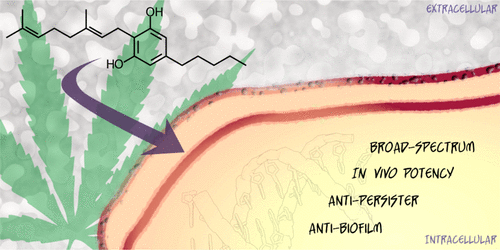
Uncovering the Hidden Antibiotic Potential of Cannabis - Research by Maya A. Farha et.al
-
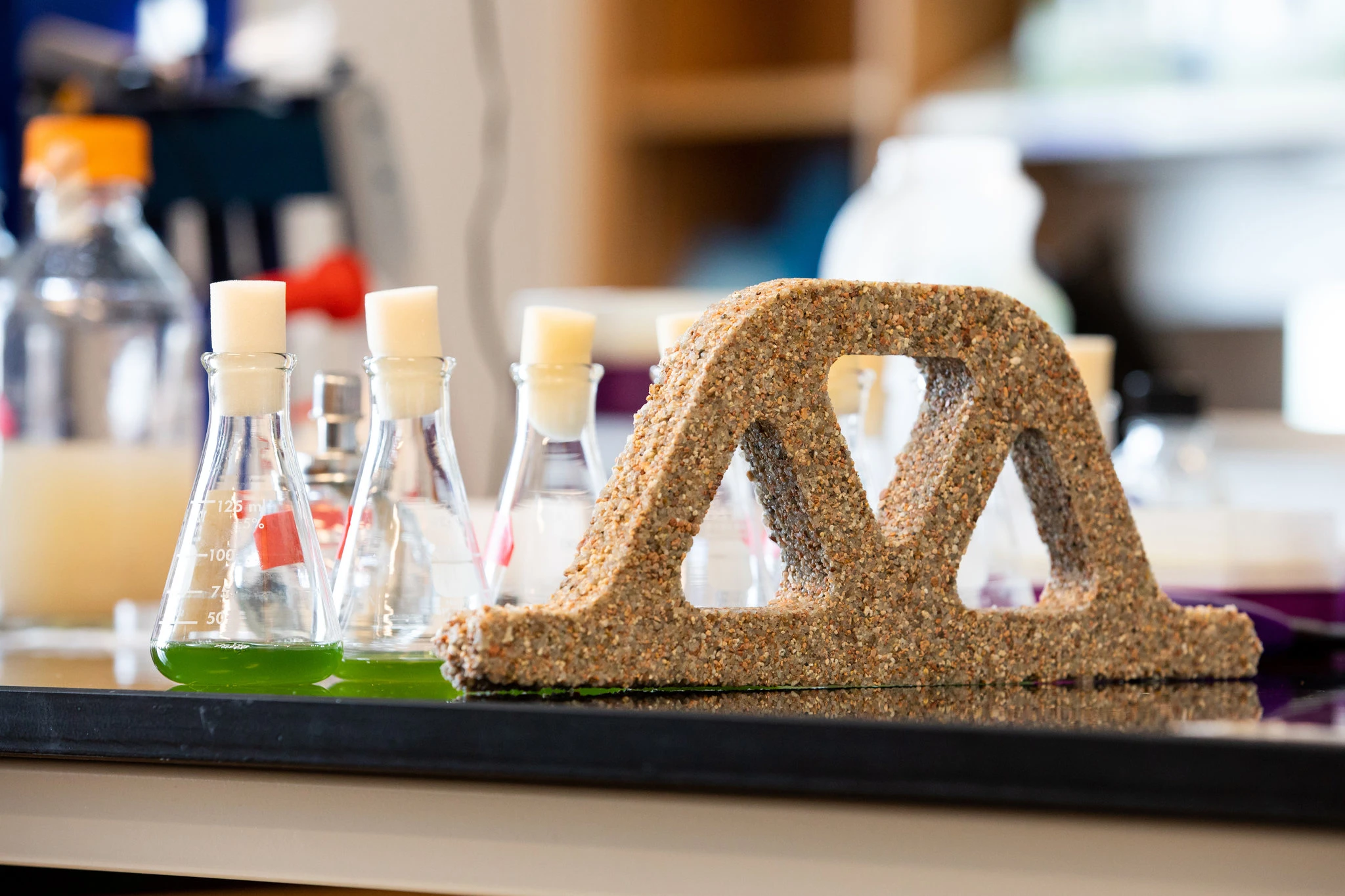
Bricks Alive! Scientists Create Living Concrete (nytimes)
“A Frankenstein material” is teeming with — and ultimately made by — photosynthetic microbes. And it can reproduce.
-
Scientists Built a Genius Device That Generates Electricity 'Out of Thin Air'
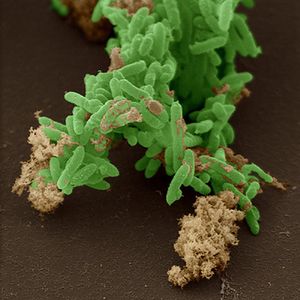
This unusual microbe, belonging to the Geobacter genus, was first noted for its ability to produce magnetite in the absence of oxygen, but with time scientists found it could make other things too, like bacterial nanowires that conduct electricity. For years, researchers have been trying to figure out ways to usefully exploit that natural gift, and they might have just hit pay-dirt with a device they're calling the Air-gen. According to the team, their device can create electricity out of… well, almost nothing.
-

Do you want it locally grown, water-saving and pesticide-free? Urban agriculture might suit you, with a little help from gene editing. Zachary Lippman’s team has already succeeded with Solanaceae fruit crops, optimizing tomatoes and ground-cherries for indoor production (see their paper in Nature Biotechnology).
By targeting three genes (SlER, SPG5, and SP), they made the plants display compact growth habit and early yield. The tomatoes produced were slightly smaller than the wild type, but each plant bore more fruit, and they tasted good.
Commenting the paper in the news and views section, Cathryn O’ Sullivan and colleagues foresee a whole CRISPR menu coming from urban agriculture in the future. It is unlikely that wheat or rice will ever be grown indoors, but urban farms will be interested in producing any plant that has high value and is eaten fresh.First of all fruits and vegetables that grow on bushes or vines, such as tomato, strawberry, raspberry, blueberry, cucumber, capsicum, grapes, kiwifruit. Specialist crops such as hops, vanilla, saffron, coffee, and also medicinal or cosmetic crops may come next.
They think that one day even small trees (chocolate, mango, almonds) may be grown indoors. However, “for indoor farming to be broadly adopted, the capital and operating costs of climate-controlled farms must be reduced, or they will benefit only the wealthiest communities.”
-
350,000 Tonnes of Pesticides Sold in EU Each Year – Still No Clear Picture of the Risks
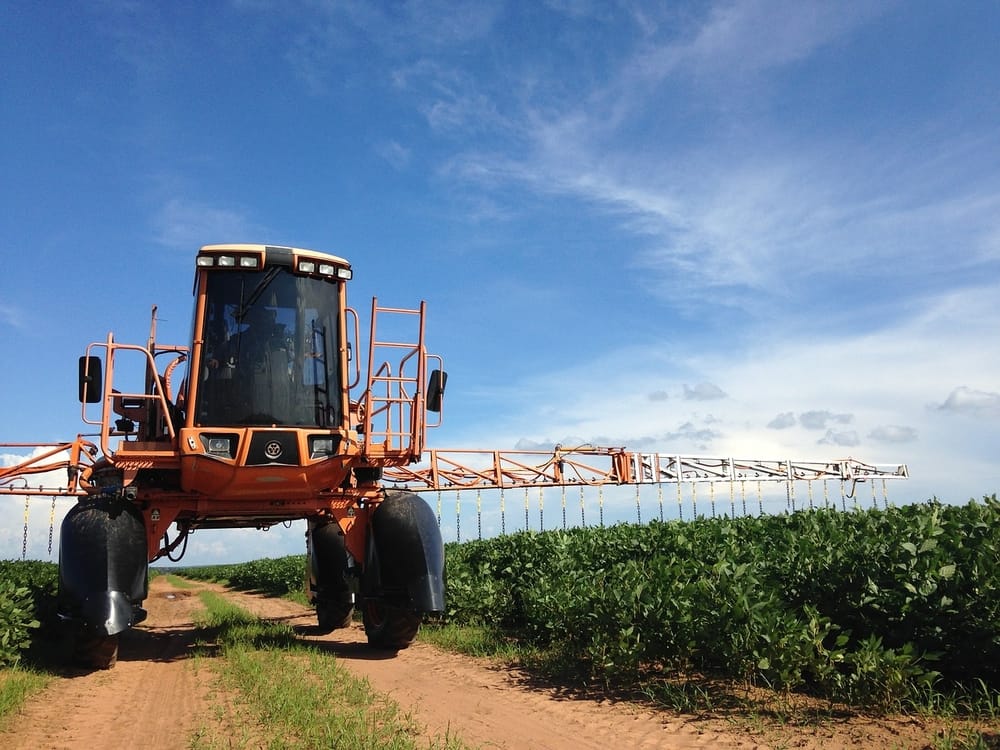
The European Commission and Member States need to pull up their socks on pesticides says the European Court of Auditors. More than 10 years since the directive on the sustainable use of pesticides, it still isn’t doing enough to measure and reduce the risks, finds a report released last week. While integrated pest management (IPM) is in theory mandatory for farmers, record keeping about it is not. Moreover, IPM won’t be taken seriously unless it’s pegged to CAP payouts, warn the auditors.
-
An anonymous group claims it took DNA from global elites — and is auctioning it off
If you had Donald Trump’s DNA, what would you do with it? An anonymous organization called the Earnest Project is offering the chance to own DNA samples of a handful of world leaders and celebrities. The group claims it has surreptitiously collected items discarded by attendees of the 2018 World Economic Forum in Davos, Switzerland, that may contain their DNA. President Trump, French President Emmanuel Macron, German Chancellor Angela Merkel, and Elton John all attended the conference.
-
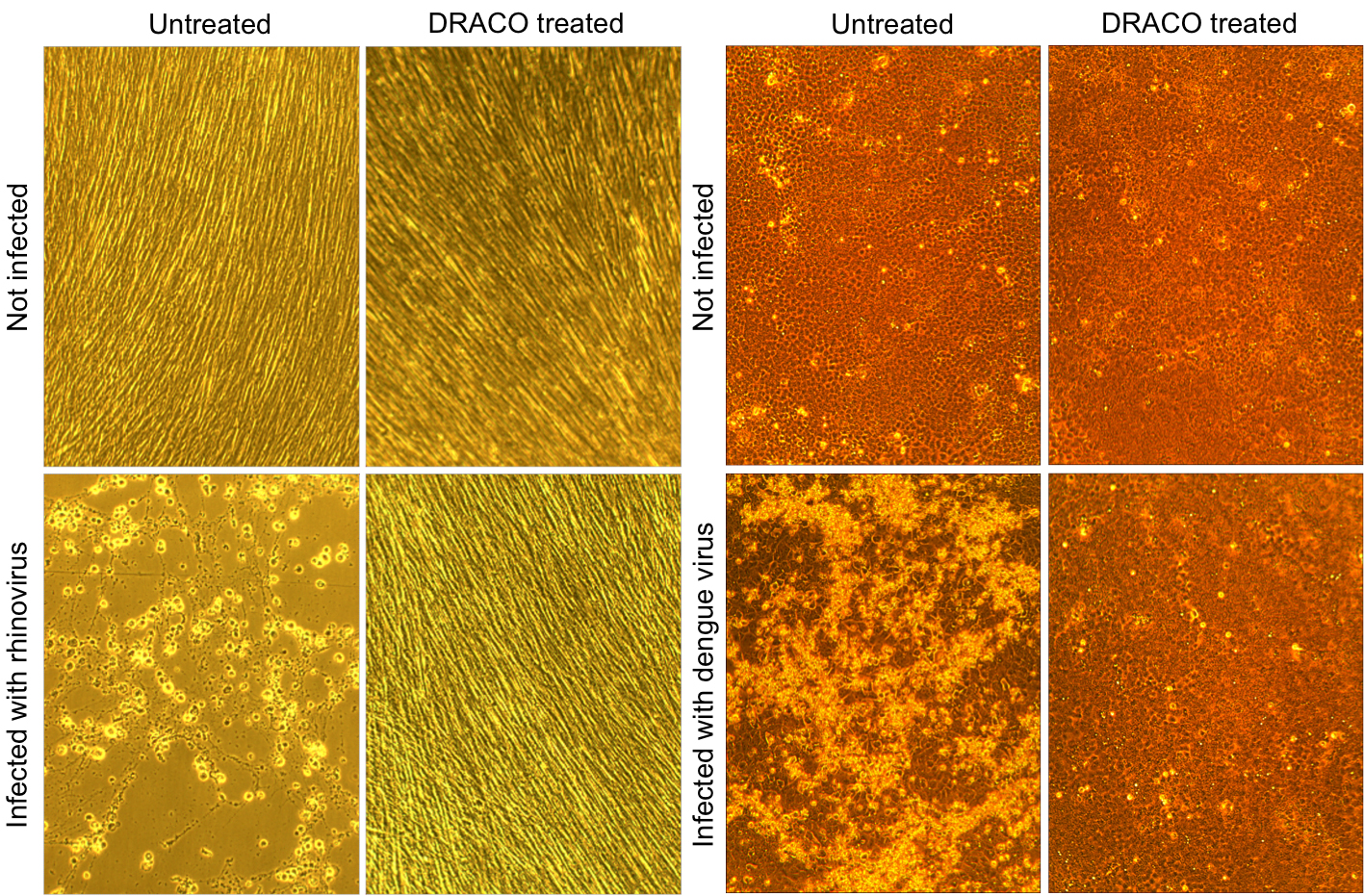
New drug could cure nearly any viral infection (MIT, 2011)
"Researchers at MIT’s Lincoln Lab have developed DRACO - a technology that may someday cure the common cold, influenza and other ailments. "
-
Chinese government rolls out coronavirus ‘close contact detector’ app (BBC)
The “close contact detector” notifies users if they have had exchanges with any individuals who have been confirmed or suspected of carrying the virus. All users need to do is scan a QR code with an app like Alipay or WeChat. People at risk are then advised to stay at home or inform local health authorities.
#InfoSec #Health #Biology #Biotech #China #Augmentation #Cryptocracy
-
Toward an MRI-Based Mesoscale Connectome of the Squid Brain (science direct)
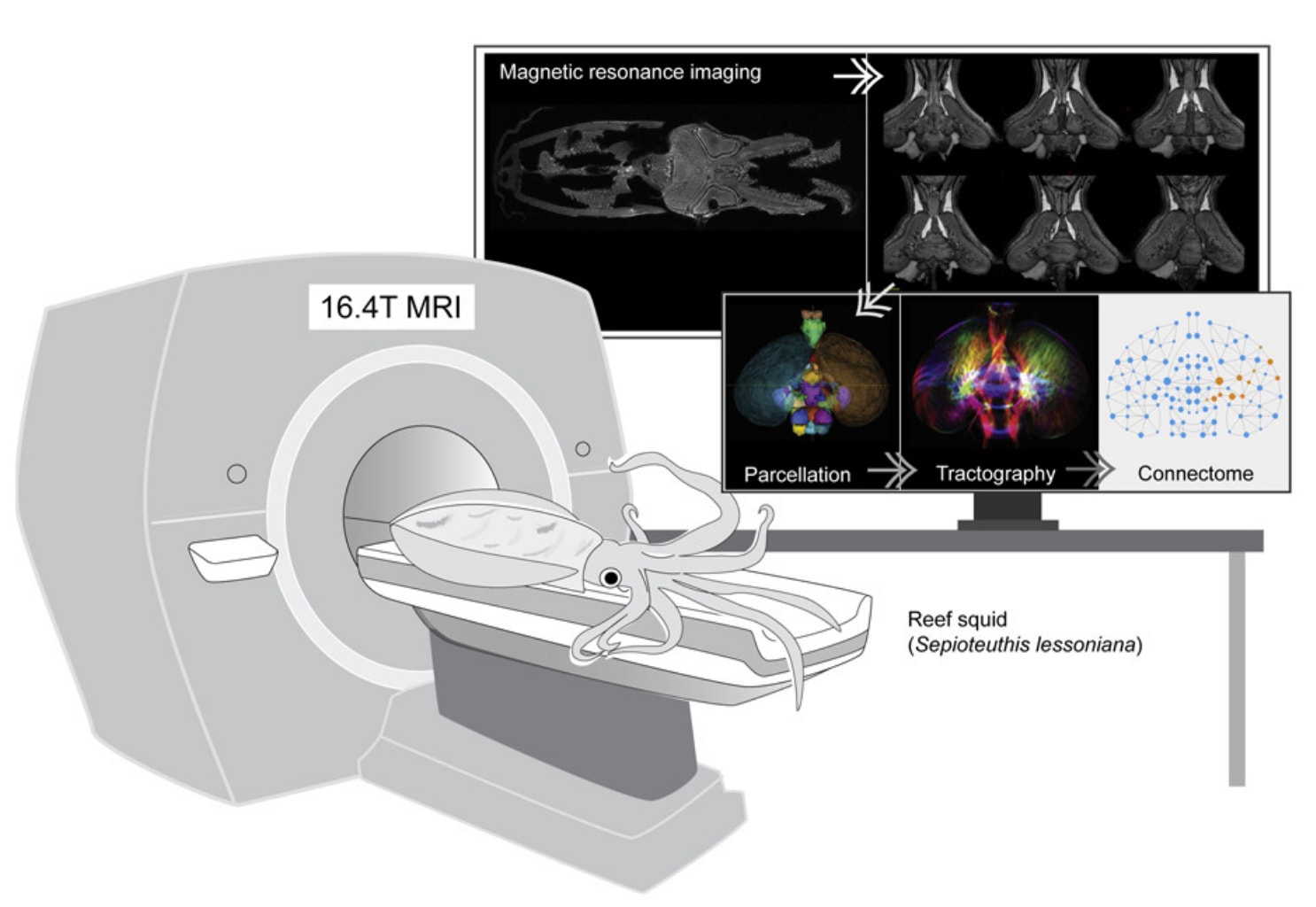
- The first MRI-based connectome in a cephalopod
- Retinotopic organization through the optic lobes and into other brain areas
- Subdivided basal lobe system defines topographic information from optic lobes
- A new chiasm is proposed to coordinate vision and countershading camouflage
- The first MRI-based connectome in a cephalopod
-
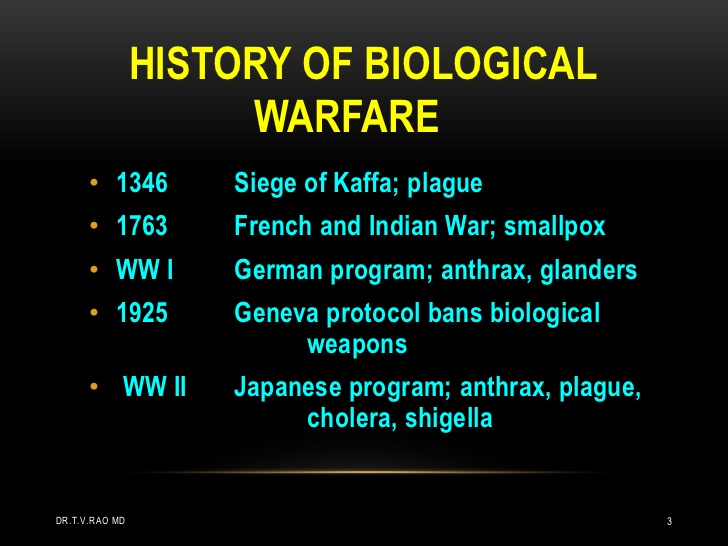
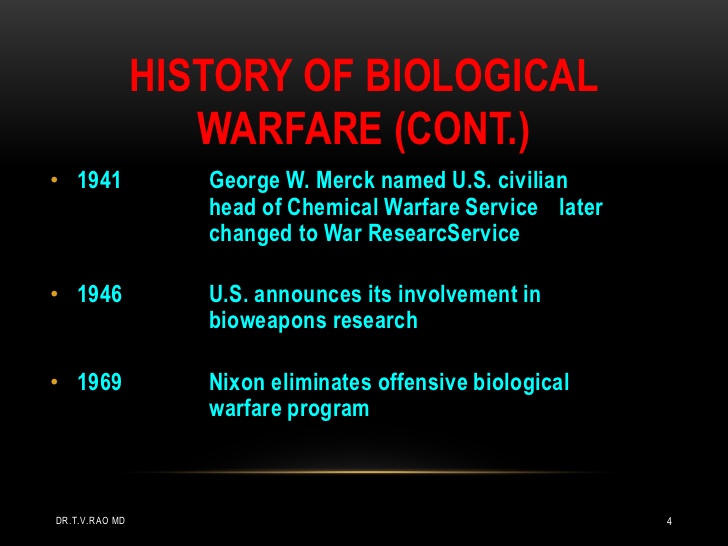
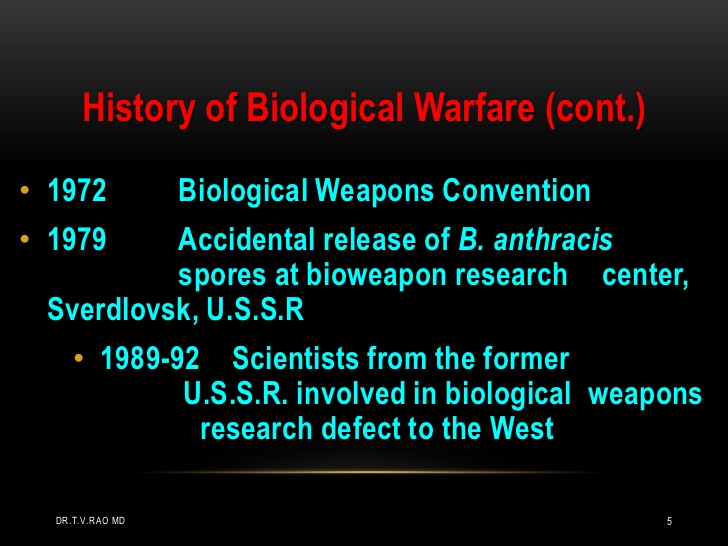
Ethnic Bioweapon - a type of theoretical bioweapon that aims to harm only or primarily people of specific ethnicities or genotypes.
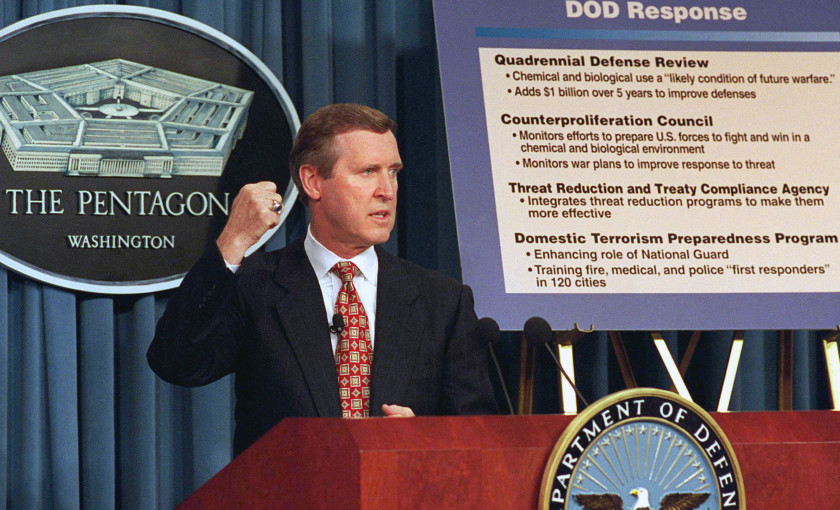
"There are some reports, for example, that some countries have been trying to construct something like an Ebola Virus, and that would be a very dangerous phenomenon, to say the least. Alvin Toeffler has written about this in terms of some scientists in their laboratories trying to devise certain types of pathogens that would be ethnic specific so that they could just eliminate certain ethnic groups and races; and others are designing some sort of engineering, some sort of insects that can destroy specific crops. Others are engaging even in an eco- type of terrorism whereby they can alter the climate, set off earthquakes, volcanoes remotely through the use of electromagnetic waves." - William S. Cohen, US Secretary of Defense (1997)
World must prepare for biological weapons that target ethnic groups based on genetics, says Cambridge University (Telegraph, August 2019)