tag > Food
-
Cultivate your inner gut garden
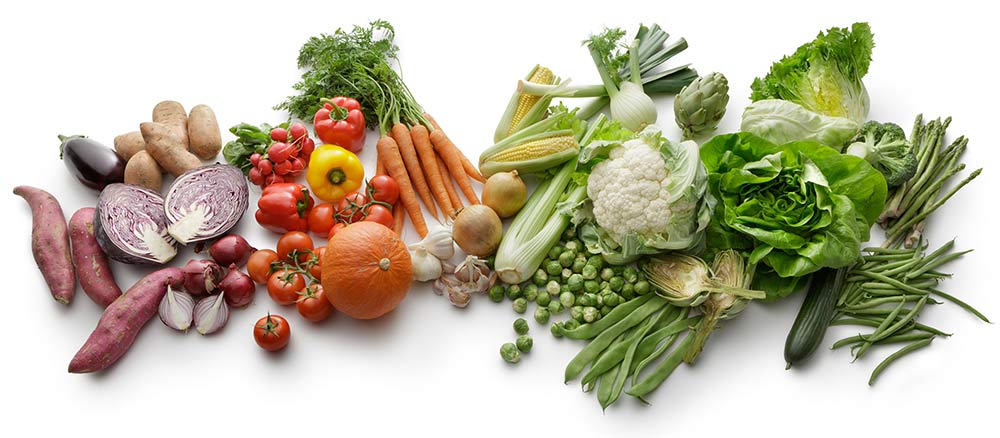
"The food we eat dictates what kind of inner garden we are growing in our guts. This garden is filled with bugs that determine more about your health and your emotional and mental wellbeing than you ever imagined." - Mark Hyman
-
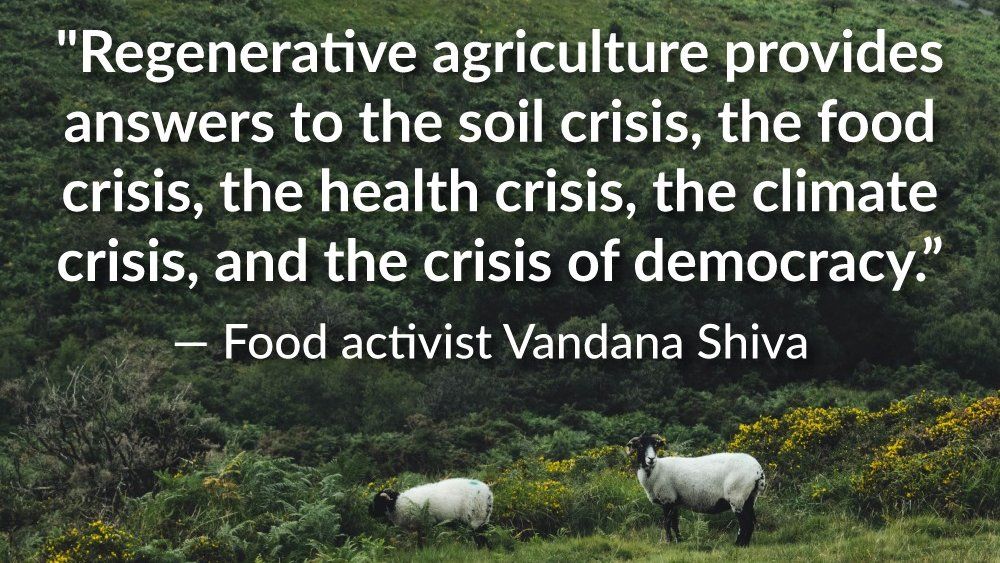
The separation of food, health, soil & governance is at the core of our current global malaise
-
“Diseconomies of Scale”: High-tech Versus Low-tech Supply of Eggs - "An egg in the supermarket uses 350 times as much energy as a locally produced egg"

Traditional housing for chickens in Zembe, Mozambique. By Ton Rulkens – Traditional housing 2 The industrial path results in a dollar cost at the supermarket check-out that is at least twenty times that of the local path if a labour cost is included, and 100 times if one is not. The multiple for energy costs when the industrial total ends at the factory out-gate is about 166 kJ/4.3 kJ = 39/1. A complete account which added the energy costs of waste disposal and transport from the supermarket to the household, etc. might raise the cost for the industrial path to above 1.5 MJ per egg, i.e., to the region of 350 times the energy cost for the alternative path.
-
Where was all the food, before we had supermarkets?
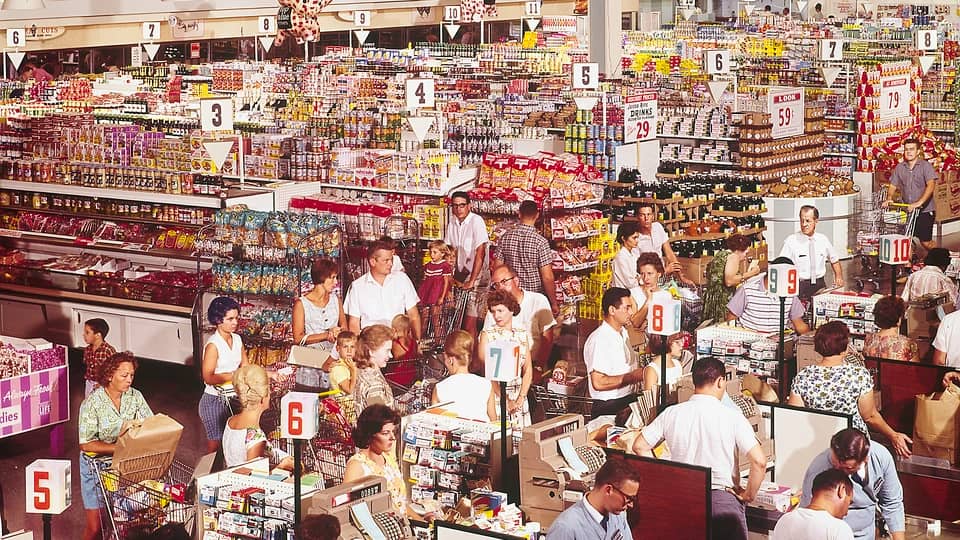
"The first supermarket supposedly appeared on the American landscape in 1946. That is not very long ago. Until then, where was all the food? Dear folks, the food was in homes, gardens, local fields, and forests. It was near kitchens, near tables, near bedsides. It was in the pantry, the cellar, the backyard." - Joel Salatin
-
"Edible Mushroom Cultivation for Food Security" is fascinating topic

Pleurotus ostreatus (oyster mushroom) are one of the most widely cultivated mushrooms in the world. It was first cultivated in Germany as a subsistence measure during foods shortages during World War I and is now grown commercially around the world for food.
-
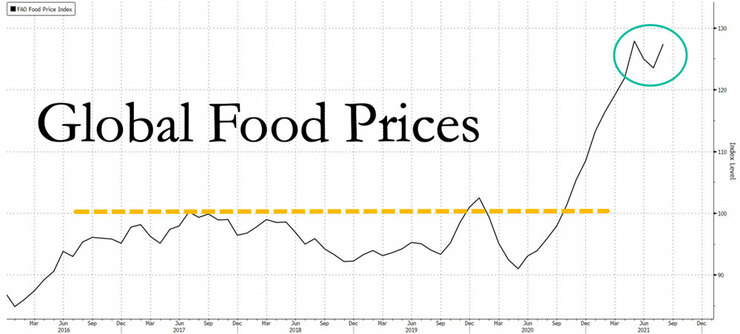
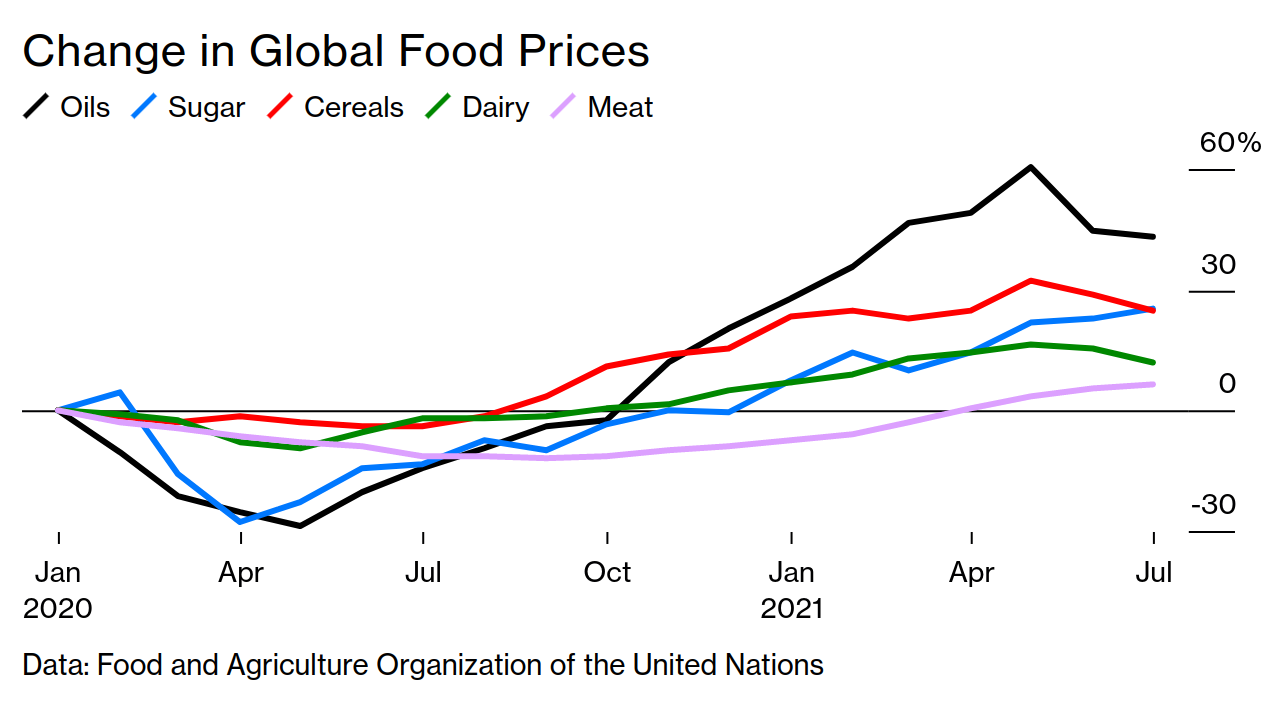
Today in "the fall of western civilization": "Food prices in July were up 31% from the same month last year, according to an index compiled by the United Nations’ Food and Agriculture Organization."
-
Safety concerns raised over Impossible Burger GMO fake meat ingredient
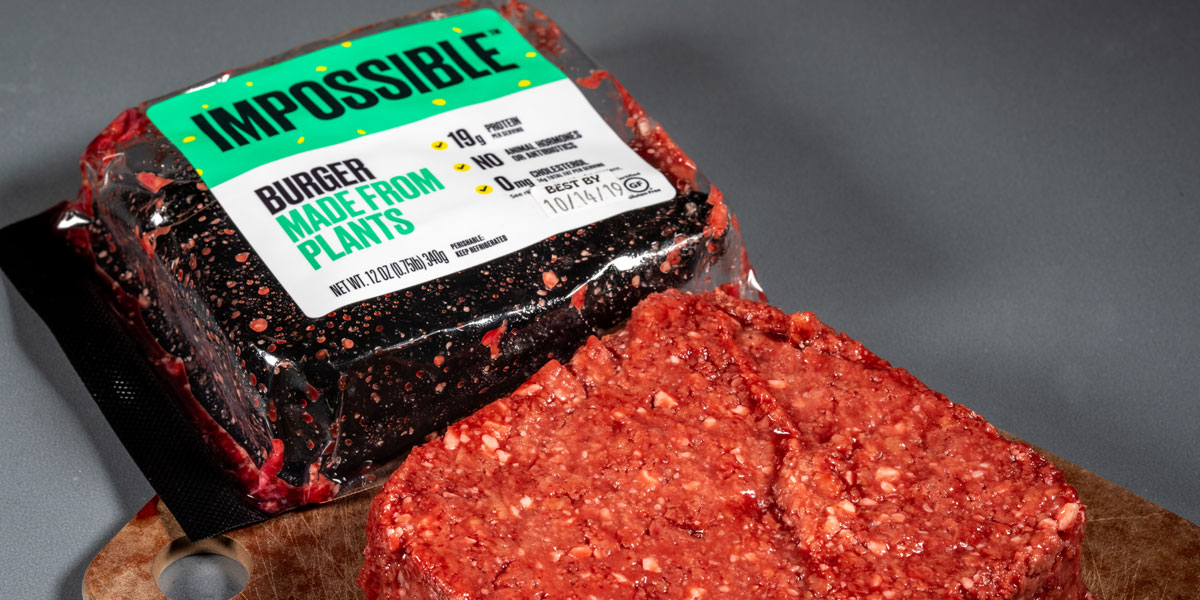
The short (28-day) rat feeding study Impossible Foods commissioned showed worrying effects in rats, including signs of inflammation or kidney disease and possible signs of anemia
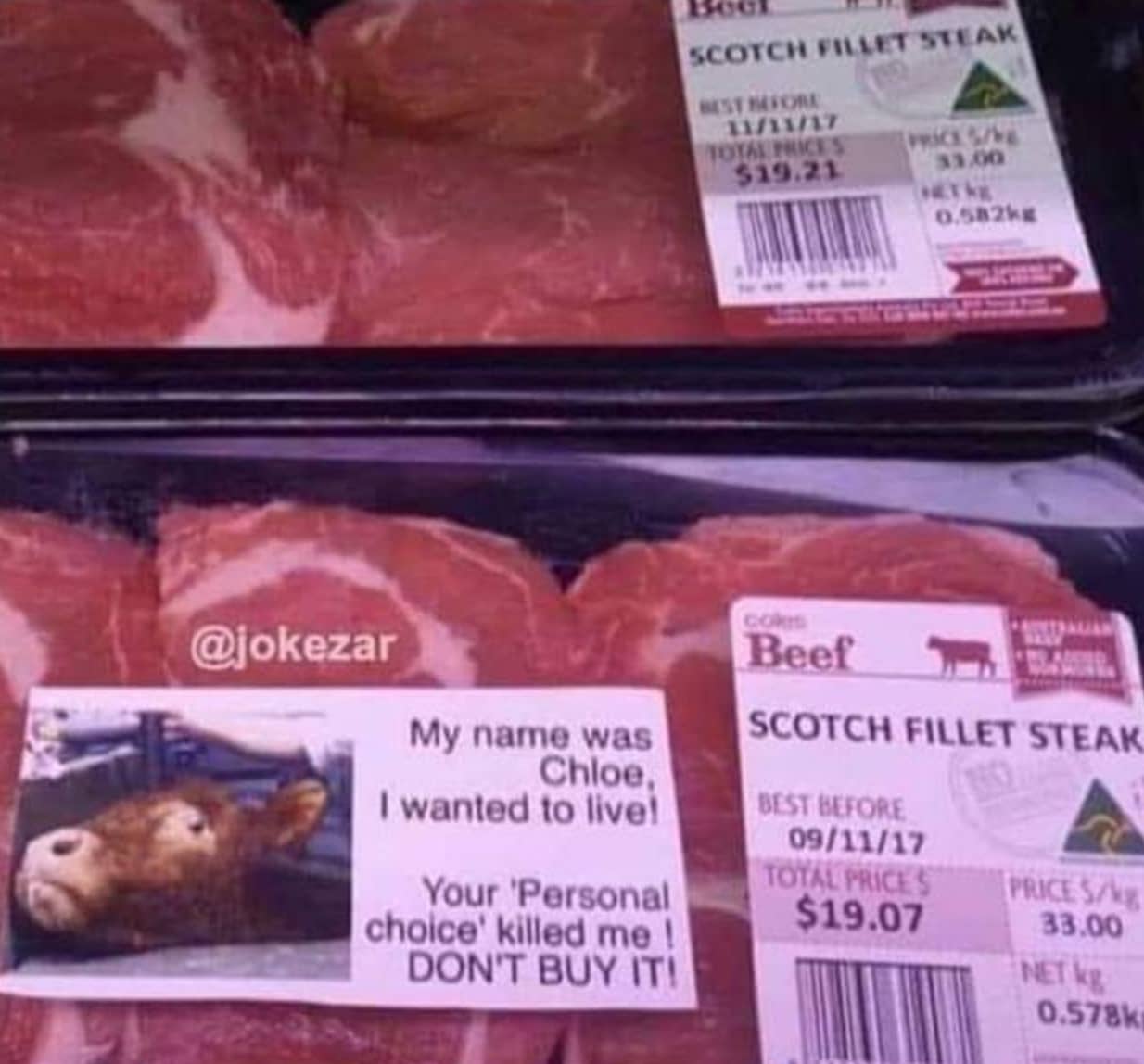
The solution to out of control meat production/ consumption is not biotech franken-food, but vegetarian- and veganism - it's simple & tasty
-
Senegalese plant circular gardens in Green Wall defence
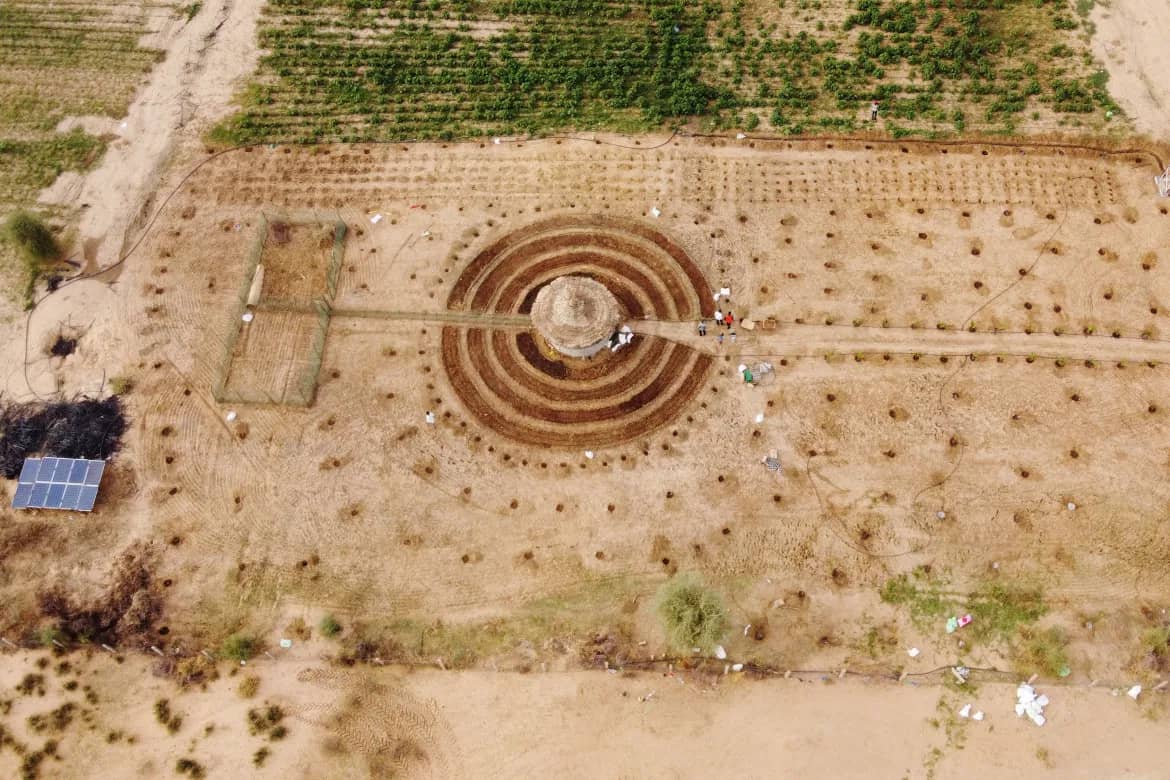
Aly Ndiaye, a Senegalese agricultural engineer, is the mastermind behind the circular bed design. Circular beds allow roots to grow inwards, trapping liquids and bacteria and improving water retention and composting. The project aims to create hundreds of specially designed circular gardens in a bid to boost food security.
-
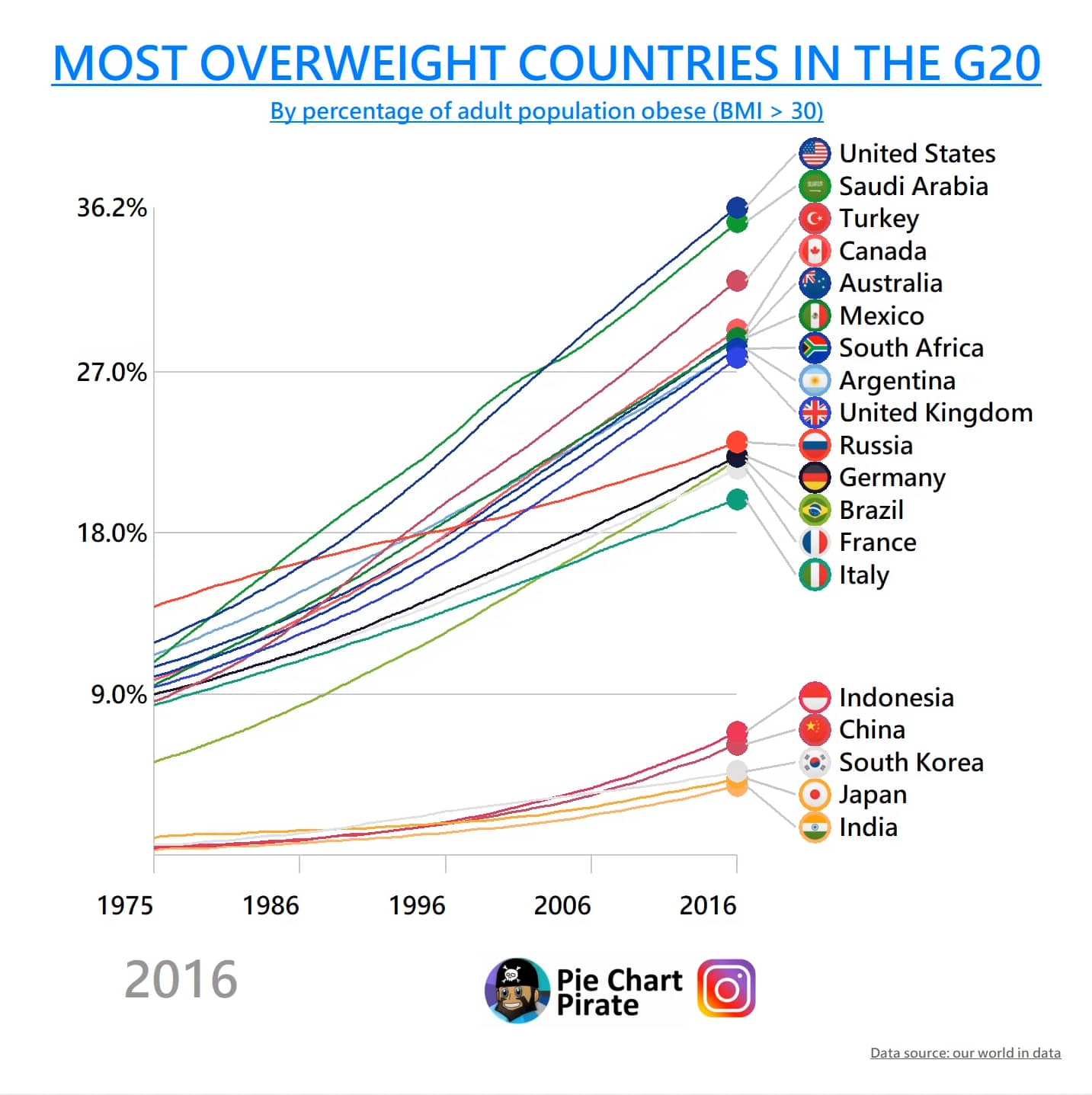
The door to the dining area of the Alcobaça Monastery in Portugal, was made narrow so that monks who got too fat were forced to go into fasting.

-
Western diet may increase risk of gut inflammation, infection
Diet rich in sugar, fat damages immune cells in digestive tracts of mice

-
Africa's drought crisis: Zimbabwe seeks solutions, Madagascar edges toward famine

Multi-year drought in Madagascar is pushing 1.35m to famine -with those suffering from hunger up 85% on last year. Similar story unfolding in Zimbabwe, Angola, Namibia. “We haven't harvested anything for almost 2 years”
-
New soba noodle-making robot at Japan train station eatery can cook 150 servings an hour

A two-armed robot is helping to prepare soba noodles at an eatery at JR Kaihimmakuhari Station in this city's Mihama Ward, capably boiling the noodles in a strainer, rinsing them and then dipping them in iced water. The Sobaichi Perie Kaihimmakuhari eatery implemented a collaborative cooking system, with the robot cooking the food and employees adding the dipping sauce or soup and toppings. It is apparently the first time for the cooking robot to be introduced in an actual restaurant setting. Connected Robotics commented, "Not only can it tackle the shortage of human resources, it can also cook without any human contact and is therefore useful in reducing the risk of coronavirus infections." JR East Foods, meanwhile, explained, "We aim to implement it (the robot) at 30 stores by the end of fiscal 2025."