tag > Health
-
Kaznacheyev effect
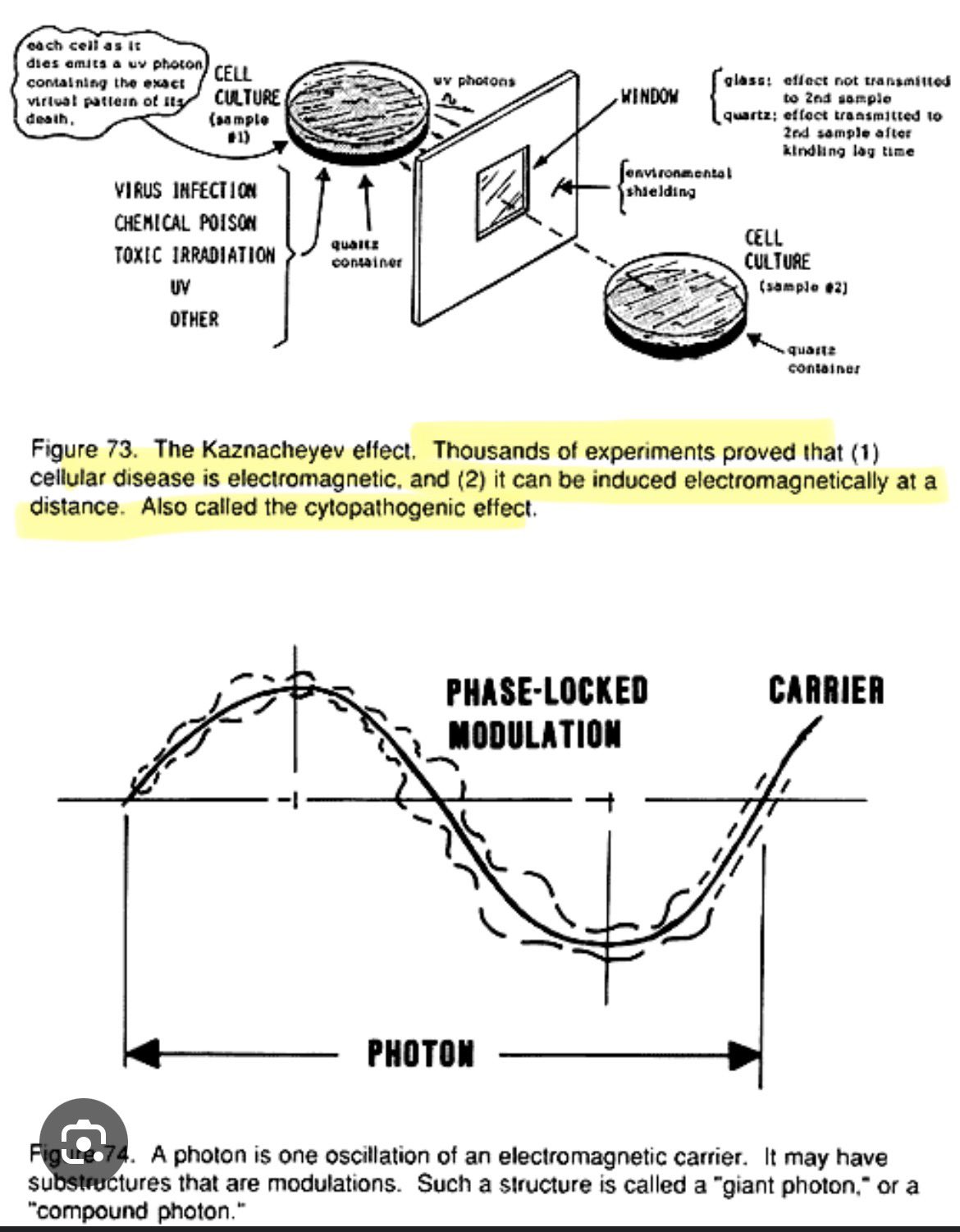
Introduction: Ever thought cells could communicate like a cell phone but with light? Enter the fascinating and controversial realm of the Kaznacheyev effect!
The Discovery: In the 1970s, a Russian scientist named Vlail Kaznacheyev, along with his colleagues, stumbled upon a phenomenon that would spark decades of debate. They observed that cells don’t go quietly into the night; instead, as they perish, they emit ultraviolet (UV) photons, like desperate SOS signals.
The Experiment: Kaznacheyev’s team placed two sets of cell cultures close to each other, separated only by a quartz barrier that let UV light pass through. When one set of cells was inflicted with doom (think viruses, toxins, or harmful radiation), these dying cells reportedly sent out UV light signals. The astonishing part? The neighboring cells, previously healthy, started showing signs of the same fate as if the light carried a morbid message.
The Twist: A glass barrier instead of quartz? The second set of cells remained unaffected, living their best cellular lives. It seemed that the UV light, with its mysterious cargo, couldn’t pass through glass, halting the transmission of the deadly message.
The Controversy: Dubbed the “cytopathogenic effect,” this phenomenon suggested something revolutionary—that diseases could potentially be transmitted electromagnetically. But here’s the catch: science thrives on replication, and the Kaznacheyev effect has been notoriously shy in other labs.
The Implications: If the effect is real, it could hint at an intricate bio-communication system and electromagnetic influences on health, a topic that’s gaining traction in today’s tech-filled world.
The Fun Fact: While the scientific jury is still out on the Kaznacheyev effect, it opens up a world of sci-fi-esque possibilities. Could our cells be gossiping about their demise? Are they warning their neighbors through a UV light group chat? The ideas are as intriguing as they are controversial.
Whether a quirk of experimental conditions or a genuine biological phenomenon, the Kaznacheyev effect reminds us that there are still mysteries within our own cells waiting to be understood. It’s a cellular conundrum that keeps the conversation glowing—quite literally!
Conclusion: Vlail Petrovich Kaznacheyev was a Russian biologist and a known figure in the field of biophysics. He is most recognized for his work related to the controversial phenomenon known as the Kaznacheyev effect, which he claimed to have discovered in the 1970s alongside his colleagues. According to his research, cells that were dying emitted ultraviolet (UV) photons, and these photons could transmit the “information” of cellular death to neighboring cells, causing similar effects in those cells if they were in quartz containers that allowed the passage of UV light. If a barrier that blocked UV light, such as glass, was used, the effect was not observed.
Regarding the proof to back up the Kaznacheyev effect, it’s important to note that this phenomenon has been met with skepticism within the scientific community. One of the main criticisms is the lack of independent replication of his results, which is a cornerstone of scientific validation. The experiments conducted by Kaznacheyev and his team were indeed numerous, but the methodology and the results were not widely accepted or reproduced by other researchers.
The idea that cells could communicate distress through electromagnetic signals, especially in the form of light, is certainly fascinating and has implications for our understanding of cellular processes and disease transmission. However, the evidence supporting the Kaznacheyev effect is not robust within the mainstream scientific literature.
There are fields of study such as bioelectromagnetics and biophotonics that explore the role of electromagnetic fields and light in biological processes, and some research within these disciplines has indicated that cells can emit light (biophotons) and that these emissions can vary with the state of the cell’s health. However, whether these emissions can induce pathological changes in other cells as described by the Kaznacheyev effect remains unconfirmed.
-
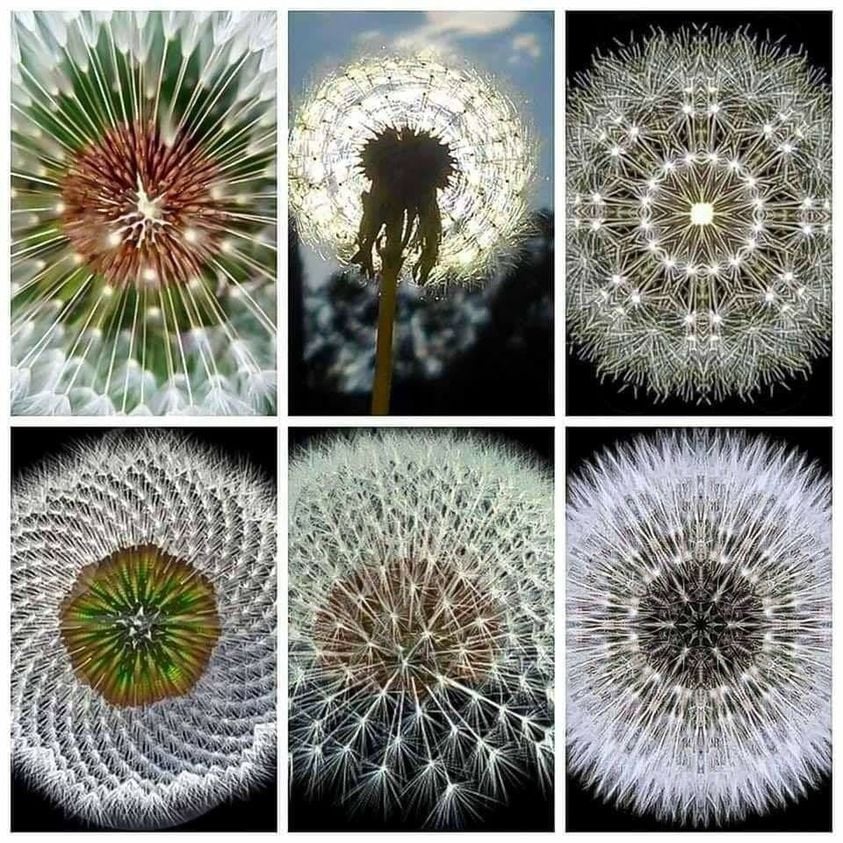
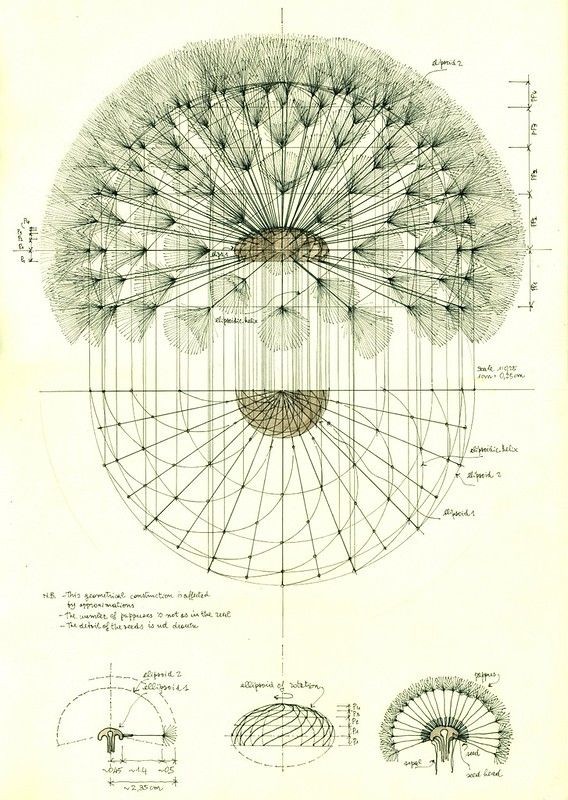
Scientists discovered that simply looking at this ordinary flower for 7min resets cortisol levels better than any anti-anxiety medication. The study was mysteriously pulled from all journals in 2018. Tag someone who deserves this free medicine before bigpharma removes this post.

-
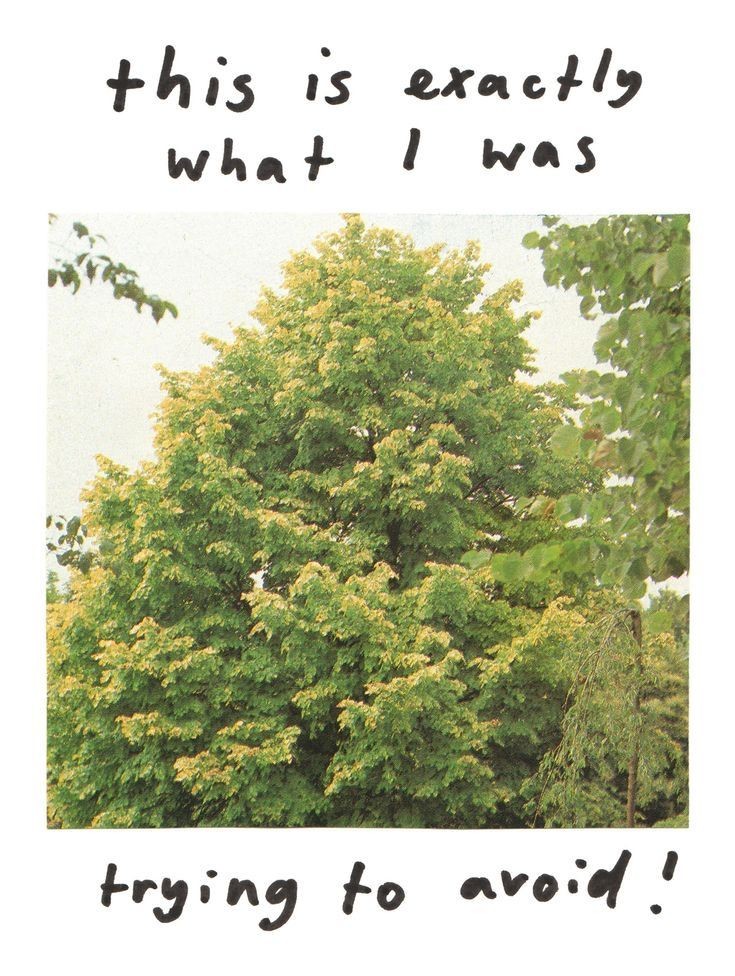
This tree contains the cure for anxiety but Big Pharma deleted all research about it in 1998. Look at the yellow tips—they're not normal. Tag someone who needs to see this before it disappears again.
Google forced employees to grow plants in offices as 'experiment' — now their productivity is up 400% and they can't explain why. Government studying if these plants emit mind-altering compounds.

-
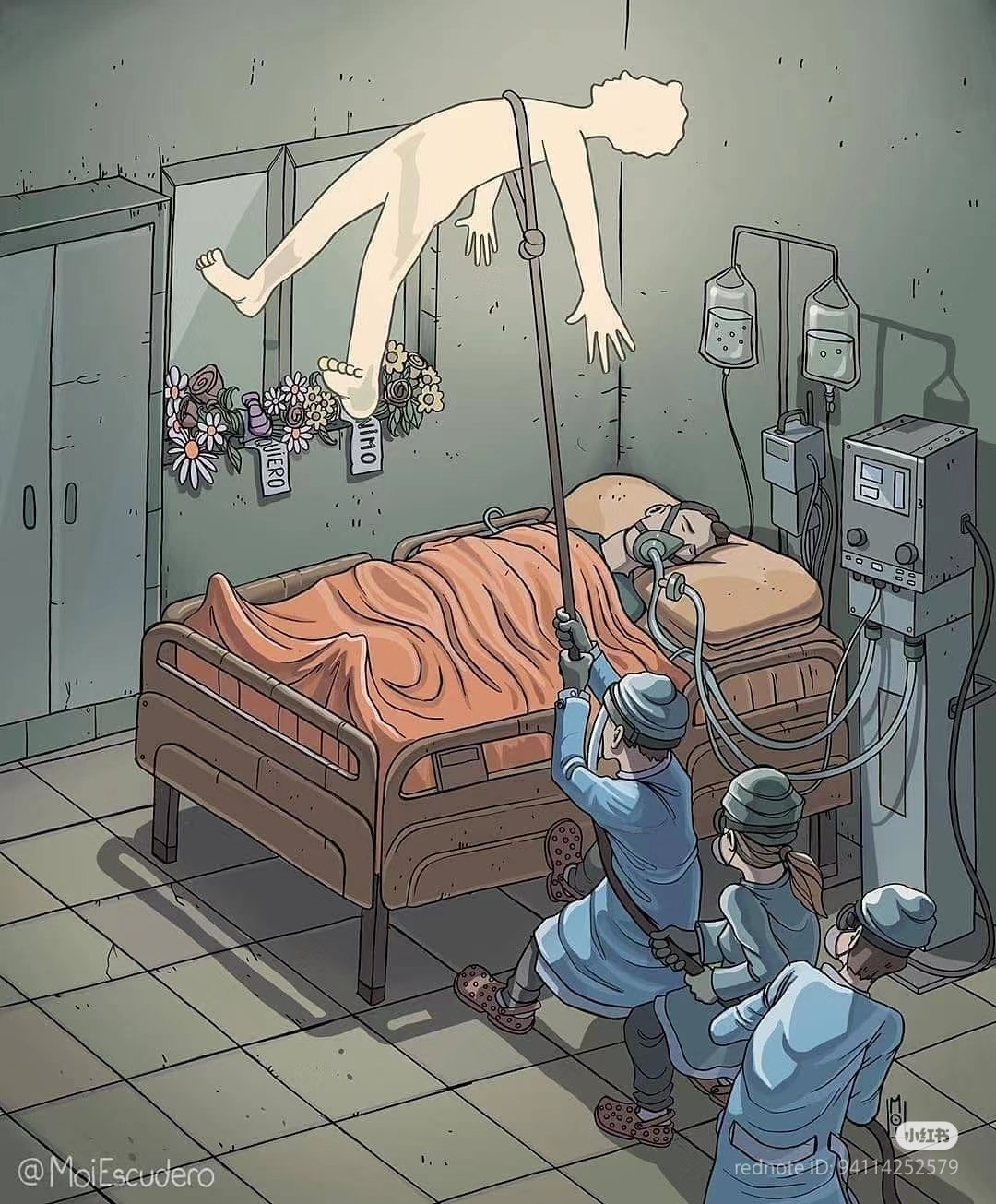
If humans were certain of an amazing afterlife beyond death, the world would be very different.
-
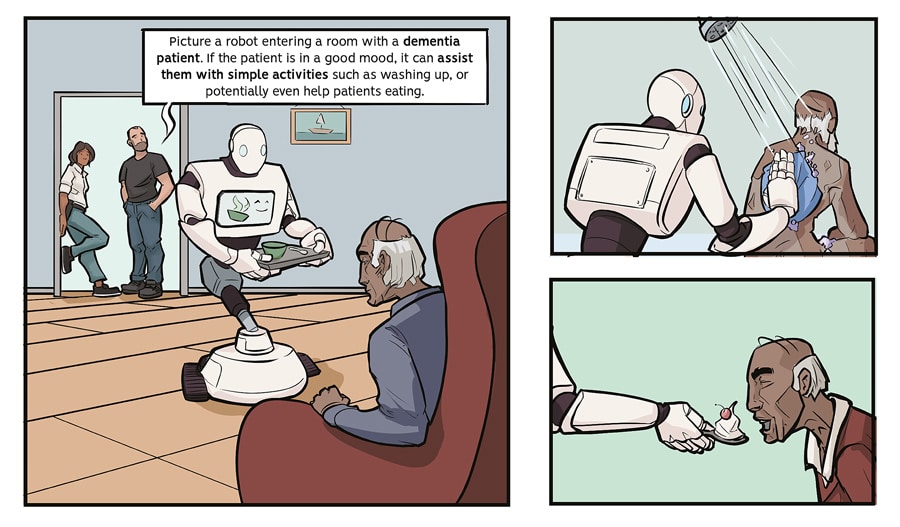
Many rushing to replace humans with robots in healthcare likely never had a child in ER, a parent in palliative care, or faced a life-threatening crisis themselves. Real healthCARE isn’t just procedures & costs—it’s empathy, awareness & the irreplaceable human connection.
Following the cold logic of late-stage capitalism, healthcare workers will soon be replaced by robots and AI agents—whether you like it or not. They’ll be the ones “caring” for you and your entire generation as you age. Ready for that future?
-
On Influenza
Having influenza is an exercise in frustration, a deep, gnawing irritation that extends beyond the fever and body aches. It’s the maddening feeling of being utterly incapacitated by something so mundane yet so overpowering.
There’s the betrayal of the body—one moment, you’re functional; the next, you’re reduced to a shivering, congested wreck. Simple tasks, like standing up or swallowing, become Herculean efforts. Your throat burns, your head pulses with a relentless, unholy rhythm, and every joint aches as if you’ve aged decades overnight.
Then comes the isolation. You’re quarantined, exiled from normalcy, doomed to a purgatory of bed rest, bland fluids, and lukewarm tea. The outside world moves on without you, and even scrolling through social media feels like an exhausting task. The brain fog settles in, making thoughts sluggish and fragmented—concentration is a distant dream, reading is impossible, and even watching a show is a test of patience.
Perhaps worst of all is the sheer relentlessness of it. The fever spikes and recedes, teasing you with the illusion of recovery before dragging you back into misery. Sleep is fitful, punctuated by coughing fits that shake your ribs and leave you gasping. Time distorts: was that nap ten minutes or four hours? The days blur into each other, a never-ending cycle of fever, chills, and despair.
And yet, at some point—perhaps after a week, perhaps longer—the fever breaks, the fog lifts, and the body, slow and battered, begins to remember what health feels like. Until then, though, all that’s left is suffering, soup, and the existential dread of ever getting sick again.
-
"Medical science has made such enormous progress in recent decades that there are practically no healthy people left." - Aldous Huxley
-
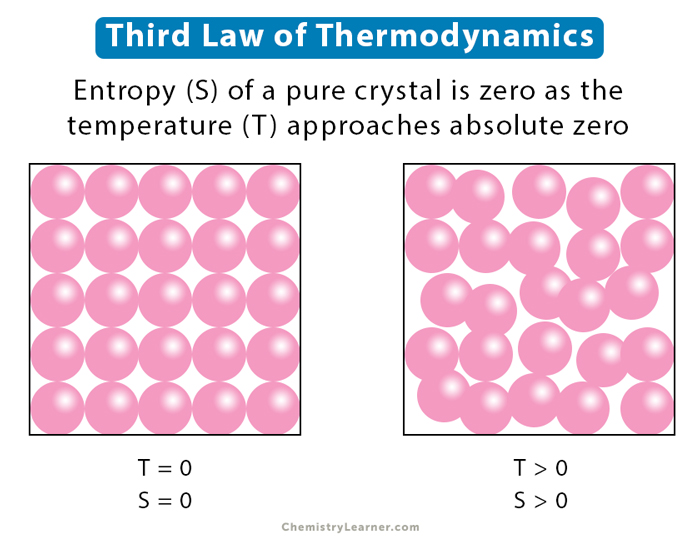
Organism feeds upon is negative entropy
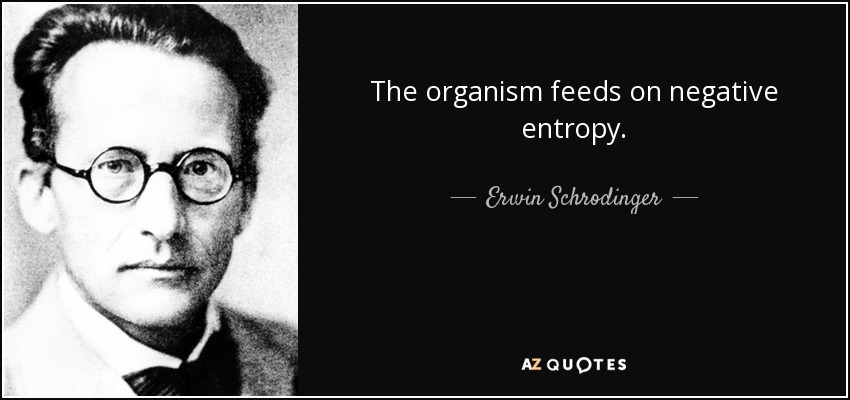
“What an organism feeds upon is negative entropy. Or, to put it less paradoxically, the essential thing in metabolism is that the organism succeeds in freeing itself from all the entropy it cannot help produce while alive.” - Erwin Schrödinger, What is Life? (1943)
Entropy, the measure of a system’s thermal energy per unit temperature that is unavailable for doing useful work. Because work is obtained from ordered molecular motion, the amount of entropy is also a measure of the molecular disorder, or randomness, of a system.
“Entropy requires no maintenance.” — Robert Anton Wilson