tag > History
-
Maintenance of the "rules-based international order" ("The War on Terror") killed at least 4.5 million people - overwhelmingly in the lands of Islam - and cost over $8 trillion since 2001. Great for business!

-
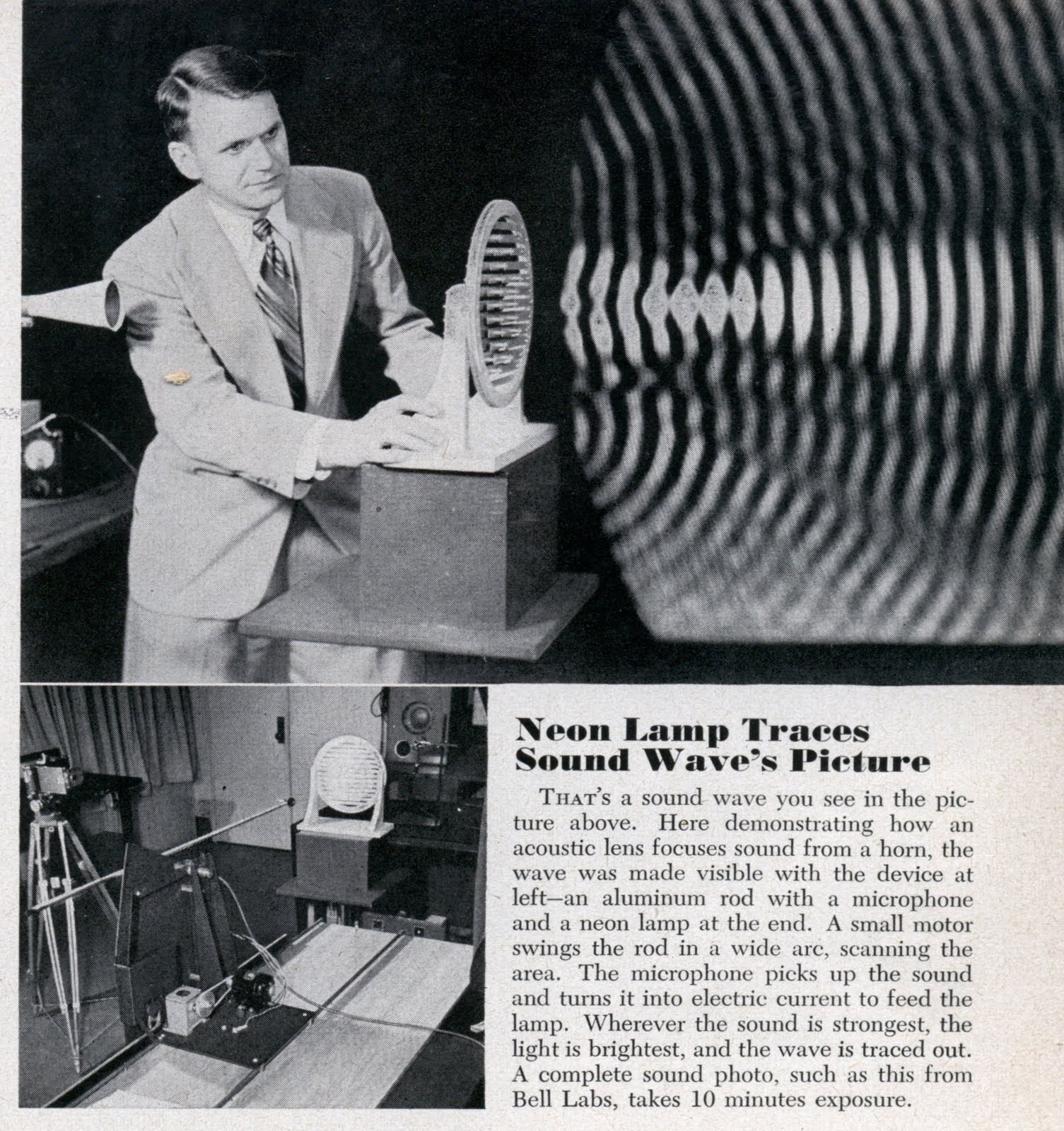
Phonosemantics from Bell Labs in 1926. "early technical investigation into visualisation of sound and voice patterns.
-
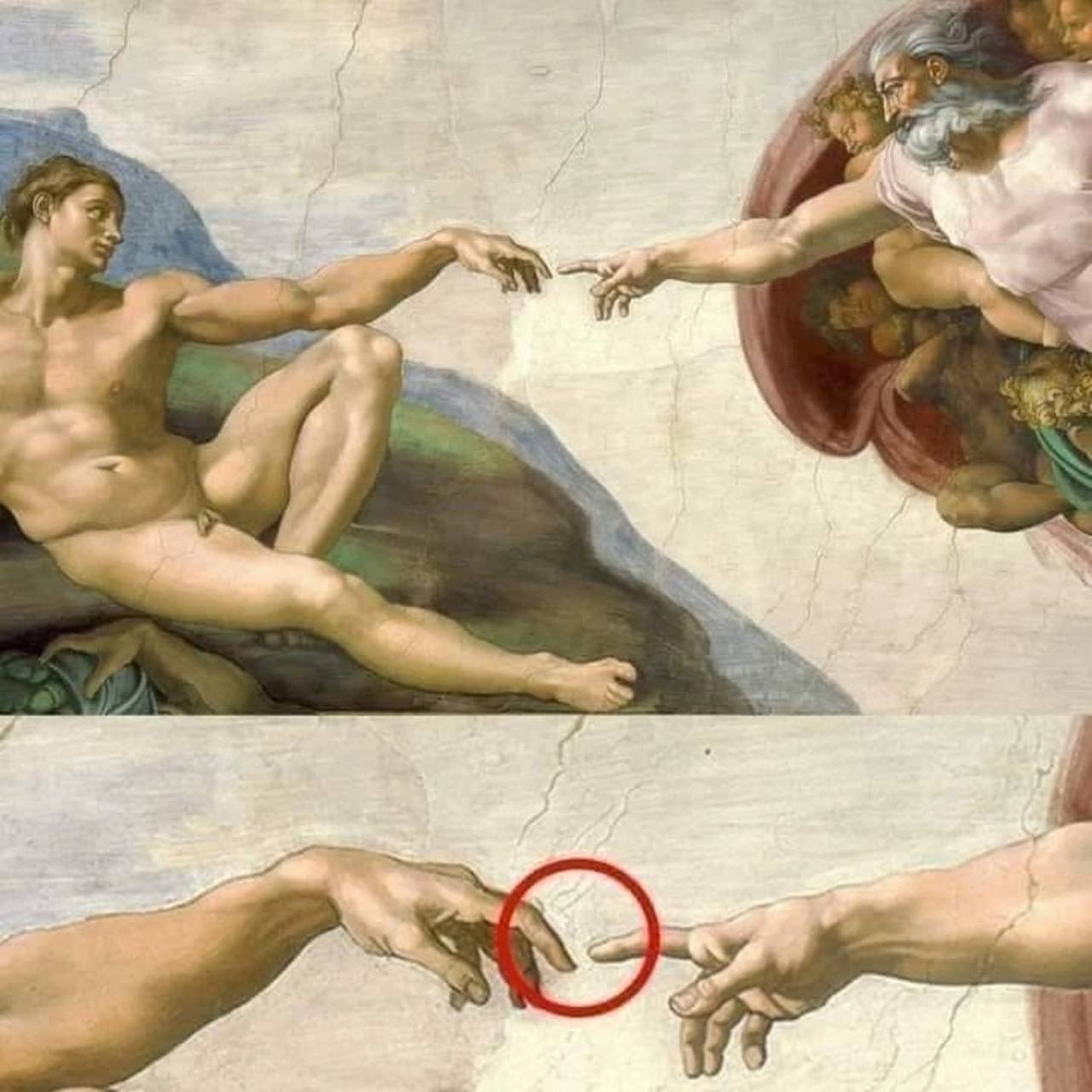
Why the fingers of God and Adam do not touch in Michelangelo's famous work of art
In the painting on the ceiling of the Sistine Chapel, God's finger is extended to its maximum, but Adam's finger is with the last shortened phalanx. The point of the painting is to explain that God is always there, but the decision is left to man. If a person wants to touch God, he will need to extend his finger, but he can also spend a lifetime with his finger bent without trying to find Him
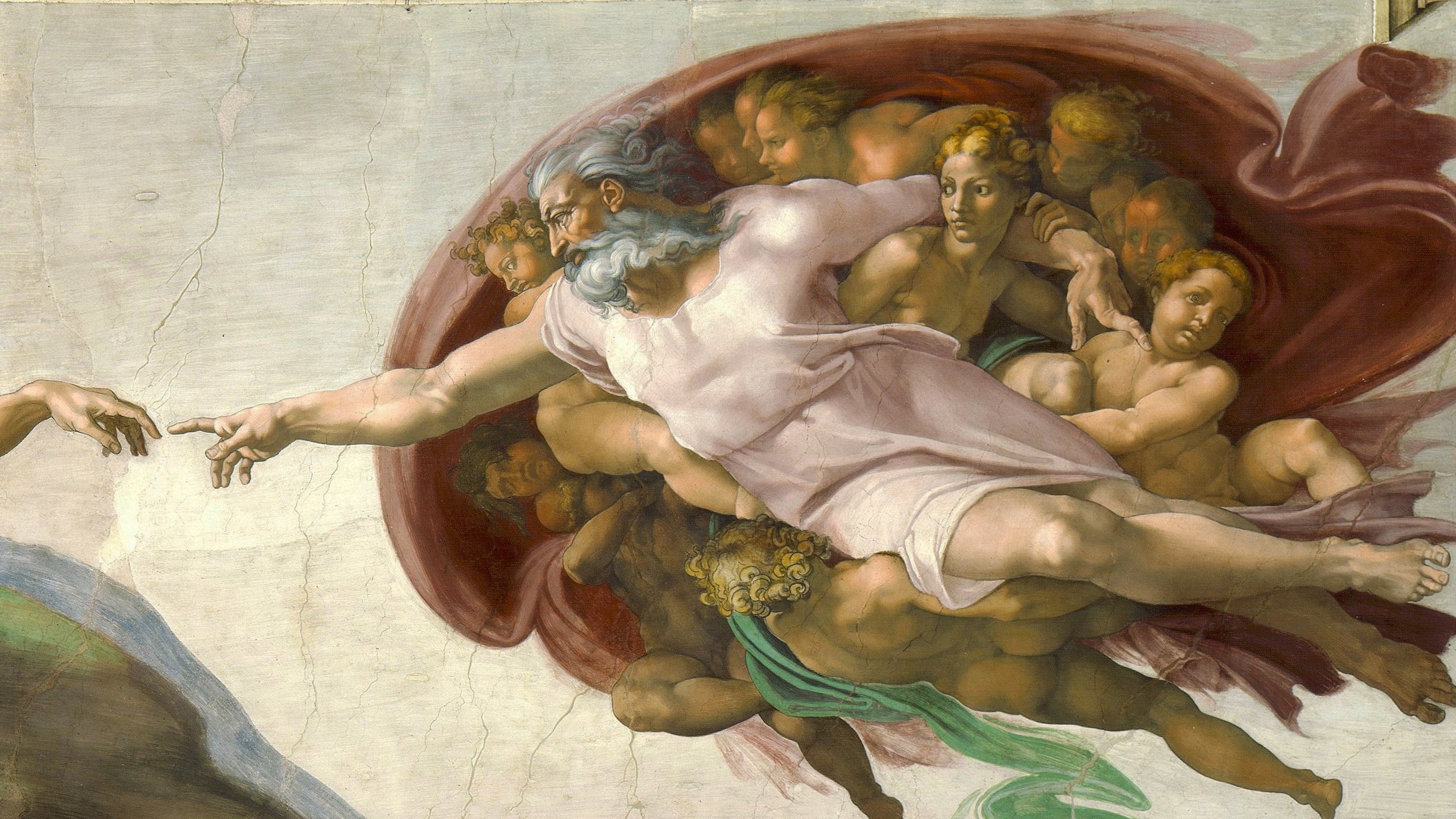
God and his crew representing an anatomical illustration of the human brain in cross section s an other interesting aspect, aka "God inside the human brain"
-
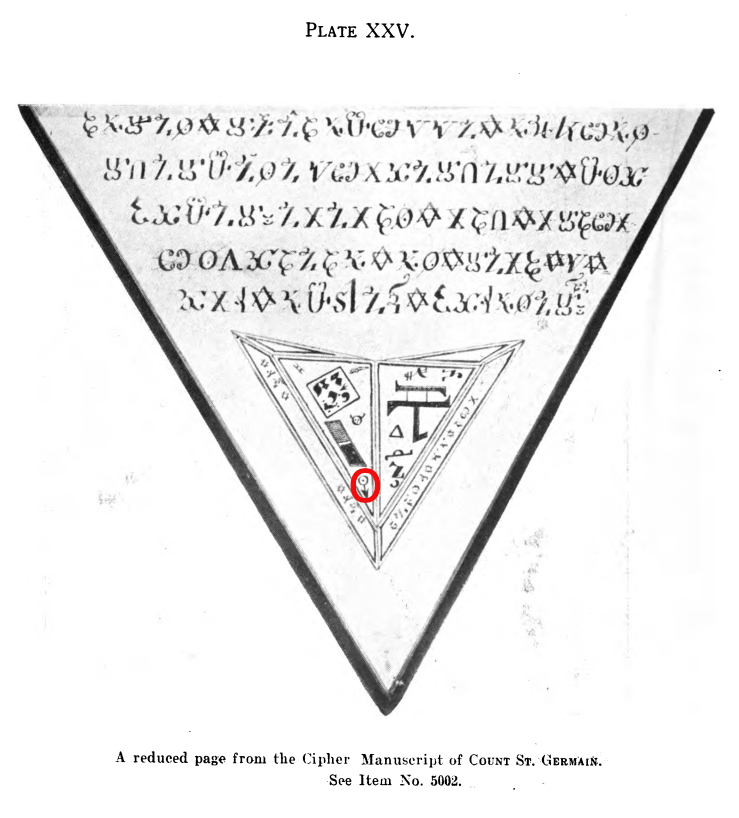
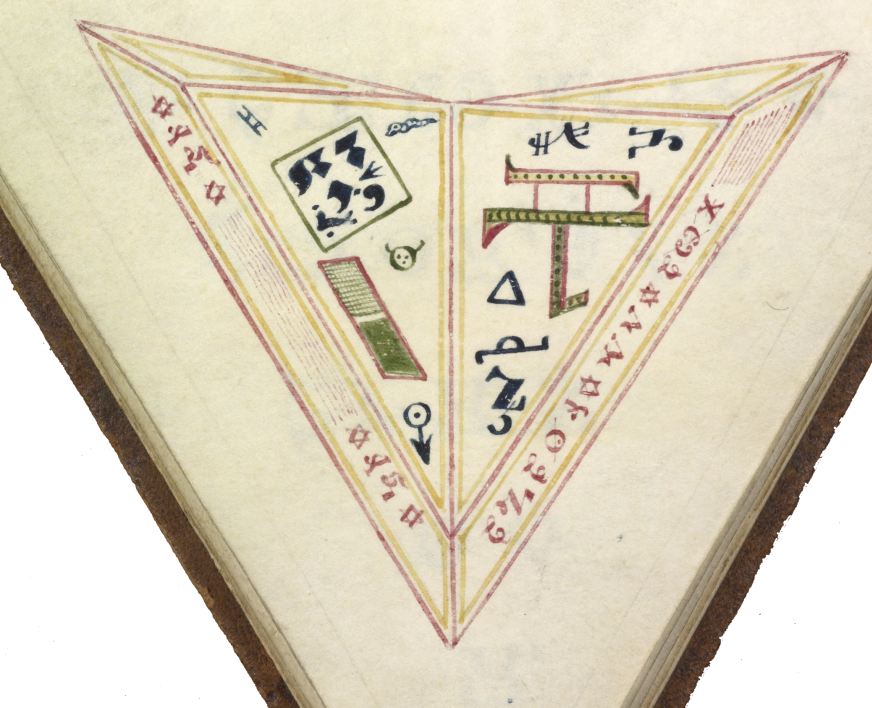
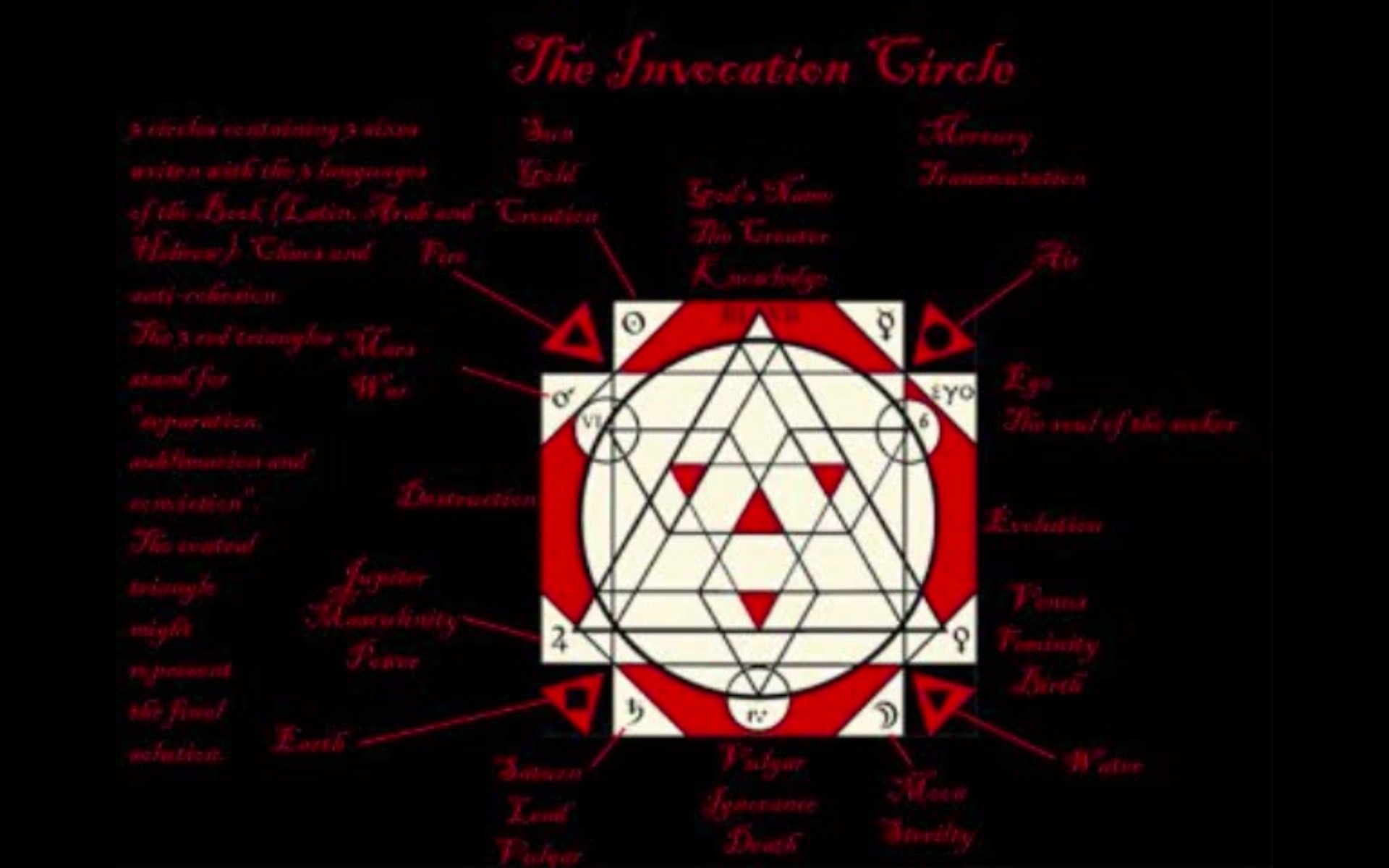
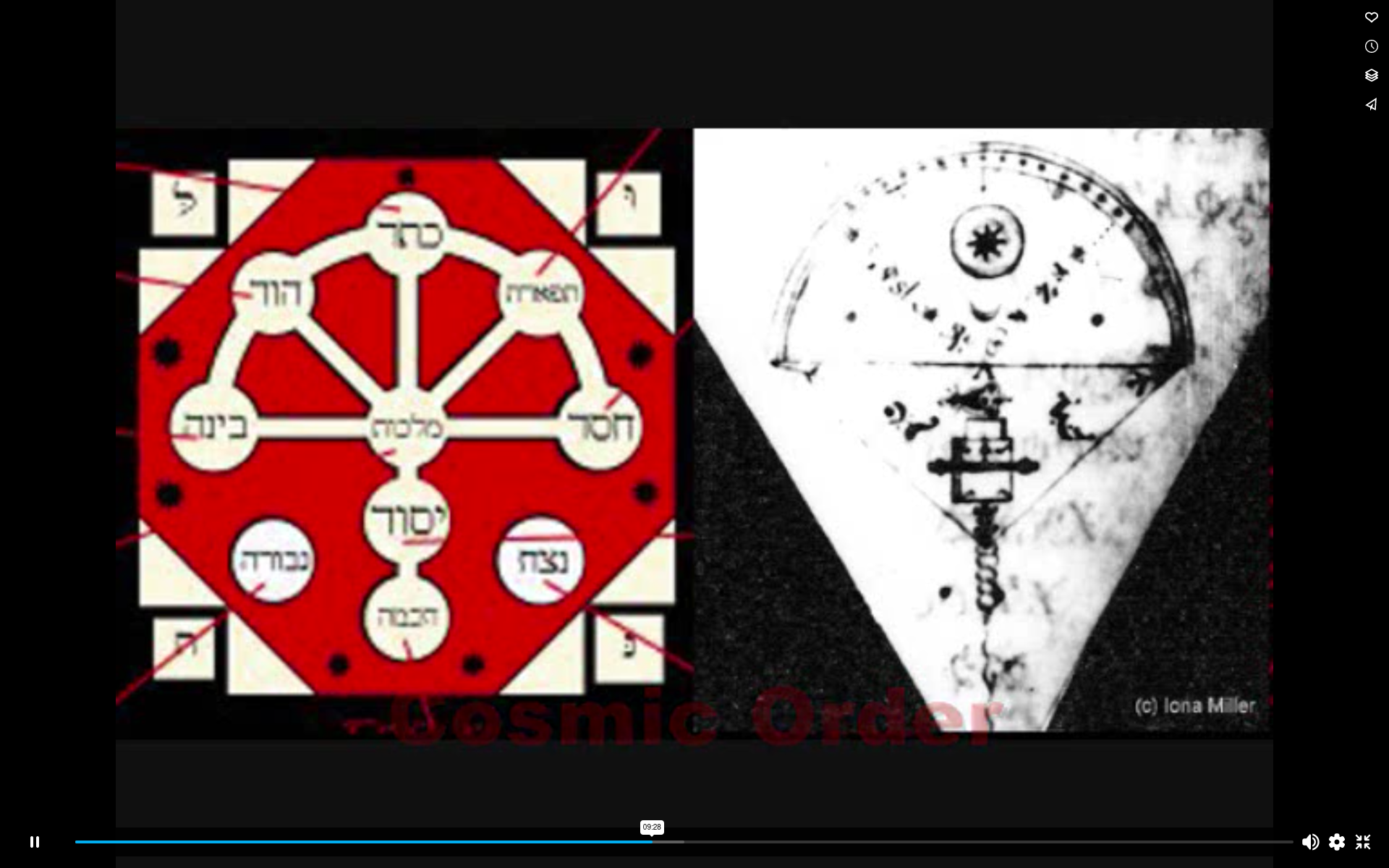
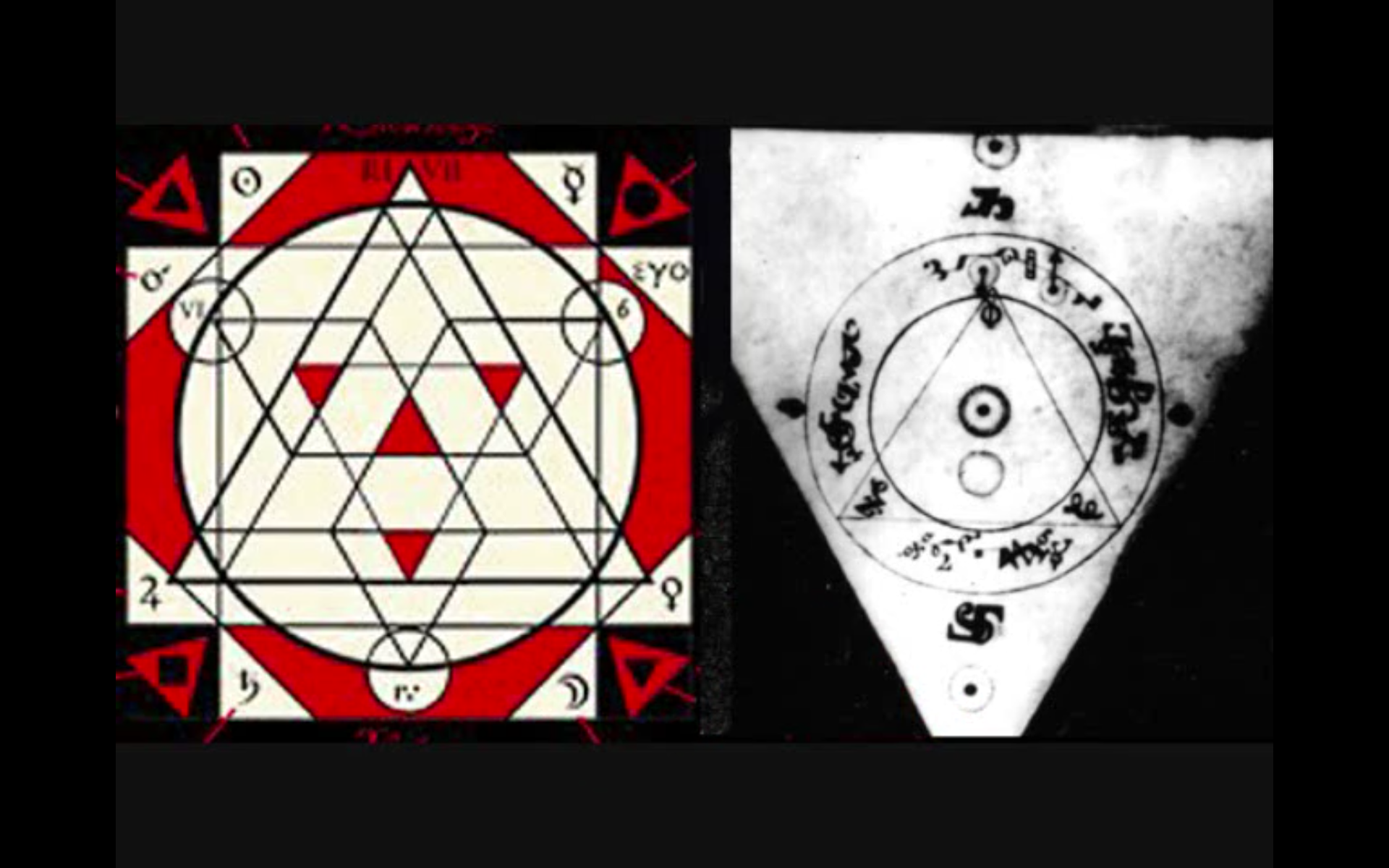
Ex Dono Sapientissimi Comitis St. Germain Qoi Orbem Terrarum Per Cucurrit - St. Germain Triangle Book & Dragon Treasures, ca. 1750


-
Pentagondodekaeder von Radelfingen im Bernischen Historischen Museum
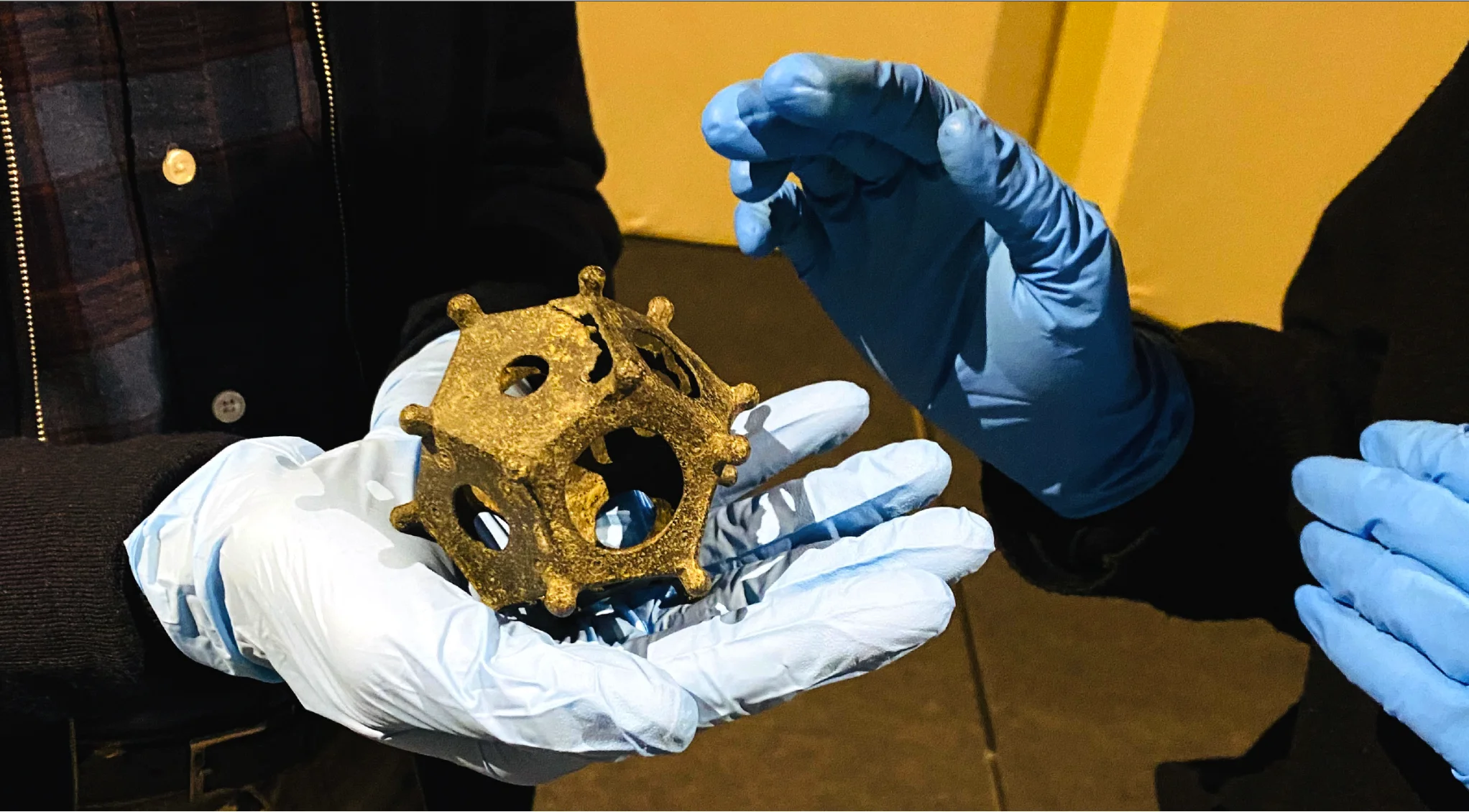
Since the first known note about a pentagon dodecahedron around 280 years ago, well over a hundred such objects have been found and cataloged. The question of its function has occupied generations of archaeologists. Around two hundred scientists have published articles on the topic. A wealth of theses emerged about the interpretation of this Platonic body. Is there a convincing answer to the function and meaning of the pentagon dodecahedron?
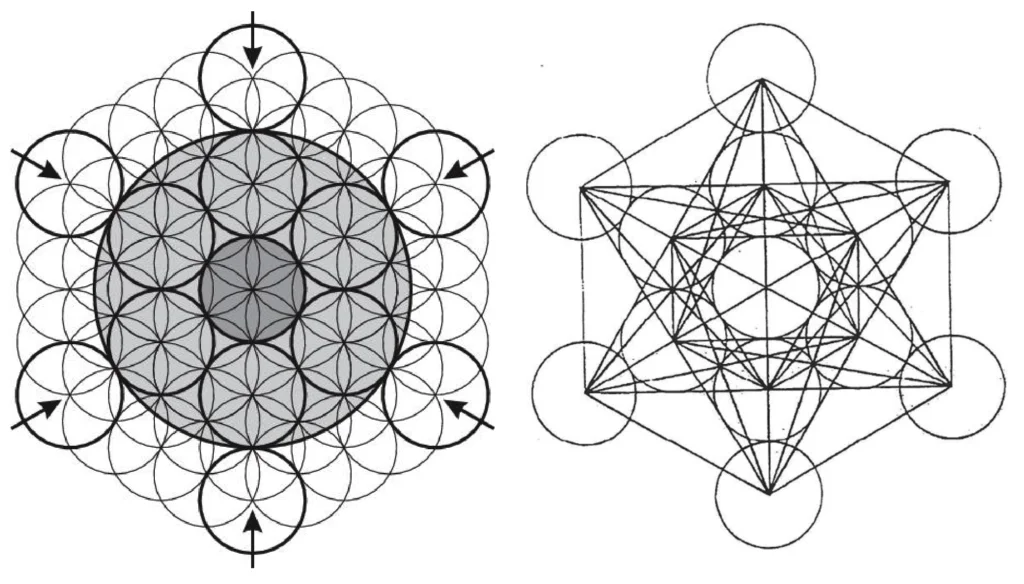
Pentagondodekaeder - Römermuseum Schwarzenacker

-
In 1954 while the CIA was engineering the banana coup, Guatemala's government announced it had learned of the plot. Coup headquarters in FL sent a telegram to CIA's station in Guatemala w/ advice on suppressing the info; one strategy was to seed flying saucer stories in the press

-
The Strange Mystery of the Pauli Effect
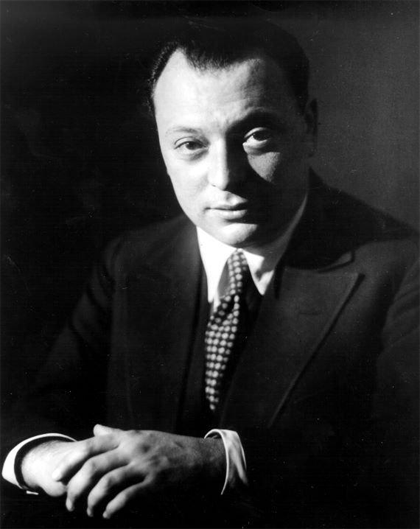
Austrian physicist, Nobel laureate, professor of theoretical physics at the Swiss Federal Institute of Technology, and early pioneer in quantum mechanics, Wolfgang Ernst Pauli is largely considered to be one of the most brilliant physicists to have ever lived. He was the first to propose the existence of the neutrino in 1930, won the Nobel Prize in Physics in 1945, was widely praised by Albert Einstein, won the Max Planck medal in 1958, and was instrumental to the development of many areas of theoretical physics and quantum theory. Pauli was highly respected among his peers, an impeccable scientific mind like no other, but he also had some rather strange ideas and oddness orbiting him, with one of these being what would later be called “The Pauli Effect.”
It began when people, including Pauli himself, noticed that whenever he was around in a lab there was an inordinate number of freak mishaps and malfunctions of equipment. Almost without fail, when Pauli entered a lab, things would break, electrical systems would malfunction or go haywire, beakers would crack, bunsen burners would fail to ignite, and various equipment would either stop working or experience some sort of disturbance, with even fires breaking out on occasion. Colleagues jokingly referred to it as “The Pauli Effect,” stating as one of its laws “a functioning device and Wolfgang Pauli may not occupy the same room,” but as it continued it became very noticeable that it seemed to all be beyond coincidence and jokes. The effect even seemed to work through walls or across distances. One popular anecdote is that one time Pauli was passing the railway station of Göttingen, when at that moment several pieces of lab equipment at the nearby University of Göttingen exploded without any apparent reason. Similarly, another story has it that when Pauli was visiting Princeton’s Institute for Advanced Study the Princeton University physics department’s massive cyclotron particle accelerator inexplicably burst into flames and burned for more than 6 hours before being put out.
As weird incidents like this increased in frequency, Pauli’s peers went from joking about it all to starting to believe there was something truly weird going on in the physicist’s presence, and that there was perhaps something to it. It is rumored that the experimental physicist Otto Stern once even banned Pauli from his lab for fear that he would break something or ruin an experiment. It is interesting to note how these serious, top level scientists were starting to elevate The Pauli Effect to a superstition, seeing it as beyond rational explanation. One science photographer by the name of David Fathi would once say of this:
I had a lot of problems trying to understand how some of the brightest minds of their time could give in to ideas that seem like pure superstition. But now I think that to work in a field like quantum physics, so abstract and far removed from common intuition, you probably have to be predisposed at thinking far out of the box, and you have to be creative and open to weird ideas.
Pauli himself began to seriously consider that there was some as yet unexplained phenomenon behind it all, convinced that it was all real. This was not a big jump for him, as he was already curious about parapsychology and subscribed to C. G. Jung’s ideas on synchronicity, which Jung described as “circumstances that appear meaningfully related yet lack a causal connection,” as well as the hidden meaning of dreams. Pauli began to come up with some way to explain it all, theorizing that certain people had the ability to somehow affect technical equipment in their vicinity through forces not yet understood. Pauli was so convinced that this was a real mystery that he discussed it at length with Jung. One of his ideas was that this was due to a sort of psychokinesis, in which mental energy is projected to have an effect on physical surroundings. Pauli would say:
The existence of relatively constant psychic contents that survive personal ego…All we can observe is their effect on other living people, whose spiritual level and whose personal unconscious crucially influence the way these contents actually manifest themselves.
It is interesting that Pauli’s musings on this are some of the earlier ideas put forth on psychokinesis, in an era before it even had an official, agreed upon name. Pauli was never able to prove any of this, but he allegedly spent much time pondering it and writing of it in his journals. He often lamented that there was no way to prove any of this under strict lab conditions, that in the end it was mostly based on anecdotal evidence, and that it was probably doomed to forever remain misunderstood. However, he maintained that the Pauli Effect was real, that people could mentally influence surrounding objects and electronics right up until his death in 1958. So was this just superstition among scientists or was there anything to it at all? It is hard to know just how grounded this was in reality, but it remains a curious little piece of lore merging science and the paranormal, as well as a strange little historical curiosity.
-
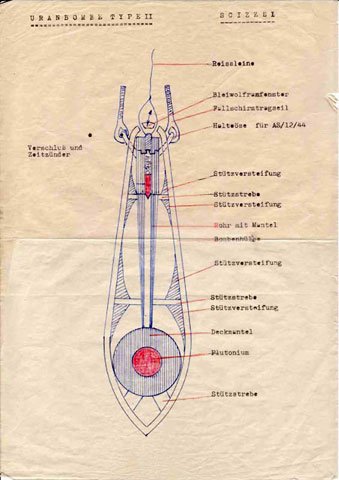
Die Bombe: If you have to make a movie about the origins of the atomic bomb, at least make it about people that mattered, like Paul Rosbaud, Otto Hahn, Hans Kammler & the German intelligentsia milleux of the time.


-
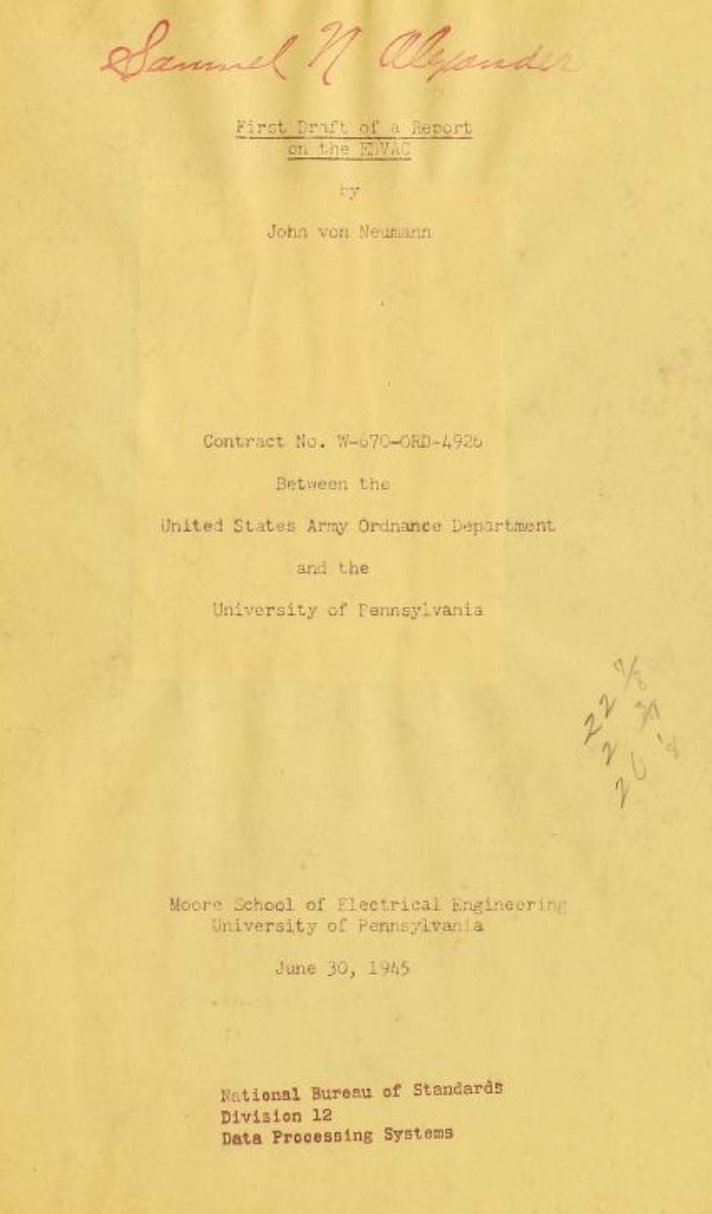
In 1945 John von Neumann published the EDVAC paper, which became the technological basis for all modern computers & included decisions like using binary to represent numbers
-
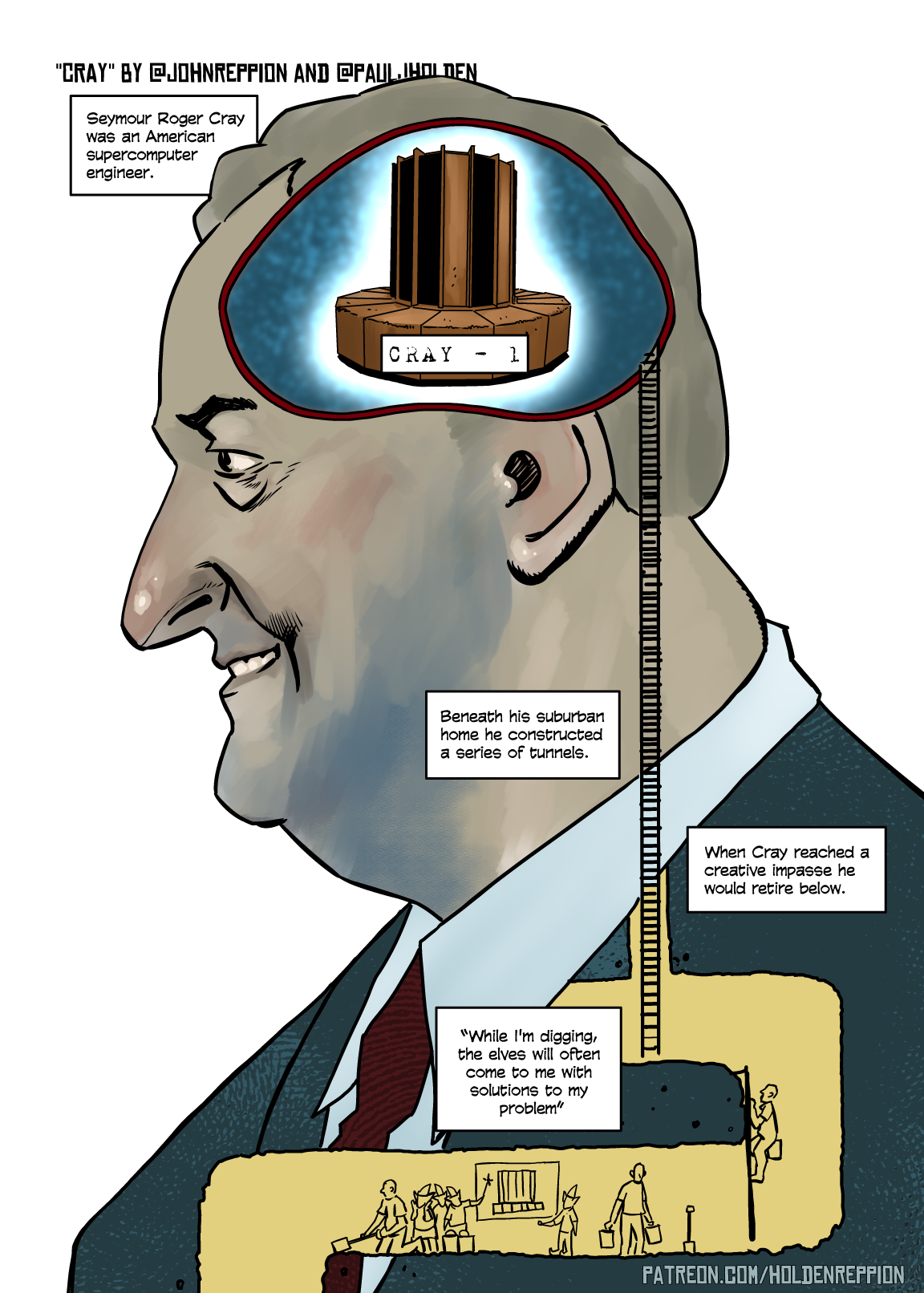
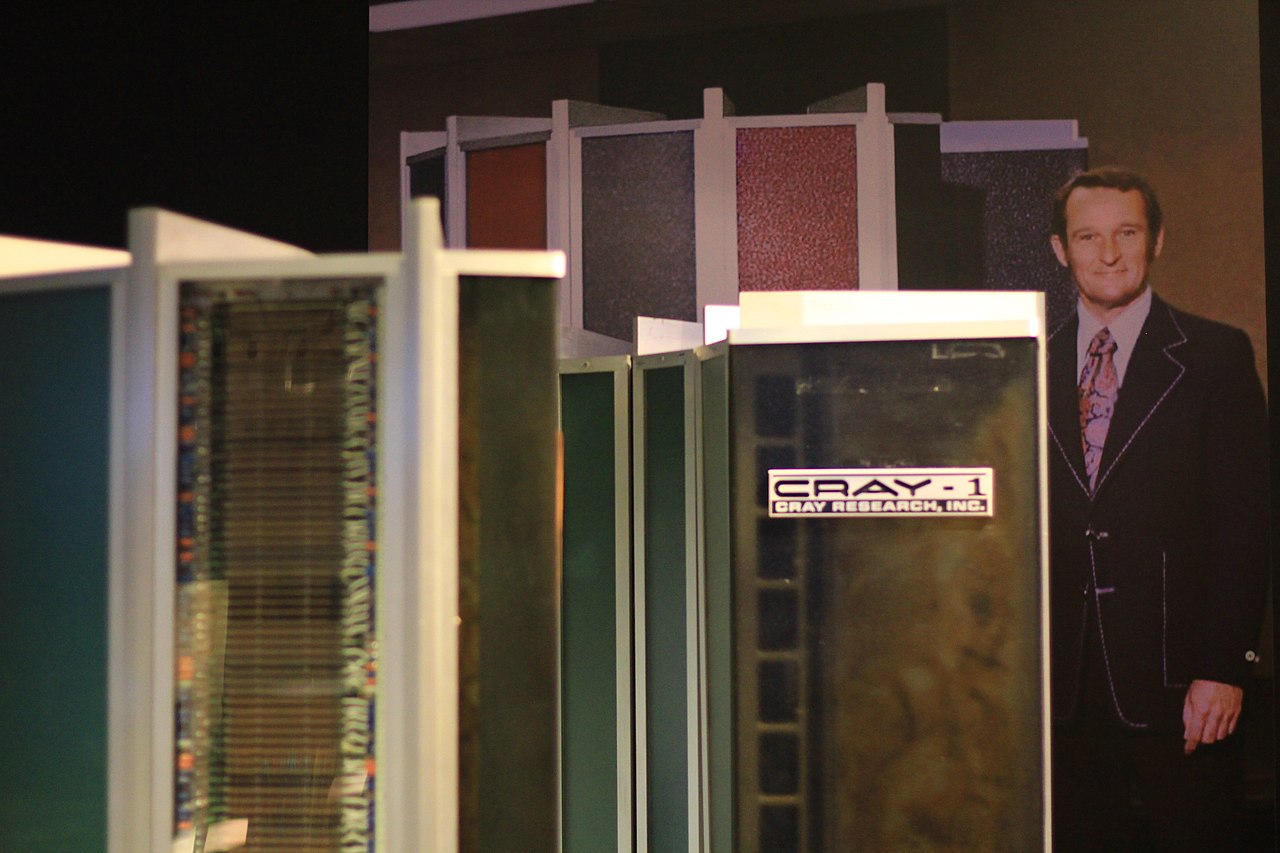
Seymour Cray, the inventor of the Cray 1 the world's first supercomputer, drew inspiration for his work from the elves who would talk to him while he dug tunnels by hand.









._Views_of_Moscow._32._Kolokol_(cropped).png)