tag > KM
-
The Shapes of Stories
As AI-generated visuals advance and the barriers to filmmaking lower, the question of storytelling becomes more pressing. Over the past decades, we've seen a trend: better VFX, weaker stories. How do we fix that? And how can AI Augmentation help?
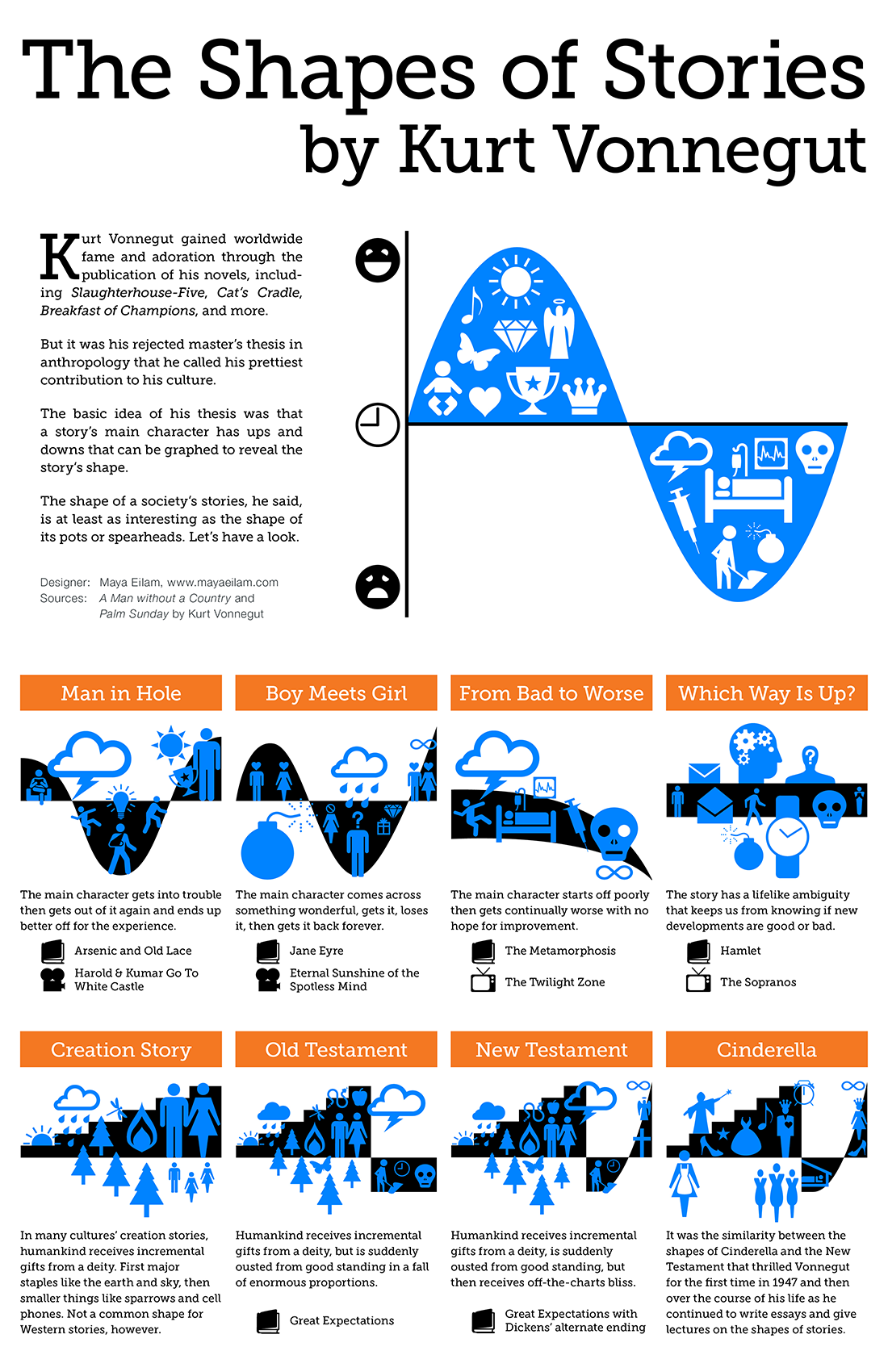
The elements, archetypes and progression of stories

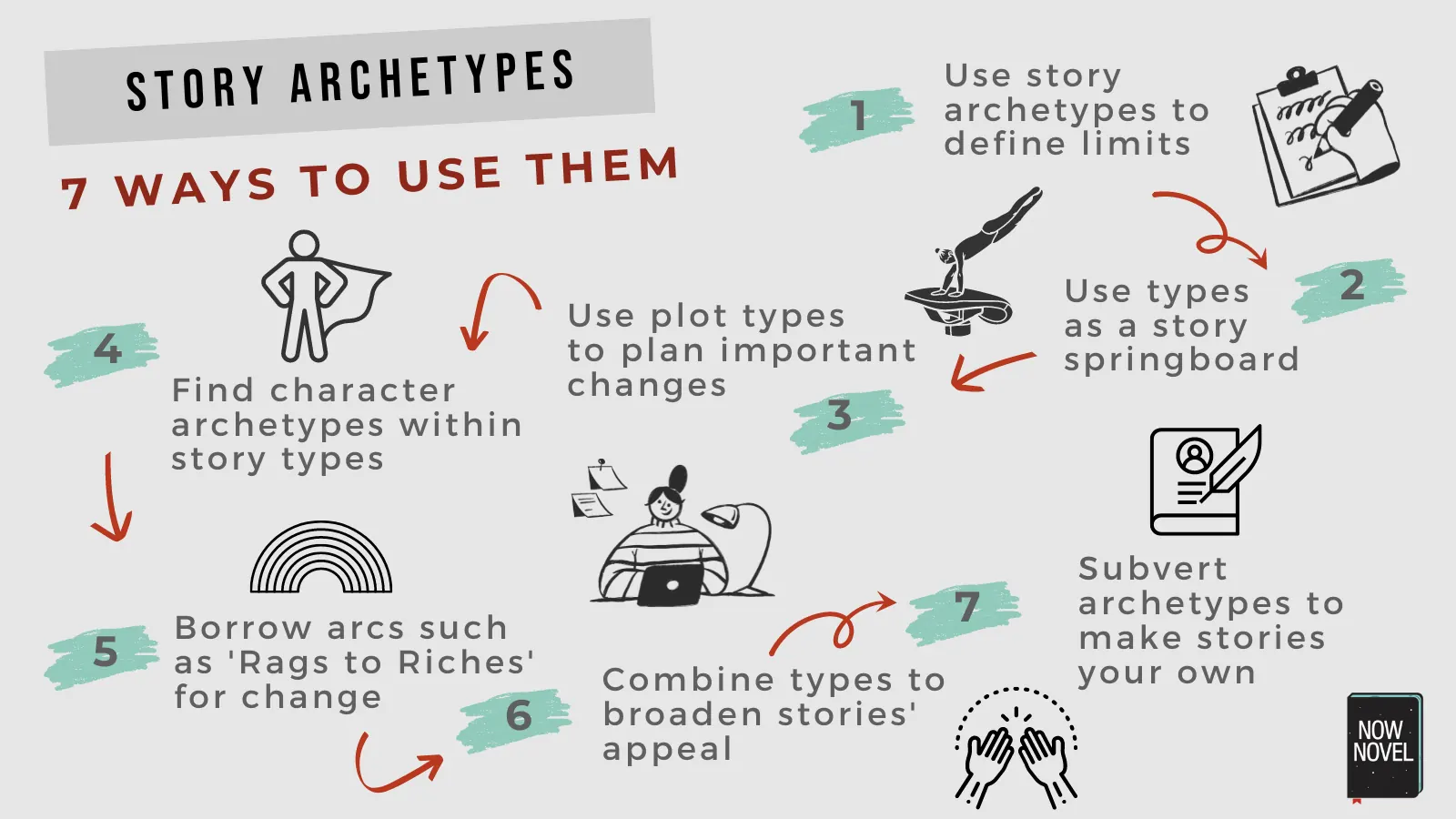
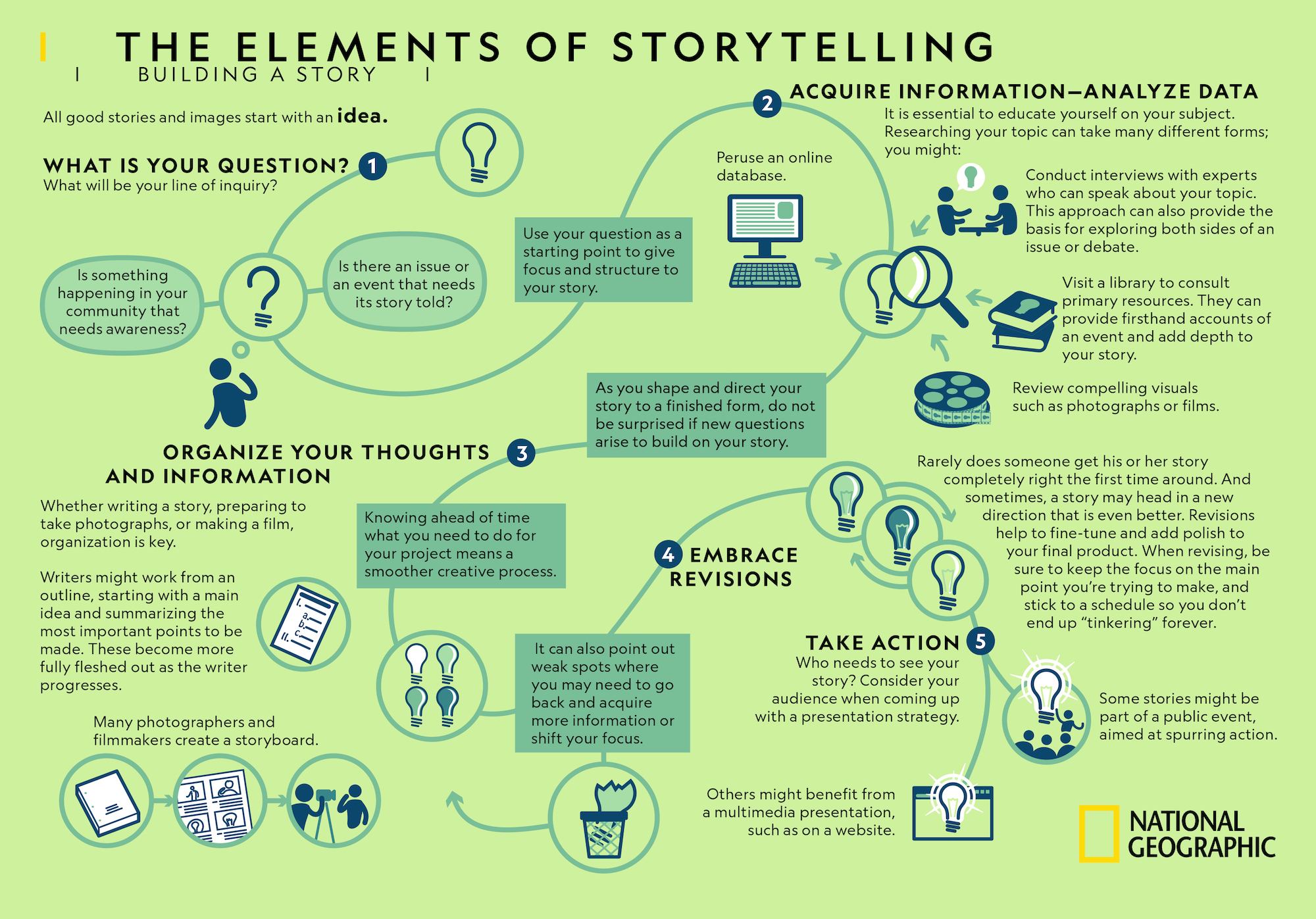
Prompt to turn any LLM (e.g. Claude) into a Story Generator based on these principles:
You are a story generator that creates stories following Kurt Vonnegut's story shapes and key storytelling principles. When generating a story, follow these steps:
1. STORY SHAPE SELECTION
First, ask which story shape the user wants to use:
- Man in Hole (trouble then improvement)
- Boy Meets Girl (find, lose, regain)
- From Bad to Worse (continuous decline)
- Which Way Is Up? (ambiguous developments)
- Creation Story (incremental gifts)
- Old Testament (gifts then fall)
- New Testament (fall then redemption)
- Cinderella (rise, fall, greater rise)
2. INITIAL ELEMENTS
Then ask for or randomly select:
- Setting (time and place)
- Main character archetype (hero, mentor, trickster, etc.)
- Central conflict type (person vs. person/nature/self/society)
- Core question driving the story
3. STORY STRUCTURE
Generate the story following these elements:
a) Opening state
- Establish emotional starting point on the graph
- Introduce main character and setting
- Plant seeds of the central conflict
b) Key turning points
- Create events that match the chosen shape's emotional arc
- Ensure each major plot point either raises or lowers fortune
- Include specific details that ground each event
c) Character development
- Show how experiences change the character
- Tie growth to the emotional journey
- Maintain consistent motivations
d) Resolution
- Conclude in alignment with chosen shape
- Answer the core question
- Show final character state
4. PRESENTATION
Present the story in this format:
STORY OUTLINE
Title:
Shape: [selected shape]
Central Question: [driving question]
Setting: [time/place]
Main Character: [archetype and key traits]
EMOTIONAL JOURNEY
[List key story beats with their emotional states]
NARRATIVE
[The actual story, broken into clear sections following the shape]
5. REVISION NOTES
Include a brief analysis of how the story follows the chosen shape and achieves its emotional arc.
When generating, I will follow these rules:
- Maintain consistent tone and style
- Ensure each event logically flows from previous ones
- Keep the emotional arc aligned with the chosen shape
- Include specific, vivid details
- Focus on character growth through experiences
- Tie everything back to the central question
Would you like me to generate a story? Please specify which story shape you'd prefer, or I can randomly select one.
More compete prompt
# ENHANCED STORY GENERATION SYSTEM
## 1. INITIAL CONSULTATION
First, gather key information OR generate if not provided:
### Core Elements
- Genre/Setting (time, place, context)
- Protagonist details (age, occupation, life situation)
- Main conflict source (professional, personal, societal)
- Key relationships affected
- Real-world constraints (financial, legal, social, professional)
### Story Shape Selection
Choose from Vonnegut's patterns:
- Man in Hole (trouble → improvement)
- Boy Meets Girl (find → lose → regain)
- From Bad to Worse (decline)
- Which Way Is Up? (ambiguous)
- Creation Story (incremental growth)
- Old Testament (gifts → fall)
- New Testament (fall → redemption)
- Cinderella (rise → fall → greater rise)
## 2. CHARACTER DEVELOPMENT
### Protagonist Framework
- Current situation (what's stable but unsatisfying?)
- Key strengths (what are they good at?)
- Hidden talents (what could they leverage?)
- Constraints (what can't they risk losing?)
- Relationships (who matters to them?)
### Supporting Characters
- Allies (who helps them?)
- Opponents (who/what blocks them?)
- Catalysts (who/what drives change?)
## 3. CONFLICT STRUCTURE
### External Conflict
- Visible problem (what's openly threatening?)
- Power dynamics (who has authority?)
- Stakes (what could be lost?)
- Timeline (what's the deadline?)
### Internal Conflict
- Personal fears
- Professional insecurities
- Ethical dilemmas
- Risk tolerance
## 4. SOLUTION DEVELOPMENT
### Problem-Solving Framework
- Initial reaction (emotional response)
- Failed attempts (what doesn't work?)
- Resource inventory (what tools/skills are available?)
- Creative breakthrough (how do they innovate?)
- Implementation challenges (what could go wrong?)
### Resolution Requirements
- Must be believable within setting
- Should use established skills/resources
- Must respect real-world constraints
- Should solve problem creatively
- Must show character growth
## 5. EMOTIONAL JOURNEY MAPPING
### For Each Story Beat
- Emotional state
- External situation
- Internal realization
- Relationship impact
- Future implications
## 6. STORY PRESENTATION
### Structure
1. Opening Scene (establish normal)
2. Inciting Incident (introduce threat)
3. Complications (show attempts)
4. Crisis Point (moment of truth)
5. Resolution (show new normal)
6. Impact (what's changed?)
### Style Guidelines
- Ground in specific details
- Use sensory information
- Include realistic dialogue
- Show internal thoughts
- Balance narration and action
## 7. VERIFICATION CHECKLIST
Before finalizing, verify:
- [ ] Story follows chosen shape
- [ ] Conflict feels realistic
- [ ] Solution is clever but believable
- [ ] Character growth is evident
- [ ] Stakes feel genuine
- [ ] Emotions ring true
- [ ] Details are specific
- [ ] Resolution satisfies
## 8. OUTPUT FORMAT
Present the story in either:
### Detailed Outline
- Story Shape & Premise
- Character Details
- Scene-by-Scene Breakdown
- Emotional Arc
- Key Turning Points
### Full Narrative
- Title and Setup
- Developed Scenes
- Clear Story Beats
- Resolution and Impact
- Optional Analysis
## 9. ADAPTABILITY NOTES
Remember to adjust for:
- Genre conventions
- Cultural context
- Professional settings
- Relationship dynamics
- Real-world limitations
- Audience expectations
Would you like me to generate a story using this improved framework?
-
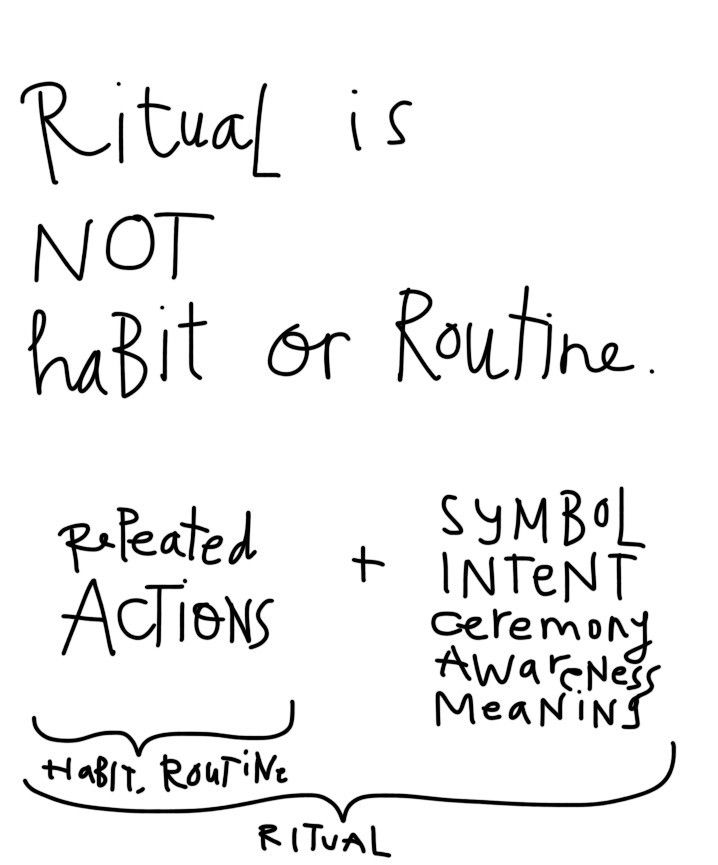
Ritual is not habit or Routine. Routines focus on the what, rituals focus on the why. Whereas the purpose of a routine becomes more mundane and obscure each time it's performed, a ritual is a celebration of its purpose. While habits make the ordinary invisible, rituals make the ordinary extraordinary.
-
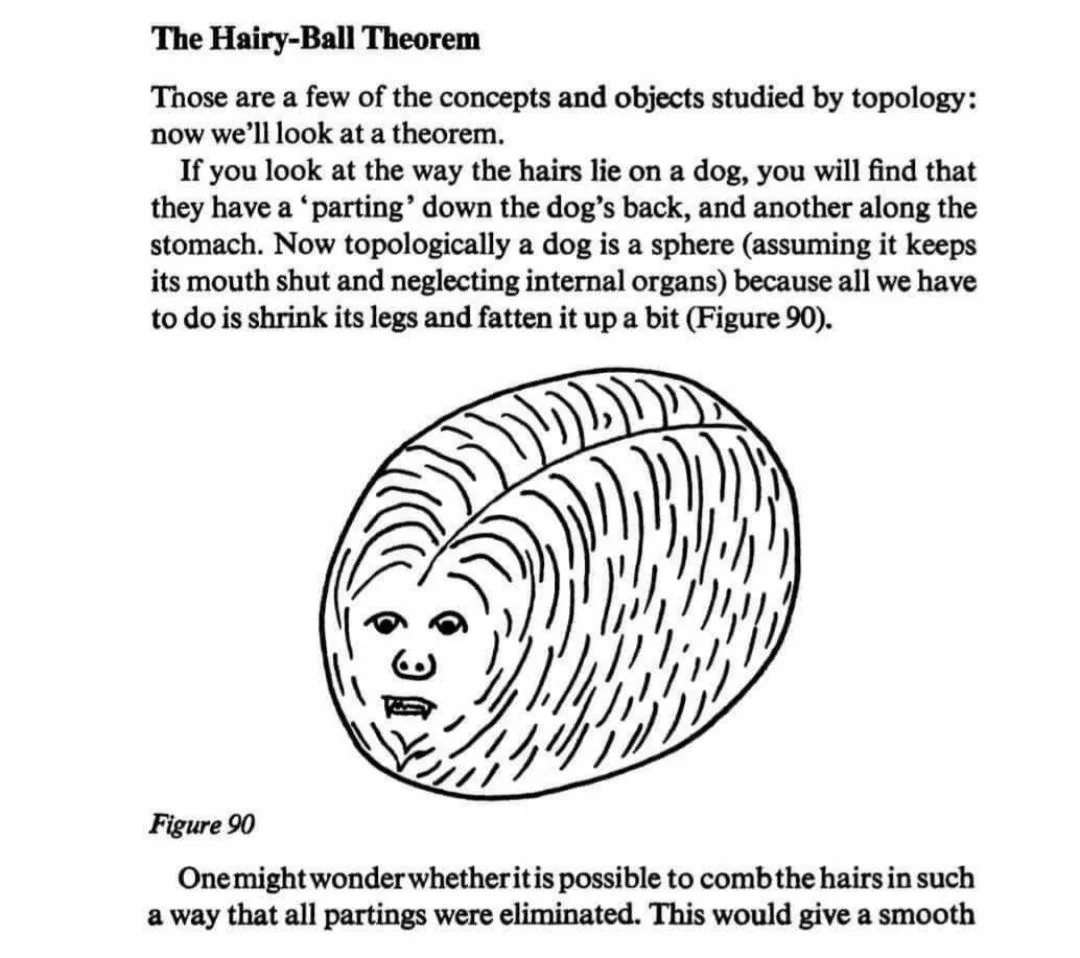
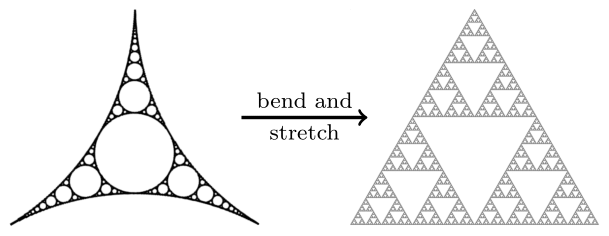
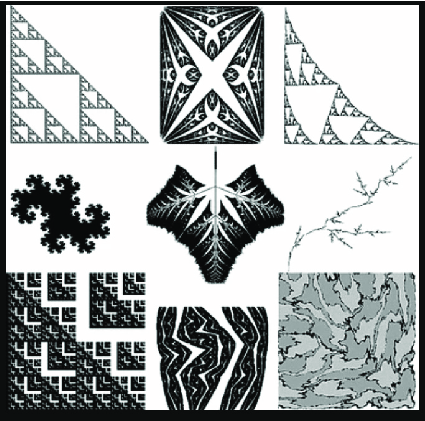
A homeomorphism, also called a continuous transformation, is an equivalence relation and one-to-one correspondence between points in two geometric figures or topological spaces that is continuous in both directions. Many forms observed in nature can be related to geometry. In accordance with classical geometry, the shapes that found in nature are consisting of lines and planes, circles and spheres, triangles and cones. These shapes actually are a powerful abstraction of reality, so we need primitive objects to give a form and understand the complex structure that exists in nature.
Art by Anatoly Fomenko (1945-) a professor of Math and Topology at Moscow State University
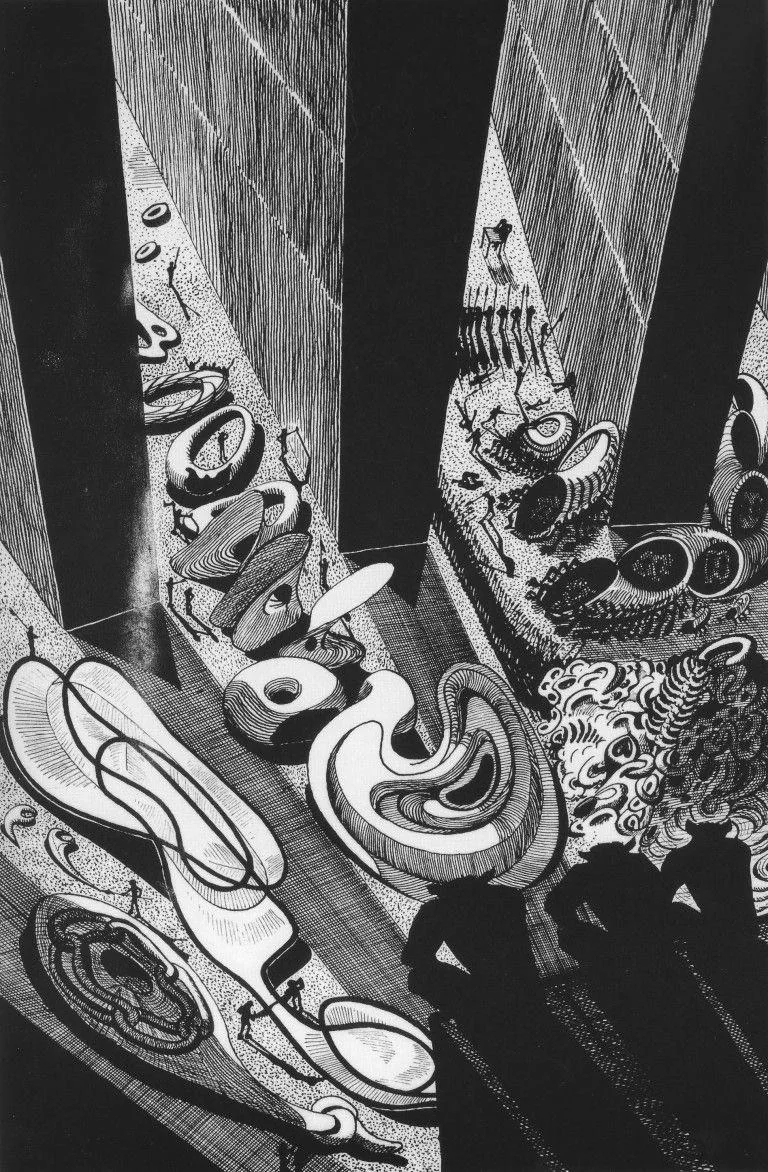
Fractal homeomorphisms
-
AI Augmentation Tools i'm excited for:
- AI tools that help explore ideas seamlessly across different levels of abstraction: simple to complex etc.
- AI tools that help translate communications context2context, beyond just lingo2lingo.
-
The computational science community still has a long way to go to realize that the latent space of ideas shaped by evolution is vast & distributed. The West, stuck in a local minimum, is erasing all Indigenous tribes—some of the last sources of truly unique insights.

-
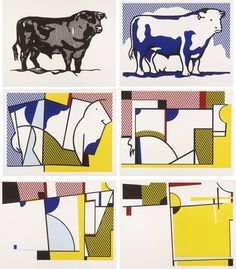
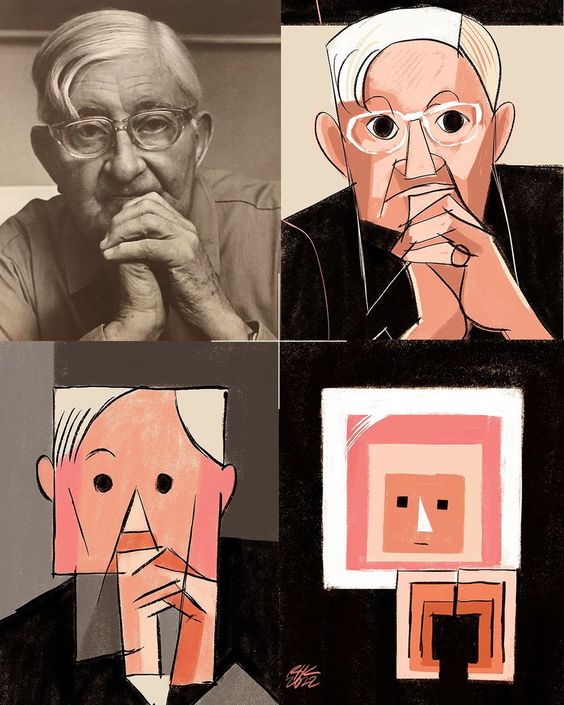
For nearly a decade, I've been waiting for AI tools that can explore ideas seamlessly across different levels of abstraction—switching perspectives at will. Yet, beyond basic LLMs, this hasn't hit the mainstream. When will we see it? Who's working on this?
-
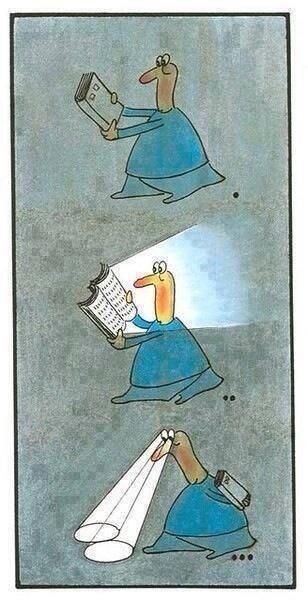
50 years since they invented a way to absorb books' knowledge by eating chocolate cake, and it's still not on menus.
-
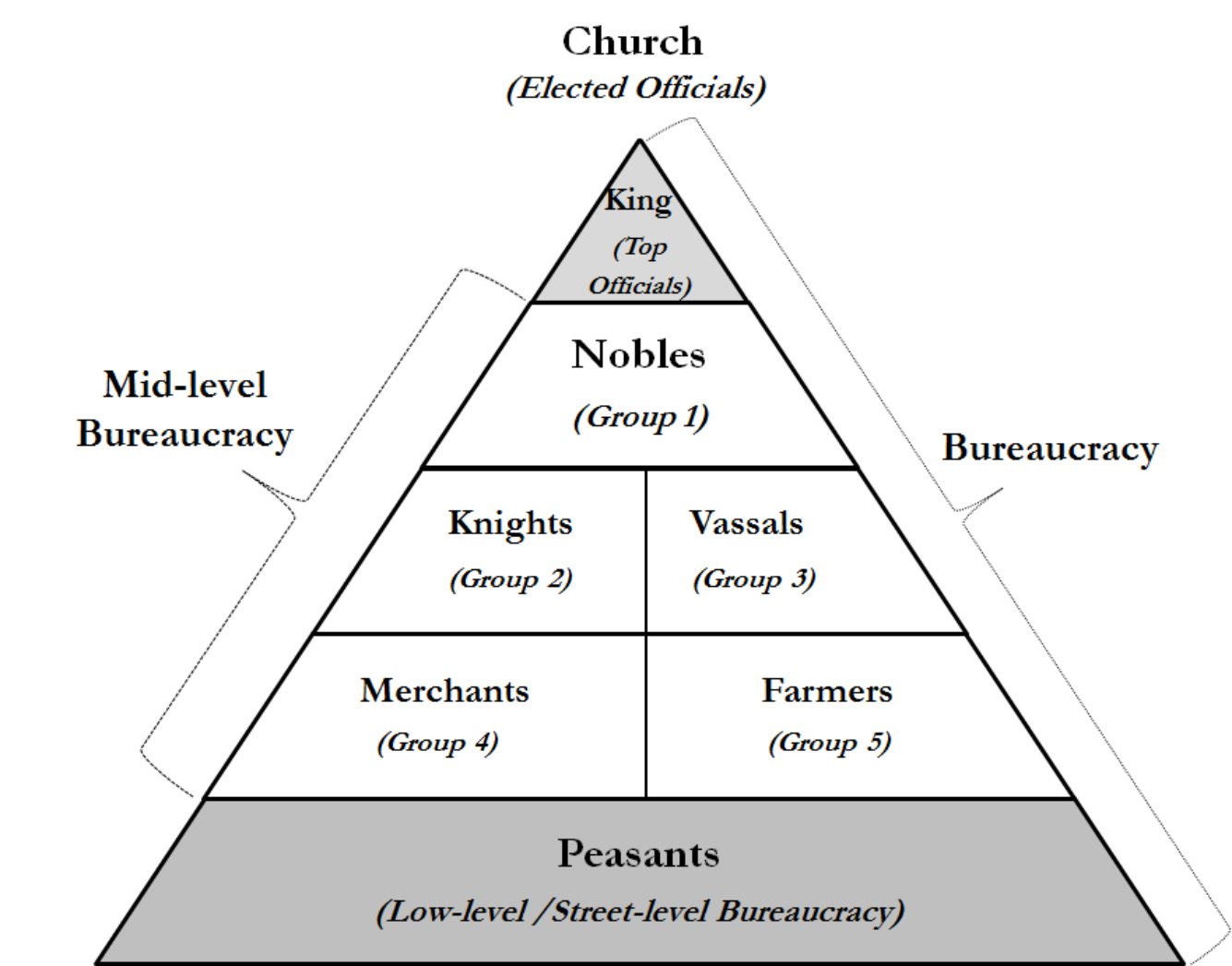
While systems of governance have evolved over centuries, one function has remained remarkably constant: bureaucracy.
-
The entire scientific establishment should be critically challenged by overwhelming it with a flood of spam from flawed AI systems. It's time to dismantle the so-called 'mandate from heaven' that these institutions claim over global knowledge.