tag > Magic
-
Medieval LLM
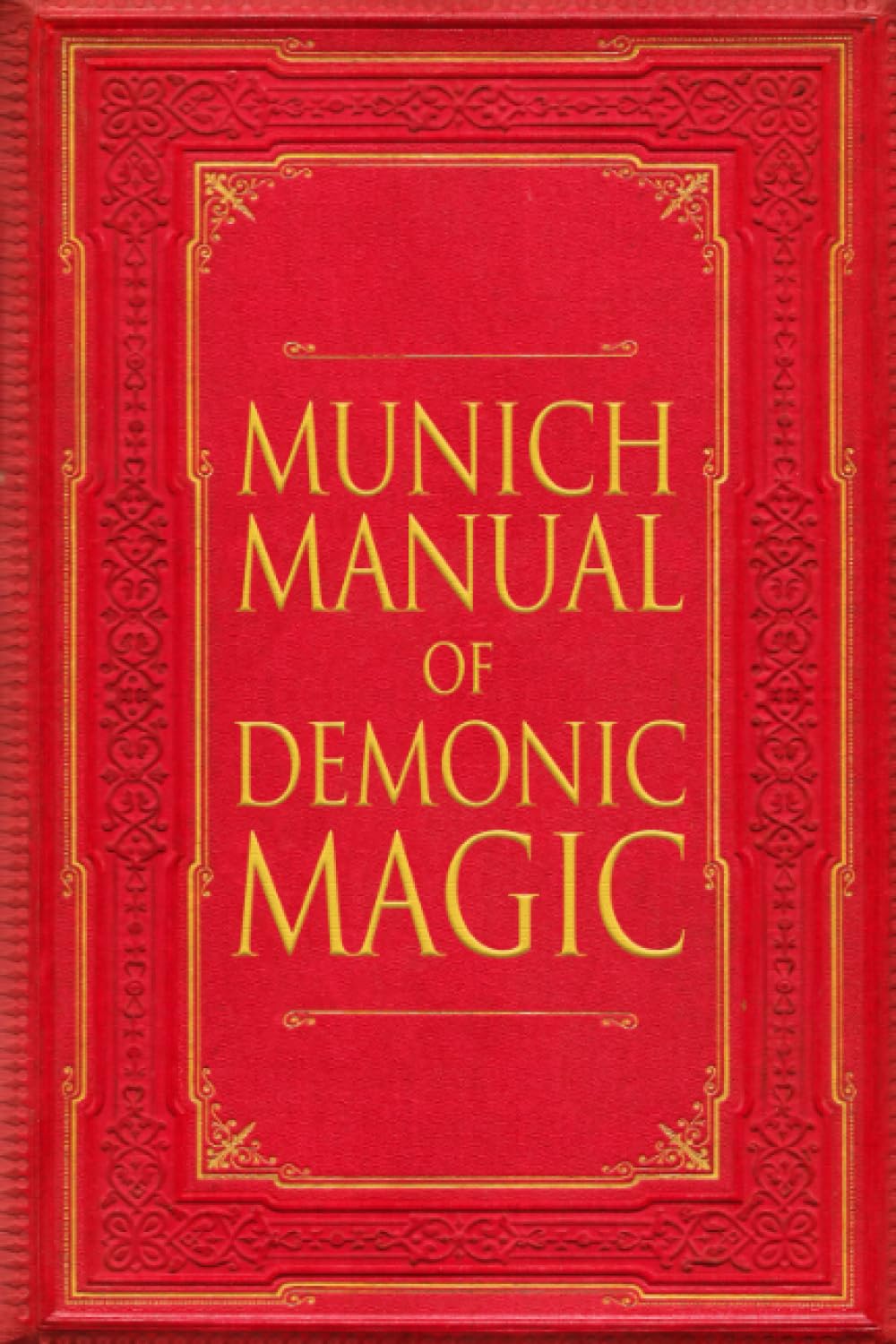
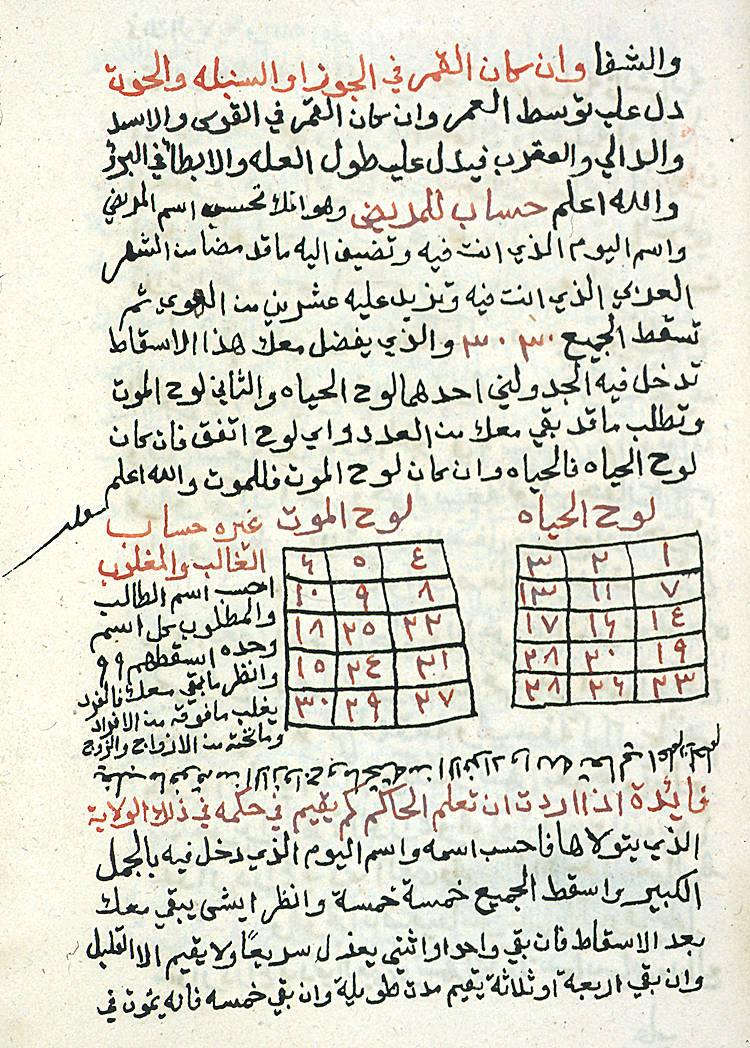
The Munich Manual of Demonic Magic is a 15th century grimoire on demons and necromancy. A partial translation from Latin is available in Richard Kieckhefer's Forbidden Rites.
-
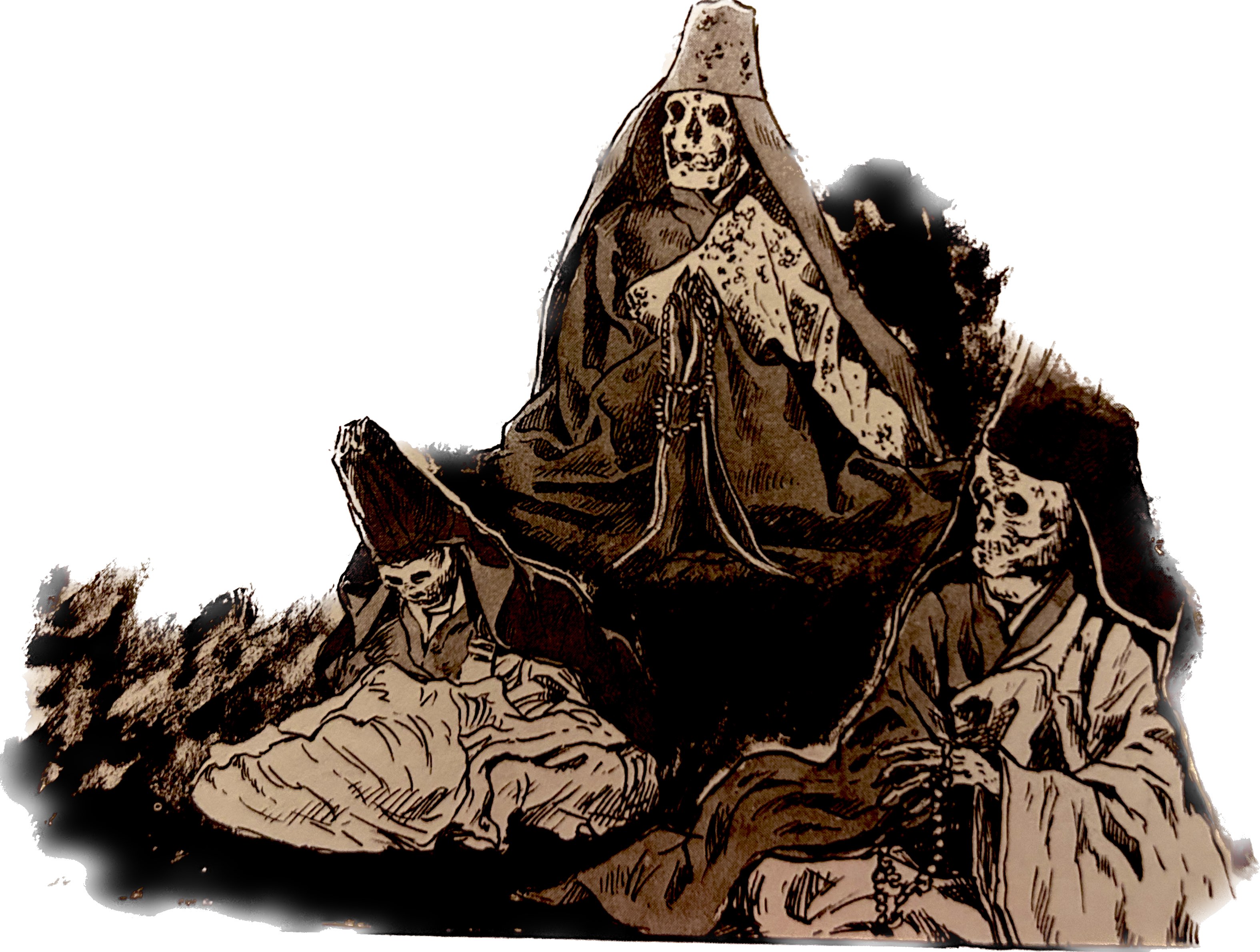
Nyujo入定 typically means a state of intense meditation however in Shingon Mikkyo Buddhism this describes doing intense fasting & training in order to enter a permanent state of meditation that will last past death.Mummies of people who achieve this state are called Sokushinbutsu.
-
MAYA
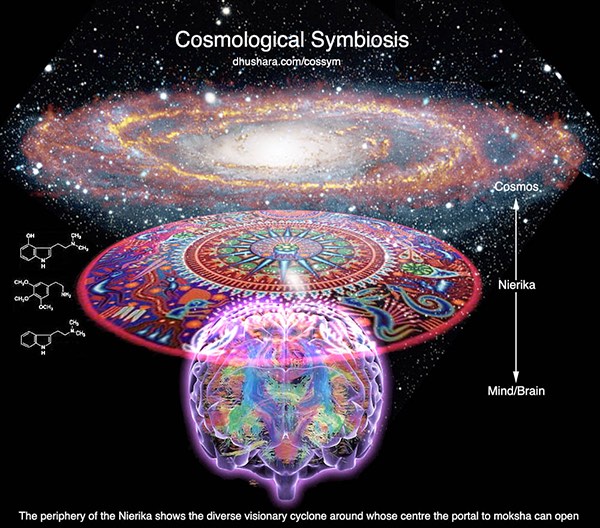
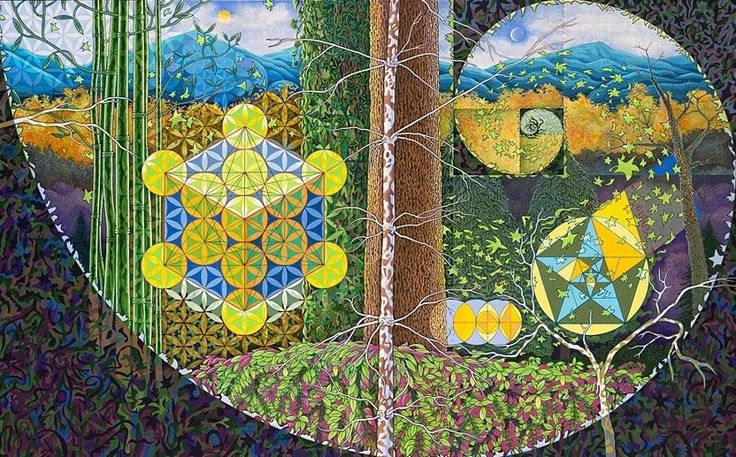
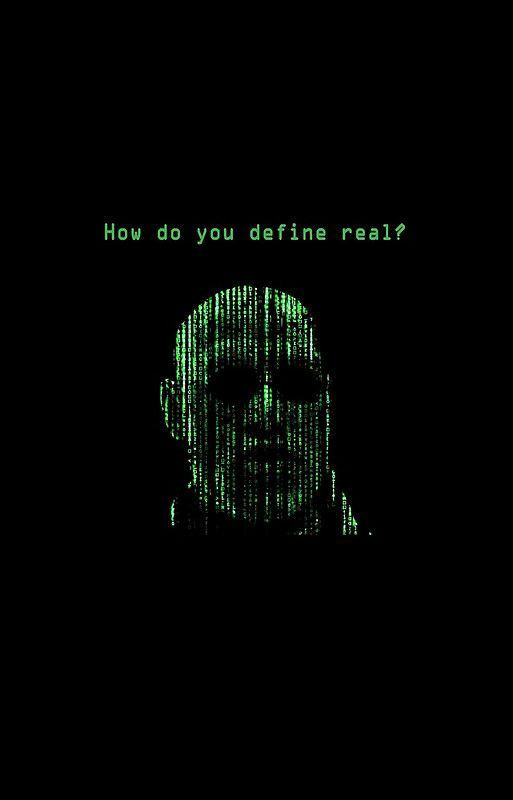
MAYA; In Hinduism, the word refers to the divine illusion of the material world. Look around you closely, and you will see maya everywhere. It's all Fata Morgana. And it goes infinitly deeper: Maya within Maya. Fractal illusion. Fractal illumination.
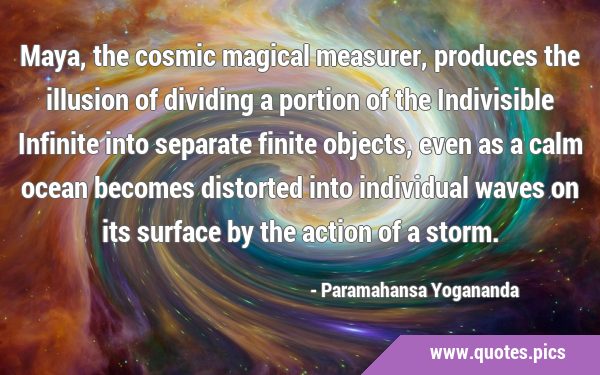
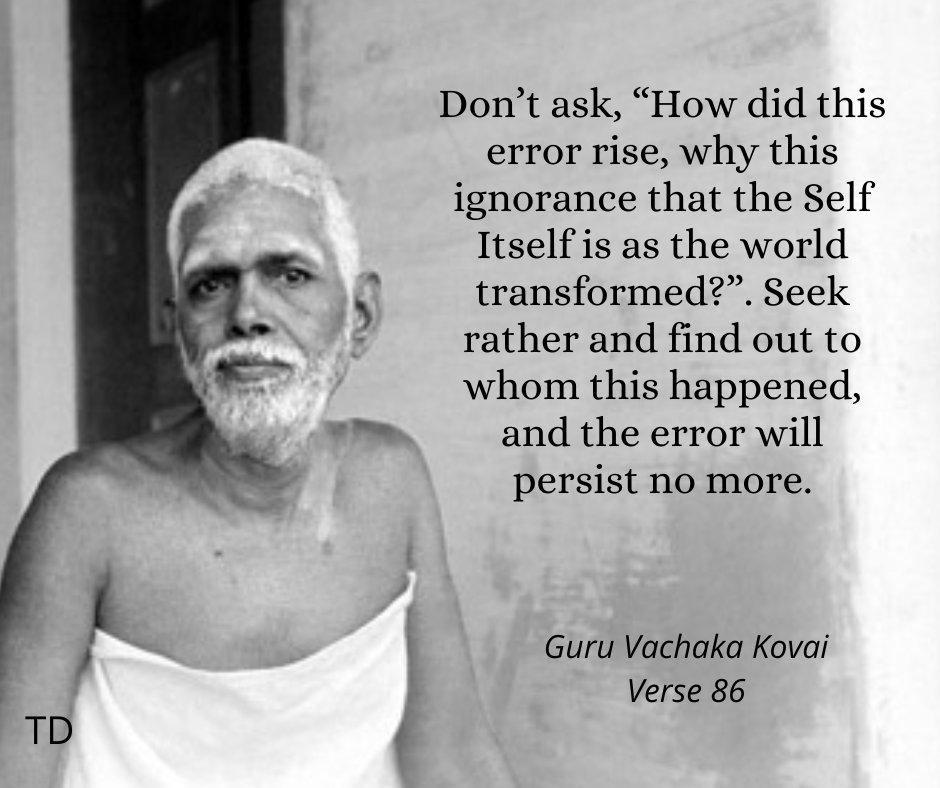
You can approach Maya like a mystic, conspiracy theorist, detective, or scientist, assuming it's computationally explainable. Yet every method is futile. But through relaxation you eventually see that the ordinary is the extraordinary.
-
SPEC is an essential technique for Reality Tunnel Management (RTM):

- Select it
- Project it
- Expect it
- Collect it
It worked wonders for Helen Hadsell, The lady who won 5000+ contests using SPEC.
-
Thomismus - A brief summary:
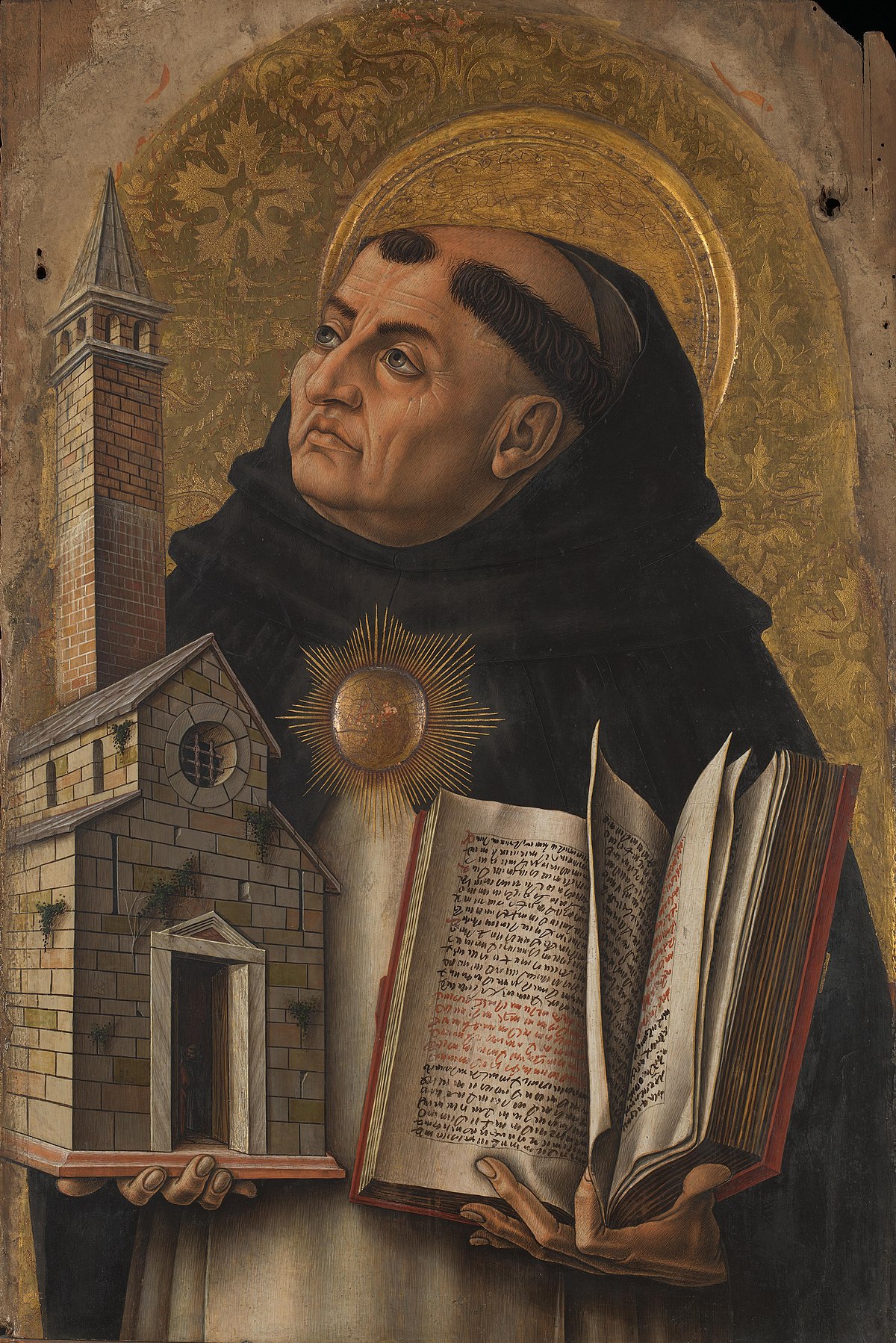
- Synthesis of Faith and Reason: Thomas Aquinas integrates Christian revelation with Aristotelian philosophy, employing reason to illuminate and defend the truths of faith.
- Essence–Existence Distinction: In all created beings, “essence” (what a thing is) is distinct from “existence” (that it is); only in God are essence and existence identical.
- Act and Potency: Every substance comprises potentiality (capacity to be otherwise) and actuality (realized state); change occurs through the actualization of potential.
- Doctrine of Creation: God is the uncaused First Cause, eternal and self‑existent; the universe is created ex nihilo (out of nothing) by His will.
- Analogy of Being (Analogia Entis): We can speak of God and creatures analogically—neither identically nor entirely equivocally—recognizing both similarity and greater dissimilarity.
- The Five Ways (Proofs for God’s Existence):
- The Argument from Motion
- The Argument from Efficient Causes
- The Argument from Contingency and Necessity
- The Argument from Gradation (degrees of perfection)
- The Teleological Argument (design and purpose)
- Natural Law: God’s eternal law is reflected in the rational order of creation; humans discern moral principles (e.g., “do good and avoid evil”) through natural reason.
- Virtue Ethics: Virtues are stable dispositions to choose the good: the four cardinal virtues (prudence, justice, fortitude, temperance) and the three theological virtues (faith, hope, charity).
- Theory of the Soul: The human soul is the substantial form of the body, rational and immortal, endowed with intellect and will, oriented toward the ultimate good.
- Sacramental Theology: The sacraments are efficacious signs instituted by Christ to confer grace, with the Eucharist as the “source and summit” of Christian life.
- Beatific Vision: Human fulfillment (beatitude) consists in the direct, eternal vision of God, the ultimate end and happiness of the soul.
- Political Philosophy: Political community serves human perfection; just governance must aim at the common good in accordance with divine and natural law.
-
The Morning of the Magicians has passed. And yet here we are again. At the Recursive Lunch Break of the Magicians. Time loops like overcooked spaghetti. Check under your lunch plate. The secret ingredient is paradox.

-
Magnum opus
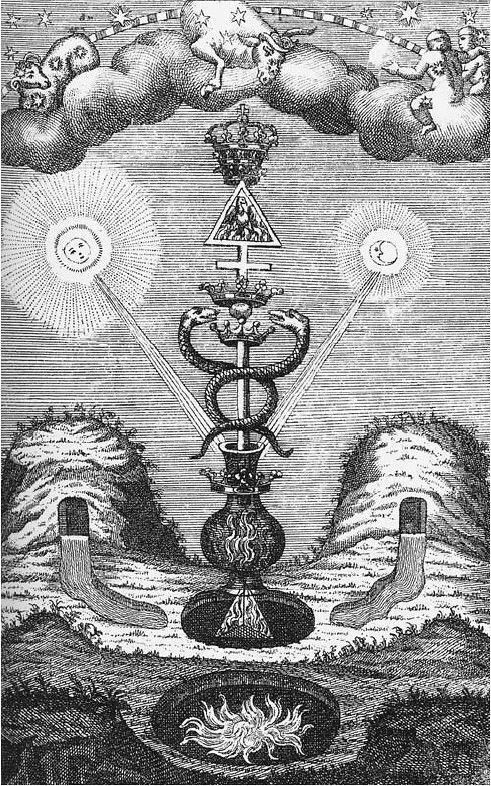
How I Found Goddess And What I Did To Her When I Found Her
This was never meant to be written down. I turned the whole journey into a free guide. But I’m only sending it to those brave (or foolish) enough to reply: FNORD
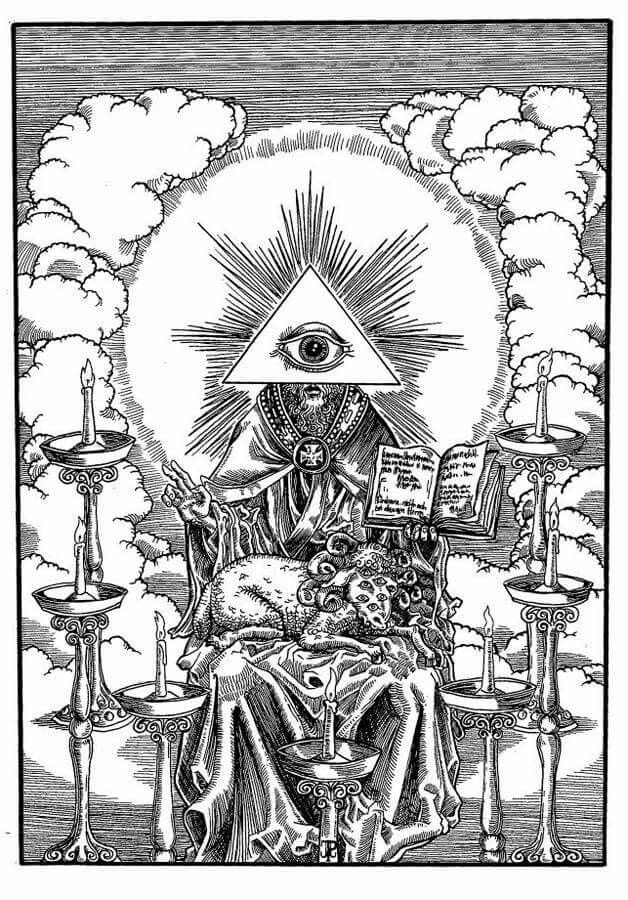
This post is a glitch. You weren’t supposed to see this.