tag > Mindful
-
Picture a butterfly landing on your hand. If you grasp at it, we all know it will flutter away. But if you stay still, open, effortless - it settles naturally.
Our hearts desires work the same way. The more we chase and control, the more life seems to run from us. Whenever we feel stuck, the secret is always to stop grasping towards what we are most desperate to obtain.
In the highest states of consciousness, there’s no hunger, no craving—just peace. And in that peace, everything we once desperately wanted arrives, effortlessly.
Because we are no longer pushing it away with our wanting. What remains is a gentle preference, a quiet knowing. And from this space, effortless manifestation becomes second nature.
Each level of awakening demands sacrifice. The old self must die for the new to emerge. Every past version of you, every role you’ve played, has served its purpose.
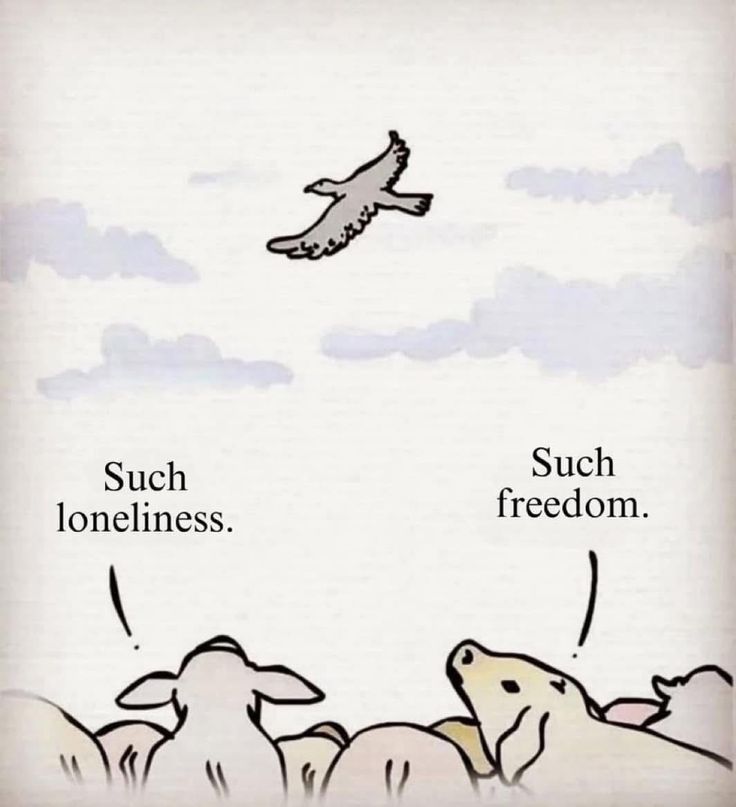
And when you evolve, the world you once knew may resist. The pull of the familiar will try to keep you grounded, but in a deep way, there is no ground only the sky, inviting you to soar.
To walk this path, you must surrender, over and over again, until surrender itself becomes freedom. Become grounded in your own being, your own surrender. That’s when life stops being a struggle and becomes a miracle. The only question is: are you ready to open your hand?
Love and Peace,
- Ileane Nicole
-
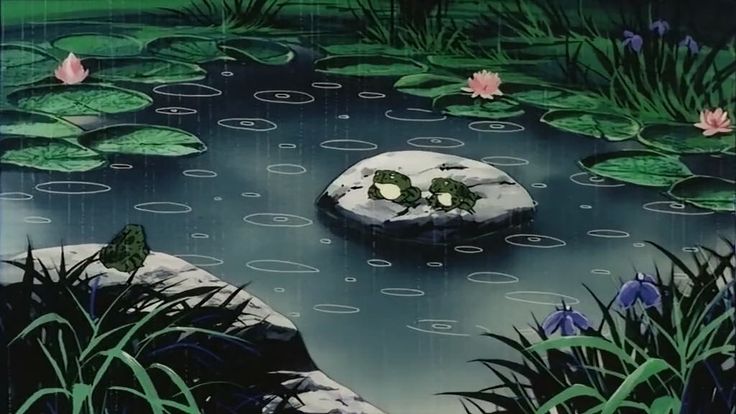
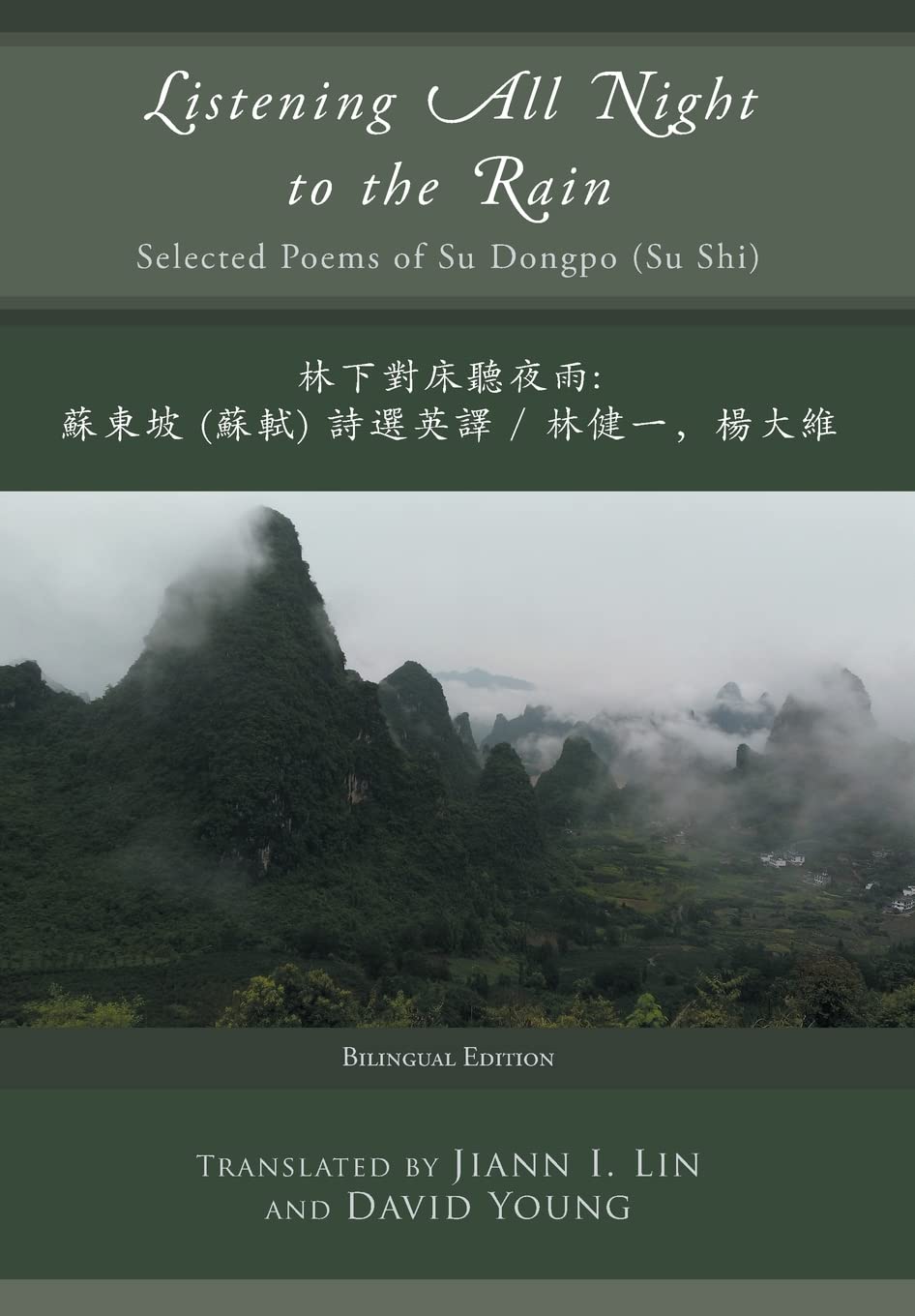
Listening All Night to the Rain: Selected Poems of Su Dongpo (Su Shi) (苏轼) (1037-1101)
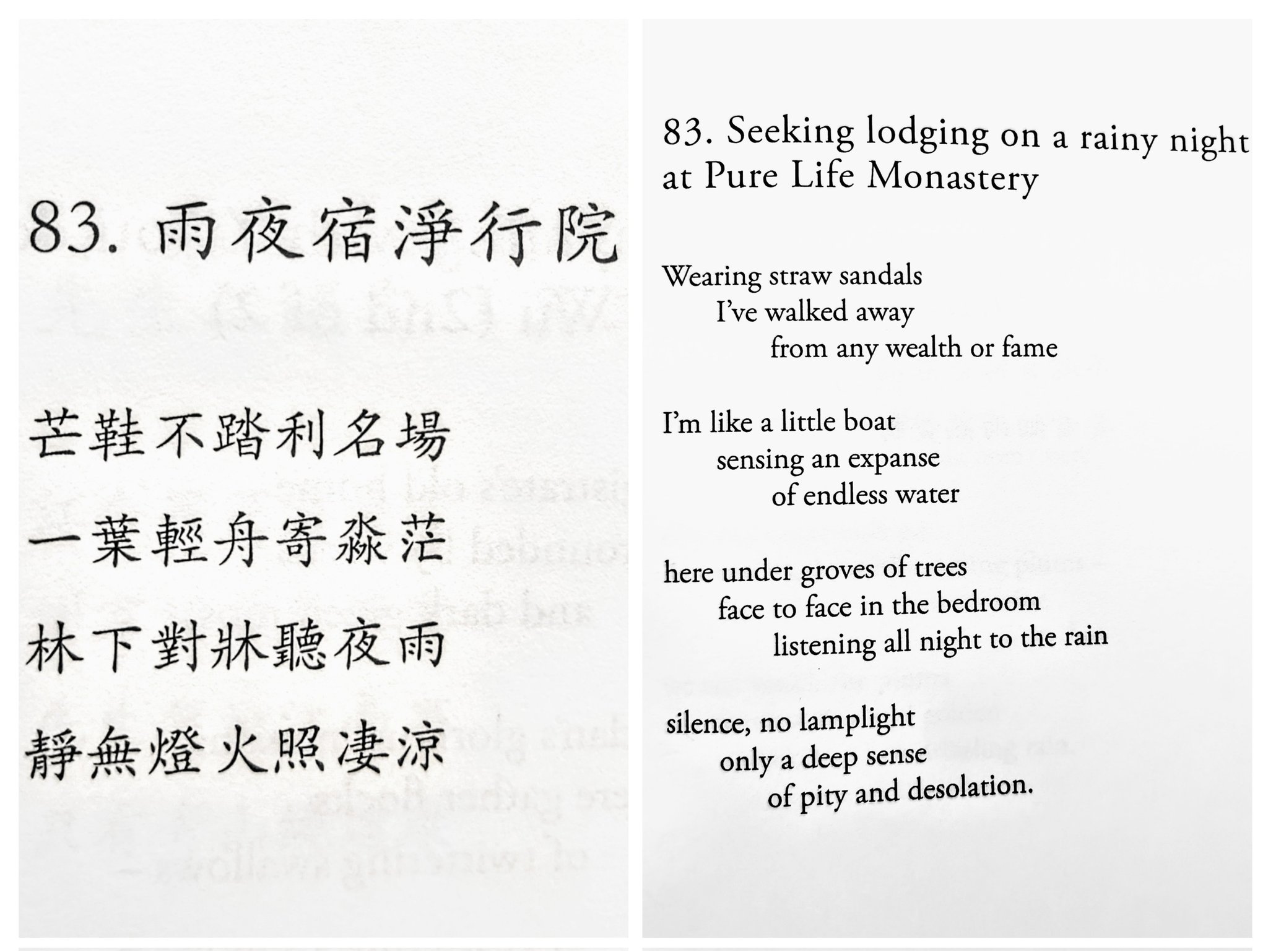
Seeking lodging on a rainy night at Pure Life Monastery
-
Life Goals
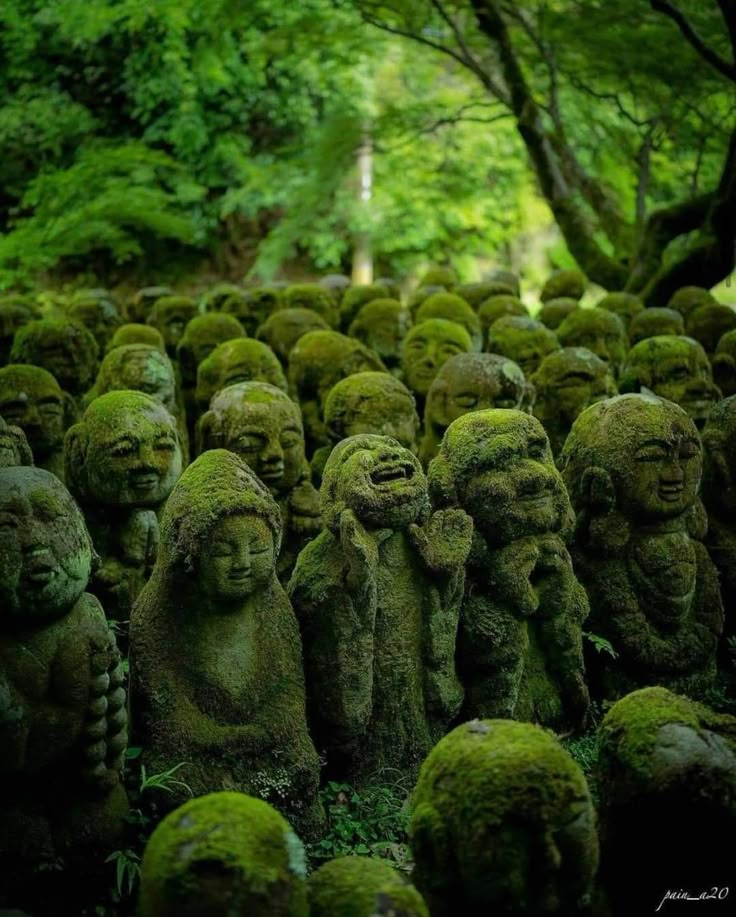
When asked, "What is your life's goal?" most people point to external achievements—fame, wealth, or groundbreaking innovations. But life is fleeting. In the blink of an eye, we and everyone we love will be gone.
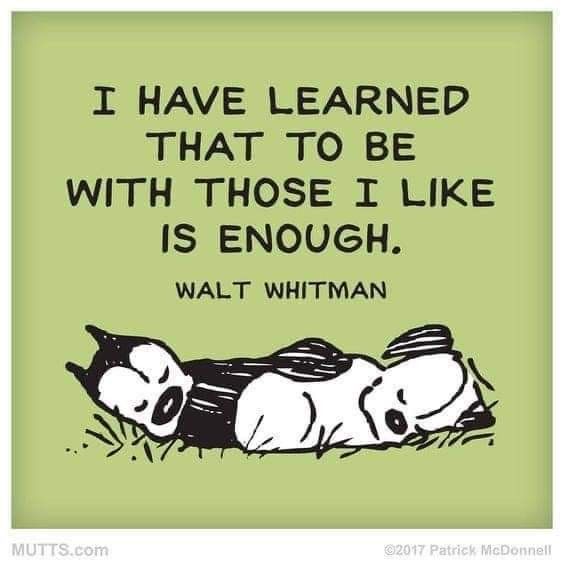
Through my own journey, I’ve come to realize that the most meaningful goal isn’t something external, but internal: to be fully present in each moment. To truly connect—with ourselves and others. To radiate unconditional love, extend compassion to all things, and be deeply at ease.
May our practice and life be of benefit to all beings everywhere. -
"What is now proved was once only imagined." - William Blake
-
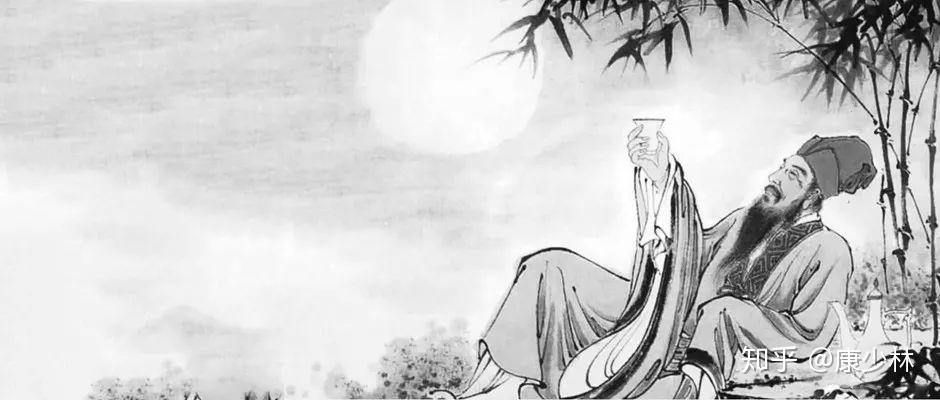
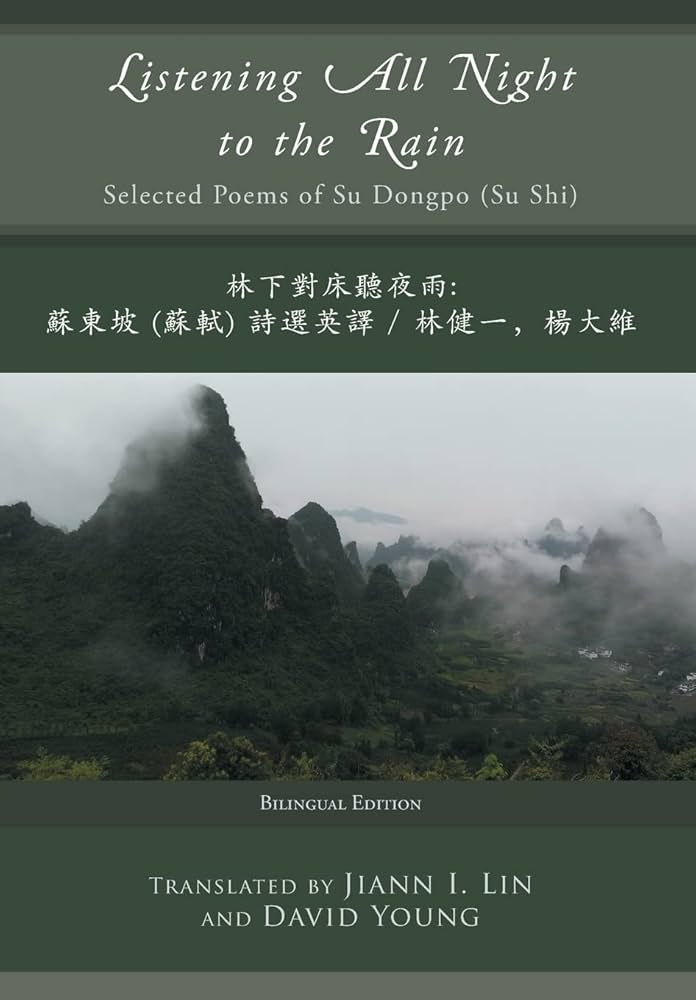
Listening All Night to the Rain: Selected Poems of Su Dongpo (Su Shi)
Original Lyric Poem Calming Wind and Wave (定風波):-
莫聽穿林打葉聲, 何妨吟嘯且徐行;
竹杖芒鞋輕勝馬, 誰怕? 一蓑煙雨任平生;
料峭春風吹酒醒, 微冷, 山頭斜照卻相迎;
回首向來蕭瑟處,歸去, 也無風雨也無晴。
Stop listening to the rain pattering on leaves,
Why not enjoy a stroll, and sing your heart out?
Giving up the horse for sandals and a cane – who would mind?
A straw cloak may be all I need in misty rain.
The spring breeze wakes me up from drowsiness – a bit chilly.
The setting sun warms me though with embracing rays.
Turning back, still mindful of that cold and wretched place.
Now that I have arrived – home at last,
Nothing stirs me any more, the glaring sun, the wind or the rain.
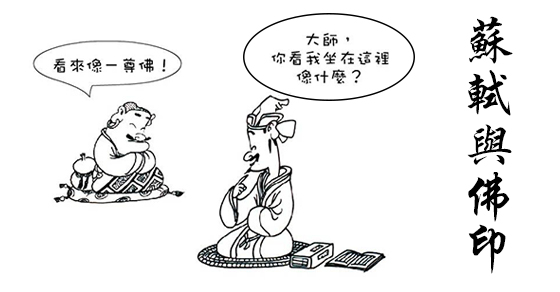
Su Shi (苏轼), also known as Su Dongpo (苏东坡), lived from 8th January 1037 to 24th August 1101. He was a prominent figure in the Song Dynasty (960-1279 CE) as well as a poet, calligrapher, writer, painter, gastronome, pharmacologist, and statesman. His father Su Xun (苏洵) gave him the name Shi (轼) after an ornate armrest usually fixed on the front section of Chinese carriages, as a reminder to the boy to pay heed to how he appeared in public.
Likewise, his father named his brother Su Zhe (苏辙) after wheel tracks left by carriages, to imply that the boy should leave a good impression on others and in his life. Apart from his given name, Su Shi was also known by his courtesy name Zizhan (子瞻), meaning “little forward-looking one”, and his pen-name Dongpo Jushi (东坡居士), meaning “east slope householder”. However, he is most commonly referred to as Su Dongpo.
As a statesman, Su Shi was a significant political figure in the Song Dynasty. He was associated with historian and politician Sima Guang (司馬光), and went against the New Policy Party led by Wang Anshi (王安石), a notable Chinese economist, statesman, chancellor and poet. Known for his expressive style, Su Shi’s writings provided clarity of understanding for Song Dynasty topics such as travel and the iron industry. Both his father and brother were also famous scholars.
In addition, Su Shi’s poetry enjoyed a long period of popularity and influence in China, Japan, and other nearby countries, as well as in English-speaking parts of the world through translations by Arthur Waley and others. In the field of Chinese arts, Su Shi is often thought to be “the leading personage of the 11th century”, and had a famous Hangzhou dish named in his honour, Dongpo pork.
-
Quiet Is More than Words - By Lu Shirong
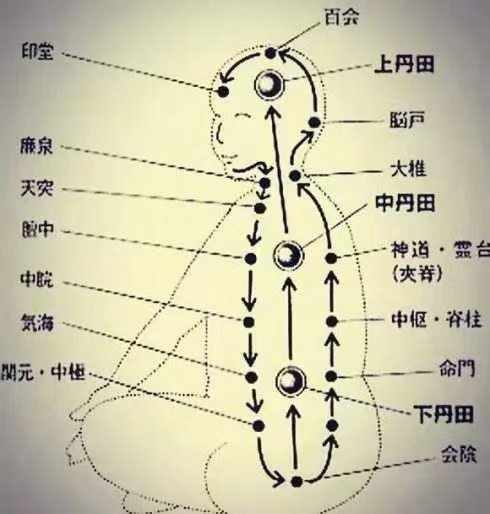
The practice of Health Qigong is inseparable from the quiet, and the “three regulations” also need the quiet. People can talk about the quiet freely in the non-practicing status, but all language activities will disappear or fade when entering into the meditation state. At this point, practitioners will feel pleasant and wonderful, caused by the integration of the body, mind and breathing, which is the meaning of “Quiet Is More than Words” talking about in this article.
First of all, the “quiet”, which usually talked about, is the review of the pleasant experience in the meditation after the practice. As we all know, the meditation state of the practice is beyond description, which is a character of quiet. The quiet described in the words is not the original ecology. In terms of general practitioners, the cognition of quiet is mostly from the oral transmission of teacher before participating in the practice and the cognition of quiet also needs to be found with the guide of the predecessors after participating in the practice. While entering into the meditation state, the cognition of quiet is beyond description, or the mentality in the meditation state has disappeared without a trace before opening the mouth. Thus, the quiet expressed by language has been away from its nature and converted to the quiet in the language environment, which can be expressed as fleeting or brief stopover or enduring caused by penetrating into all aspects of daily life. Therefore, practitioners still miss the wonderful quiet after leaving the meditation state. So they try to find some words to praise that kind of quiet. For example, quiet is a basic condition of Health Qigong, quiet is an essential kind of temperament of practitioners, and quiet is an accomplishment of practitioners. All these are the reviews and aftertastes of the meditation state. That is true. Quiet is the key factor to observe all things, so as to practice in high spirits. Most people cannot feel the taste of quiet, because of being capricious and busy. Unquiet mind leads to ineffective ideal condition. The so-called meditation refers to the quiet mind rather than the quiet physical condition, and the physical condition is never quiet. In this sense, the integration of three regulations in the practice of Health Qigong is to pursue the quiet of the body, mind and breathing, achieving the state of quiet and emptiness and observing all things with that kind of mentality. Then all things will exhibit the natural charm, and the exercisers can focus on the most subtle place, or even the infinity vast universe, caring deeply about all tings. As Su Shi said, “To make wonderful poem, poet must keep quiet and empty, so as to take in all things”, which is a kind of pleasant experience of meditation.
Secondly, the survival conditions for human language have gone in the meditation state, which is the essence of “Quiet Is More than Words”. Language is a tool for thinking and communication, closely linking with thinking, which is the carrier of thinking, substances housing and pattern of manifestation. Language is a symbolic system, which is a system combining with voice, semantic, vocabulary and grammar organization law.
On the one hand, after entering the language system, people have to express their mind through speaking or writing. Precisely at this link, "talking and writing” are contrary to “forgetting everything” required by the meditation. In that case, exercisers must only choose one of the two. So, to choose meditation, the language must be given up. The pattern of “Quiet Is More than Words” is formed. The Chinese character “Jing ( Quiet)” is composed by two characters, namely “Qing (blue)” and “Zheng (scramble)”. How to scramble the blue? Raise head to see the blue sky, which is the original quiet. How wonderful it is! On the other hand, from the beginning, conversion and implementation stage of meditation and formation of language, we can find that the formation of language is completely opposite to the direction of meditation. In the initial stage, language is used to express thoughts according to the purposes, while the meditation is to eliminate distractions. In the conversion stage, convert the thoughts into the form of language conform to the syntactic rules, while the meditation is to achieve the state of the integration of three regulations. In the implementation stage, the language is used to speak or write the contents in their own forms, while the meditation is to be tranquil and nothingness. In short, there are insurmountable barrier between the meditation and language, the mutual exclusiveness makes the view of “Quiet Is More than Words” sensible, reasonable and logical. Of course, exercisers may not be able to enter the meditation state without words, which is not in the scope of this paper.
-
“To make wonderful poem, poet must keep quiet and empty, so as to take in all things” - Su Shi (苏轼) (1037 – 1101)