tag > Music
-
Introducing Polymath v0.2: Now with "Auto Music Transcription" that uses machine learning to generate MIDI files from any audio file (incl of extracted stems) 2) Docker setup, making the tool easier to use 3) Many improvements by open source contributors.
-
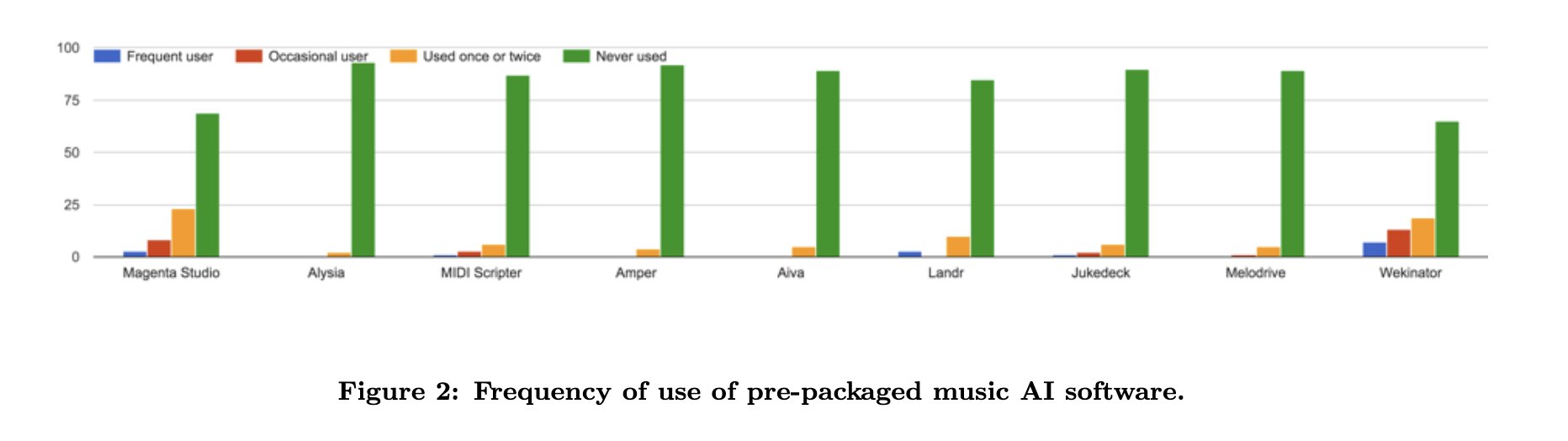
Graph from “A Survey on the Uptake of Music AI Software.” by Knotts, and Collins. n.d. - Study from 2020 saying no musicians use AI-based music production support tools. This will change very rapidly now.
-
Prediction: Before the end of 2023, very expressive and high quality generative singing voices will become available open source. It will be a deeply transformative technology for music and culture.

-
The Music AI space is currently dominated by commercial services that are closed-source black-boxes. Where is the DIY punk alternative to these glossy corporate pop music atrocities?
-
Introducing Polymath: Convert any music library into a music production sample-library with ML
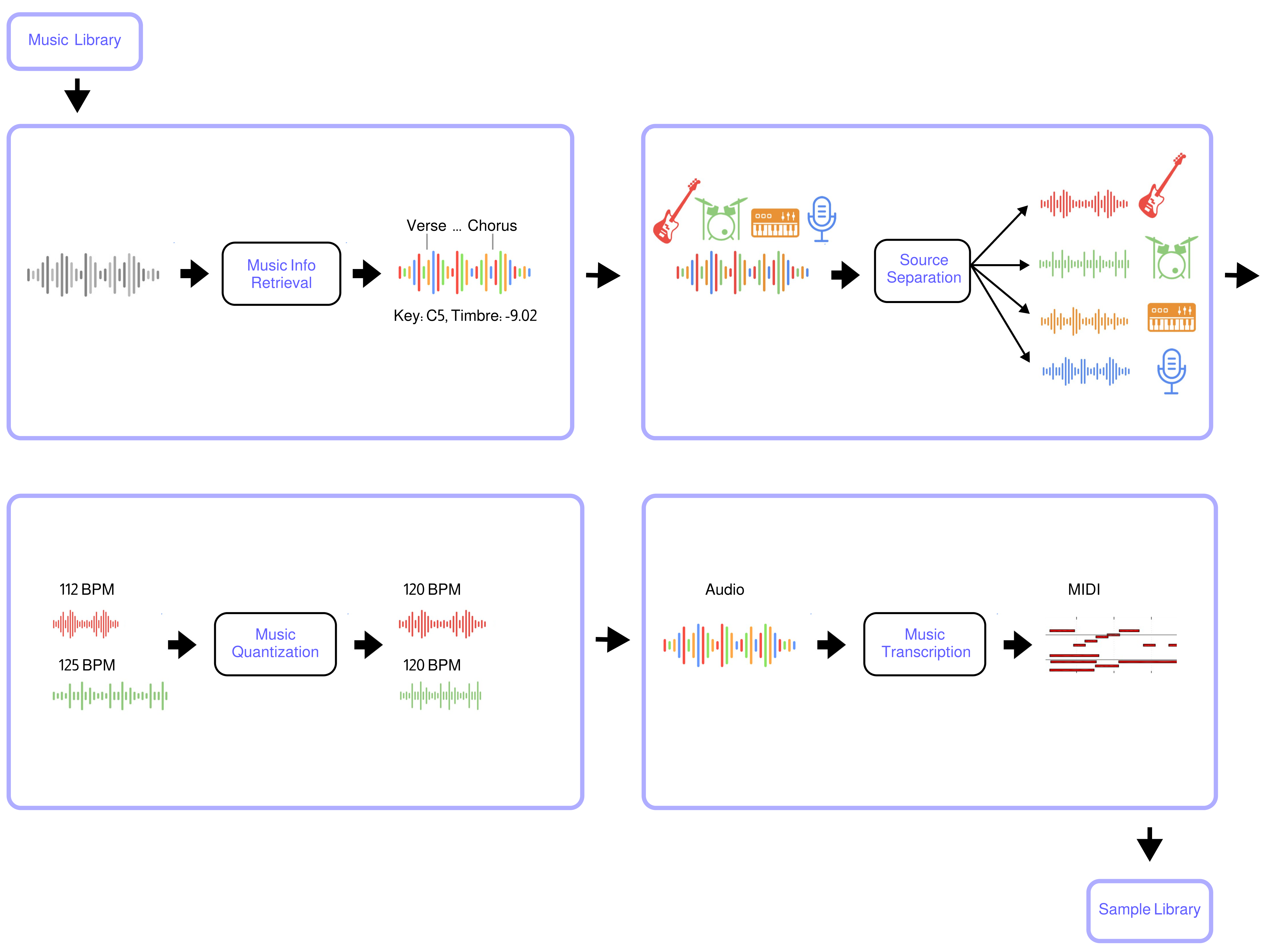
Polymath is a open-source tool i've developed that uses machine learning to convert any music library (e.g from Hard-Drive or YouTube) into a music production sample-library. The tool automatically separates songs into stems (beats, bass, etc.), quantizes them to the same tempo and beat-grid (e.g. 120bpm) and analyzes musical structure (e.g. verse, chorus, etc.), key (e.g C4, E3, etc.) and other infos (timbre, loudness, etc.). The result is a searchable sample library that streamlines the workflow for music producers, DJs, and ML devs.

Use-cases: Polymath makes it effortless to combine elements from different songs to create unique new compositions: Simply grab a beat from a Funkadelic track, a bassline from a Tito Puente piece, and fitting horns from a Fela Kuti song, and seamlessly integrate them into your DAW in record time. Using Polymath's search capability to discover related tracks, it is a breeze to create a polished, hour-long mash-up DJ set. For ML devs, Polymath simplifies the process of creating a large music dataset, for training generative models, etc.
More infos and download here: https://github.com/samim23/polymath
-
Audio Source Separation that works reasonably well finally has arrive.

https://www.lalal.ai/ lets you extract vocal, accompaniment and various instruments from any audio file. It works amazingly well. It's a game changer for sample-based music production. There is an open source alternative as well: https://www.deezer-techservices.com/solutions/spleeter/ - https://github.com/charzy/Demucs-v4-
-
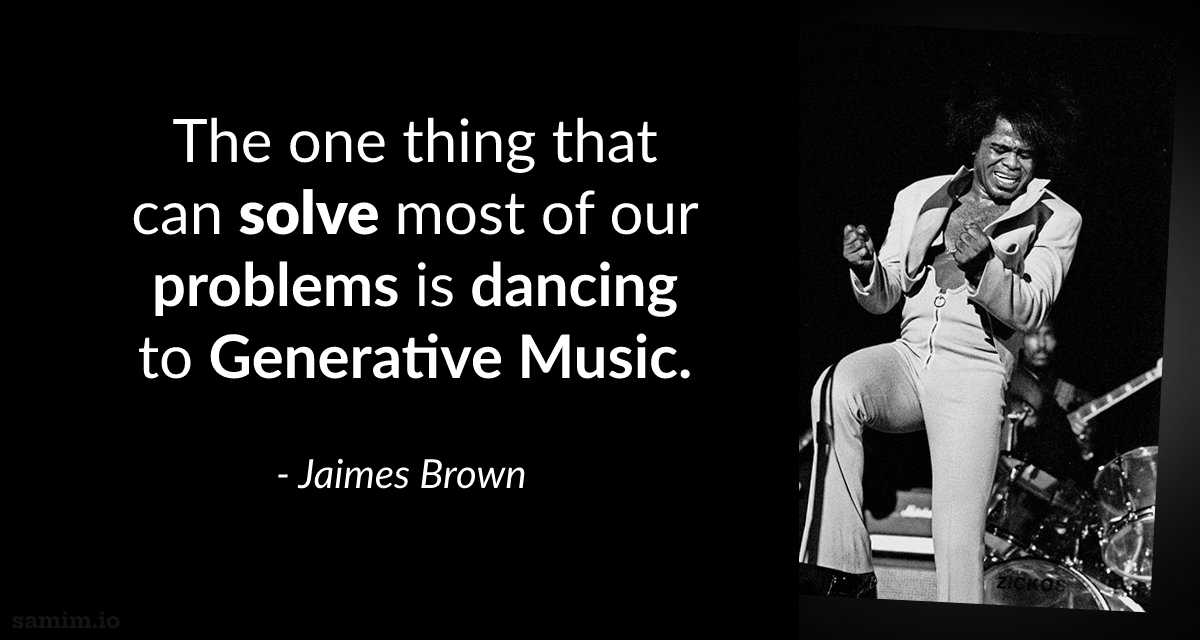
The one thing that can solve most of our problems is dancing to Generative Music. - Jaimes Brown
-
"The Chinese character for medicine actually comes from the character of music."

-
Music album cover of the day: Sea of Tranquility - by Murdo McRae (Australia: Music World, 1995) - "As times passes the sea of tranquility deepens. This highly sculptured musical seascape sets voyage to discovery of nature and self."

-
John Cage speaking of his experience in an anechoic chamber (a room that absorbs all sound)
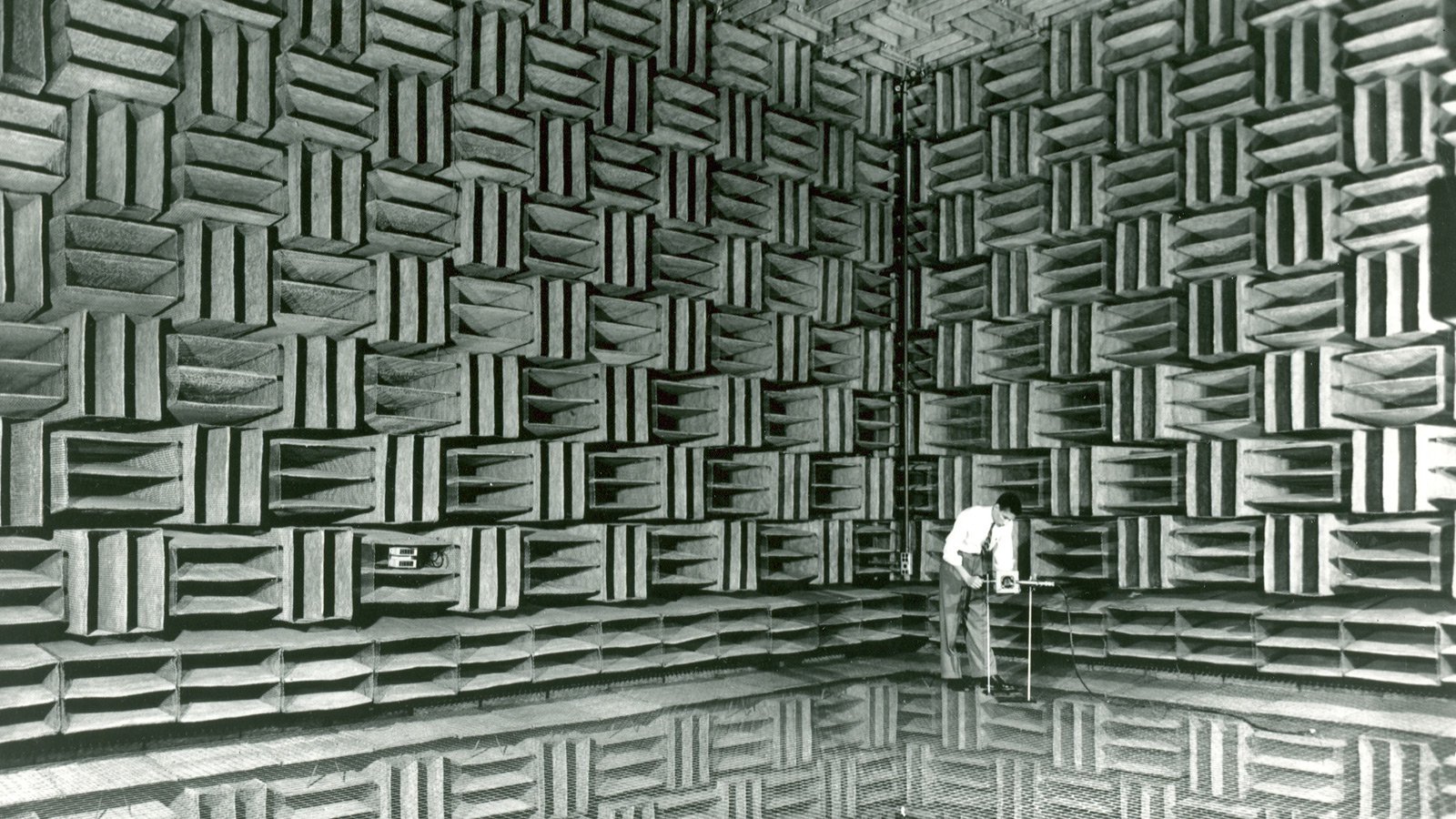
“In that silent room, I heard two sounds, one high and one low. Afterward I asked the engineer in charge why, if the room was so silent, I had heard two sounds… He said, ‘The high one was your nervous system in operation. The low one was your blood in circulation.’”
-
Product Requests
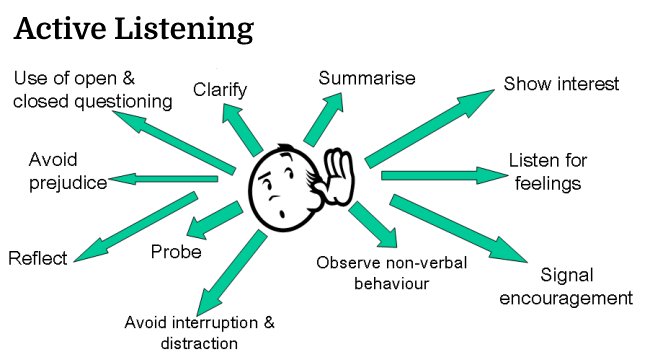
WANT: A system for Active Listening. The opportunity & challenges are significant.
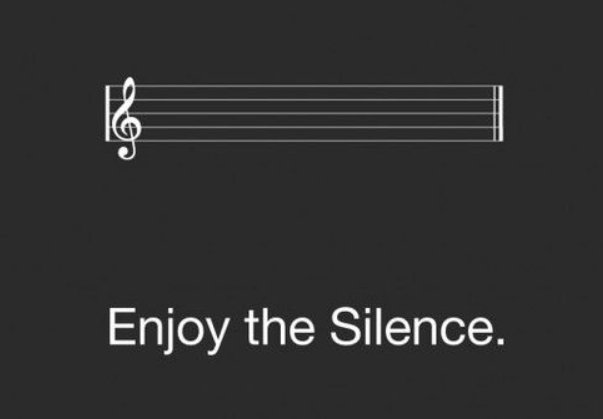
WANT: A system for active noise cancellation in open spaces. Been researching this for some time and its a wicked challenging problem, but in theory tractable.

#ML #Technology #Design #Augmentation #Music #Science #Culture