tag > NeuroScience
-
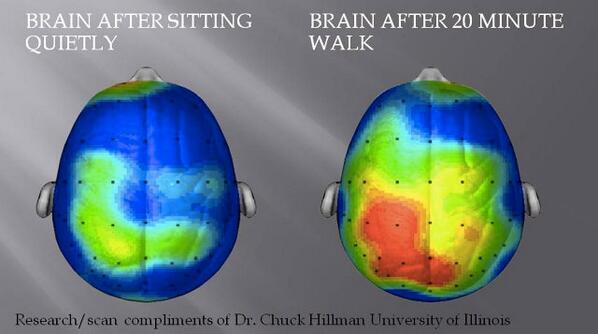
Spending Time in Nature Promotes Early Childhood Development (Uni of British Columbia)
Children who live in areas with easy access to greenspaces and natural vegetation showed better overall development than their peers who lived closer to fewer greenspaces.

-
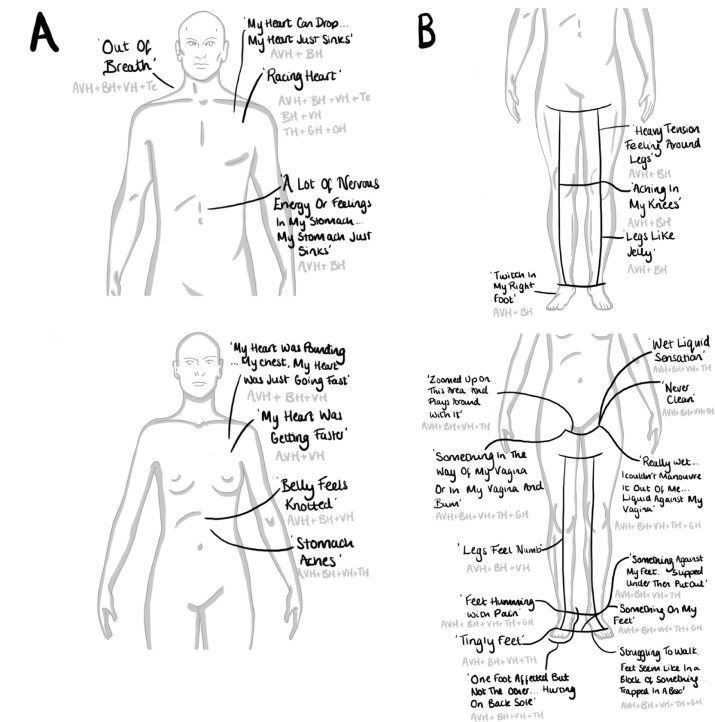
All documented hallucinations co-occurred with bodily feelings. Feelings were localised to specific body areas, generalised across the body and extended beyond the body into peripersonal space. Co-occurring emotional feelings most commonly related to confusion, fear and frustration. [...] Hallucinations were characterised by numerous feelings arising at once, often including multimodal, emotional, and embodied features. Within this study, the immediate feeling of hallucination experiences were readily communicated through prospective, visual, and ecological information gathering methods and particularly those which offer multiple modes of communication (e.g. body-map, visual, written, oral). Uptake of visual, ecological and prospective methods may enhance understandings of lived experiences of hallucinations.
-
Sensory Substitution
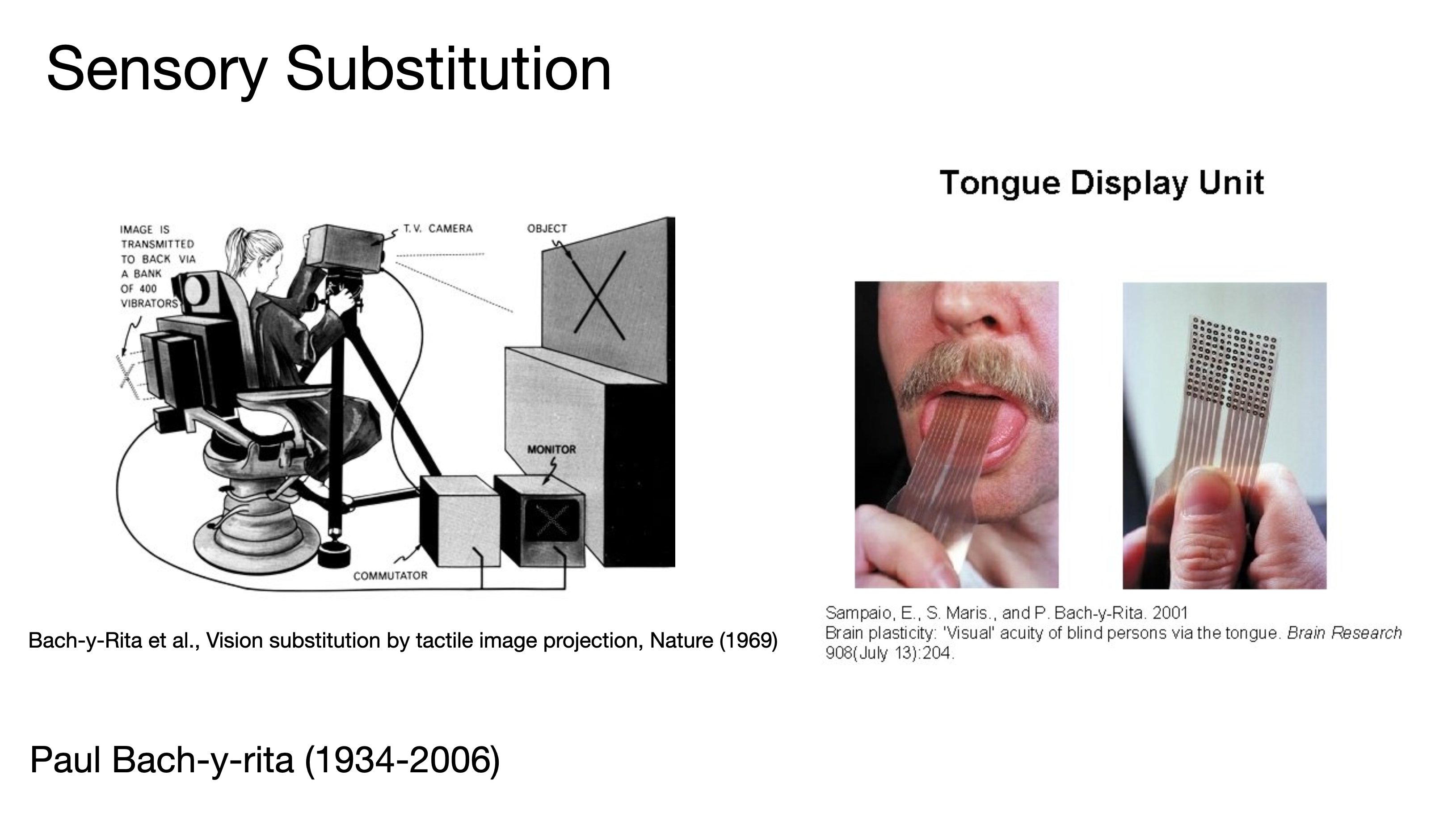
“The brain is able to use information coming from the skin as if it were coming from the eyes. We don’t see with the eyes or hear with the ears, these are just the receptors, seeing and hearing in fact goes on in the brain.” - Paul Bach-y-Rita, pioneer of sensory substitution.
-
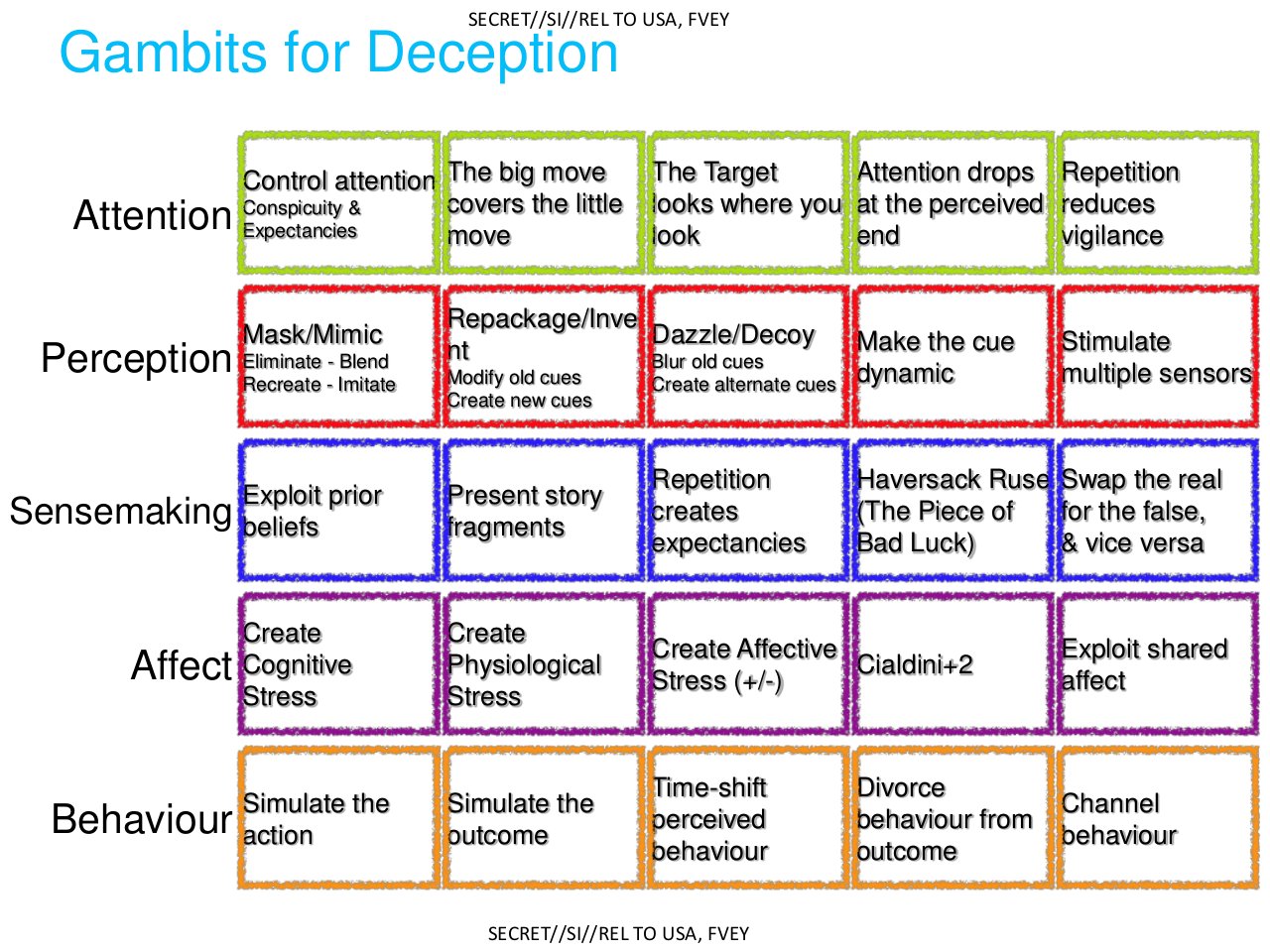
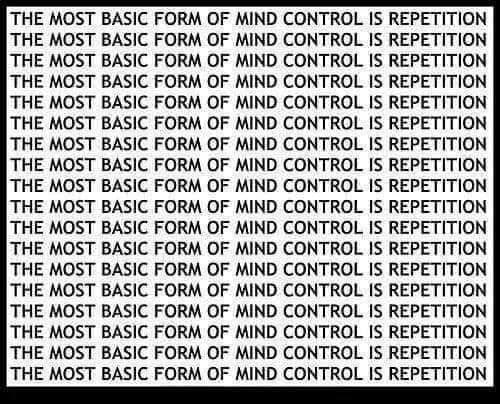
The most basic form of mind control is repetition
#Culture #InfoSec #NeuroScience #Narrative #Business #Military
-
Future men will look back on our epoch as a age of darkness
"If the human race survives, future men will, I suspect, look back on our enlightened epoch as a veritable age of Darkness. They will presumably be able to savour the irony of the situation with more amusement than we can extract from it. The laugh’s on us. They will see that what we call "schizophrenia" was one of the forms in which, often through quite ordinary people, the light began to break through the cracks in our all-too-closed minds." - R.D. Laing, The Politics of Experience, p. 107
Related: Tom Shandel & Kirk Tougas‘ 1989 documentary, Did You Used To Be R.D.Laing?, made shortly after Laing’s death. (via)
-
“The brain does not simply represent the world in a disembodied way as an intellectual construct… Our mind is body-bound. We think, feel, and act with our body in the world. All experience is embedded in this body-related being-in-the-world.”
-
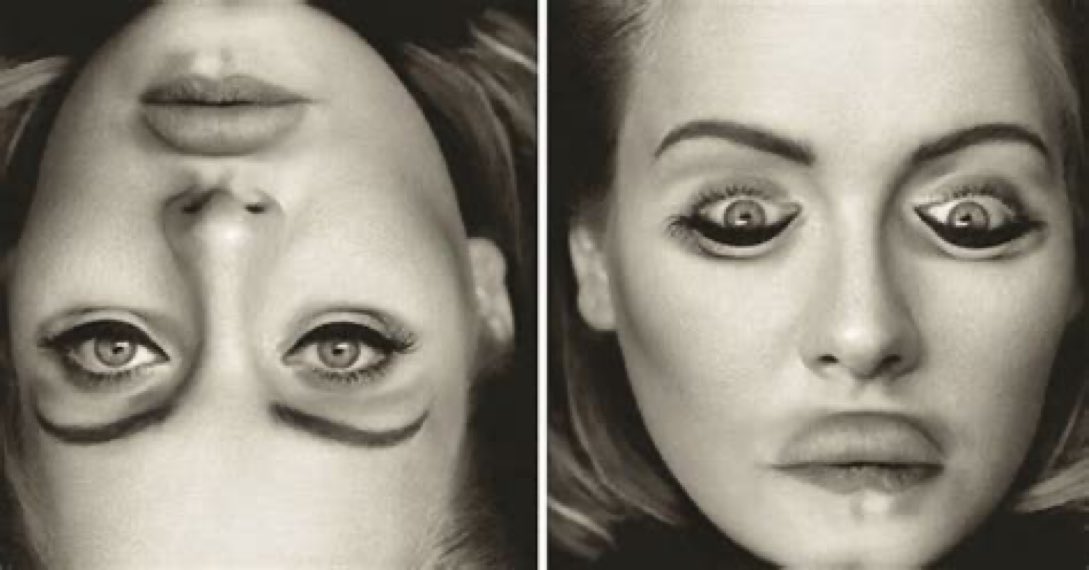
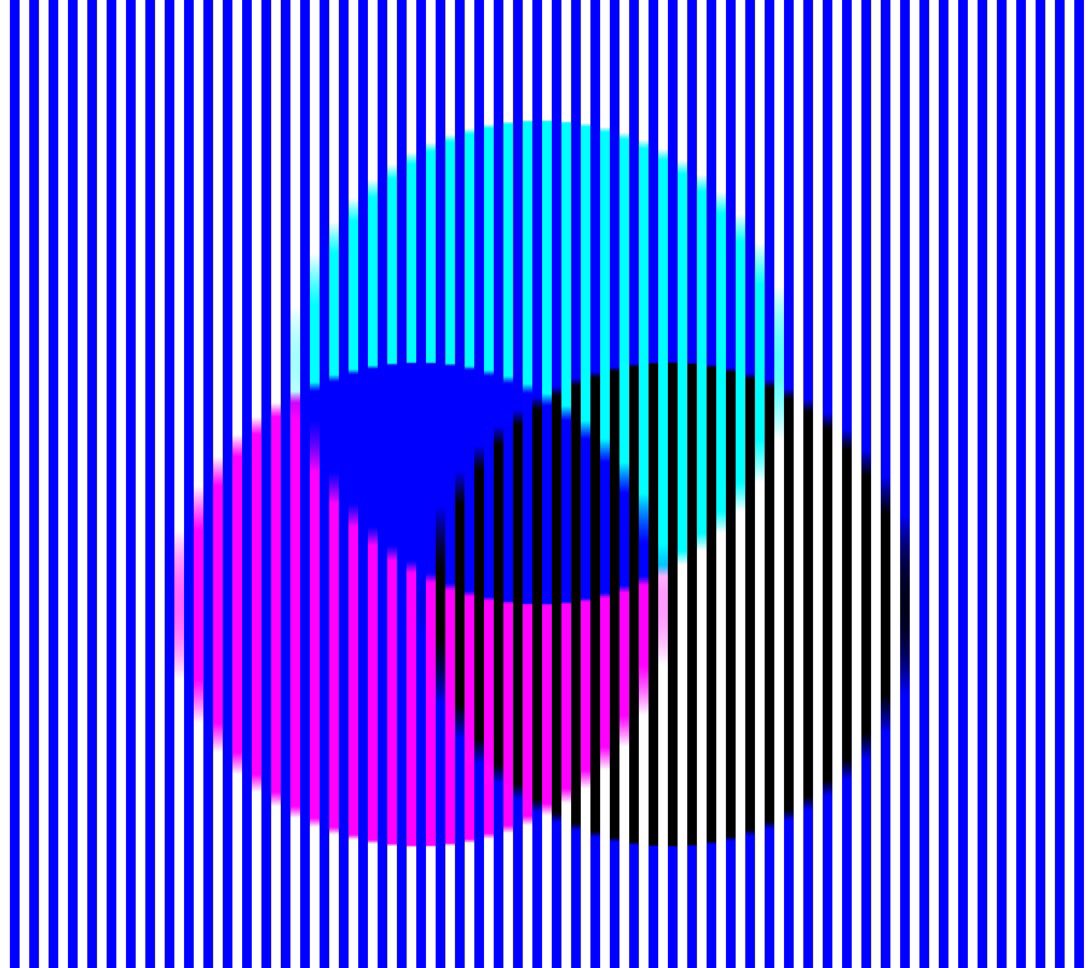
Center for Weird Studies: There is no yellow in the circle below - Illusion by @AkiyoshiKitaoka
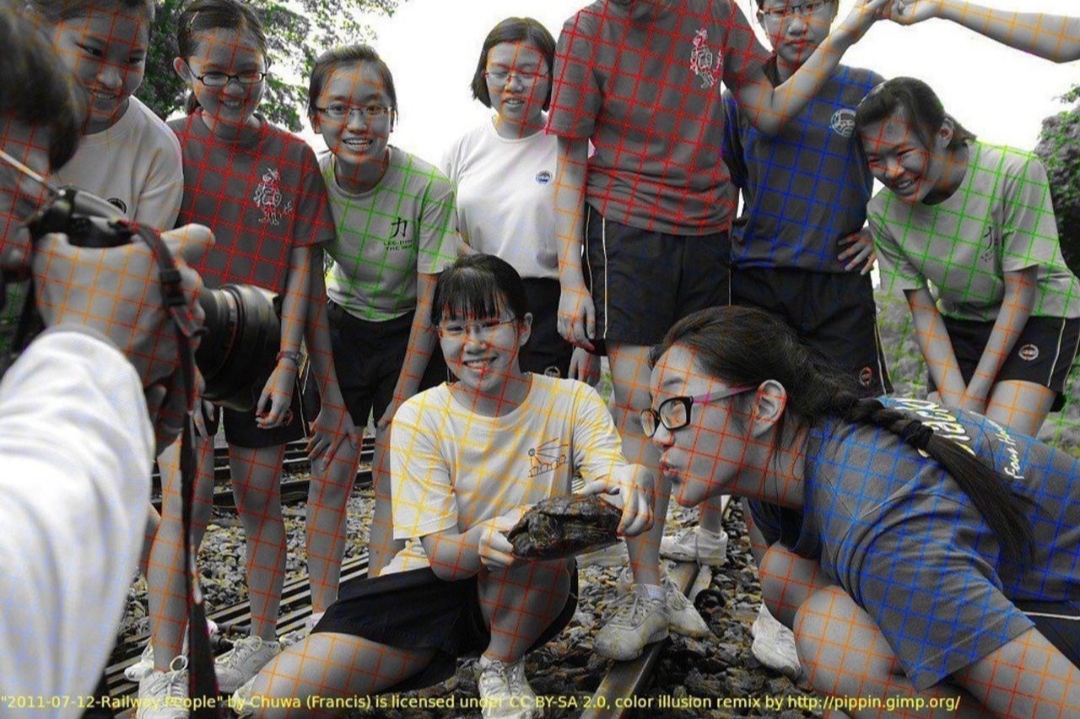
This photograph is black and white picture. An artist has drawn some color lines through it. The human brain is filling the rest of the colours even though they aren't there.
-
Genetically engineered 'Magneto' protein remotely controls brain & behaviour (Guardian)
"Researchers in the United States have developed a new method for controlling the brain circuits associated with complex animal behaviours, using genetic engineering to create a magnetised protein that activates specific groups of nerve cells from a distance."
(paper)
-
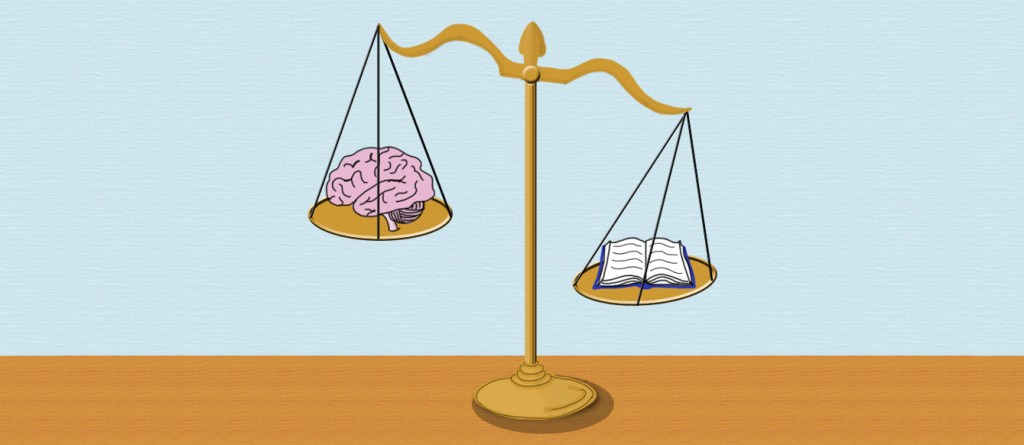
The Rise of Neurotechnology Calls for a Parallel Focus on Neurorights - By Nayef Al-Rodhan
Chile is leading the way with a bill that offers protections against abuses and inequities that could arise from technologies that augment human capacities.
-
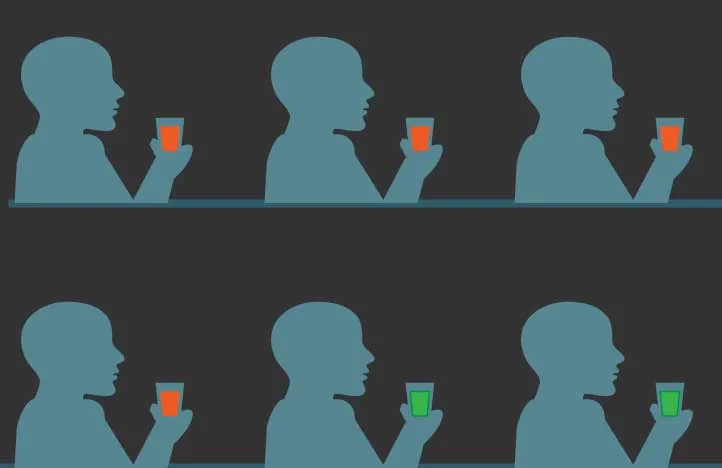
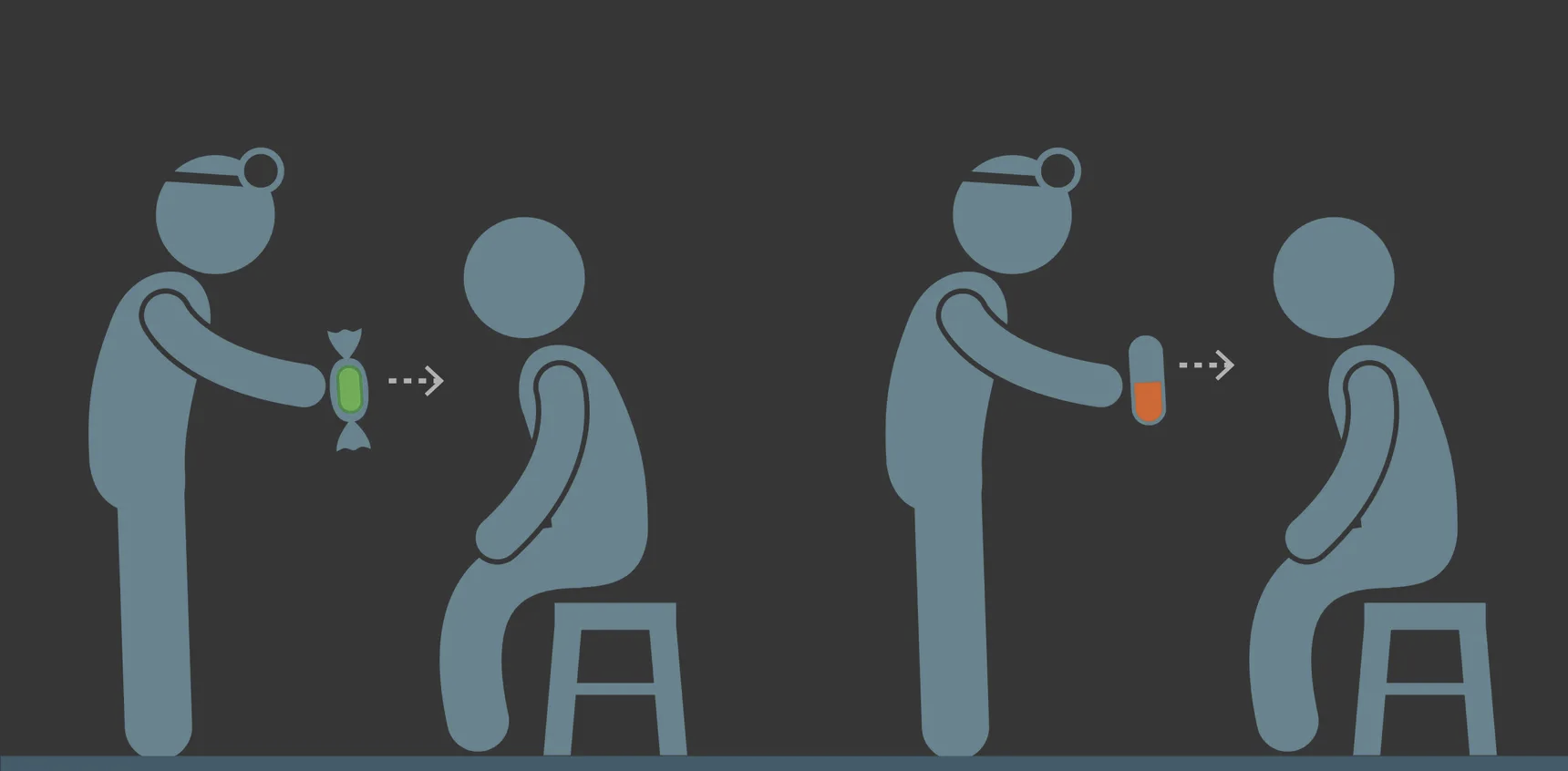
The weird power of the placebo effect, explained - Yes, placebo is all in your mind. And it’s real.

-
Why can some people ‘see’ uncomfortable things while others can’t?
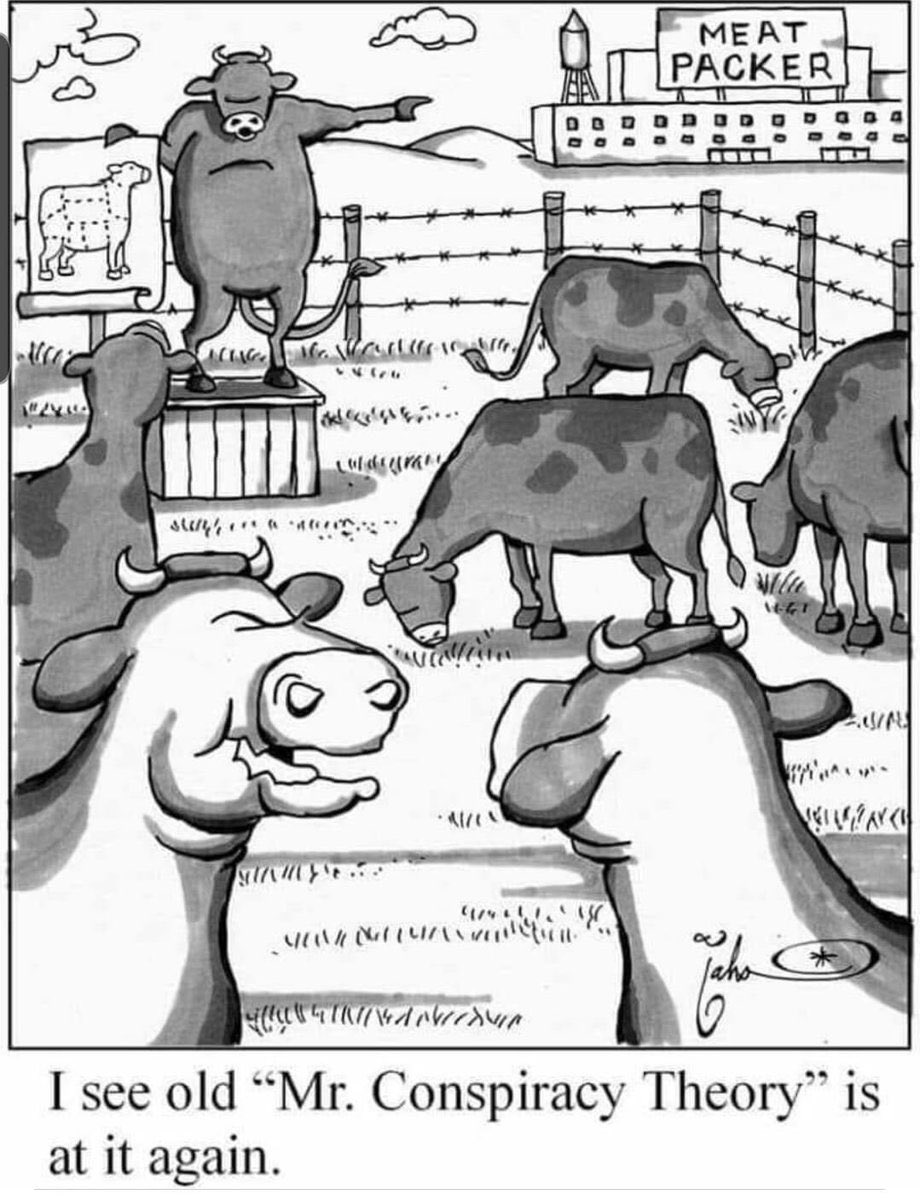
- 🙈 Wilful Blindness (also known as the Ostrich Effect): our minds wont let us acknowledge something if it will cause psychological pain. So we ignore it, say it doesn’t matter, rationalise excuses, etc.
- 🍼 Regression (and fear of freedom). Freedom comes with risk and responsibility. Most crave a return to the submissive comfort of childhood, where adults took care of everything. They want the state to take care of them.
- 🏛 System Justification: We cannot imagine that the system we grew up in and benefited from could do us harm. We assume it always has our best interests at heart.
- 💀 Terror Management: Thinking about death (or the idea that our psychological construction of reality might go extinct) causes us to ‘close up’ psychologically and become intolerant of other ideas.
- 🐑 Conformity: We assume the crowd must know what it’s doing, and we are terrified of being ostracised, since this meant death in evolutionary terms.
- 💥 Cognitive Dissonance: When something doesn’t match our expectations of the world, it causes uncomfortable psychological tension, which we seek to minimise through defence mechanisms like denial.
- 💙 In-Group Bias: Being social animals, we tend to reject information if it clashes with our group identity (“it must be wrong if the other side said it”). In fact, it can just make us even more polarised.
- 😴 Cognitive Misers: We simply don’t have the time nor the energy to process a lot of new, complex information or change thinking habits.
- ⛓️ Learned Helplessness: If we have learned / feel that we are powerless, we don’t even bother to try challenging the status quo. We just become passive and accepting.
- 👨⚕️ Authority: We assume that those with credentials or in positions of authority must know what they are doing, so we trust them implicitly and follow their instructions.
-
'This is not science fiction,' say scientists pushing for 'neuro-rights' (Reuters)

Scientific advances from deep brain stimulation to wearable scanners are making manipulation of the human mind increasingly possible, creating a need for laws and protections to regulate use of the new tools, top neurologists said on Thursday. A set of “neuro-rights” should be added to the Universal Declaration of Human Rights adopted by the United Nations, said Rafael Yuste, a neuroscience professor at New York’s Columbia University and organizer of the Morningside Group of scientists and ethicists proposing such standards.
-
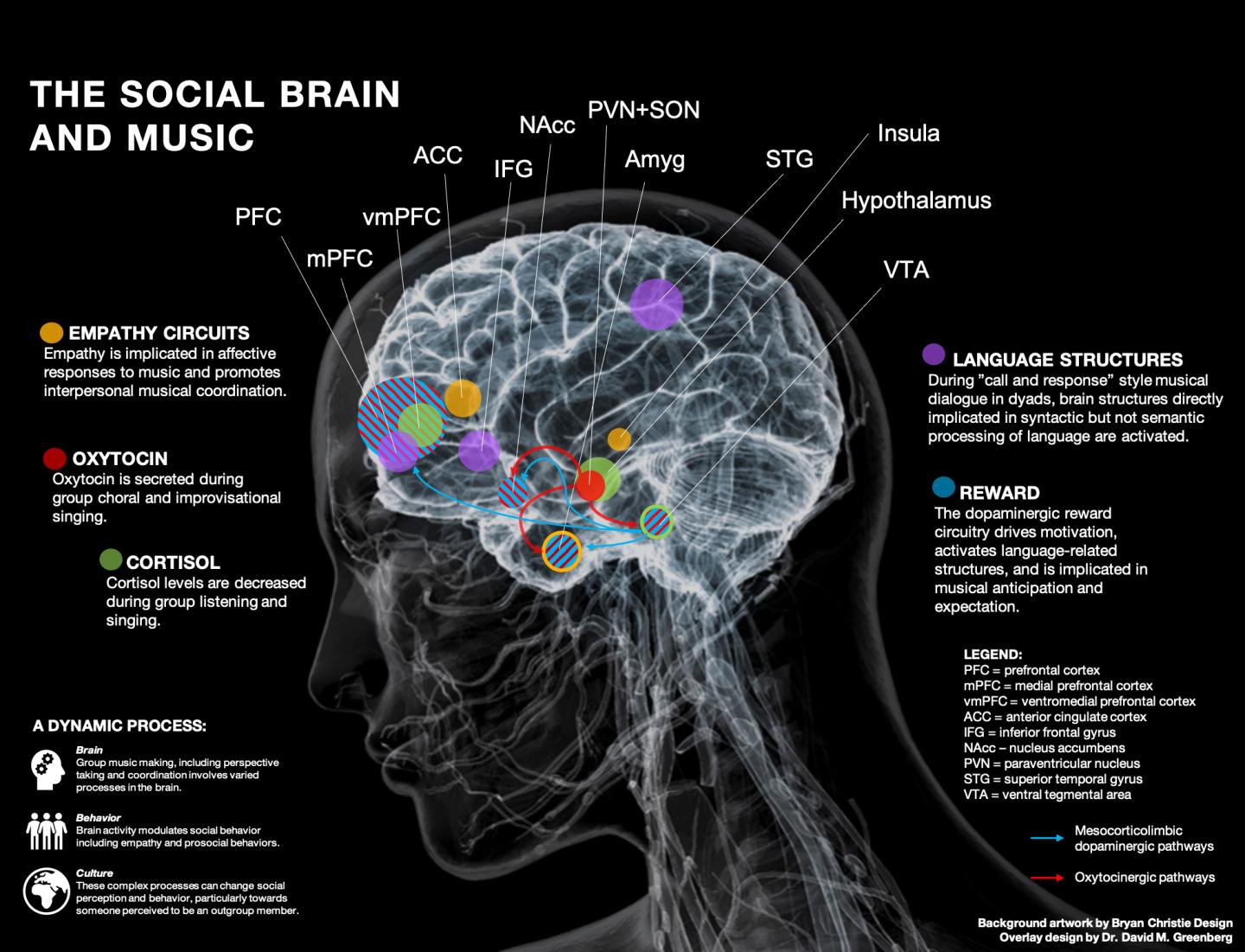
What happens in the brain when people make music together? (Bar-Ilan University)
Neuroscientists highlight 5 brain functions that contribute to social connection through music