tag > NeuroScience
-
Studying how attention affects time perception, using StarCraft 2
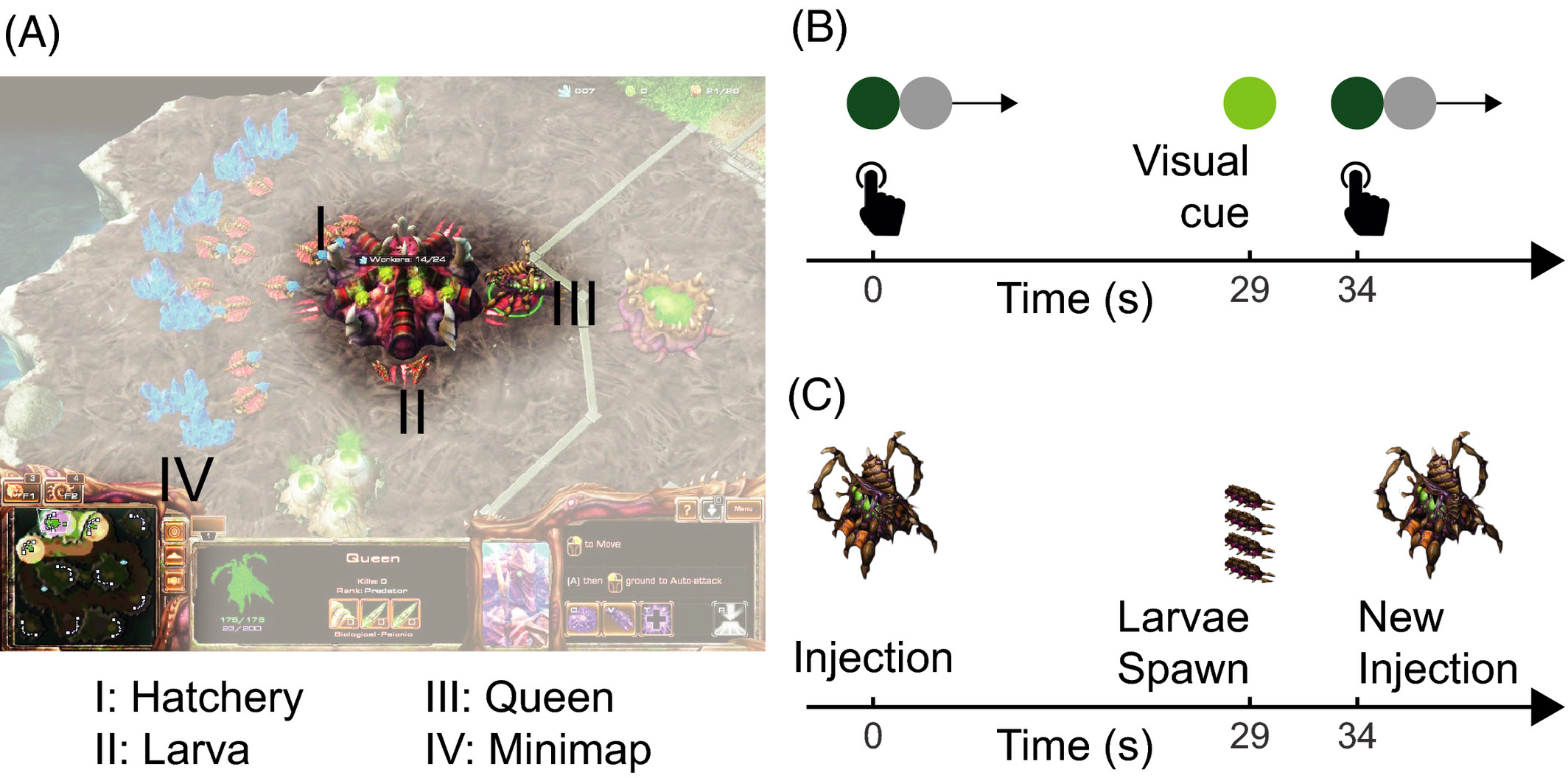
"Here, we show, based on an analysis of 28,354 datasets, that highly motivated players of the online multiplayer real‐time strategy game StarCraft2 indeed respond later to timed events when they are distracted by other tasks during the interval."
-
Yoga and Breathing Exercises Aid Children With ADHD to Focus

Yoga & breathing exercises have a positive effect on children with attention deficit hyperactivity disorder (ADHD). After special classes, children improve their attention, decrease hyperactivity, they do not get tired longer, they can engage in complex activities longer.
-
"Brain Implants & Mind Reading" - talk by Melanie Segado
-
Mindblowing: advances in brain tech spur push for 'neuro-rights'
by Alberto PEÑA, April 29, 2021
As sci-fi thriller "Inception" topped box offices across the world, audiences were delighted and appalled by its futuristic story of a criminal gang invading people's dreams to steal valuable data.
More than a decade on, the technology envisioned by filmmaker Christopher Nolan is likely not far off, according to experts in Chile, who have moved the security debate beyond burglar alarms to safeguarding the most valuable real estate people ever own: their minds.
The South American nation is aiming to be the world's first to legally protect citizens' "neuro-rights," with lawmakers expected to pass a constitutional reform blocking technology that seeks to "increase, diminish or disturb" people's mental integrity without their consent.
Opposition senator Guido Girardi, one of the authors of the legislation, is worried about technology -- whether algorithms, bionic implants or some other gadgetry -- that could threaten "the essence of humans, their autonomy, their freedom and their free will."
"If this technology manages to read (your mind), before even you're aware of what you're thinking," he told AFP, "it could write emotions into your brain: life stories that aren't yours and that your brain won't be able to distinguish whether they were yours or the product of designers."
- 'Prevent manipulation' -
Scores of sci-fi movies and novels have offered audiences the dark side of neurotechnology -- perhaps invoking criminal masterminds ensconced in secret strongholds, manipulating the world with a dastardly laugh while stroking a cat.
In fact, the nascent technology has already demonstrated how it can have significantly positive applications.
In 2013, then-US president Barack Obama promoted the BRAIN (Brain Research through Advancing Innovative Neuro-technologies) initiative, which aimed to study the causes of brain disorders such as Alzheimer's, Parkinson's and epilepsy.
Back in Chile, Science Minister Andres Couve told AFP the neuro-rights debate "is part of a consolidation of a new scientific institutionality in the country that is now capturing international attention."
But many are worried about the potential for nefarious actors to abuse technological advances.
Chile's President Sebastian Pinera proposed at last week's Ibero-American summit in Andorra that countries legislate together on the thorny issue.
"I call on all Ibero-American countries to anticipate the future and to adequately protect, now, not just our citizens' data and information, but also their thoughts, their feelings, their neuronal information, to prevent these from being manipulated by new technologies," the conservative Pinera said.
The Chilean bill contains four main fields of legislation: guarding the human mind's data, or neuro-data; fixing limits to the neuro-technology of reading and especially writing in brains; setting an equitable distribution and access to these technologies; and putting limits on neuro-algorithms.
Spanish scientist Rafael Yuste, an expert on the subject from Columbia University in New York, told AFP some of these technologies already exist, and even the most remote will be available within 10 years.
- 'A new Renaissance' -
They are already being applied to animals in laboratories.
Scientists have experimented with rats, implanting images of unfamiliar objects in their brains and observing how they accept those objects in real life as their own and incorporate them into their natural behavior.
"If you can enter there (into the chemical processes of the brain) and stimulate or inhibit them, you can change people's decisions. This is something we've already done with animals," said Yuste.
The science has opened the possibility of designing hybrid humans with artificially enhanced cognitive abilities.
The risk is that, without proper safeguards, the technology might be used to alter people's thoughts, employing algorithms via the internet to re-program their hard wiring, to dictate their interests, preferences or patterns of consumption.
"To avoid a two-speed situation with some enhanced humans and others who aren't, we believe these neuro-technologies need to be regulated along principles of universal justice, recognizing the spirit of the Universal Declaration of Human Rights," said Yuste.
Yuste considers neuro-technology a "tsunami" that humanity will have to deal with, which is why people need to be prepared.
"Neuro-technology can be scary if you think about dystopian science-fiction scenarios. However, for every dystopian scenario, there are 10 beneficial ones," said Yuste, who sees neuro-technology as "a new Renaissance for humanity."
Already, neuro-technologies are used on patients suffering from Parkinson's or depression by stimulating the brain with electrodes to "alleviate the symptoms," said Yuste.
Similarly, deaf people are treated with "cochlear implants in the auditory nerve" that stimulate the brain.
It is hoped that something similar in the future will restore sight to the blind or treat those with Alzheimer's by strengthening the memory's neuronal circuits.
"It will be a beneficial change for the human race," said Yuste.
apg/bc/ft
Related Video discussing this article.
-
V.S. Ramachandran - What are Breakthroughs in Biology?
-
Cognitive Warfare - Battlefield of Tomorrow
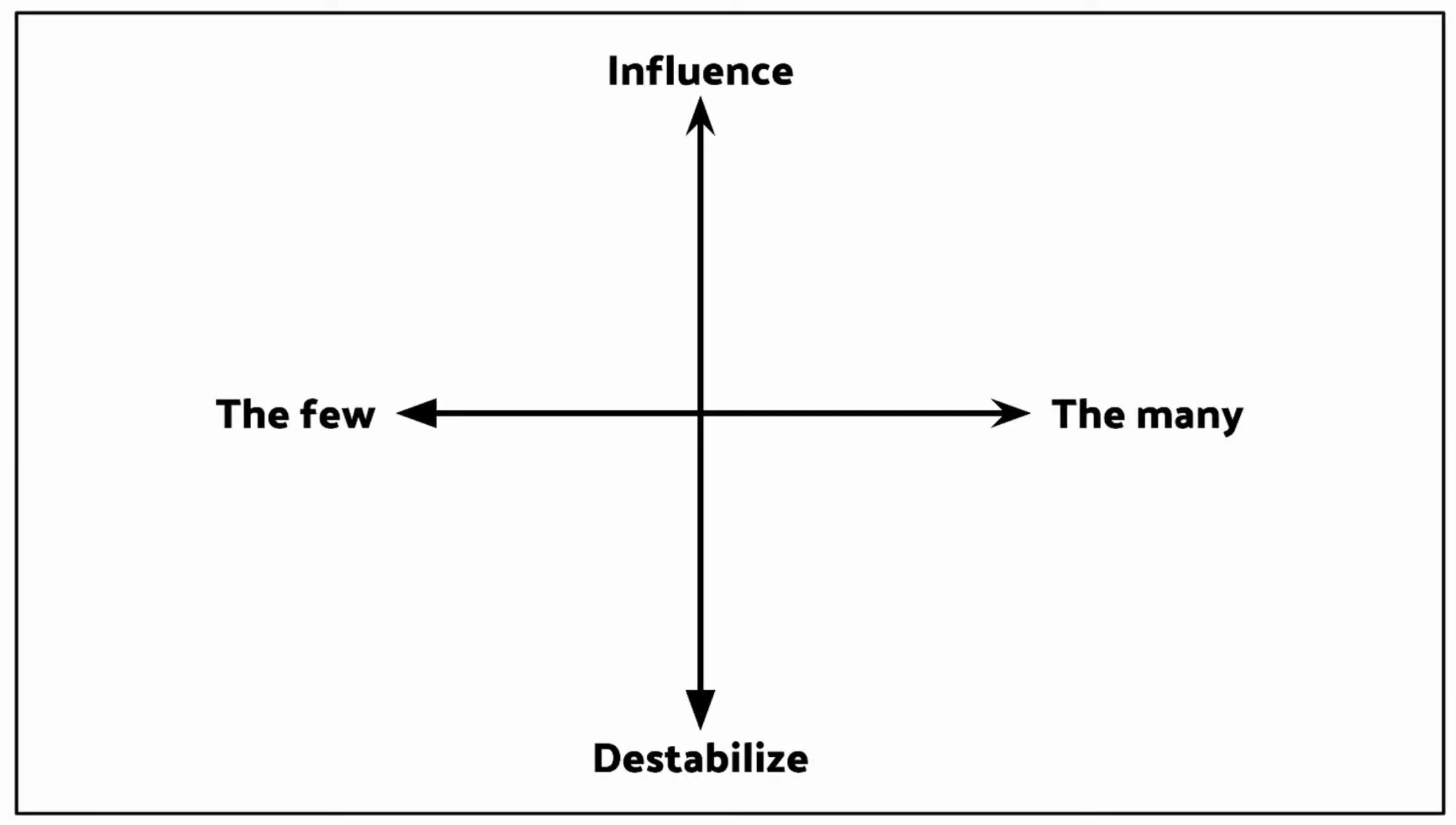
To what extent can the power of the human mind be manipulated with modern technologies? The core of the problem lies in the fact that we still do not know how to orient ourselves in this area. We do not have it defined and we are not sure what to call it. And naming a problem is always the first step that leads to its solution.
-
José Manuel Rodríguez Delgado (1915 - 2011) was a interesting person
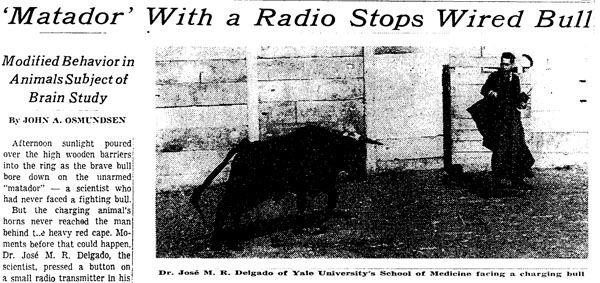
"We need a program of psychosurgery and political control of our society. The purpose is physical control of the mind. Everyone who deviates from the given norm can be surgically mutilated. "The individual may think that the most important reality is his own existence, but this is only his personal point of view. This lacks historical perspective. "Man does not have the right to develop his own mind. This kind of liberal orientation has great appeal. We must electrically control the brain. Some day armies and generals will be controlled by electrical stimulation of the brain." - José Manuel Rodríguez Delgado, Physical Control of the Mind: Toward a Psychocivilized Society, Harper & Row, 1969.
-
Flow States. The experience of time changes - Short about the research of the Institute for Frontier Areas of Psychology and Mental Health (IGPP) in Freiburg, Germany.
-
"Attention and Relaxation" - Search Results
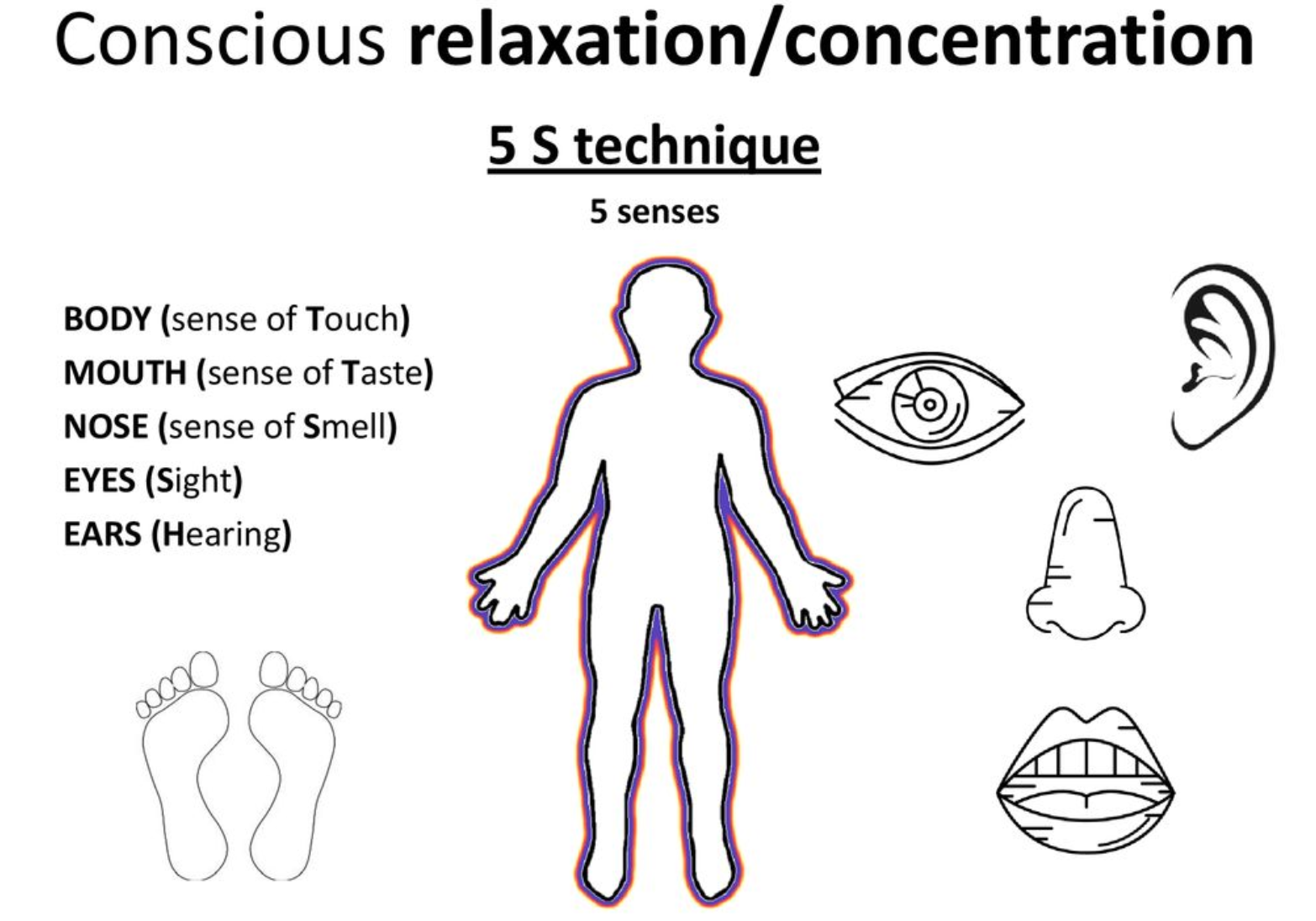
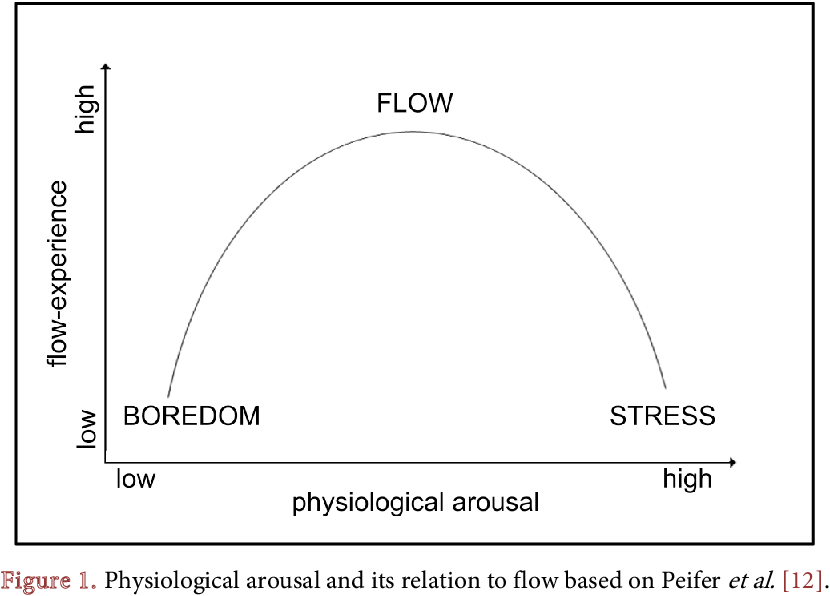
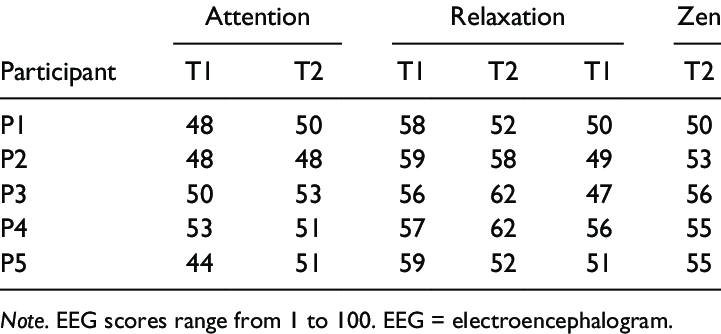
- A comparison of the effect of attention training and relaxation on responses to pain
- Short-term meditation training improves attention and self-regulation
- Effects of Techniques of Receptive Meditation and Relaxation on Attentional Processing
- The role of physiological attention-focusing in the relaxation treatment of sleep disturbance, general tension, and specific stress reaction
- “We Are Talking About Practice”: the Influence of Mindfulness vs. Relaxation Training on Athletes’ Attention and Well-Being over High-Demand Intervals
- Effects of Progressive Relaxation and Classical Music on Measurements of Attention, Relaxation, and Stress Responses
- How Relaxation Can Improve Concentration
- Mindfulness training improves relaxation and attention in elite shooting athletes A single-case study
- How can attention and relaxation be measured through a one channel EEG?
- Meditate to create: the impact of focused-attention and open-monitoring training on convergent and divergent thinking
- The Physiological Response to Drawing and Its Relation to Attention and Relaxation
- Practical Use of Relaxation Techniques, Self-Experience
“Concentration and mental toughness are the margins of victory.” — Bill Russell
- A comparison of the effect of attention training and relaxation on responses to pain
-
Scientists discover how humans develop larger brains than other apes (phys.org)

A new study is the first to identify how human brains grow much larger, with three times as many neurons, compared with chimpanzee and gorilla brains. The study identified a key molecular switch that can make ape brain organoids grow more like human organoids, and vice versa.
-
A substantia innominata-midbrain circuit controls a general aggressive response (cell)
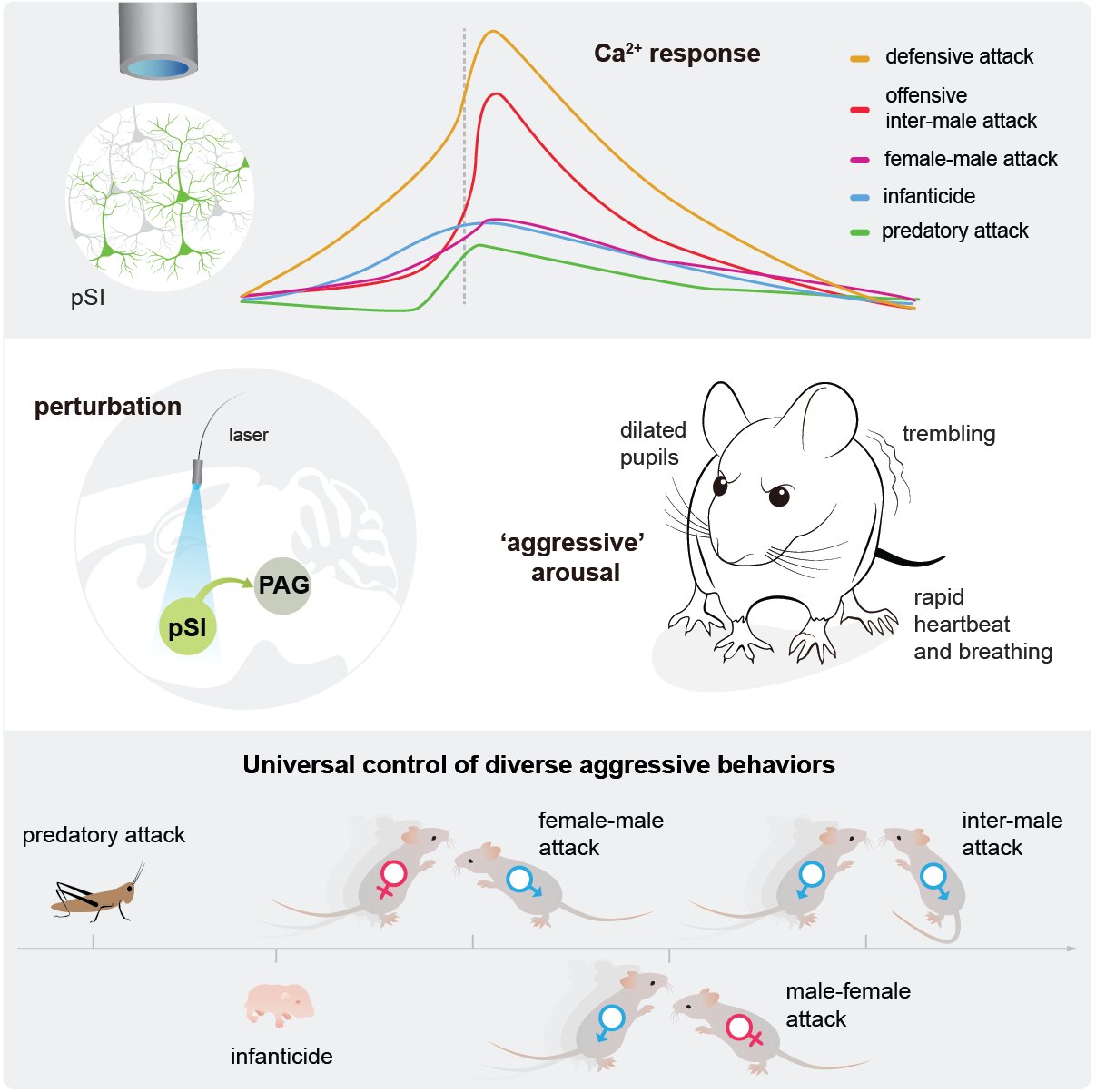
Research about a little-understood brain region that controls all fights in mouse and may drive our angry. Aggression is a key way for survival. Anyone can fight and get angry—that is easy. But to do this to the right person, to the right extent, at the right time, with the right motive, and in the right way, is not for everyone, nor is it easy. This work provides clues about how a little-understood region – posterior Substantia Inominata controls multiple aggressive responses. It regulates the internal state and behavioral activity patterns that together comprise diverse aggressive behaviors. - @ZhenggangZhu
-
Brains that Fire Together Wire Together: Interbrain Plasticity Underlies Learning in Social Interactions - Research by Simone G. Shamay-Tsoory
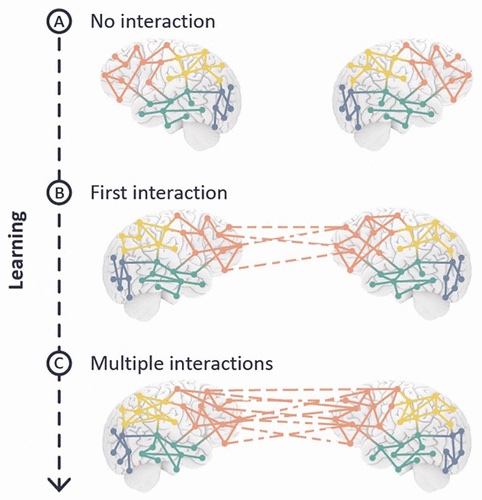
Abstract: Social interactions are powerful determinants of learning. Yet the field of neuroplasticity is deeply rooted in probing changes occurring in synapses, brain structures, and networks within an individual brain. Here I synthesize disparate findings on network neuroplasticity and mechanisms of social interactions to propose a new approach for understanding interaction-based learning that focuses on the dynamics of interbrain coupling. I argue that the facilitation effect of social interactions on learning may be explained by interbrain plasticity, defined here as the short- and long-term experience-dependent changes in interbrain coupling. The interbrain plasticity approach may radically change our understanding of how we learn in social interactions.
-
Astrology for People who don't like Astrology: The Fear & Greed Index

#SE #NeuroScience #Narrative #Culture #Magic #Economics #Comedy
-
The universe as like human brain: discover scientists
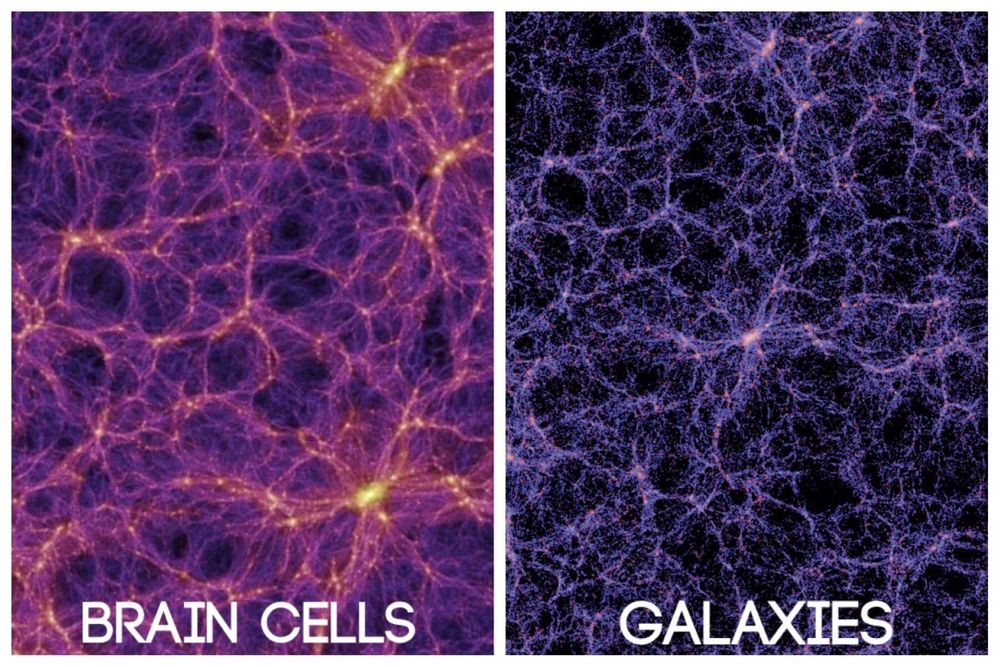
A new study finds similarities between the structures and processes of the human brain and the cosmic web. The research was carried out by an astrophysicist and a neurosurgeon. The two systems are vastly different in size but resemble each other in several key areas.
-
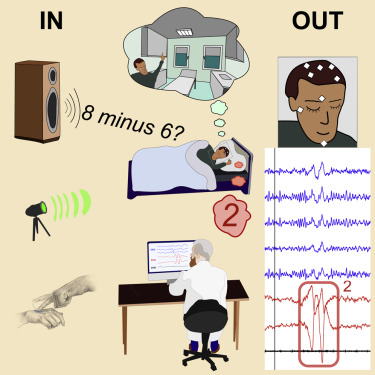
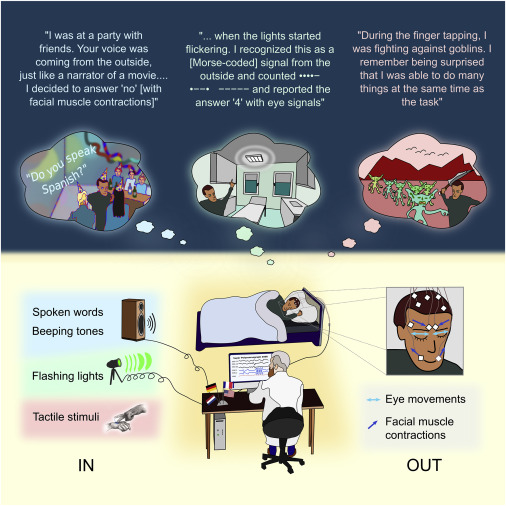
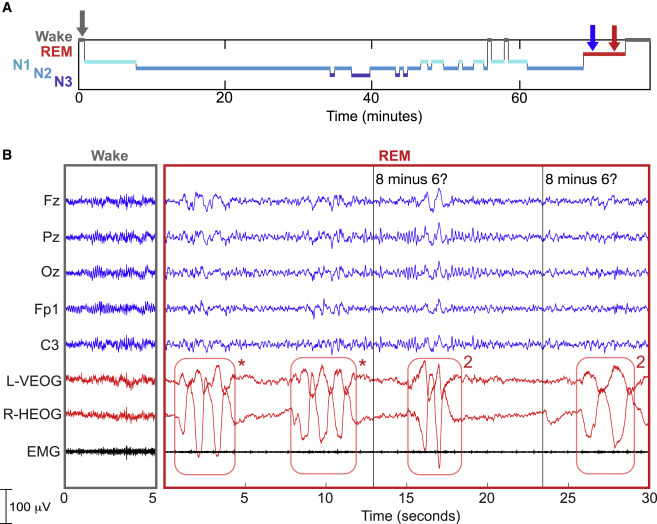
Real-time dialogue between experimenters and dreamers during REM sleep (cell)
Researchers figured out a novel way how to communicate with people who are dreaming through electrophysiological signals. Interactive Dreaming.