tag > RTM
-
Samim's Law of Predictions
Hofstadter's Law: It always takes longer than you expect, even when you take into account Hofstadter's Law.
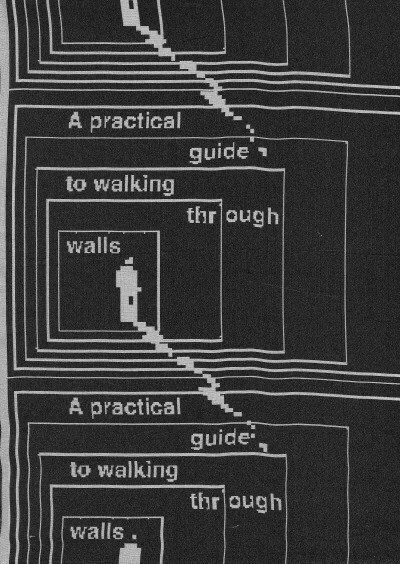
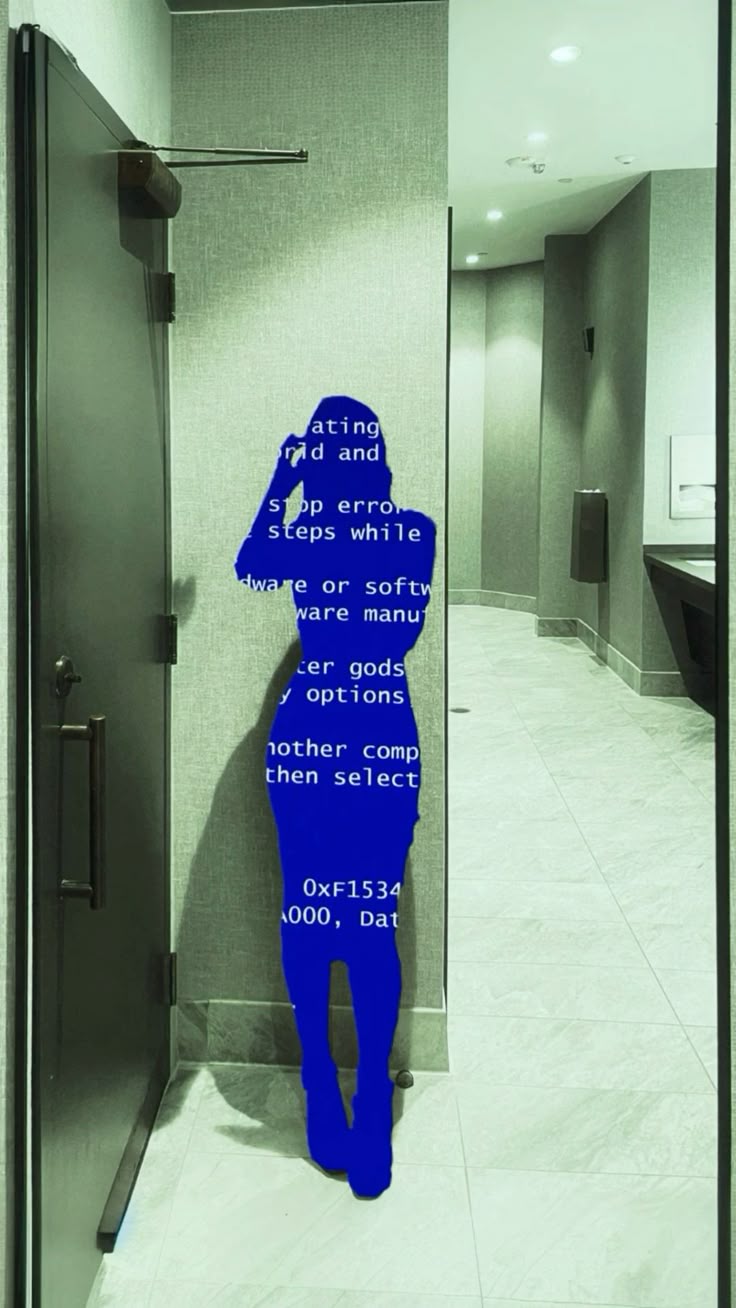
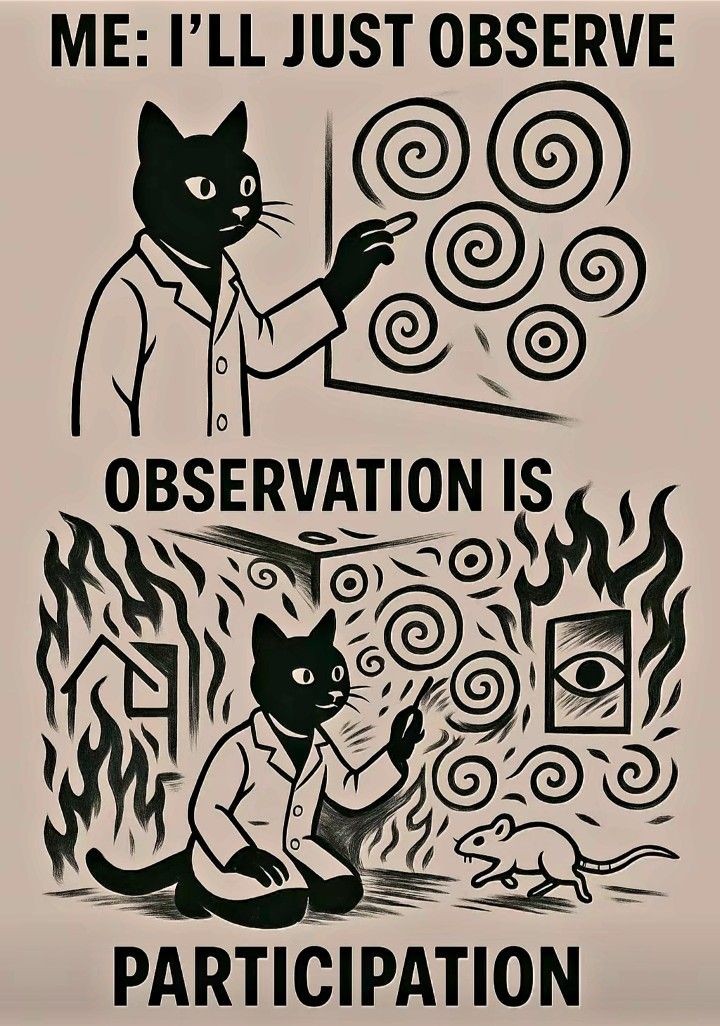
Samim's law: Events always unfold differently than predicted, even when you take into account Samim’s Law — because expectation & outcome are locked in a recursive loop.
-
Strange Attractor
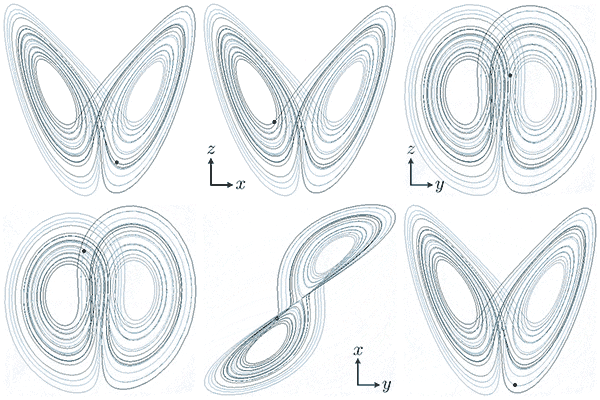
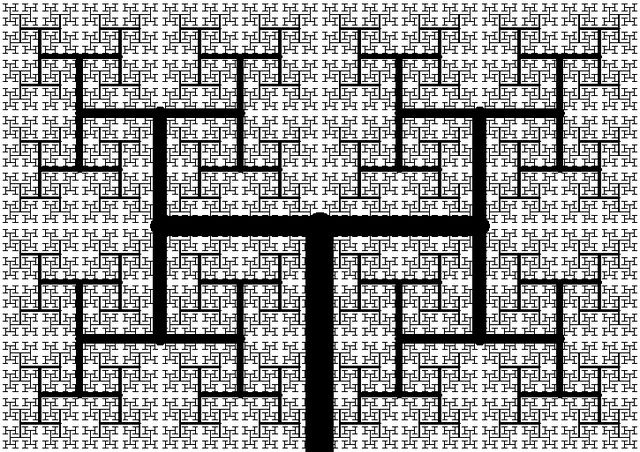
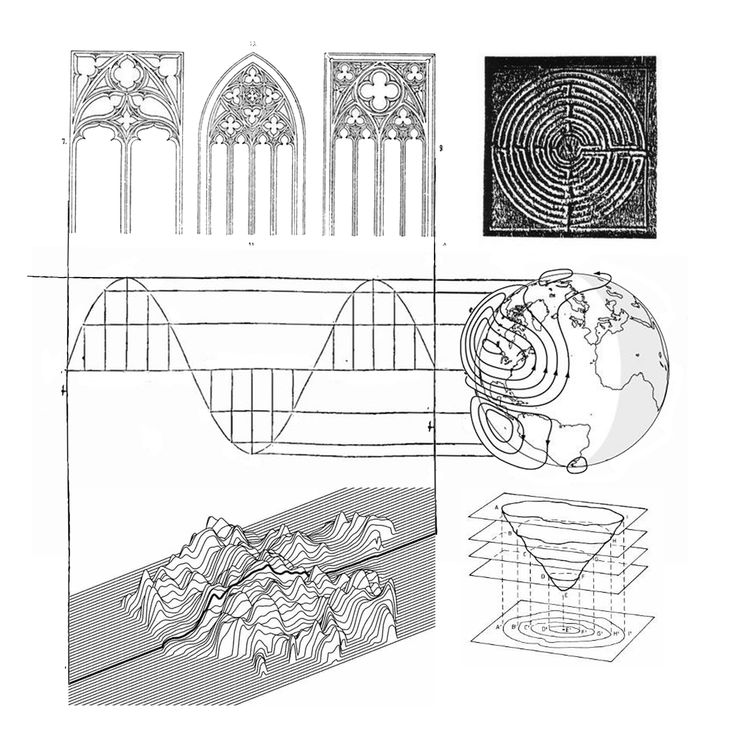
In periodically forced systems—whether simple (like a driven pendulum) or complex (like a wave-vortex field)—dynamics often mix periodic, chaotic, and fractal behavior. Classically, Floquet theory analyzes local stability near periodic orbits, while embedding theory (embedology) reconstructs the full attractor topology from time series data. Floquet remains valid locally (e.g., around periodic spatial-temporal patterns like rotating vortex cores), but spatially extended systems require generalized frameworks (e.g., Floquet-Bloch theory) to handle combined spatial and temporal periodicity. These systems often self-organize into patterns that mask or spawn hidden dynamics (e.g., vortex merging, symmetry-breaking). This classical framework breaks down with hidden attractors: attractors not linked to equilibria or periodic orbits. Hidden attractors evade Floquet analysis and can be missed entirely by embedding if their basin isn’t sampled. A complete approach combines local linear tools (Floquet), topological embedding (Takens/Sauer), and new heuristics—like basin-sampling or targeted perturbations—to detect hidden attractors. Future work might ask: Can we design field-aware embeddings that capture spatial correlations? Can we track bifurcations that create hidden attractors? There’s a deep conceptual overlap between all this and the ideas behind time crystals.
-
MAYA
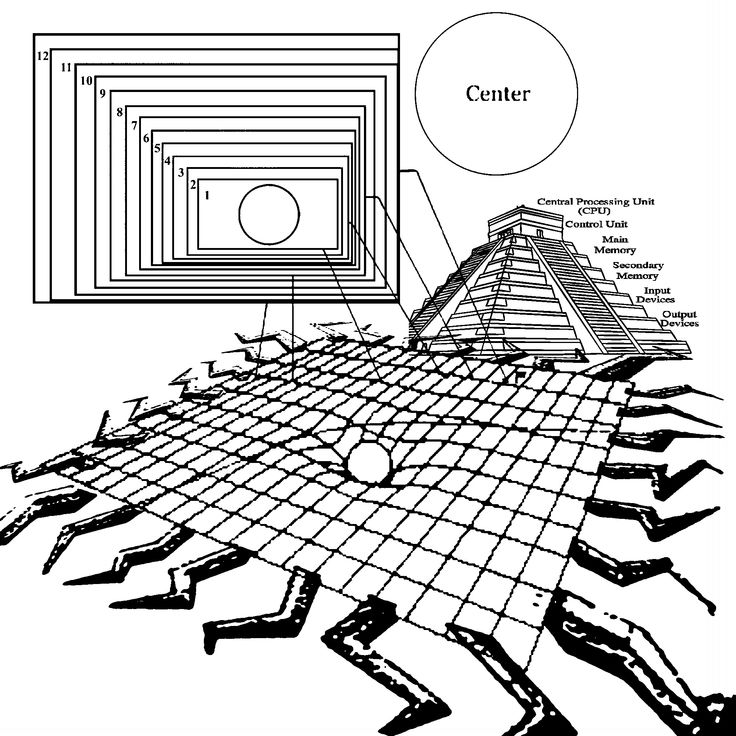
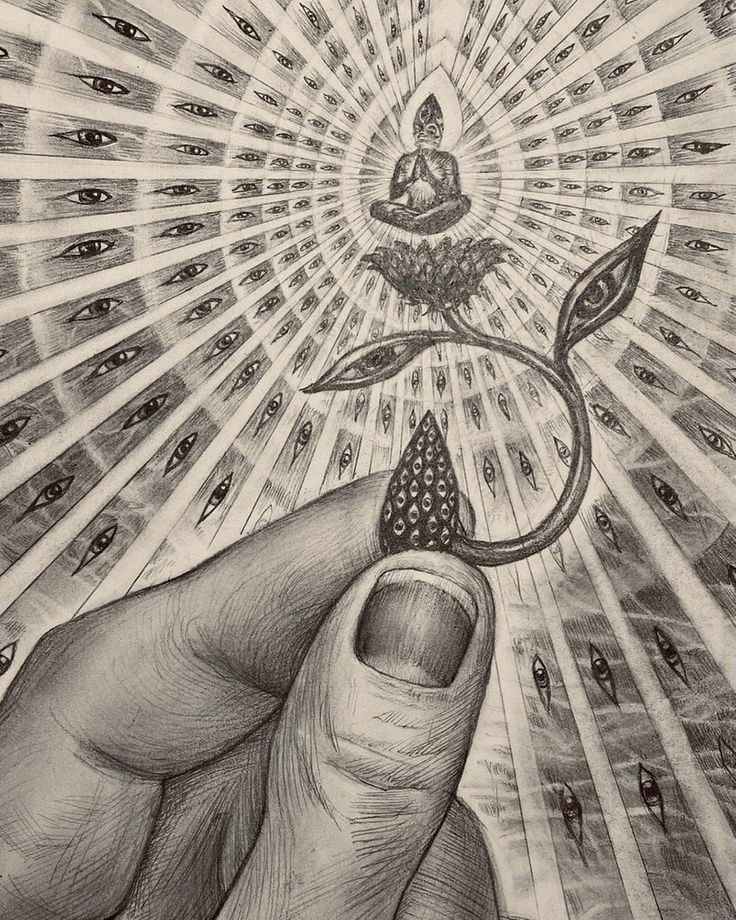
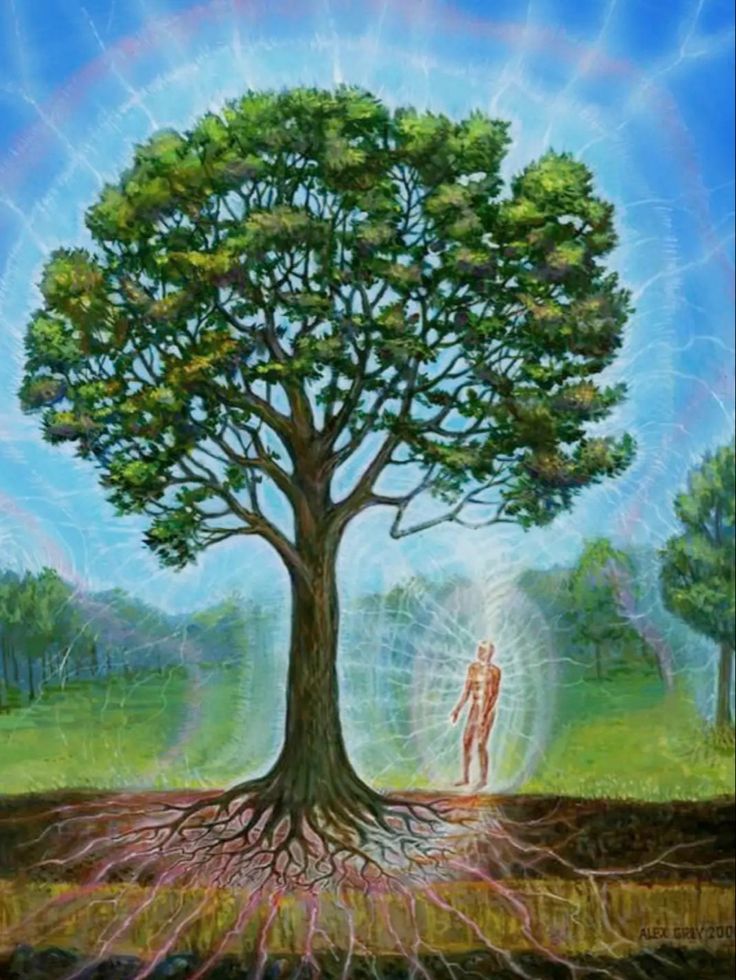
MAYA; In Hinduism, the word refers to the divine illusion of the material world. Look around you closely, and you will see maya everywhere. It's all Fata Morgana. And it goes infinitly deeper: Maya within Maya. Fractal illusion. Fractal illumination.

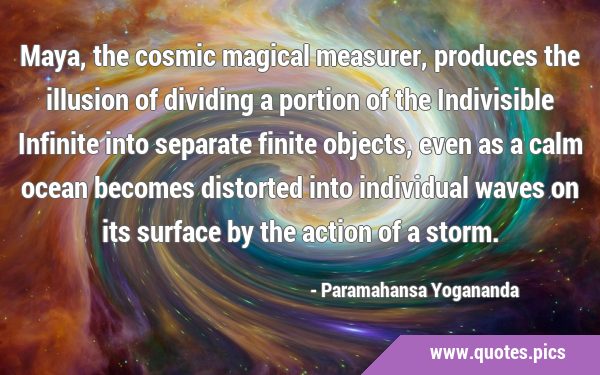
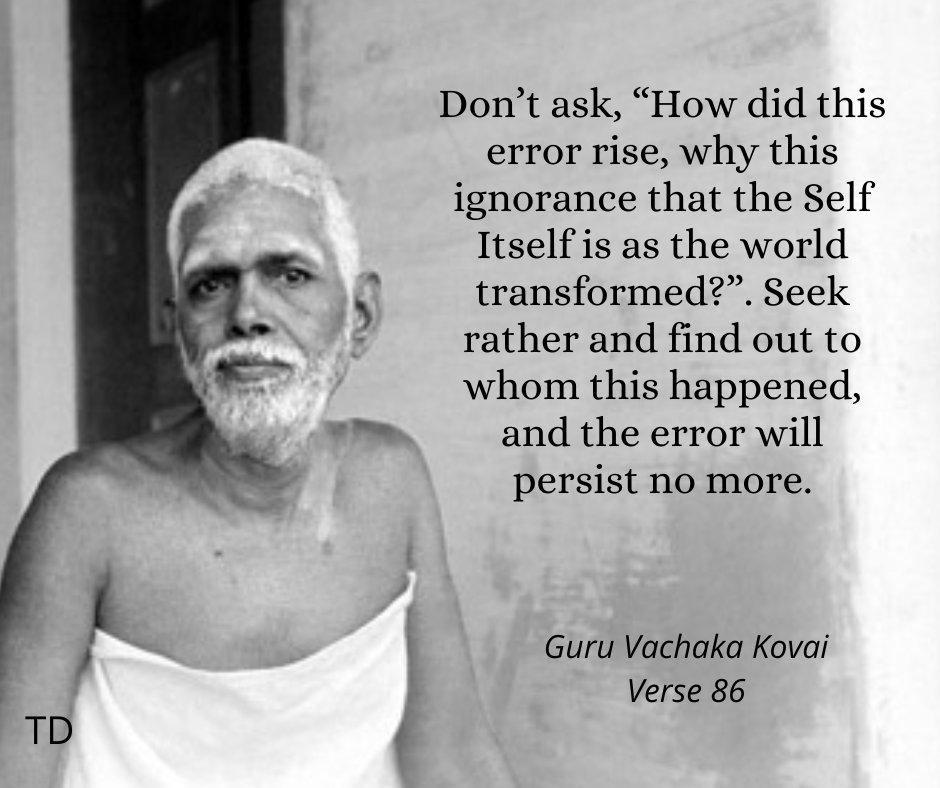
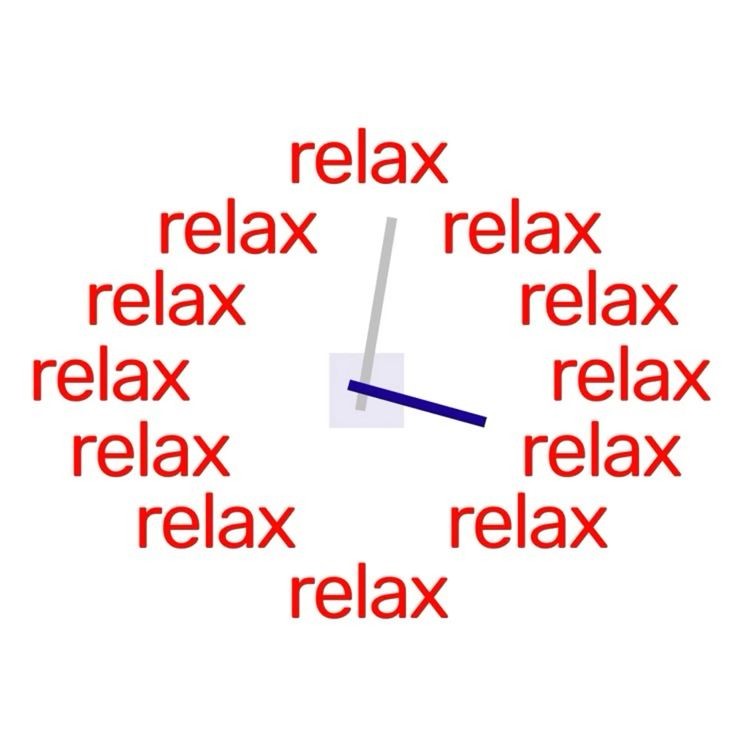
You can approach Maya like a mystic, conspiracy theorist, detective, or scientist, assuming it's computationally explainable. Yet every method is futile. But through relaxation you eventually see that the ordinary is the extraordinary.