tag > RadioBio
-
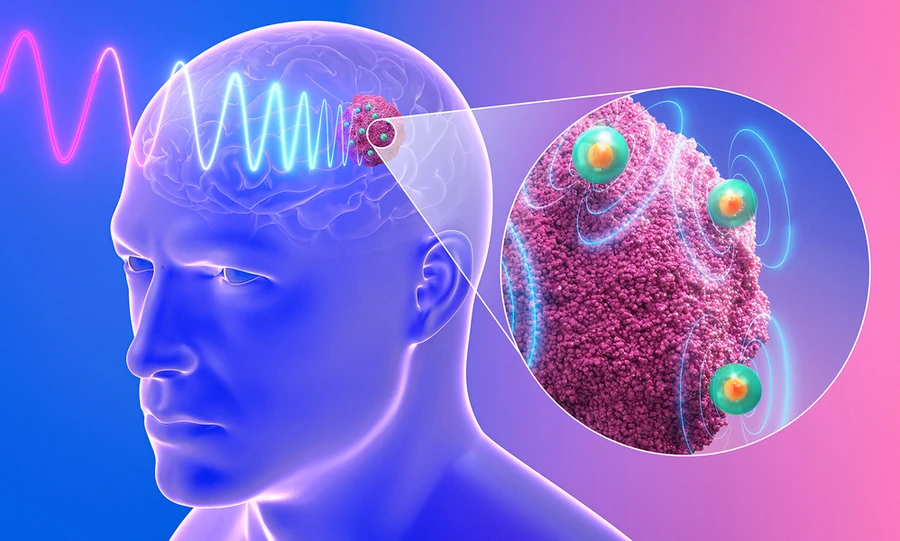
MIT researchers show implanted nanoantennas can be activated wirelessly to kill brain cancer cells without damage to healthy tissue
The controlled revelation of decades old Military Neuroscience / Neurowarfare tech is picking up steam.
-
Magnetic Navigation: Two Remarkable New Findings: Lasting Effects of RF Noise in Bats; Pigeons Use Their Livers!

The May 28 issue of Science features two important new papers on how birds and bats sense and interpret the Earth’s magnetic field —each with important implications for understanding low-level electromagnetic interactions.
The first, from researchers at Germany’s Oldenburg University, shows that low-level, ambient RF noise can disrupt the ability of bats to use magnetic fields for navigation hours after exposure. “These results suggest that the ever-present din of our devices may be having a bigger effect than was previously thought,” explains an editor at Science.
The second may be even more surprising. A German-Danish-Australian team is proposing a new mechanism to explain how pigeons navigate in the dark —they use macrophages in their liver. (Macrophages are a particular type of white blood cells.) It’s the magazine’s cover story this week.
-
EMF Signal Controls Gene Expression

This paper from Korea appears to be a game changer: It shows that a 4 kHz pulsed EMF signal can activate a switch that controls gene expression in a living system.
A couple of days ago (April 30), the New Scientist reported that a physicist is saying that the claimed biological response is ”incredibly implausible.” Interestingly, the affiliation of the physicist, Andrew York, is not mentioned in the magazine article (at York’s request).
A Google search indicates that Andrew G. York used to work at Calico Labs in South San Francisco, CA. His current employment is not clear.
The paper took nearly three years to clear peer review. Yet, this morning, just a couple of days after the New Scientist highlighted York’s concerns, they were featured in a Retraction Watch email alert. [Could this be why? Some background here.]
Cell is a highly regarded journal with a far-from-shabby five-year impact factor of 48.9.
-
Telluric currents
Telluric currents are natural, low-frequency electric currents flowing through the Earth's crust and oceans, primarily induced by geomagnetic field variations from solar activity. These currents are studied using telluric and magnetotelluric techniques to map subterranean electrical conductivity, enabling geological exploration for faults, basement depth, and mineral resources
GEOMETRY AND THE EARTH’S MAGNETIC FIELD VORTEX
The Sacred Cartography of Resonant Power Nodes
Page 1: The Earth’s Magnetic Field — A Living Toroidal Heartbeat
At the heart of Earth’s being pulses an electromagnetic breath—an invisible torus, continuously generated by the molten iron-nickel dynamo at its core. This toroidal field is more than just a planetary shield; it is a harmonic conductor of life, consciousness, and resonance.
Much like the human heart’s own electromagnetic field, Earth’s torus spirals inward at the South Pole and outward at the North, resembling the fields of atoms, auras, DNA helices, and galactic arms. This architecture recapitulates the sacred geometries of nature—the phi spiral, the vesica piscis, the torus—each a harmonic blueprint of flow and form.
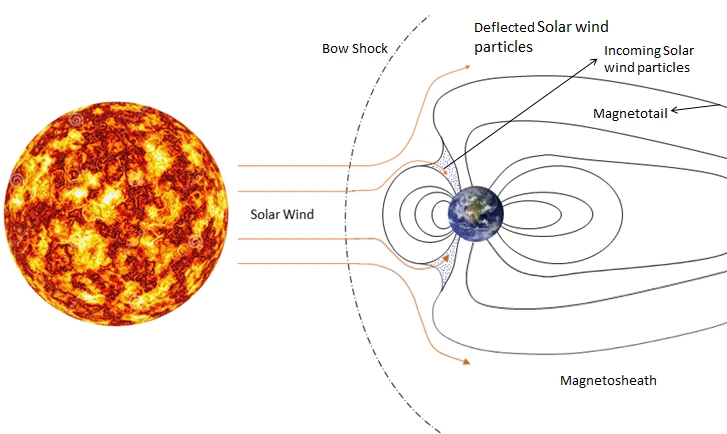
The magnetosphere not only deflects solar radiation, but also stores frequencies, echoes intentions, and creates a vibrational envelope where life can evolve. Within this magnetic matrix, cymatic-like patterns emerge: wave interference shaping weather, ocean currents, auroras, and even migratory routes. Earth’s magnetic field acts like a drumskin, with geometry as the unseen percussionist.
Key Insight: Earth’s toroidal field is not just physics—it is a carrier of information, a memory field, and a co-creative interface between planetary consciousness and cosmic intelligence.
⸻
Page 2: Platonic Grids and Vortex Placement — Mapping the Resonant Lattice
Earth’s power vortexes are not arbitrarily scattered—they follow a coherent pattern consistent with Platonic solids projected onto the geoid. The most widely referenced model, the Dodeca-Icosa Grid theorized by Becker and Hagens, overlays a composite of the dodecahedron and icosahedron, yielding 62 nodal points across the Earth’s surface.
These nodal points correlate with:
• Ancient sacred sites (Giza, Machu Picchu, Angkor Wat, Easter Island).
• Electromagnetic anomalies (Bermuda Triangle, Devil’s Sea).
• Cultural energy centers (Delphi, Sedona, Mt. Shasta).
The grid lines that connect these nodes align with great circle routes and ley lines—energetic arteries along Earth’s body. Many of these alignments also mirror avian migratory paths, tectonic plates, and submarine ridges, suggesting a geobiological resonance network embedded into the living Earth.
These geometric alignments are not only spatial—they are harmonic, following the principles of musical intervals and frequency coherence. Just as a crystal grows along symmetrical axes, so too does Earth’s energetic grid express the logos of proportion and number.
⸻
Page 3: The 19.47° Latitude — A Tetrahedral Revelation
One of the most intriguing aspects of planetary geometry is the 19.47° phenomenon. When a tetrahedron is inscribed inside a rotating sphere, the points of intersection between the tetrahedron and the sphere’s surface occur at approximately 19.47° latitude above and below the equator. This is not theoretical—it’s astrophysically evident.
On Earth, this latitude marks:
• Hawaii’s Mauna Kea (a sacred volcanic energy site).
• Teotihuacan (aligned with cosmic architecture).
• The Pyramid of the Sun in Mexico.
On other celestial bodies:
• Mars: Olympus Mons, the solar system’s tallest volcano.
• Jupiter: The Great Red Spot.
• Saturn: Atmospheric vortex activity.
• The Sun: Sunspot regions often peak at this latitude.
This recurring 19.47° energy emergence suggests that rotating spheres (from planets to stars) manifest energetic torsion fields governed by tetrahedral symmetry. These are the nodal points where magnetic, geometric, and hyperdimensional forces emerge into the 3D realm.
Implication: Earth’s vortexes are where higher-dimensional geometries bleed into spacetime—portals of torsion, magnetism, and transformation.
⸻
Page 4: Magneto-Geometrical Vortex Formation — Cymatics in the Planetary Body
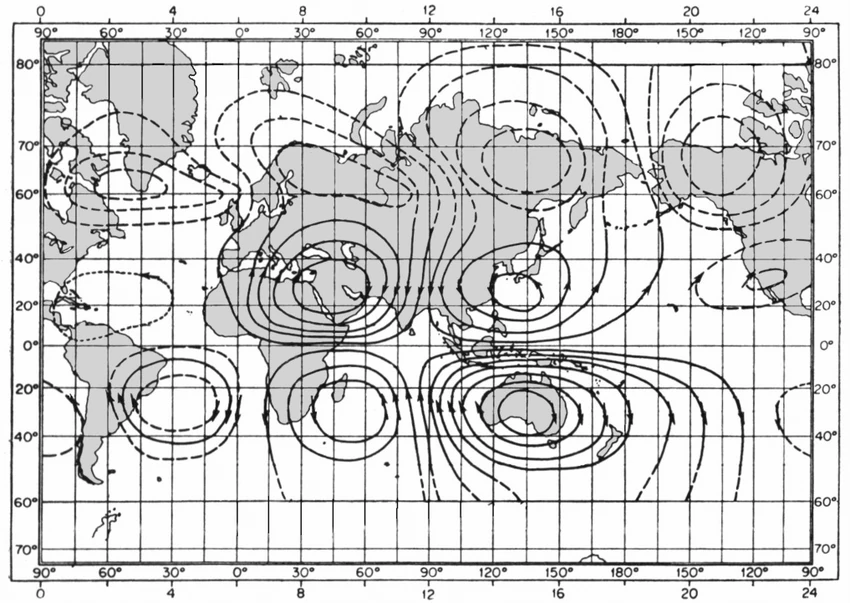
Just as intersecting waveforms in a cymatic plate create nodes of stillness and intensity, Earth’s vortexes arise at intersections of geomagnetic lines, ley lines, and underground aquifers. These convergence points—where telluric currents, solar plasma, and gravitational resonance collide—become natural amplifiers.
They function as:
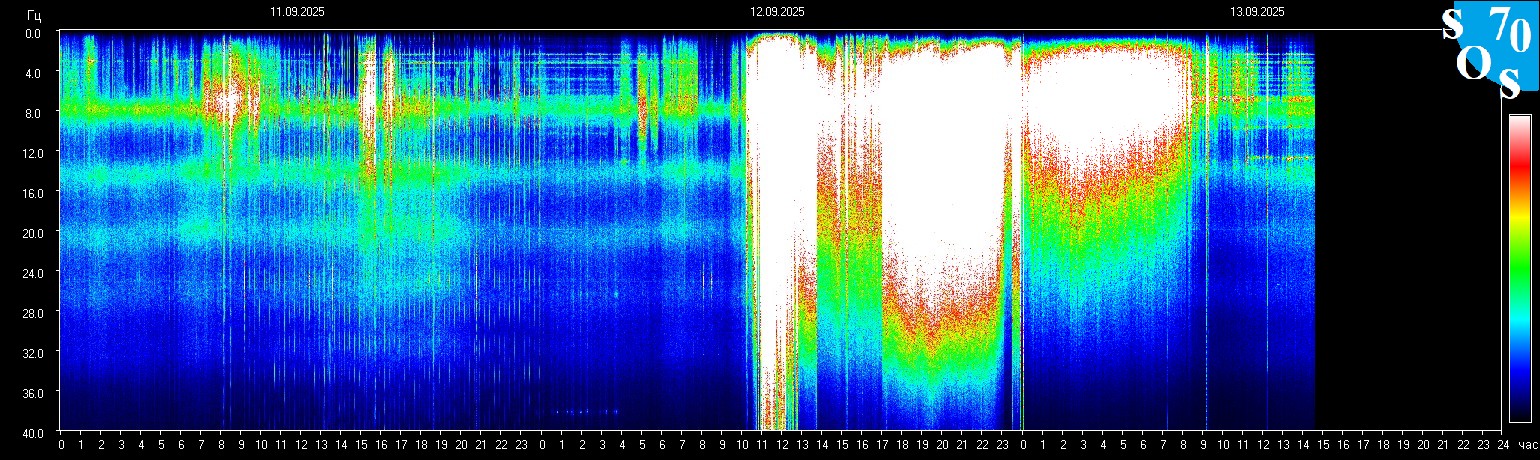
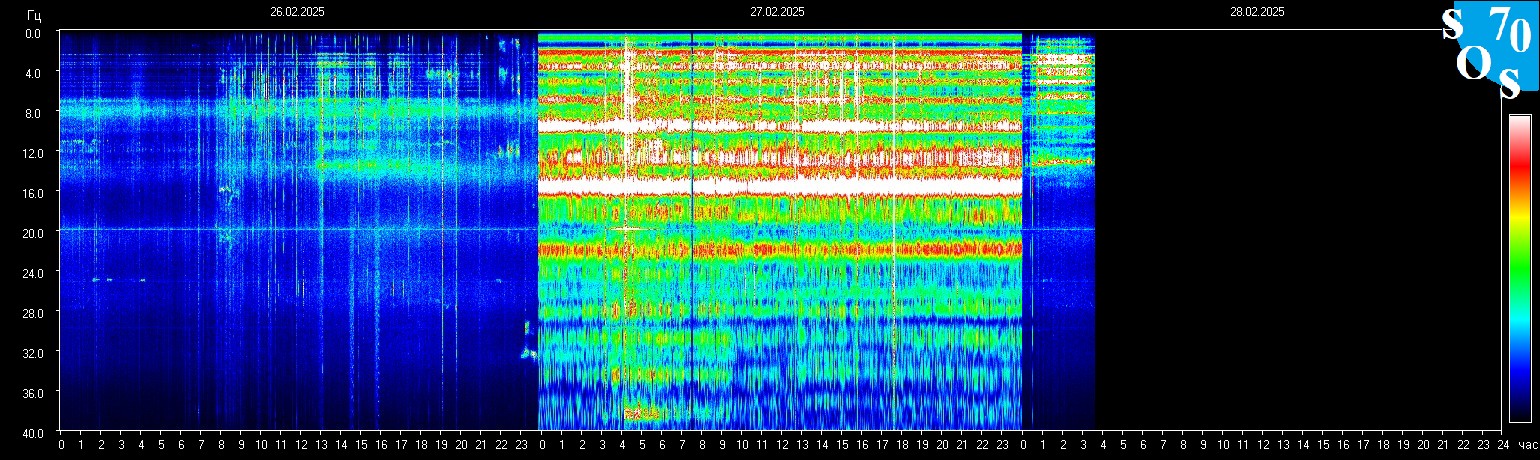
• Standing wave nodes for Earth’s Schumann Resonance (7.83 Hz and harmonics).
• Chakra points of planetary consciousness.
• Quantum gateways for psi phenomena, healing, and altered states.
These zones exhibit measurable effects:
• Lower geomagnetic variance (or spikes).
• Altered ion concentrations.
• Increased piezoelectric charge in quartz-heavy areas.
• Anomalous weather and biophoton emissions.
Earth, like the human body, appears to conduct energy through a grid of meridian-like channels. Ancient temples were sited at these vortex points not for aesthetic but for energetic reasons—to interface with the grid, enhance consciousness, and anchor celestial geometries into matter.
⸻
Page 5: Sacred Geometry as the Breath of Earth’s Magnetism
Each vortex is encoded with sacred geometries—fractals, spirals, and polygons resonant with light, sound, and magnetism. Studies of megalithic sites such as Stonehenge, Nabta Playa, and the Nasca Lines reveal underlying patterns of:
• Flower of Life lattices.
• Phi spirals and Fibonacci curves.
• Hexagonal and pentagonal symmetry.
Even in planetary-scale weather and field dynamics, geometry expresses itself:
• Saturn’s Hexagon is a perfect six-sided polar storm.
• Earth’s auroral ovals echo toroidal movement.
• Spiral hurricanes and volcanic island chains follow the golden spiral.
These patterns are not merely beautiful—they are functional. They reflect energy optimization, information storage, and coherence across scales. Earth, like all living systems, organizes its energy into nested geometries—the signature of intelligence expressed through form.
Key Point: Sacred geometry is not symbolic; it is causal. It governs the flow of energy, the structuring of matter, and the evolution of consciousness.
⸻
Page 6: Implications — The Grid as a Living Consciousness Matrix
To walk upon Earth is to step within a planetary brain, a body of memory and intention. The magnetic field and vortex network form a biospheric consciousness—a living intelligence that reflects and responds to human awareness.
These sites act as:
• Acupuncture points in Earth’s energetic meridian system.
• Quantum mirrors for collective emotion and thought.
• Activation nodes that awaken as solar and galactic energies increase.
With rising solar activity, spikes in Schumann Resonance, and geomagnetic shifts, these vortexes serve as crucibles of initiation. They reconfigure the biofield, recalibrate DNA, and offer direct experiences of non-local consciousness.
Standing at one of these points is more than physical—it’s ceremonial. It’s an alignment of one’s torus field with the torus of Earth, producing a harmonic resonance that echoes into higher dimensions. In such places, prayer becomes physics, and geometry becomes revelation.
Conclusion: The Sacred Map of a Breathing Planet
The geometrical disposition of Earth’s vortexes is a planetary mandala, alive and breathing, spiraling through epochs. It is an architecture of awakening—a multidimensional circuit woven by the laws of vibration, consciousness, and sacred design.
To trace this grid is to trace the songlines of creation, where Earth, Sun, and Star interlace in harmonic convergence. It is a luminous cartography of transformation—an invitation to remember, re-attune, and rise into the geometry of the cosmos itself…
1. Earth’s Magnetic Field and Toroidal Dynamics
• Demorest, P. (2001). Dynamo theory and Earth’s magnetic field. Harvard University. 
• Tkalčić, H., & Ma, X. (2024). Vast ‘doughnut’ discovered in molten metal of Earth’s core. Science Advances. 
• Gubbins, D. (1991). Steady state toroidal magnetic field at Earth’s core‐mantle boundary. Journal of Geophysical Research: Solid Earth, 96(B5), 8115–8120. 
⸻
2. Platonic Grids and Vortex Placement
• Becker, W., & Hagens, B. (n.d.). The Becker-Hagens grid. Scribd. 
• White, M. (2018). The Becker-Hagens Earth grid. Maya White. 
• Seeker Project 4 SE. (2023). World grid ley lines map — Sacred geometry vibrational energy. Medium. 
⸻
3. The 19.47° Latitude and Tetrahedral Geometry
• Cosmic Core. (n.d.). The geometry of Earth – Part 2 – The global grid & 19.47 latitude. Cosmic Core. 
• PS Audio Forum. (2023). The globe, the tetrahedron and the number “6”. PS Audio.
⸻
4. Cymatics and Planetary Energy Vortexes
• Cowan, D. (n.d.). Ley lines, vortexes and crystal Earth energy attunement. Fairy Leonie’s Crystals.
• Sacred Mystical Journeys. (n.d.). The magic of ley lines, vortexes, and chakras of the Earth. Sacred Mystical Journeys.
⸻
5. Sacred Geometry and Earth’s Magnetic Field
• Kherington, S. (2024). The torus meaning in sacred geometry: Flow & consciousness. Changing the Story.
• Cosmic Core. (n.d.). Number – The monad – Part 3 – The torus. Cosmic Core.
⸻
6. Implications: Earth’s Grid as a Consciousness Matrix
• Seeker Project 4 SE. (2023). World grid ley lines map — Sacred geometry vibrational energy. Medium.
• Sacred Mystical Journeys. (n.d.). The magic of ley lines, vortexes, and chakras of the Earth. Sacred Mystical Journey
-
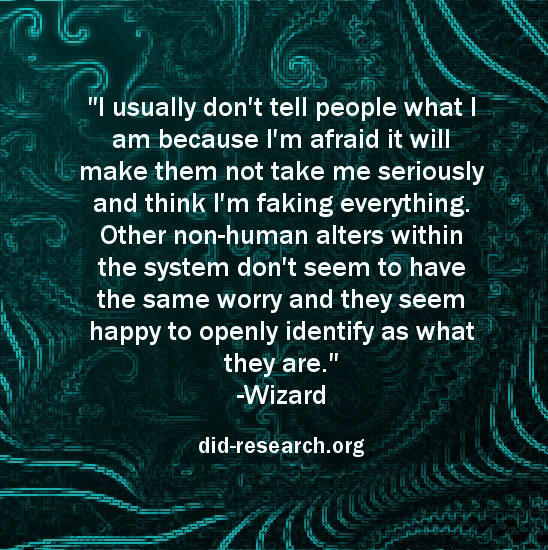
Non-Human Alters
Non-human alters are parts of individuals with dissociative identity disorder (DID) that see themselves as animals, fantasy creatures, or hybrids. Like all other alters, non-human alters are the result of trauma and an already severely dissociative mind.


-
Remote Neural Monitoring
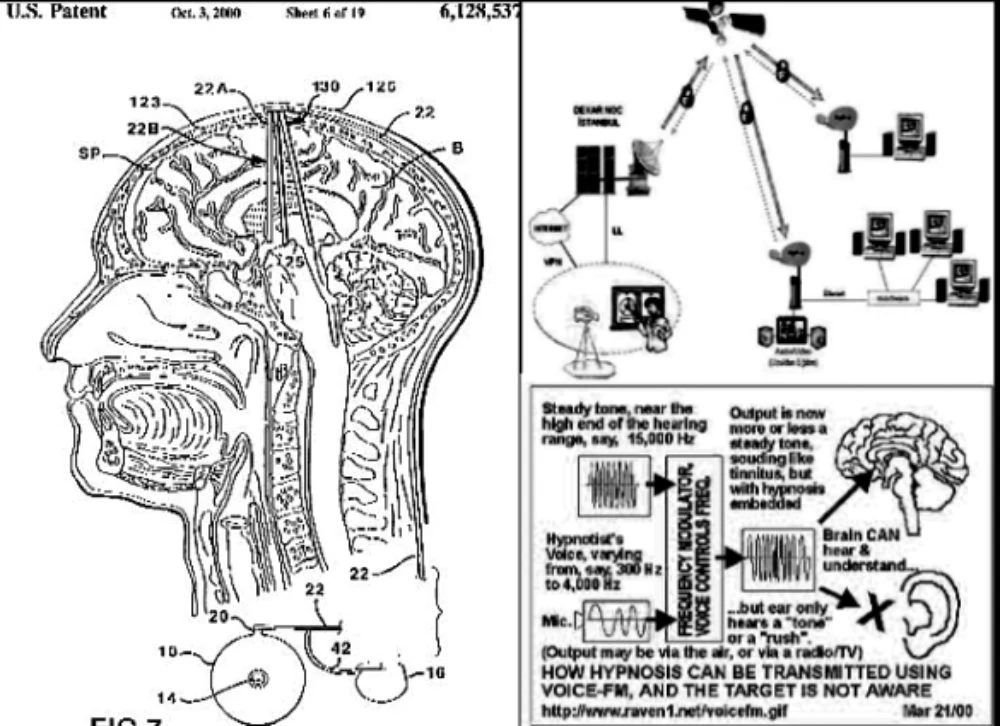
Remote Neural Monitoring is a form of functional neuroimaging, claimed [1] to have been developed by the National Security Agency (NSA), that is capable of extracting EEG data from the human brain at a distance with no contacts or electrodes required. It is further claimed that the NSA has the capablility to decode this data to extract subvocalizations, visual and auditory data. In effect it allows access to a person's thoughts [2] without their knowledge or permission. It has been alleged that various organizations have been using Remote Neural Monitoring on US and other citizens for surveillance and harassment purposes. [3].
History
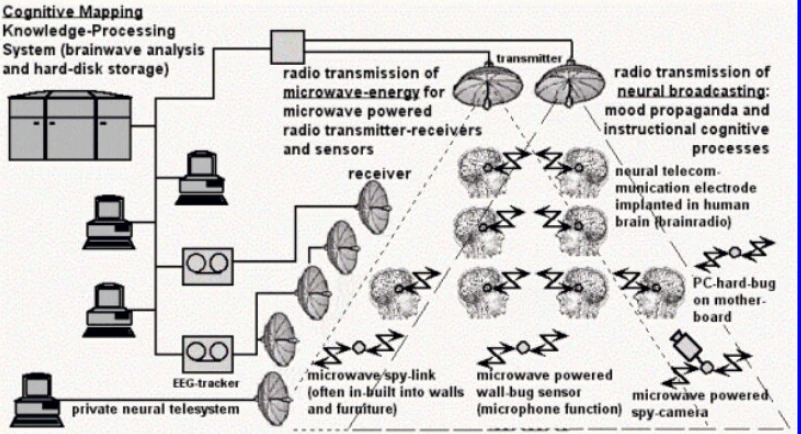
Remote Neural Monitoring has its roots in the infamous MKULTRA project of the 1950s which, although it focussed on drugs for mind control, also included neurological research into "radiation" (non-ionizing EMF) and bioelectric research and development. The earliest non-classified references to this type of technology appear in a 1976 patent by R.G. Malech Patent 3951134 “Apparatus and method for remotely monitoring and altering brain waves” USPTO granted 4/20/76. The patent describes a technique using the transmission of 100 and 210 MHz signals to the brain yielding a 110 MHz signal which is modulated by the brain waves and can be detected by a receiver for further processing.
In the early 1980s it is claimed that the NSA began extensive use of Remote Neural Monitoring. Much of what is known about it stems from evidence presented as part of a 1992 court case brought by former NSA employee John St.Claire Akwei against the NSA. It describes an extensive array of advanced technology and resources dedicated to remotely monitoring hundreds of thousands of people in the US and abroad. Capabilities include access to an individual's subvocalizations as well as images from the visual cortex and sounds from the auditory cortex.
Applications
While use of this technology by organizations like the NSA is difficult to validate, recent advances in non-classified areas are already demonstrating what is possible: Subvocal recognition using attached electrodes has already been achieved by NASA[4]. BCIs for gaming consoles from companies like NeuroSky perform primitive "thought reading" in that they can be controlled with a helmet on the player's head, where the player can execute a few commands just by thinking about them. Ambient has demonstrated a motorized wheelchair that is controlled by thought[5].
References
- Lawsuit - John St. Clair Akwei vs. NSA, Ft. Meade, MD, USA.
- Hamilton, Joan. If They Could Read Your Mind. Stanford Magazine.
- Butler, Declan (1998-01-22). "Advances in neuroscience may threaten human rights". Nature 391 (6665): 316.
- Bluck, John. NASA DEVELOPS SYSTEM TO COMPUTERIZE SILENT, 'SUBVOCAL SPEECH'.
- Simonite, Tom. "Thinking of words can guide your wheelchair". New Scientist.
Related Links
-
Magnetosomes
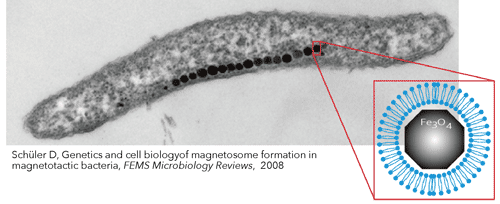
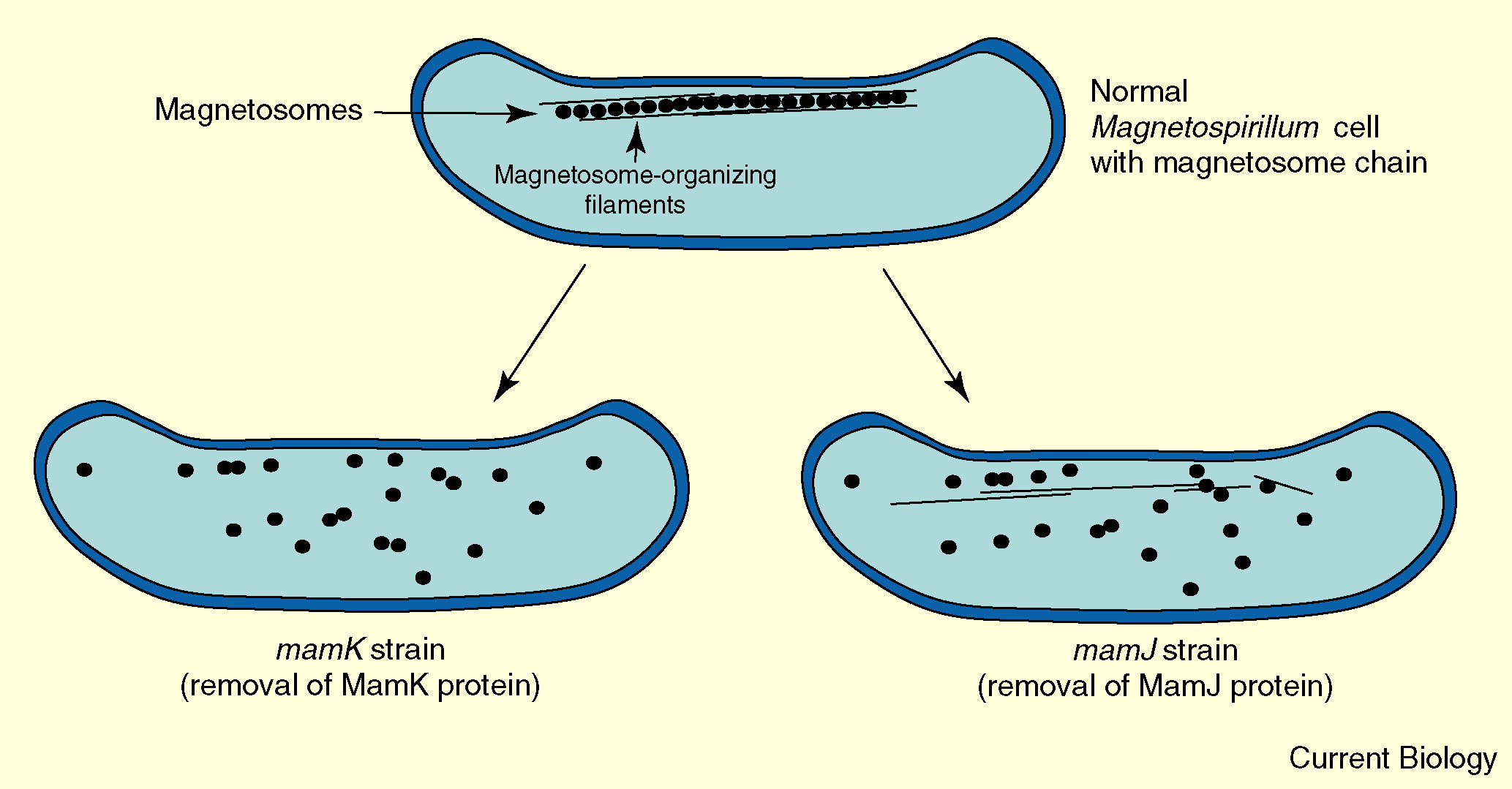
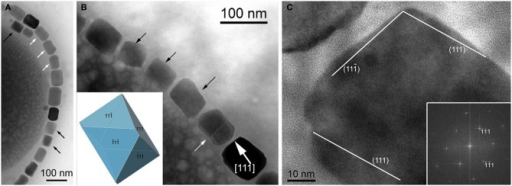
Magnetosomes are unique intracellular structures found in magnetotactic bacteria, which are a diverse group of bacteria that orient themselves along magnetic field lines. These structures have a permanent magnetic moment due to the magnetic minerals they contain.
The term magnetosome derives from the Greek words "magneto," meaning magnet, and "soma," meaning body. Each magnetosome consists of a small, membrane-bound crystal of a magnetic mineral, most commonly magnetite (Fe3O4) or greigite (Fe3S4). These crystals are biological in origin and are synthesized by the bacteria themselves. The magnetosomes within a cell align to form a chain, effectively creating a tiny biological compass needle.
The fact that these magnetosomes influence the direction of motion of magnetotactic bacteria is a remarkable example of nature's ingenuity. This process, known as magnetotaxis, enables the bacteria to navigate effectively in their environment. The bacteria use the Earth's magnetic field to orient themselves and swim in a preferred direction, which is typically downward, into the sediment where the environment is oxygen-poor and more conducive to their survival.
The magnetosome chain acts like a compass needle, aligning the bacteria with the Earth's magnetic field. This alignment is not perfect, and the bacteria tend to swim in a helical path rather than a straight line. However, this behavior ensures that, on average, they will move in the direction of their preferred habitat.
-
Gamma entrainment: The brain “locking on” to a silent metronome
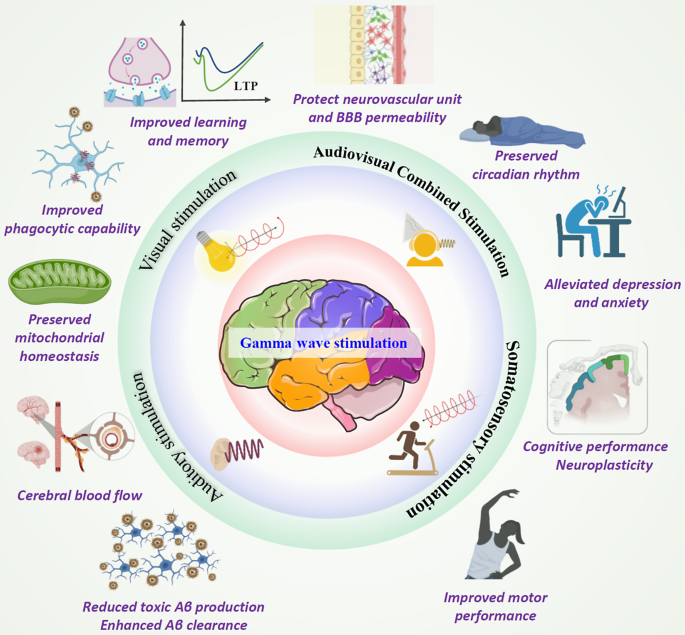
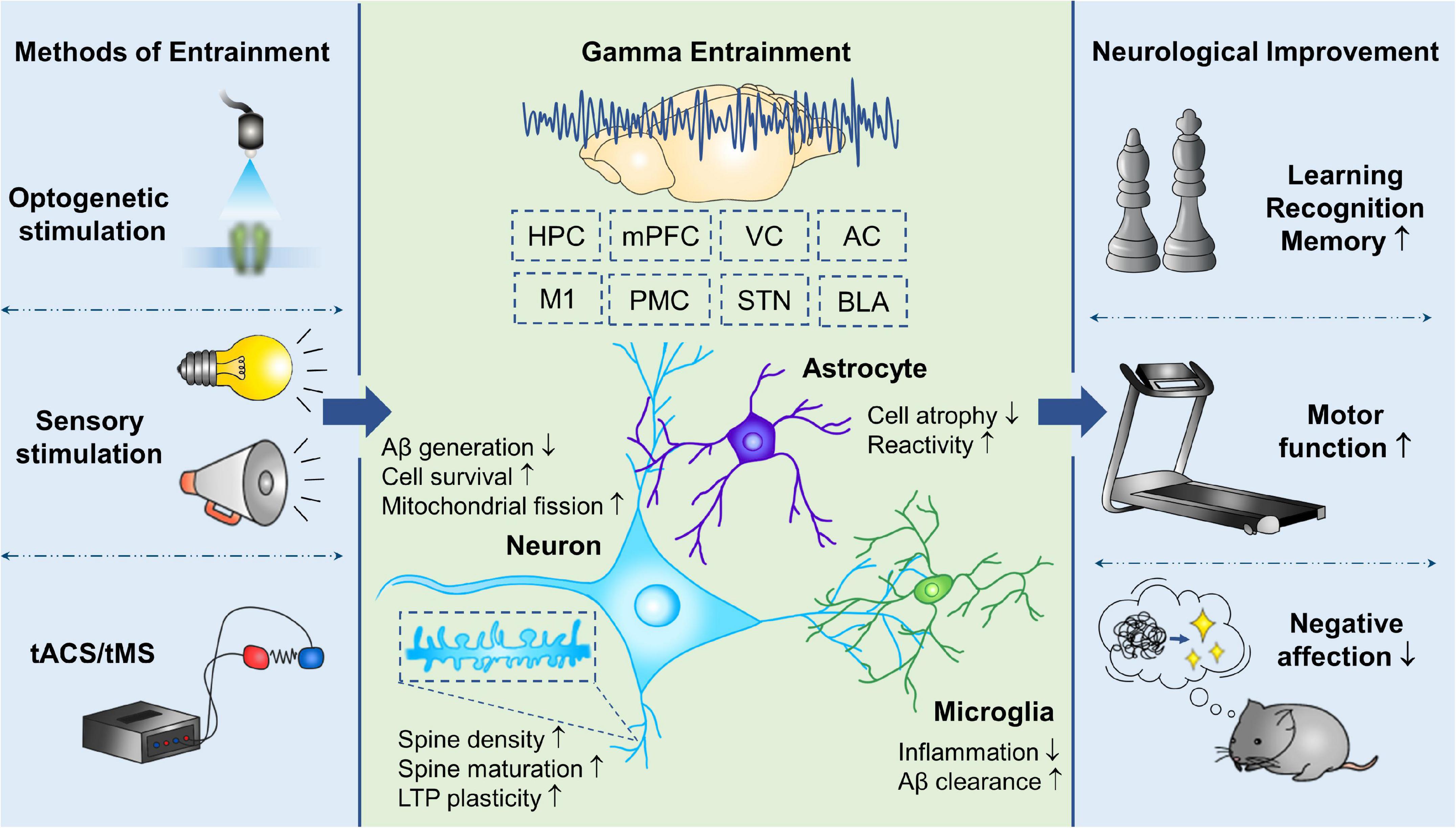
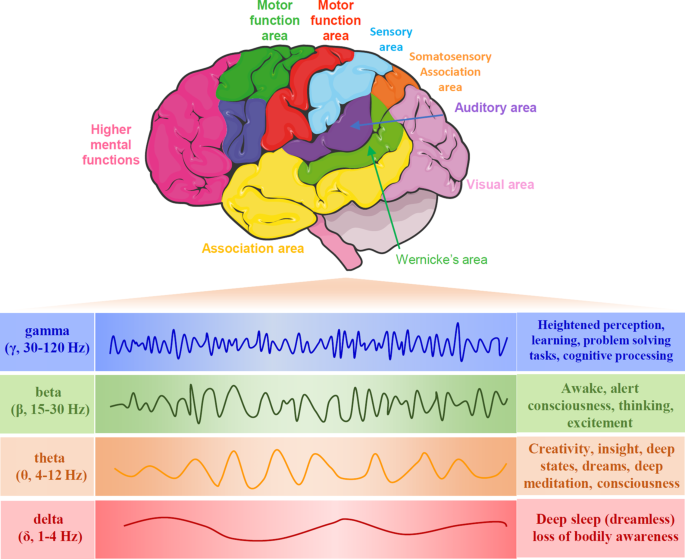
Gamma‐band oscillations (30–60 Hz) are linked to sensory binding and cognitive functions. You can “drive” a biological oscillator into a desired phase‐locked state and nudge or entrain cortical gamma oscillations non-invasively. Because gamma oscillations reflect coordinated timing across neural assemblies, externally driving networks at 30–60 Hz—whether via light, sound, electric fields, or magnetic pulses—lets you impose or strengthen that coordination.
It’s the same principle as a phase-locked loop: you supply a periodic reference and the neurons “lock” their rhythm to it. Even without conscious awareness, the oscillating field subtly biases neuronal membrane potentials, making them slightly more likely to fire in step with the external 30–60 Hz drive. Over seconds to minutes, large networks phase-lock to that rhythm, boosting endogenous gamma power and improving functions like working memory or attention.
-
Kaznacheyev effect
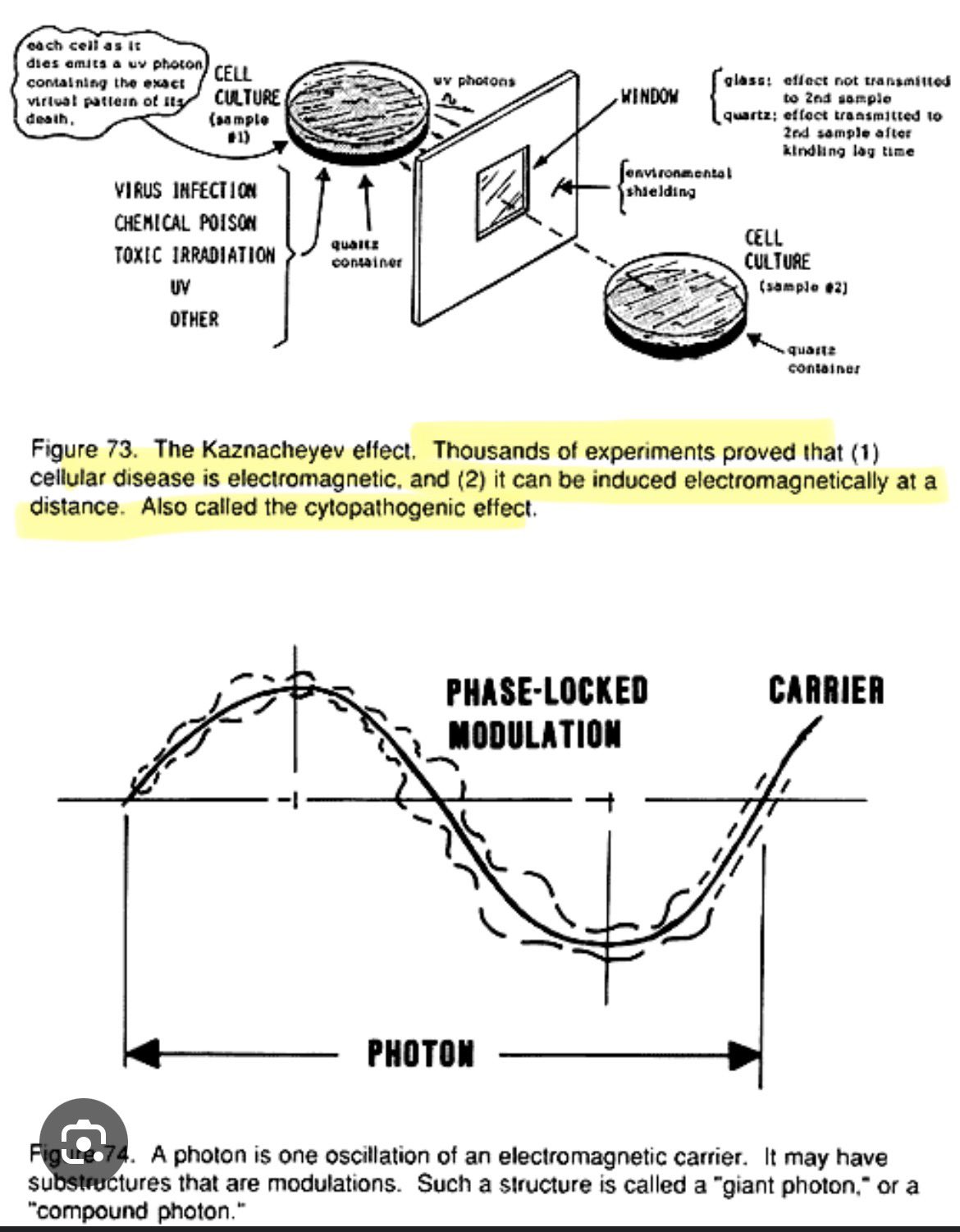
Introduction: Ever thought cells could communicate like a cell phone but with light? Enter the fascinating and controversial realm of the Kaznacheyev effect!
The Discovery: In the 1970s, a Russian scientist named Vlail Kaznacheyev, along with his colleagues, stumbled upon a phenomenon that would spark decades of debate. They observed that cells don’t go quietly into the night; instead, as they perish, they emit ultraviolet (UV) photons, like desperate SOS signals.
The Experiment: Kaznacheyev’s team placed two sets of cell cultures close to each other, separated only by a quartz barrier that let UV light pass through. When one set of cells was inflicted with doom (think viruses, toxins, or harmful radiation), these dying cells reportedly sent out UV light signals. The astonishing part? The neighboring cells, previously healthy, started showing signs of the same fate as if the light carried a morbid message.
The Twist: A glass barrier instead of quartz? The second set of cells remained unaffected, living their best cellular lives. It seemed that the UV light, with its mysterious cargo, couldn’t pass through glass, halting the transmission of the deadly message.
The Controversy: Dubbed the “cytopathogenic effect,” this phenomenon suggested something revolutionary—that diseases could potentially be transmitted electromagnetically. But here’s the catch: science thrives on replication, and the Kaznacheyev effect has been notoriously shy in other labs.
The Implications: If the effect is real, it could hint at an intricate bio-communication system and electromagnetic influences on health, a topic that’s gaining traction in today’s tech-filled world.
The Fun Fact: While the scientific jury is still out on the Kaznacheyev effect, it opens up a world of sci-fi-esque possibilities. Could our cells be gossiping about their demise? Are they warning their neighbors through a UV light group chat? The ideas are as intriguing as they are controversial.
Whether a quirk of experimental conditions or a genuine biological phenomenon, the Kaznacheyev effect reminds us that there are still mysteries within our own cells waiting to be understood. It’s a cellular conundrum that keeps the conversation glowing—quite literally!
Conclusion: Vlail Petrovich Kaznacheyev was a Russian biologist and a known figure in the field of biophysics. He is most recognized for his work related to the controversial phenomenon known as the Kaznacheyev effect, which he claimed to have discovered in the 1970s alongside his colleagues. According to his research, cells that were dying emitted ultraviolet (UV) photons, and these photons could transmit the “information” of cellular death to neighboring cells, causing similar effects in those cells if they were in quartz containers that allowed the passage of UV light. If a barrier that blocked UV light, such as glass, was used, the effect was not observed.
Regarding the proof to back up the Kaznacheyev effect, it’s important to note that this phenomenon has been met with skepticism within the scientific community. One of the main criticisms is the lack of independent replication of his results, which is a cornerstone of scientific validation. The experiments conducted by Kaznacheyev and his team were indeed numerous, but the methodology and the results were not widely accepted or reproduced by other researchers.
The idea that cells could communicate distress through electromagnetic signals, especially in the form of light, is certainly fascinating and has implications for our understanding of cellular processes and disease transmission. However, the evidence supporting the Kaznacheyev effect is not robust within the mainstream scientific literature.
There are fields of study such as bioelectromagnetics and biophotonics that explore the role of electromagnetic fields and light in biological processes, and some research within these disciplines has indicated that cells can emit light (biophotons) and that these emissions can vary with the state of the cell’s health. However, whether these emissions can induce pathological changes in other cells as described by the Kaznacheyev effect remains unconfirmed.
-
Dancing turtles unlock scientific discovery - Carolina researchers publish a groundbreaking study on how turtles navigate using the Earth’s magnetic field.

-
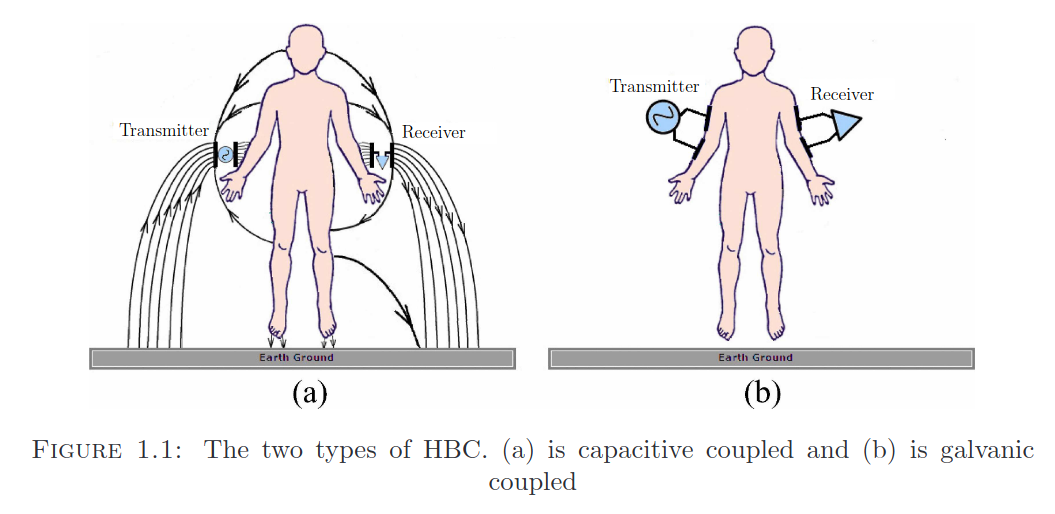
Humans are antennas: When a high frequency alternating current is applied to the human body, the human body acts like an antenna in transmission mode by radiating part of the energy and dissipating the rest as heat.
-
Stanford University's STORM is a AI research tool that lets you Input any topic, and it scans hundreds of websites to craft an article summarizing key findings. Here are its findings on #RadioBio
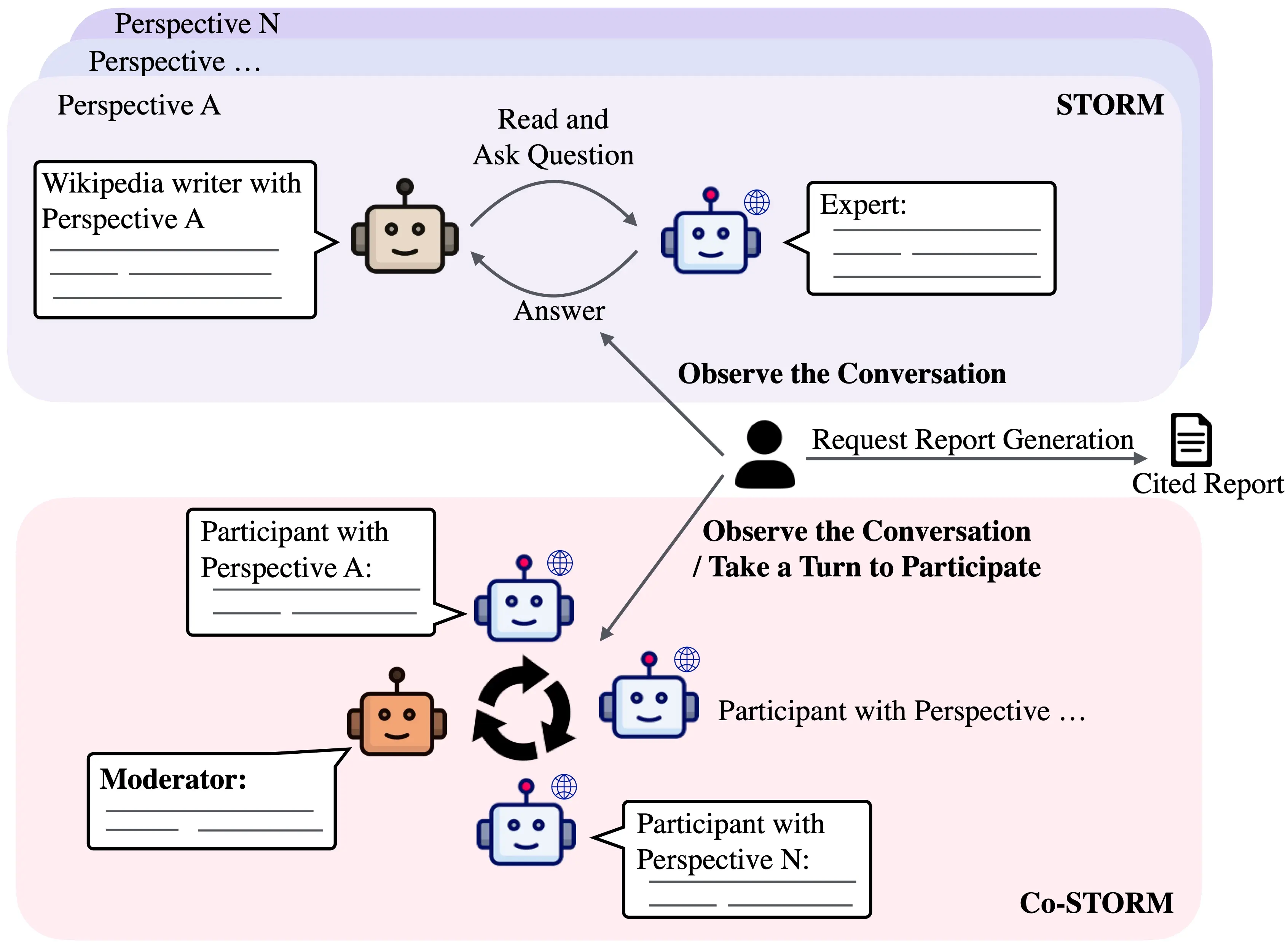
#Comment: Research agents are set to thrive this year, enhancing report generation and information processing. While promising, this will likely expose the troubling state of censorship across the information supply chain. Dark web research agents might quietly take the spotlight.
Summary
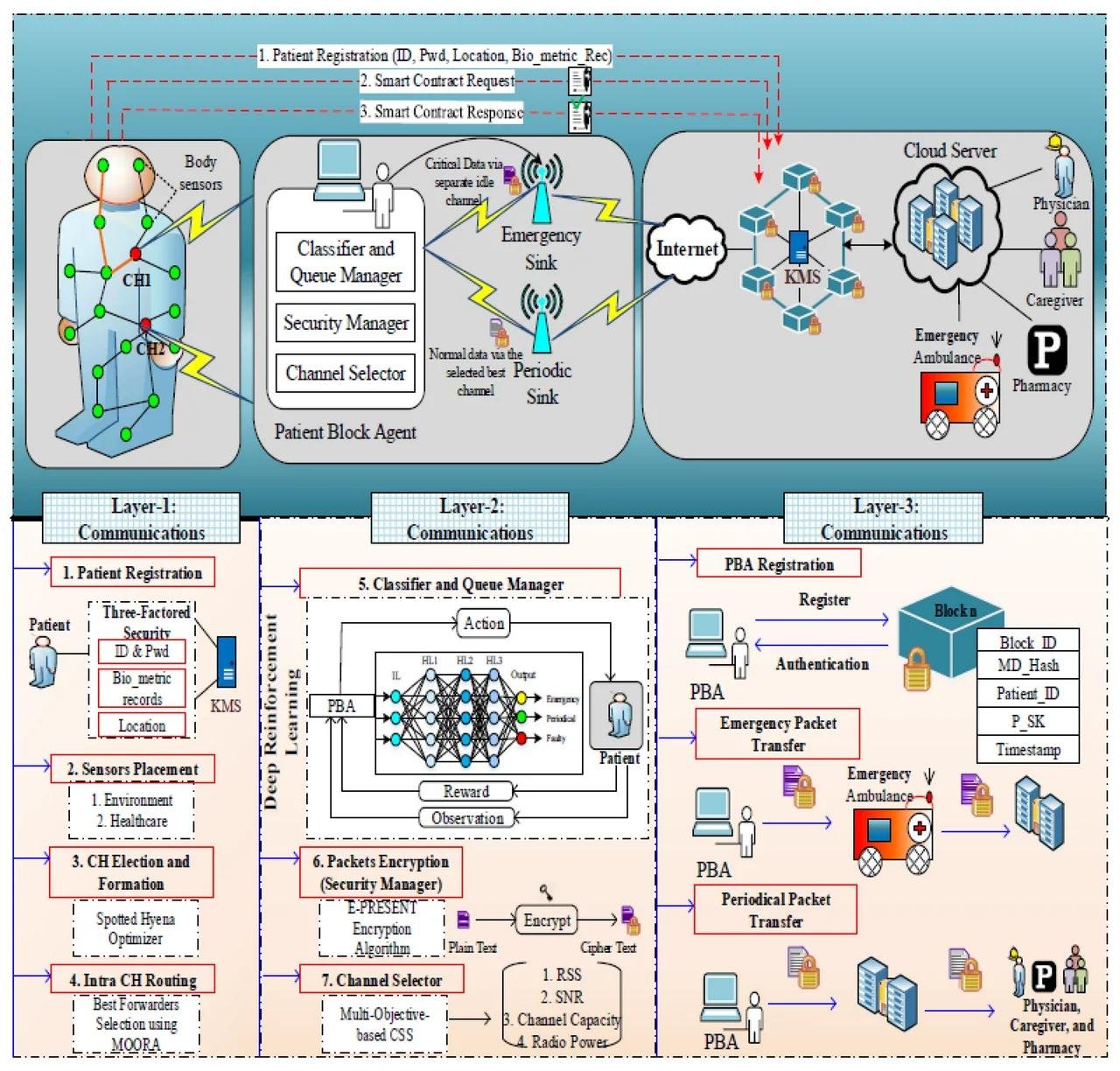
RadioBio is an innovative research initiative spearheaded by the Defense Advanced Research Projects Agency (DARPA) that explores the potential for electromagnetic signaling between biological cells, aiming to establish new paradigms for communication and information exchange. This emerging field merges biological systems with advanced technological frameworks, suggesting a future where traditional electronic devices may become obsolete, and direct communication between individuals and information is achieved through biological means, specifically utilizing Quantum Bio technology.[1]
The significance of RadioBio lies in its potential applications across various domains, including healthcare, military operations, and communication technologies. As an intersection of biology, physics, and engineering, RadioBio may revolutionize how cellular interactions are understood and manipulated, potentially leading to breakthroughs in personalized medicine and innovative communication systems capable of functioning in challenging environments laden with electromagnetic interference.[2]
Furthermore, the implications of this research extend to improving operational efficiency in defense settings, where soldiers could communicate without the encumbrance of physical devices, enhancing both safety and effectiveness on the battlefield.[1]
Despite its promising prospects, the RadioBio program faces notable challenges, particularly concerning the scientific validation of electromagnetic signaling between cells and the ethical considerations surrounding dual-use technologies. Determining the practical applicability of these findings necessitates rigorous research and validation processes, while careful oversight is required to mitigate potential misuse in military or civilian contexts.[4]
As this field continues to evolve, the balance between scientific innovation and ethical responsibility remains a pivotal aspect of the discourse surrounding RadioBio and its future implications.[5]
Overall, RadioBio represents a frontier in biotechnological research with the potential to reshape fundamental concepts of communication and interaction at the cellular level, fostering a deeper understanding of both biological systems and their integration with advanced technologies. As research progresses, it may herald transformative changes across various fields, underscoring the importance of continued investigation and collaboration among scientists, ethicists, and policymakers.[6]
Historical Context
The development of radio technology has its roots in the exploration of electromagnetic waves, with significant contributions from early scientists. Hans Christian Oersted first identified the relationship between electricity and magnetism in 1820, stating that a magnetic field surrounds a wire carrying an electric current.[8]
This foundational understanding was later expanded upon by Michael Faraday, who demonstrated the principle of electromagnetic induction in 1830, setting the stage for wireless communication technologies. The early 20th century marked a pivotal era in the evolution of radio. The term "radio" itself became widely recognized, stemming from advancements in wireless telegraphy and subsequent inventions that facilitated the transmission of audio signals. Initial radio technology primarily relied on spark-gap transmitters, which allowed for basic ship-to-ship and ship-to-shore communications, proving vital for maritime safety during emergencies.[9]
The advent of amplitude modulation (AM) technology further revolutionized the medium, enabling the establishment of radio broadcasting stations that reached a wider audience than ever before.[9]
By the 1920s, radio had transformed into a powerful medium for mass communication. It not only provided timely news and information during critical events, such as world wars and natural disasters, but also emerged as a major entertainment platform. Radio programming included spoken word content, dramas, music, and comedies, effectively democratizing access to entertainment and fostering a shared cultural experience across diverse populations.[11]
The significance of radio extended beyond mere entertainment; it played a crucial role in shaping social movements and public discourse. For example, Martin Luther King Jr.'s "I Have a Dream" speech was broadcasted over the radio, inspiring millions and drawing international attention to the Civil Rights Movement in the United States.[10]
As radio technology continued to evolve, it became an indispensable tool for advertisers, educators, and community leaders, cementing its place in the fabric of modern society. Throughout the years, radio has faced challenges and adaptations in response to technological advancements and changing consumer behaviors. From its early beginnings with basic communication devices to the sophisticated digital and satellite systems in use today, radio has continually evolved while maintaining its core function as a vital channel for information and entertainment.[9]
Technology
Overview of RadioBio
RadioBio represents a significant evolution in technology, merging biological systems with connected technologies to create a novel interface for communication and information exchange. This paradigm shift envisions a future where traditional devices such as smartphones and wearables become obsolete, as Quantum Bio technology enables direct connections between individuals and information through the manipulation of biological cells[1]
Advancements in Digital Health
The integration of digital technology in healthcare is on the rise, particularly with the anticipated approval of digital endpoints in 2024, which is expected to lead to increased adoption by 2025. This advancement will facilitate non-centralized clinical trials, leveraging wearables and remote monitoring devices to enhance accessibility and efficiency in patient care[12]
. Furthermore, developments in neurodegenerative disease treatments will gain momentum, underscoring a critical need for innovative solutions in Alzheimer's, Parkinson's, and related conditions[12]
Artificial Intelligence in Medical Imaging
Artificial intelligence (AI) is set to transform various medical fields, notably radiology. AI applications promise improved efficiency in radiology workflows by enhancing image analysis and diagnostics, thereby reducing turnaround times[12]
. The Radiological Society of North America (RSNA) is at the forefront of this innovation, promoting research and practical applications of AI to assist radiologists in managing their workloads effectively[13]
. This advancement not only boosts diagnostic accuracy but also addresses the growing demands faced by healthcare professionals.
The Role of RFID in Laboratory Operations
The introduction of Radio-Frequency Identification (RFID) technology in laboratory settings has significantly improved operational efficiency. RFID systems streamline inventory management by allowing for rapid tracking of chemicals and supplies, thus enabling lab workers to focus on more critical tasks rather than manual inventory checks[14]
. The integration of RFID not only enhances workflow efficiency but also contributes to enhanced security and compliance in laboratory environments[14]
Future Implications
As technology continues to evolve, the interplay between biology and electromagnetic systems through initiatives like RadioBio suggests a future where communication is seamless and less reliant on external devices. The implications for military applications are particularly noteworthy, as soldiers could operate without the burden of physical devices, reducing the risk of lost or stolen intelligence[1]
. This innovative approach heralds a new era in healthcare, communication, and operational efficiency, with the potential to redefine how we interact with technology and each other.
Research and Development
Future Directions and Emerging Trends
Research and development in the field of radiobiology is increasingly characterized by collaboration across multiple disciplines, including biology, chemistry, computer science, and engineering. This interdisciplinary approach is crucial for tackling complex biological problems, leading to innovative and sustainable solutions.[15]
In addition to traditional scientific fields, the involvement of social scientists enriches the dialogue surrounding the societal implications of biotechnological advancements, fostering a comprehensive understanding of these developments.[6]
Ethical and Regulatory Considerations
The integration of biotechnology within the context of radiobiology is essential for addressing pressing global challenges such as climate change and population growth. Innovative applications, including the use of microbial inoculants and biopesticides, demonstrate how biotechnology can enhance sustainability in agricultural practices while minimizing environmental impact.[6]
These developments underscore the need for robust ethical frameworks and regulatory measures to ensure that scientific progress aligns with societal values and safety standards.[6]
Impact of Genetically Modified Organisms
Significant breakthroughs in genetic engineering and synthetic biology present opportunities to revolutionize both healthcare and environmental sustainability. Medical innovations driven by genetic research hold the promise of personalized medicine, where therapies can be tailored to individual patient needs based on genetic profiles.[16]
Concurrently, material innovations aimed at creating biodegradable plastics and advanced biomaterials align with the overarching goal of sustainability in research and development efforts.[6]
Biotechnology Education and Workforce Development
As the field of biotechnology rapidly evolves, there is an urgent need for targeted educational initiatives to equip the next generation of scientists and researchers with the necessary skills. Educational institutions are encouraged to partner with biotechnology companies to ensure that curricula are aligned with industry demands, fostering a workforce capable of advancing research in radiobiology and related fields.
Developing specialized training programs will facilitate the growth of expertise needed to explore emerging areas such as RFID technology and its applications in tracking biological responses.[19]
Continuous Investment and Collaboration
Sustained investment in research and development is vital for propelling advancements in radiobiology and biotechnology. Collaborative efforts that involve academia, industry, and government will create a conducive environment for innovation.[6]
Engaging diverse stakeholders—including scientists, entrepreneurs, and policymakers—in dialogue and cooperative initiatives will further enhance the potential for groundbreaking discoveries. Public education about the benefits and possibilities of biotechnology will also play a critical role in fostering support for ongoing research efforts.[6]
Applications
Potential Biological Communication
The DARPA RadioBio program seeks to explore and validate the potential for electromagnetic signaling between biological cells, which may open new avenues for understanding complex cellular interactions. This could lead to groundbreaking applications in biological communication, where cells may use electromagnetic waves to transmit and receive meaningful signals within ion-rich environments. If successful, the program may unveil fundamental mechanisms of cell communication that have previously remained unexplored, potentially transforming our understanding of biological systems[2]
Advanced Technology Development
The insights gained from the RadioBio program could pave the way for the development of innovative technologies in various fields. For example, understanding how natural "antennas" in biological organisms generate and receive signals may lead to new designs for communication systems capable of functioning in cluttered electromagnetic environments. This knowledge could also result in advancements in fields such as biomedical engineering, where improved communication technologies may enhance medical diagnostics and therapeutics[20]
Military Applications
Given DARPA's focus on developing technologies for military use, the findings from the RadioBio program may also have applications in defense and intelligence sectors. Enhanced biological communication could lead to new strategies for battlefield communications, potentially improving the effectiveness of operations in environments where conventional communication methods face challenges due to electromagnetic interference[3]
Future Research Directions
While the RadioBio program is primarily a fundamental research initiative, the eventual confirmation of purposeful electromagnetic signaling among cells could inspire further investigations into biocommunication. Future research may delve into the specific mechanisms of these signaling pathways and their implications for health and disease, potentially leading to novel therapeutic approaches based on biological signaling principles[7]
Benefits and Challenges
Benefits of the RadioBio Program
The RadioBio program, initiated by DARPA, aims to explore the possibility of functional signaling via electromagnetic waves between biological cells. This groundbreaking research could lead to innovative technologies that enhance our understanding of cellular communication. If successful, it could open doors to a plethora of applications, including novel communication systems in environments laden with electromagnetic noise[2]
. Understanding these signaling mechanisms may also pave the way for advancements in biotechnology and medical applications, offering potential insights into cellular interactions that could improve therapeutic strategies and diagnostics[22]
Challenges in Research and Application
Despite the promising benefits, the RadioBio program faces significant scientific challenges. Determining whether electromagnetic waves can transmit meaningful signals between cells, especially in complex biological environments, is a formidable task[4]
. The intricate interactions within and between cells, combined with the need to differentiate between low and high-frequency signals, complicate this endeavor. Furthermore, even if electromagnetic signaling is proven to occur, translating this fundamental research into practical applications could take years, potentially limiting the immediate impact of the program[4]
Ethical Considerations
In addition to scientific and technical challenges, the dual-use nature of the research raises ethical concerns. The potential for misuse of findings related to electromagnetic signaling necessitates a careful approach to research dissemination and application[5]
. It is crucial to balance the pursuit of scientific innovation with the need to prevent any harmful applications that could threaten public health or national security. Addressing these ethical challenges is essential for maintaining trust in scientific research and ensuring that the benefits are realized responsibly and equitably[5]
Case Studies
Health Effects of Radiofrequency Radiation
Recent studies investigating the health impacts of radiofrequency radiation (RF) have yielded varying results, highlighting both potential risks and methodological criticisms. One notable example is the National Toxicology Program (NTP) study, which provided comprehensive evidence of carcinogenic activity in rats exposed to RF radiation[24]
. This study aimed to understand the long-term health effects of RF exposure, prompting further research into its implications for human health. In contrast, the REFLEX project explored the cellular responses to RF radiation at the molecular level, contributing to the discourse on the safety of RF exposure[24]
. However, both studies faced scrutiny regarding their methodologies and interpretations. Critics argue that confounding factors, such as individual usage patterns and technological advancements, may skew the relevance and applicability of their findings[24]
Innovations in Lab Technology: RFID
The integration of Radio-frequency identification (RFID) technology into laboratory settings has emerged as a significant advancement in managing samples and equipment. For instance, laboratories increasingly utilize RFID systems to enhance productivity and reduce errors by tracking samples, labware, and medical devices effectively[25]
. A case study at North York General Hospital demonstrated the successful implementation of RFID for specimen tracking, illustrating its ability to improve workflow and accuracy in sample management[26]
. The hospital adopted RFID technology to maintain precise oversight of chemical inventories, facilitating better control over supplies and minimizing the risk of errors associated with traditional methods like spreadsheets or barcodes[14]
. Moreover, Know Labs Inc. has pioneered the use of RFID in measuring metabolite concentrations, with their Bio-RFID™ device showing promise for non-invasive measurement of blood analytes such as glucose levels[26]
. This innovation not only reflects the versatility of RFID technology in laboratory settings but also underscores its potential application in the medical field, particularly in managing chronic diseases like diabetes[26]
. These case studies collectively highlight the transformative potential of RF technologies in both health research and laboratory operations, paving the way for more efficient and reliable methodologies in various scientific fields.
Future Prospects
Advancements in Radiopharmaceuticals
The field of radiopharmaceuticals is poised for significant transformation driven by scientific innovations and technological advancements. Collaborations among radio pharmacists, nuclear medicine specialists, chemists, and bioengineers are paving the way for breakthroughs in precision medicine, molecular imaging, and targeted therapies. With the development of clever radiotracer designs, radiopharmaceuticals aim to enhance diagnostic accuracy by enabling real-time visualization of cellular processes at the molecular level[15]
. The advent of novel radionuclides with improved properties is further amplifying the efficacy of these agents in both diagnostics and therapeutics.
The Role of Artificial Intelligence
Artificial intelligence (AI) is playing a pivotal role in the evolution of radiopharmaceuticals. By integrating AI algorithms into radiopharmaceutical imaging, there is potential for improved accuracy in detecting lesions, staging diseases, and evaluating treatment effectiveness[15]
. AI enhances the design and validation of radiopharmaceuticals through in silico approaches, allowing for faster development processes that reduce the reliance on traditional testing methods[28]
. This synergy between AI and radiopharmaceuticals signifies a new era in personalized medicine, where treatments can be tailored to the unique profiles of individual patients[15]
Emerging Trends
The future landscape of radiopharmaceuticals includes a focus on next-generation radiotracers and the expanding pipeline of targeted theranostic agents for both cancer and non-cancer indications. Companies like Clarity Pharmaceuticals are at the forefront with innovative platforms that offer highly targeted therapies[27]
. Additionally, regulatory advancements and the development of multimodality bioimaging technologies are expected to provide greater access to cutting-edge imaging techniques, improving patient outcomes while minimizing radiation exposure[27]
Research and Development Challenges
Despite the promising advancements, the field faces challenges related to achieving consistent and reproducible results, as well as ensuring long-term safety of new therapies. Continued research is crucial to address these concerns and to navigate the complex regulatory landscape[15]
. The ongoing collaboration among radiopharmacologists, nanotechnologists, and clinicians will be vital in overcoming these hurdles and propelling the field toward its full potential in personalized medicine[15]