tag > Regenerative
-

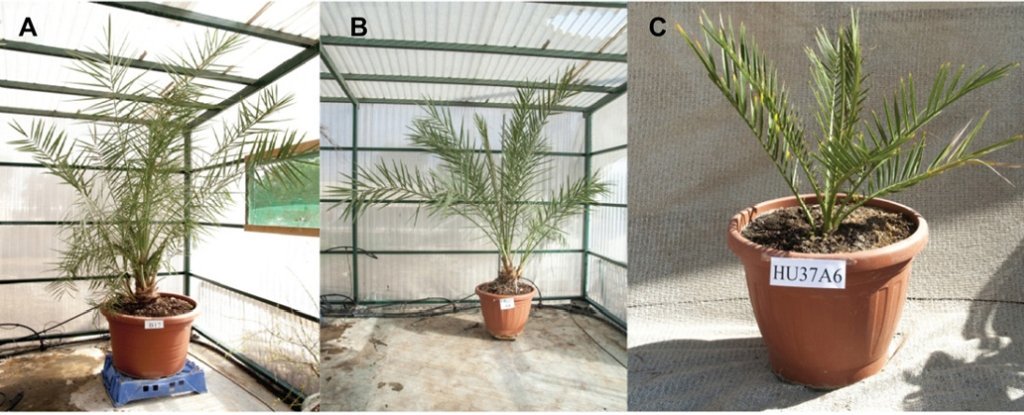
Do you want it locally grown, water-saving and pesticide-free? Urban agriculture might suit you, with a little help from gene editing. Zachary Lippman’s team has already succeeded with Solanaceae fruit crops, optimizing tomatoes and ground-cherries for indoor production (see their paper in Nature Biotechnology).
By targeting three genes (SlER, SPG5, and SP), they made the plants display compact growth habit and early yield. The tomatoes produced were slightly smaller than the wild type, but each plant bore more fruit, and they tasted good.
Commenting the paper in the news and views section, Cathryn O’ Sullivan and colleagues foresee a whole CRISPR menu coming from urban agriculture in the future. It is unlikely that wheat or rice will ever be grown indoors, but urban farms will be interested in producing any plant that has high value and is eaten fresh.First of all fruits and vegetables that grow on bushes or vines, such as tomato, strawberry, raspberry, blueberry, cucumber, capsicum, grapes, kiwifruit. Specialist crops such as hops, vanilla, saffron, coffee, and also medicinal or cosmetic crops may come next.
They think that one day even small trees (chocolate, mango, almonds) may be grown indoors. However, “for indoor farming to be broadly adopted, the capital and operating costs of climate-controlled farms must be reduced, or they will benefit only the wealthiest communities.”
-
Warning of agricultural 'digital arms race' in EU
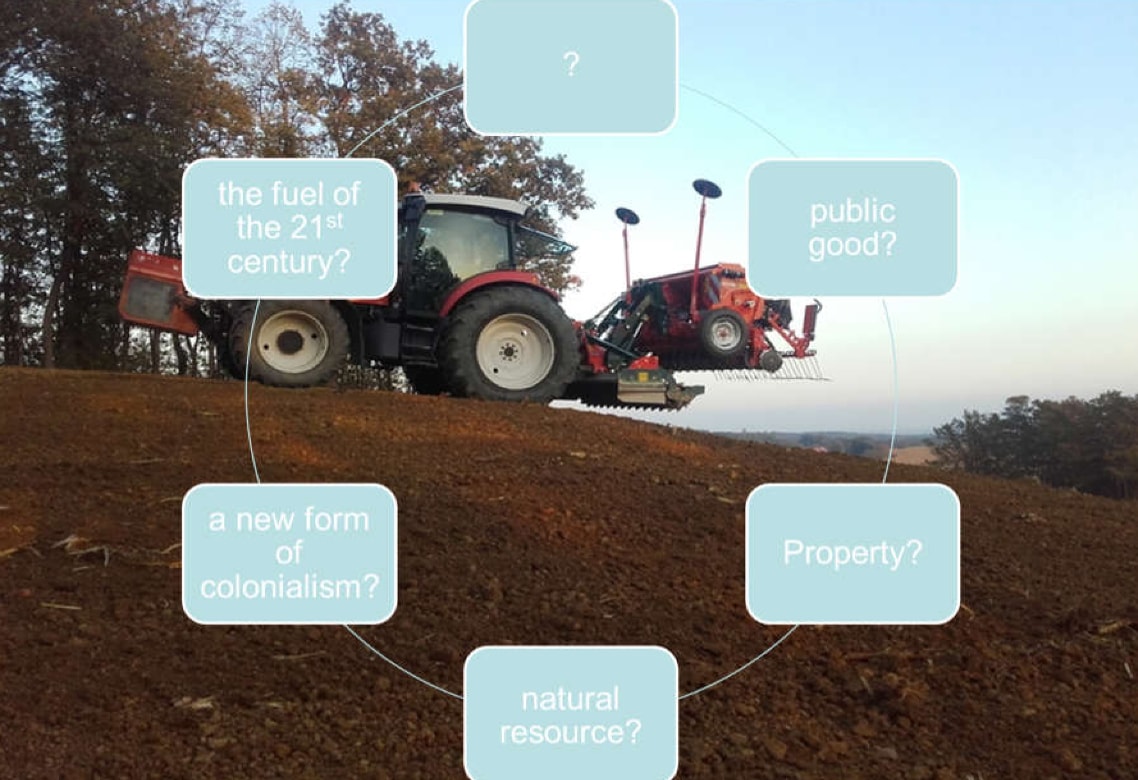
Friends of the Earth has called on the EU Commission to regulate data generated in agriculture via new technologies to avoid a few global corporations consolidating their dominance in the farming and food chain. "Europe is on the verge of allowing centralisation and concentration of [farming] data at an unprecedented scale, with the absence of any regulation," a new report by the NGO warned.
-
Running shoes leave large carbon footprint (2013)

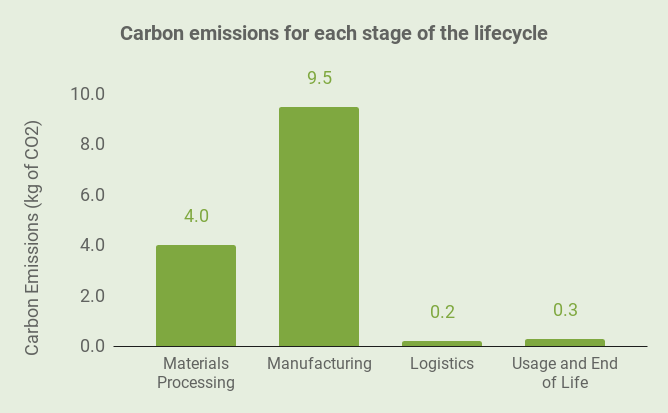
According to researchers at MIT, a new pair of typical running shoes generates 30 pounds of carbon emissions, equivalent to keeping a 100-watt light bulb switched on for one week. Their research revealed more than two thirds of the carbon impact came from manufacturing plants and only a small portion from extracting raw materials.

A typical pair of running shoes comprises of 65 discrete parts requiring more than 360 processing steps to assemble, from sewing and cutting to moulding, foaming and heating. Nearly 25 billion shoes were purchased around the world in 2010, the majority of them manufactured in China and other developing countries.
All Eco Sneakers Do Is Kill The Planet a Little Bit Slower (2019)
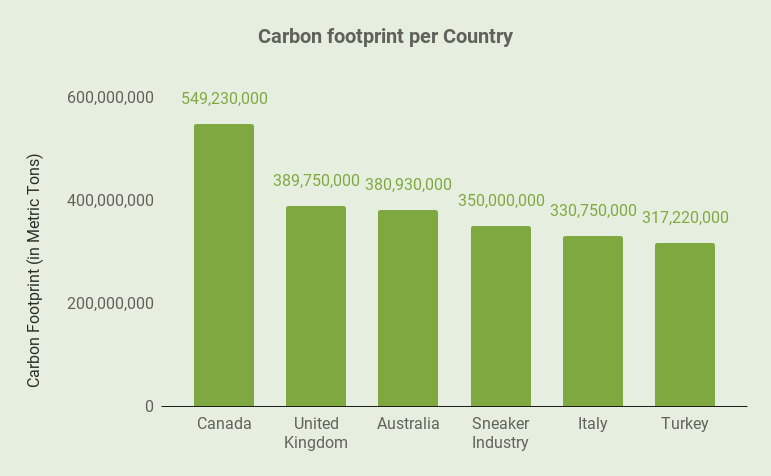
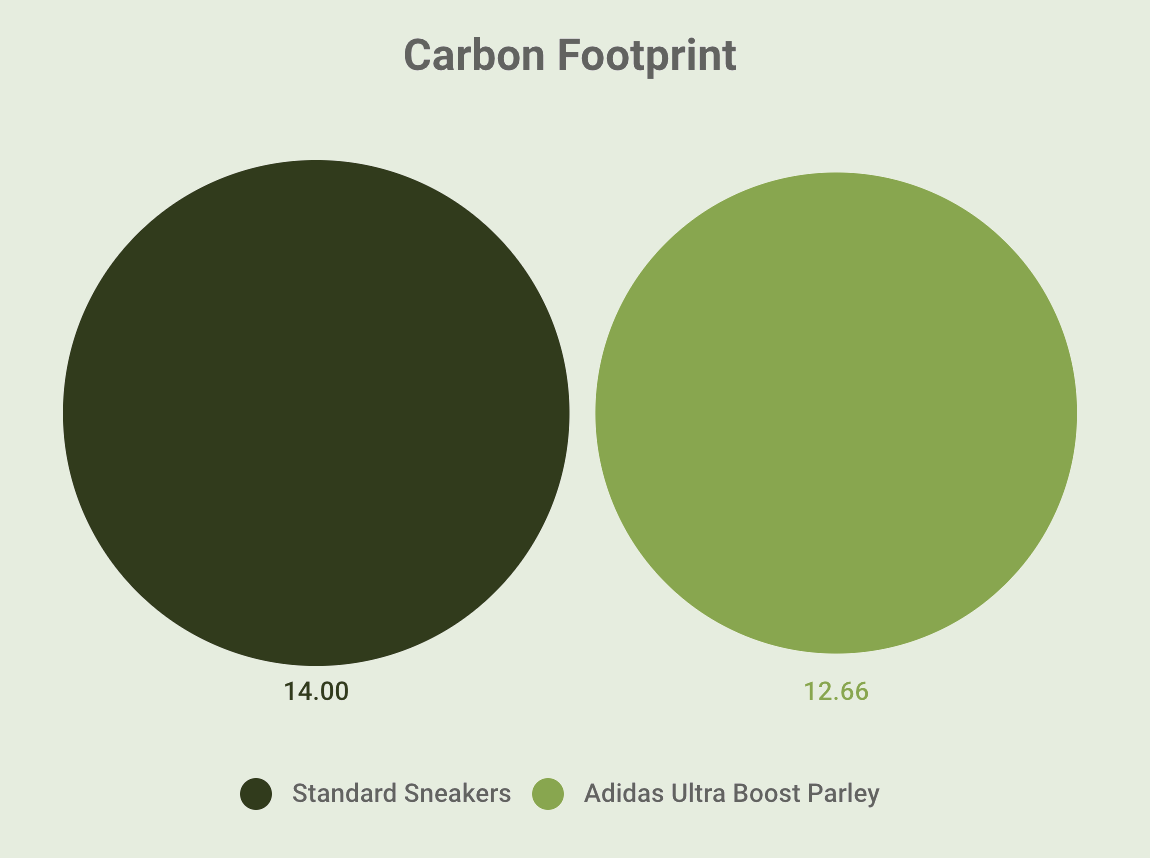
Eco-sneakers are not going to save the planet. In fact, all they’ll do is kill it a little more slowly than conventional sneakers. The average eco-sneaker cuts emissions by less than 10%. Meanwhile, only 1 in every 29 pairs of sneakers on the market qualifies as an eco-sneakers. Even worse: on average brands charge an additional $48.79 for a pair of eco sneakers -- essentially profiteering from consumers' desires to save the planet, or incentivizing consumers to buy conventional sneakers with even higher carbon emissions.
-
350,000 Tonnes of Pesticides Sold in EU Each Year – Still No Clear Picture of the Risks

The European Commission and Member States need to pull up their socks on pesticides says the European Court of Auditors. More than 10 years since the directive on the sustainable use of pesticides, it still isn’t doing enough to measure and reduce the risks, finds a report released last week. While integrated pest management (IPM) is in theory mandatory for farmers, record keeping about it is not. Moreover, IPM won’t be taken seriously unless it’s pegged to CAP payouts, warn the auditors.
-
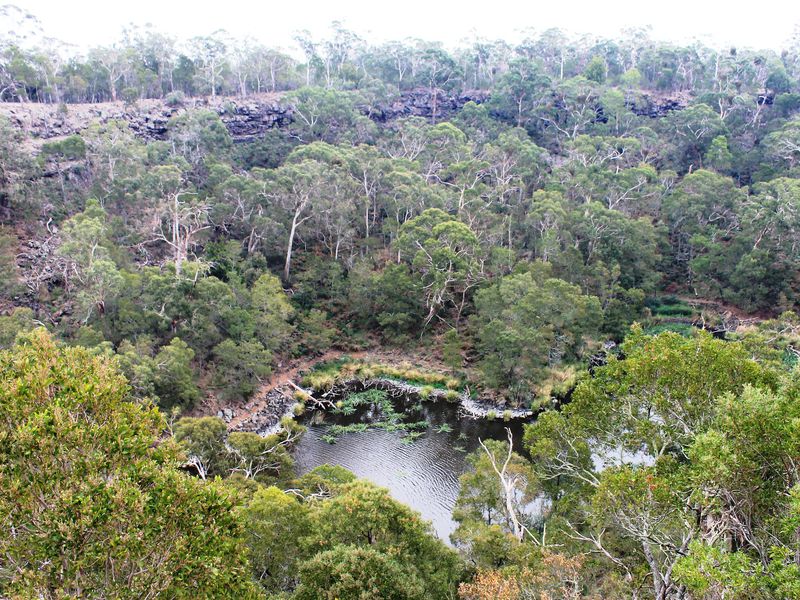
Australian Bushfires Reveal Hidden Sections of Ancient Aquaculture System
The eel-farming system of the Budj Bim Cultural Landscape is older than both Stonehenge and the Egyptian pyramids.
-
Eugene Odum explains the key concepts of "ecosystem ecology"
Part 2: https://www.youtube.com/watch?v=6P9V6h2z79w
Part 3: https://www.youtube.com/watch?v=b6NmohVKEfg
Part 4: https://www.youtube.com/watch?v=zA65QA29bXM
Part 5: https://www.youtube.com/watch?v=f5EhdXpDO3o
Part 6: https://www.youtube.com/watch?v=_N6NbK5Bw_g -
Study reveals food waste is worse than we thought — and which group is most to blame
Abstract: This work provides an internationally comparable consumer food waste dataset based on food availability, energy gap and consumer affluence. Such data can be used for constructing meaningful and internationally comparable metrics on food waste, such as those for Sustainable Development Goal 12. The data suggests that consumer food waste follows a linear-log relationship with consumer affluence and starts to emerge when consumers reach a threshold of approximately $6.70/day/capita level of expenditure. These findings also imply that most empirical models overestimate consumption by not accounting for the possibility of food waste in their analysis. The results also show that the most widely cited global estimate of food waste is underestimated by a factor greater than 2 (214 Kcal/day/capita versus 527 Kcal/day/capita). Comparison with estimates of US consumer food waste based on national survey data shows this approach can reasonably reproduce the results without needing extensive data from national surveys.
-
China’s overall paper imports dropped another 39% last year
China bought less of the world’s recycled fiber in 2019, the second year in a row of major decreases in recycled material imports. And the country’s environmental ministry has reiterated plans for an all-out import ban next year.
-
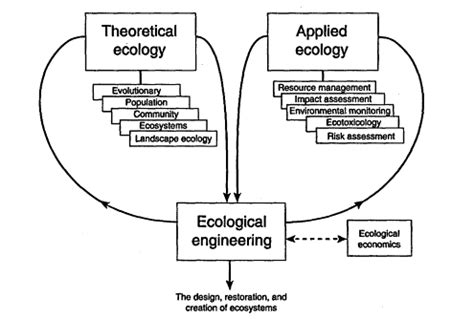
Ecological engineering uses ecology and engineering to predict, design, construct or restore, and manage ecosystems that integrate "human society with its natural environment for the benefit of both". It emerged in the early 1960s, but its definition has taken several decades to refine, its implementation is still undergoing adjustment, and its broader recognition as a new paradigm is relatively recent.
-
Simple, solar-powered water desalination (MIT, 2020)
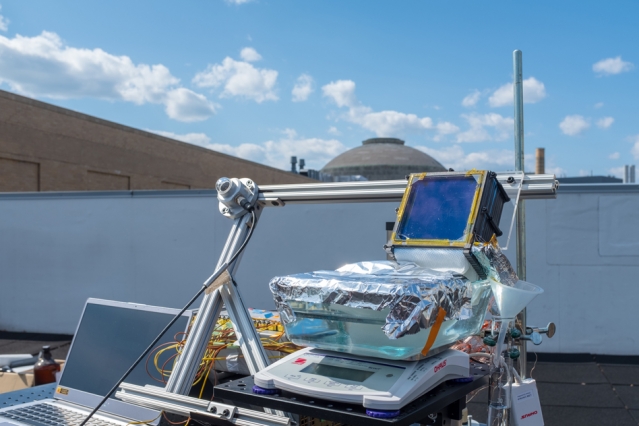
A completely passive solar-powered desalination system developed by researchers at MIT and in China could provide more than 1.5 gallons of fresh drinking water per hour for every square meter of solar collecting area. Such systems could potentially serve off-grid arid coastal areas to provide an efficient, low-cost water source.
-
ARIES - Artificial Intelligence for Ecosystem Services
ARIES is a networked software technology that redefines ecosystem service assessment and valuation for decision-making. The ARIES approach to mapping natural capital, natural processes, human beneficiaries, and service flows to society is a powerful new way to visualize, value, and manage the ecosystems on which the human economy and well-being depend.
-
Nike’s chief design officer on why the company is going all in on sustainability (inputmag)
"This is a fundamental pivot in the way we design and think, from how we source materials to how we make profit." - John Hoke, Nike’s chief design officer

-
How do closed-loop ecosystems recycle waste? – AskNature Nuggets
Found via "Business Models: from Linear to Circular to Regenerative" by Desiree Driesenaar
-
Planting 1 trillion trees might not actually be a good idea (The Verge)
The World Economic Forum’s plan to plant 1 trillion trees is backed by controversial science. A study that claims 1 trillion trees can significantly reduce greenhouse gases, is disputed. “People are getting caught up in the wrong solution,” says Forrest Fleischman, who teaches natural resources policy at the University of Minnesota and has spent years studying the effects of tree planting in India. “Instead of that guy from Salesforce saying, ‘I’m going to put money into planting a trillion trees,’ I’d like him to go and say, ‘I’m going to put my money into helping indigenous people in the Amazon defend their lands,’” Fleischman says. “That’s going to have a bigger impact.”
-
Parts of a realistic life cycle for soy biodiesel production - Screenshot from openLCA using processes (represented through boxes) from LCA Commons.
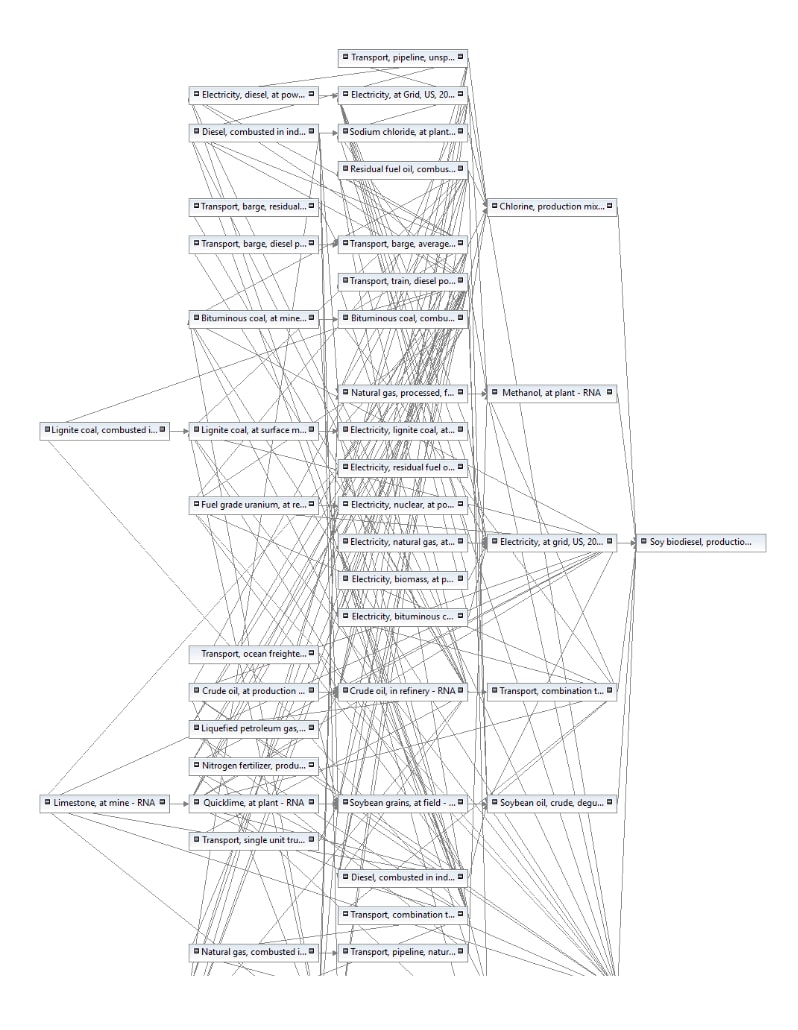
Life Cycle Assessment, LCA, own claims“Holistic”“Science based”„Avoidsburden-shifting“