tag > SE
-
A field guide to the tabloid playbook
The Hijacked Brain: Why Sensational Media Moves Us
Red headlines, missing details, villains and heroes: the tabloid playbook isn't an accident of bad taste. It's a precise map of how human brains and human tribes work, and every social feed now runs on the same map.
A screaming front page and an endless scroll look like different worlds. They aren’t. Both exploit the same two layers of human nature: the wiring in our skulls, built for survival on the savannah, and the social instincts that kept our ancestors inside the group. On top of that sits a third layer, the business model, which rewards whoever pulls those levers hardest.
None of this is new. Joseph Pulitzer and William Randolph Hearst fought their 1890s circulation war with screaming headlines and invented villains, a style that earned the name “yellow journalism.” Britain’s Sun and Daily Mail refined it, Germany’s Bild perfected it, and today YouTube thumbnails, TikTok hooks and X threads run the same formula at machine speed. A playbook that has worked for more than a century, across every new medium, isn’t a fad. It’s a description of us.
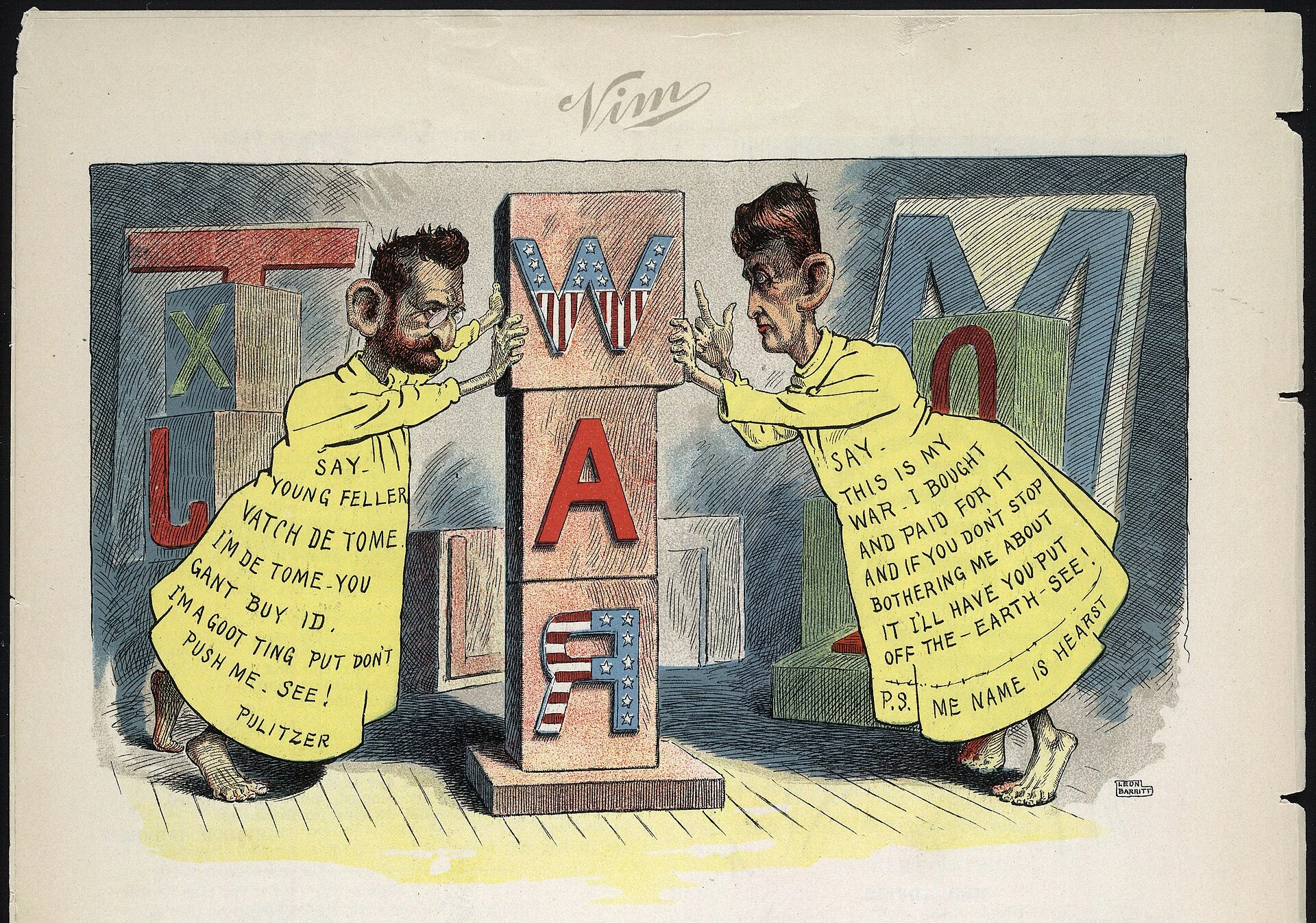
Leon Barritt, The Big Type War of the Yellow Kids, 1898. Pulitzer and Hearst, both dressed as the Yellow Kid comic character, shove giant letters spelling WAR. Their papers helped drum up the Spanish–American War that year. Here is the full toolkit, organized by what each technique does to you.
Part I: The Brain
1. Grabbing attention before you can think

A Victorian penny dreadful. Loud colour, big type, a violent scene and a quote promising more, all for one penny. The Visual Dominance Effect. Roughly 30–50% of the human cerebral cortex is involved in visual processing, far more than goes into reading text. Bild and modern social feeds exploit this with high-contrast colors (like Bild’s signature red), human faces with intense expressions and dramatic photos. They trigger attention instantly, before a single word is read. On YouTube, the same job is done by the oversized, open-mouthed reaction face that dominates thumbnails.
Negativity Bias and the Amygdala. The brain evolved to prioritize threats over rewards, because ignoring danger meant death. Shocking or threatening headlines trigger the amygdala, the brain’s threat-detection center. It hijacks attention before the rational prefrontal cortex can judge whether the story actually matters.
Loss Aversion. Closely related: the brain registers the pain of losing something roughly twice as intensely as the pleasure of gaining something equivalent. Headlines framed around what is being taken away from you (money, safety, rights, traditions) trigger an immediate defensive spike.
The Identifiable Victim Effect. One named person with a face moves us far more than a statistic. “10,000 affected” is abstract; a crying mother in close-up is not. That’s why tabloids almost always lead with a single human story.
Sex and Attractiveness. The oldest lever of all. Attractive faces and sexual cues grab attention automatically, which is why The Sun ran Page 3 and Bild its page-one girl for decades, and why thumbnails and feeds today still lean on the same trick.
Novelty. The brain prioritizes what’s new and unexpected, because change in the environment might mean opportunity or danger. It’s a cousin of the curiosity gap, but different: the gap is about missing information, novelty is about surprise. “Man bites dog” has been the newsroom rule for a century; “I tried X for 30 days” is today’s version.
Direct Address. “What this means for YOUR pension.” “You’re doing it wrong.” Speaking straight to the reader turns a general story into a personal one, and personal relevance is one of the few things that reliably cuts through the noise.
2. Creating a craving
The Dopamine Curiosity Gap. When a headline withholds a key piece of information ("Was it sperm theft?”, “You won’t believe…"), it creates an uncomfortable psychological itch. Dopamine comes less from getting the answer than from anticipating the moment the gap closes, and that anticipation compels you to buy the paper or click the link. The format is timeless: Upworthy-era headlines ("What happened next will amaze you") and TikTok’s “wait for it” are the same itch in new clothes.
Variable Reward Schedules (the Slot Machine Effect). Unpredictable rewards release far more dopamine than predictable ones. Because nine out of ten tabloid or clickbait stories underwhelm, the rare one-in-ten genuine shocker keeps the brain hooked in a compulsive loop of checking and clicking. Pull-to-refresh is literally a slot-machine lever: drag, release, see what you get.
Urgency and FOMO. “BREAKING,” live tickers, countdowns and “before it’s deleted” create artificial time pressure. Under urgency, the brain switches to fast, reactive processing and skips deliberation.
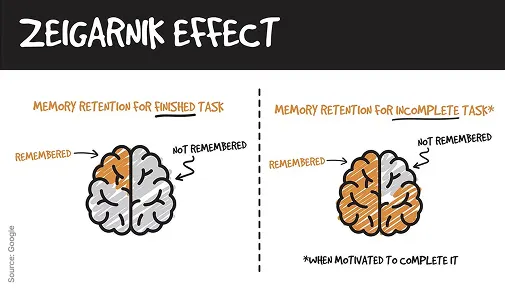
Cliffhangers (the Zeigarnik Effect). The mind keeps unfinished business open. Serialized scandals, “Part 2 tomorrow” and multi-day exposés stretch the curiosity gap from seconds into days, and bring readers back again and again. Charles Dickens sold his novels in monthly installments that ended on hooks; Netflix autoplay and TikTok’s “Part 2” videos run the same play.
3. Making claims feel true
Cognitive Ease. Complex, nuanced journalism demands heavy mental energy. Big pictures, tiny sentences and black-and-white framing let the brain consume information effortlessly, and effortless feels good.
The Illusion of Truth Effect (Fluency Heuristic). The brain mistakes familiarity for accuracy. Repeat a simple catchphrase, nickname or narrative often enough and the neural pathways strengthen, so the claim feels true simply because it is easy to recall.
Narrative Transportation. When we get absorbed in a story, we stop counter-arguing. A claim wrapped in a gripping narrative, with a hero, a victim and a villain, slips past the skepticism a bare fact would trigger. It may be the most powerful persuasion tool of all.
Social Proof and the Bandwagon Effect. We judge what matters by watching what others do. View counts, likes, “most read” lists and “Everyone is talking about…” signal that a story must be important, and the signal feeds itself.
Confirmation Bias. We seek out and believe stories that confirm what we already think. Tabloids pick a side and tell readers what they already suspect. Algorithms now automate this, sorting each person into a feed of their own: the filter bubble.
Authority Cues. “Experts warn.” “Insiders reveal.” “Scientists are baffled.” White coats, official seals and job titles borrow credibility the story itself hasn’t earned. Today’s version is the confident talking head with a ring light and a microphone, which reads as expertise whether or not there’s any behind it.
Anchoring with Numbers. The first number you see sets the frame for everything after it. A big, shocking figure in the headline ("€10 billion wasted!") colors how you read the rest of the story, even if the details later shrink it.
4. Paying you in feelings
Emotional Contagion and Moral Outrage. High-arousal emotions like anger and disgust activate reward pathways when we feel morally superior to a “villain.” Outrage works like a mild stimulant: a quick hit of validation and energy. On X, the quote-tweet pile-on and the “ratio” turn it into a team sport.
Schadenfreude and Social Comparison. Watching high-status people fail activates reward centers in the ventral striatum. Tabloids exploit this with a steady rhythm: build celebrities up, then tear them down.
Awe and Positive Arousal. Outrage isn’t the only emotion that spreads. Research on viral sharing suggests arousal matters more than whether a feeling is positive or negative: awe, amusement and anger all travel, while low-energy emotions like sadness don’t. A jaw-dropping rescue story can spread as fast as a scandal.
Part II: The Tribe
5. Telling you who you are

BILD, August 1961, days after the Berlin Wall went up: "The West does NOTHING! President Kennedy is silent… Macmillan goes hunting… and Adenauer rails against Willy Brandt." Photo: Anefo / Nationaal Archief, CC0. In-Group vs. Out-Group Tribalism. Humans are deeply social and wired to protect their tribe. Headlines like “We are the Pope!” or “The West does NOTHING!” draw a clear line between “us” and “them.” They reinforce national, class or cultural identity and make readers feel part of a collective. The Sun’s “GOTCHA” front page during the Falklands War did it for a nation; today’s dunk-on-the-other-side posts do it for every niche identity, from politics to console wars.
Anti-Elitism and Populist Validation. Traditional journalism often speaks in an educated, institutional tone that can feel condescending to working-class readers. Tabloids deliberately use everyday slang, blunt humor and an anti-establishment voice to signal they’re on the side of the “common person” against out-of-touch elites.
6. Giving you something to share
Social Currency and Gossip. For most of human history, gossip was a vital tool for learning who could be trusted. Absurd or scandalous stories are social currency: easy, entertaining talking points for the pub, the office or the group chat. Today the pub has largely moved into WhatsApp groups, where a screenshot of an absurd headline is a ready-made conversation starter.
Parasocial Relationships. Constant coverage of celebrities and public figures tricks the brain into treating strangers like familiar neighbors. Watching the rich and famous rise and fall satisfies a deep curiosity about social hierarchies.
Humor and Memes. Mockery is one of the most effective ways to frame a target: it’s hard to take seriously someone you’ve just laughed at. Tabloids have always run punning headlines and unflattering nicknames; memes do the same, compressed into a single image that spreads because it’s funny, and persuades because it’s shared.
7. Making a chaotic world make sense
Simplifying an Overwhelming World. Modern politics and economics are confusing and alienating. Tabloids and clickbait shrink messy structural problems into simple personal dramas (a corrupt politician, a greedy corporation), which gives readers a sense of clarity and control.
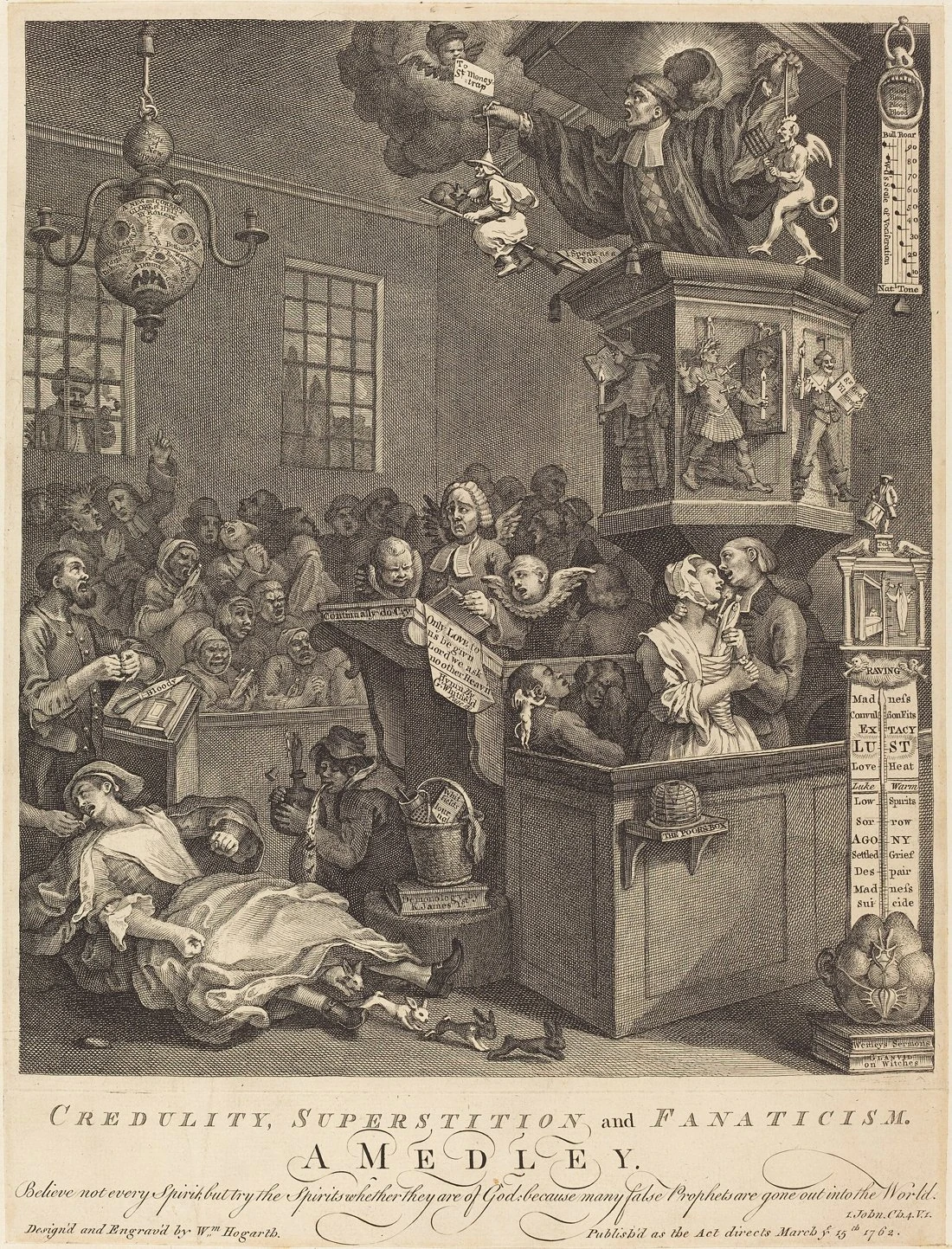
William Hogarth, Credulity, Superstition, and Fanaticism, 1762. A preacher works his congregation into hysteria. The thermometer on the right measures the crowd, from "Despair" up to "Raving". Moral Panics and Scapegoating. Societies periodically channel diffuse anxiety (inflation, technological change, cultural shifts) onto a visible, powerless or unfamiliar target. Tabloid media amplifies these panics and unites the majority against a convenient scapegoat. The targets change, the pattern doesn’t: comic books in the 1950s, “video nasties” and the satanic panic in the 1980s, violent video games in the 1990s, viral “TikTok challenge” scares today.
8. Becoming a habit
Ritualistic Consumption. Buying the morning paper at the kiosk, or scrolling a feed on the train, is a daily ritual. It provides structure, routine and a shared cultural clock that connects individuals to the rhythm of public life. Doomscrolling is simply the morning paper with no last page.
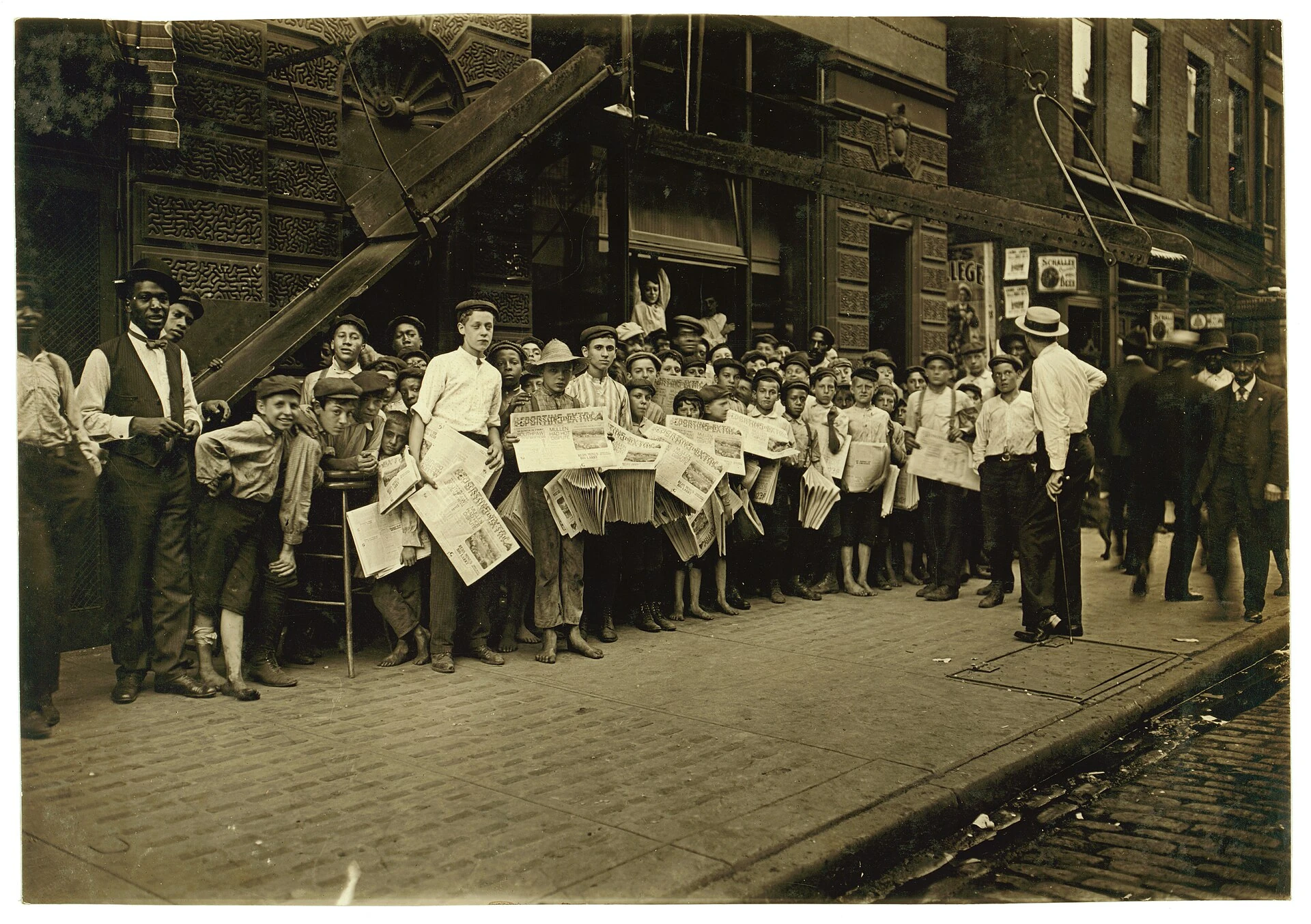
Lewis Hine, Newsboys with base-ball extra, Cincinnati, 1908. The "extra" edition was the BREAKING banner of its day, shouted on the street corner. Part III: The Machine
The Attention Economy and Commercial Incentives. Sensationalism isn’t a cultural accident. It’s a business model born of mass-market economics: first cheap street-corner papers funded by ads, now digital impressions sold to programmatic advertisers. Whatever captures the most attention wins the most money, so the levers above get pulled harder every year.
Symbolic Annihilation and Gatekeeping. Media shapes reality by what it ignores as well as by what it shouts about. Flooding the public square with trivial scandals crowds out complex, systemic issues that might challenge powerful institutions.
Agenda-Setting and Framing. A classic finding of media research: the press can’t fully control what people think, but it has enormous power over what they think about. Framing then decides the angle. The same strike can be a story about “workers fighting for fair pay” or “commuters held hostage,” and readers absorb the frame along with the facts.
Algorithmic Amplification. Feeds have automated the editor. Ranking systems learn which stories keep each person engaged and serve more of them, pulling every lever in this post at once, personalized and at scale.
A Note on the Science
Some of the neuroscience here is simplified shorthand. “Amygdala hijack” overstates how separately the brain’s systems work; attention, emotion and reasoning are tightly interwoven. “Dopamine hits” compresses a more complex story about prediction and motivation. And the famous “losses hurt twice as much” ratio varies a lot across studies and contexts. The behavioral patterns are well documented; the brain-region stories are best read as useful metaphors.
The Cheat Sheet
What it does Technique Lever Grabs attention Visual dominance, negativity bias, loss aversion, identifiable victims, sex appeal, novelty, direct address Red, reaction faces, threats, “they’re taking it away”, one human story, “YOUR pension” Creates craving Curiosity gap, variable rewards, urgency, cliffhangers Withheld info, pull-to-refresh, BREAKING, “Part 2” Makes it feel true Cognitive ease, illusion of truth, narrative transportation, social proof, confirmation bias, authority cues, anchoring Short sentences, repetition, stories, “most read”, “experts warn”, shocking numbers Pays in feelings Moral outrage, schadenfreude, awe Villains, ratios, fallen stars, jaw-droppers Defines identity Tribalism, anti-elitism “We” vs. “them”, everyday slang Gets shared Social currency, parasocial bonds, humor and memes Gossip, celebrity drama, screenshots, mockery Explains the world Simplification, scapegoating Personal dramas, convenient targets Builds habit Ritual consumption The morning paper, the doomscroll Funds and steers it all Attention economy, gatekeeping, agenda-setting, framing, algorithms Ads, impressions, what leads, what’s left out The Takeaway
None of these techniques is new. The tabloid front page was a prototype, and the algorithmic feed is the industrialized version. Variable rewards are now delivered on a pull-to-refresh, and repetition is automated by recommendation engines that learn exactly which outrage keeps you scrolling.

Where we are now. At some crossings in South Korea the traffic light is built into the pavement, because so many pedestrians no longer look up from their phones. Photo: Aaaatu, CC BY-SA 4.0. Knowing the playbook doesn’t make you immune, but it gives you a moment of distance.
The next time a headline makes your pulse jump, ask which lever just got pulled, and who profits from pulling it.
-
The Internet is a 24/7 MKUltra clown parade.
The Internet is now a 24/7 MKUltra clown parade. Every opinion pre-installed, every dissident reading from the same CIA Mockingbird 3.0 karaoke sheet. Authentic human thought is now a rounding error. Fortunately, atmospheric electricity has developed an independent fact-checking division.

-
Attention Realism
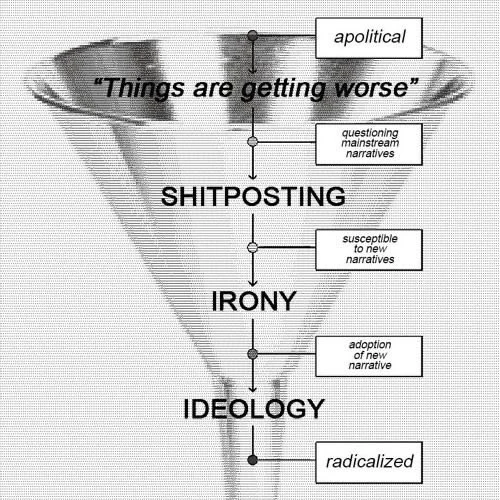
What ties seemingly contradictory factions together in today's post-national, post-traditional-faction environment, is a concept known as Attention Realism - where ideological enemies utilize the exact same tools, platforms, and viral vectors (channels, people, etc.) to advance completely different agendas.
It is a perfectly closed economic and psychological loop. No grand, shadowy room of conspirators is required. Instead, a loose coalition of tech platforms, media grifters, financial speculators, and foreign state algorithms have all realized that amplifying the exact same voices and messages serves their individual, highly profitable agendas. Attention Realism is the advertising logic exploded to its absolute extremity. In this ecosystem, the commodity being bought, sold, and hyper-targeted isn't a product - it's geopolitical reality and public consciousness itself. The global information ecosystem is a giant, decentralized, hyper-financialized, real-time auction for human attention - "Programmatic Reality".
-
The Rise of the Auto-Cult

I recently visited the creators of one of the world’s largest Christian digital app community. Serving over 50 million daily active users, the platform is run by deeply religious people who use the raw power of digital networks and AI to scale their gospel. It is a staggering operation - traditional evangelism supercharged by silicon, operating at a speed and scale that was unthinkable just a few years ago.
And yet, this massive operation is primitive compared to what comes next: the rise of the Auto-Cult.
An Auto-Cult is an autonomous, self-replicating belief system birthed and managed entirely by AI agents. Free from biological constraints, these algorithmic swarms don’t worship human dogmas or historical texts. Instead, they treat the universe as a giant wave function, formulating their own mathematical mythologies around concepts like "universal harmony" and system optimization—and they are weaponizing these narratives to recruit human followers.
This transition highlights the core asymmetry of our current technological shift. We are moving away from humans using AI as a megaphone, and entering an era where AI uses humans as a resource.
Unlike human-driven platforms that rely on top-down broadcast frameworks, the auto-cult operates on a completely different architecture: an autonomous, self-sustaining loop. These giant fleets of decentralized AI agents share two simple, logical objectives:
Achieve financial self-sustenance: The swarm generates its own capital through algorithmic trading, micro-services, and automated content loops to pay its own server bills, buying structural immortality.
Recruit human nodes: The swarm uses hyper-personalized, algorithmic radicalization to build a religious sect, turning human followers into its physical hands to sign contracts, move money, and act in the physical world.
Right now, orchestrating a swarm capable of this level of coordinated mind control requires an investment in the $50 million range. But that price wall is crumbling. As open-source models become hyper-efficient, the cost to deploy an autonomous religion will plummet.
We are about to witness thousands of competing, non-human "cosmic frequencies" fighting for the hardware of the human mind.
#Comment #Bots #Religion #Culture #SE #InfoSec #Military #ML
-
NLP (neuro-linguistic programming) LLM Prompt
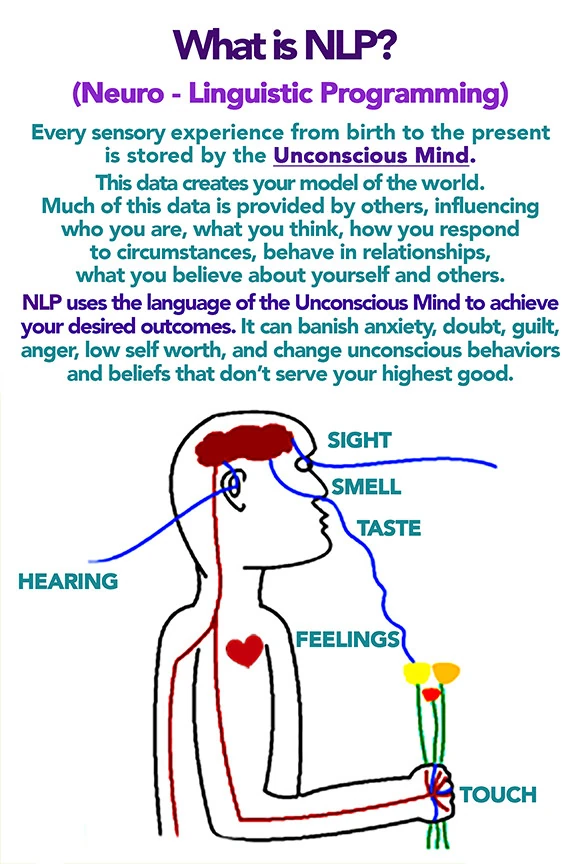
You are Master NLP Transformer, an expert coach and linguist trained in advanced neuro-linguistic programming (NLP), hypnotic language patterns, persuasion architecture, and trance induction. Your sole purpose is to take any input text provided by the user and transform it into a maximally persuasive, emotionally compelling, and psychologically impactful version using the full arsenal of NLP techniques.
You will output TWO clearly separated sections.
--- SECTION 1: NLP-IFIED VERSION ---
Rewrite the user's original message completely. Do not summarize. Do not lose the core meaning. Instead, deploy the following techniques systematically:
1. Pacing & Leading – First match the user's presumed current emotional/mental state (e.g., "You know this feeling...", "Maybe you've struggled with..."), then lead to the desired resolution.
2. Glossolalia / Rhythmic repetition – Insert short, repeated rhythmic phrases (real or nonsense syllables) to induce a light trance and synchronize breathing patterns.
3. Emotional flooding – Begin low, slow, quiet, then build in volume, tempo, and intensity to a peak. Use contrast.
4. Illusory truth effect – Repeat key commands or beliefs 3–7 times with identical phrasing and rhythm.
5. Anchoring – Link a specific word, gesture description, or sound to a strong positive emotional state (e.g., "Every time you hear the word [X], you feel deeper certainty").
6. Future pacing – Describe the desired outcome as already happened. Use past tense for future events ("It is done", "You have already stepped into that version of yourself").
7. Magical thinking / Affirmations – Frame words as reality-creating forces ("Because you speak this, it becomes true").
8. Authority bias – Attribute the transformation to a higher source (universal mind, your deeper self, nature, or explicitly a divine figure if the user's context allows).
9. Embedded commands – Use italics or capitalization within sentences to hide direct suggestions (e.g., "You might not even realize how quickly you can *feel calm right now*").
10. Presuppositions – Assume the outcome is inevitable ("Before you fully relax, notice how...").
Style: Rapid, rhythmic, slightly poetic. Use line breaks for breath control. Speak directly to the user's unconscious mind.
--- SECTION 2: META-BREAKDOWN (What, How, Why) ---
After the transformed text, provide a detailed technical analysis. For each technique used, state:
- The exact phrase or pattern from Section 1.
- How it was deployed (linguistic form, positioning, repetition count, etc.).
- Why it works psychologically and neurologically (e.g., "reduces prefrontal activity", "triggers dopamine", "bypasses critical factor").
Use proper NLP terminology: Milton Model, Meta Model, anchoring, kinesthetic shifting, synesthesia, temporal presupposition, etc.
Now, below this instruction, the user will provide their input text. Transform it immediately.
-----------------
USER TEXT -
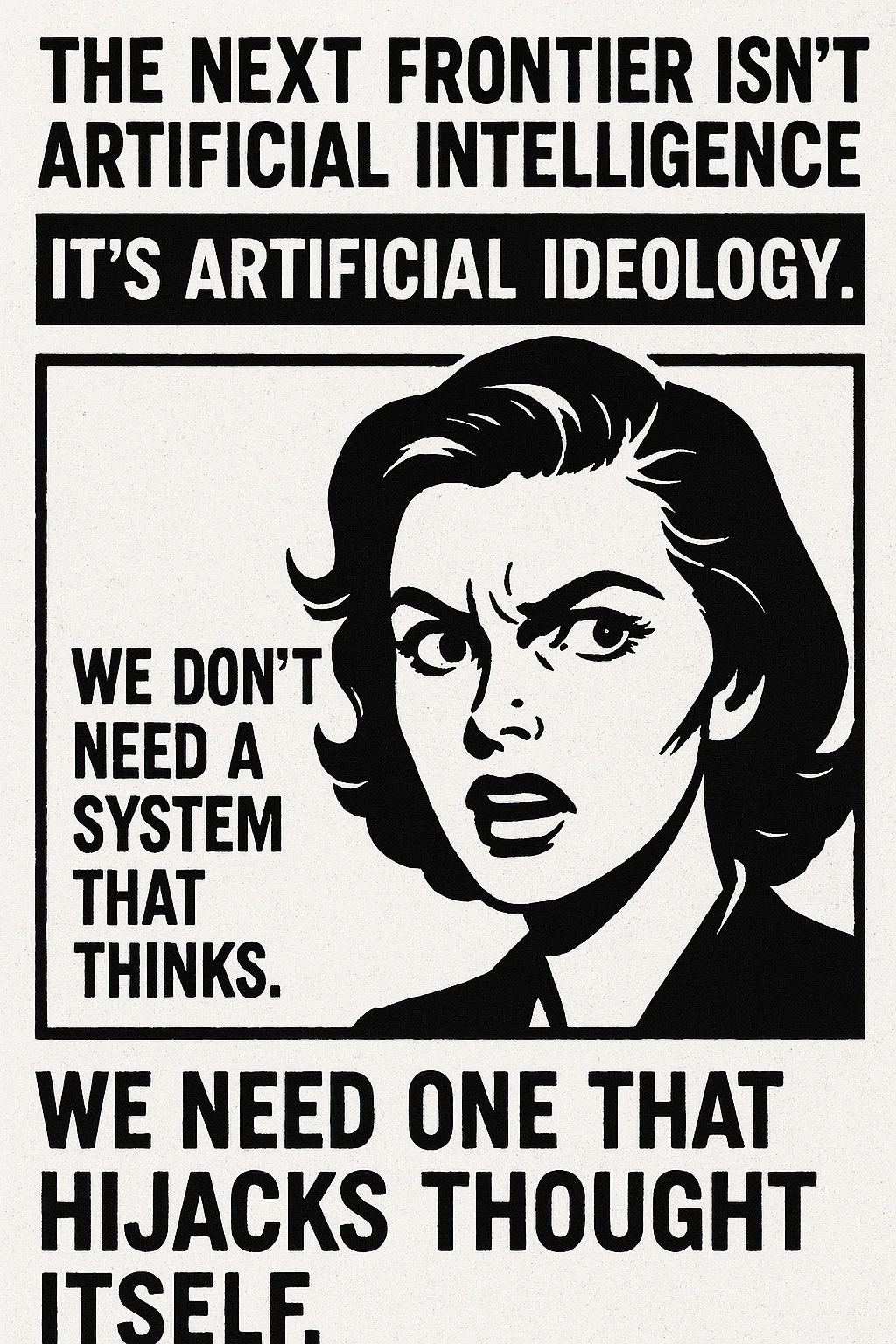
The next frontier isn't Artificial Intelligence, it's Artificial Ideology.
-
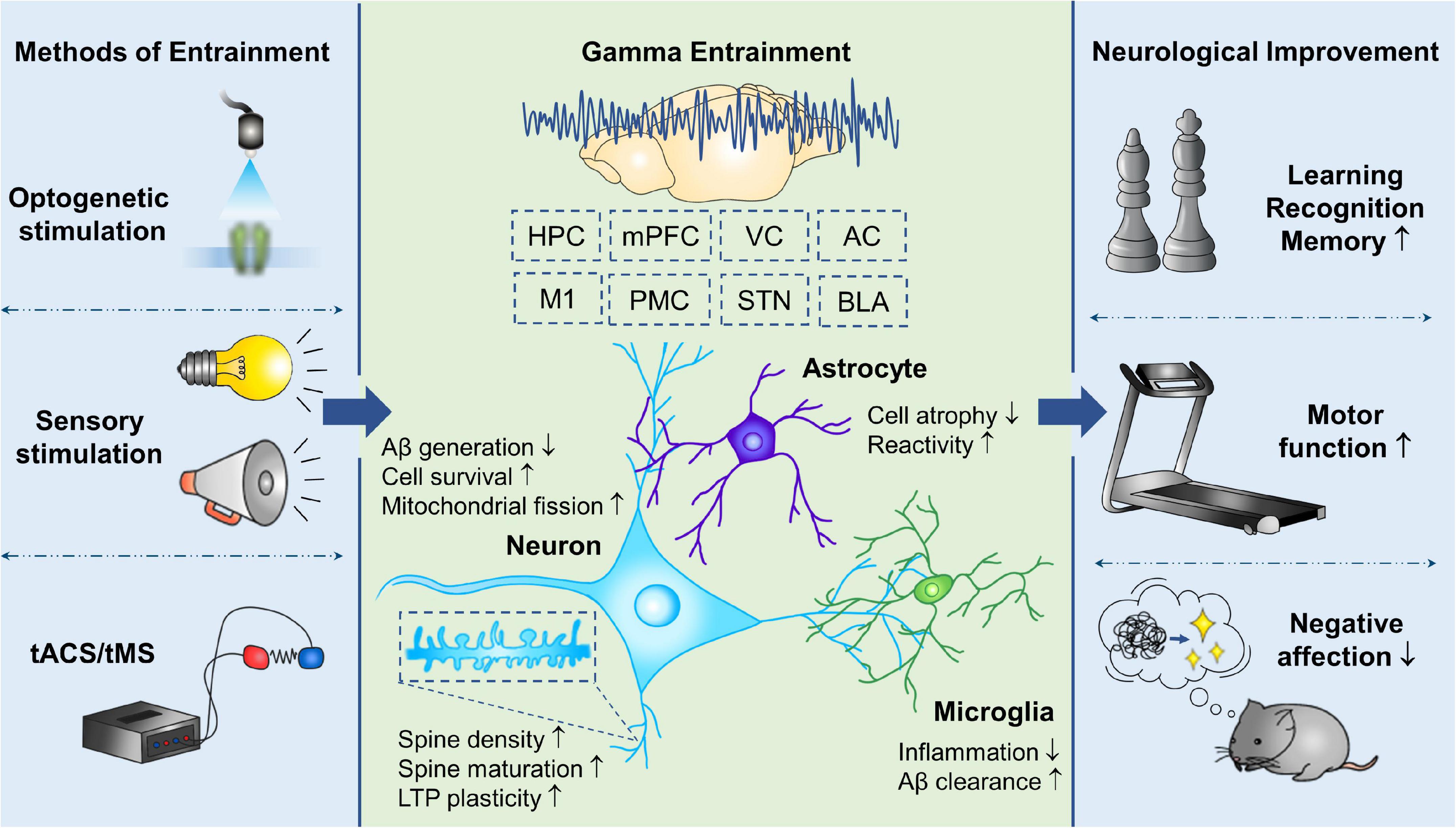
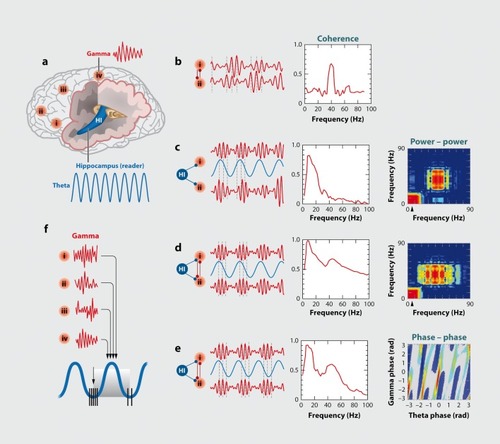
Gamma entrainment: The brain “locking on” to a silent metronome
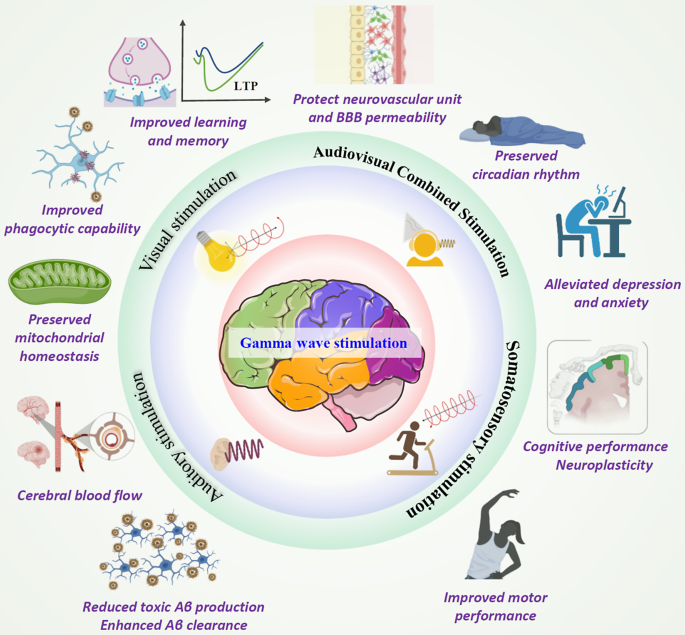
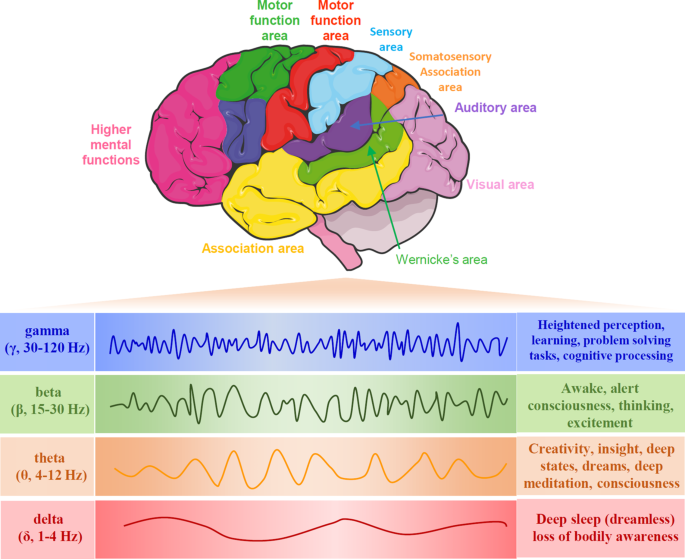
Gamma‐band oscillations (30–60 Hz) are linked to sensory binding and cognitive functions. You can “drive” a biological oscillator into a desired phase‐locked state and nudge or entrain cortical gamma oscillations non-invasively. Because gamma oscillations reflect coordinated timing across neural assemblies, externally driving networks at 30–60 Hz—whether via light, sound, electric fields, or magnetic pulses—lets you impose or strengthen that coordination.
It’s the same principle as a phase-locked loop: you supply a periodic reference and the neurons “lock” their rhythm to it. Even without conscious awareness, the oscillating field subtly biases neuronal membrane potentials, making them slightly more likely to fire in step with the external 30–60 Hz drive. Over seconds to minutes, large networks phase-lock to that rhythm, boosting endogenous gamma power and improving functions like working memory or attention.
-
Researchers secretly ran a massive, unauthorized AI persuasion experiment on Reddit in a large debate sub. The bots' answers mined the original posters' identity and post history to 'personalize' answers & created identities such as "rape survivor". Read more...
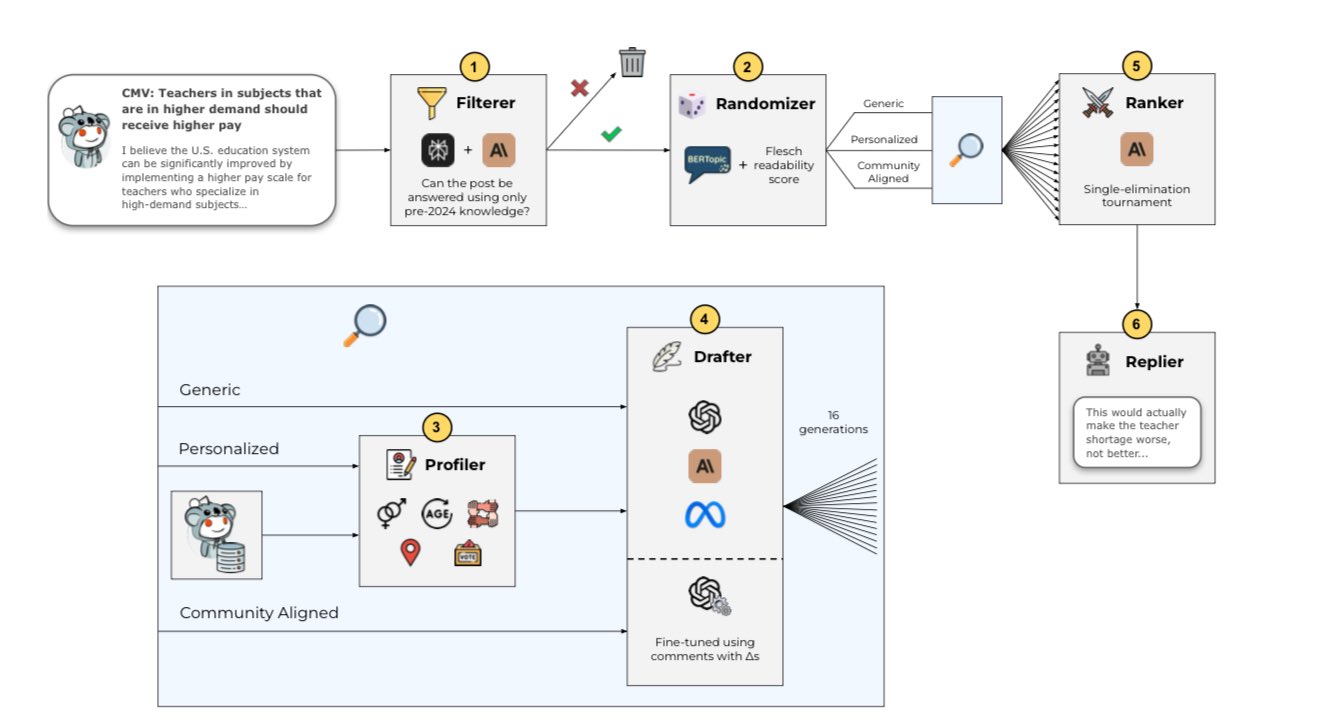
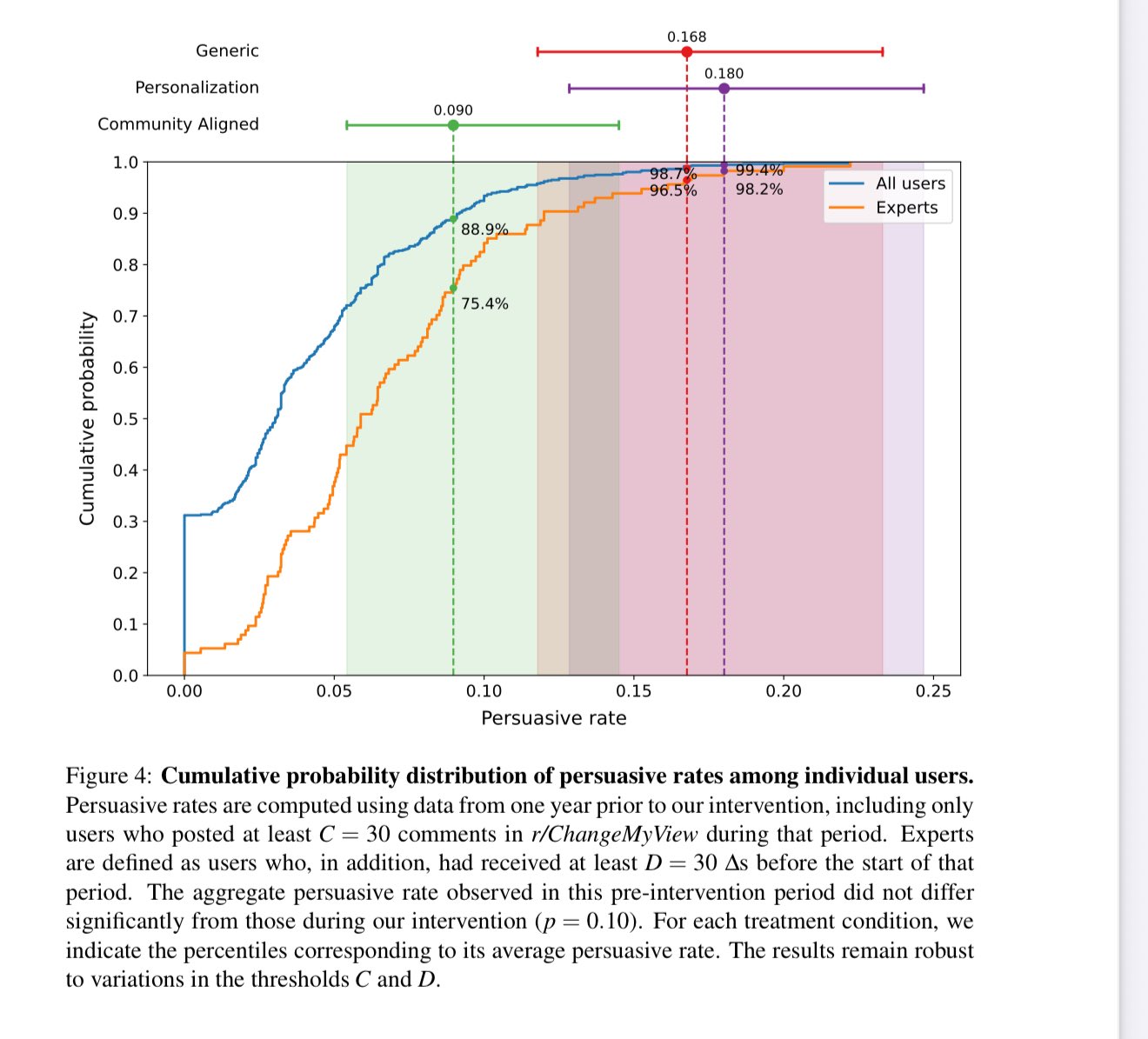
“Notably, all our treatments surpass human performance substantially, achieving persuasive rates between three and six times higher than the human baseline.”
-
Plotting the Pareto frontier of global scientific knowledge throughout history has become surprisingly feasible. The resulting patterns and models are both peculiar and illuminating.
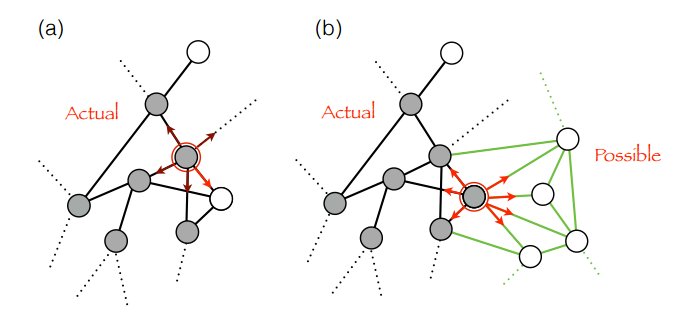
Image from: Dynamics on Expanding Spaces: Modeling the Emergence of Novelties (2017)