-
Industrial Ecology Data Commons Prototype (IEDC)
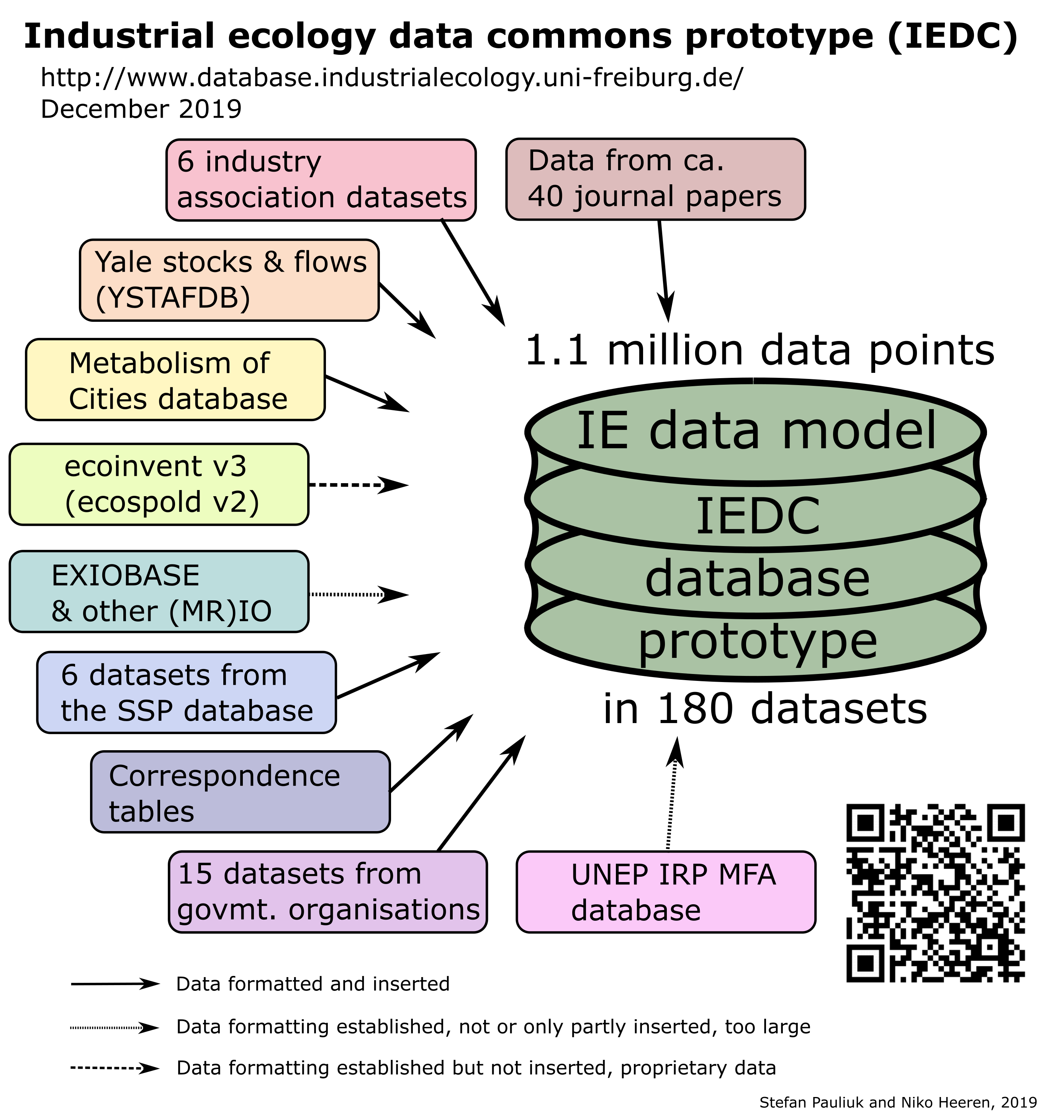
This database contains more than 180 IE-related datasets from the literature, including stocks, flows, process descriptions, IO tables, material composition of products, and many more. All data are structured according to a newly developed general data model for socioeconomic metabolism. We want to show how data storage and exchange in sustainability science could look like in the future and developed some of the building blocks of the required infrastructure. The database is open and documented in a public GitHub repository.
-
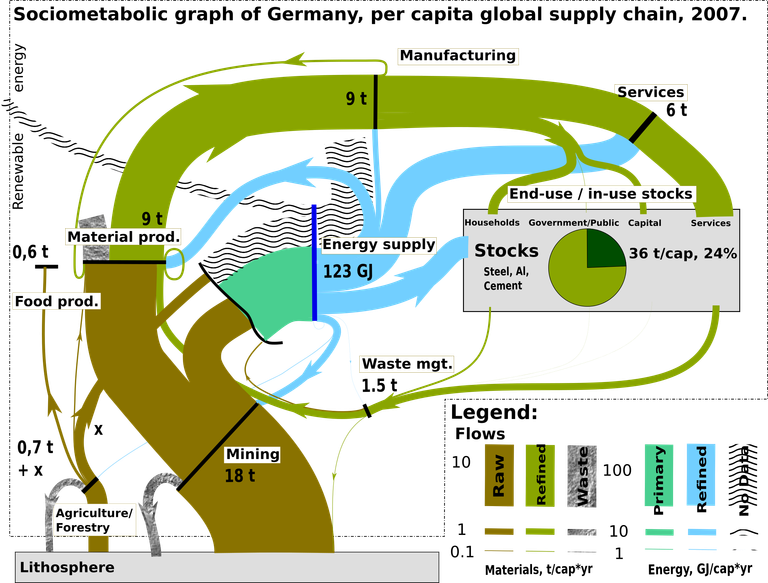
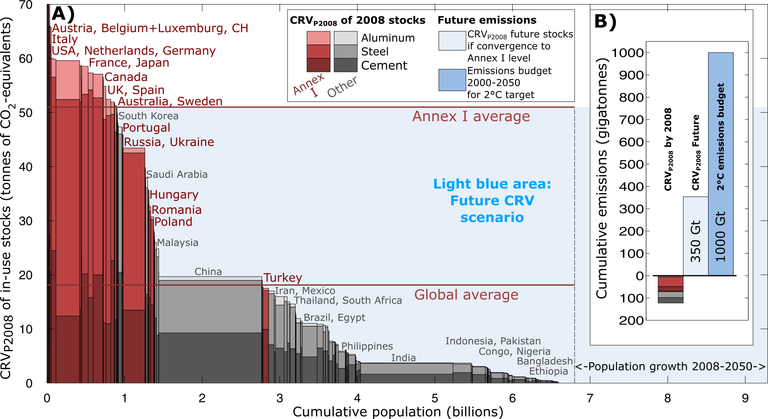
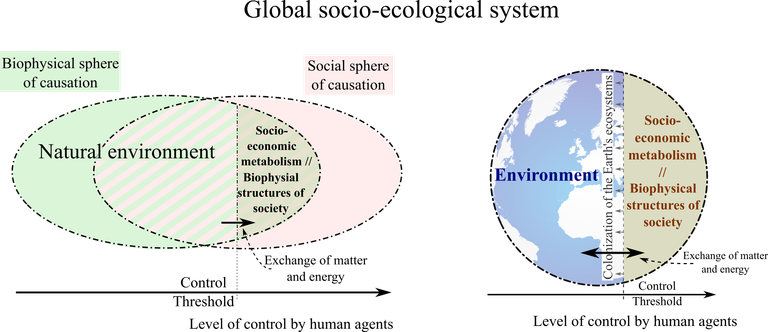
A sustainable society is the result of many different development strategies. These strategies include technical solutions like electric vehicles and renewable energies but also economic incentives, legal regulations, and changing social norms. Together, these strategies will transform society's biophysical basis to a more sustainable state. We help to design this transformation by estimating the maximal global emissions savings potential of specific strategies, by assessing their consequences on humans, industry, and nature, and by studying interactions between strategies. We model the biophysical basis of society as complex industrial ecosystem, focusing on industrial processes, especially those for metal production and refining, as the metal industries alone account for about one third of all industrial greenhouse gas emissions.
-
Basics of Material Flow Analysis & Dealing with Uncertainties - by Oliver Cencic
Open Material Flow Analysis with STAN - by Oliver Cenčič
Dynamic Material Flow Analysis with Python - by Stefan Pauliuk
Paper: Material Flow Analysis with Software STAN - by Oliver Cencic & Helmut Rechberger
-
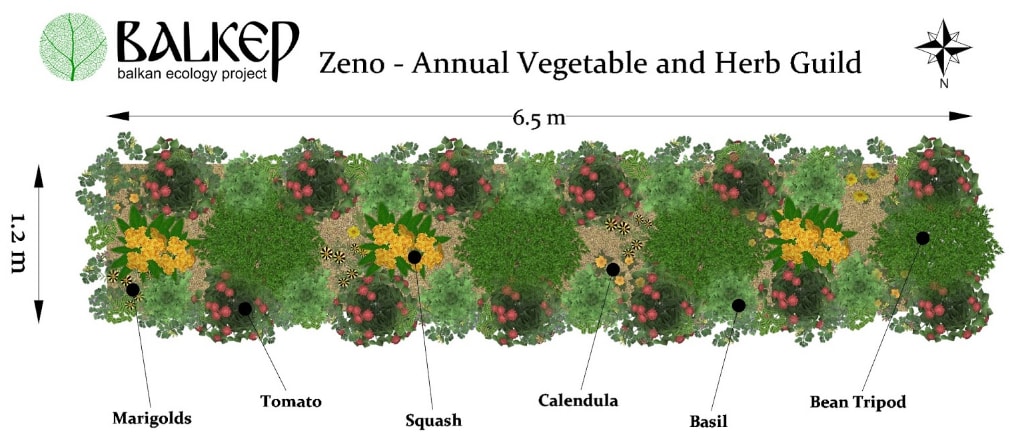
The Polyculture Market Garden Study (2019)
The Polyculture Market Garden Study looks at the differences between growing annual vegetables and herbs in polycultures vs growing them in traditional blocks.
-
On the doorstep - by Kyla Fisher
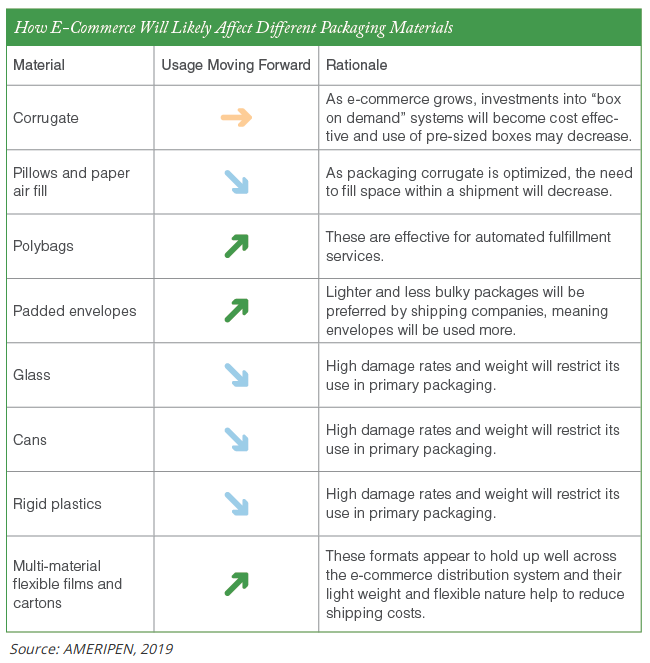
"E-commerce packaging has already disrupted the materials recovery system, but the seismic shopping shift is still in its early stages. Here's how the recycling industry can start planning for more changes to be delivered soon."
-
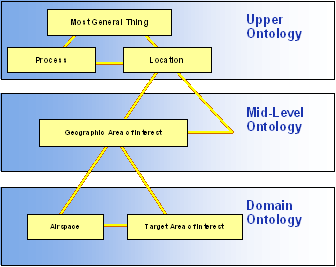
"In information science, an upper ontology is an ontology which consists of very general terms (such as "object", "property", "relation") that are common across all domains. An important function of an upper ontology is to support broad semantic interoperability among a large number of domain-specific ontologies. Terms in the domain ontology are ranked under the terms in the upper ontology, e.g., the upper ontology classes are superclasses or supersets of all the classes in the domain ontologies."
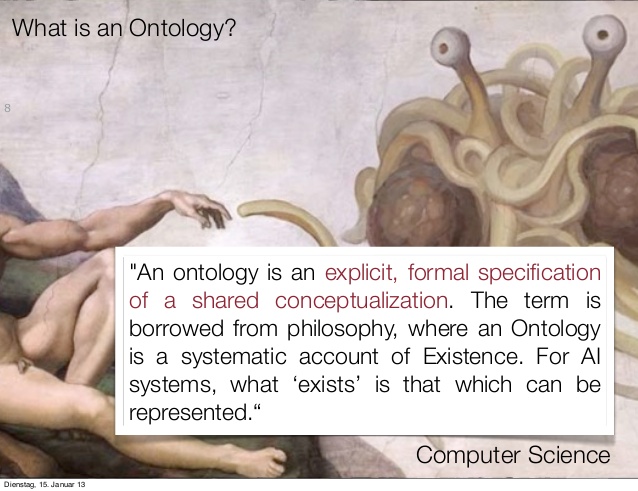
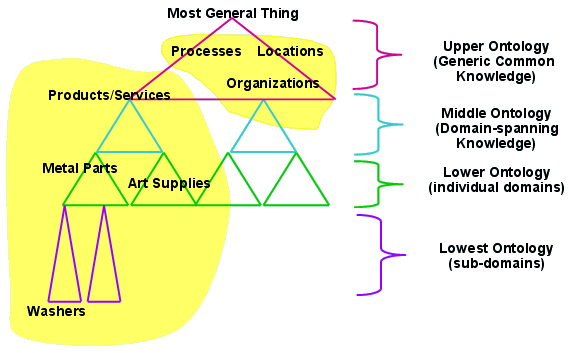
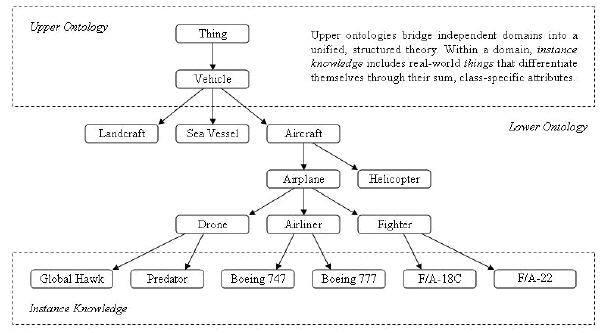
Image from the presentation "Semantic Web Technologies - Ontological Engineering"
-
Entrance gate of Haruna shrine, Gunma, Japan (榛名神社). Photo by 小梨怜さん

-
Climate threats now dominate long-term risks, survey of global leaders finds
"Long-term risks from climate change now outweigh those from cyberattacks, pandemics, geopolitical conflict and weapons of mass destruction, decision-makers say. [...] From wildfires in Australia, Brazil and California to worsening storms, floods and droughts, "all key indicators point that this is a situation that's bad and it's getting worse," said John Drzik, chairman of Marsh & McLennan Insights, a global risk, insurance and professional services firm. [...] For instance, 370 investors managing $40 trillion in assets have now pledged to make their investments climate friendly."
"Peter Giger, chief risk officer for the Zurich Insurance Group, warned that "the longer we wait (to tackle climate change), the more painful the transition will be" because of the rapid plunge in emissions that delay would necessitate.
He pointed to the rapid disappearance of insect species around the world, including those that pollinate 75% of the world's crops, as a result of climate change and other pressures. If insects and the pollination services they provide disappear, "that's a catastrophic outcome" for food security and for business, Giger said. The breakdown of planetary systems has "true costs", he added."
Climate change will reshape markets, McKinsey warns (Financial Times)
"By 2030, all of the 105 countries assessed by McKinsey — which represent 90 per cent of global GDP — were likely to suffer from physical changes such as increased water stress, flooding or a greater number of people exposed to extreme heat, it said."
"The insurance sector is particularly vulnerable, according to the report. Insurers’ current cash reserves may be insufficient to account for future losses and they may not be able to raise premiums enough to cover the gap, McKinsey said. Given the importance of insurance in rebuilding after disasters, this mismatch could send shockwaves through the system.
"
"Supply chains and the locations of property development might also need to be rethought. The frequency of hurricanes threatening semiconductor manufacturers is projected to grow as much as fourfold by 2040, McKinsey said. “For unprepared downstream players . . . the revenue loss in a disaster year could be as high as 35 per cent,” the report states."
The six key points of BlackRock's letter to the world's most powerful companies (bbva)
“The evidence on climate risk is compelling investors to reassess core assumptions about modern finance,” says Fink in his letter, recognizing that it “has become a defining factor in companies’ long-term prospects.” In his view, all governments, companies and shareholders must take climate change into account.
-
Italian Operational Group supports nomadic beekeepers with digital tool
Italian beekeeper Michele Valleri is working with the Operational Group 'NOMADI-app' to test sensors on beehives, that send data directly from the hive to a regional network of beekeepers: “Aside from diseases, parasites, pesticides and other stressors that affect bee health, we increasingly have to face the effects of climate change. Every technology that can help us keep our bees in good health can be really helpful.”
-
Insecurity as a Service: Microsoft Fixes Windows Crypto Bug
"Microsoft has released a security update to fix a dangerous vulnerability that impact Windows 10 operating system. The bug was discovered and reported by the US National Security Agency. A spoofing vulnerability exists in the way Windows CryptoAPI validates Elliptic Curve Cryptography certificates, Microsoft said in a statement."
-
Lo Shu Square (洛书) is part of the legacy of ancient Chinese mathematical and divinatory (cf. the I Ching 易經) traditions, and is an important emblem in Feng Shui (風水), the art of geomancy concerned with the placement of objects in relation to the flow of qi (氣)
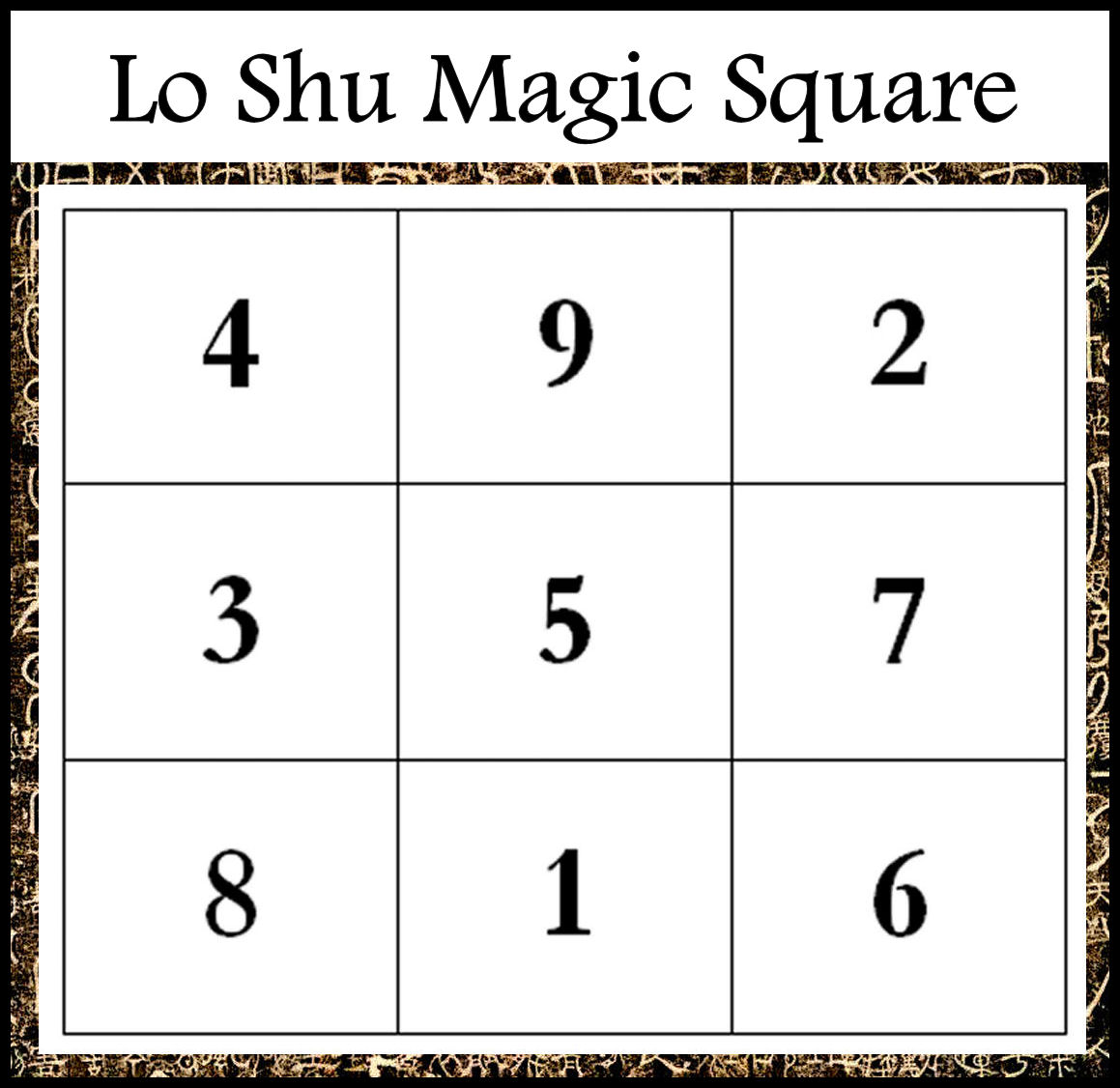
Image Source: https://benebellwen.com/2017/09/09/tinkering-bell-series-architecture-of-sacred-space-part-i/ 
Image Source: https://www.thespruce.com/feng-shui-magic-of-the-lo-shu-square-1274879 
Image Source: https://thoth-adan.com/blog/wholeness-and-spirituality 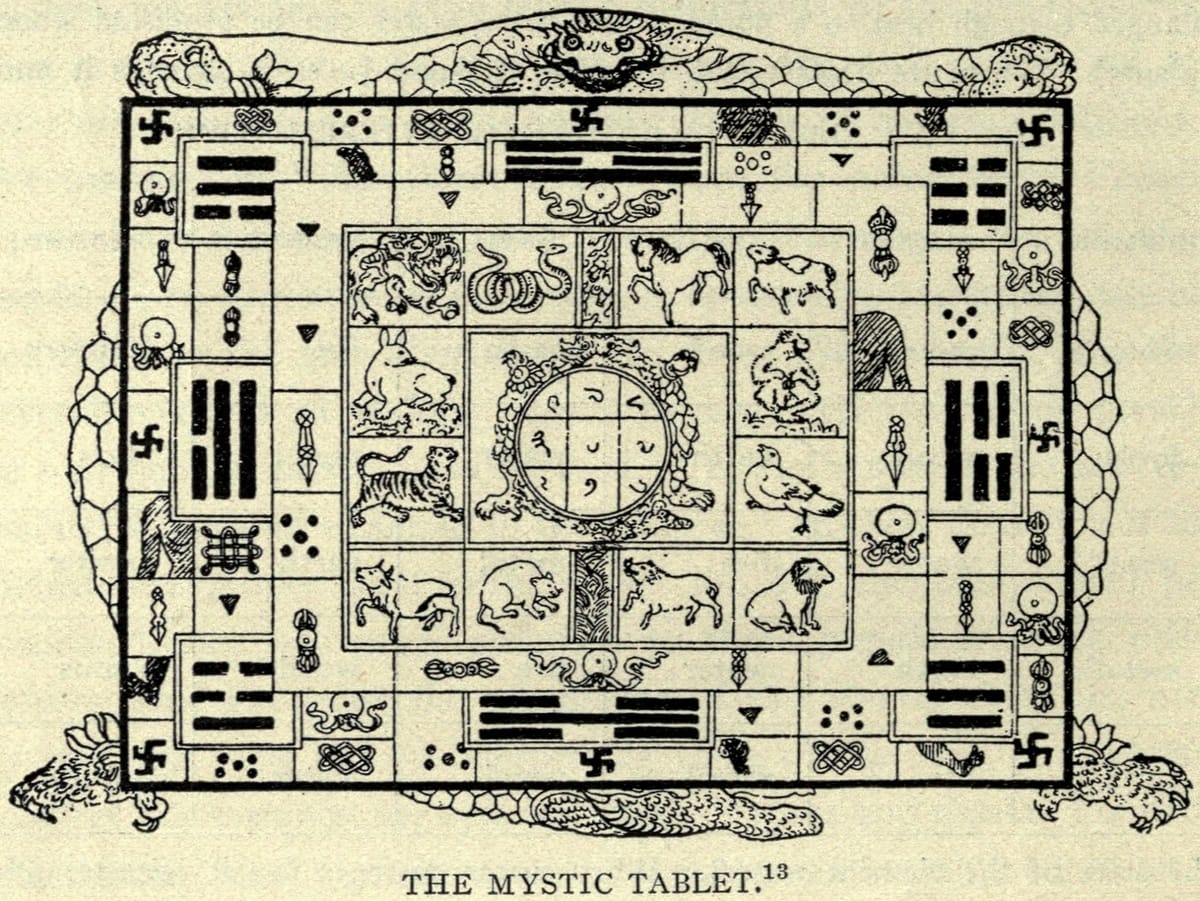
Related: Carl Jung called the framework behind his Archetypes a Quaternion, a 4×4-square that contains complementary (“dual“) concepts (Senses/Facts vs Imagination), (Object/Unity) vs/Subject (Social). Complementary concepts share the void when they are united. They are often called a Paradox. The Quaternion has a lot in common with the Chinese Lo Shu Magic square which is the “generator” of the ancient Chinese Cyclic Models. The Lo-Shu was given to the mythical Emperor Yu before the great Deluge when he was sitting at the Yellow River. The Lo Shu Magic Square was an important model for time and space and served as a basis for city planning, tomb design, and temple design. The Magic Square was used to designate spaces of political and religious importance. (via)
Related: About the Chinese Domino Game and the Magic Square of Lo Shu
-
Comedy of the Day: Coral.AI, Google's edge computing platform launch use-cases is a "Smart Bird Feeder: A smart bird feeder that uses an image classification model to identify birds, record animal visits, and deter squirrels from stealing bird seed."

-
Ram Dass is dead - by Brad Warner

"Looking over Ram Dass’s work now he strikes me as one of those guys who was at once really smart and really stupid. It’s funny how often those go hand-in-hand. He’s also one of those guys who was absolutely part of the cultural elite, yet managed to convince everybody that he was just a regular guy. He was super rich, super privileged, and super well-connected right from the start, and remained so until the end of his life. Although he also added super famous and super spiritual to the list of super things he super was. Spirituality, it seemed, was yet another way for him to be super. He was one of those driven Type A personalities who wanted to be number one in everything he did. So when he got into spirituality, he got into it with the same mindset. And he achieved his goal. He was the most famous and most spiritual of all the super famous, super spiritual guys. He had lots of groovy sounding theories about higher consciousness, which were mostly bullshit."
Related: Ram Dass is ready to die - by David Marchese (nytimes, sept.2019)
-
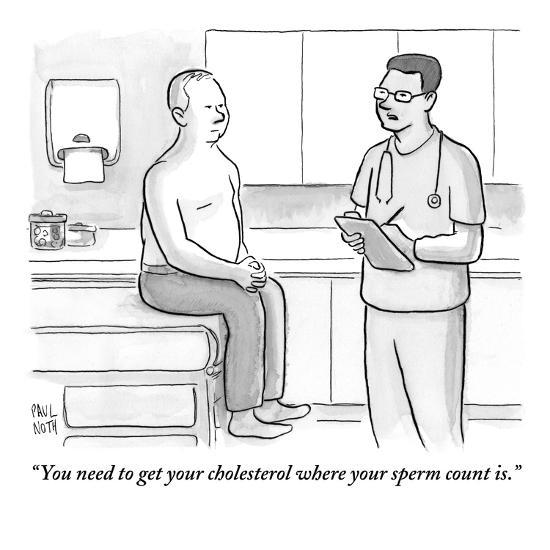
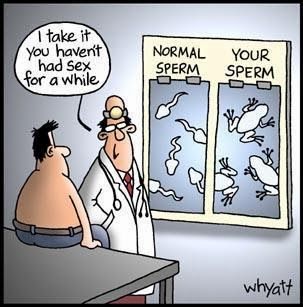
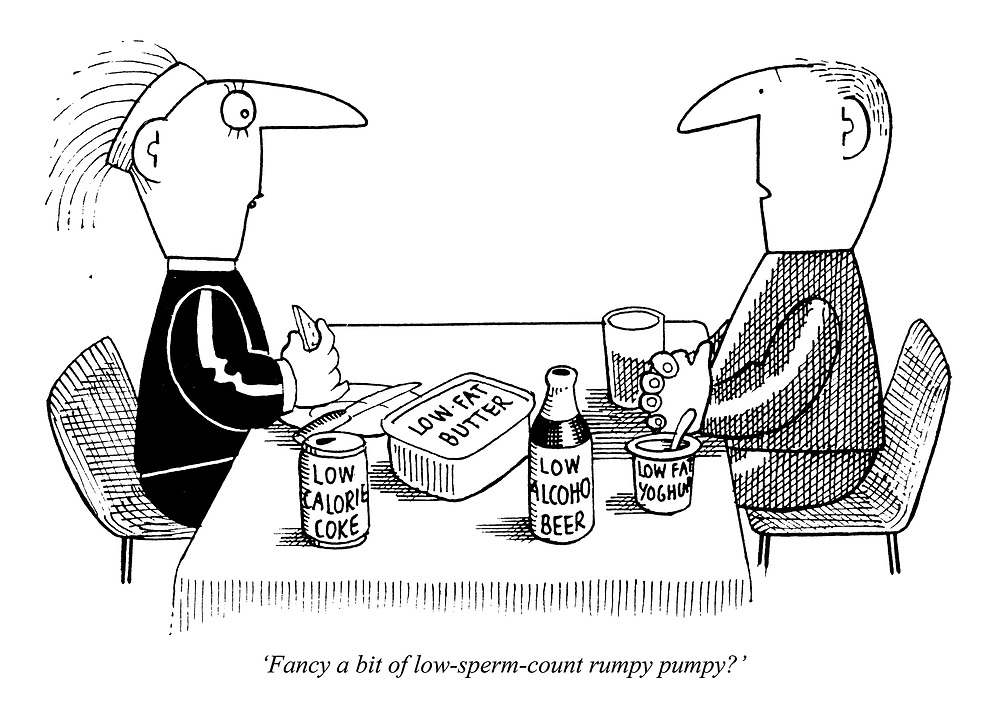
Sperm Counts Continue to Fall (The Atlantic, 2018)
"Scientists are coming to a consensus that men in America and Europe are experiencing a worsening decrease in fertility. They disagree, however, about why."
-
The Problem With Switching to Electric Cars (citylab)
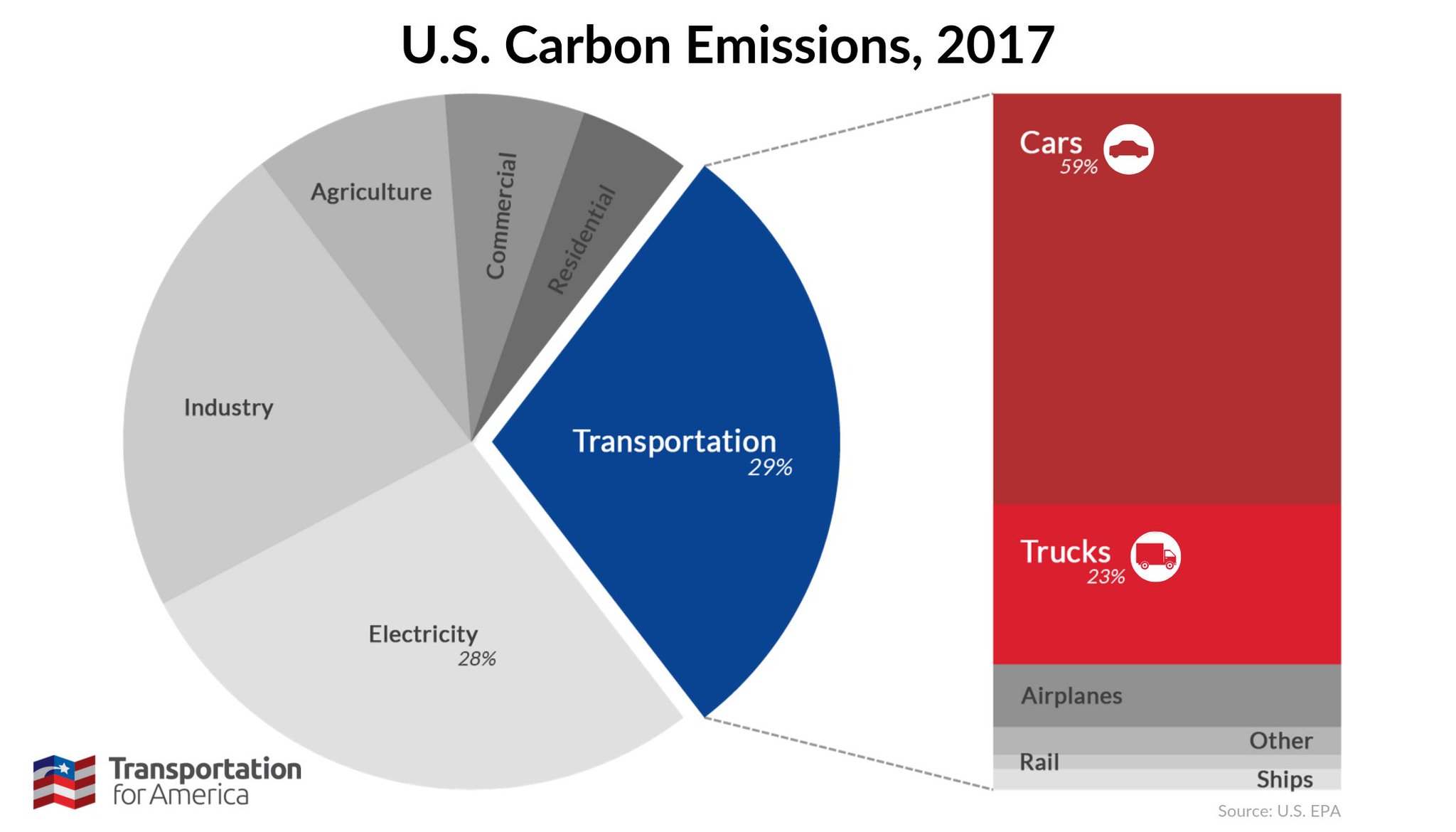
"Switching to EVs en masse could help bring down planet-killing carbon emissions. But Americans also need to drive less, right now. If Americans drive their electric cars anywhere near as much as they do with their current gas-guzzlers, it would cancel out the carbon reduction brought on by electrification."
-
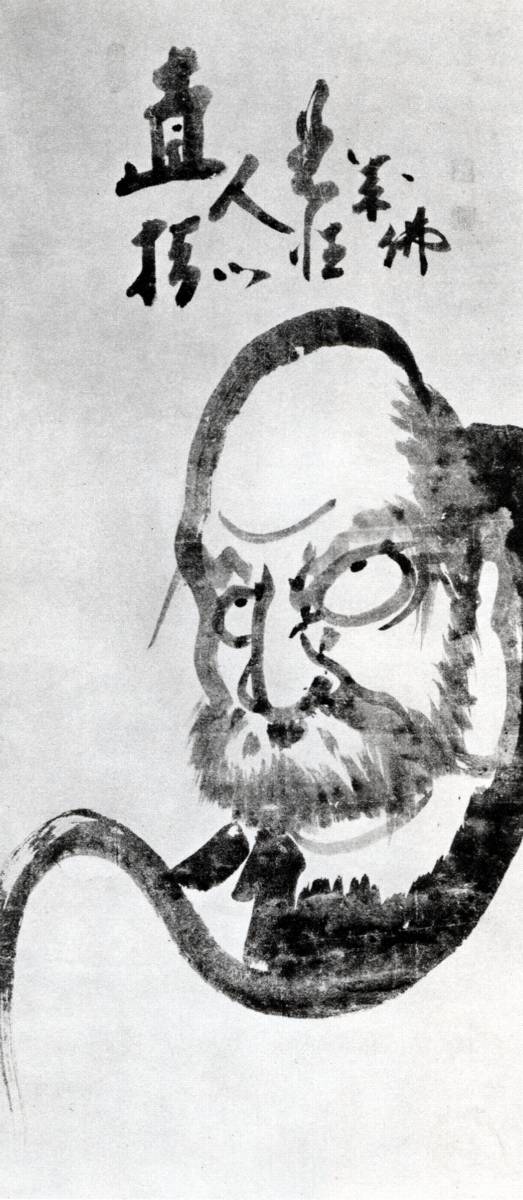
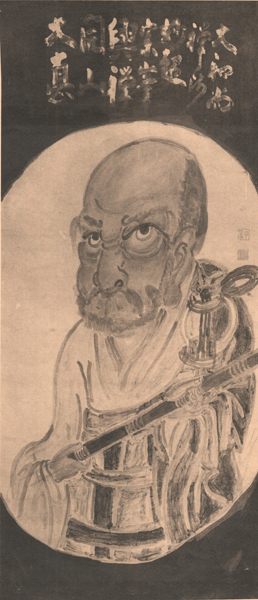
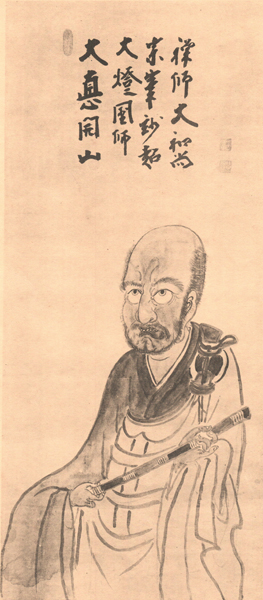
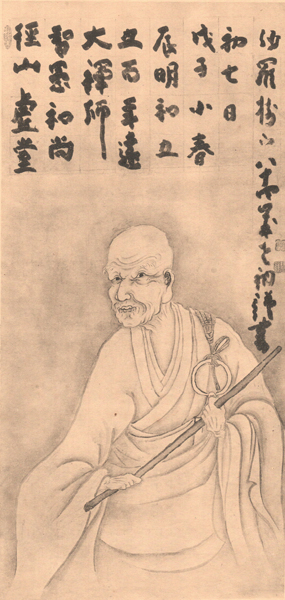
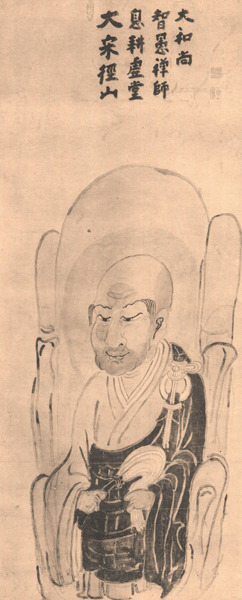
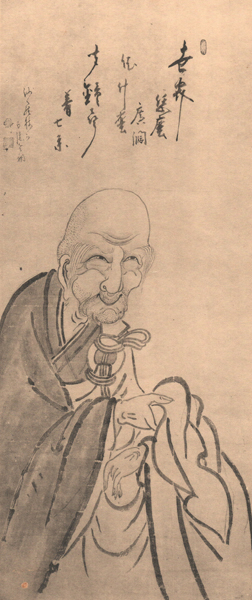
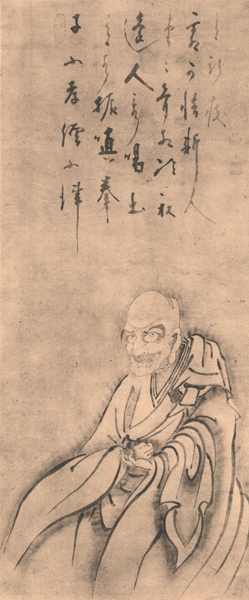
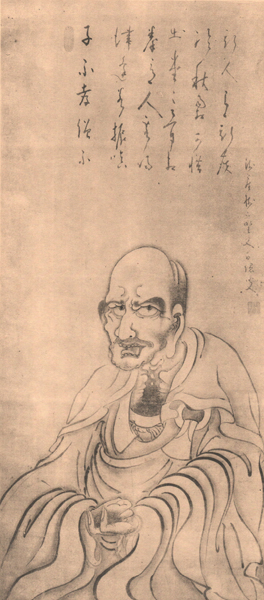
Hakuin Ekaku (白隠慧鶴) (1686-1769) was one of the most influential figures in Japanese Zen Buddhism. He possessed an unusual ability to convey the meaning of Zen to large numbers of people from all classes and religions. His work had a profound effect on Zen study & painting. Master Hakuin published many texts, including "Yasen kanna" (夜船閑話), "Idle Talk on a Night Boat" - a work on health-improving meditation techniques (PDF, PDF)

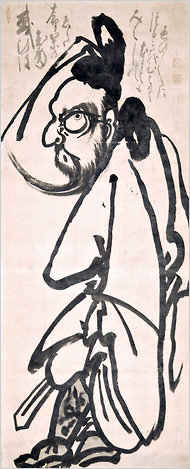
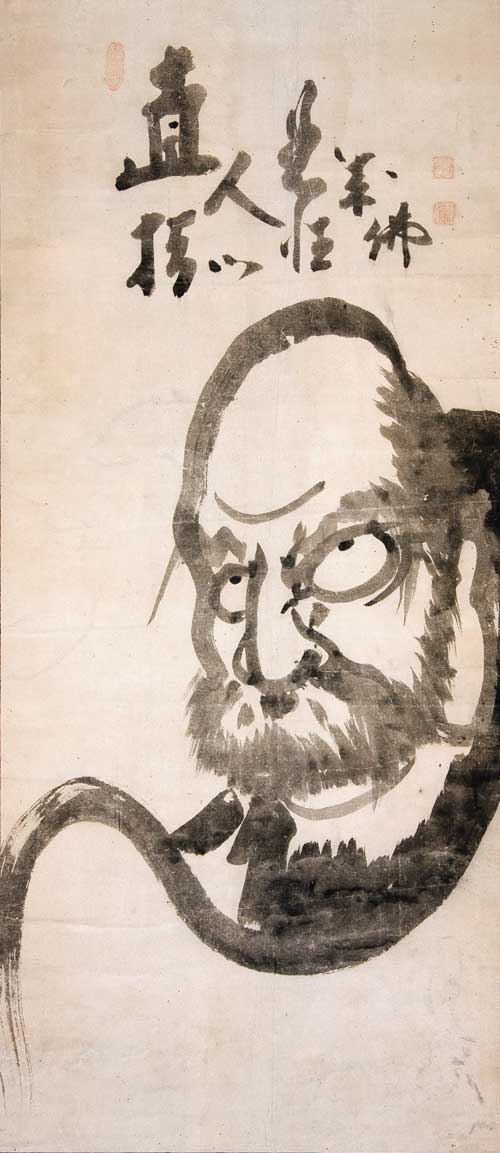
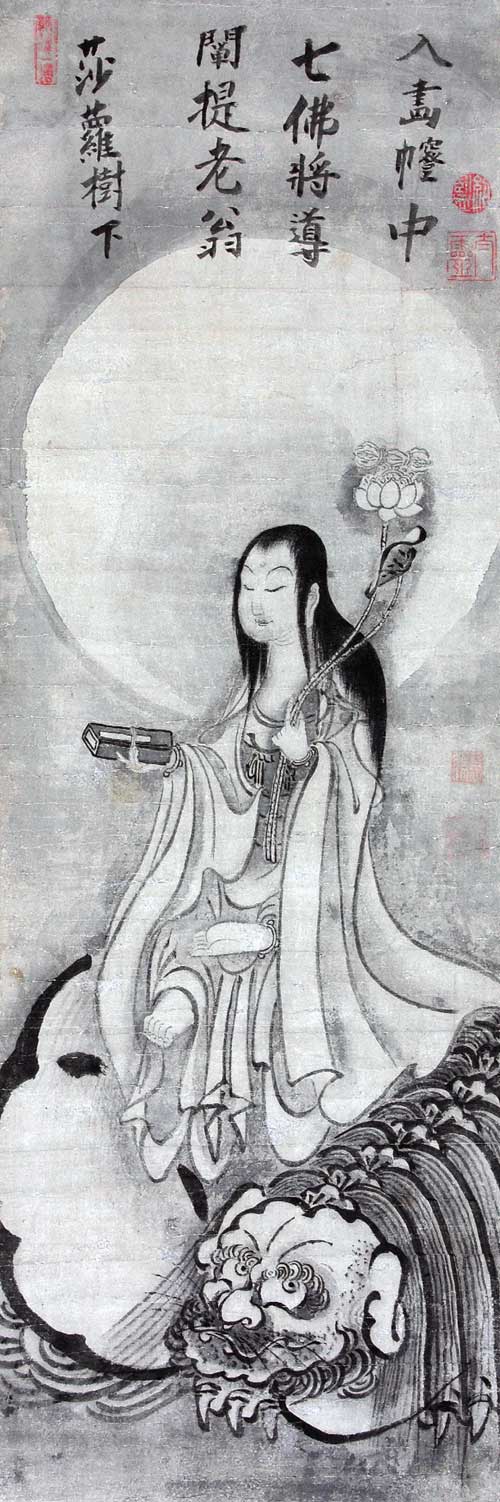
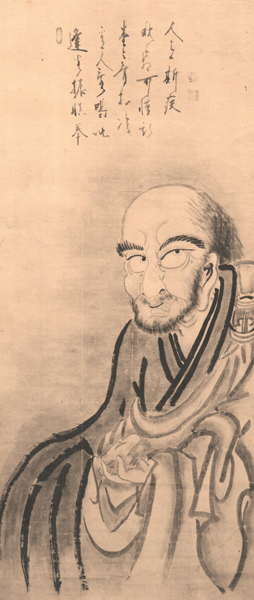
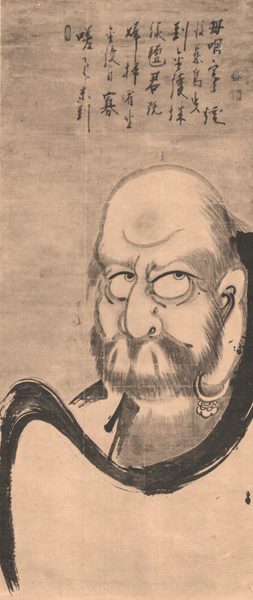
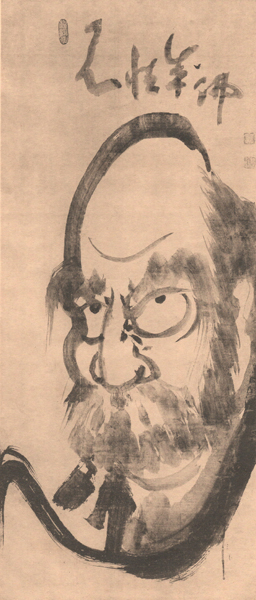
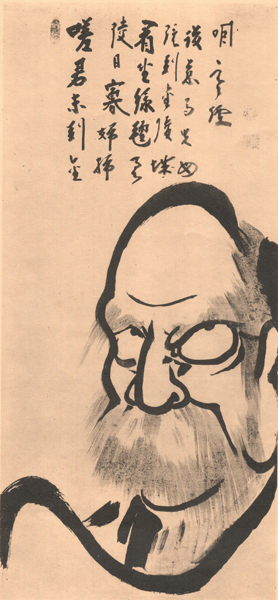
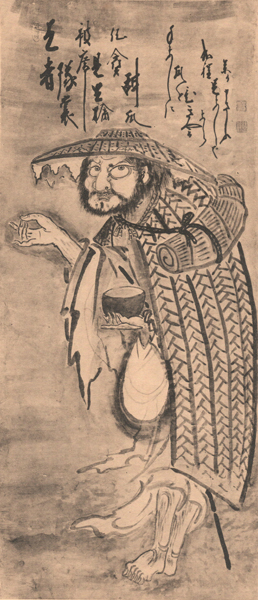
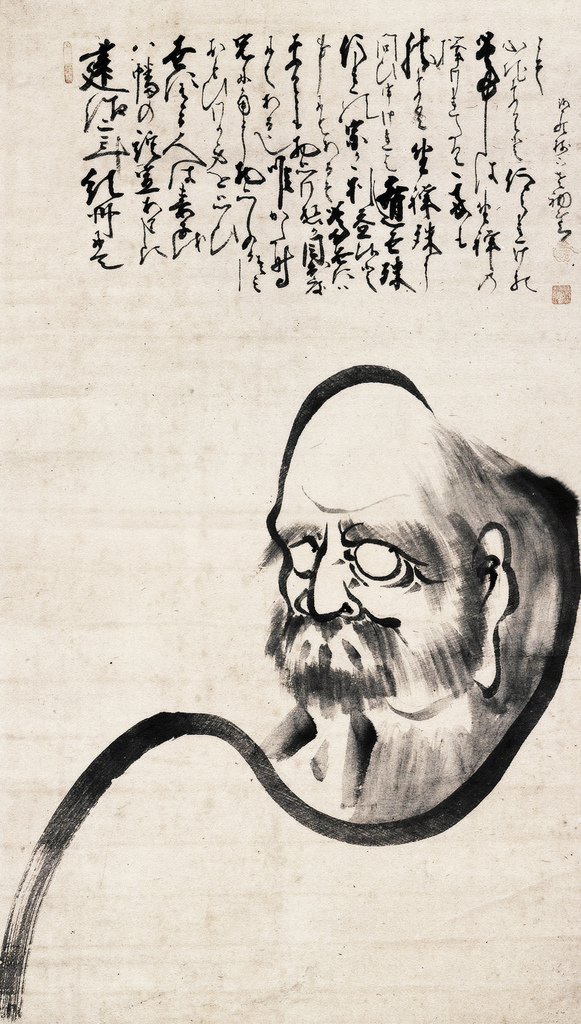
Related: The Sound of One Hand: Paintings and Calligraphy by Zen Master Hakuin