-
Solar Cycle 25 Forecast (NOAA)

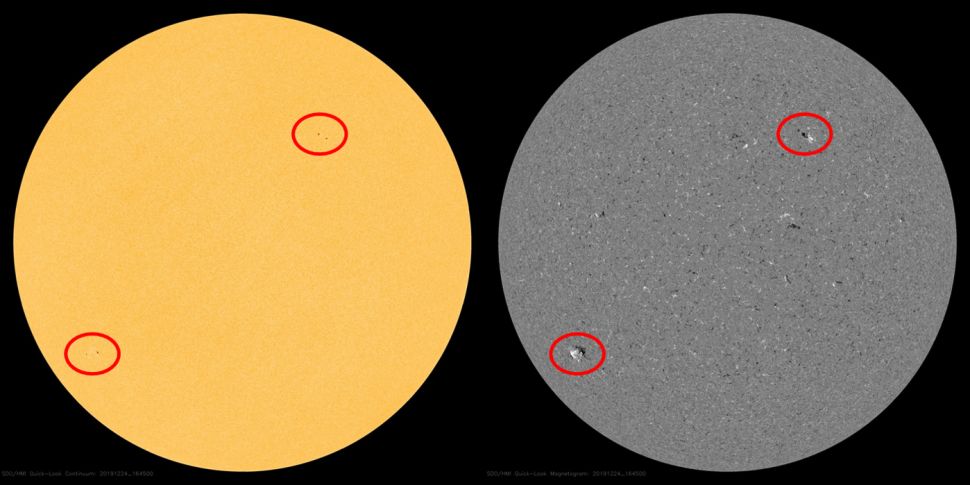
First new sunspots in 40 days herald coming solar cycle (space.com)
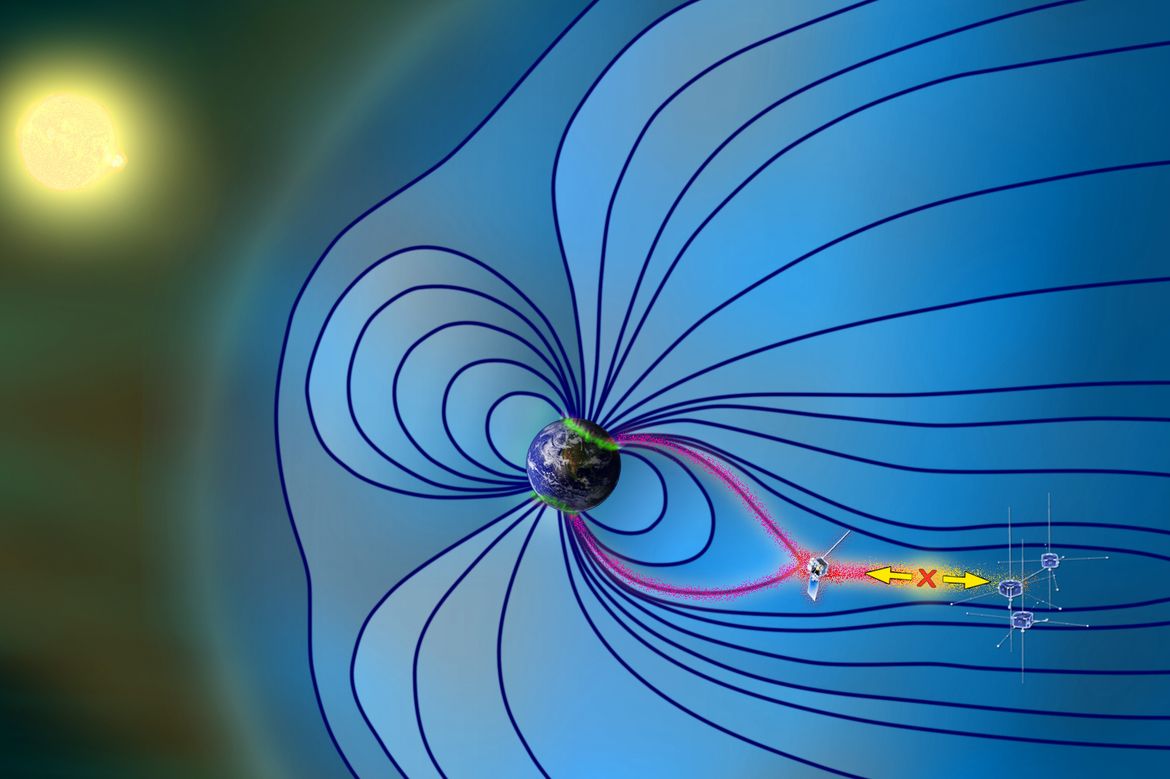
Researchers discover a new source of space weather – too close to home
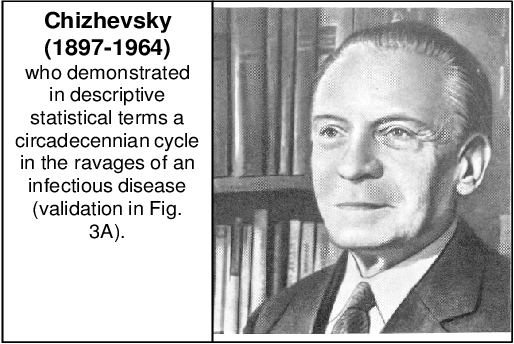
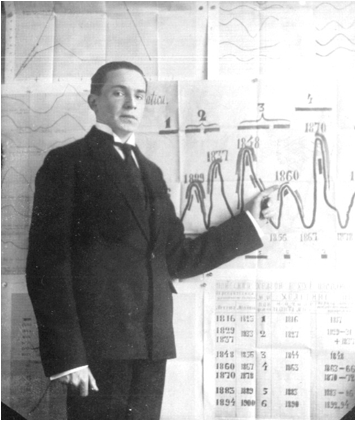
Alexander Chizhevsky (1897 - 1964) was a Soviet-era interdisciplinary scientist, a biophysicist who founded "heliobiology" (study of the sun's effect on biology) and "aero-ionization" (study of effect of ionization of air on biological entities). He also was noted for his work in "cosmo-biology", biological rhythms and hematology." He may be most notable for his use of historical research techniques (historiometry) to link the 11-year solar cycle, Earth’s climate and the mass activity of peoples.
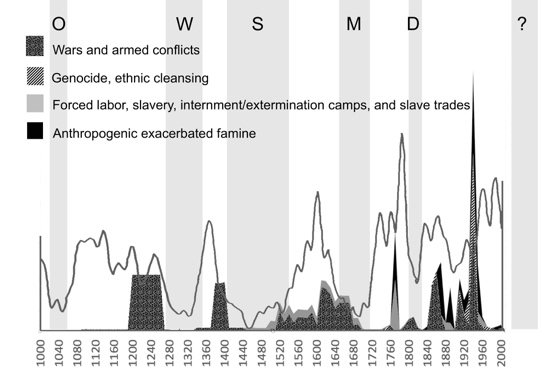
Book: The Role of the Sun in Climate Change - by Douglas V. Hoyt & Kenneth H. Schatten (Oxford University Press, 2007) (PDF)
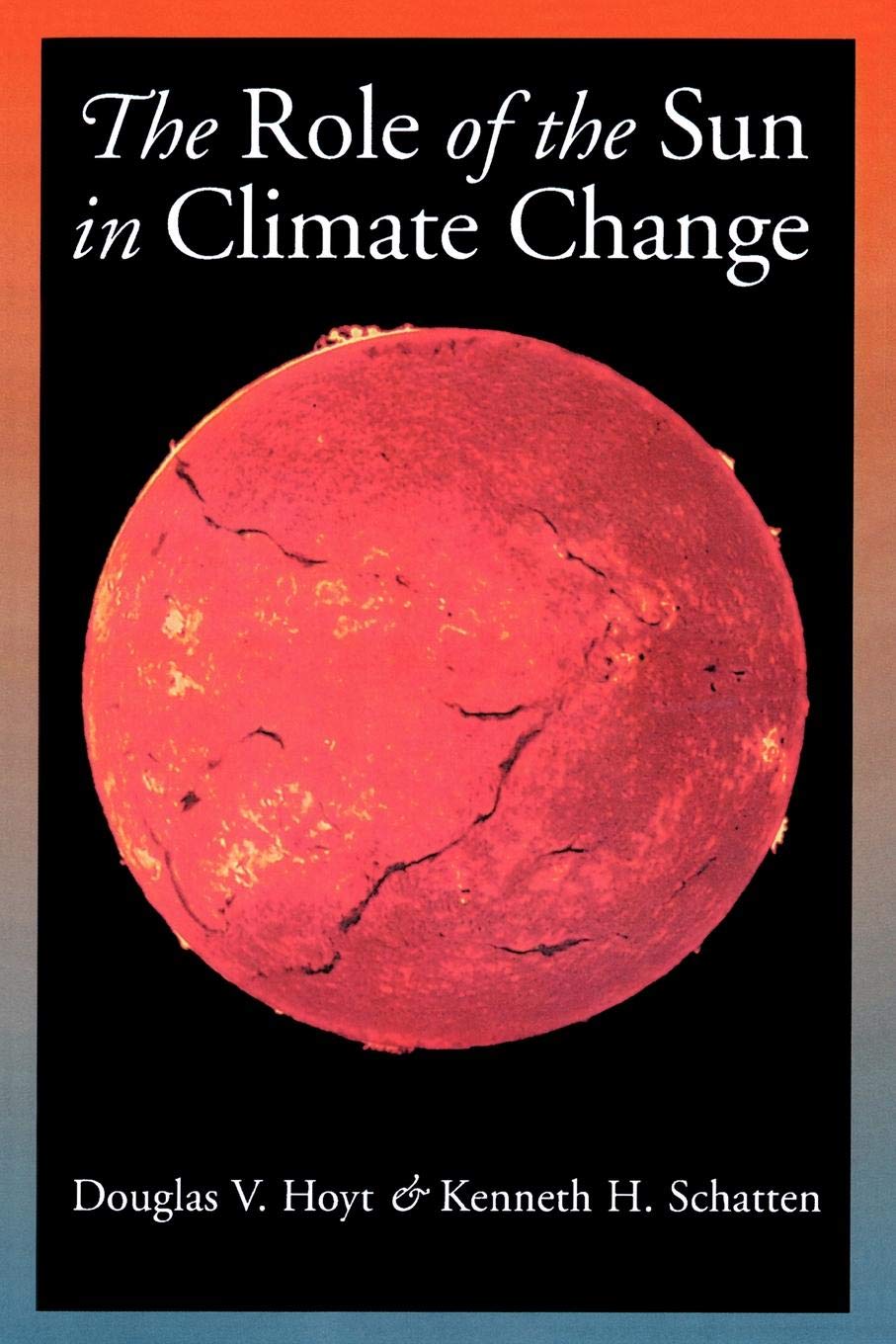
Book starts with this paragraph: "About 400 years before the birth of Christ, near Mt. Lyscabettus in ancient Greece, the pale orb of the sun rose through the mists. According to habit, Meton recorded the sun’s location on the horizon. In this era when much remained to be discovered, Meton hoped to find predictable changes in the locations of sunrise and moonrise. Although rainy weather had limited his recent observations, this foggy morning he discerned specks on the face of the sun, the culmination of many such blemishes in recent years. On a hunch, Meton began examining his more than 20 years of solar records. These seemed to confirm his belief: when the sun has spots, the weather tends to be wetter and rainier."
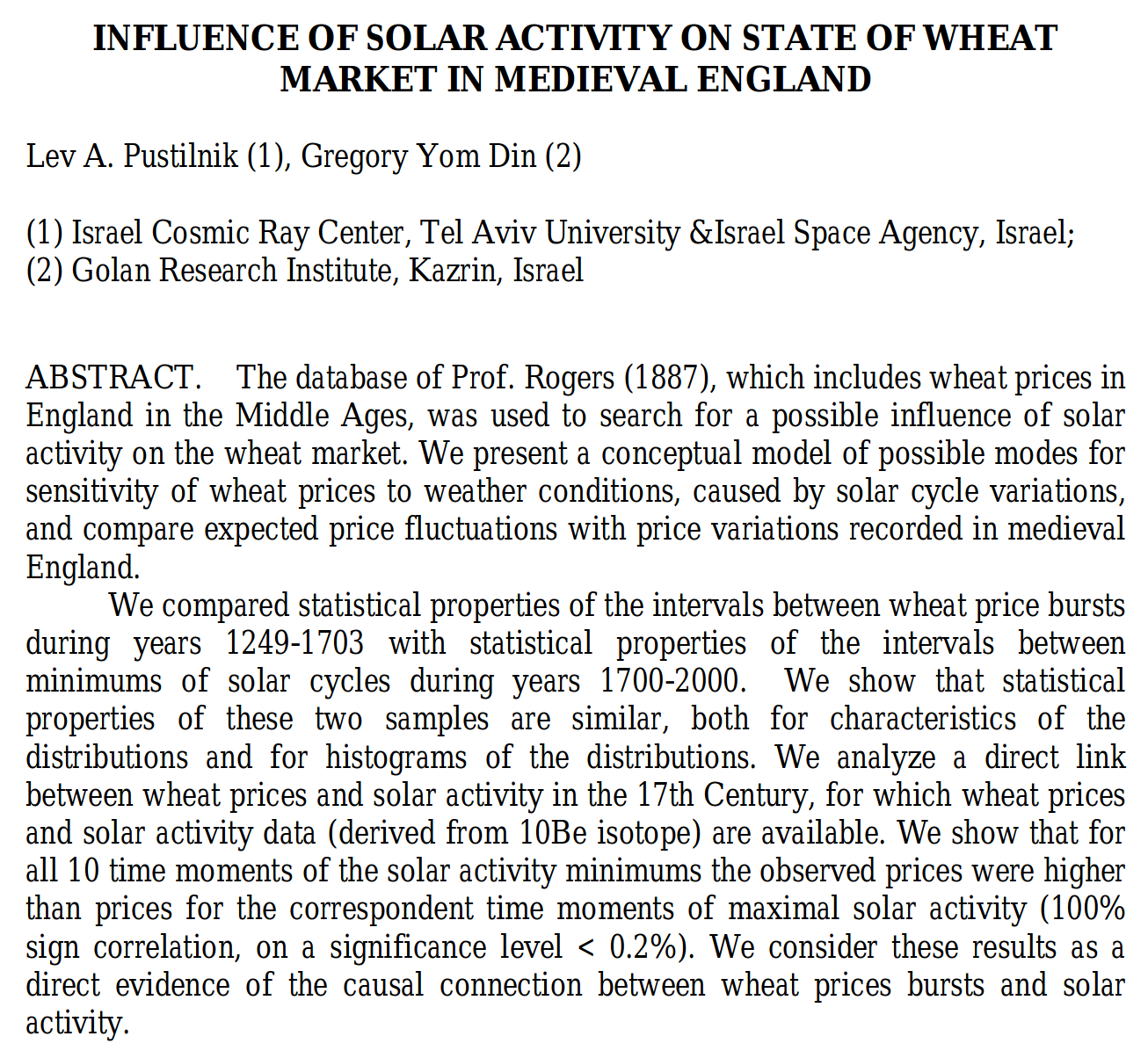
Influence Of Solar Activity On State Of Wheat Market In Medieval England - research by Lev A. Pustilnik & Gregory Yom Din
A possible relationship between spectral bands in sunspot number and the space-time organization of our planetary system - by Schwentek & Elling (1984).
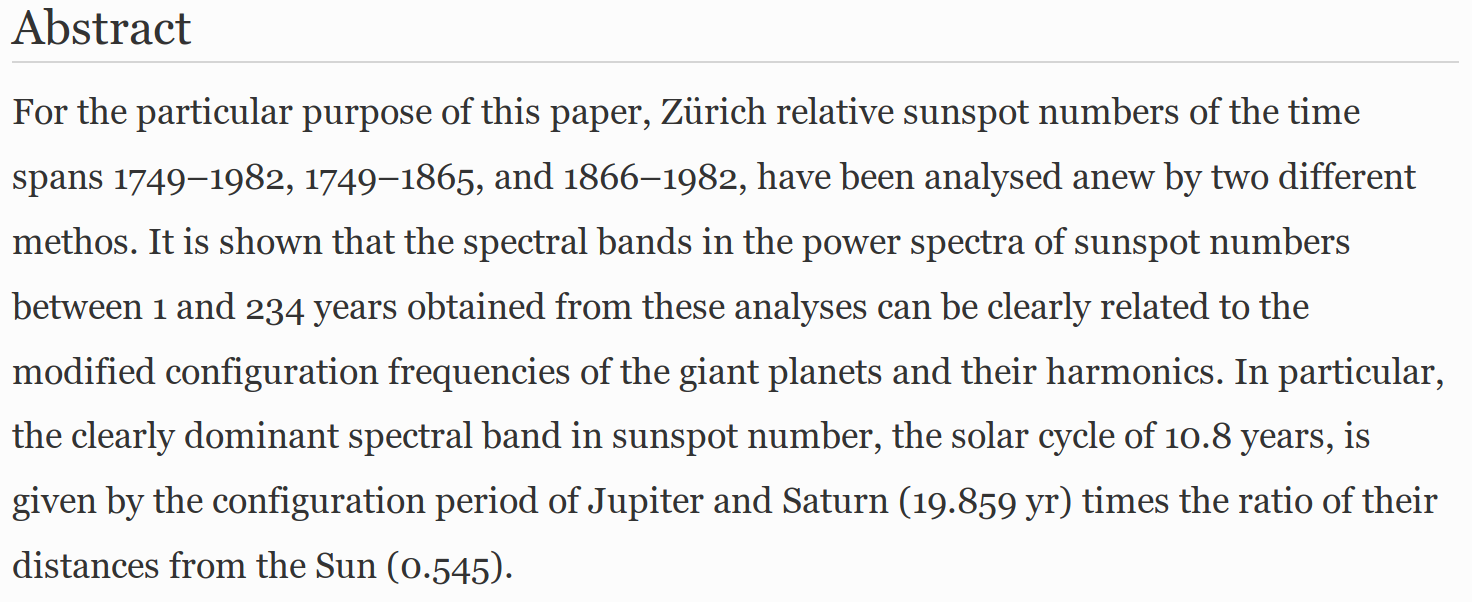
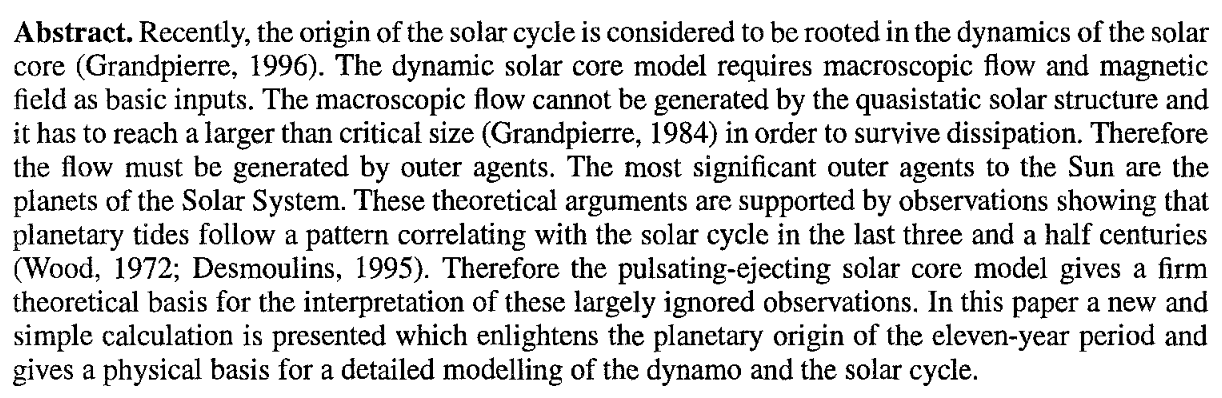
On the origin of solar cycle periodicity - by Attila Grandpierre (1996)
-
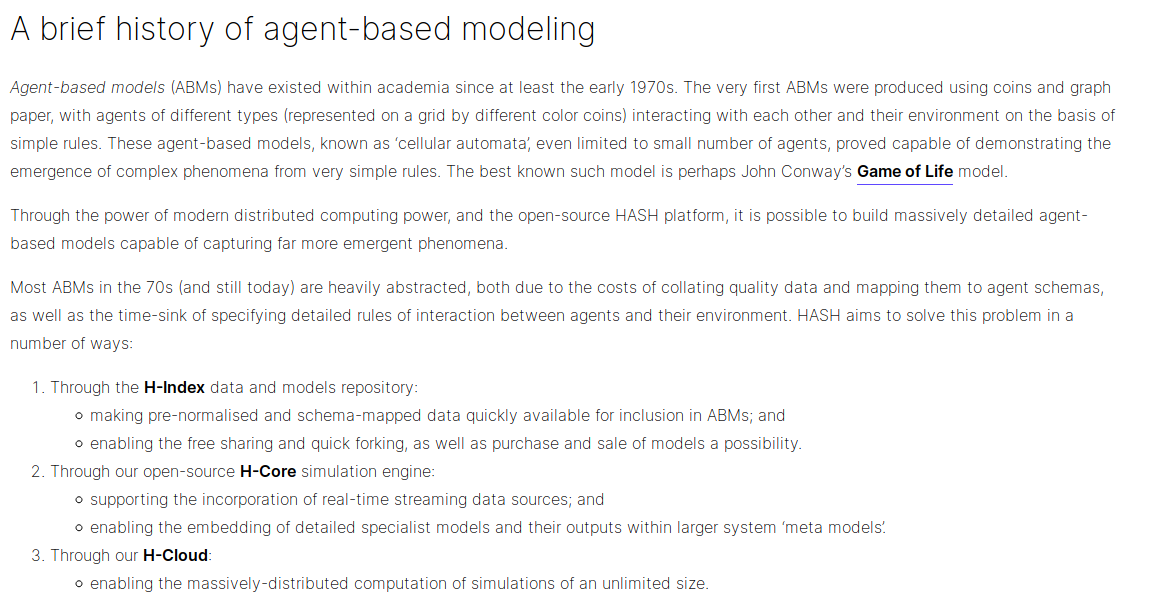
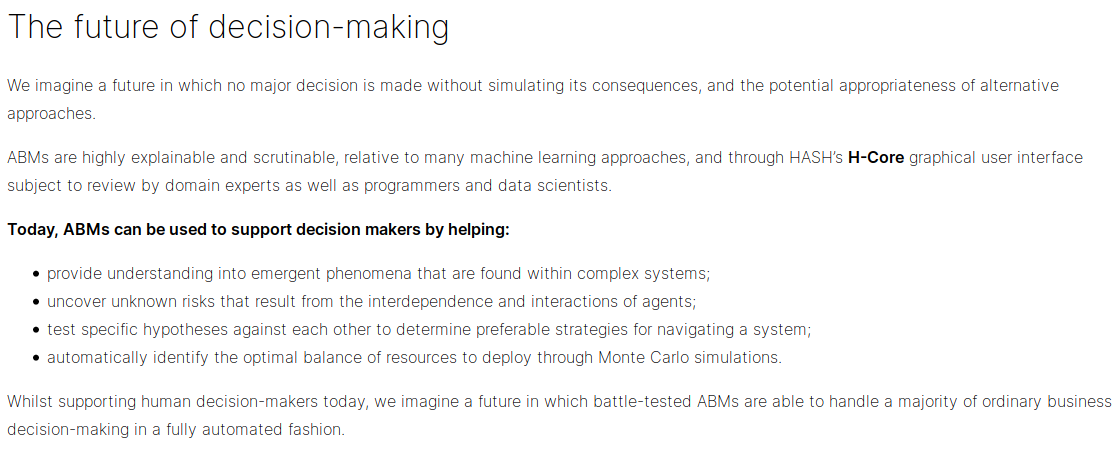
Hash: Do we see a new player pushing simulation into the mainstream? - Benjamin Schumann about the simulation startup https://hash.ai/ (see their post "Information Failure")

-
The Serpent in Aztec Culture
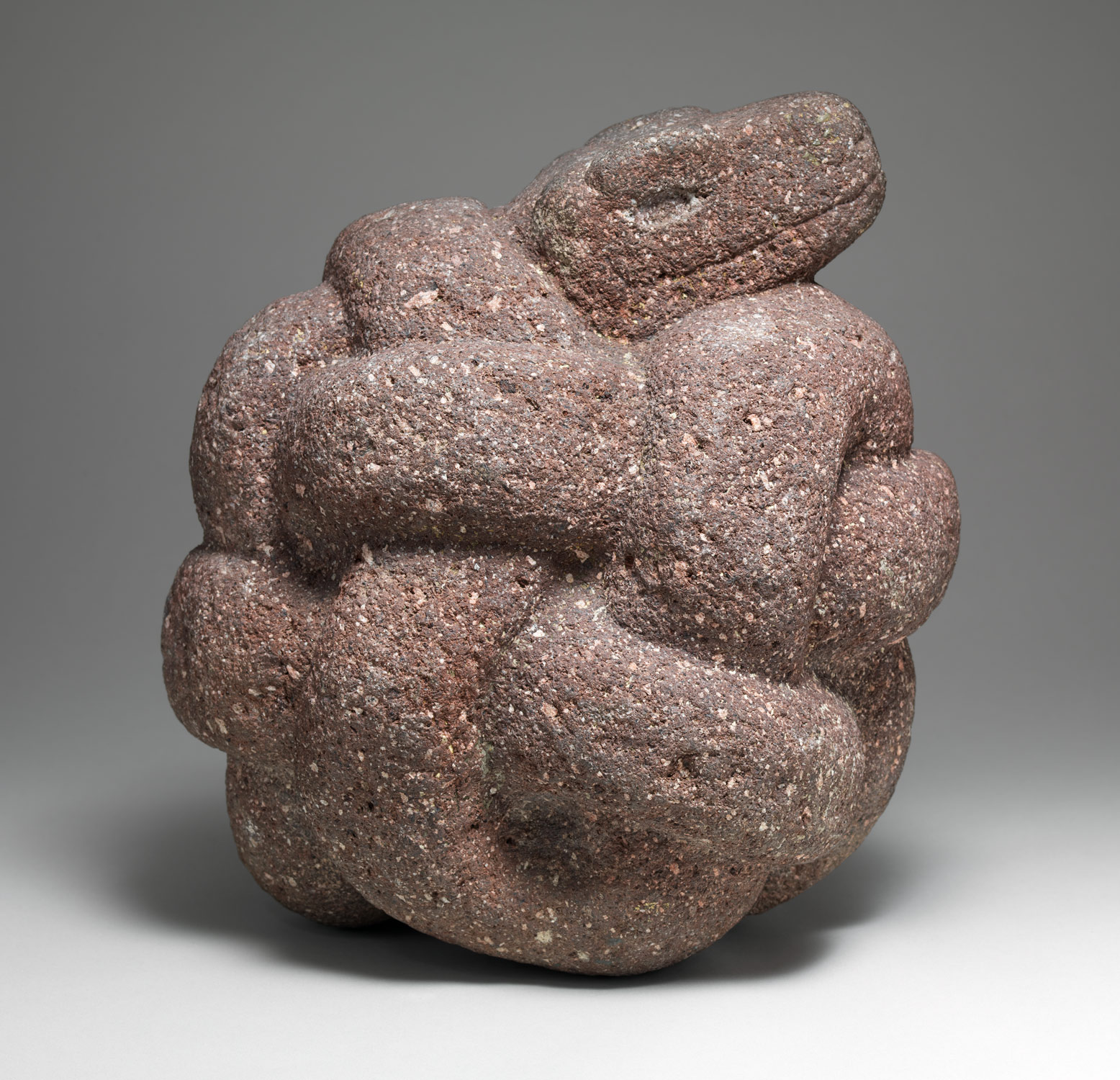
Coiled Serpent (15th–early 16th century) - by the Aztecs in Mexico, Mesoamerica Serpents held an important place in the belief systems of many peoples in ancient Mexico and they are the most frequently portrayed animals in art. Serpents had multiple connotations and inspired sky and earth imagery alike. Above all, they were fertility symbols, probably suggested by their terrestrial habitat and periodic skin shedding. At the Main Temple in the Aztec imperial capital Tenochtitlan, serpent depictions proliferate: monumental snake heads, probably representing different species—with open fanged mouths and forked tongues—flank braziers and stairways leading to the sanctuaries.
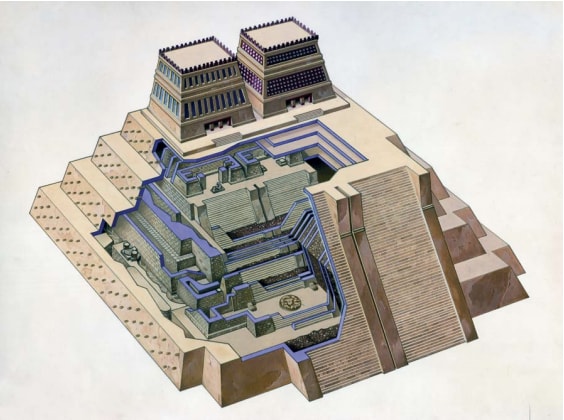
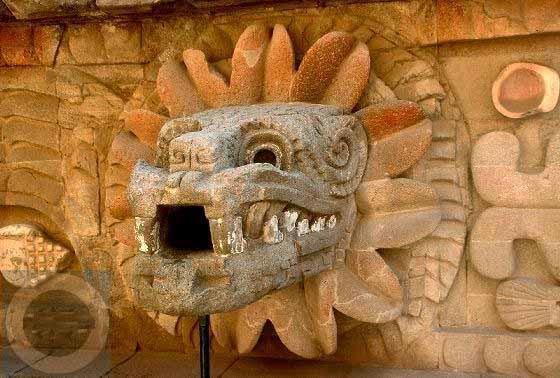
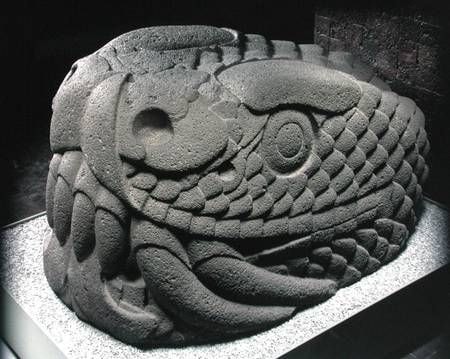
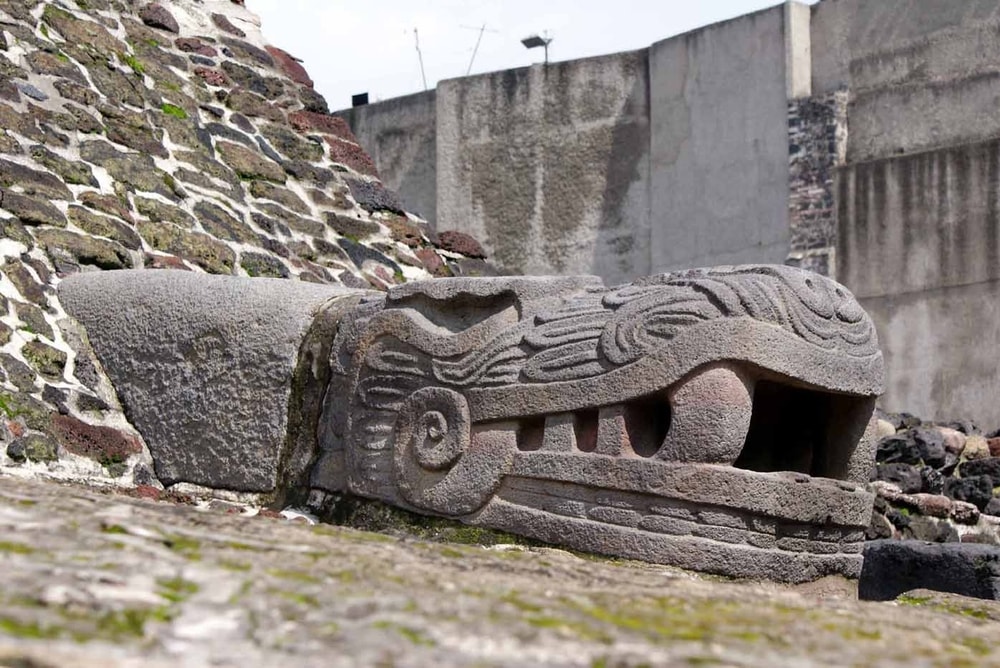
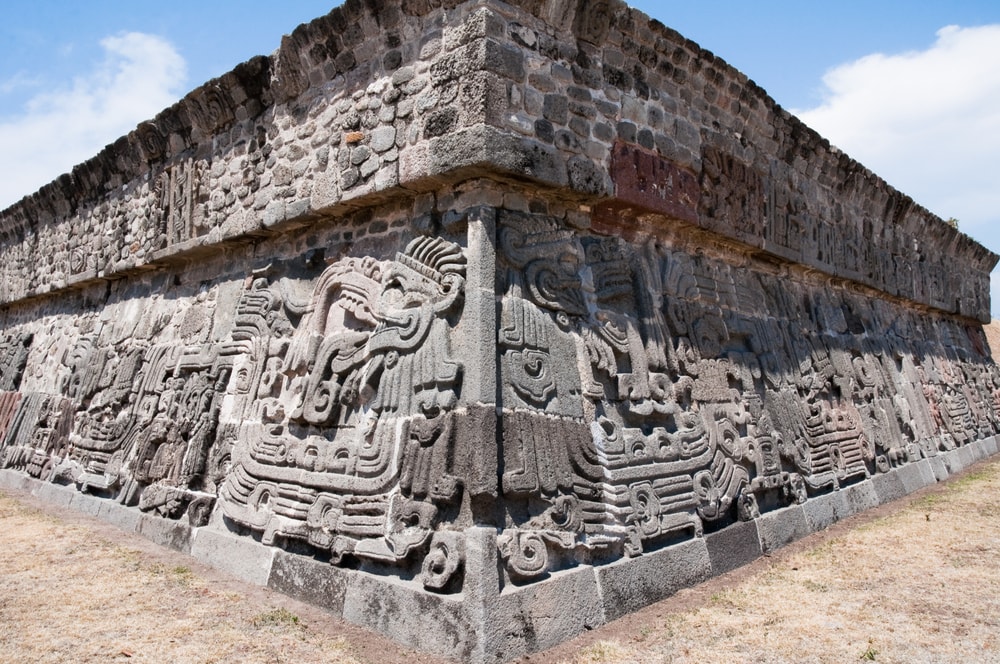
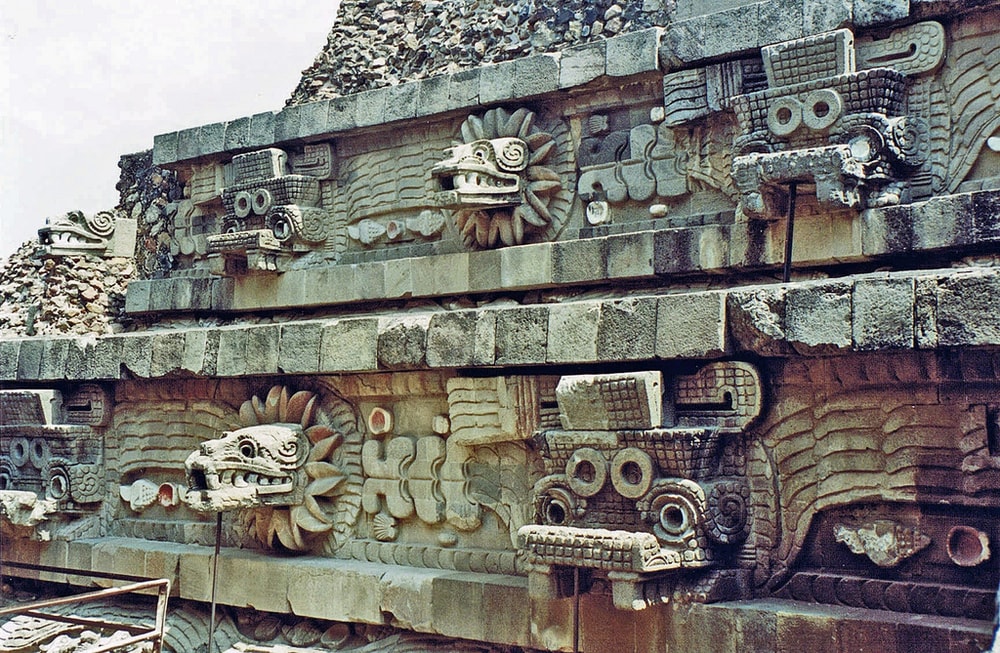
The temple itself is said to have been surrounded at the time of the Spanish conquest by a serpent wall, or Coatepantli, formed by hundreds of adjoining sculptures of snakes. In three-dimensional stone sculpture, serpents are most frequently shown coiled or knotted, as in this example. Carved from a porous stone, the body of the reptile is a tightly wound knot; the tail end with two rattles in shallow relief is visible on one side. Its flattened head, emerging from the tangled body at the top, has a pointed, closed mouth, and sunken oval eyes under bulbous supraorbital ridges. The function of this snake sculpture is uncertain.
-
"If you can't find truth within yourself, where else do you expect to find it?"
- Dōgen Zenji (道元禅師) (1200 – 1253)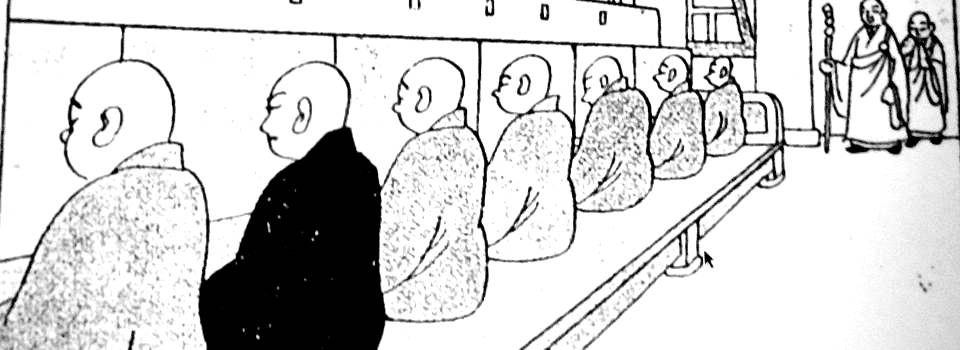
-
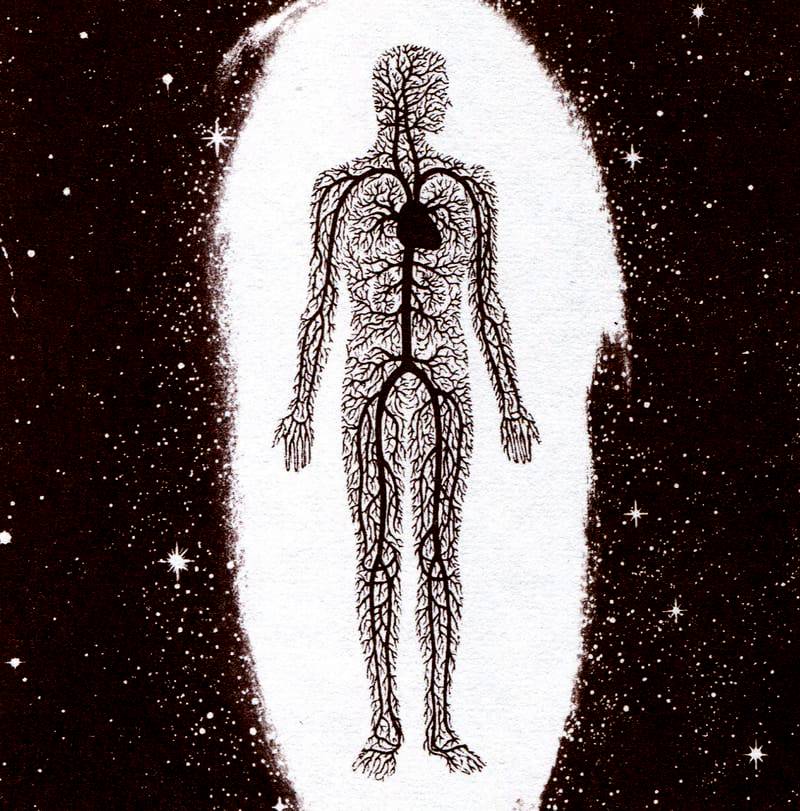
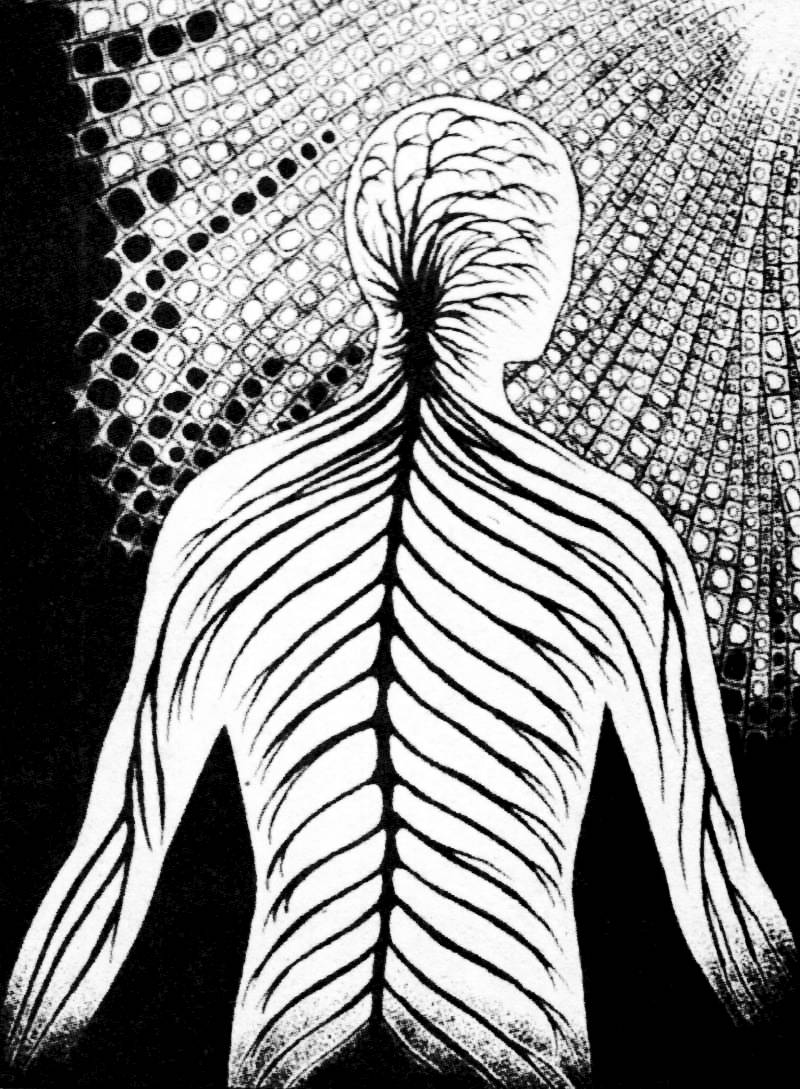
#Art of the day
-
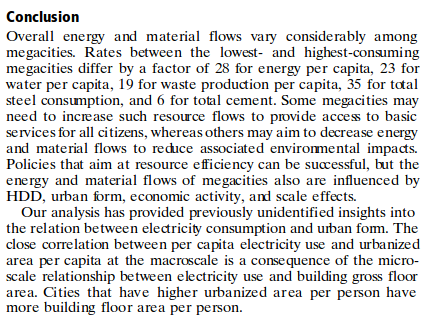
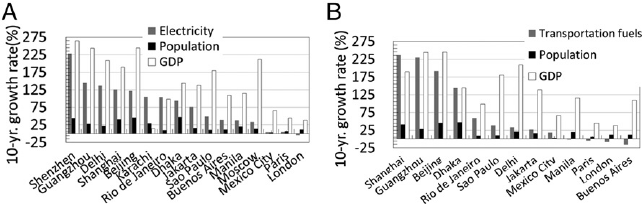
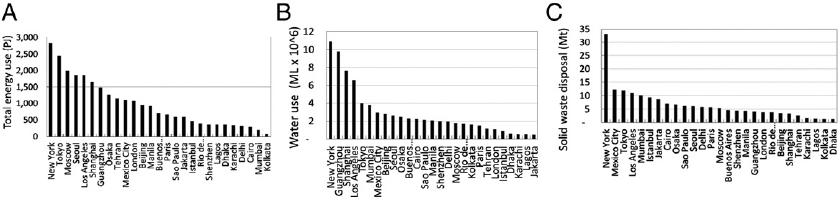
Energy and material flows of megacities - by Christopher A. Kennedy, Iain Stewart, et.al
-
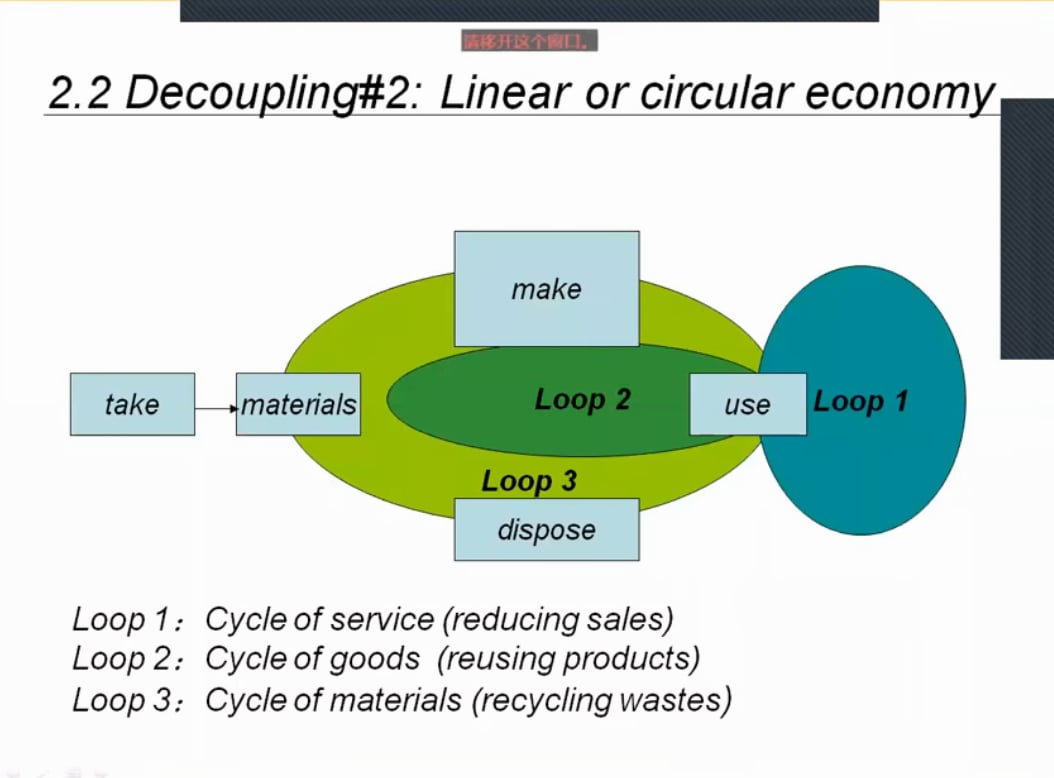
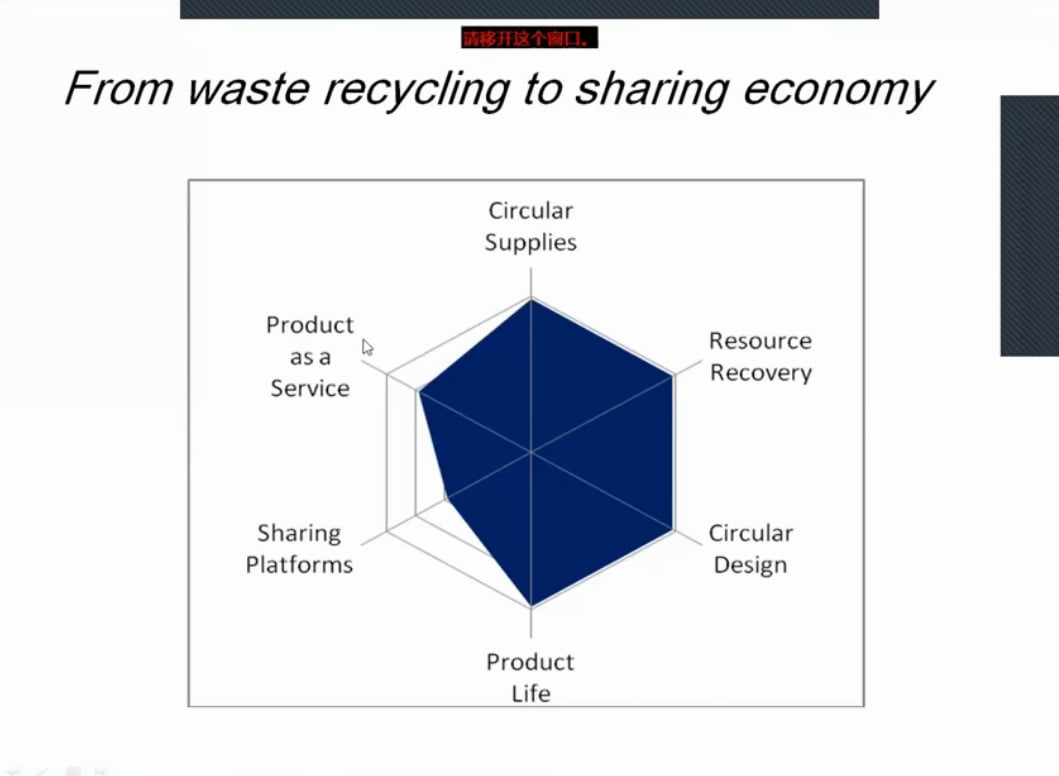
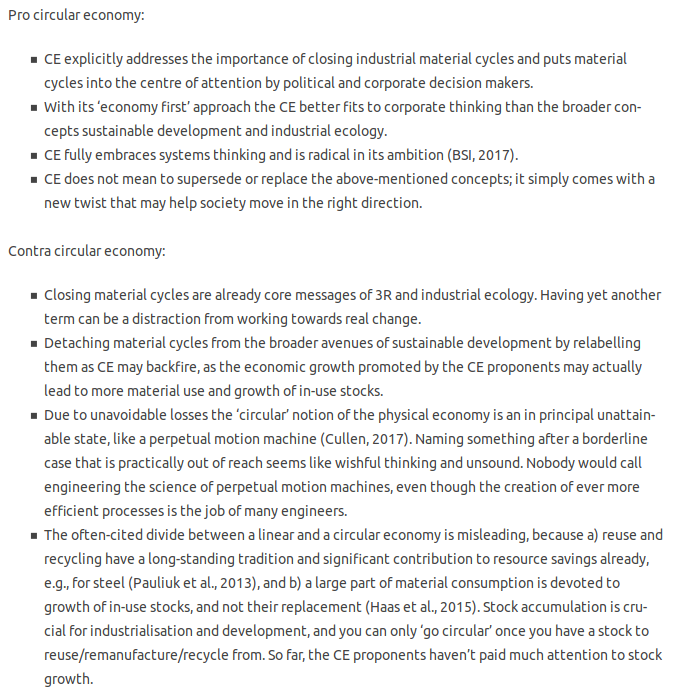
The Circular Economy: Breakthrough or Distraction? - By Stefan Pauliuk (2017)
-
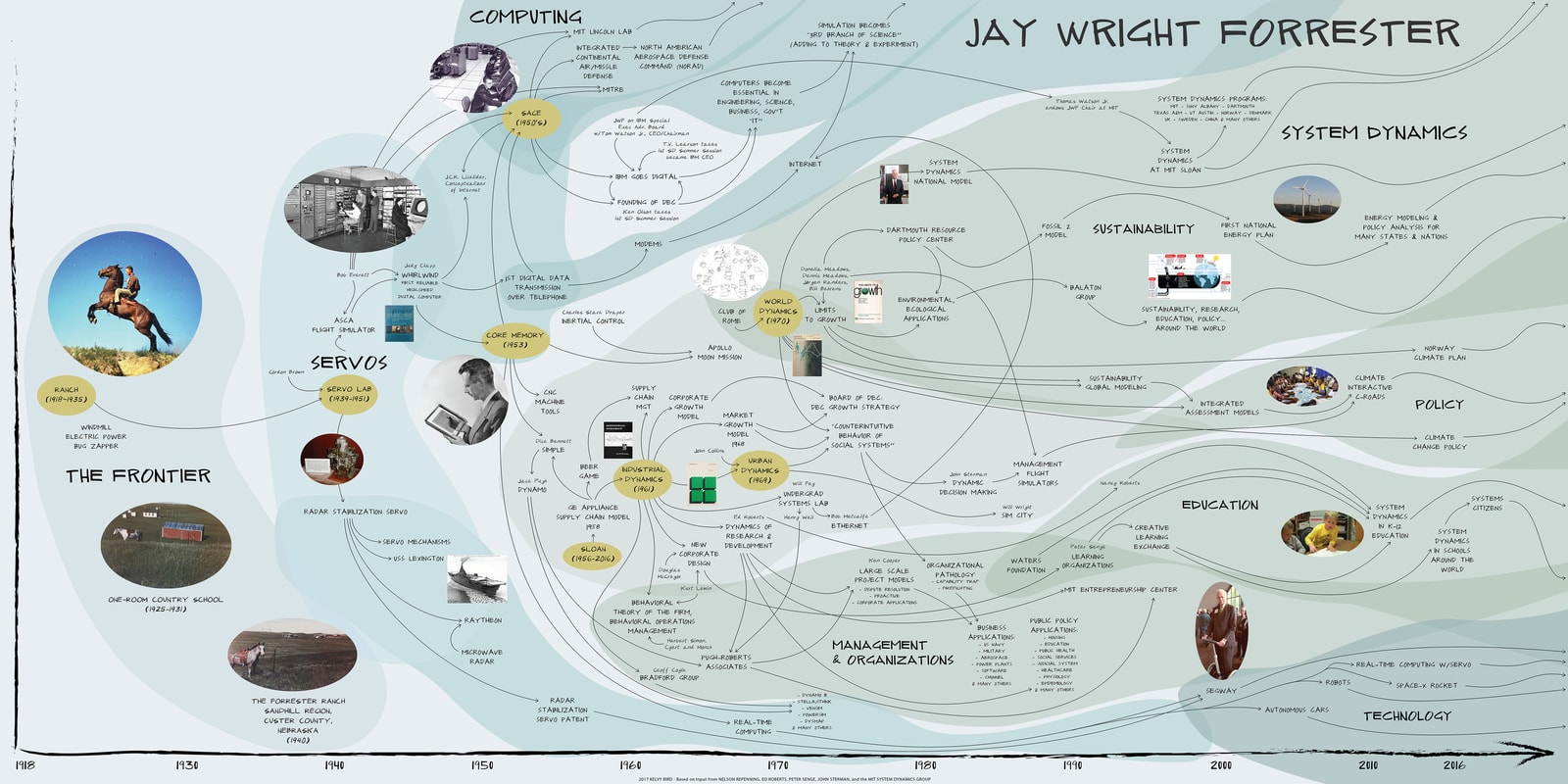
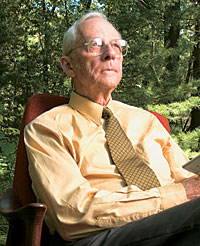
Jay Wright Forrester (1918 – 2016)
Jay Wright Forrester was a American computer engineer and systems scientist. He was a professor at MIT. Forrester is known as the founder of system dynamics, which deals with the simulation of interactions between objects in dynamic systems and is most often applied to research and consulting in organizations and other social systems.

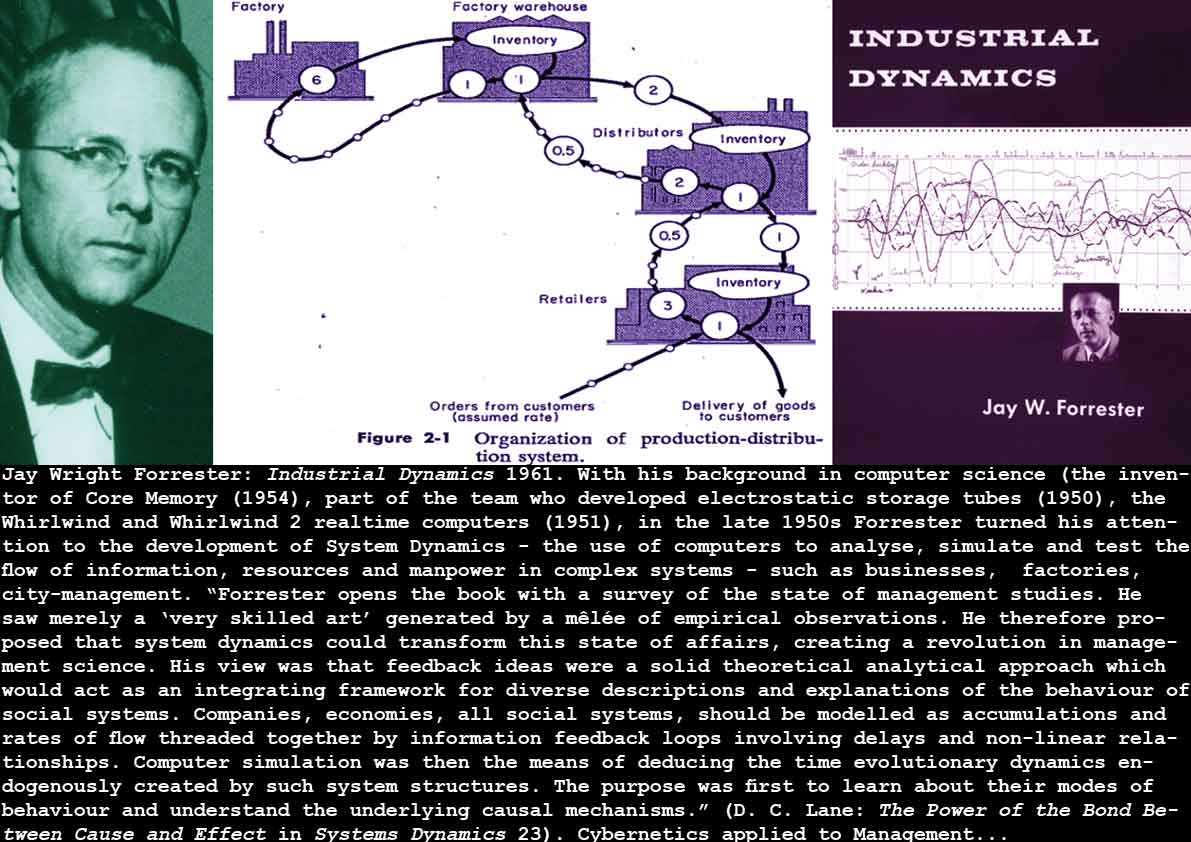
Image from: https://mediainspiratorium.com/1960-1970/ The Many Careers of Jay Forrester (MIT Tech Review)
"Computing pioneer Jay Forrester, SM ’45, developed magnetic-core memory. Then he founded the field of system dynamics. Those are just two of his varied pursuits."
Jay Forrester’s System Dynamics and World Model
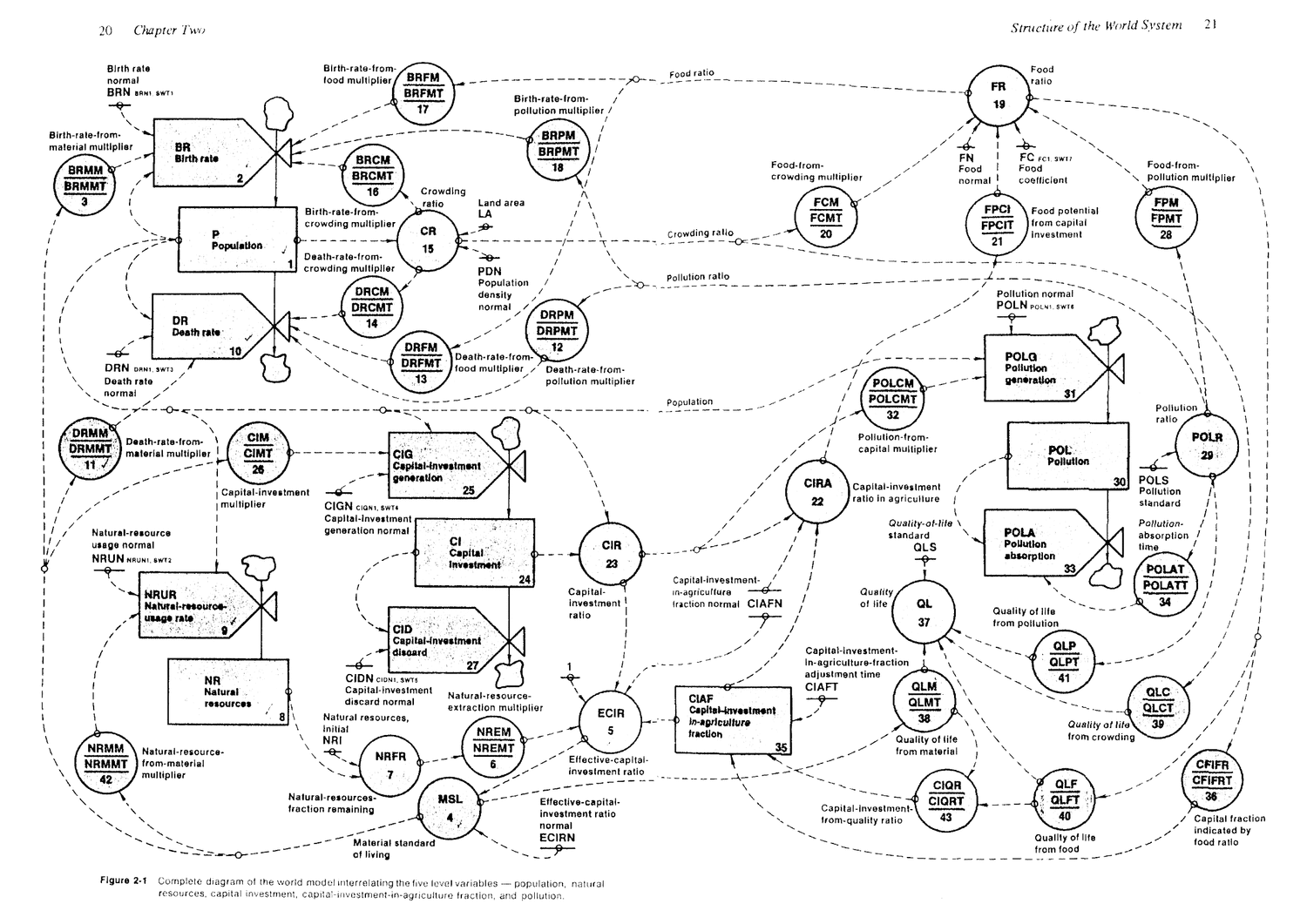
Forrester's model of the world's dynamics. This map models the dynamics between population and economic growth (from 1971 to 2021) by relating population, natural resources, pollution, capital investment, food and quality of life (Jay W. Forrester, 1973, p. 144). 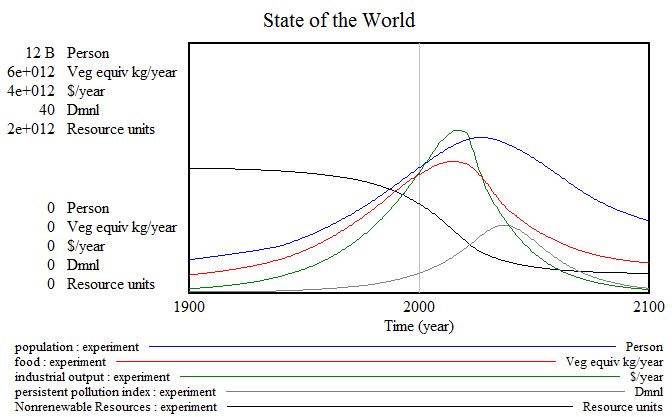
"The second major noncorporate application of system dynamics came shortly after the first. In 1970, Jay Forrester was invited by the Club of Rome to a meeting in Bern, Switzerland. The Club of Rome is an organization devoted to solving what its members describe as the "predicament of mankind"—that is, the global crisis that may appear sometime in the future, due to the demands being placed on the Earth's carrying capacity by the world's exponentially growing population. At the Bern meeting, Forrester was asked if system dynamics could be used to address the predicament of mankind. His answer, of course, was that it could. On the plane back from the Bern meeting, Forrester created the first draft of a system dynamics model of the world's socioeconomic system. He called this model WORLD1. Upon his return to the US, Forrester refined WORLD1 in preparation for a visit to MIT by members of the Club of Rome. Forrester called the refined version of the model WORLD2. Forrester published WORLD2 in a book titled World Dynamics."
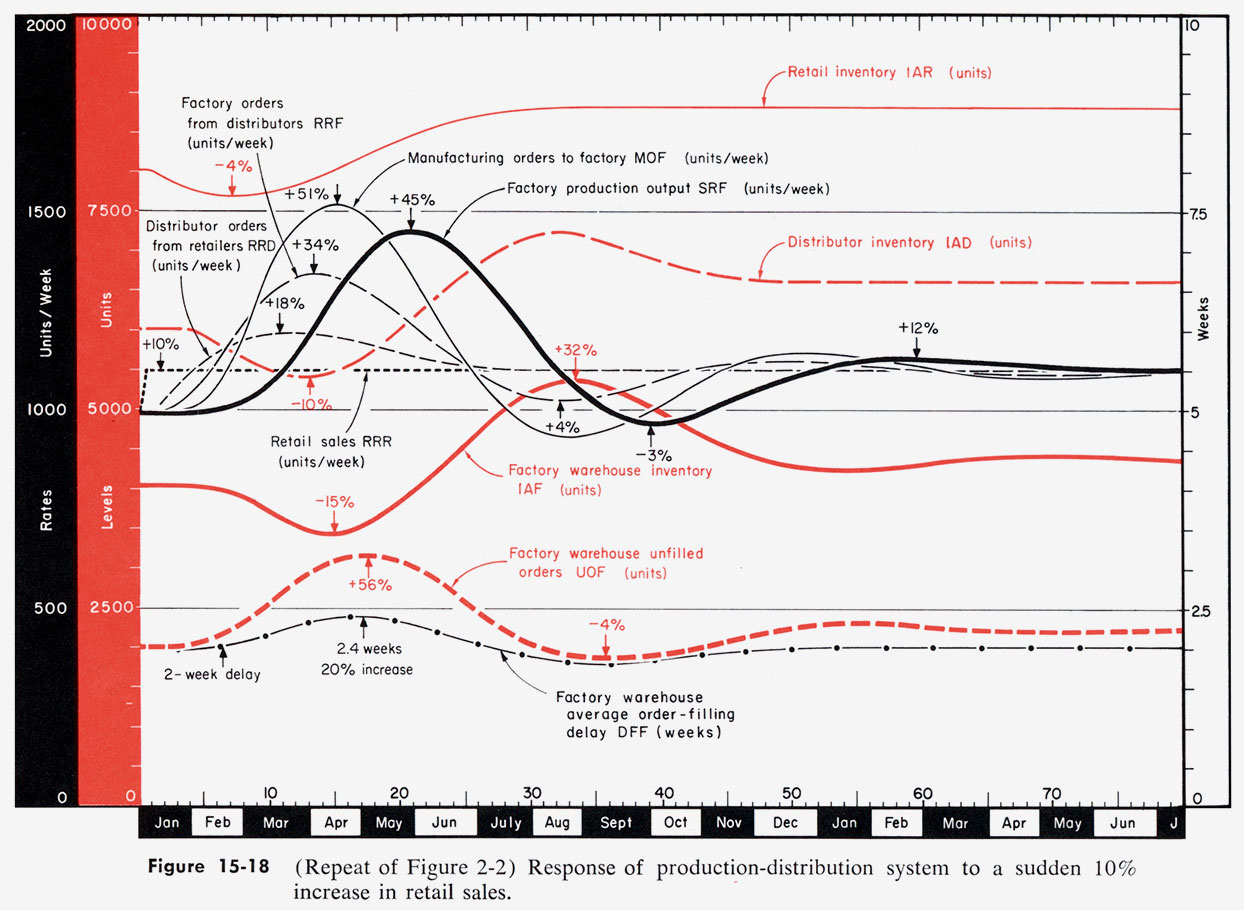
From Jay W. Forrester, Industrial Dynamics (Cambridge, MA: MIT Press, 1985 / 1st edition 1961), 174. The Prophet of Unintended Consequences - by Lawrence M. Fisher.
"Jay Forrester’s computer models show the nonlinear roots of calamity and reveal the leverage that can help us avoid it."
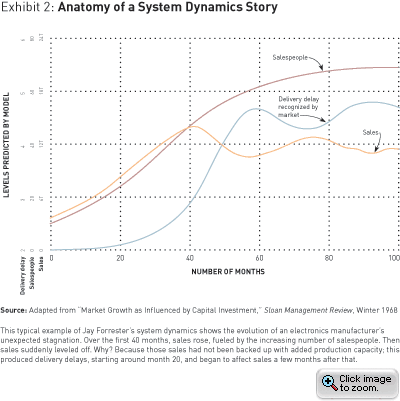
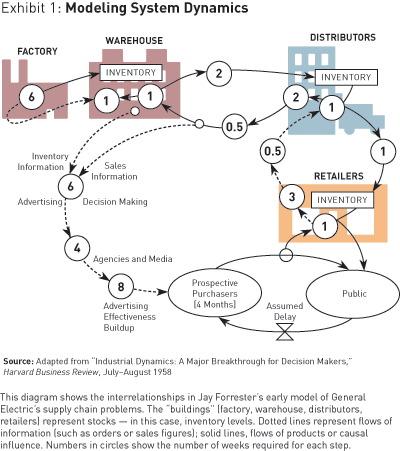
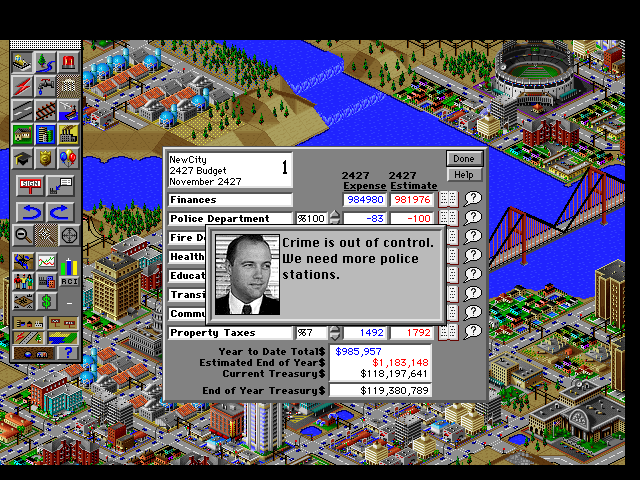
Model Metropolis - by Kevin T. Baker "Behind one of the most iconic computer games of all time is a theory of how cities die—one that has proven dangerously influential."
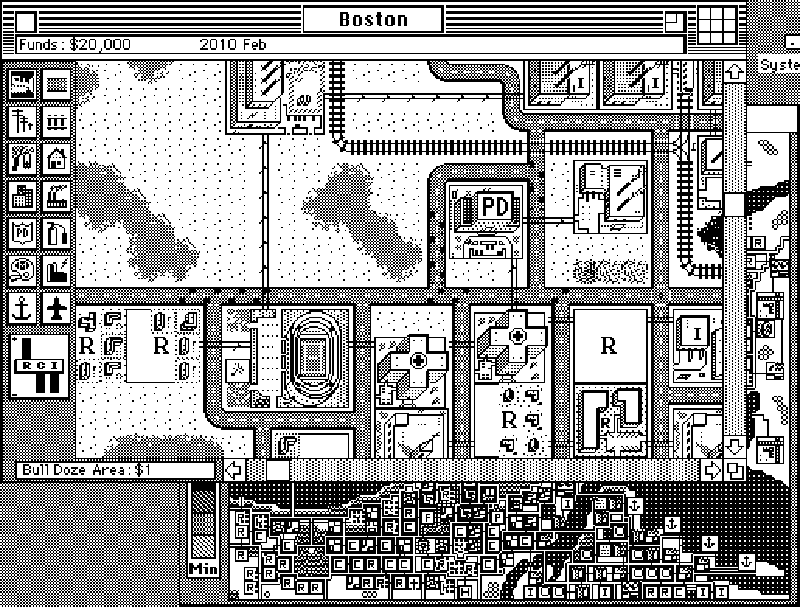
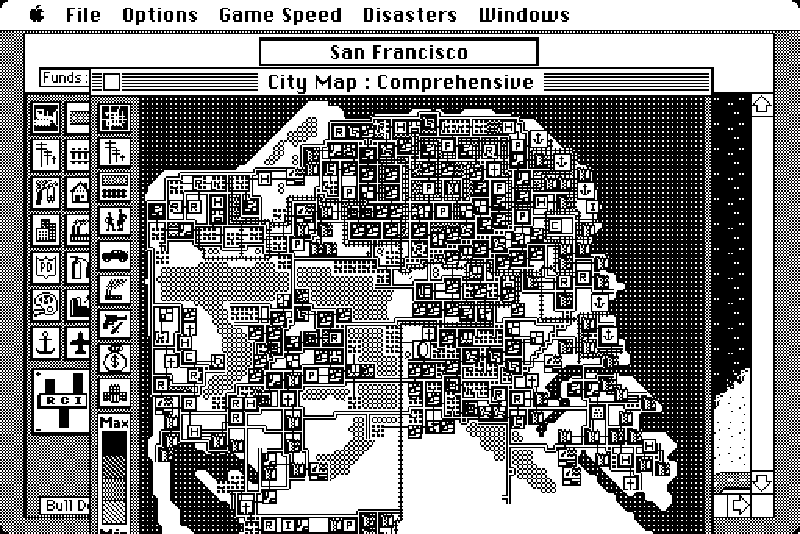
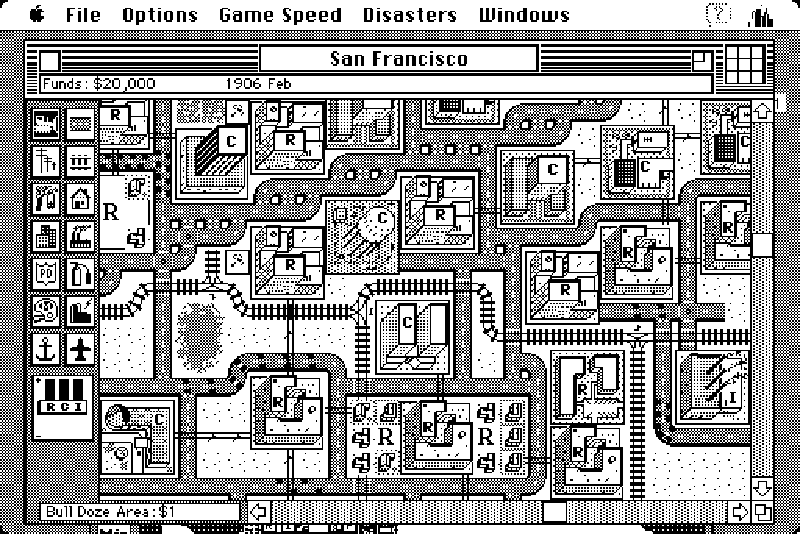
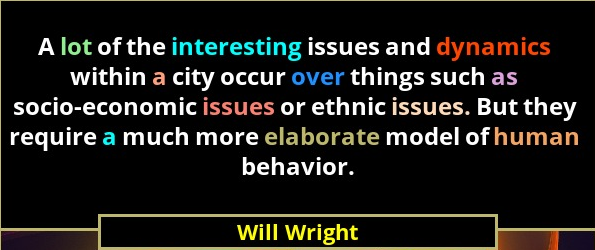
"Will Wright‘s SimCity was originally a map developing feature within the game Raid on Bungeling Bay. Born of Wright’s love for the intricacies of urban planning and of his interest in Jay Wright Forrester‘s System Dynamics, the city-building simulator was later developed as a spin-off program because Wright was more interested in building the city’s maps than playing the actual game. (via)"
Video: A Model Simulator: Lives of Jay W Forrester
Video: Jay Forrester (Part 1)
Applications of System Dynamics - Jay W. Forrester
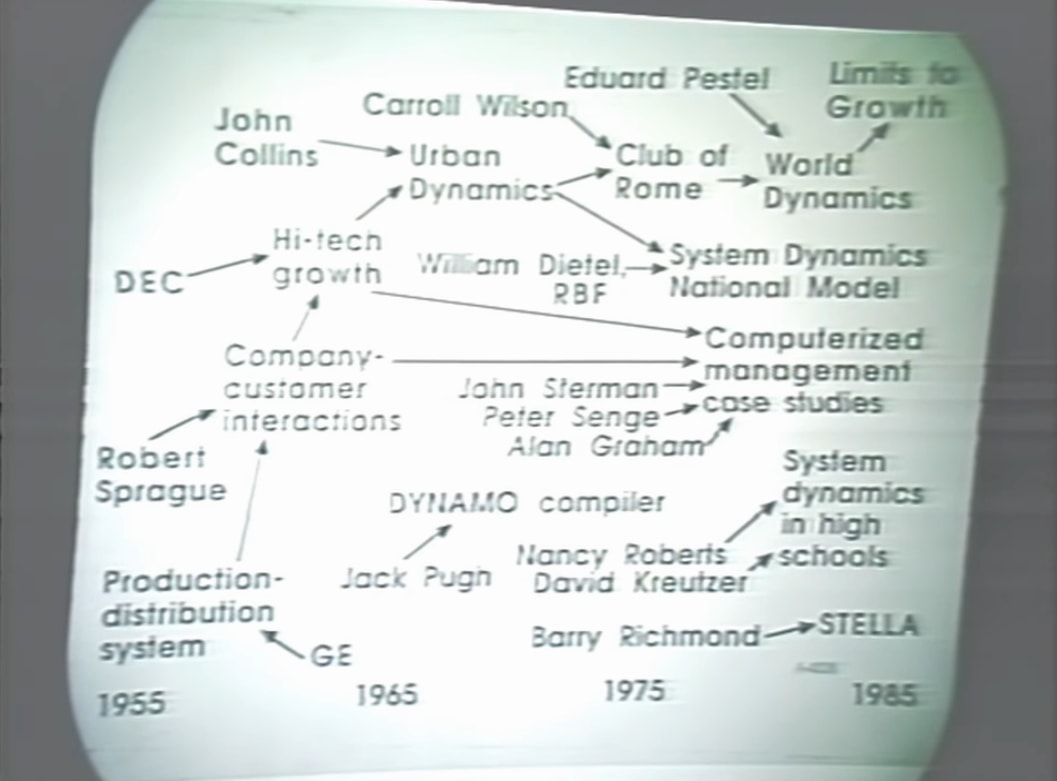
Forrester on Courage
"Life must be very practical, it is not theoretical, it is not conceptual with out purpose. What works gets results." - Jay Forrester
#Complexity #Systems #Business #Military #ClimateChange #Regenerative #ML #KM #SE
-
Toshiba Touts Algorithm That’s Faster Than a Supercomputer (Bloomberg) (alt source)
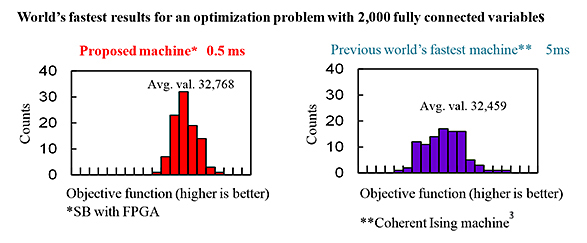
Toshiba Research Resuts "Toshiba's "Simulated Bifurcation Algorithm" is designed to harness the principles behind quantum computers without requiring the use of such machines, which currently have limited applications and can cost millions of dollars to build and keep near absolute zero temperature. Toshiba says its technology, runs on PCs made from off-the-shelf components."
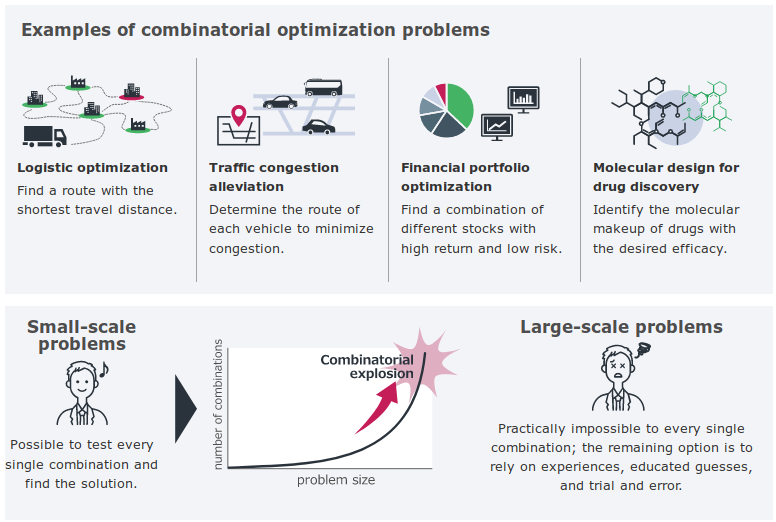
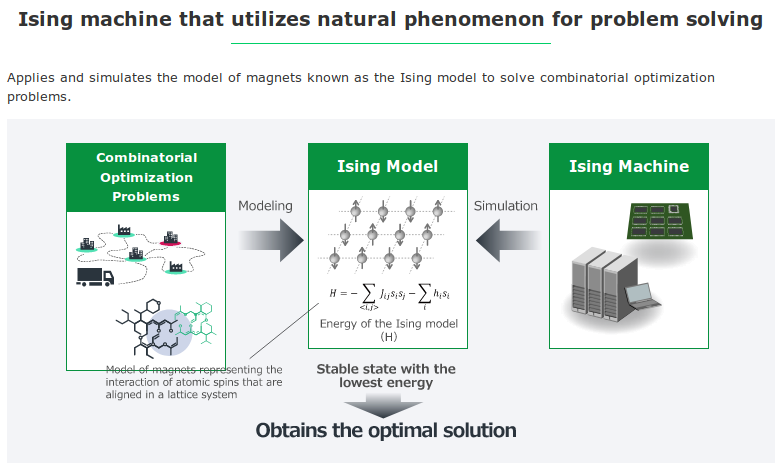
Simulated Bifurcation Machine (SBM) Technologies (Toshiba)

-
The Industrial Ecology Dashboard
"A list of repositories that are relevant for industrial ecology researchers."
Contents: Input-Output Analysis, Life Cycle Assessment, Material Flow Analysis, Industrial Symbiosis / Eco-Industrial Park, Collaboration initiatives and data sharing
-
"I am not a tekkie; I call myself a systems humanist." - Ted Nelson
-
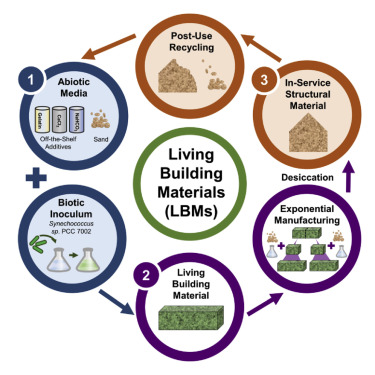
‘Frankenstein’ material can self-heal, reproduce (sciencemag) - report about the paper "Biomineralization and Successive Regeneration of Engineered Living Building Materials"
Highlights
- Living building materials (LBMs) were grown and regrown using physical switches
- Cyanobacteria biomineralized hydrogel-sand scaffolds
- Biomineralization increased the fracture toughness of LBMs
- Three child generations of LBMs were grown from one parent generation
- Microbial viability in the living building materials was maintained through 30 days