-
A principled way to solve problems: Constantly ask yourself what you are trying to do.
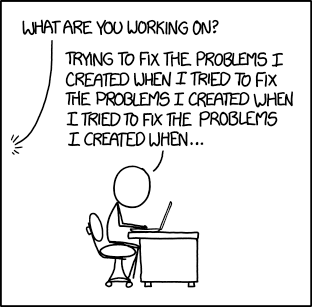
- Ask yourself what’s the problem you’re trying to solve
- Be sure that you understand it deeply, and that you at least have an idea of how would you know that the problem is solved.
- Propose a course of action
- Remind yourself: what I was trying to do?
- Ask the question: does doing this solve my problem?
- Doing this should transform your problem into your imaginary solved problem (that’s why it’s important to have an idea of how does the solved problem looks like)
- Do I need to do this? All actions should be needed for solving the problem. Any action that is not obviously needed, should be discarded
-
"My garden is my most beautiful masterpiece" - Claude Monet
-
Recognizing good opportunities requires plenty of idle time, wandering about, tinkering, trial and error, long walks, randomized attention, and other 'inefficiencies' of that sort." - @dvassallo

-
When starting a new project, focus on solving PURE problems:
- P → Painful which makes the solution more valuable
- U → Urgent which makes people take action quicker
- R → Recognized by people you want as customers
- E → Easy to solve by you thanks to an unfair advantage
"Treat projects like cattle, not like pets." - Daniel Vassallo
-
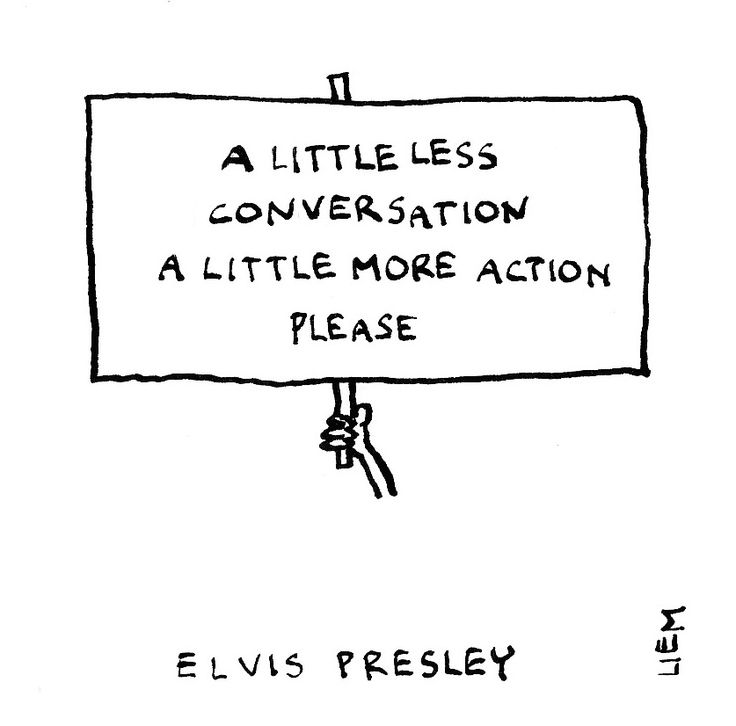
"A little less conversation, a little more action, please" - Elvis
-
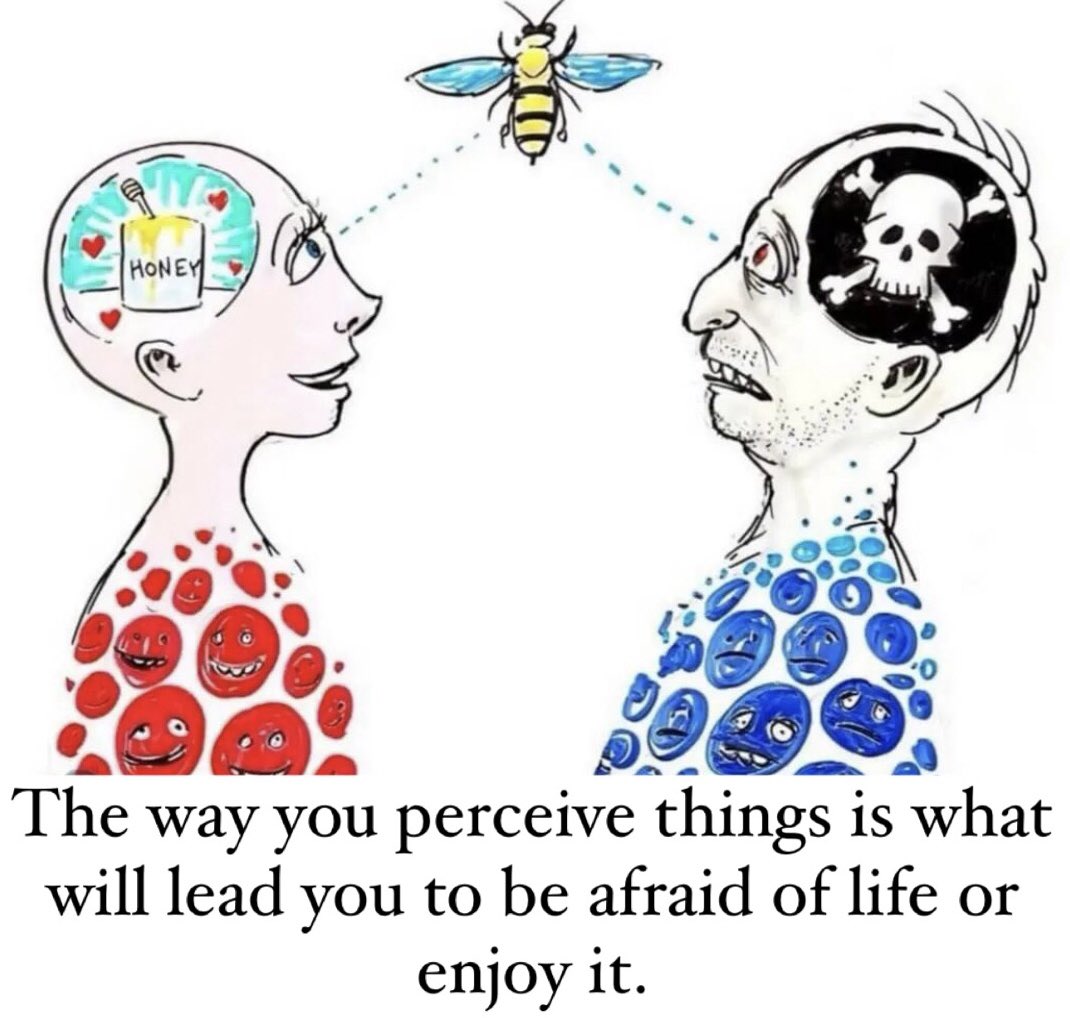
There is always a choice to perceive any "failure" as "lesson learned" or "quest completed" instead.

-
Nature loss: Insatiable greed degrading land around the world - UN - "Human activities are damaging and degrading the lands of the Earth in an unsustainable fashion according to a new UN report."
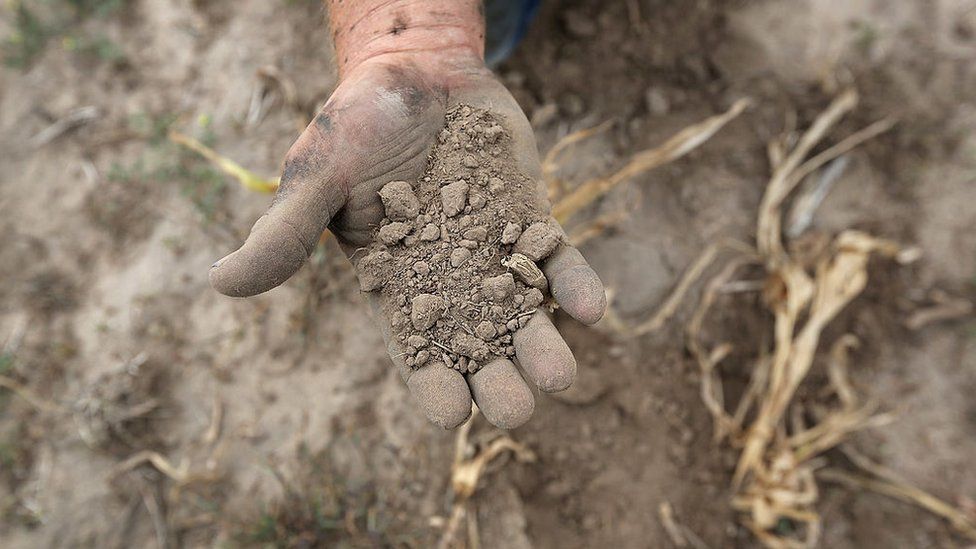
- Just 1% of farms control 70% of the world's agricultural land, while 80% of all farms are under 2 hectares.
- Around $700bn is paid in agricultural subsidies each year but only around 15% has a positive impact on natural capital or biodiversity.
- At least 70% of the clearing of forested areas for agriculture between 2013 and 2019 was done in violation of national laws.
- Just 1% of farms control 70% of the world's agricultural land, while 80% of all farms are under 2 hectares.
-
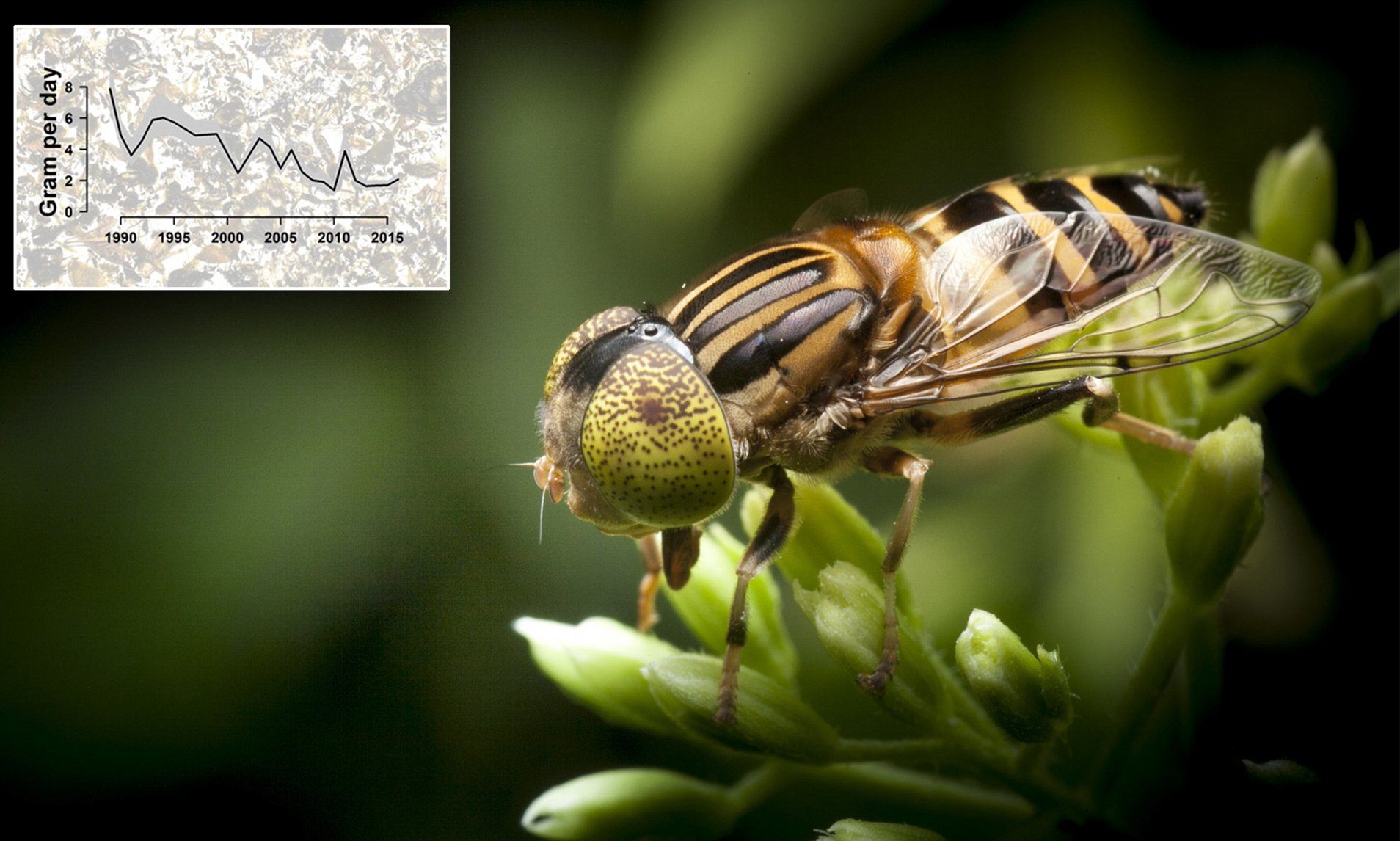
Flying insect numbers have plunged by 60% since 2004, GB survey finds - "Scientists behind survey of car number plates said drop was ‘terrifying’, as life on Earth depends on insects."
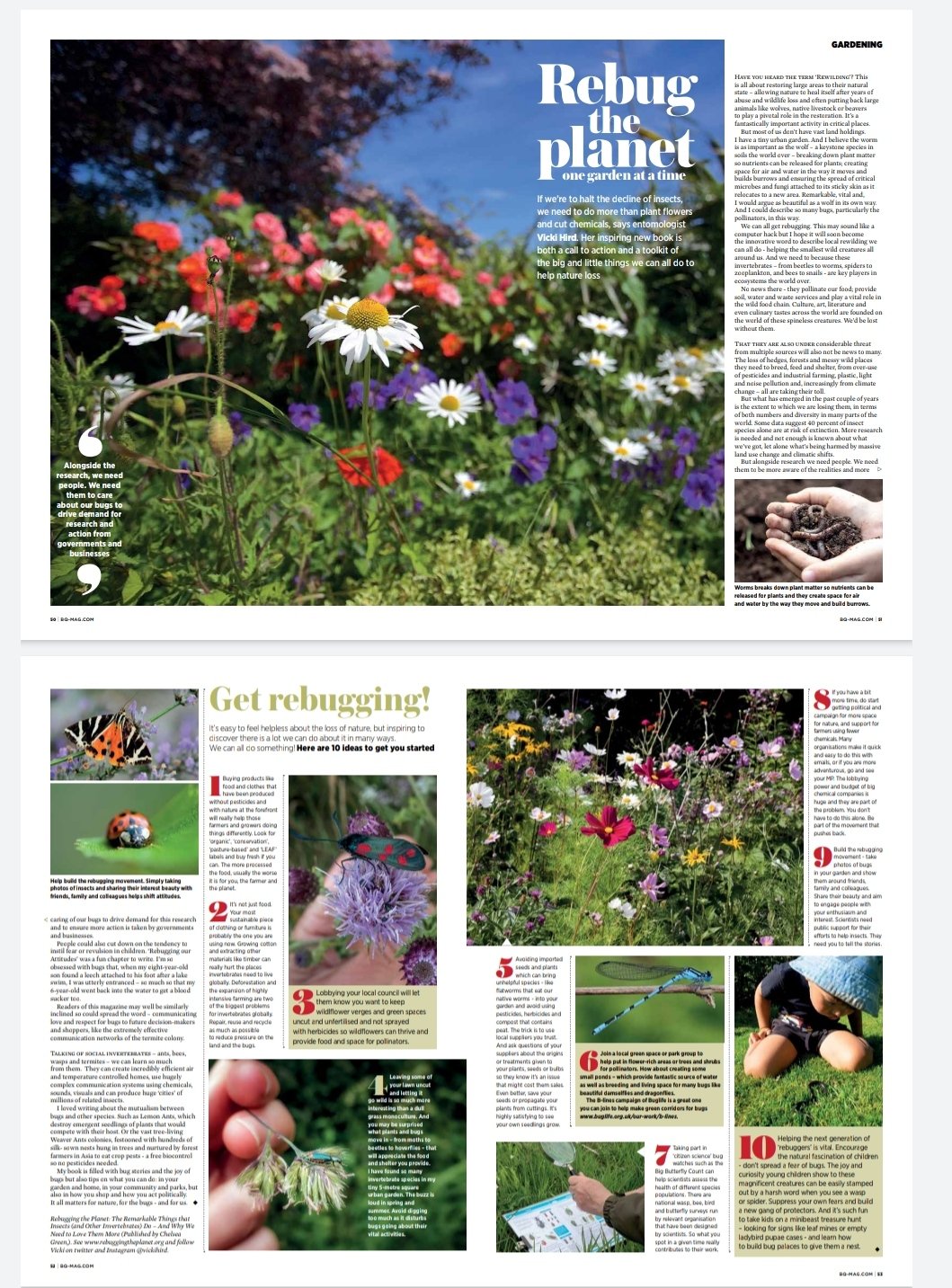
"Rebugging" spread in @BqEditor magazine - "Its easy to feel helpless about the loss of nature, but inspiring t discover there is a lot we can do about it in many ways. Here are 10 ideas to get you started."
-
That which is technically feasible and cheap to do, will be done...

...thus it is logical to assume that a significant portion of all media delivered via screens today (video, image, audio, text) is fully generated by machines, using weaponized secretive "deep fakes" systems with capabilities that are 10+ years beyond the current public imagination. Further, given how ubiquitous and cheap total surveillance has become, it is logical to assume such systems are on a trajectory to becoming "closed loop" and semi-autonomous, to be able to generate and deliver custom versions of "reality" for targeted audiences at scale, that continuously evolve based on individuals measured reactions to "behavioral micro-nudging" delivered through generated media. "The Show Must Go On" or "Unplug & Visit Nature", which is it for you?
-
"Hell is empty & all the devils are here." - Shakespeare

The idols we worship

-
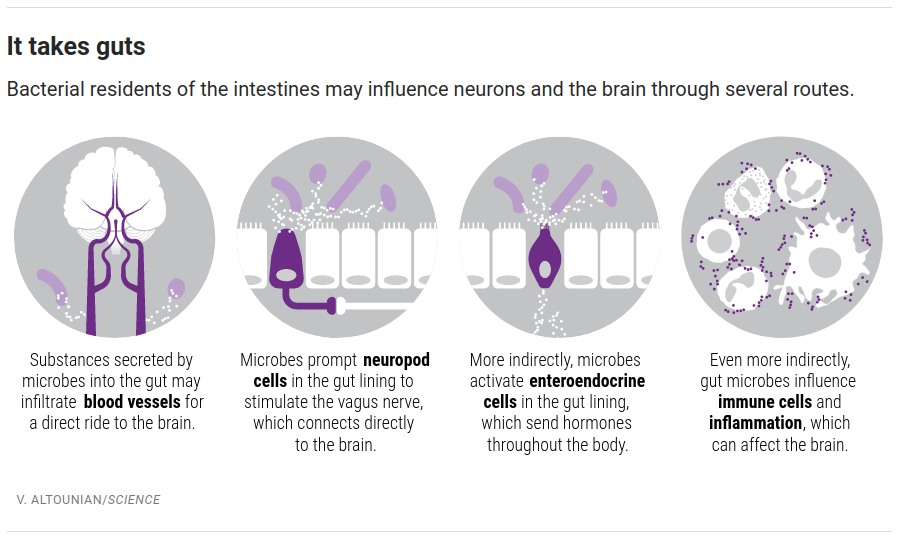
Meet the psychobiome - Mounting evidence that gut bacteria influence the nervous system inspires efforts to mine the microbiome for brain drugs.