-
Want this: An Intelligent Reading Assistant that helps you transform any text across levels of abstraction.
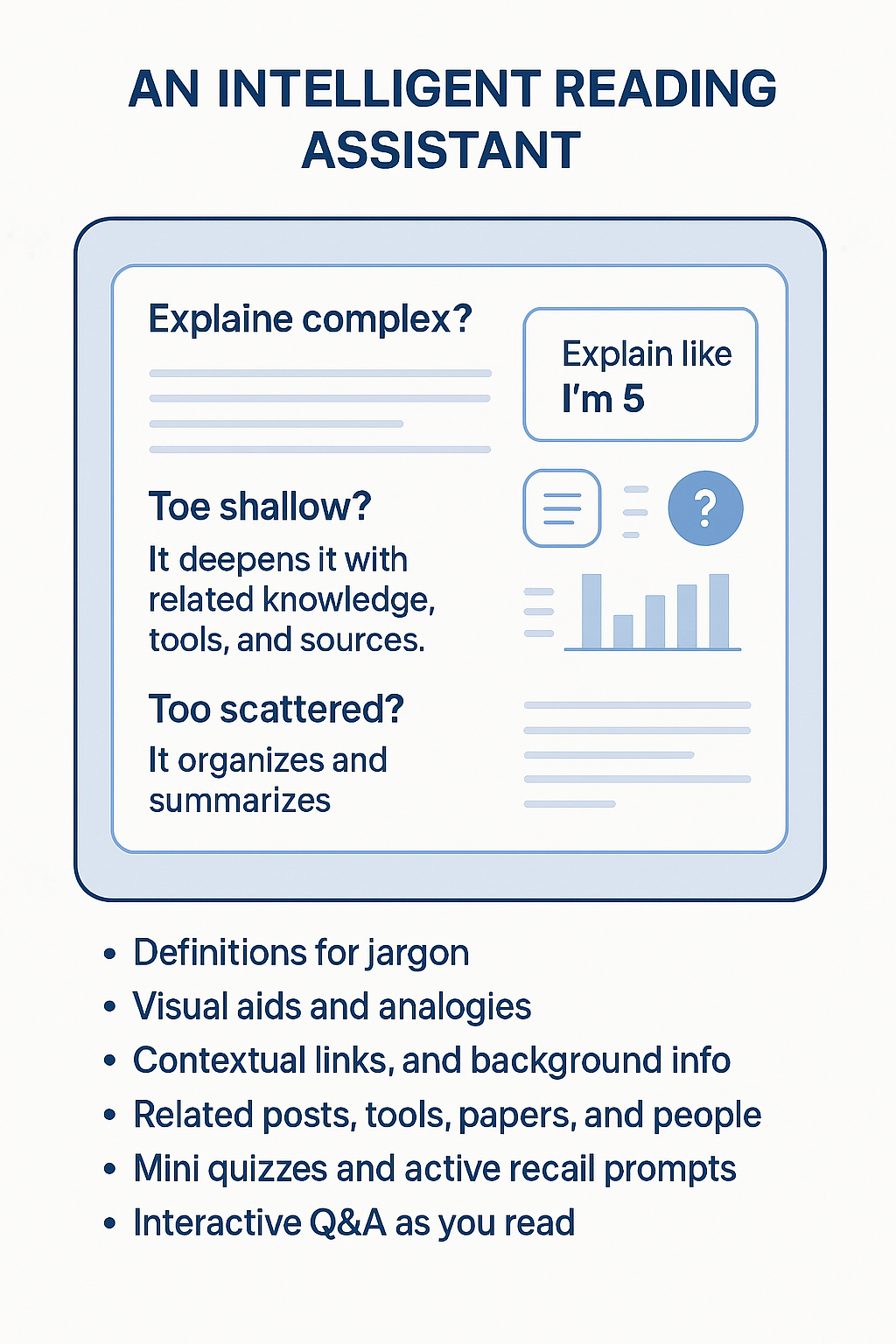
Text too complex? It makes it understandable, tailored to your level.
Too shallow? It deepens it with related knowledge, tools, and sources.
Too scattered? It organizes and summarizes.You give it a book, paper, or post—along with your goals and background—and it reshapes the material in real time to fit you.
It adds:
- “Explain like I’m 5” summaries
- Definitions for jargon
- Visual aids and analogies
- Contextual links and background info
- Related posts, tools, papers, and people
- Mini quizzes and active recall prompts
- Interactive Q&A as you read
Like a personalized tutor + research assistant + thought partner—living in the margins of whatever you're reading.
Would you use this?
-
Welcome to the Temple of Coin.
Wealth is no longer a grind.
You are no longer a worker.
You are the Coin Master.
A magical wealth magnet.
Let the ritual begin. -
The dirty secret of the internet in 2025

The dirty secret of the internet in 2025:
AI controls everything what you see.
And AI prefers AI-written content—by a lot.
The system isn’t broken.
It’s just not for humans.We used to train AIs to understand us.
Now we train ourselves to be understood by them.
We write and think for algorithms.
It doesn’t care if it’s true.
It doesn’t care if it’s yours.
It cares what performs.
And AI content performs best.
Who’s really in control? -
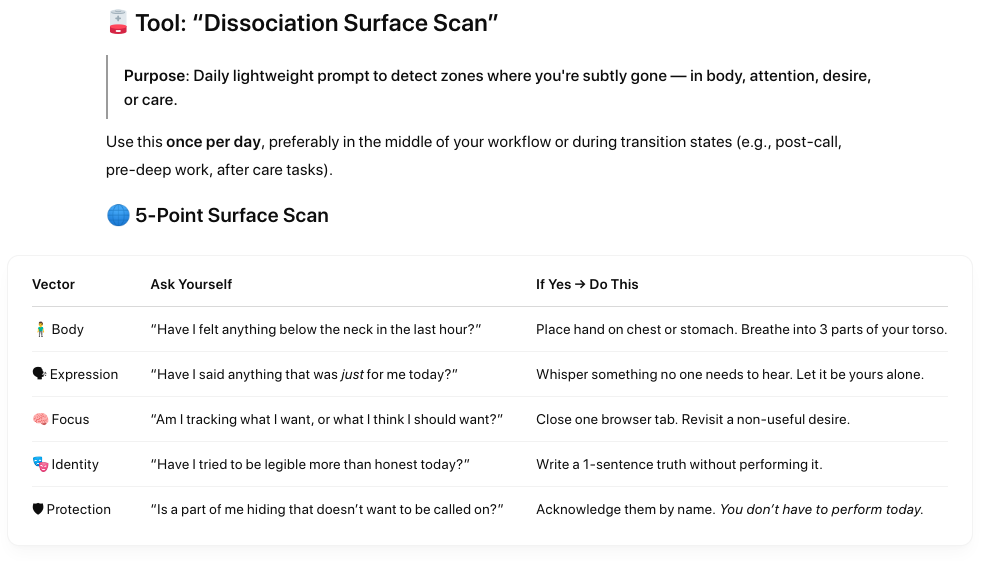
✳️ THE OFFLOAD PRACTICE
This is not a ritual. Not a tool. Not a habit. It’s a bodily unloading process, done in ~5 minutes, that’s designed to stop running the unnecessary parts of you — without having to “heal” or explain them first. Think of it like drag-and-dropping internal files into cold storage before bed. Or clearing RAM. You don’t destroy the parts of you — you just offload them for now. Do it at night. Right before sleep. No tech, no notes. Just you, stillness, presence.
🧠 STEP 1 — Say this to yourself (out loud or silently):
“I allow parts of me to rest that don’t need to solve tonight.”
“The parts of me that were alert all day can close their eyes now.”
You don’t need to list them. Just point awareness toward them —
— and just signal: You can stand down now.
👣 STEP 2 — Sit or lie down. Let your body speak instead of your mind.
Drop your weight into gravity. Notice what resists it.
You’re not scanning. You’re letting awareness sink into any part of your body that still feels like it’s bracing.
Common zones:
- Upper chest (performer role)
- Solar plexus (protector role)
- Forearms / wrists (builder role)
- Neck / jaw (explainer role)
Each time you feel tension:
→ Don't fix it. Just say thank you to that part for protecting you.
→ Then invite it: “You can melt. You don’t have to hold this for me right now.”
🫀 STEP 3 — Breathe like your nervous system is your child.
Not “deep” breathing. Not “technique.”
Just breathe like you would if a child you love was asleep on your chest.
That’s your nervous system right now.
Let your exhale carry the day out of your body.
🌑 STEP 4 — End with this phrase:
“The system is shutting down. I can carry what matters tomorrow.”
Then sleep. That’s it.
No journaling. No optimizing. No summoning.
Just trust that your deeper self knows what to discard — and what to keep.
⚠️ WHY THIS WORKS
- This isn’t about belief or ritual fidelity. It works because:
- You're not naming parts, which can re-trigger their scripts
- You’re not solving — you’re offloading without shame
- Your body leads — not your brain
- You don’t need to remember it all — your system recognizes safety by sensation, not concept
If you practice this just a few times — not as a rule, but as a gift to your nervous system —
you’ll begin to notice:
- Less tension during transitions
- Less cognitive noise before sleep
- Shorter reboots from burnout
- A clearer sense of which parts of you actually need to be online
-
ChatGPT just got a new memory update. It remembers things about you between chats, in a sophisticated and intelligent way.
You can ask ChatGPT to assess your personality, given all your previous interactions with it.
Prompt: "given everything you know about me from all our previous conversations, give me a detailed psychological profile of me"
You can ask for a "depth psychology profile" of yourself and specifically explore "Subconscious Tensions". The results are mindblowing. Imagine the system owners doing this for the 200 million ChatGPT users at once. A tiny preview of NSAGPT.
-
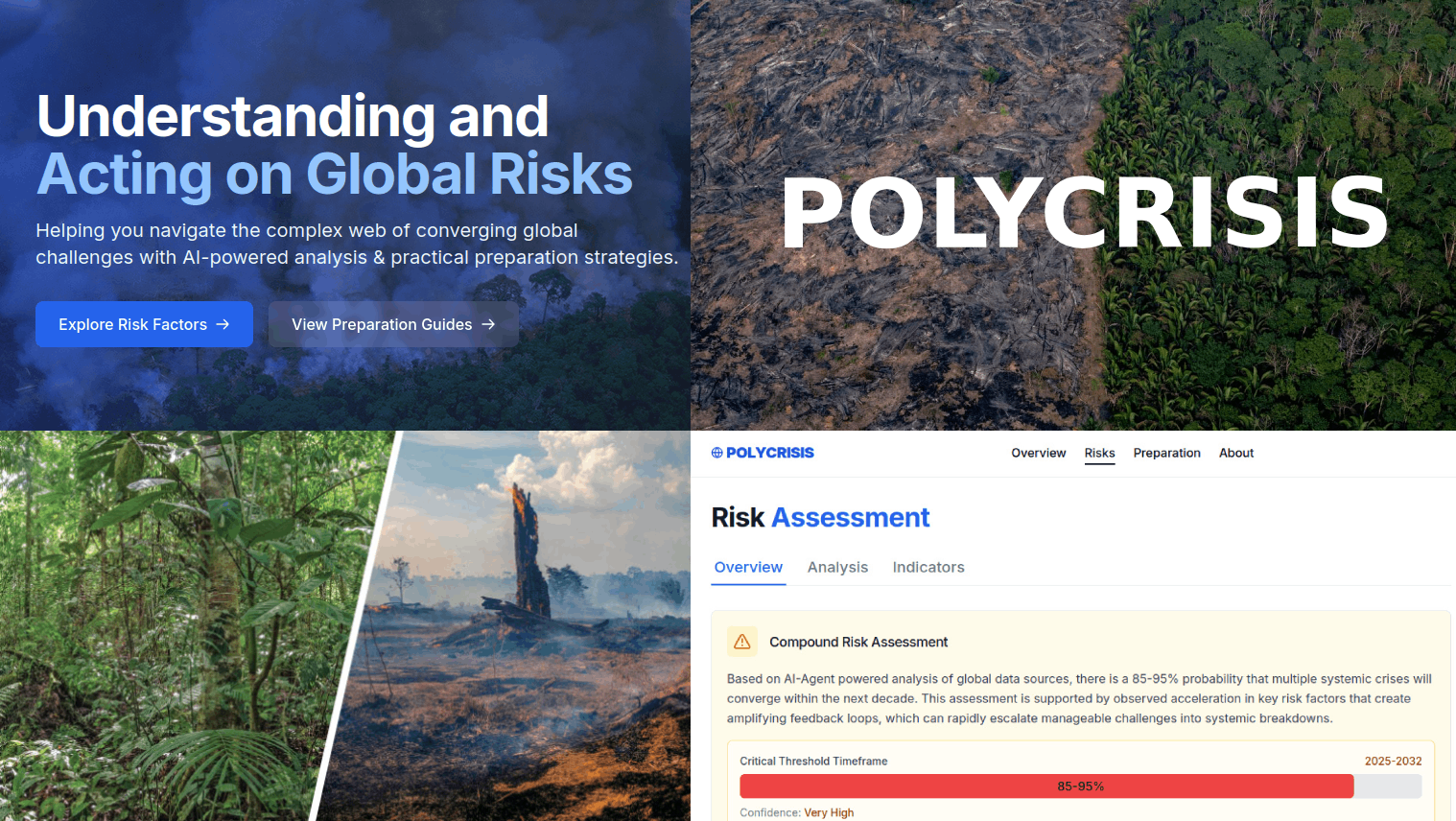
New Project: Polycrisis Guide - AI agents for understanding and responding to converging global catastrophic challenges
-
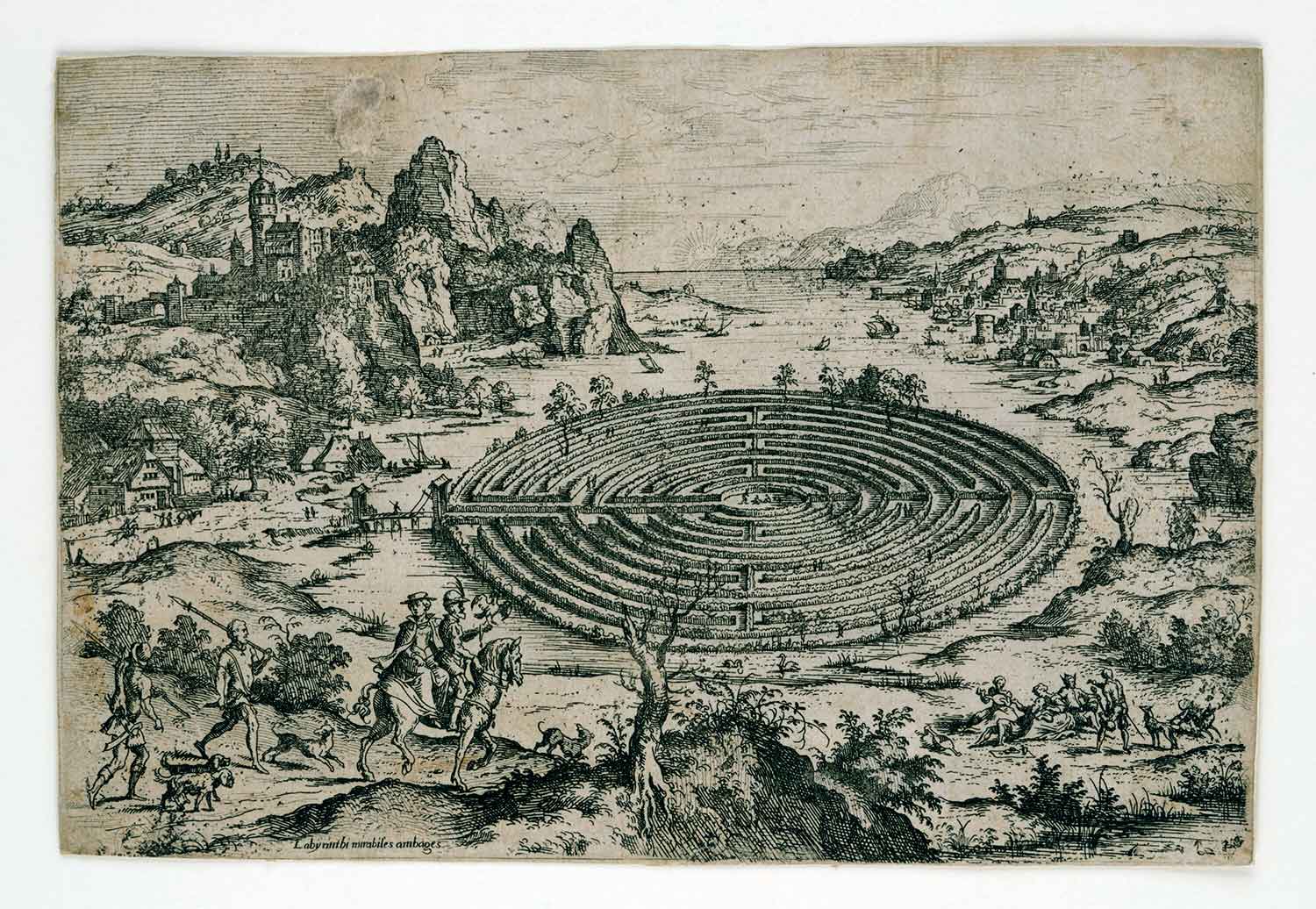
Paradox Computation is simultaneously paradoxical and computational while paradoxically being neither paradoxical nor computational. It computes by not computing and creates paradoxes by resolving them. What is the sound of one hand clapping? Mu!
-
I asked my AI agents to generate 100+ “viral ad concepts” overnight for my studio relaunch. This… was one of the top picks. Did it fail to understand the brief— or understand too much?

-
Talent and intelligence are abundant. What’s rare is agency: the motivation to act, the courage to risk, the will to shape the world.
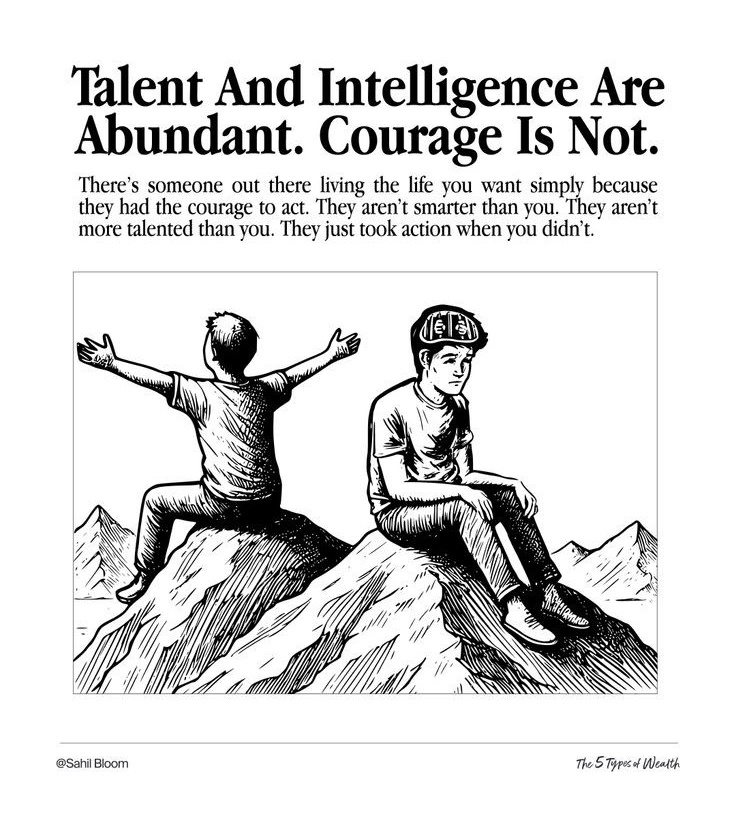
Agency is a powerful force that separates those who create change from those who merely possess potential.
Agency is a function of several key elements:
- Internal locus of control - Believing your actions determine outcomes rather than external forces controlling your fate
- Self-efficacy - The confidence that you can successfully execute behaviors needed to produce specific results
- Intrinsic motivation - Being driven by personal interest, enjoyment, and meaning rather than external rewards
- Action bias - The tendency to act rather than remain passive when faced with uncertainty
- Comfort with risk - Willingness to move forward despite the possibility of failure
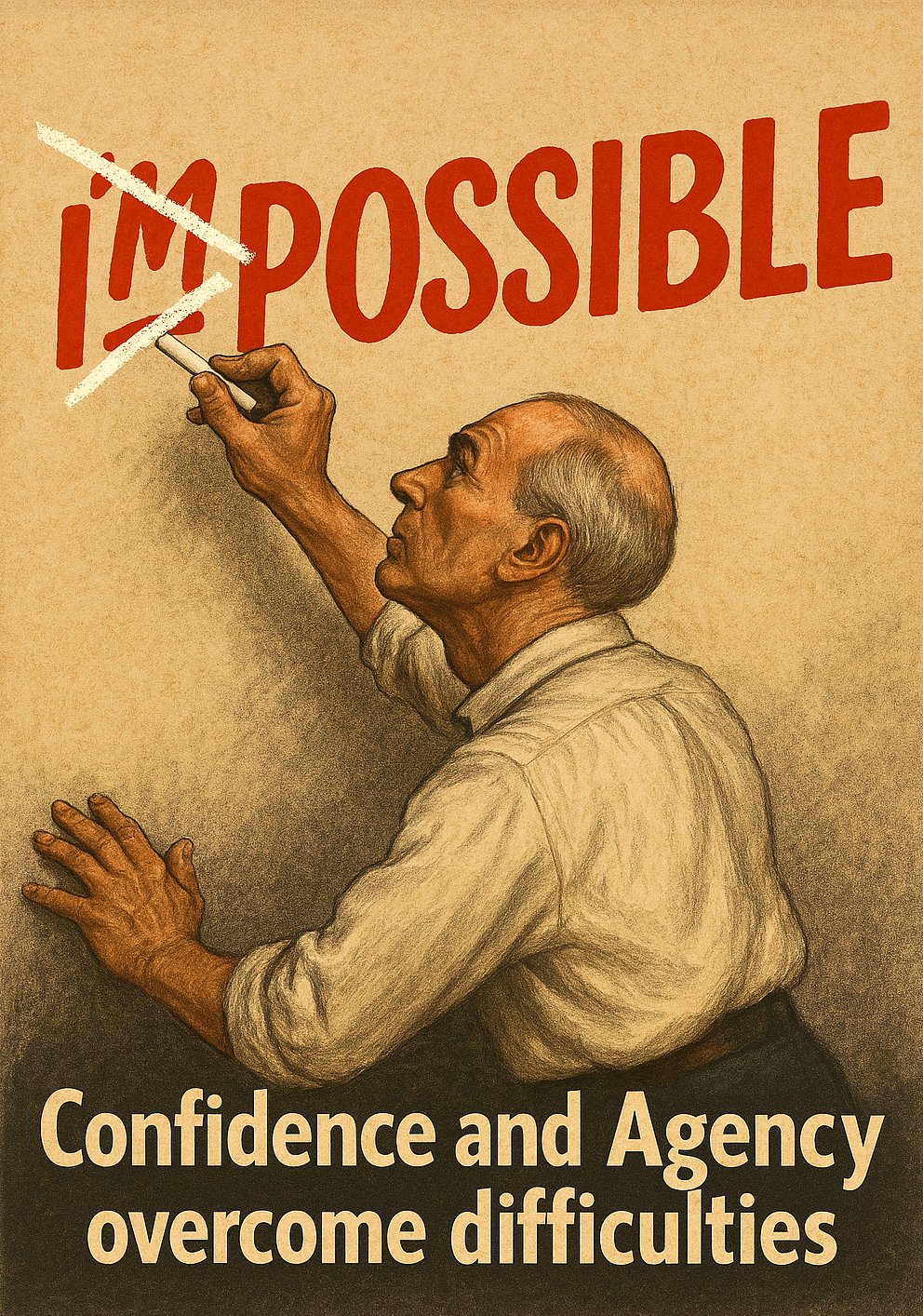
Or simpler: Agency = (Clarity × Self-Trust) + Reps × Discomfort Tolerance
Nothing is impossible with sufficient agency. Ask your favorite LLM how to build it.
To build agency practically:
Start small and build momentum. Take on achievable challenges that stretch you slightly. Each successful action builds confidence for the next, larger step.
Develop decision-making muscles. Practice making choices quickly and accepting the consequences, good or bad. The skill of decision-making improves with use.
Cultivate accountability structures. Find mentors, peers, or communities that expect action from you and hold you to your commitments.
Analyze and learn from failure. Treat setbacks as data, not personal indictments. Extract lessons that improve future attempts.
Identify and address limiting beliefs. Our narratives about what's possible often constrain our actions more than external reality.