-
Working with an LLM on a deep project - learning by doing - is by far the greatest educational experience I’ve had in my entire life. It blows any school away. Zooming in or out, changing perspectives at will, and adaptively ramping up understanding. Insanely fun.
-
Evolvability evolves
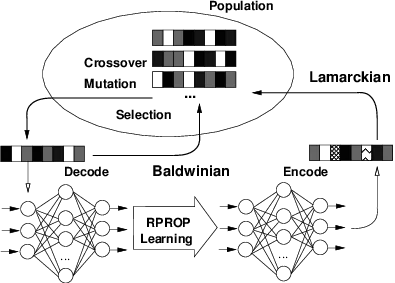
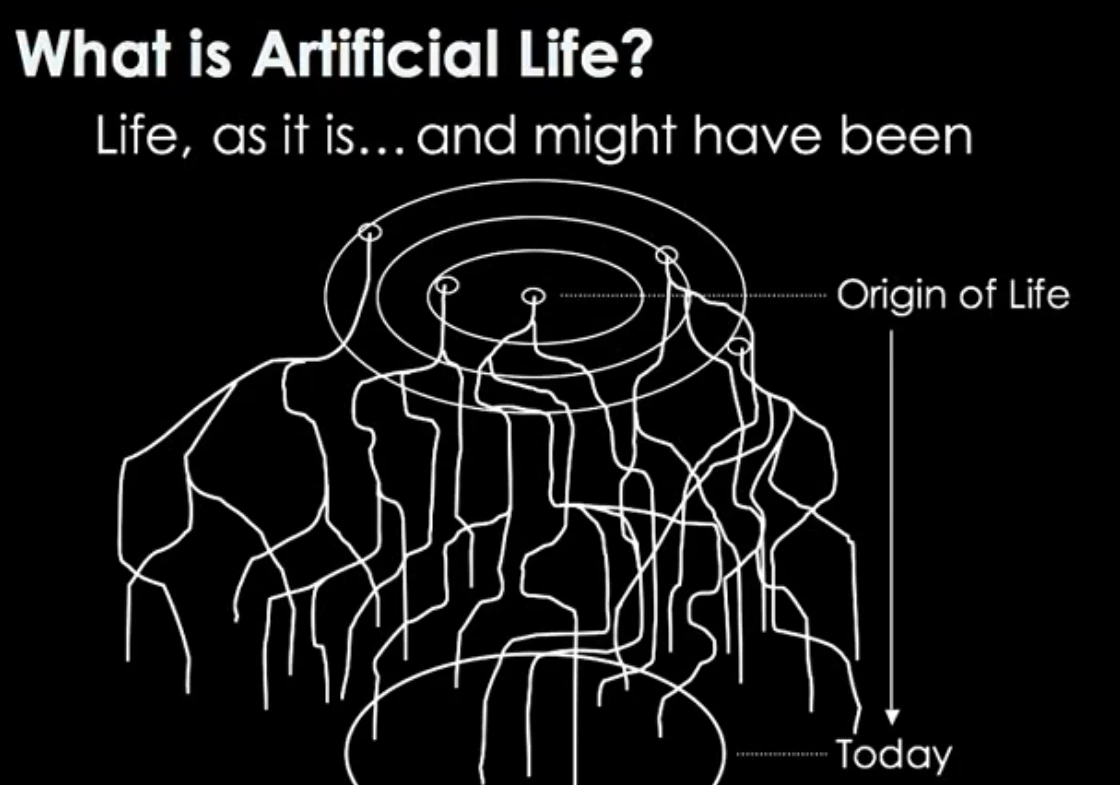
Evolvability evolves. This is the deeper part, and I think it’s what you’re sensing. Development (genes → regulatory networks → body) makes most mutations produce viable, structured variation: a mutation lengthens all legs at once, or duplicates a segment, rather than scrambling atoms. Kirschner and Gerhart call this facilitated variation. Richard Watson goes further: gene regulatory networks behave like a neural network that learns from past selection, storing an associative memory of what worked and biasing future variation towards it. Evolution learns how to evolve. Nature has huge scale (about 10^30 organisms) and this learned bias.
Search versus communication and resonance.
Search versus communication and resonance. Ken Stanley frames it as search through a space: where to look next. A co-evolving ecology looks more like a web of coupled dynamical systems, each adapting to its perception of the others. Prey and predator retune each other; a niche is a relationship, not a place. A oscillator image: a creature’s CPG entrains to the ground through load feedback, so a gait is a resonance between body and world. Extending that idea between creatures, and between creatures and a world that responds, is a coherent research direction. Michael Levin’s work on cells as communicating agents with collective goals is the closest serious version I know of. Honestly, it’s less mature as engineering than POET, but it may be the better lens for what we want.
Metastability and Homeostasis
The interesting zone lies between them: metastability, or criticality, the “edge of chaos”. Parts keep almost locking, drifting, regrouping. Kelso’s coordination dynamics describes the brain this way; neuronal avalanches (Beggs and Plenz) are its fingerprint. The music analogy fits exactly: music is neither unison nor noise but tension and release, patterns that almost repeat. Homeostasis is a related but different thing: staying stable around a set point. Ashby’s homeostat (1948) is a lovely ancestor: coupled units that keep retuning their own wiring until the whole is stable. Life needs both: stable at its core, metastable at its edges. 1/f noise is the real, measurable part. It shows up in heartbeats, brain activity, human movement and music; Voss and Clarke found it in melodies in 1975. It’s a common signature of systems near criticality. In some sense, it is an objective measure of organic motion. A robot gait is strictly periodic, a sharp spike in the spectrum. Living movement wanders around its rhythm with 1/f-like variation. We can compute that from any data.
-
people keep confusing intelligence with evolution.
intelligence solves problems. evolution invents them.
one converges. the other never stops diverging.
we're building the first one and calling it the endgame. -
Peak 2026 work culture: AI agents do 98% of the heavy lifting, yet the human who does the remaining 2% and greenlights the work still insists the AI is terrible and their "human touch" is what actually made it good. So incredibly stupid.
-
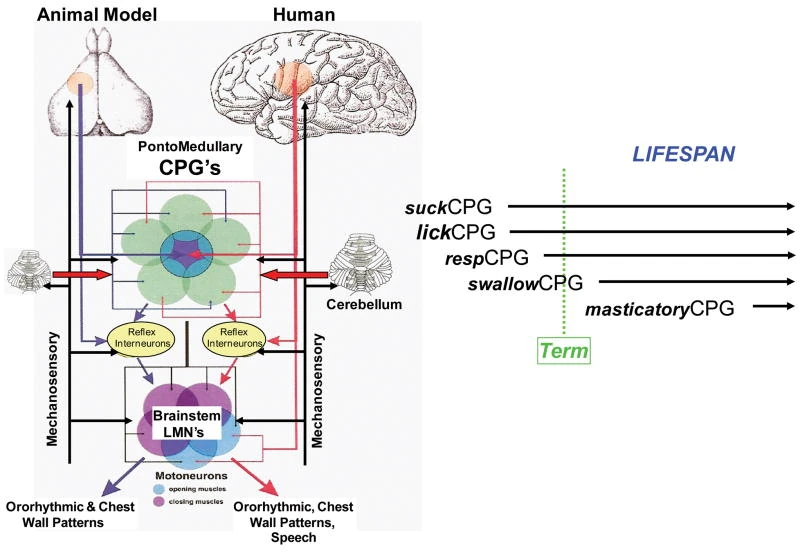
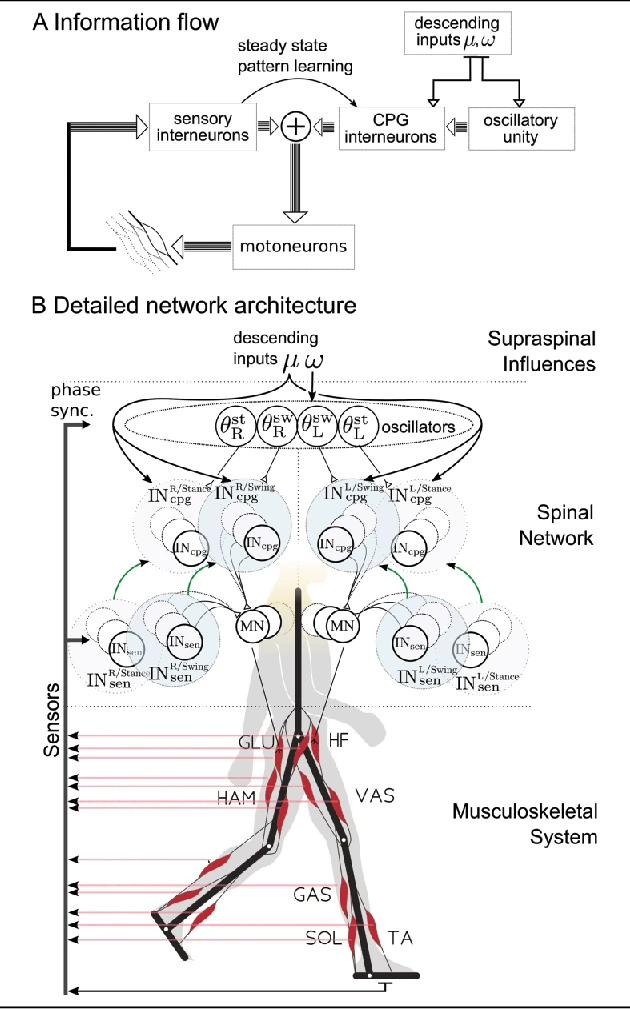
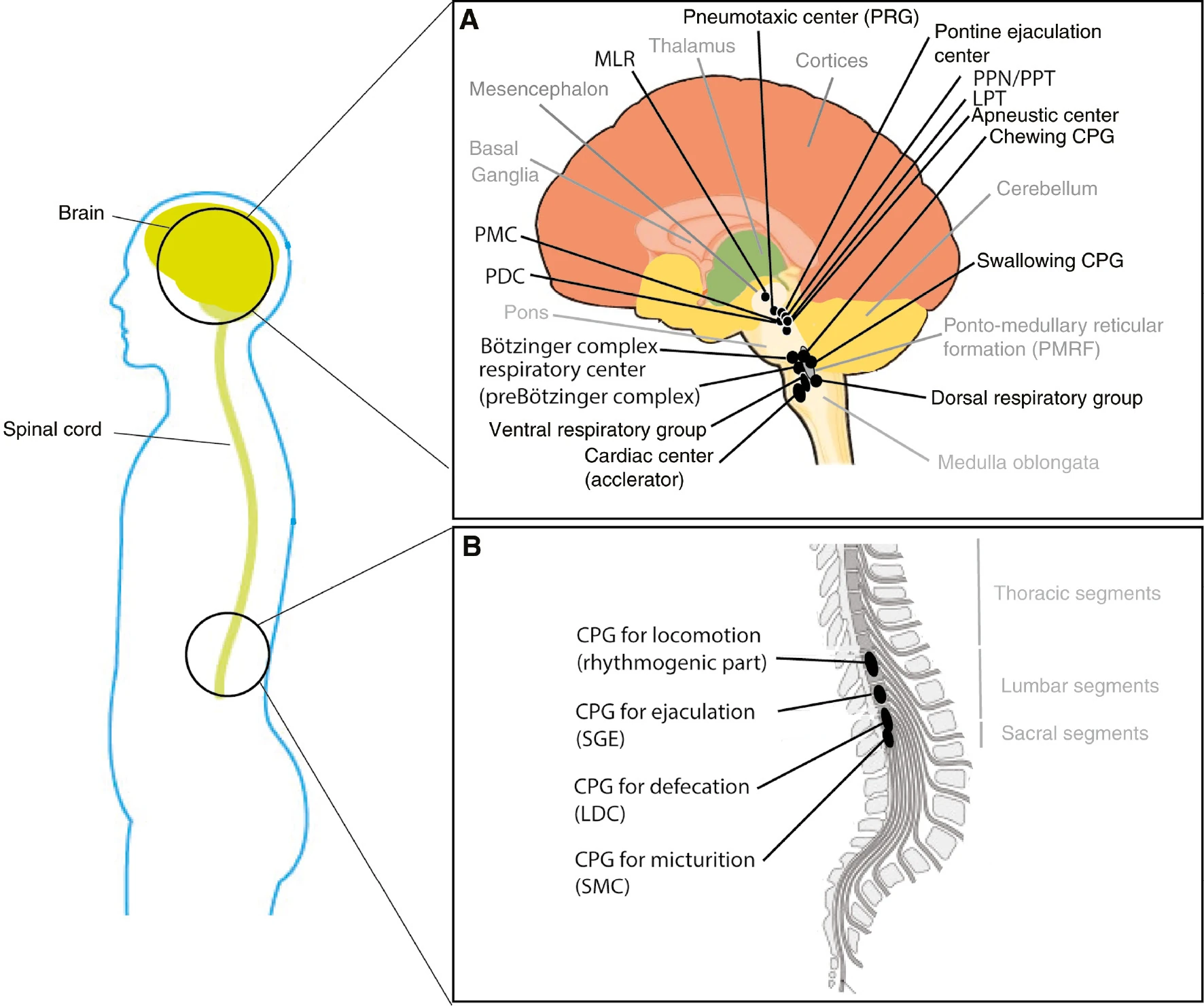
How spinal pattern generators and the brainstem divide the work
The brainstem and spinal central pattern generators (CPGs) divide rhythmic motor work through a hierarchical control loop: the brainstem acts as the high-level commander that starts, stops, and steers movement, while spinal CPGs act as local rhythm generators that execute the repetitive muscle patterns.
-
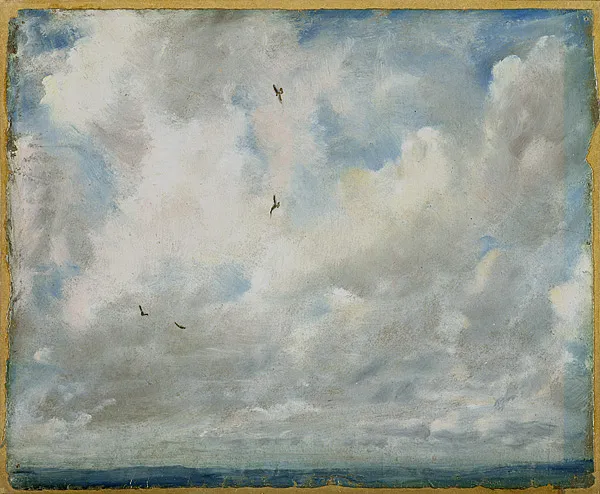
forecast for the rest of your week: scattered breakthroughs. 80% chance of unexpected good news by friday. heavy luck tomorrow afternoon.
-
"In America if you get rich, it's equated with being smart. But you can get rich with just begin clever. It's not the same thing as Intelligence and knowledge" - Alan Jay on Steve Jobs
-
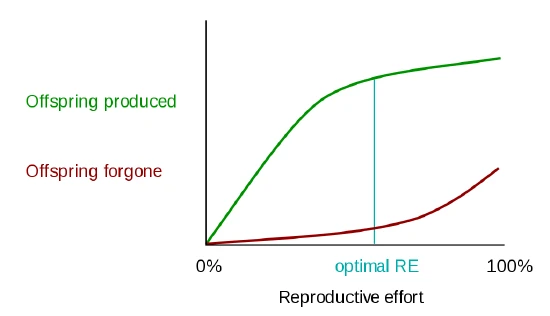
Cole’s paradox
Cole’s paradox is a life-history theory finding by ecologist Lamont Cole (1954). It shows that an organism reproducing once and dying only needs to produce one extra offspring to match the population growth of an immortal organism that reproduces repeatedly. Expect semelparity to dominate in simple models, even though repeated breeding remains common in nature due to age-specific survival rates and environmental uncertainty.