tag > Africa
-
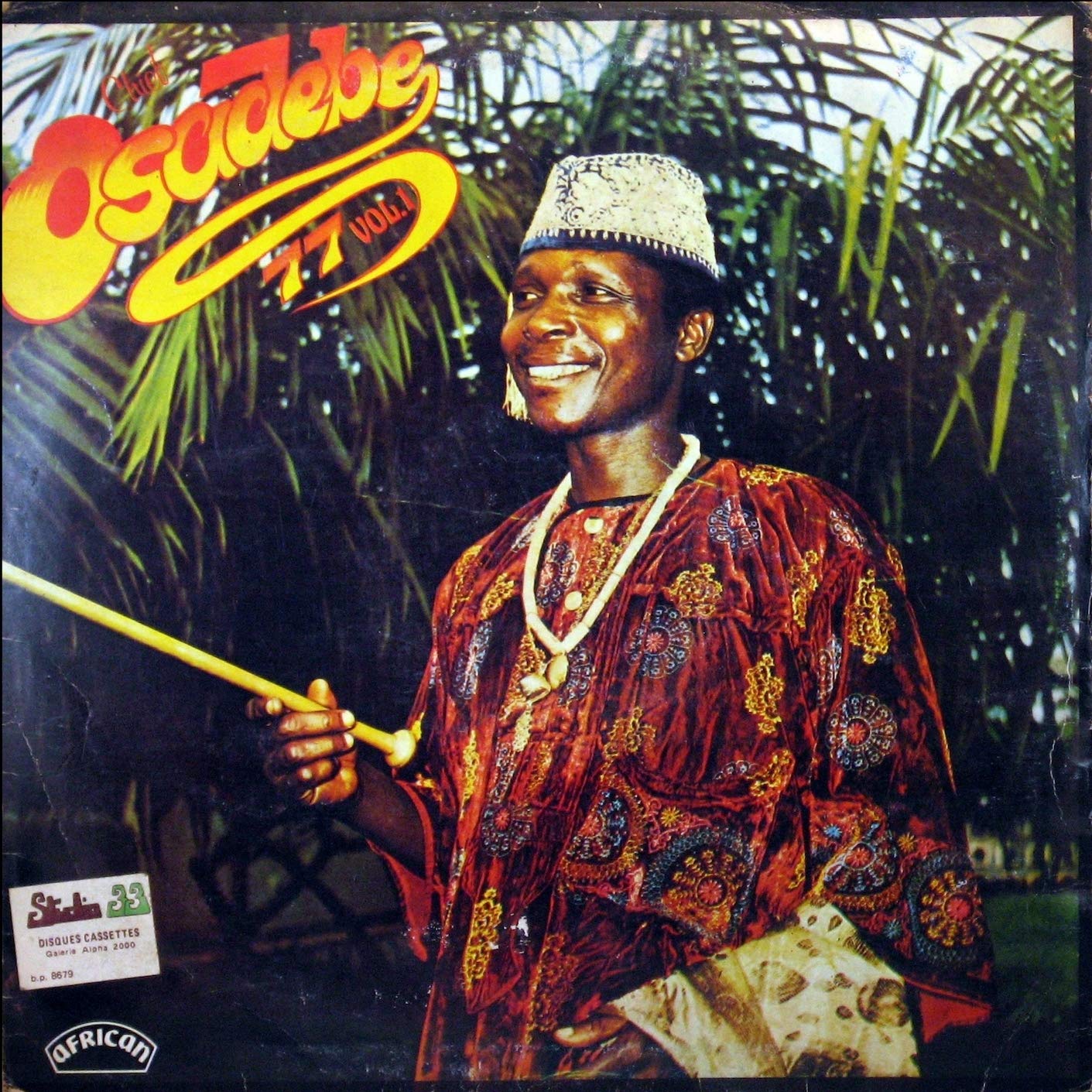
Chief Stephen Osita Osadebe's (1936 - 2007) wonderful music keeps echoing through eternity.
-
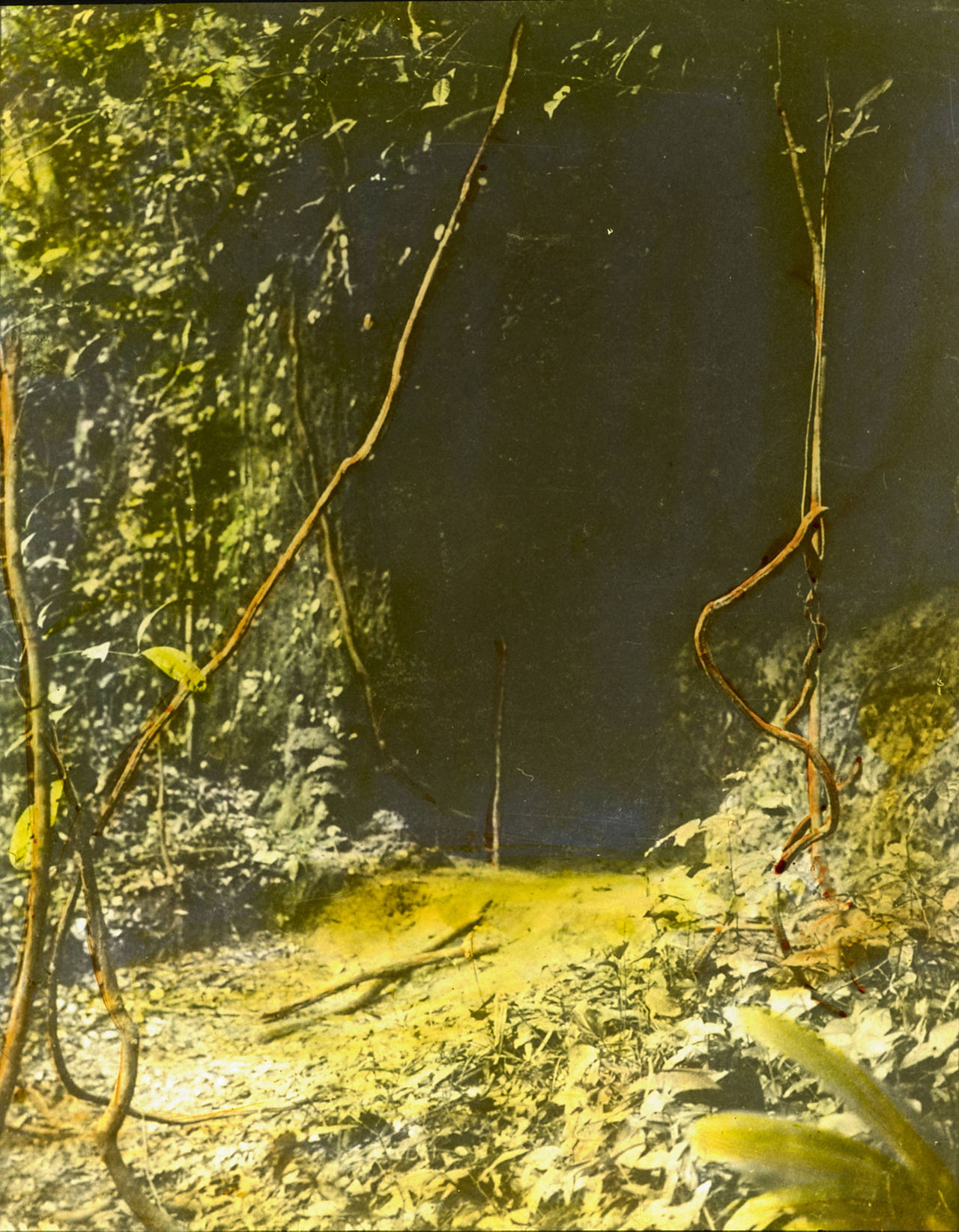
Entrance to the cave of the Ibini Ukpabi oracle at Arochukwu, 1900s - A Sacred place of Odinala
-
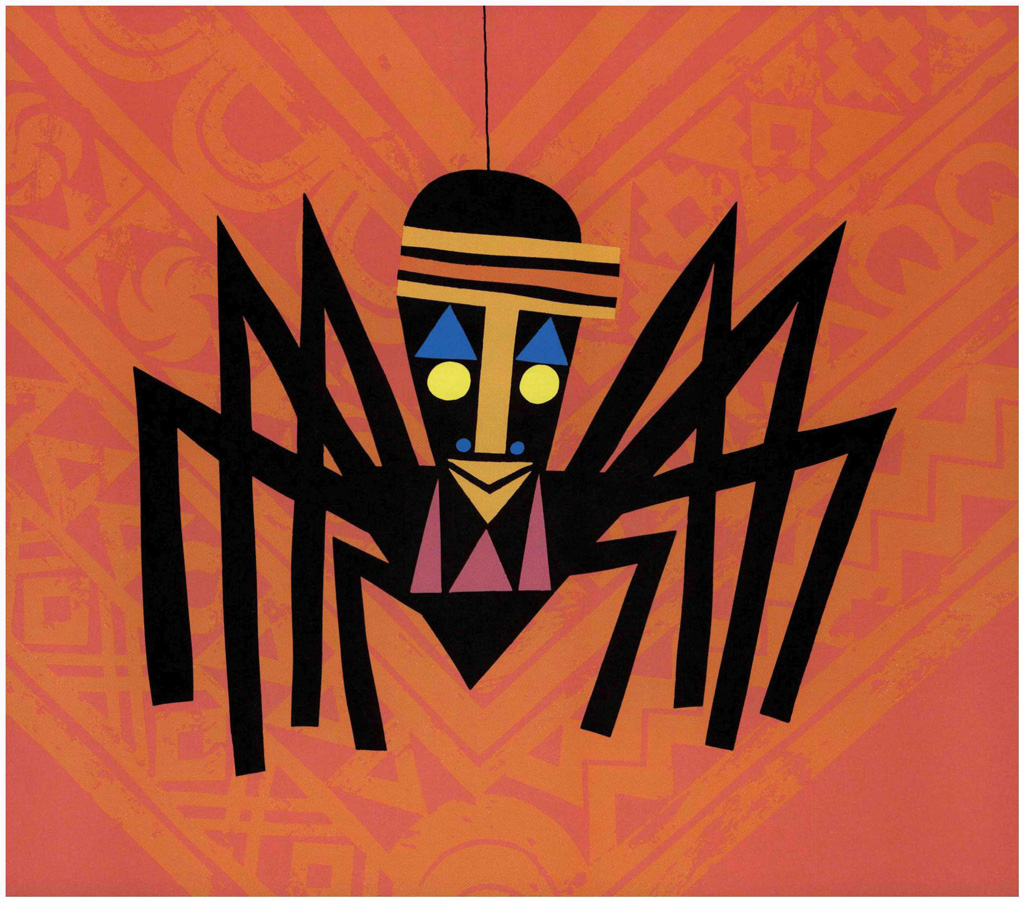
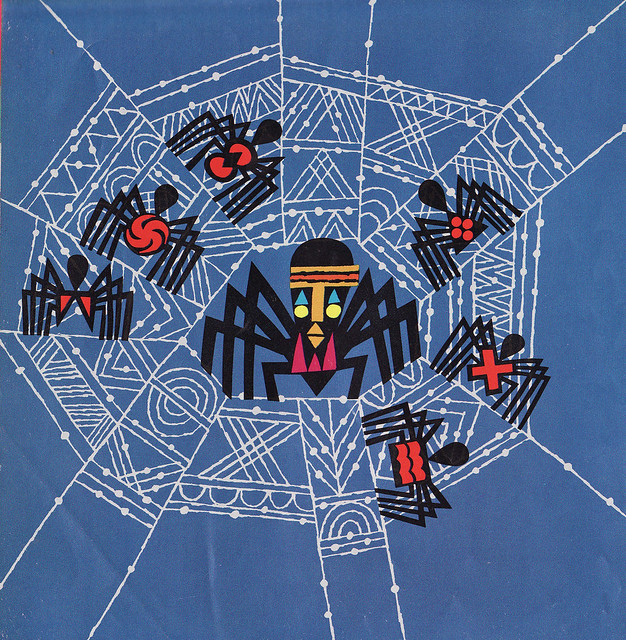
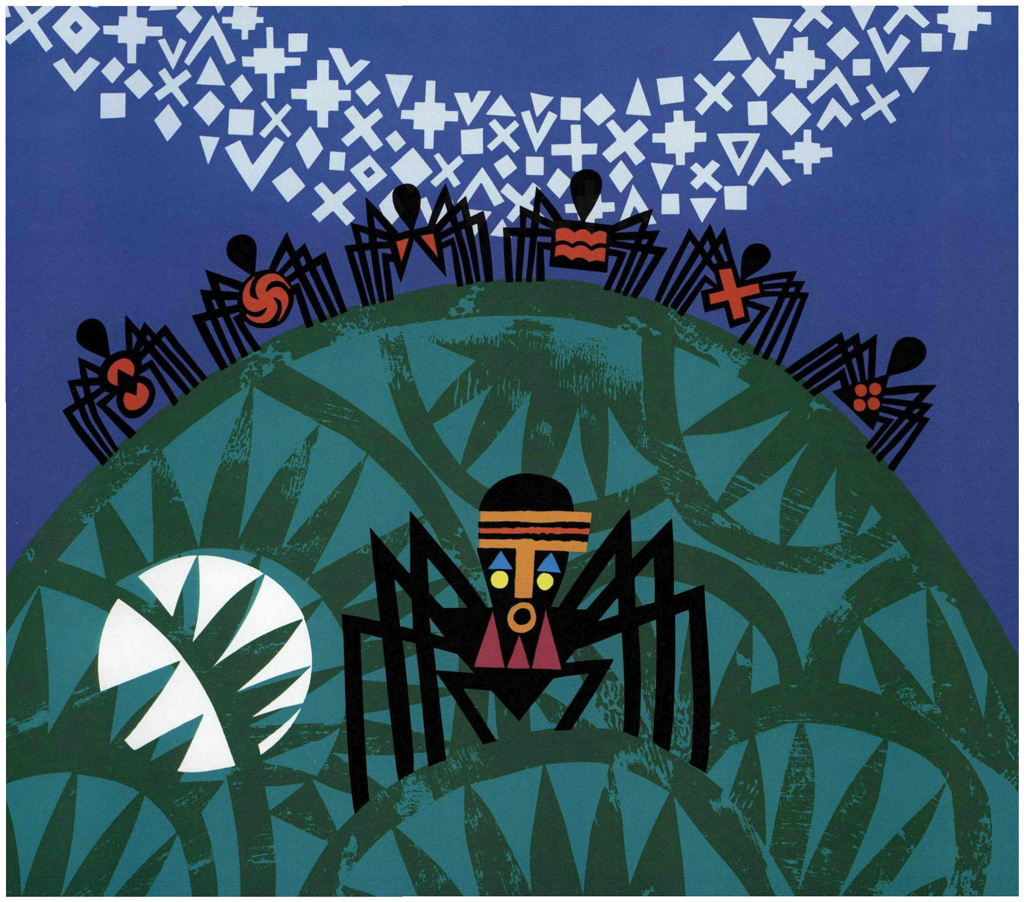
Anansi the Spider: A Tale from the Ashanti - Book by Gerald McDermott
-
A Look At Nsibidi: The Long Lost Nigerian Writing
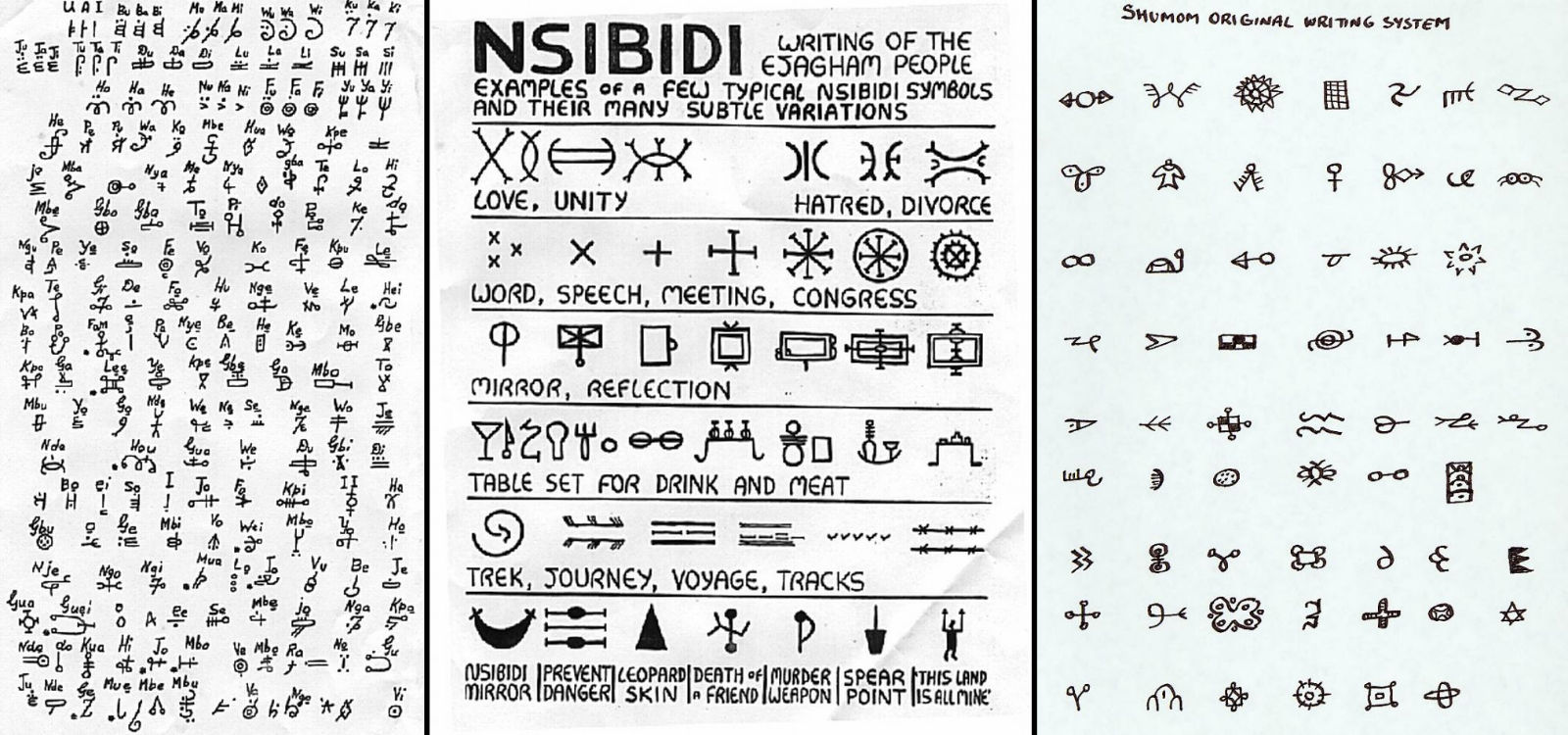
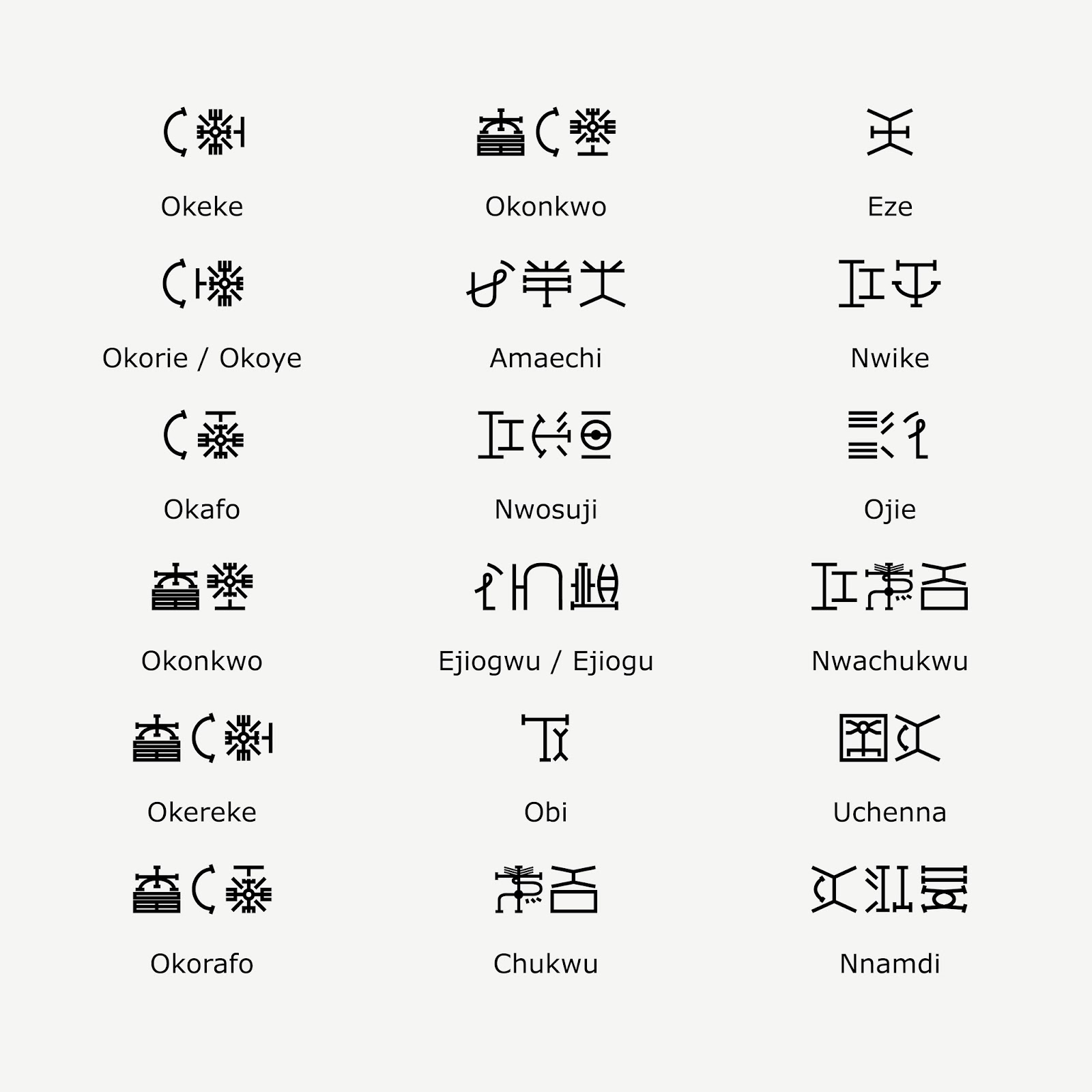
Nsibidi is an ancient system of graphic communication indigenous to the Ejagham peoples of southeastern Nigeria and southwestern Cameroon in the Cross River region. It is also used by Ibibio, Efik and Igbo peoples. Aesthetically compelling and encoded, nsibidi does not correspond to any one spoken language. It is an ideographic script whose symbols refer to abstract concepts, actions or things and whose use facilitates communication among peoples speaking different languages.
Nsibidi comprises nearly a thousand symbols that can be drawn in the air (as gestures), on the ground, on skin (as tattoos), on houses and on art forms, such as masks and textiles. Though it is enjoyed as an artistic practice by the general public, deeper knowledge of the nsibidi symbols is restricted to members of men's associations, which once controlled trade and maintained social and political order. Nsibidi continues to inspire the work of many Nigerian contemporary artists such as Victor Ekpuk.
-
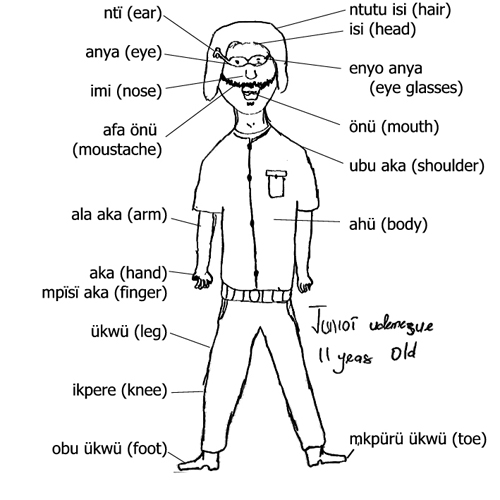
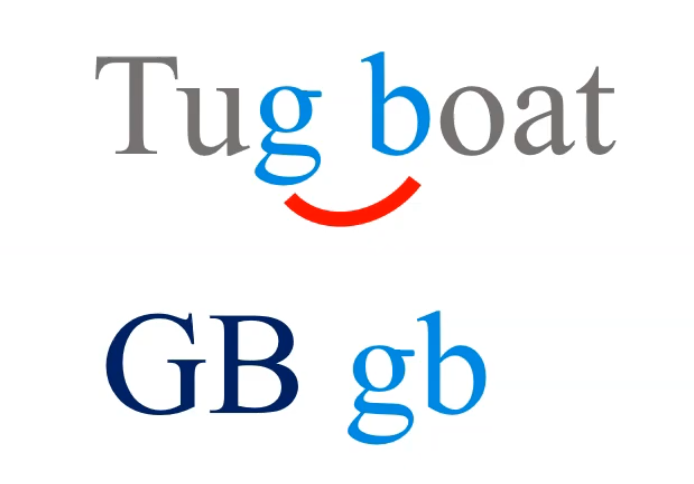
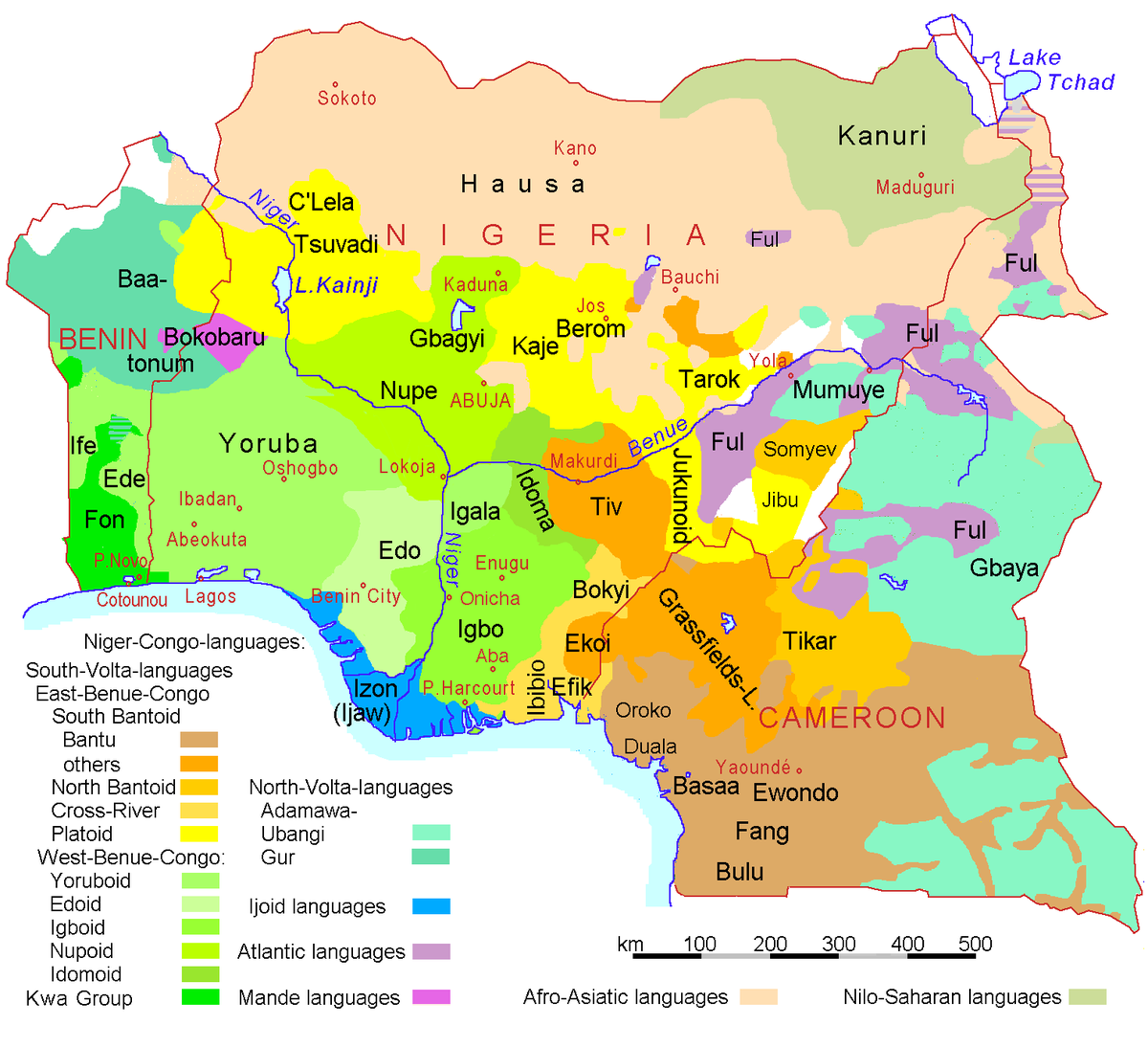
Igbo Grammar - Igbo or Ibo? Which one is correct and how is it pronounced? Spoiler: It's 'Igbo'. The white colonialists could not pronounce 'GB' in the way locals do, hence they butchered it to "Ibo".
-
Ogbo: Sharing Life in an African Village
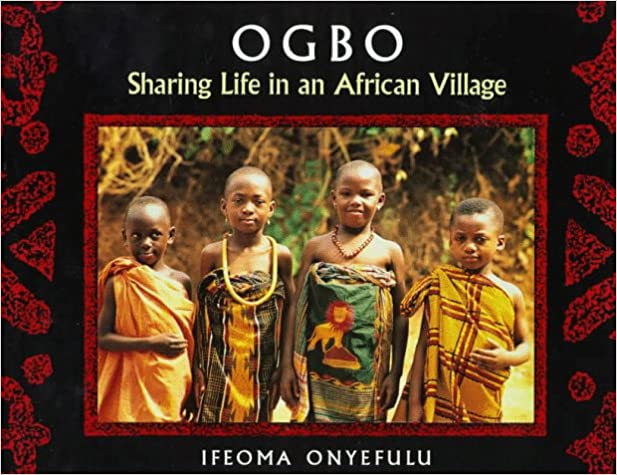
A profile of contemporary Nigerian village life is seen through the eyes of Obioma, a young girl who explains how she and other children find fellowship and support within her ogbo, a family-like community of people her own age. What is most endearing about "Ogbo" pronounced (Orbo), is that the 'system' represents ALL FOR ONE and ONE FOR ALL. It is an authentic anthropology and must be al least 30,000 generations or 60,000 years old - in the region of the 'Chad Basin, Niger River, Congo
-
Handbook of African Medicinal Plants: Pharmacognostical Profile of Selected Medicinal Plants
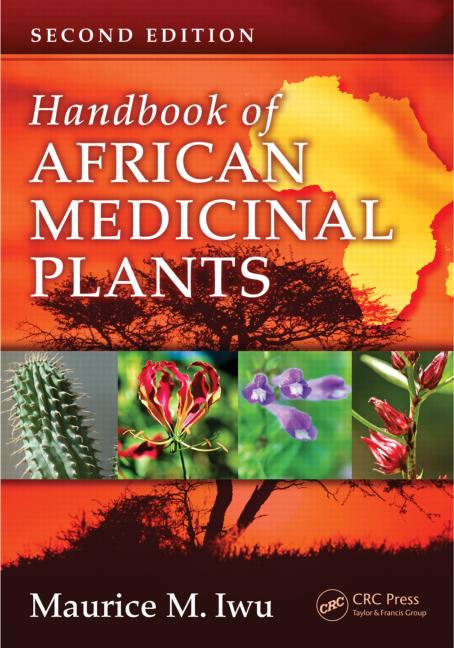
With over 50,000 distinct species in sub-Saharan Africa alone, the African continent is endowed with an enormous wealth of plant resources. While more than 25 percent of known species have been used for several centuries in traditional African medicine for the prevention and treatment of diseases, Africa remains a minor player in the global natural products market largely due to lack of practical information. This updated and expanded second edition of the Handbook of African Medicinal Plants provides a comprehensive review of more than 2,000 species of plants employed in indigenous African medicine, with full-color photographs and references from over 1,100 publications.
-
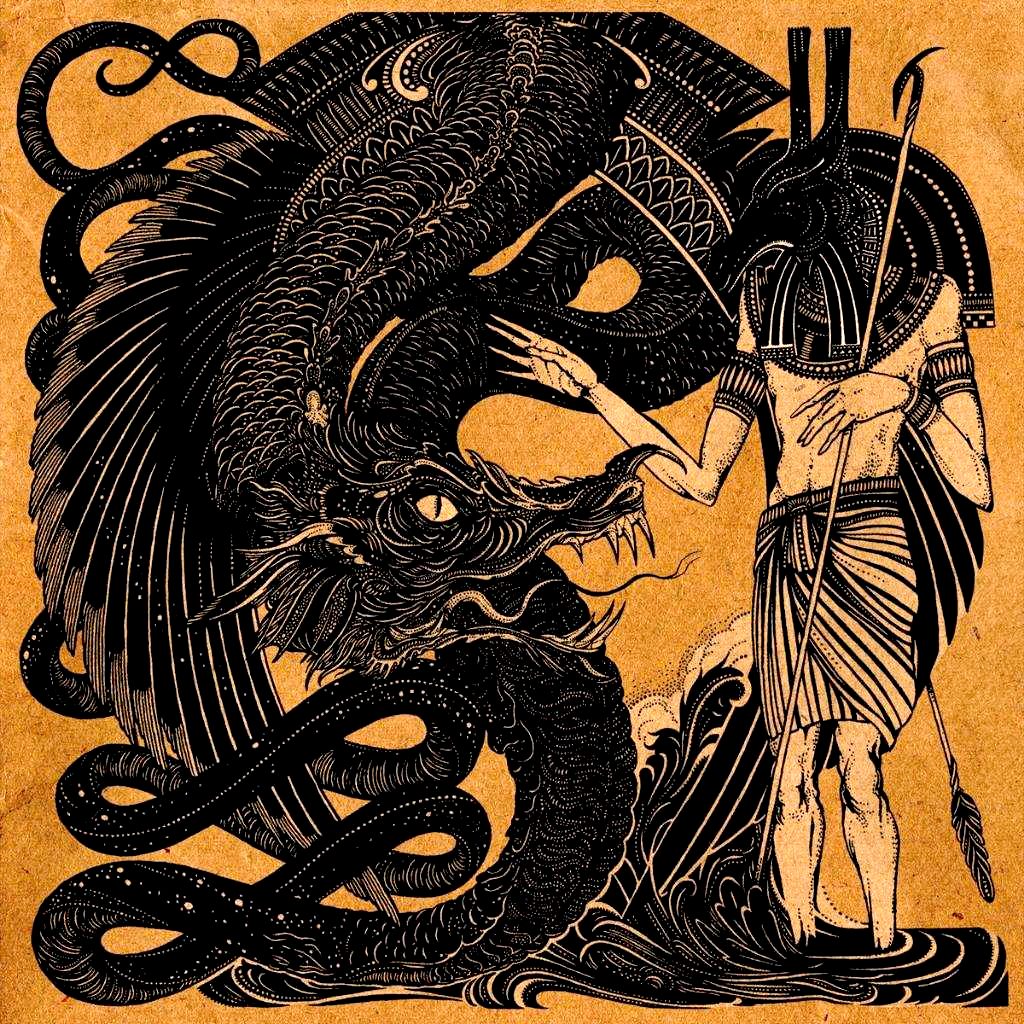
Shabako Stone - a relic incised with an ancient Egyptian religious text (Twenty-fifth Dynasty of Egypt)
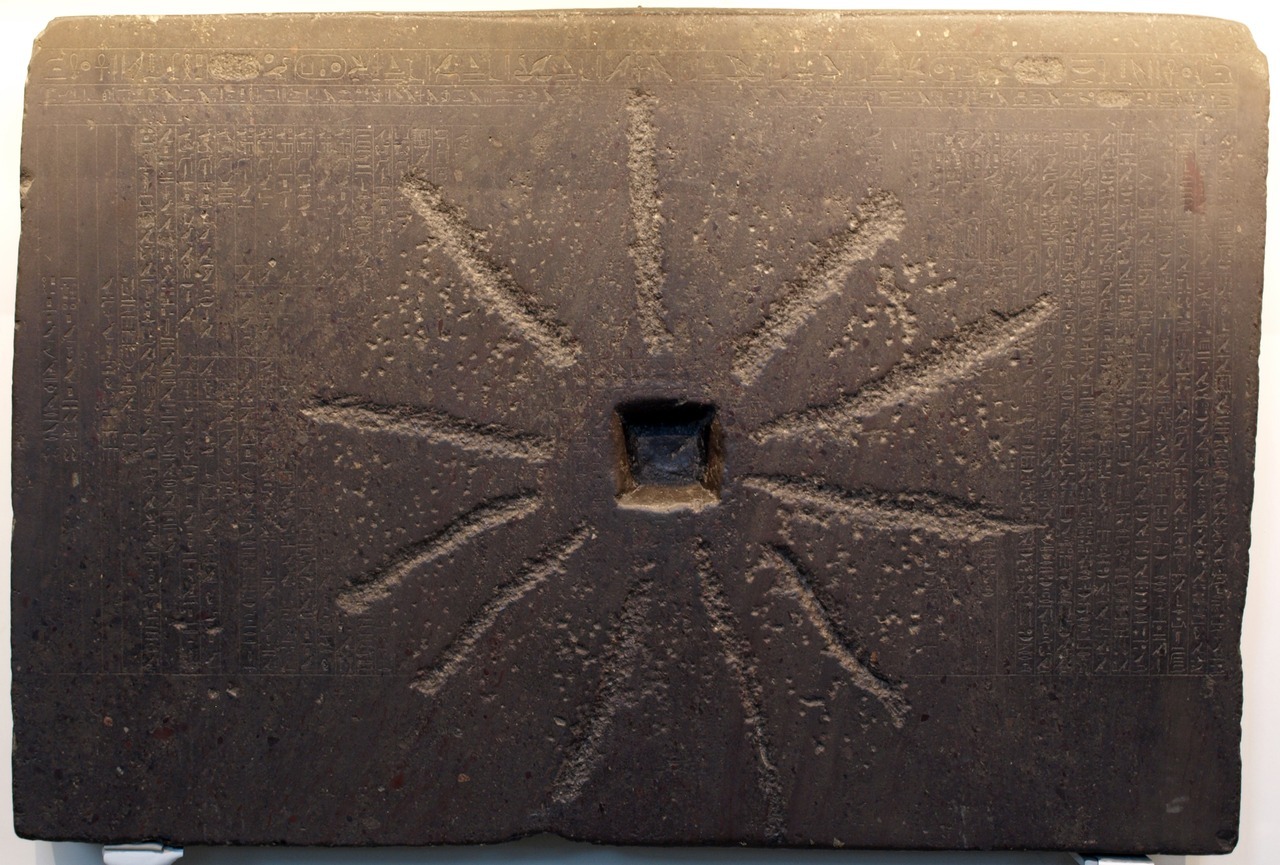
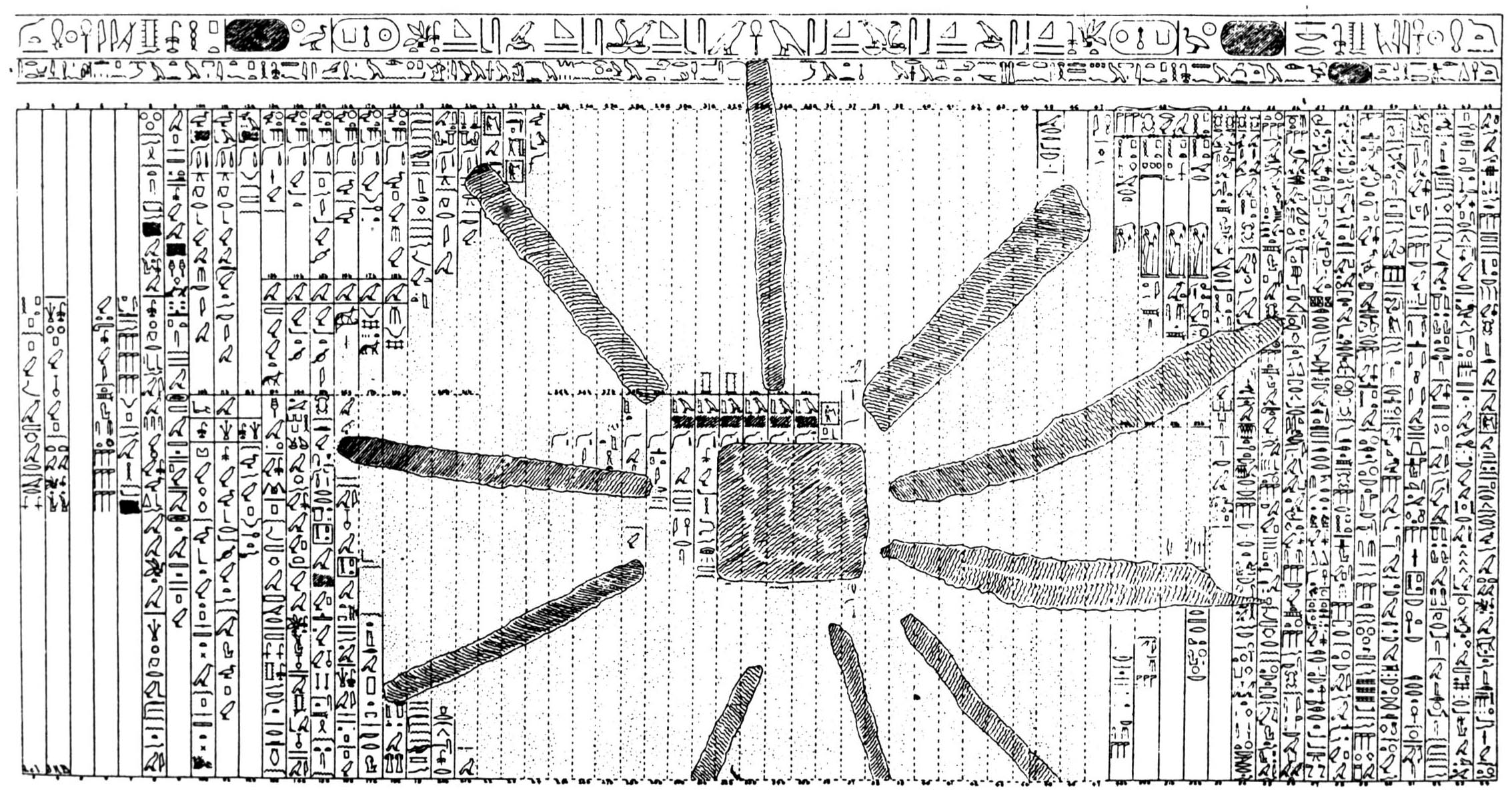
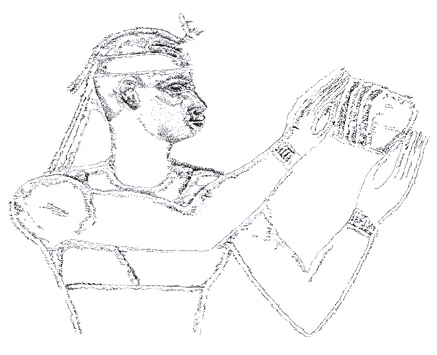
The Shabako Stone tells of the god Ptah, the cosmic architect who created the entire Cosmos simply by uttering words. Lines 56-57 of the text state: “Lo, every word of god came into being through the thoughts of the mind and the command on the tongue.” Read More, More, More
-
Four Fiends From The Palm-Wine Drinkard
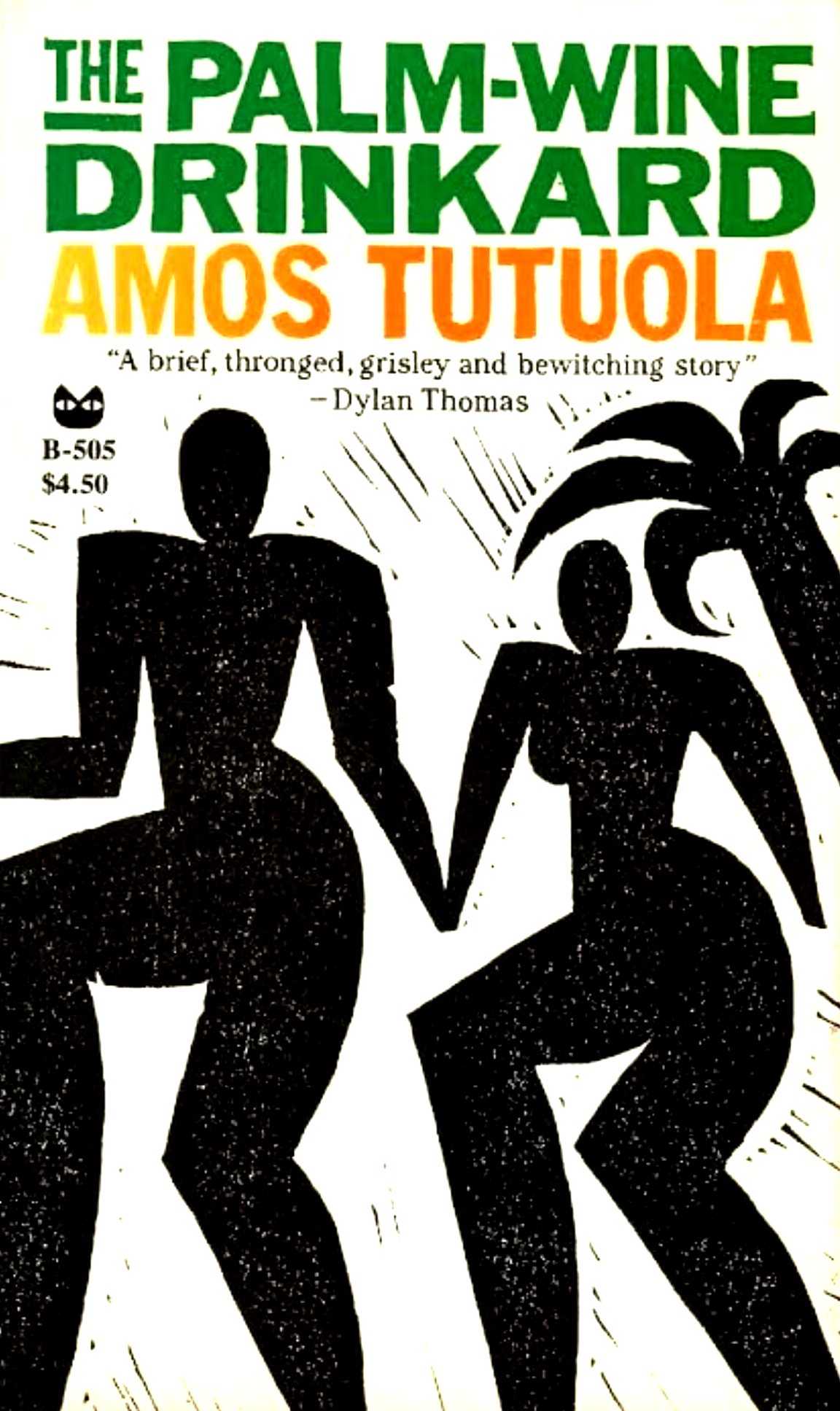
Now public domain, this 1952 novel was written by Amos Tutuola, a Nigerian man inspired by the folk tales he'd grown up on - folk tales which, at the time, were rapidly dwindling in popularity and even acceptability as Christian missionaries fought hard to "modernize" the "primitive" people of other nations. The story would go on to become the first piece of African literature ever published in English overseas, but blasted by critics of the 50's as a "barbaric and savage" work, offending their delicate little senses with its sometimes vulgar comedy, graphic morbidity, gratuitous use of sorcery and unconventional writing style, rife with the artifacts of terminology and grammar that simply cannot translate directly to English. Regardless, the Palm-Wine Drinkard is now recognized as one of the most important pieces of literature to come out of the 50's, and time capsule of black African folkloric tradition that once came dangerously close to being largely forgotten.
-
Kenya's prominent polygamist 'Danger' Akuku Dies and Leaves Behind 100 Widows & 200 children
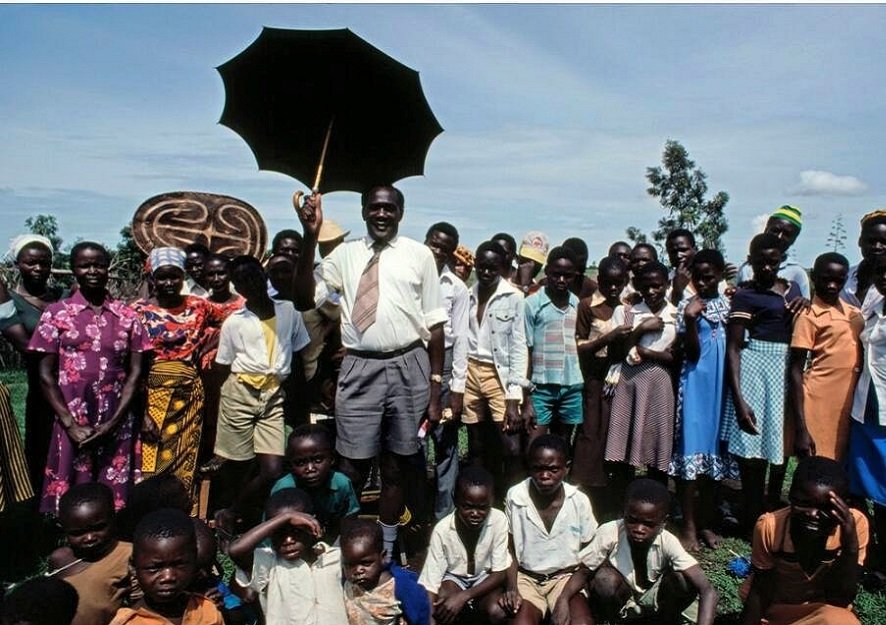
Nicknamed "Danger" because women were so attracted by his handsome looks, Ancentus Akuku was in his late 90's when he passed away of natural causes. "I think Akuku Danger was a character of his own nature," said Kilumi "He can only be compared to the prophet Solomon in the Bible."Some Biblical accounts say that Solomon, the son of King David and later King of Israel, had 700 wives and 300 concubines.
-
OFO - Holy communication device with wireless capability - In Igbo Culture
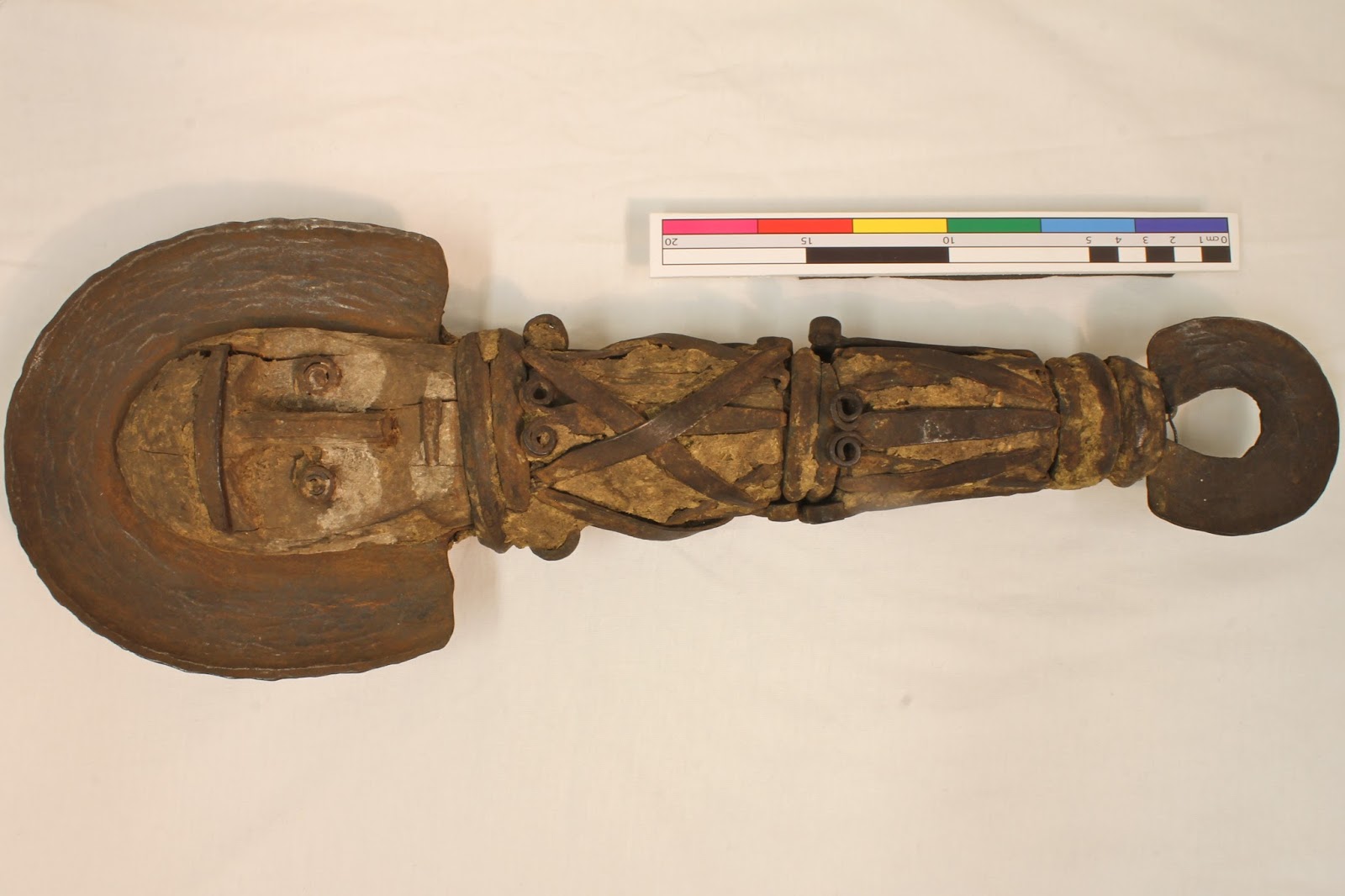
An Ofo is a votive object which is pointed at the sky when prayers are offered, particularly to Chuku. After the fiasco of bringing death to the world he really did need a more reliable method of communicating with his creation. Presumably the Ofo boosts the signal of weak invocations. Think of it as a sort of remote control communication device for O.F.O.s — Omnipotent Flying Objects.