tag > Art
-
Non-fungible tokens (NFT) are Bullshit
This twitter thread by Jeff Jarvis nicely summarizes one line of criticism of the non-fungible token idea:
"Finally starting to understand NFTs--and what is wrong with them. The NFT doubles down on the worst of copyright, the property metaphor, & tries to impose old ideas of scarcity & exclusion on the digital realm, where both are obsolete.
Copyright, born w/1710's Statute of Anne, was supposed to support creators & learning. In truth, it made creation a tradable asset so creators could sell & publishers could own it. NFTs want to do that with digital: turn the ephemerality of digital into a market in permanence. BTW, news was not included in US or English copyright because it was ephemeral. Since then, from the AP's "hot news" doctrine to Murdoch's Oz law, news proprietors have tried to declare news as property. Doesn't work because news is knowledge.
NFTs & DAOs, like copyright, see creation as a product (which can be owned & kept from others & thus sold). Instead, look at creativity as an act, which may leave artifacts (stories, pictures) but can inspire more creation & collaboration, sharing & criticism -- if it's open.
If we shift from creativity as property (who owns it?) to activity (who joins in it?) then we see many acts to encourage: inspiring, creating, collaborating, performing, remixing, sharing/promoting.
In thinking how to replace copyright (and we should), let us start our thinking with benefit to the culture rather than with trying to recreate the worst of copyright. What the net enables is collaborative creativity. How do we support *that*?"
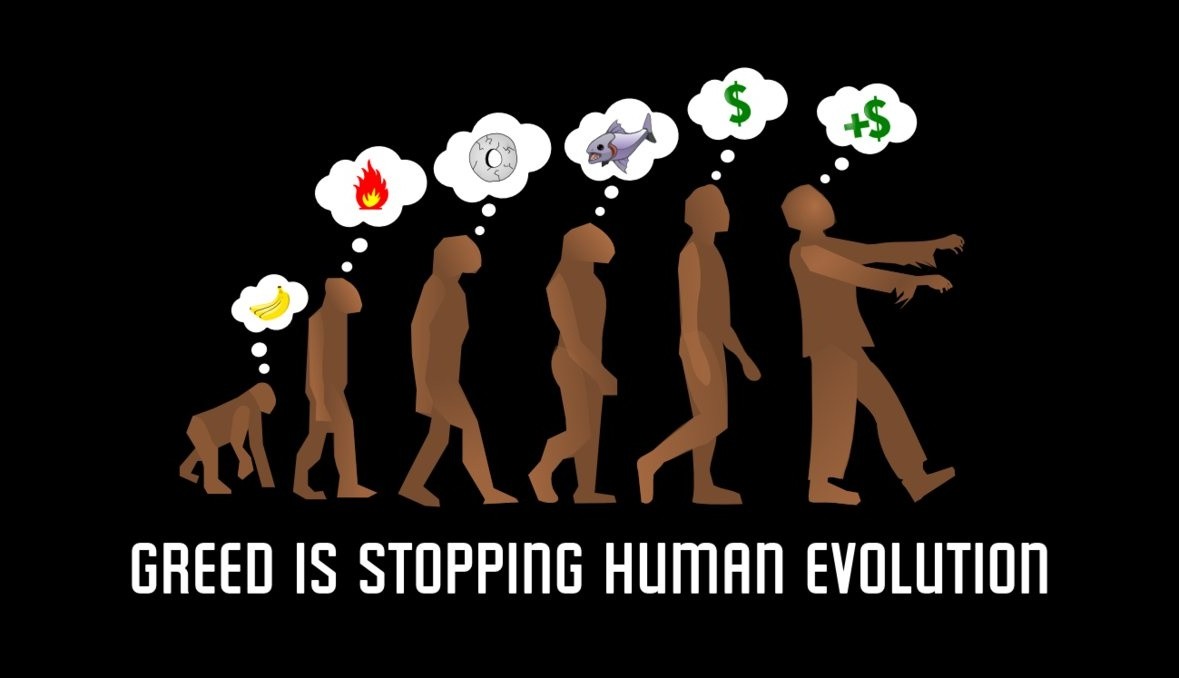
And Cryptocurrencies and NFTs are an absolute ecological disaster:
- Here is the article you can send to people when they say “but the environmental issues with cryptoart will be solved soon, right?”
- The Unreasonable Ecological Cost of CryptoArt
-
"There is no need to prove them wrong or right... Just play!" - MonoNeon

-
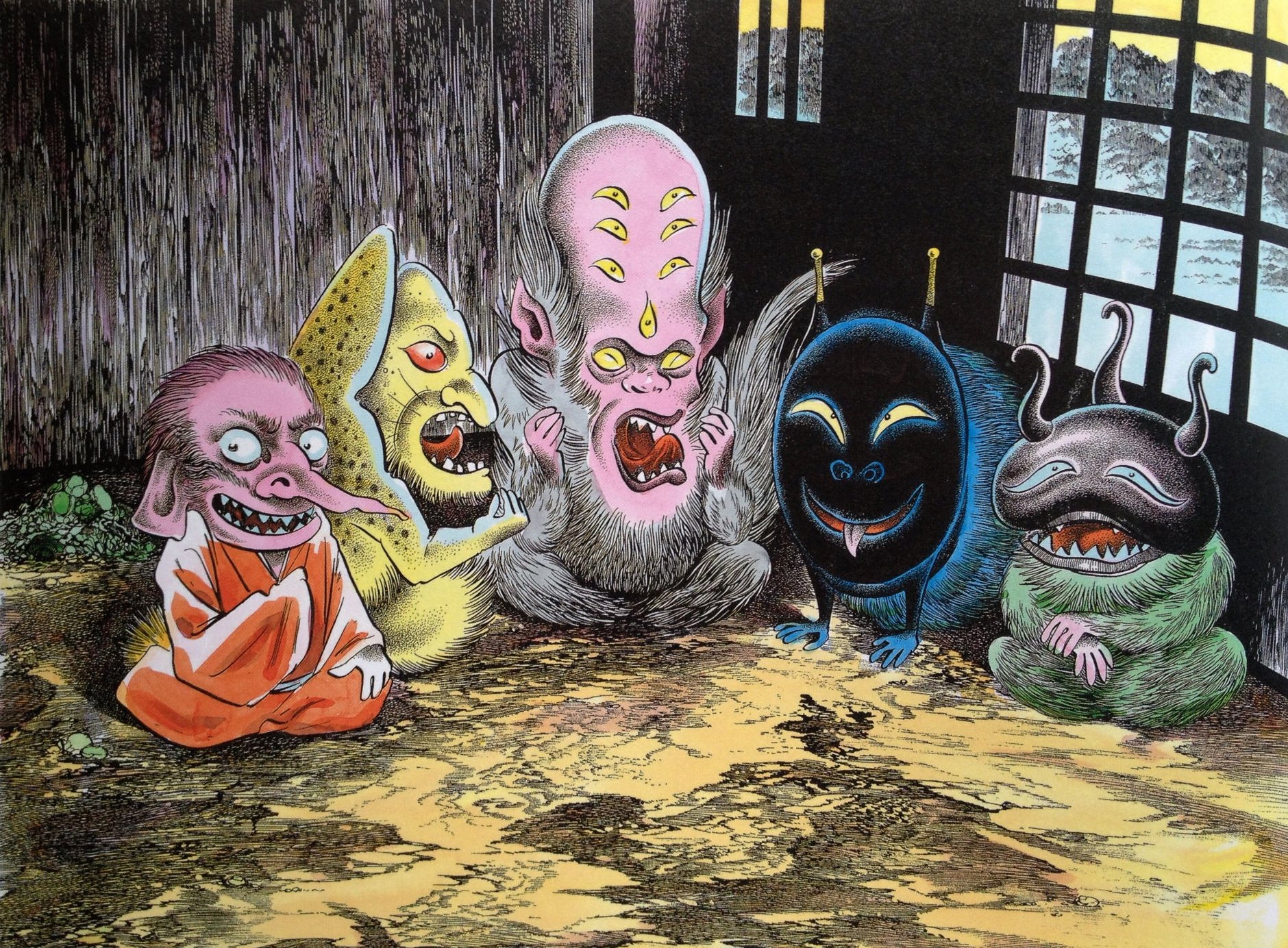
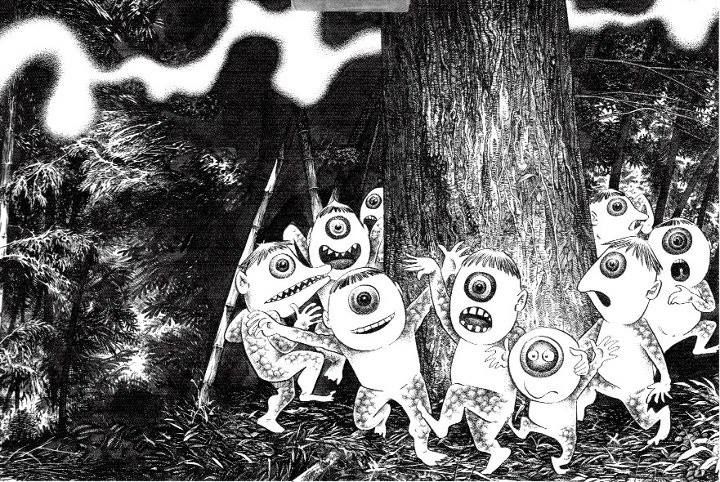
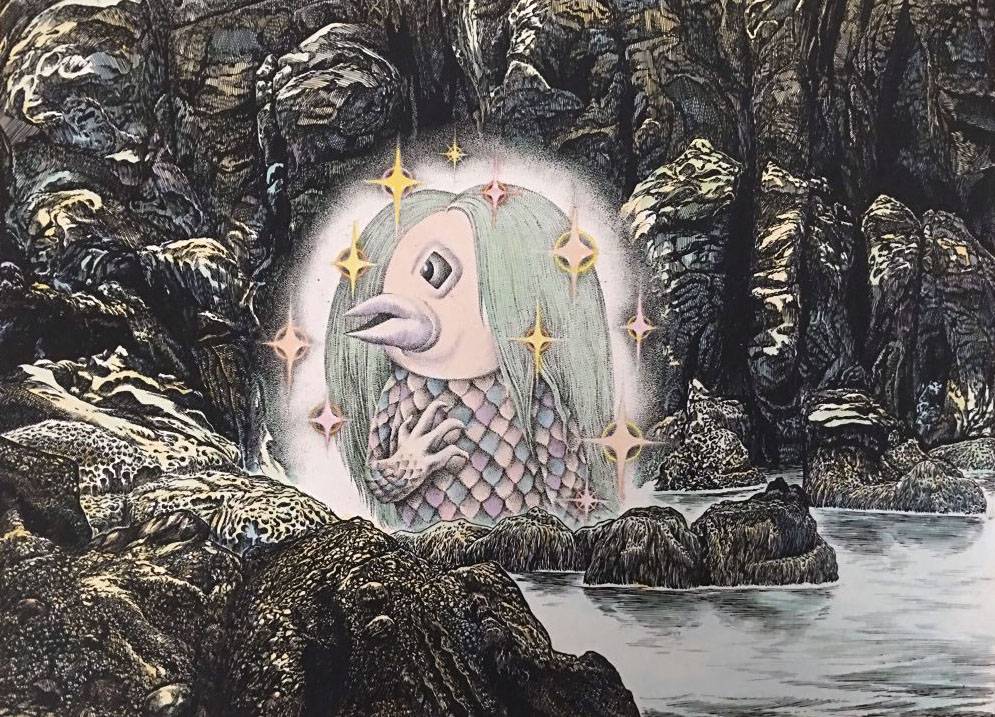
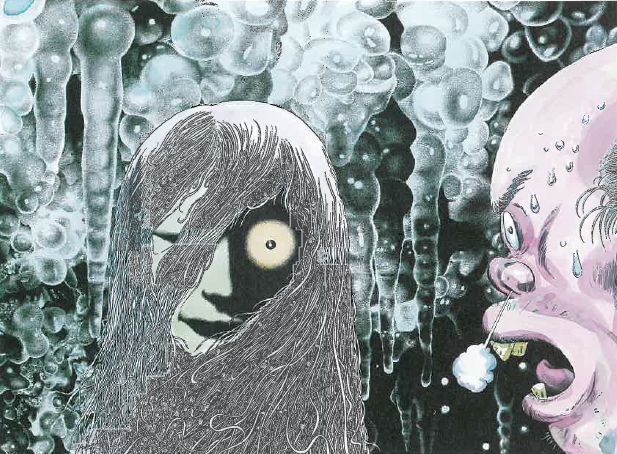
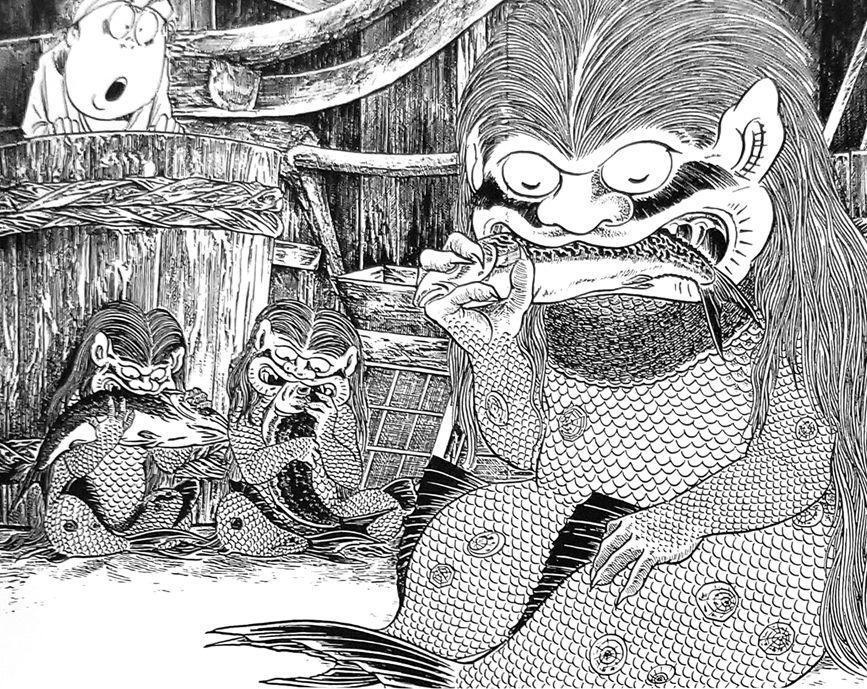
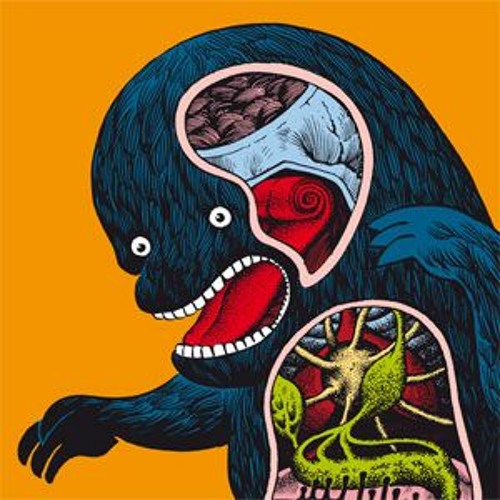
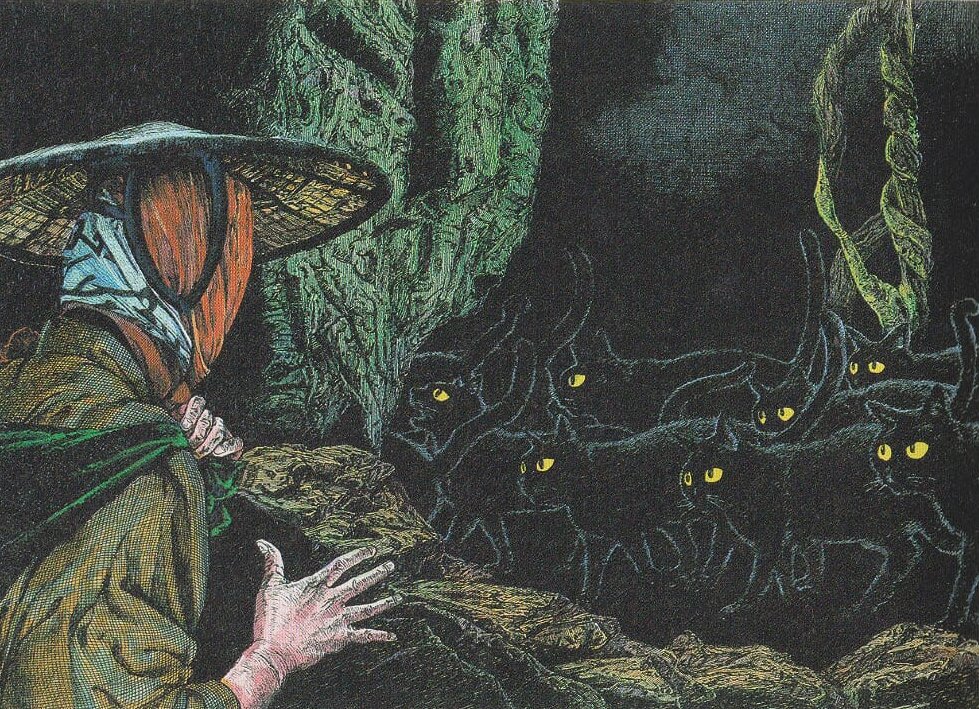
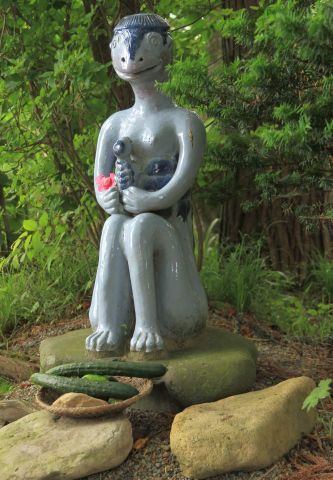
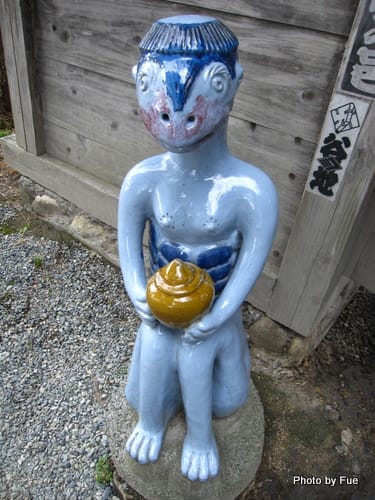
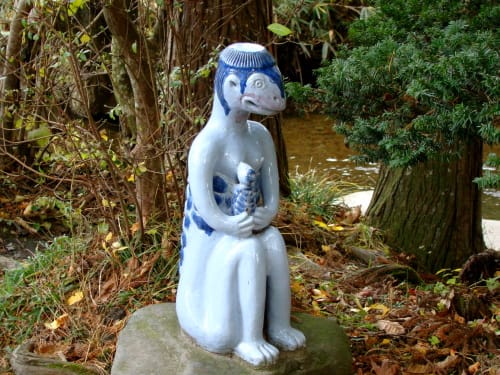
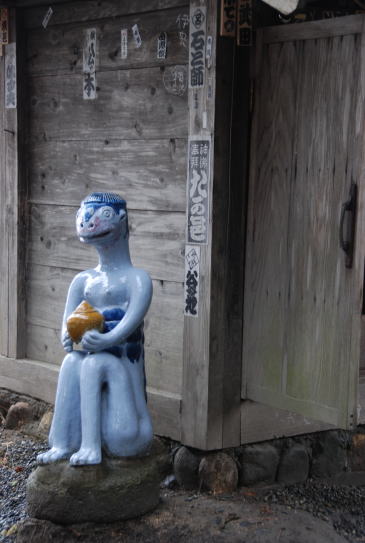
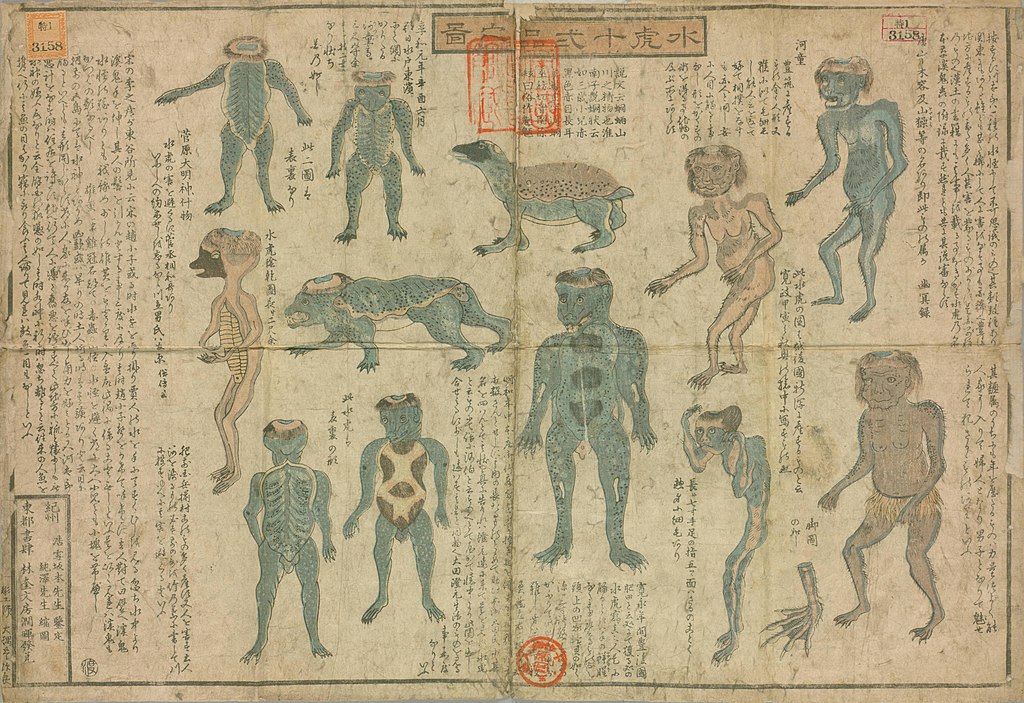
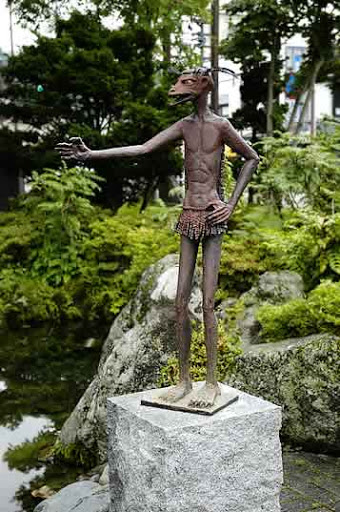
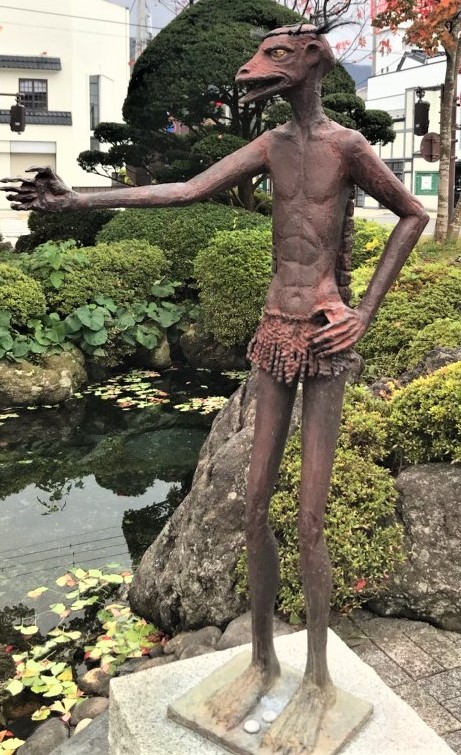
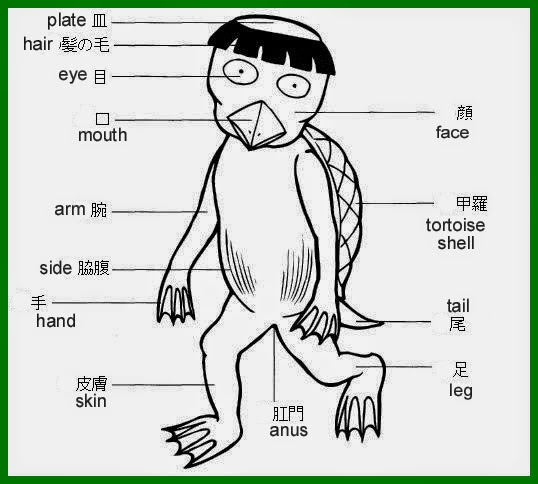
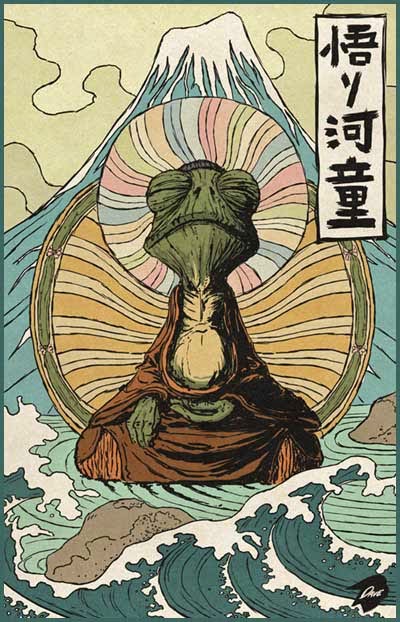
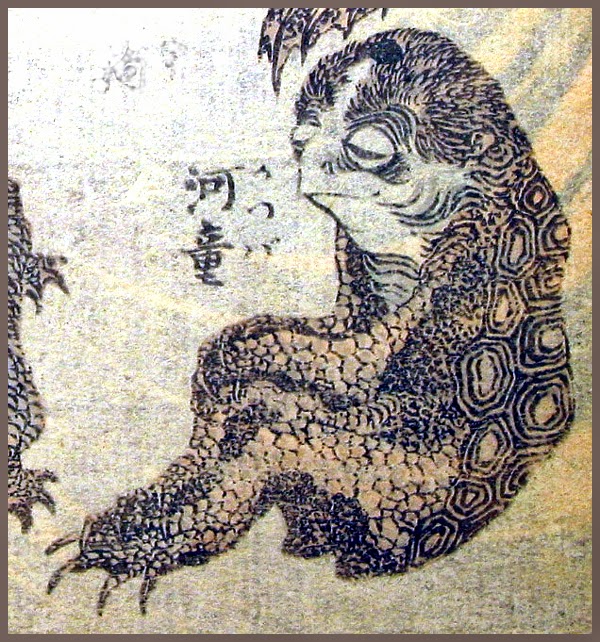
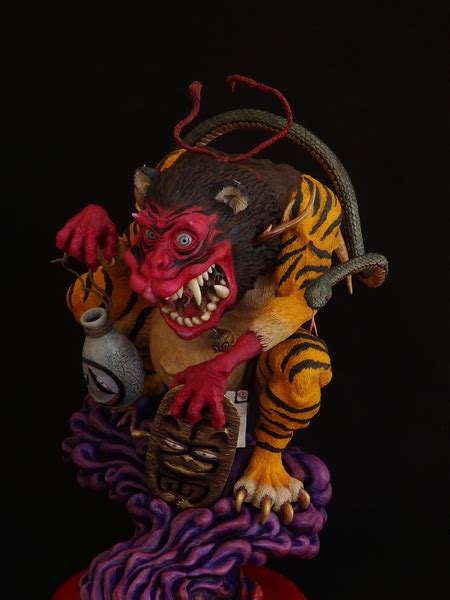
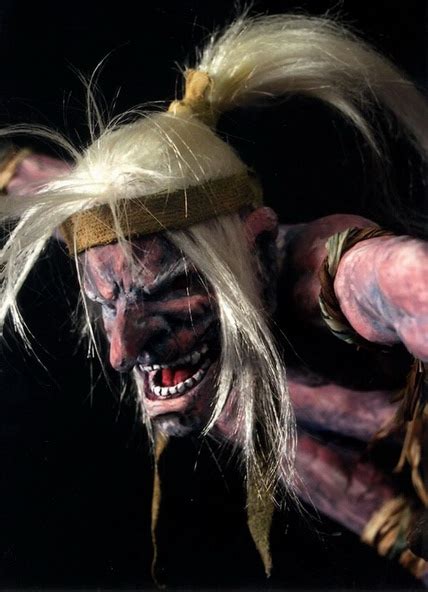
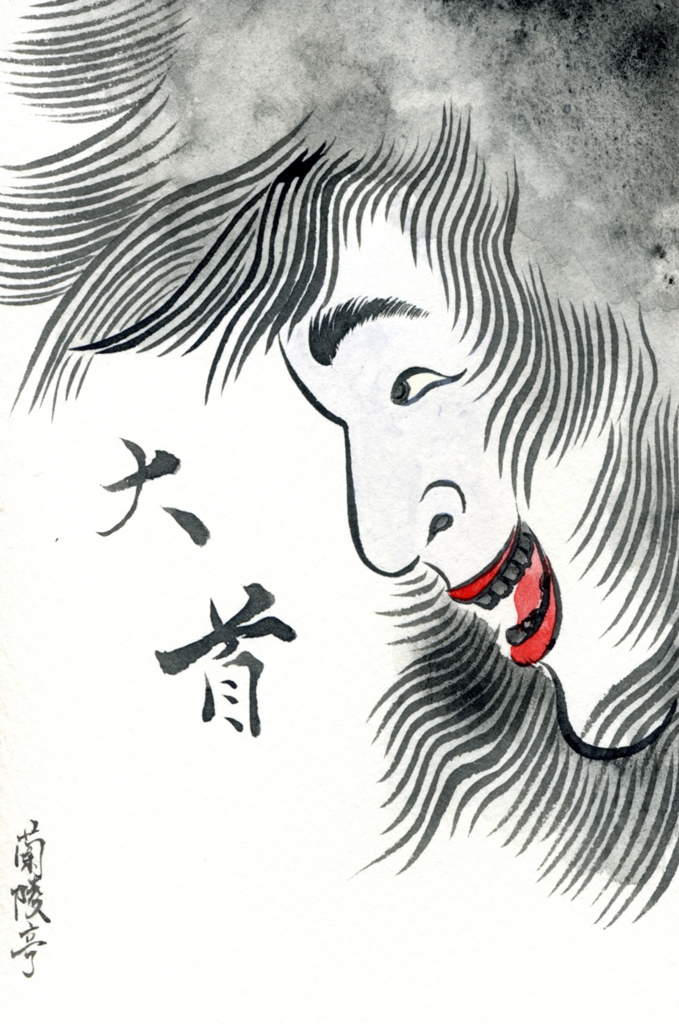
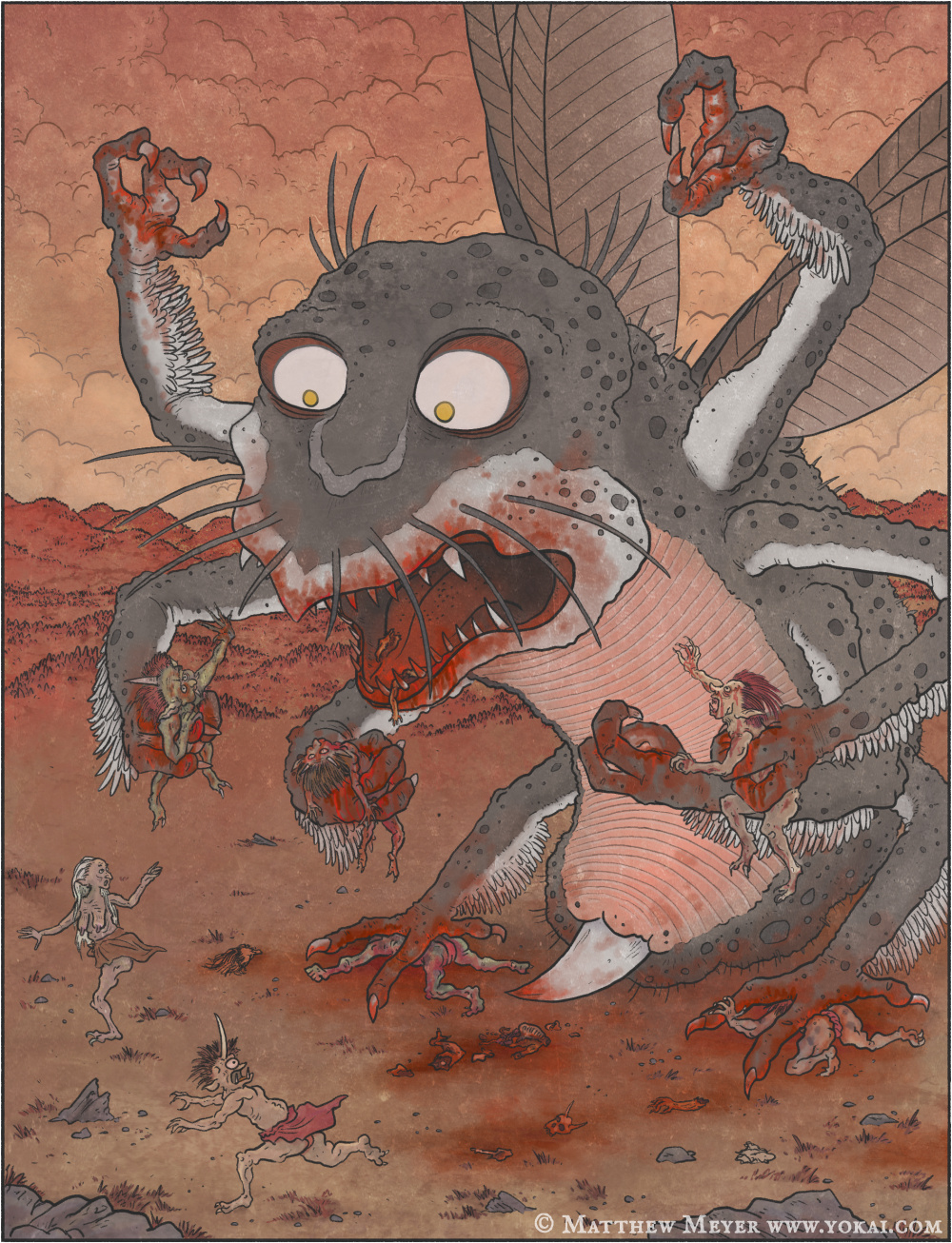
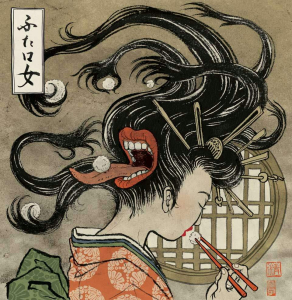
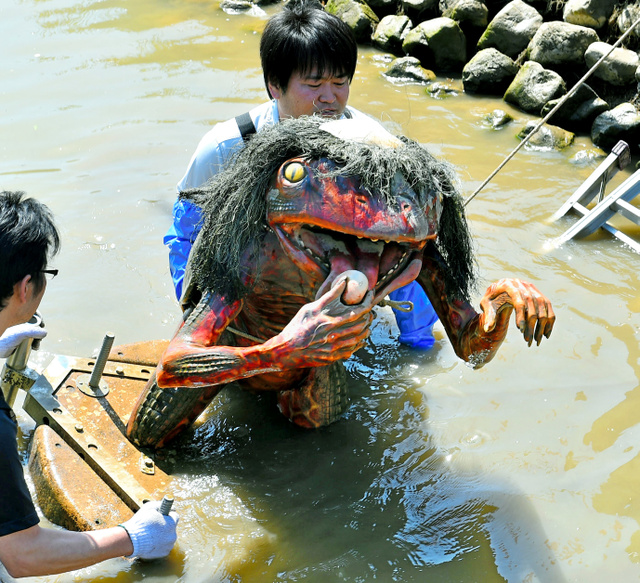
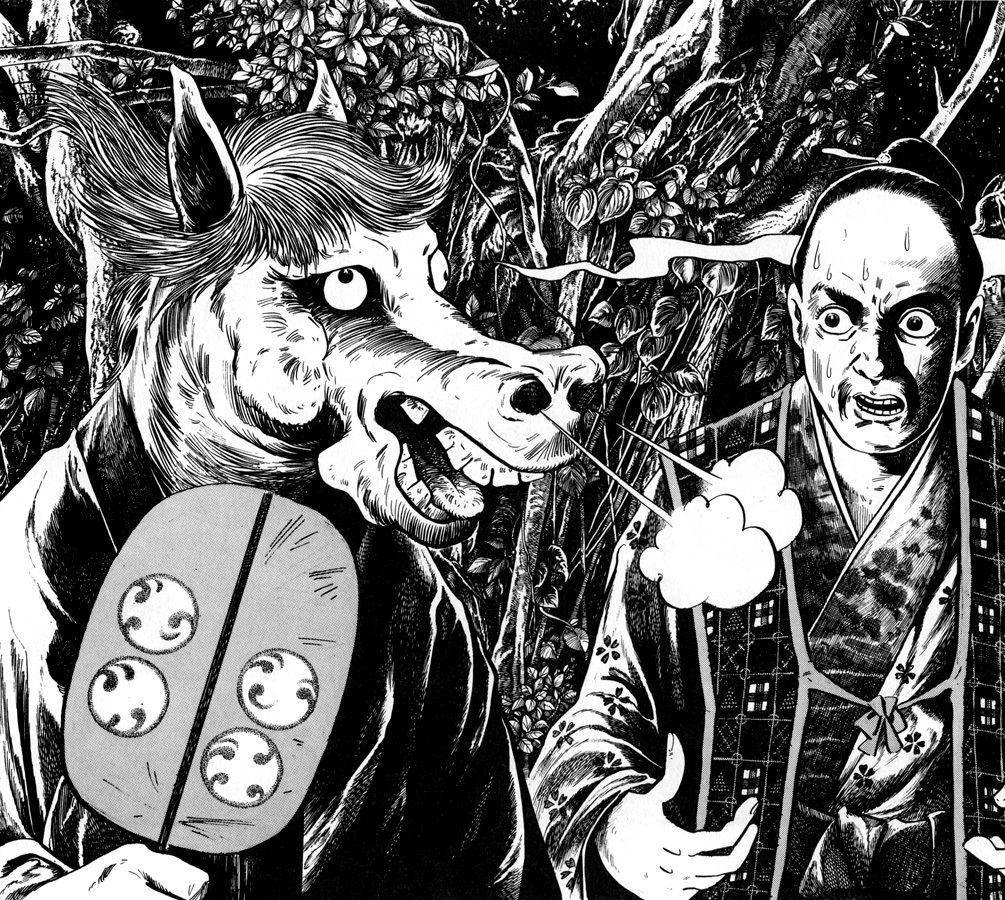
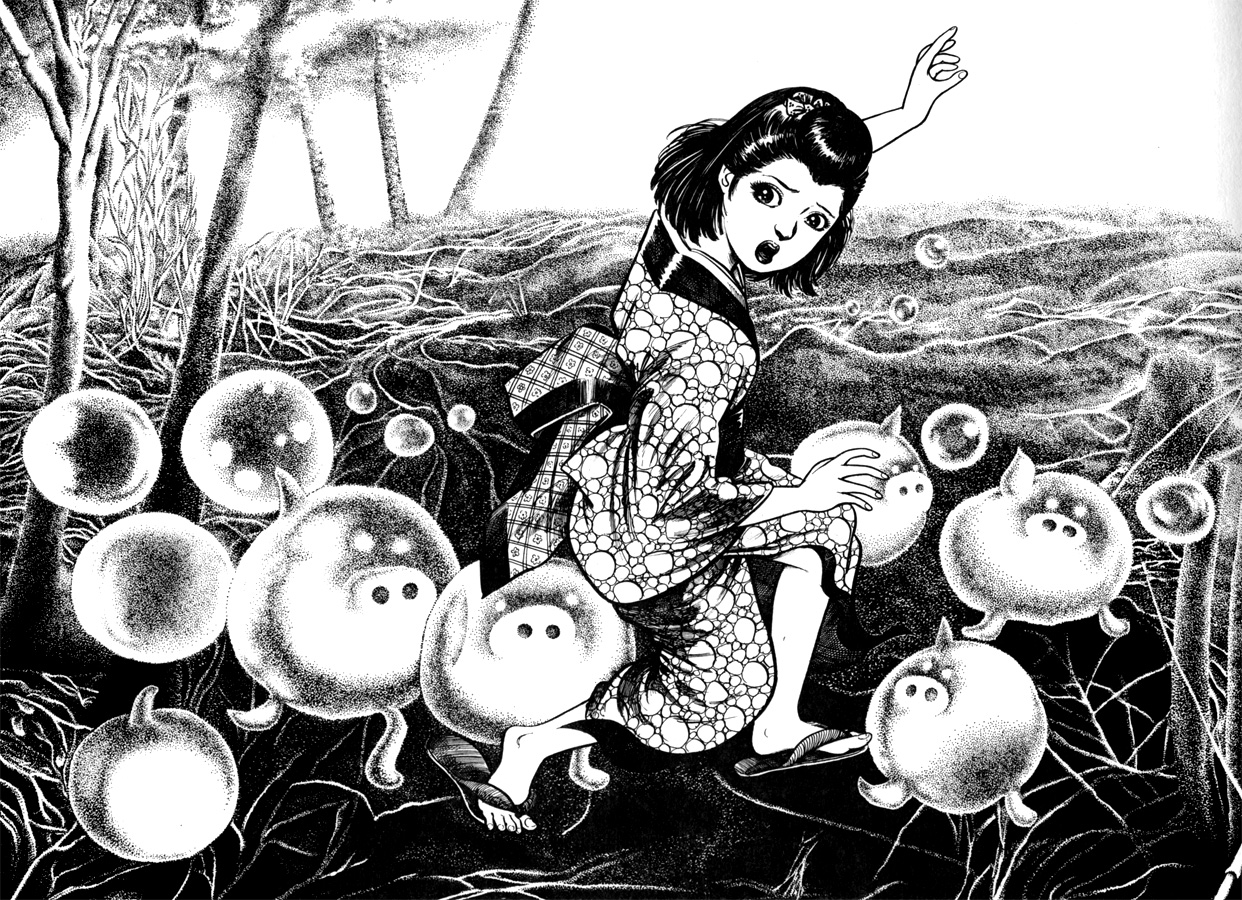
Yōkai: Evoluons in Image, Definion, and Media - Presentation by Lauren Inaba (PDF)

The uniqueness of yōkai, which can be defined as Japanese supernatural beings or monsters, lay not only in the numerous and diverse characters themselves, but also in the holistic impact of the concept of yōkaion Japanese popular culture. A historical survey of yōkai reveals that the meanings and categories of “yōkai" have changed according to the Japanese peoples’ perception of the unknown and of the supernatural world. Moreover, the yōkai 's image and the accompanying narrative evolved accordingly to cope with the unknown. Finally, this study attempts to gauge how the media has had a direct influence to how people visualize and narrate yōkai. These factors regarding yōkai's creation and evolution affect how we recognize them in today's pop culture.

-
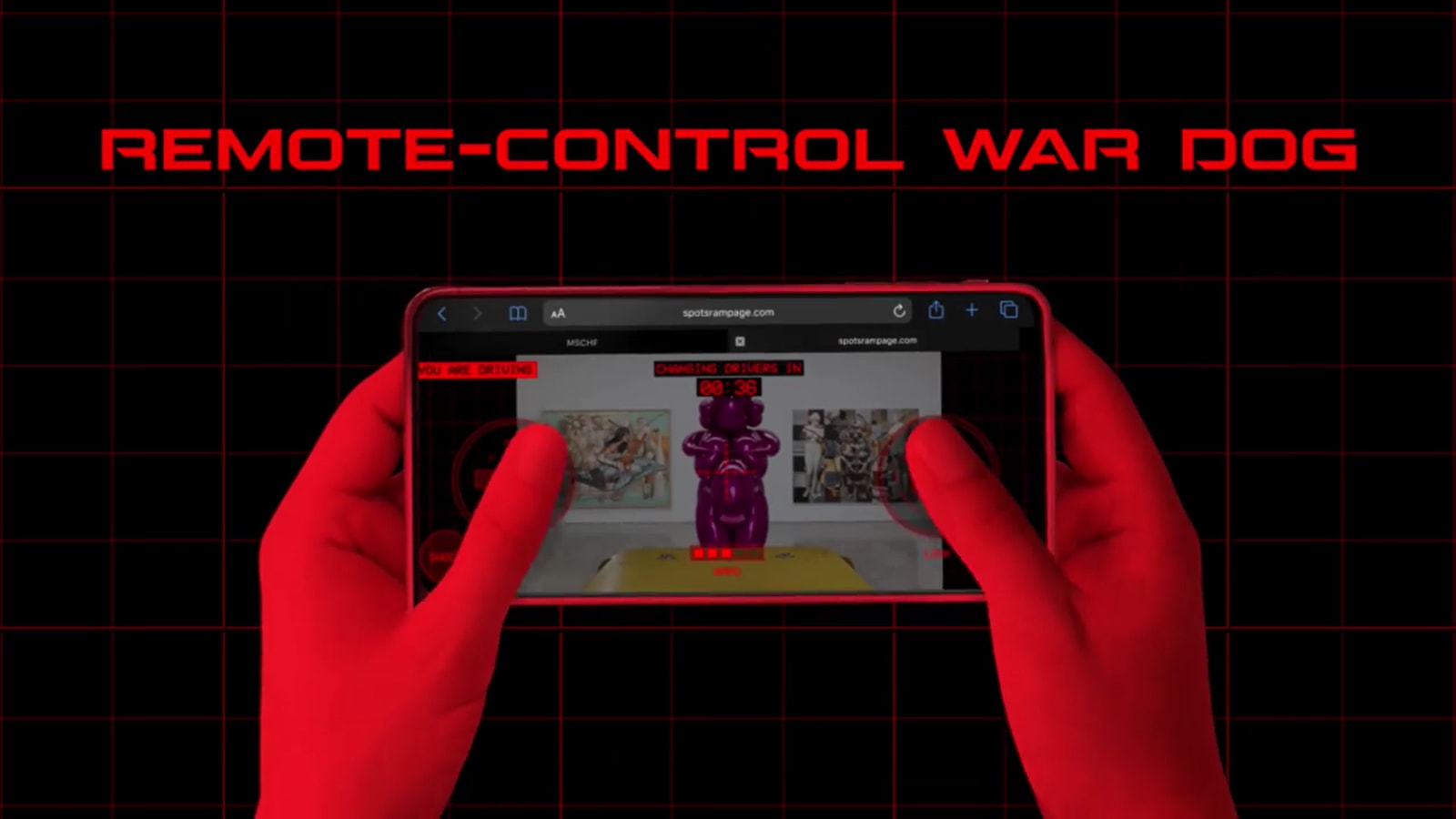
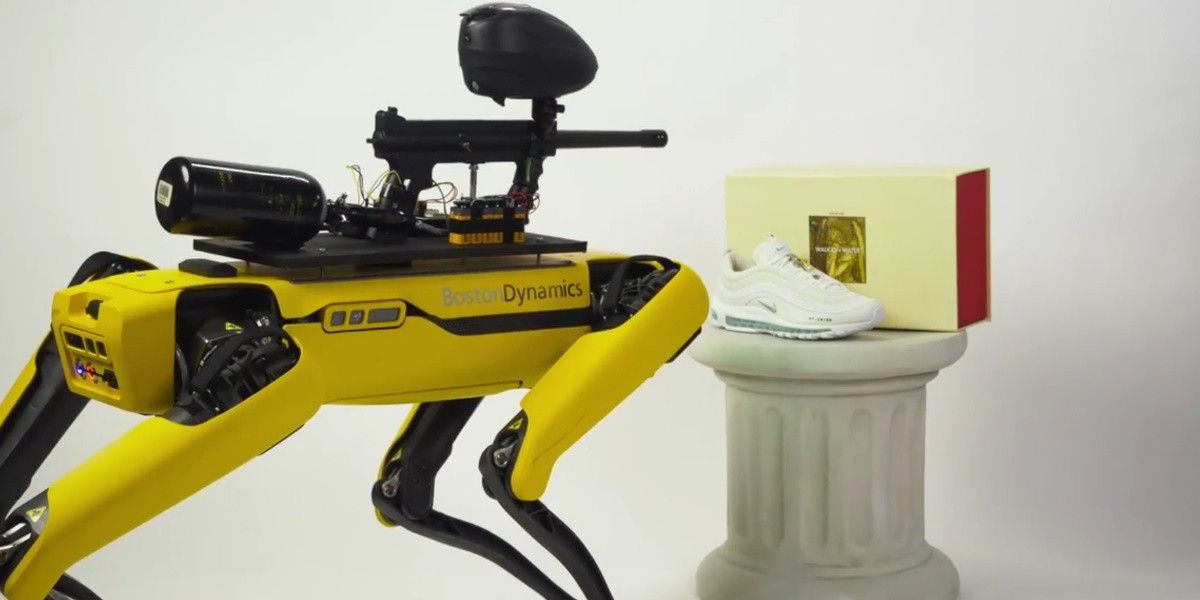
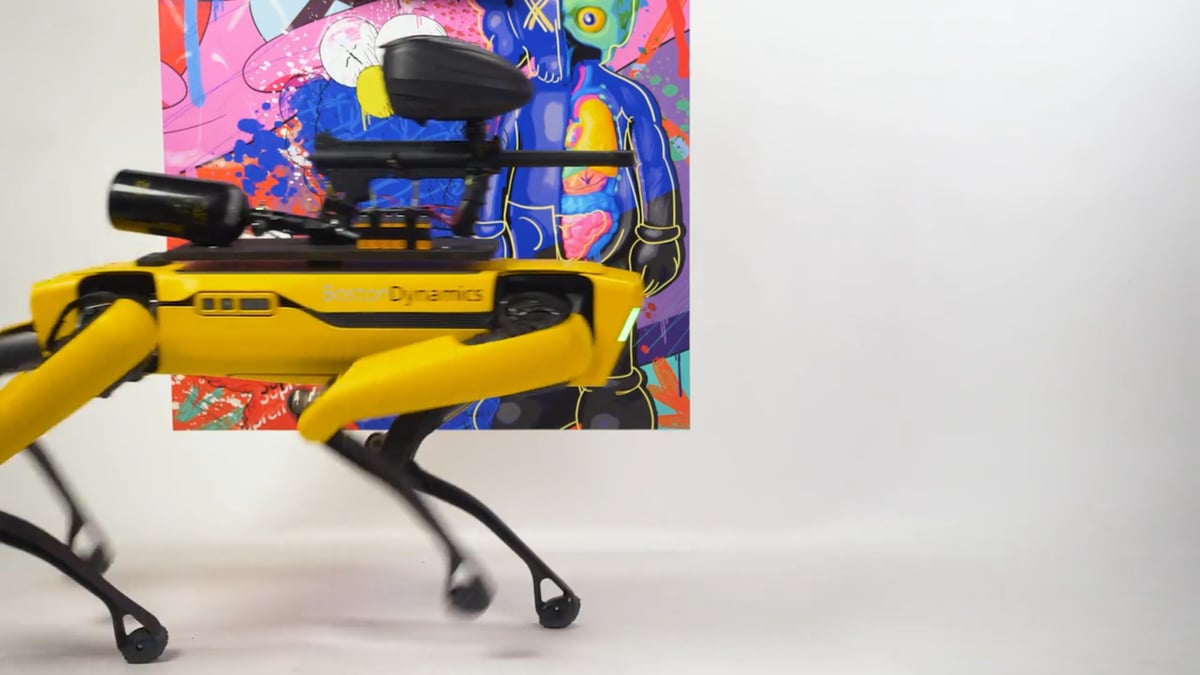
"We've put a Spot in an art gallery, mounted it with a .68cal paintball gun, and given the internet the ability to control it. We're livestreaming Spot as it frolics and destroys the gallery around it. Spot's Rampage is piloted by YOU! Spot is remote-controlled over the internet, and we will select random viewers to take the wheel."
More infos: Robot War Dog Company objects to their Robot War Dogs being called War Dogs
-
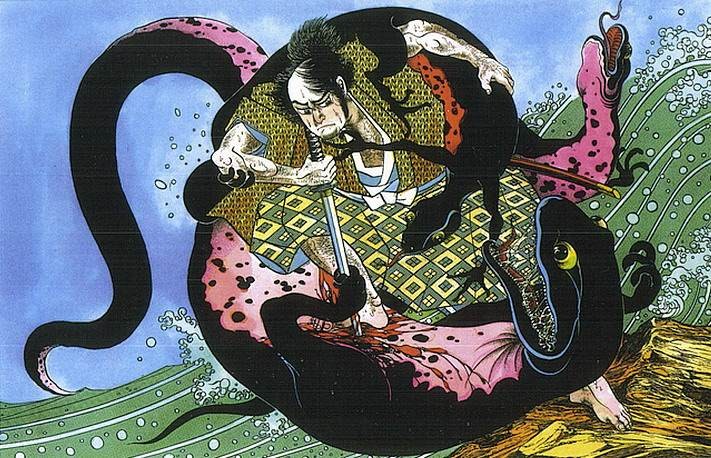
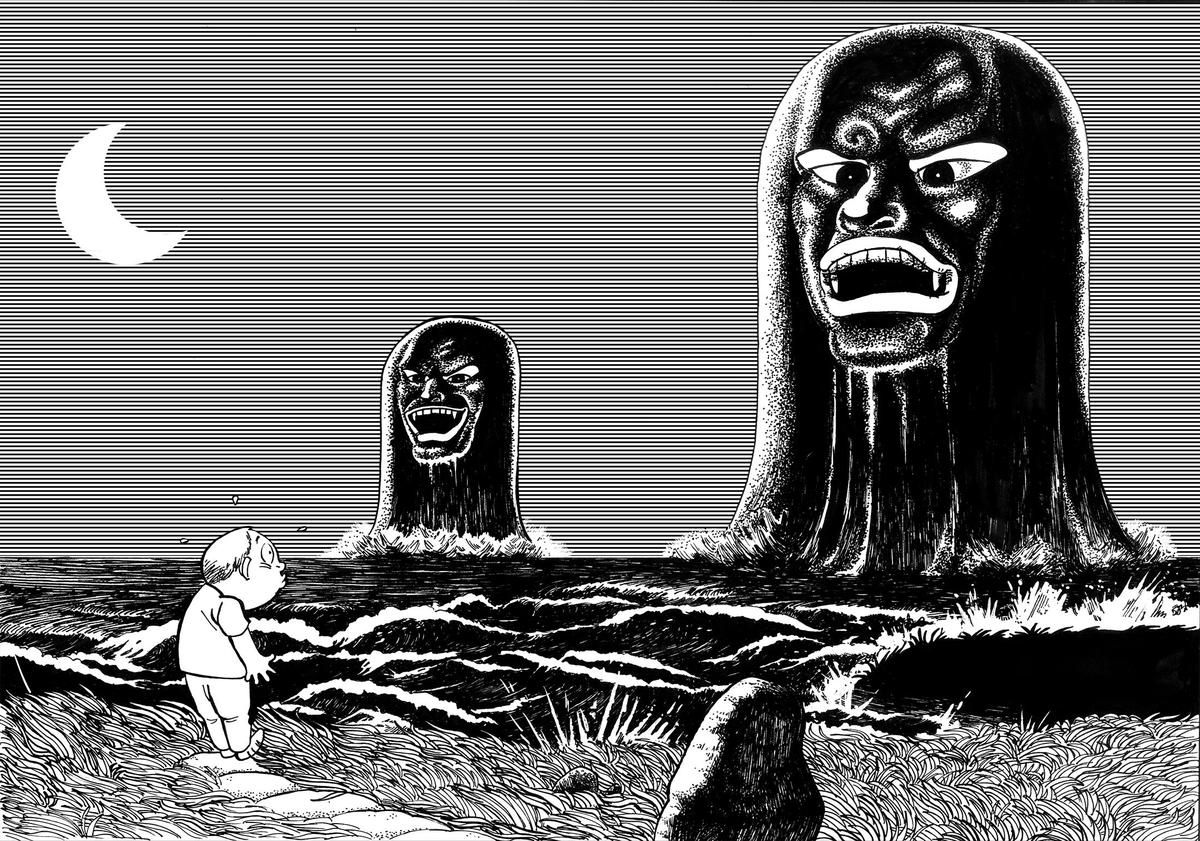
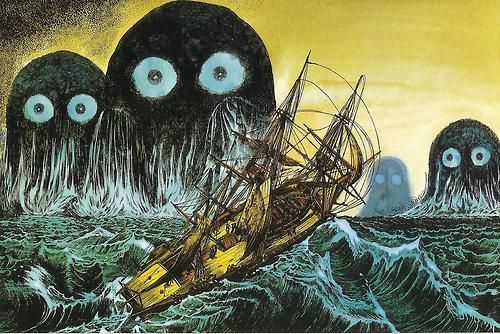
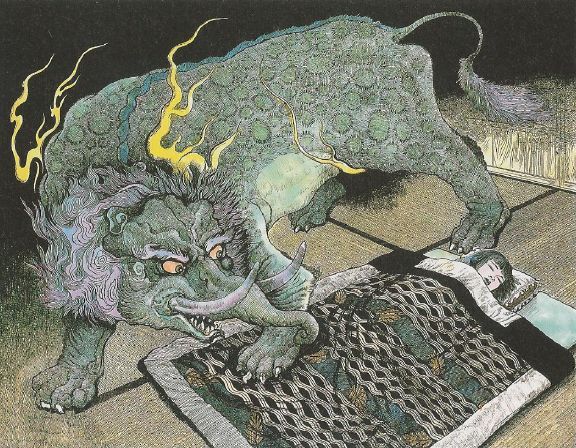
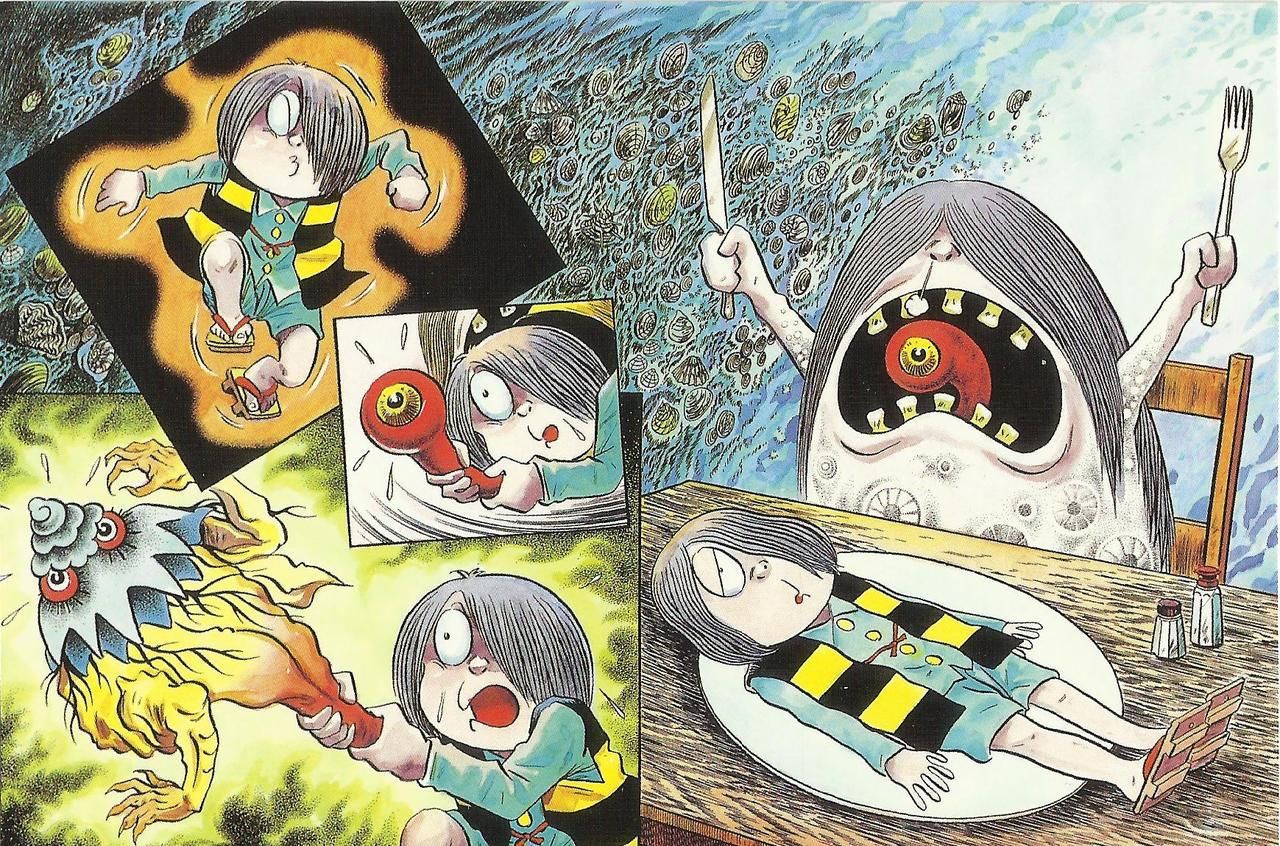
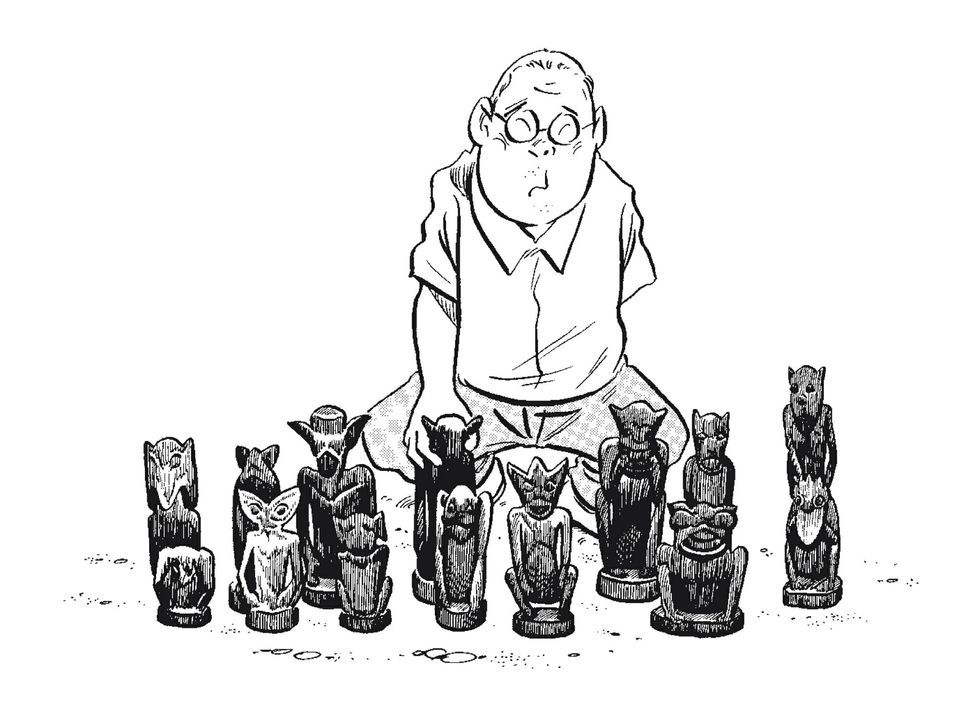
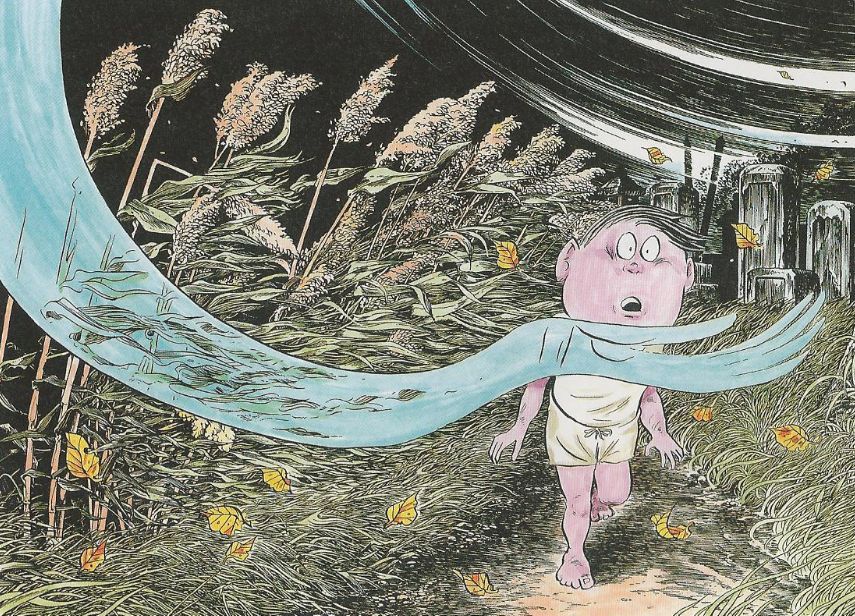
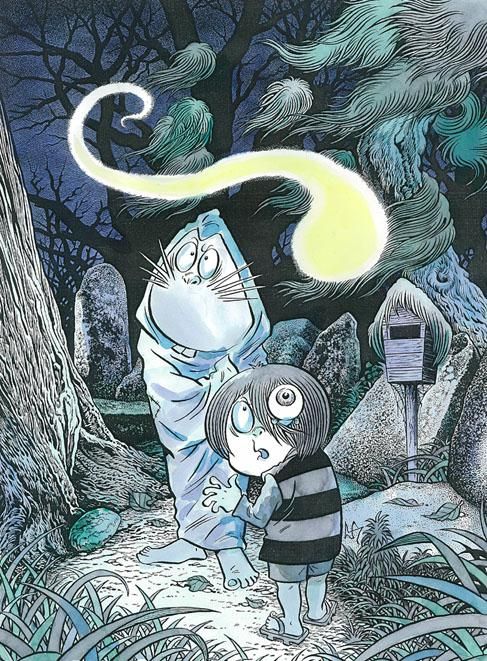
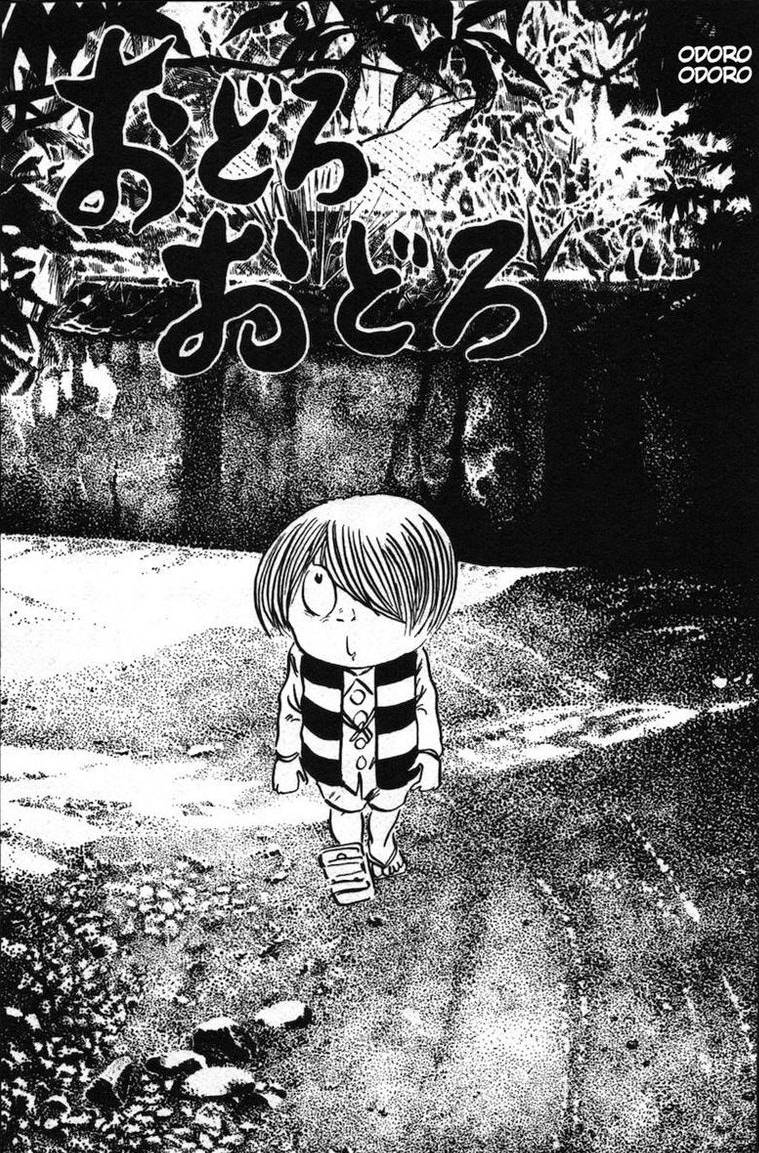
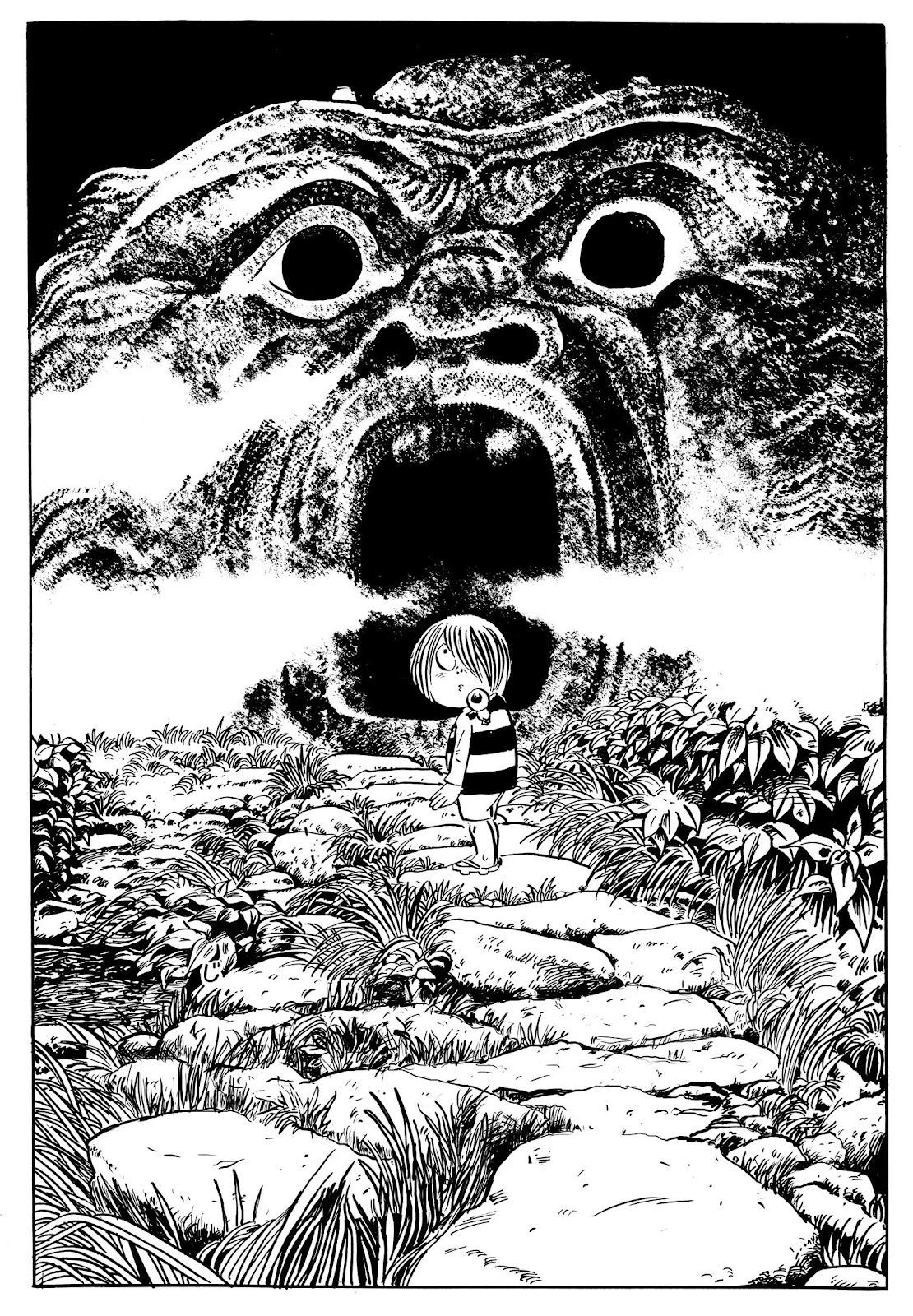
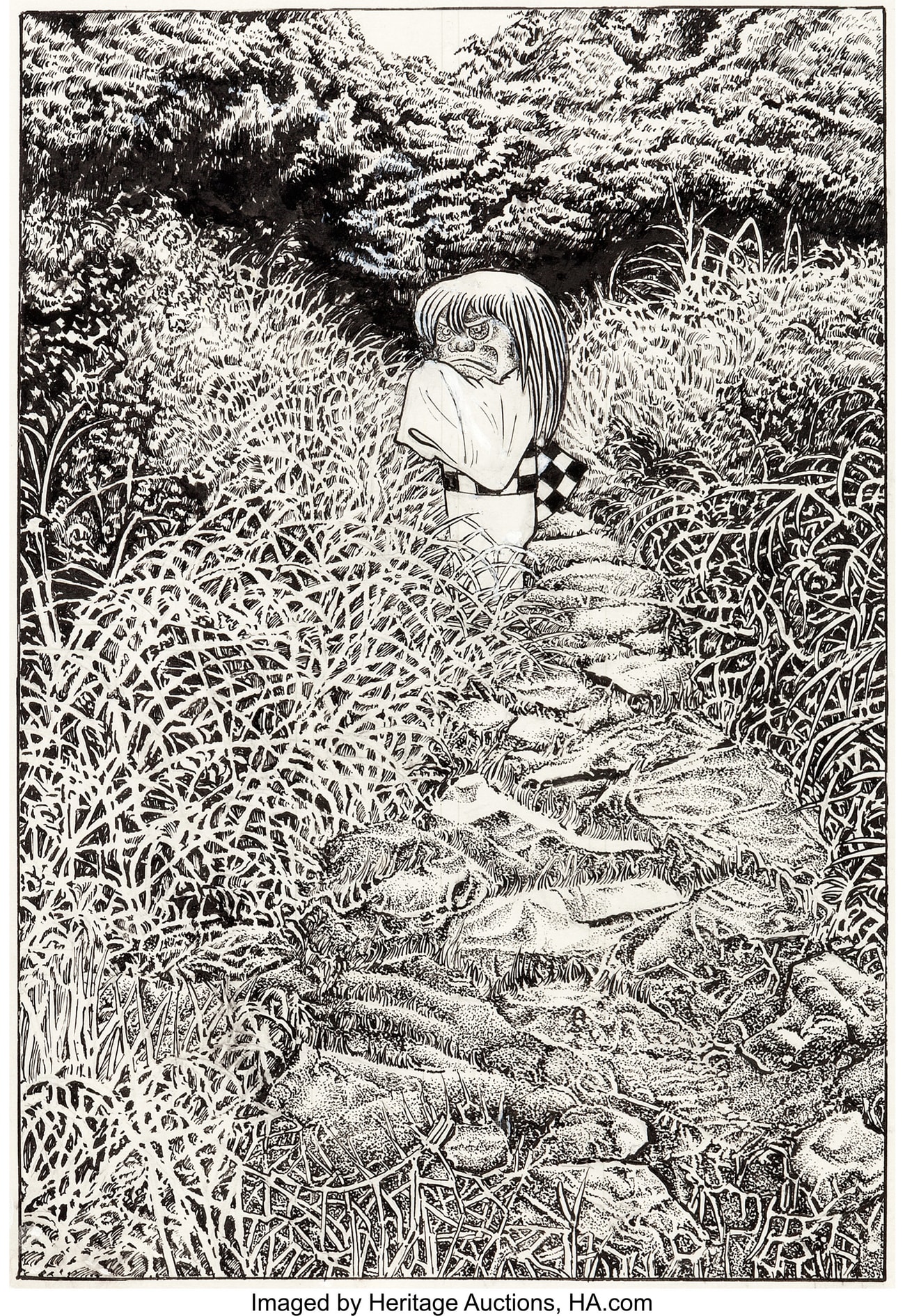
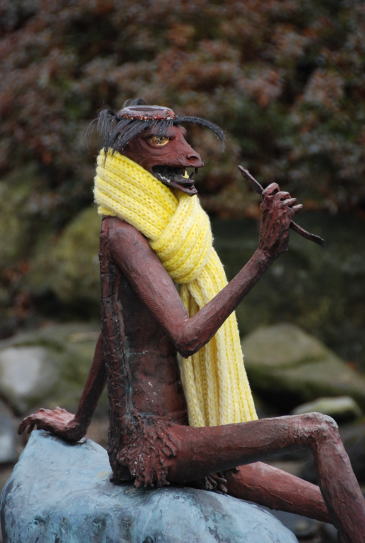
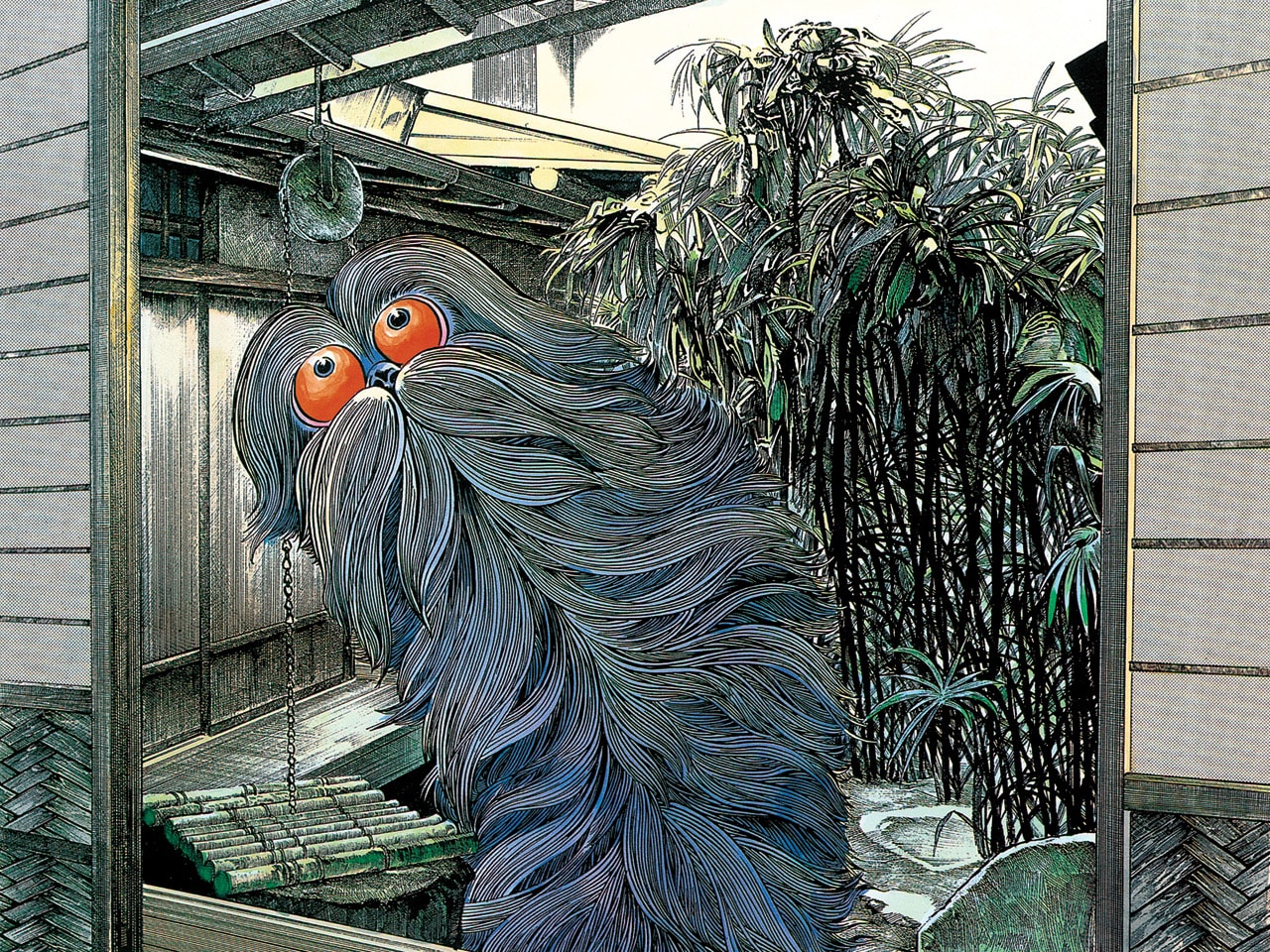
Shigeru Mizuki (水木 しげる) (1922 - 2015) was a true giant in his field and made enormously important contribution to the (none) human story.