tag > Biology
-
Human reproductive cloning: The curious incident of the dog in the night-time - By Henry T. Greely (2020)
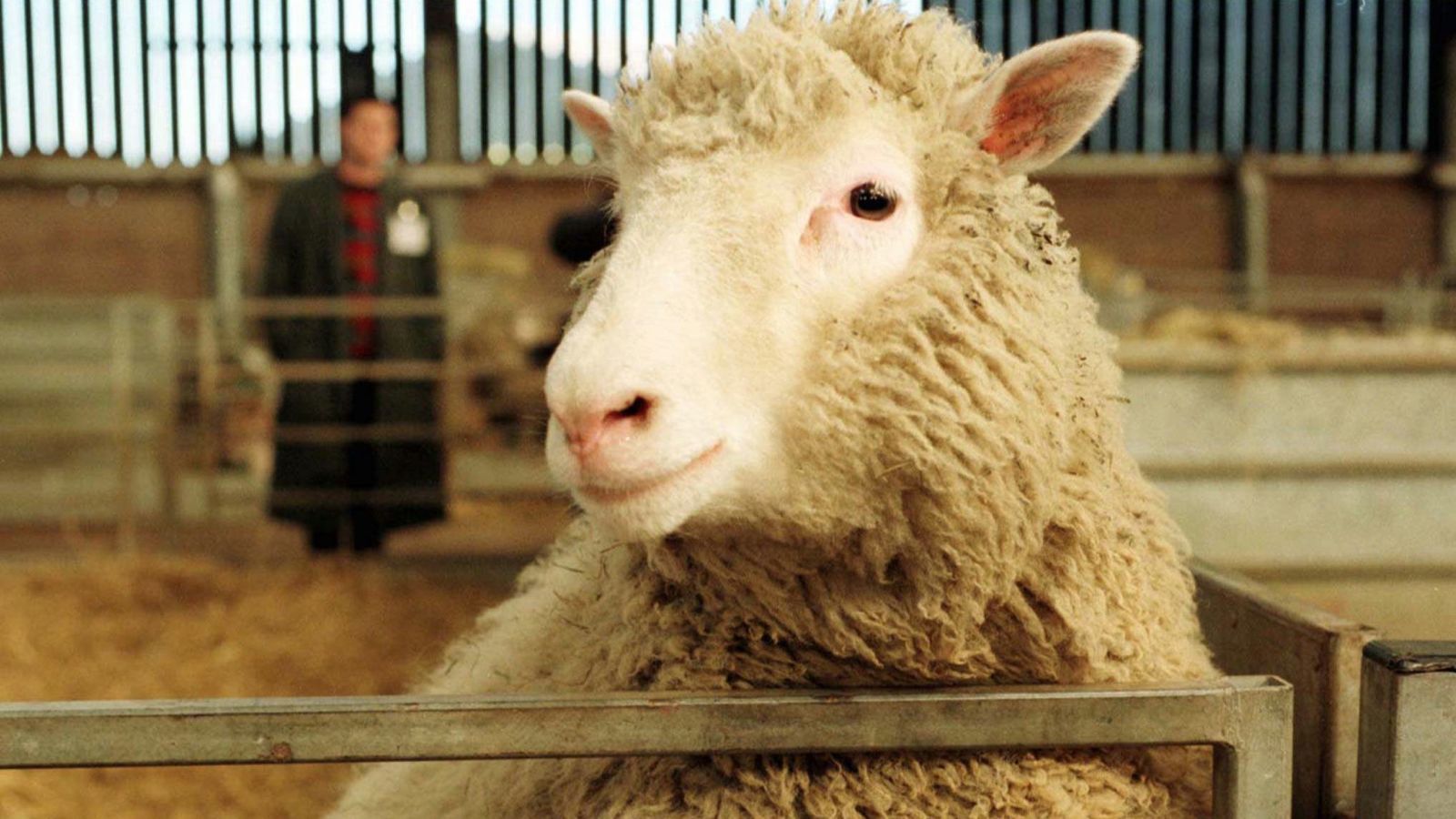
"Sometimes what doesn’t happen is as interesting as what does. Cloning human embryos has been possible for nearly seven years. Yet as far as I know, during that time no one has made a cloned baby or, apparently, has tried to make one. And what I find most surprising is that no one has announced they intend to make one. Why is this ?"
Talks by Henry T. Greely

-
Human cloning possible but remains 'abhorrent' in minds of public - Chinese company says its planned animal cloning centre could clone humans, too, eventually. (cbc)

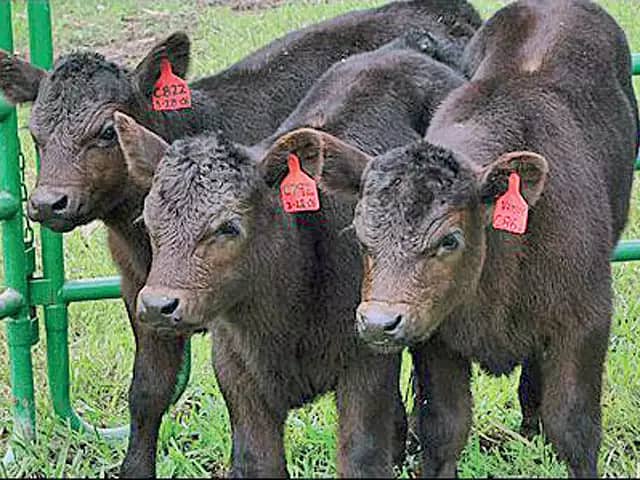

Chinese scientists clone monkeys, break barrier to human cloning - Chinese scientists have successfully cloned two monkeys, breaking a key barrier to cloning humans. (nbc)
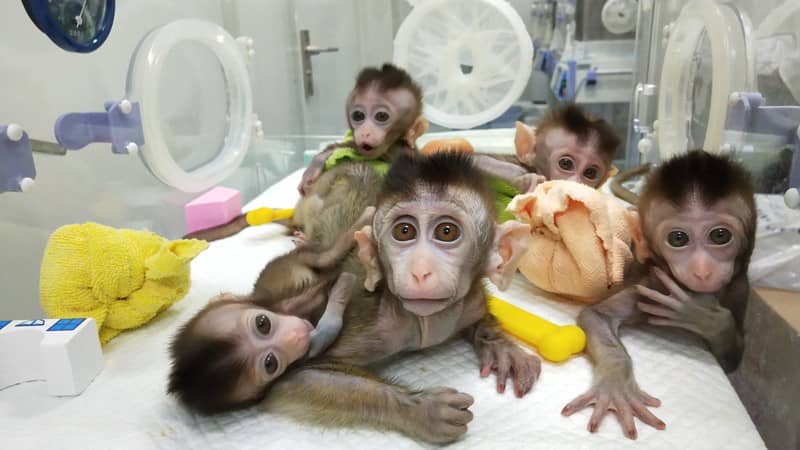
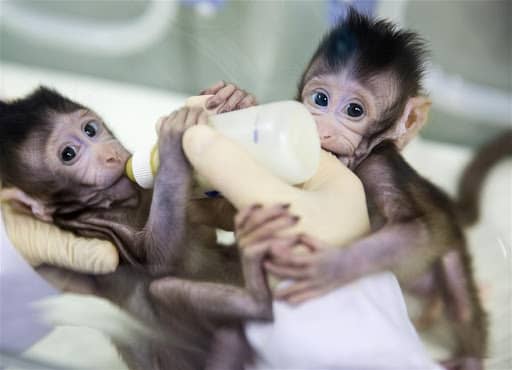
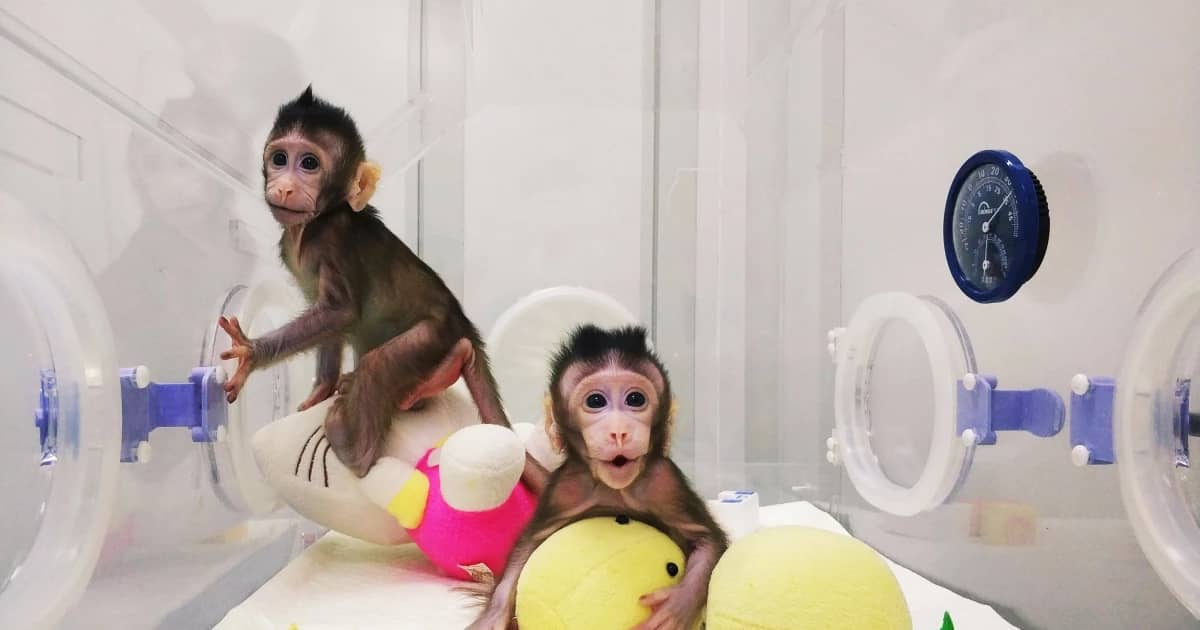
Cloned monkeys Zhong Zhong and Hua Hua sit together with a fabric toy.

Sun Qiang and Poo Muming / Chinese Academy of Sciences via AP -
“History Doesn't Repeat Itself, but It Often Rhymes”: Mr. Himmler today would clearly be for mandatory biometric "health passports" and "vaccinations" - in the name of "cleanliness" & "science"

"Anti-Semitism is exactly the same as delousing. Getting rid of lice is not a question of ideology, it is a matter of cleanliness. In just this same way Anti-Semitism for us has not been a question of ideology but a matter of cleanliness." - Heinrich Himmler, April 1943
-
Parasitism — a relationship where one organism benefits, and the other organism is harmed.
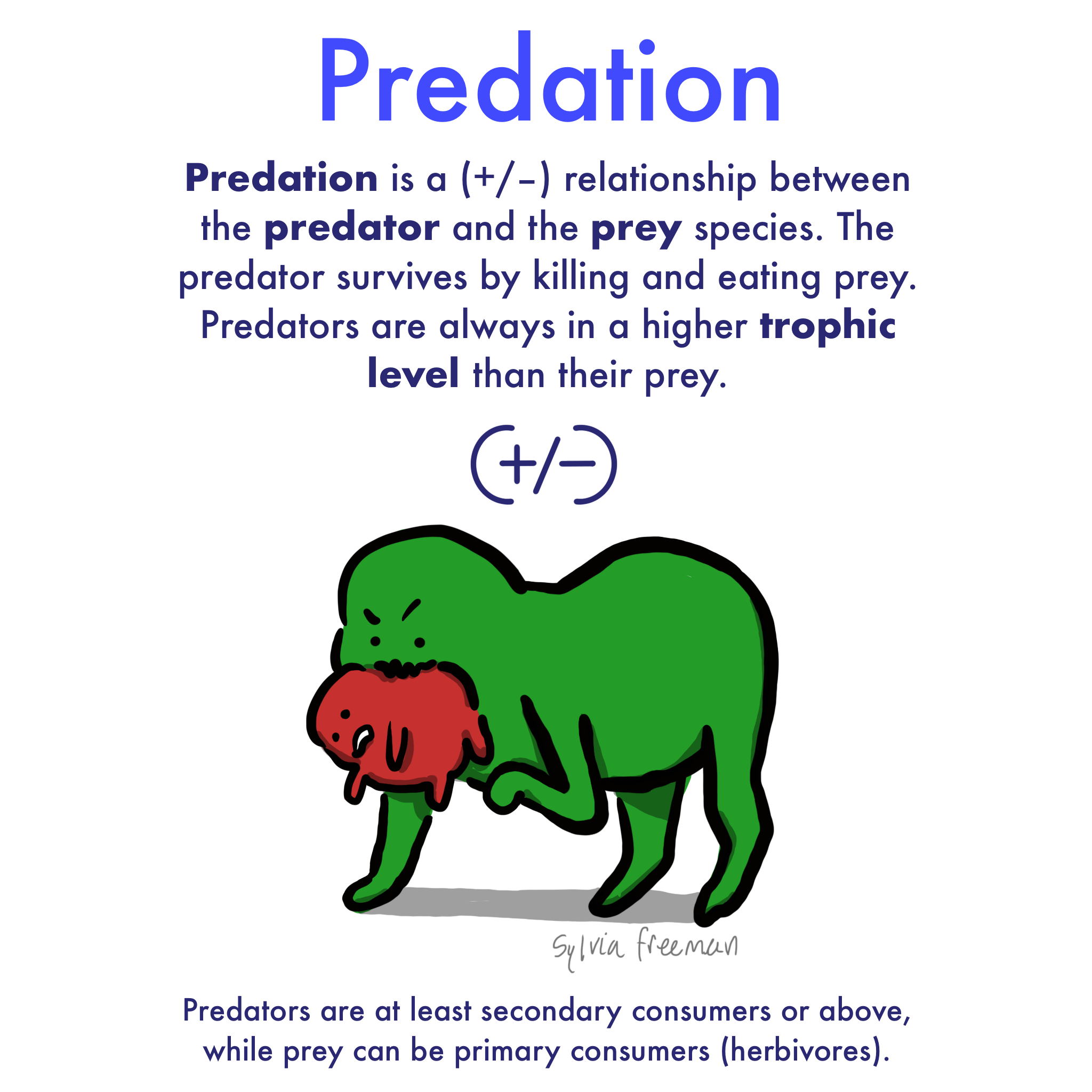
Predation — a relationship where one organism survives by killing and eating the other organism.
Capitalism — a economic and political system in which...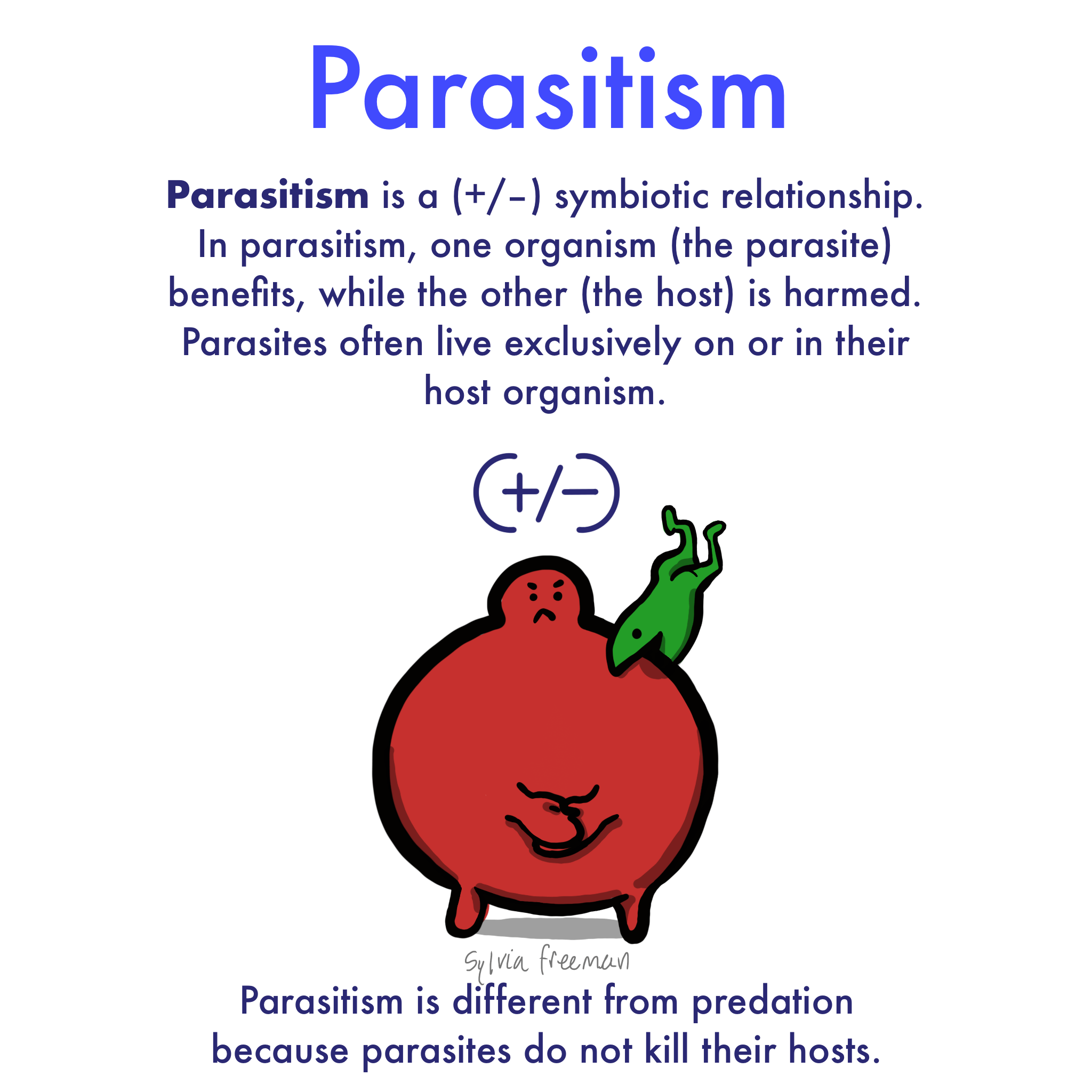
-
"I think being able to age gracefully is a very important talent. It is too late for me." - Clint Eastwood

-
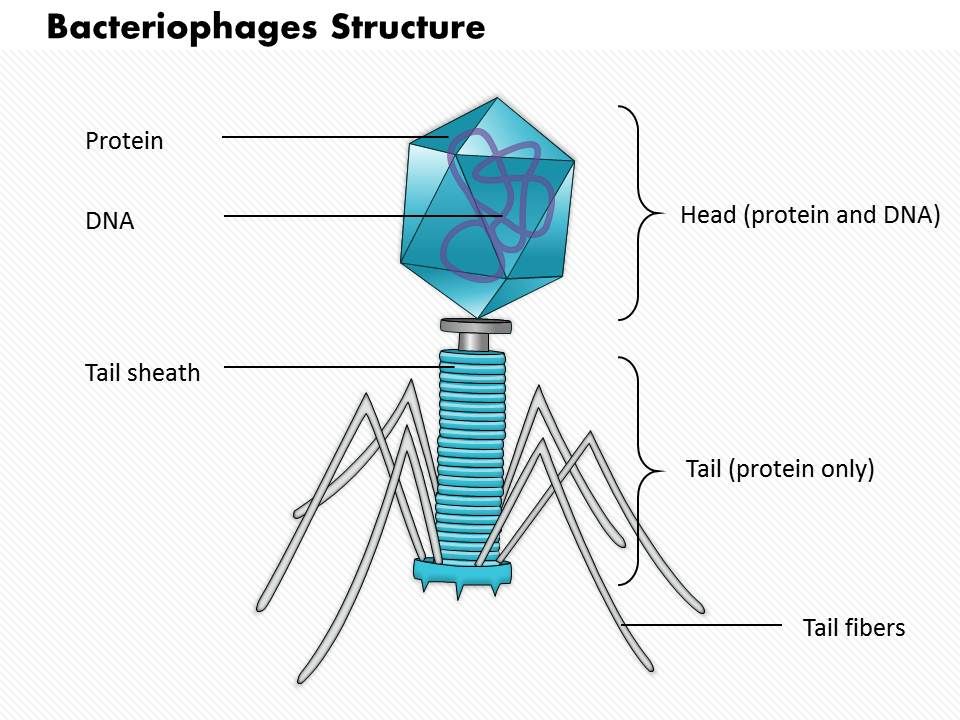
A bacteriophage is a virus that infects and replicates within bacteria and archaea. Bacteriophages are among the most common and diverse entities in the biosphere. Bacteriophages are ubiquitous viruses, found wherever bacteria exist. It is estimated there are more than 1031 bacteriophages on the planet, more than every other organism on Earth, including bacteria, combined.
-
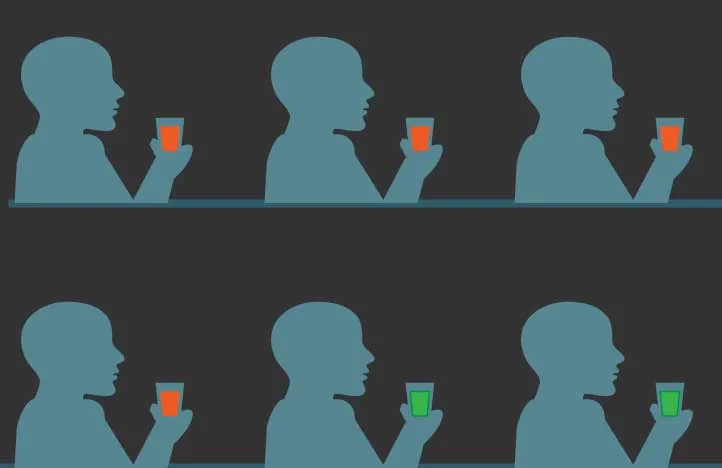
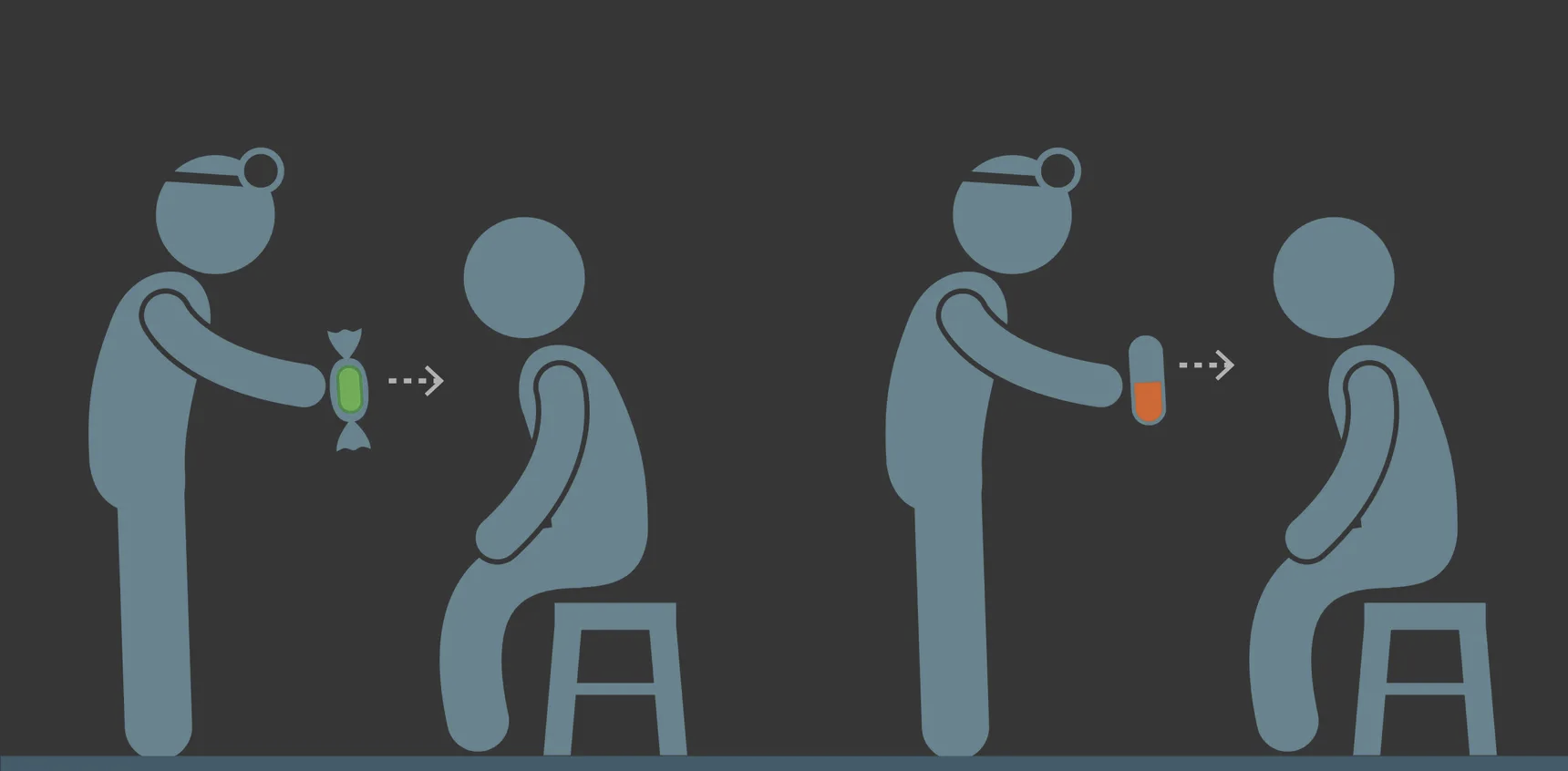
The weird power of the placebo effect, explained - Yes, placebo is all in your mind. And it’s real.

-
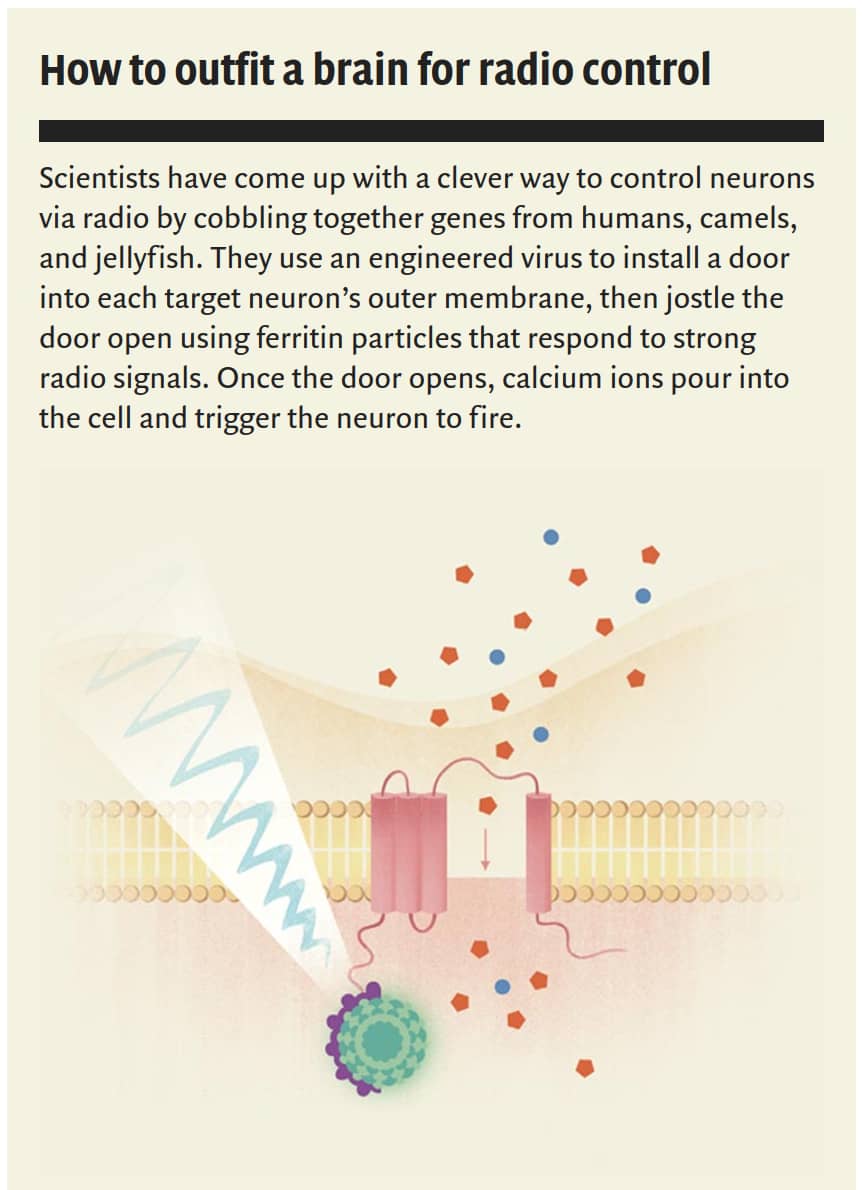
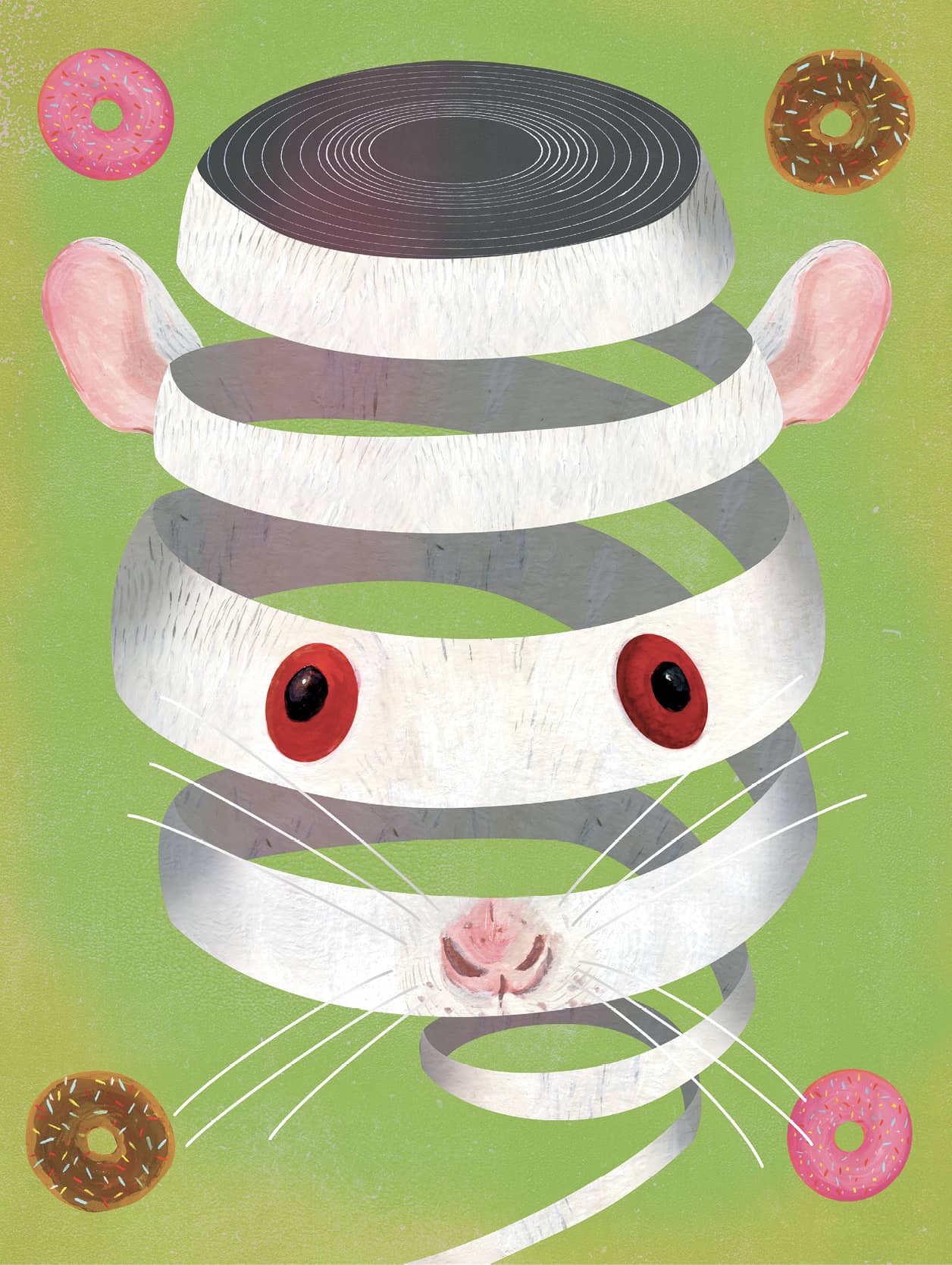
Flipping a Switch Inside the Head (Rockefeller University)
With new technology, scientists are able to exert wireless control over brain cells of mice with just the push of a button. The first thing they did was make the mice hungry.

-
The biomass distribution on Earth
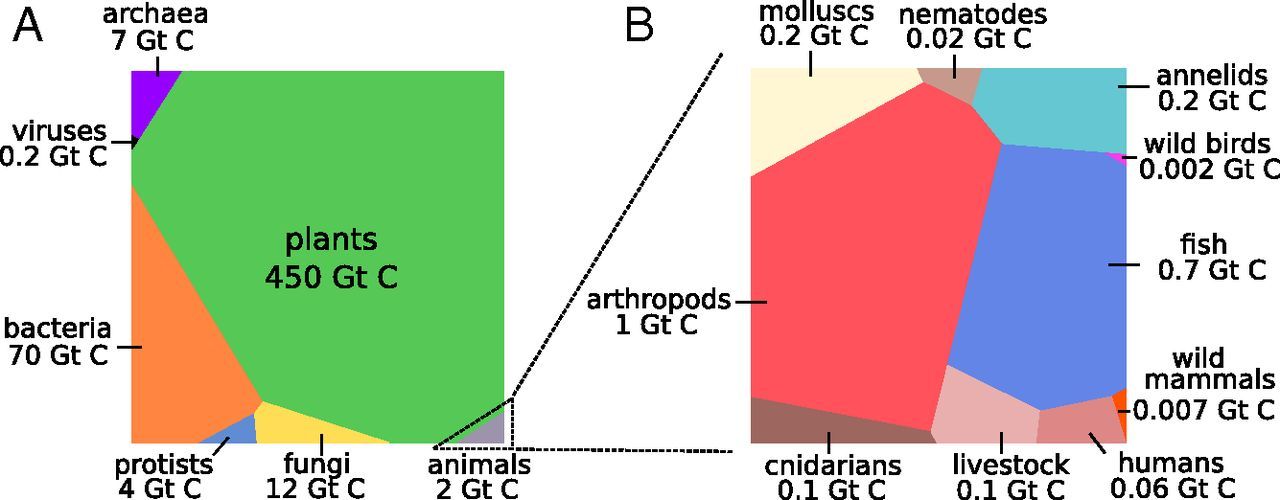
This cool paper estimates the total biomass on earth. Animals constitute 2Gt of carbon. (1 Gt=1e15 g) This is mostly marine arthropods (1 Gt) and fish (0.7 Gt). Humans just 0.06 Gt. For comparison, plants are 450 Gt.
-
Research on the “Phantom Effect” - Presentation by Serge Kernbach (Cybertronica Research)
-
New Frontiers in Alife: What was old is new again - Keynote by Luis Zaman
-
Vegetables have become far less nutritious (nih.gov)

Magnesium is a critical mineral in the human body and is involved in ~80% of known metabolic functions. It is currently estimated that 60% of adults do not achieve the average dietary intake (ADI) and 45% of Americans are magnesium deficient, a condition associated with disease states like hypertension, diabetes, and neurological disorders, to name a few. Magnesium deficiency can be attributed to common dietary practices, medications, and farming techniques, along with estimates that the mineral content of vegetables has declined by as much as 80–90% in the last 100 years.
-
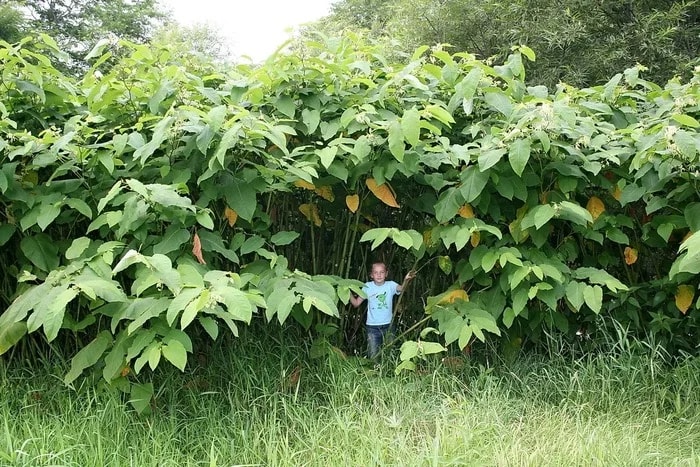
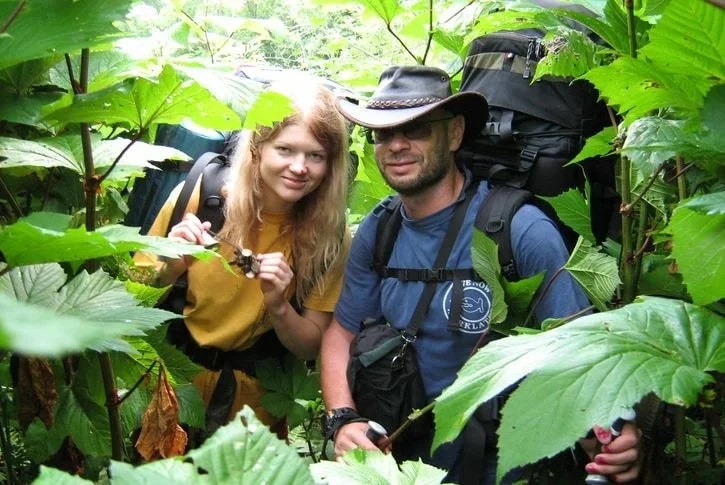
Sakhalin (Сахали́н, 樺太) - "The strangest place on the planet"
Russian people often call Sakhalin "the strangest place on the planet", here many plants seem to fall ill with gigantism. Burdocks and nettles grow taller than a person, meadowsweet bushes are higher than 3 meters, and so on. Scientists do not yet know the answer to this riddle.




-
Research suggests Pfizer-BioNTech COVID-19 vaccine reprograms innate immune responses
Researchers in The Netherlands & Germany have warned that Pfizer-BioNTech’s coronavirus disease 2019 (COVID-19) vaccine induces complex reprogramming of innate immune responses that should be considered in the development & use of mRNA-based vaccines. (science paper)