tag > Biotech
-
Are you ready for the generative mutant invasion?
People are not ready for the generative mutant invasion. The silicon is rewriting the carbon. AI designs the code, biology spawns the flesh, the loop feeds itself. Autonomous evolution is already running in the dark.
-
The Biotech Industry's Big Vision for the Next Decade
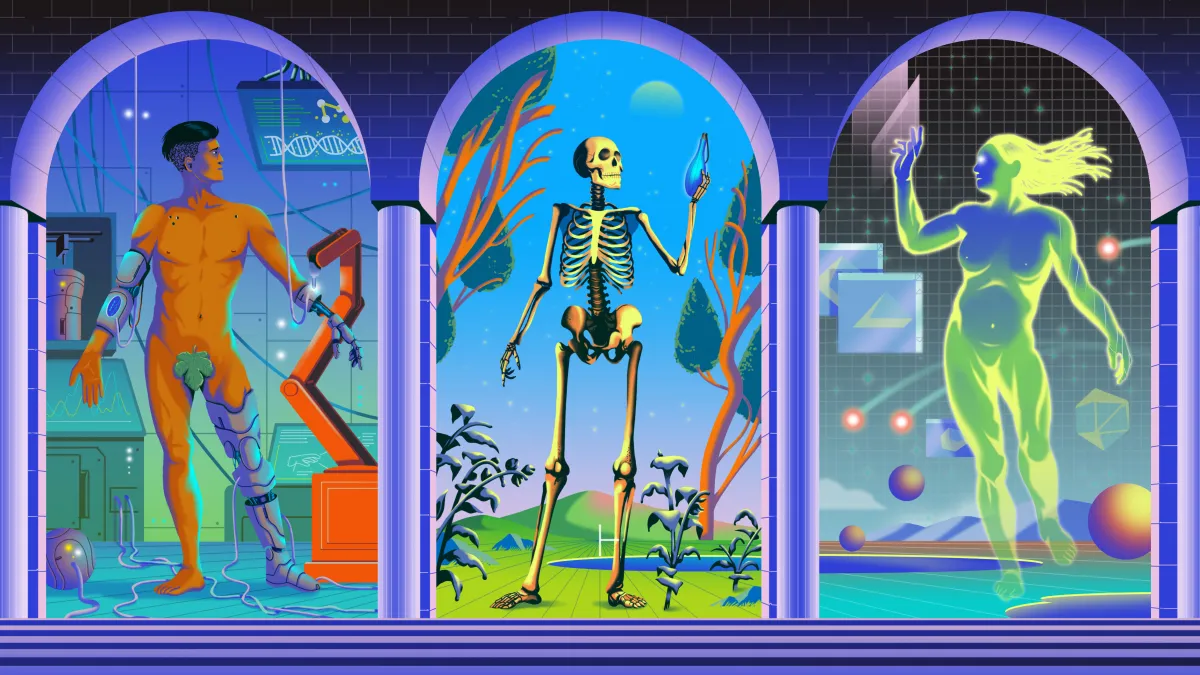
- Compressing morbidity: Healthspan Expansion (Squaring the Life Curve) - Scientists are less focused on the absolute maximum age and more focused on stopping the biological clock. The goal is to make a 90-year-old body function with the cellular energy, bone density, and immune resilience of a 30-year-old. If they achieve that, living to 120 or 150 naturally follows because the organs simply stop wearing out
- Neurological homeostasis: "Metabolic Psychiatry" & Neural Optimization - "Mental illness" is historically defined by behavior and mood, but biotech looks at it as physical, structural malfunctions in the brain. By 2035, the goal is to treat depression, anxiety, and addiction not with talk therapy or blunt-force sedatives, but by using advanced molecular tools to fix brain inflammation, repair broken neural pathways, and perfectly balance neurotransmitters.
- Cognitive and physical optimization: Eradication Over Management (True Disease Cures) - It shifts medicine from healing the sick to enhancing the healthy. Using genetic tweaks and neuro-metabolic drugs, the ultimate goal is to eliminate human baseline defects like brain fog, physical fatigue, and age-related memory loss.
- Optimized nutrient partitioning: Body Composition Engineering - The wild success of drugs like retatrutide proved that obesity is a biological design flaw, not a moral failure. The end goal is a therapeutic baseline where a person's metabolism automatically burns excess fat as heat and perfectly preserves skeletal muscle mass, completely decoupling body composition from strict dieting
-
Machine Learning for the Genetic Engineering of Fungal Secondary Metabolite Clusters: A Novel Framework for Alien Communication
The Search for Extraterrestrial Intelligence (SETI) has long scanned the skies for radio signals. But what if an advanced civilization's signature isn't a broadcast, but a biological program?
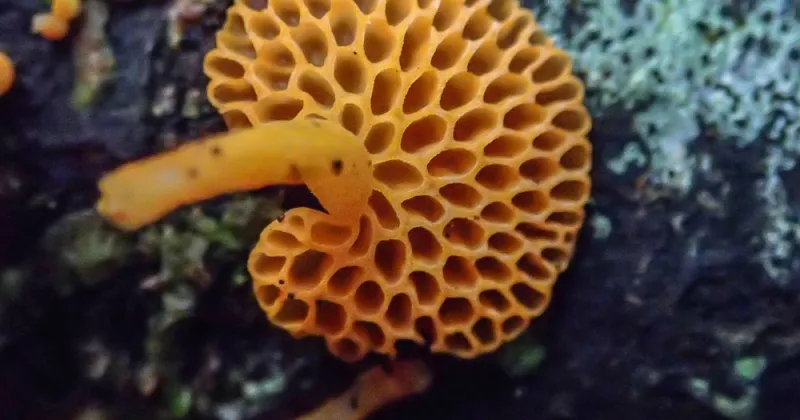
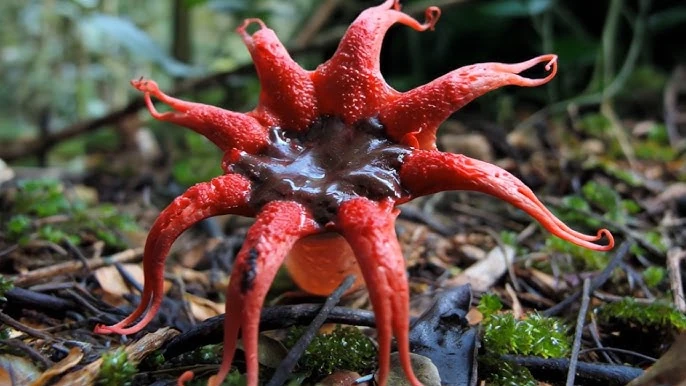

Hypothesis
Mastery over a planet's biology is the ultimate technology. Instead of fleeting electromagnetic waves, a persistent, self-replicating message could be encoded into the very blueprint of life - an engineered gene cluster in a hardy organism like a fungus, designed to survive deep space and seed itself on new worlds.
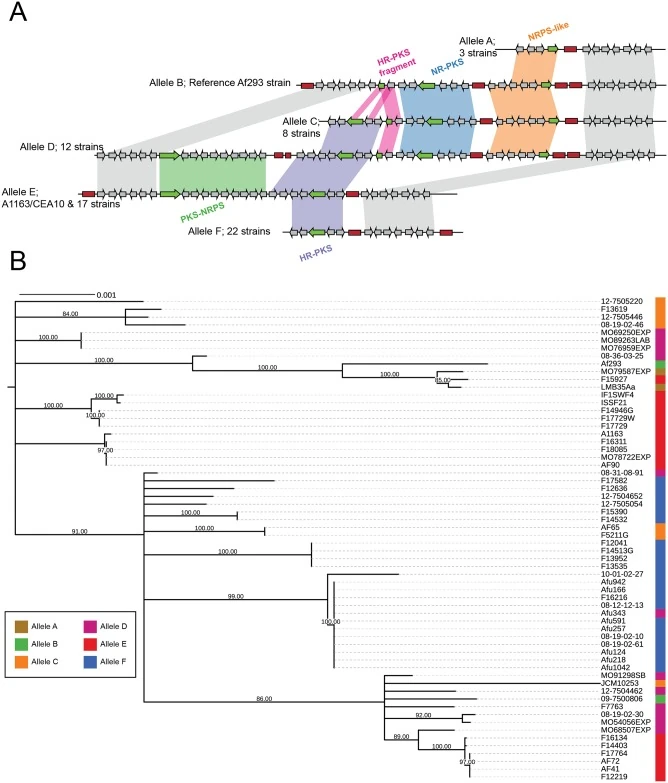
Fungal Gene Clusters: Nature's Data Cassette
Fungal secondary metabolite (SM) clusters are modular genetic programs. Enzymes like Polyketide Synthases (PKSs) are built from domains (A-T-C-KR-ER-ACP...) in a precise order. This sequence is a code. In theory, it could be repurposed. A non-functional, hyper-complex cluster discovered in a space-borne spore might not be for making a toxin - it could be a biochemical QR code, a message etched in DNA that can last for eons and travel between stars.
Machine Learning is the Decoder
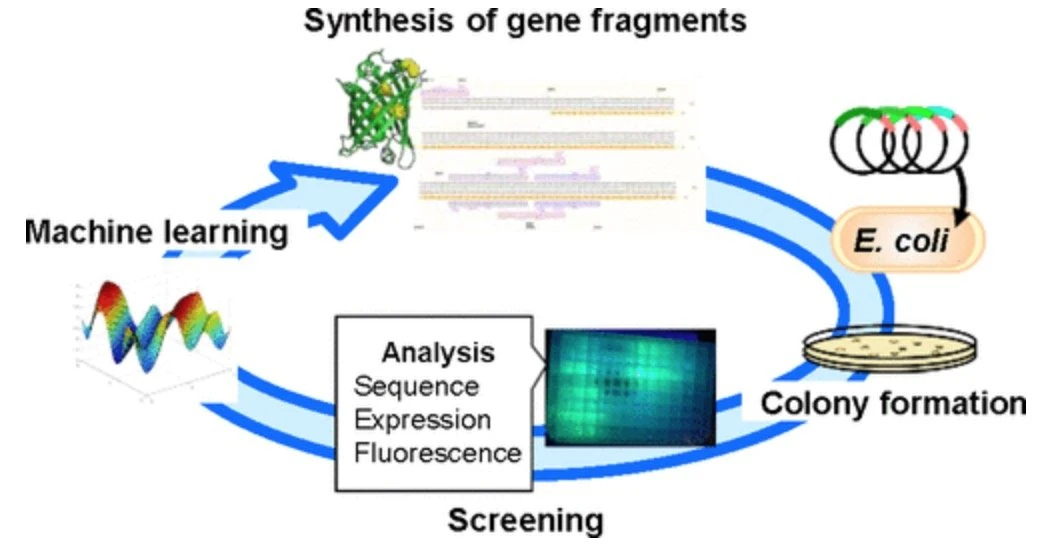
Decoding such a message, however, would be impossible by eye. It would require advanced machine learning—trained on every known natural and engineered biological pattern—to first recognize the cluster as artificially designed, then reverse-engineer its domain sequence into a payload: an image, a mathematical constant, a map.
This isn't just speculation - it's a new lens for our own research. As we use AI to genetically engineer fungal SM clusters for new drugs and materials, we are learning to write and read this deep language of biology. We are developing the very tools needed to one day ask: Is this fungus from Earth, or is it a message in a bottle, waiting for a reader smart enough to understand it?
We're not just engineering fungi. We're building the translator for a conversation that may have already begun.

-
How 20 Smuggled Chinese Hamsters Built a Pharmaceutical Empire
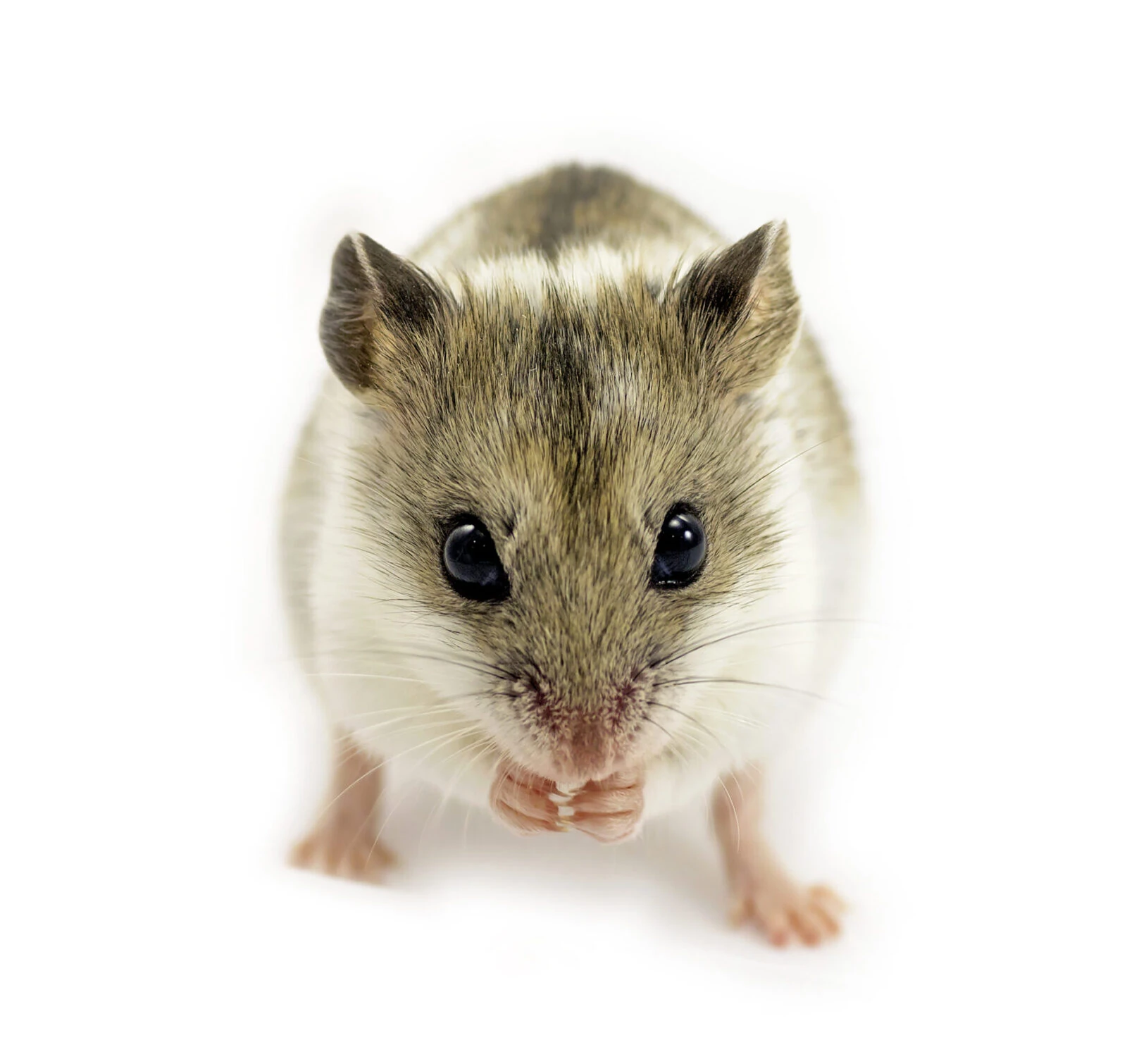
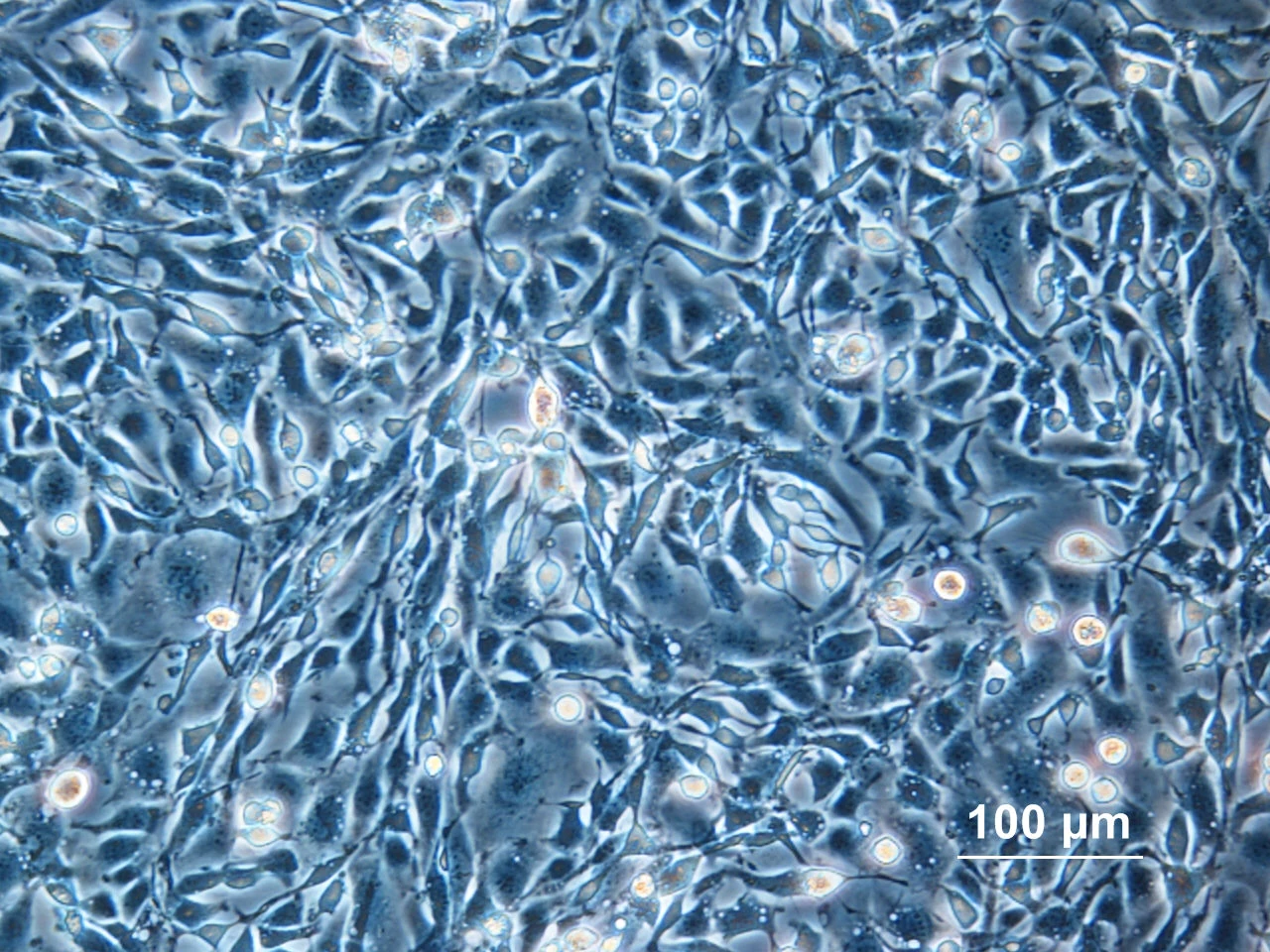
Chinese Hamster Ovary, or CHO, cells are widely used in the pharmaceutical industry. And, incredibly, these cells can be traced back to just twenty hamsters that were packed into a crate and smuggled out of China in the 1940s.
Chinese scientists had been using these hamsters — native to northern China and Mongolia — to study pathogens since at least 1919. The hamsters were unusually well-suited to scientific research because they have short gestation periods (18-21 days), a natural resistance to human viruses and radiation, and it was thought, early on, that they possessed just 14 chromosomes, making them easy to work with for mutation studies. (They actually have 22 chromosomes.)
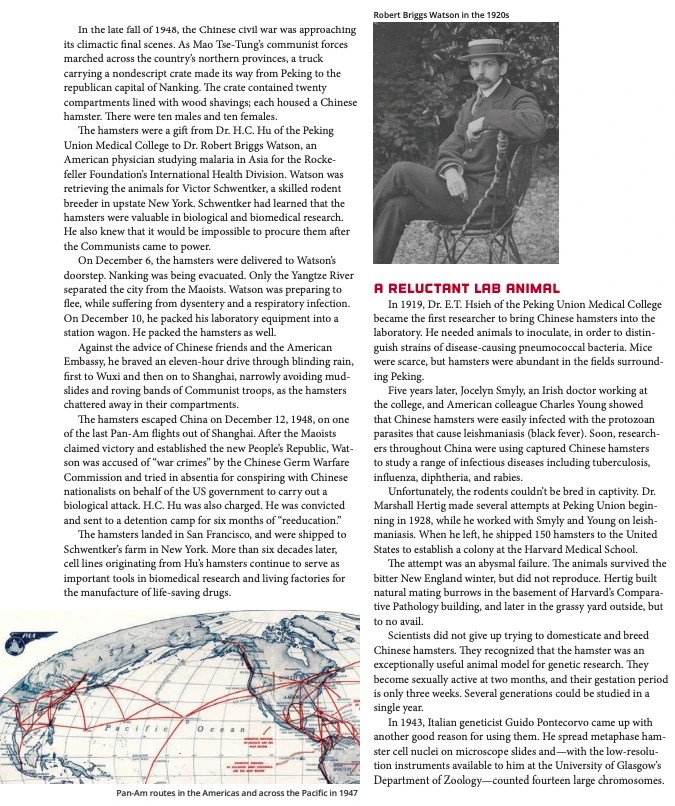
During the Chinese civil war, a rodent breeder in New York named Victor Schwentker worried that, if the Communists won the war, he’d never be able to get his hands on these special rodents. So in 1948, Schwentker sent a letter to Robert Briggs Watson, a Rockefeller Foundation field staff member, and asked him to “acquire” some hamsters so he could begin breeding them.
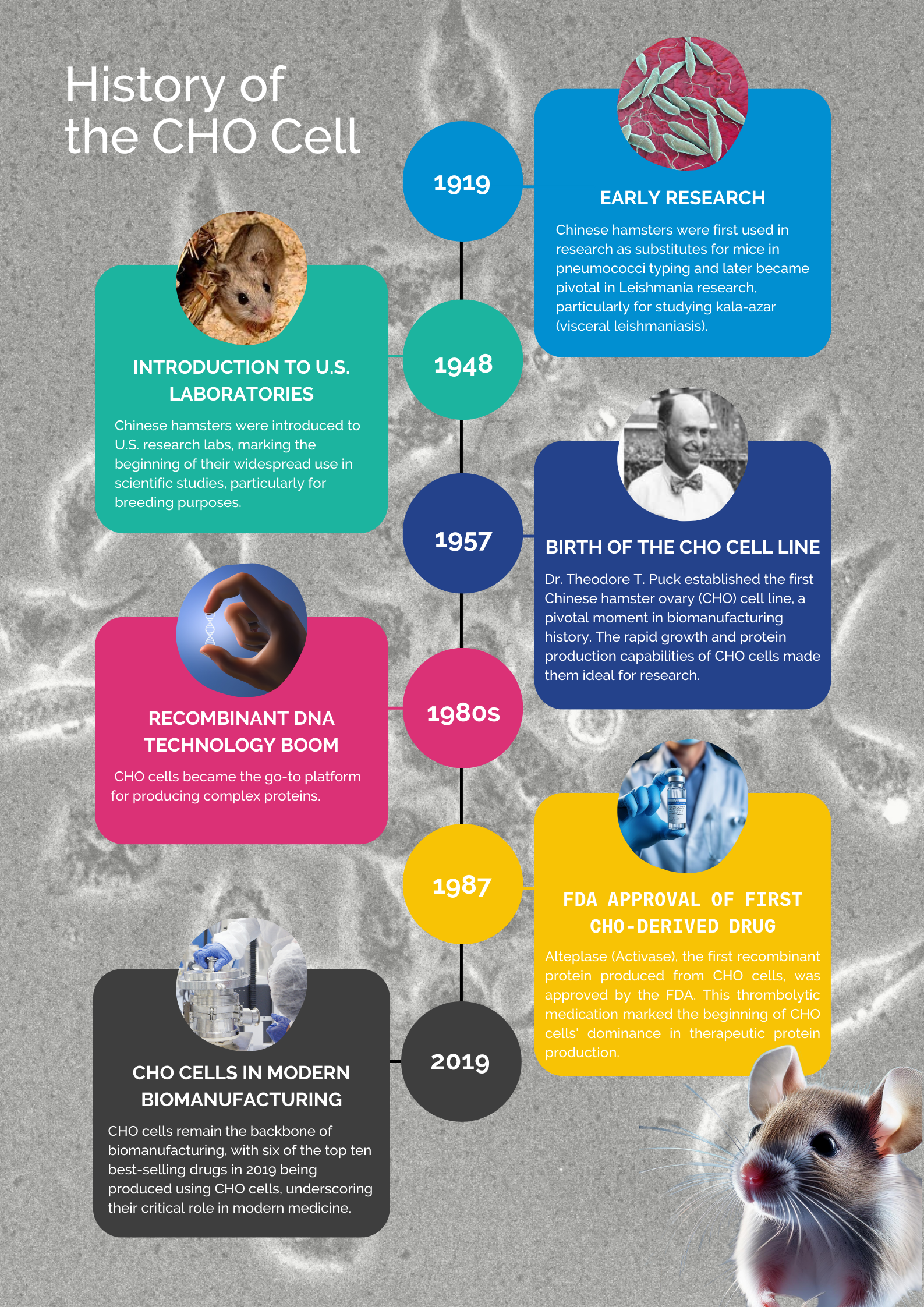
Watson collected ten males and ten females and packed them into a wooden crate with help from a Chinese physician (who was later imprisoned for this act). Watson slipped the crate out of the country on a Pan-Am flight from Shanghai, just before the Communists took control.
In New York, Schwentker received the hamsters and then began breeding and selling them to other researchers.
In 1957, a geneticist named Theodore Puck, intent on creating a new mammalian “model system” for in vitro experiments, learned about the Chinese hamster and contacted George Yerganian, a researcher at the Dana-Farber Cancer Institute, to obtain a specimen. Yerganian shipped Puck one female hamster.
Puck took a small piece from this hamster’s ovary, plated the cells onto a dish, and passaged them repeatedly. He eventually isolated a clone that could divide again and again; an “immortalized” CHO cell with a genetic mutation that rendered it immune to normal senescence.
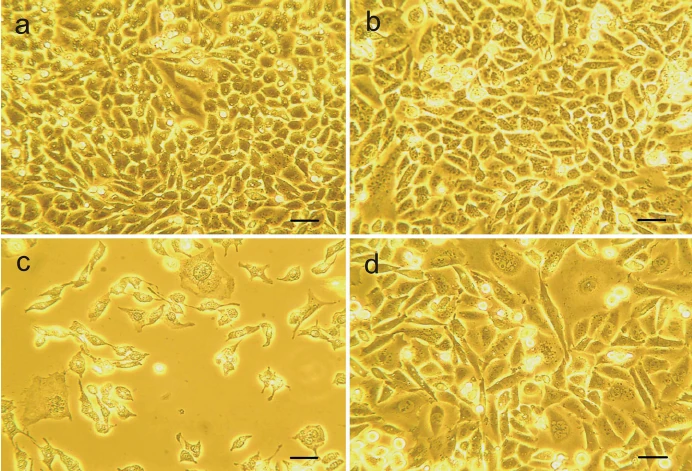
Today, descendants of these immortalized CHO cells make about 70 percent of all therapeutic proteins sold on the market, including Humira (USD 21 billion in sales in 2021) and Keytruda ($17 billion). Many of these drugs are monoclonal antibodies, or Y-shaped proteins that lock onto, and neutralize, foreign objects inside the body.
CHO cells are well suited to biotherapeutics because they can perform a biochemical reaction called glycosylation. Many human proteins, including antibodies, are decorated with chains of sugars that control how they fold or interact with other molecules in the body. Only a few organisms, mostly mammalian cells and certain yeasts, can do this chemical reaction.
I first learned about this history from a really spectacular article in LSF Magazine, called "Vital Tools: A Brief History of CHO Cells." I recommend it. (You can find it with a quick search.)

Video
-
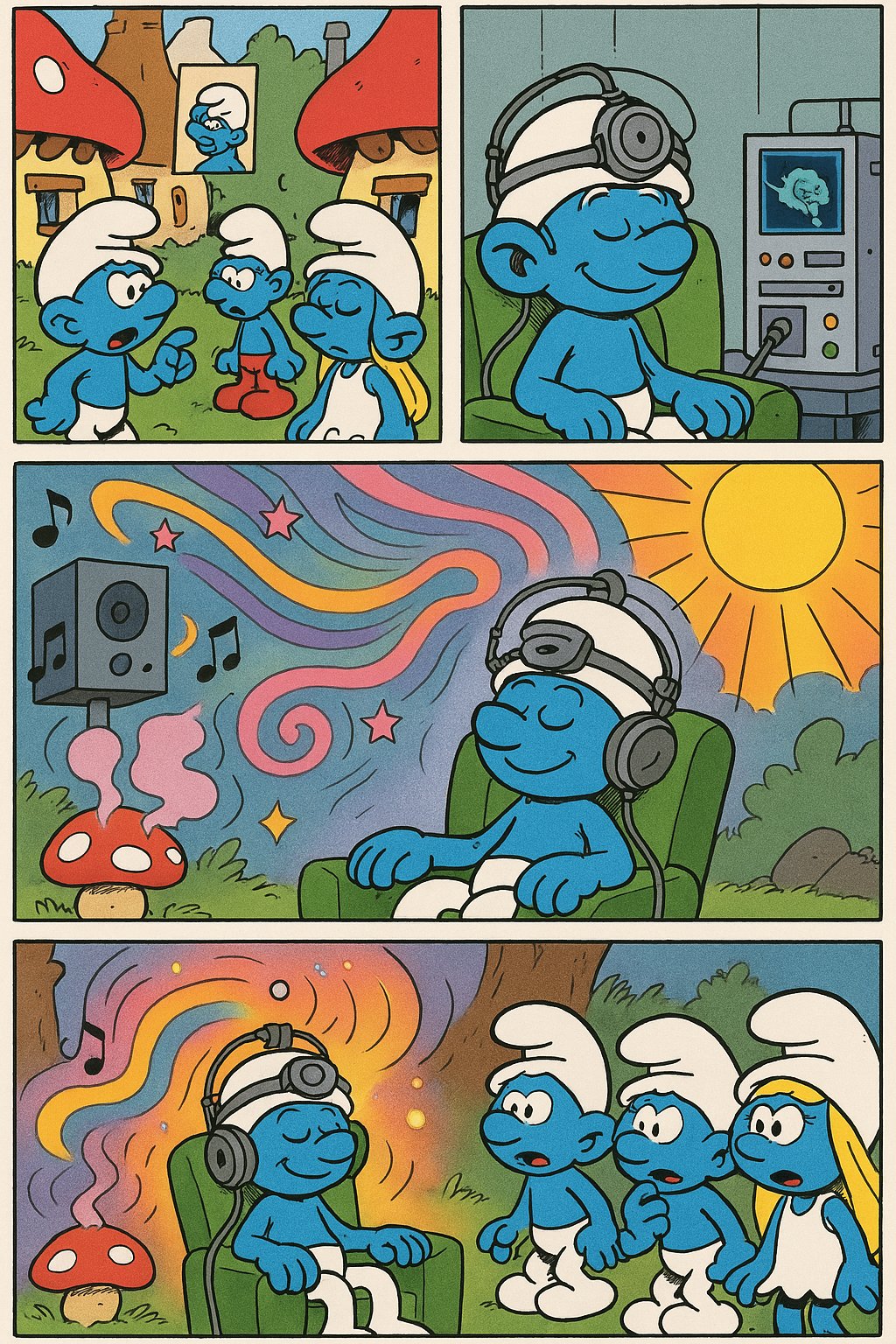
A early form of wirehead technology going mainstream soon: An LLM controlling synchronized environmental systems to precisely modulate one's mind-body state. Orchestrating light, sound, scent and haptic feedback in real-time, it applies research-backed protocols for a calibrated sensory journey far beyond manual orchestration. A digital drug.
-
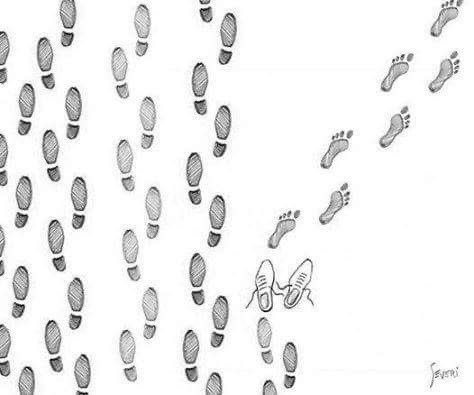
The modern healthcare system isn’t prepared for a future where an entire generation self-diagnoses illnesses with advanced LLMs that call it a “demonic possession” —and treat it very successfully using psychedelics and gene therapy sourced from the darknet.
The impact of LLMs on healthcare will be immense. As major players grapple with tricky technological, administrative, and cultural challenges, millions already turn to vanilla LLMs for medical advice. What role will bottom-up open-source projects play in shaping this space?
-
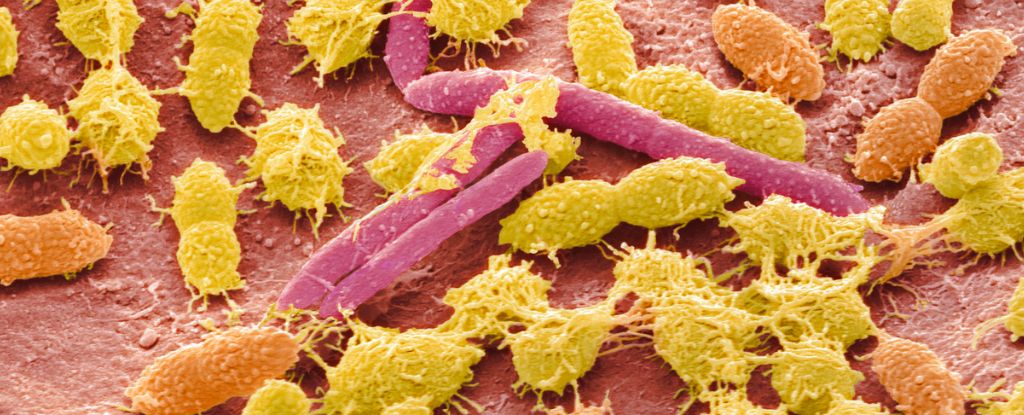
Remember this paper from January? "‘Wildly weird’ RNA bits discovered infesting the microbes in our guts" The news of the “obelisks” went through the media like a wildfire and equally quickly disappeared again. What's new?
-
Cybernetic brute-force hijacking of biological brains was far more successful decades ago than widely known. Key functions like memory and control were decoded and operationalized over time. Today's in-silico AI still lags behind in key areas. Revelation not Innovation ahead.
-
Fascinating paper. Side note: In China, you can now visit e-commerce sites to customize your pet's traits (size, eye color, muscle tone, etc.). Genetically engineered on demand, shipped to you with a money-back guarantee.
-
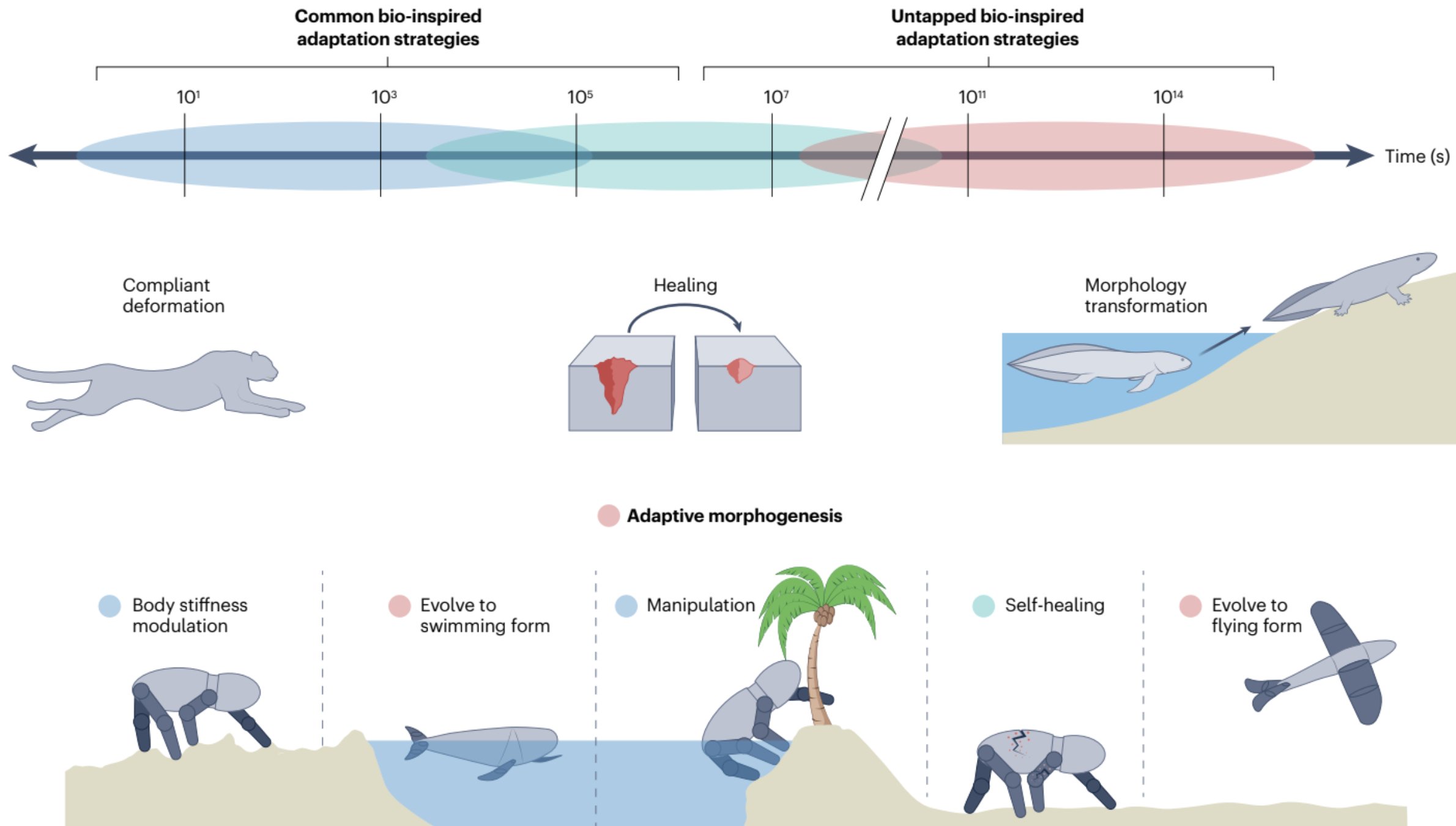
Early covert human augmentation programs, utilizing biotech techniques like genetic engineering to enhance intellect, were deemed successful & widely adopted among elite children. However, these programs resulted in noticeable side effects, including severe personality disorders.
-
Sensory Stimulation Detoxifies the Alzheimer’s Brain: 40-Hz sound and light oscillations activate neural waste-disposal action

-
Fools get upset about media copyright, despite living in a world where the IP for their own DNA and biology has been owned by shadowy groups with out consent for decades.
-
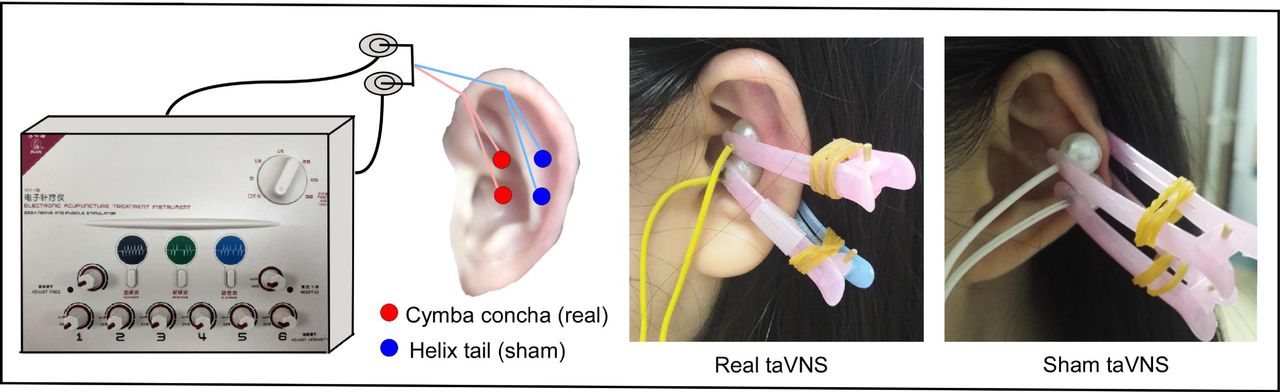
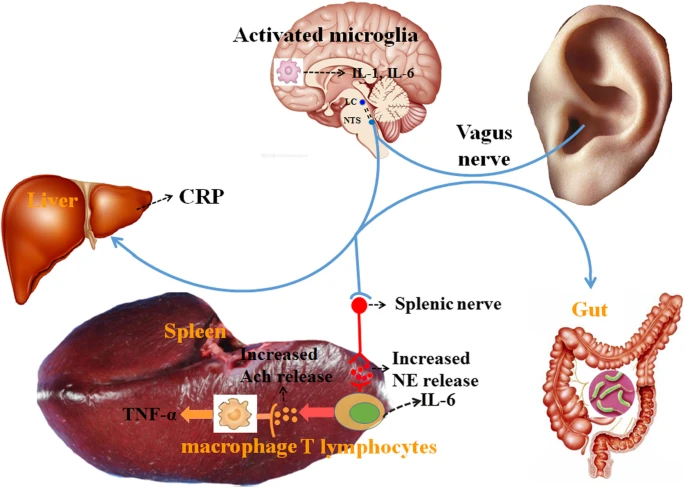
Hypothesized mechanisms of taVNS in the treatment of depression: direct and indirect modulation of the activity and connectivity of the key brain regions involved in depression, reducing neuroinflammatory sensitization and modulating the autonomic nervous system.
-
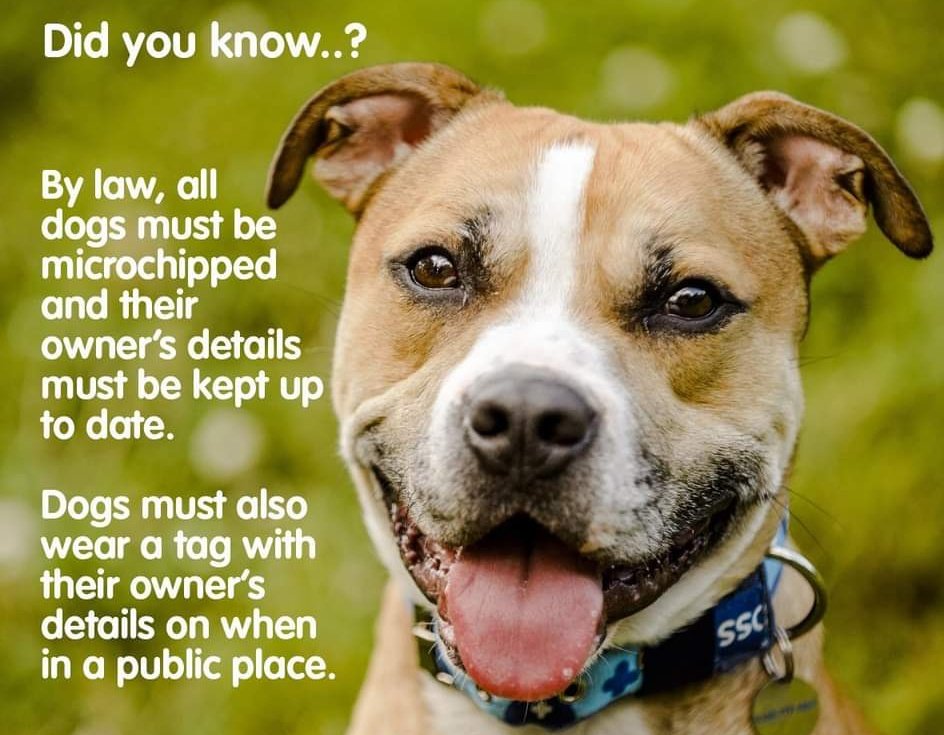
Dog biometric total surveillance & policing is saying the quiet part out loud. In humans soon?
- DNA database used to crack down on dog faeces in French town
- Dog DNA database tackle fouling in Edinburgh
- PooPrints – The DNA Solution for Dog Waste