tag > ClimateChange
-
As permafrost melts under intense heat, Russia's Siberia burns — again
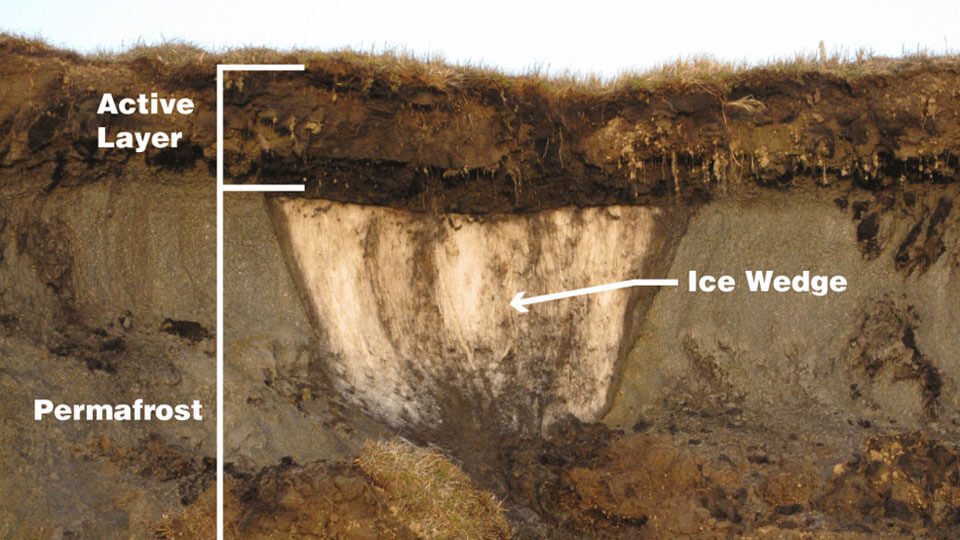
Russia's northern landscape is being transformed by heat and fire.
Scientists Alarmed About Siberia's Record Breaking Winter and Spring Temperatures
Scientists say that Siberia’s unusually warm weather through winter and spring is “an alarming sign” - illustrating the most notable effects of global climate change as the world warms.
Siberian Arctic experiences record high temperatures
Temperatures rise to a record average for June amid a heat wave that is stoking some of the worst wildfires in Siberia.
-
UN expert Jean Ziegler describes bio-fuels as “crime against humanity”

A United Nations expert has condemned the growing use of crops to produce bio-fuels as a replacement for gasoline as a crime against humanity. The UN special rapporteur on the right to food, Jean Ziegler, said he feared bio-fuels would bring more hunger.
-
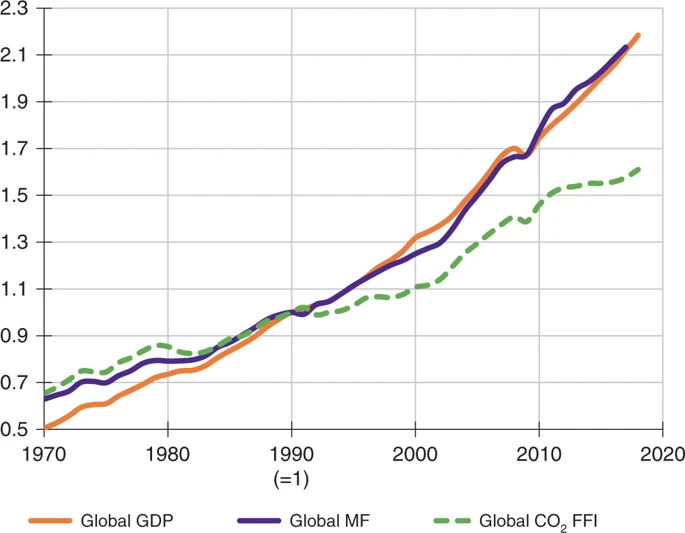
Shown is how the global material footprint (MF, equal to global raw material extraction) and global CO2 emissions from fossil-fuel combustion and industrial processes (CO2 FFI) changed compared with global GDP (constant 2010 USD). A group of researchers, led by a UNSW sustainability scientist, have reviewed existing academic discussions on the link between wealth, economy and associated impacts, reaching a clear conclusion: technology will only get us so far when working towards sustainability – we need far-reaching lifestyle changes and different economic paradigms. During the past 40 years, worldwide wealth growth has continuously outpaced any efficiency gains. “Technology can help us to consume more efficiently, i.e. to save energy and resources, but these technological improvements cannot keep pace with our ever-increasing levels of consumption,” Prof Wiedmann says.
-
Siberia’s record heatwave forecast to continue during July
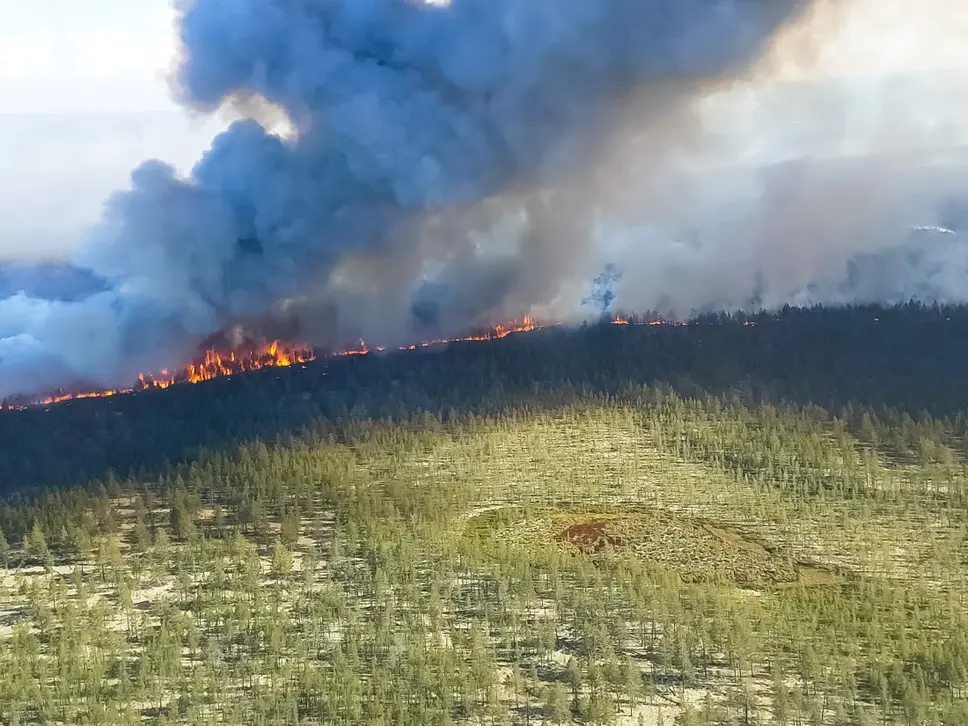
Siberia’s record-breaking heatwave is reportedly forecast to continue during July, raising the likelihood of worsening what are already among the worst wildfires ever known in the region, and further thawing the region’s vital permafrost. Meteorologists said five Siberian regions, including one in the Arctic, will experience temperatures of 37 degrees Celsius over coming days, according to the Moscow Times.
-
Arctic records its hottest temperature ever
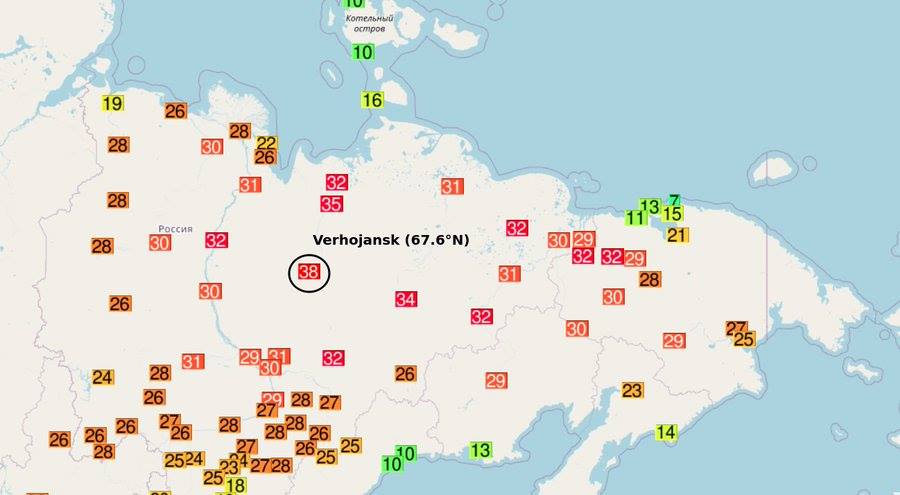
Alarming heat scorched Siberia on Saturday as the small town of Verkhoyansk (67.5°N latitude) reached 38°C. If verified, this is likely the hottest temperature ever recorded in Siberia and also the hottest temperature ever recorded north of the Arctic Circle, which begins at 66.5°N.
-
Almost a Dozen Earthquakes Recorded in Clusters Near Yellowstone Park in Just 24 Hours
An area near Yellowstone National Park has been struck by nearly a dozen earthquakes on Friday, according to the US Geological Survey. West Yellowstone in Montana reported around eleven earthquakes on Friday, with the strongest one measuring a magnitude of 3.1. The area has been hit by an additional 34 quakes in the past month, according to Idaho Statesman.
-
Norway’s oil fund sells out of Glencore, Anglo American and RWE (FT)
Norway’s $1tn oil fund has sold out of some of the biggest names in commodities and utilities including Glencore, Anglo American and RWE after the world’s largest sovereign wealth fund decided they breached its guidelines on the use of coal. Exclusions by one of the world’s biggest shareholders — the fund owns on average almost 1.5 per cent of every listed company in the world — are often closely followed by other investors.
Norway sovereign wealth fund blacklists coal giants
In the short term, coal still supplies around a quarter of the world's primary energy and two-fifths of its electricity. However, the well-regarded fund’s decision is expected to have a more gradual effect on investor sentiment in the long-term.
Why Norway fund’s divestment from the oilsands could trigger a bigger fund exodus
'Pulling investments from the oil sands and claiming it's for climate change reasons is more about publicity than fact' — Cenovus Energy CEO
-
Amid Pandemic, US Renewable Power Sources Have Topped Coal For 40 Days (reuters.com)
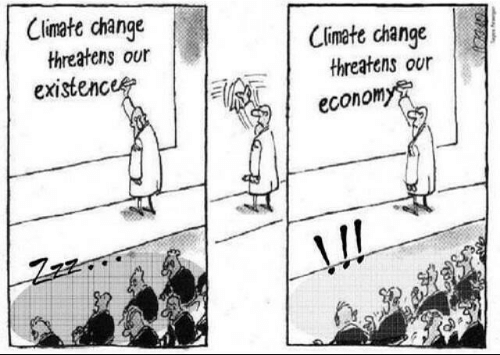
#Comment: A conspiracy theory, unlikely to be true but fun: World leaders (east and west, official and unofficial) looked at climate change trends and decided in unison that something drastic has to happen in order to swing the needle. They came up with a plan, based on complex socio-economic game-theory models: Start a global pandemic, partially based on selective bio-terror and mainly based on a massive global psyops campaign. The result? A signifiant global up-tick in climate relevant infrastructure & behaviour change.
-
Climate change: The rich are to blame, international study finds (BBC)
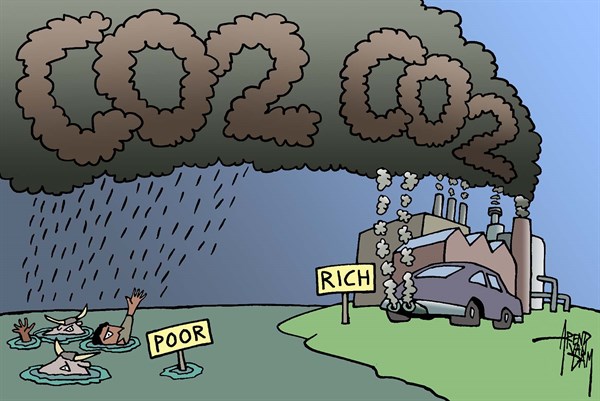
The rich are primarily to blame for the global climate crisis, a study by the University of Leeds of 86 countries claims. The wealthiest tenth of people consume about 20 times more energy overall than the bottom ten, wherever they live. The gulf is greatest in transport, where the top tenth gobble 187 times more fuel than the poorest tenth, the research says. That’s because people on the lowest incomes can rarely afford to drive. The researchers found that the richer people became, the more energy they typically use. And it was replicated across all countries. And they warn that, unless there's a significant policy change, household energy consumption could double from 2011 levels by 2050. That's even if energy efficiency improves.
-
Deadly olive tree disease across Europe 'could cost billions' (BBC)
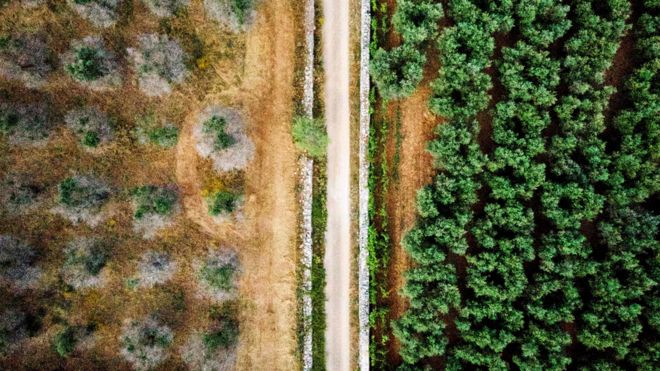
Researchers say the economic costs of a deadly pathogen affecting olive trees in Europe could run to over €20 billion. They've modelled the future worst impacts of the Xylella fastidiosa pathogen which has killed swathes of trees in Italy. Spread by insects, the bacterium now poses a potential threat to olive plantations in Spain and Greece. The disease could increase the costs of olive oil for consumers.
-
Nearly half of global coal plants will be unprofitable this year (Reuters)
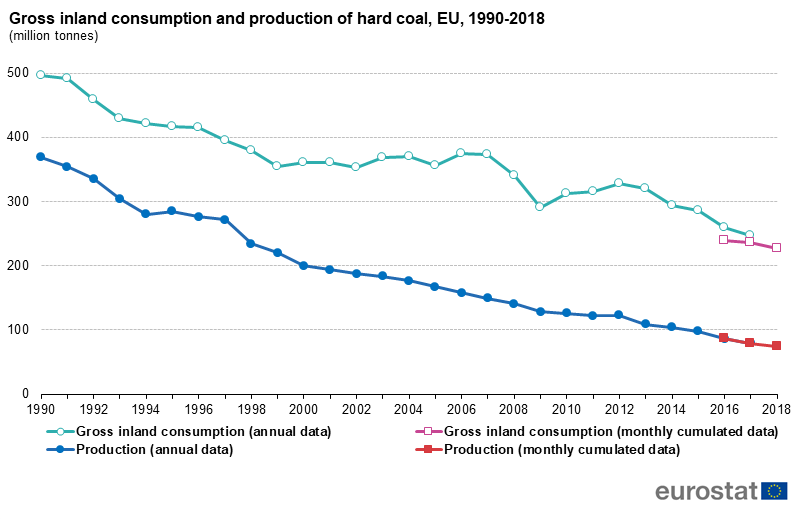
China and other countries could be planning to build more coal plants to stimulate their economies in the wake of the novel coronavirus pandemic but nearly half of global coal plants will run at a loss this year, research showed on Wednesday. [...] Global coal use in electricity generation must fall by 80% below 2010 levels by 2030 to limit global warming, according to the U.N.’s Intergovernmental Panel on Climate Change.
-
'A disastrous situation': mountains of food wasted as coronavirus scrambles supply chain (Guardian)
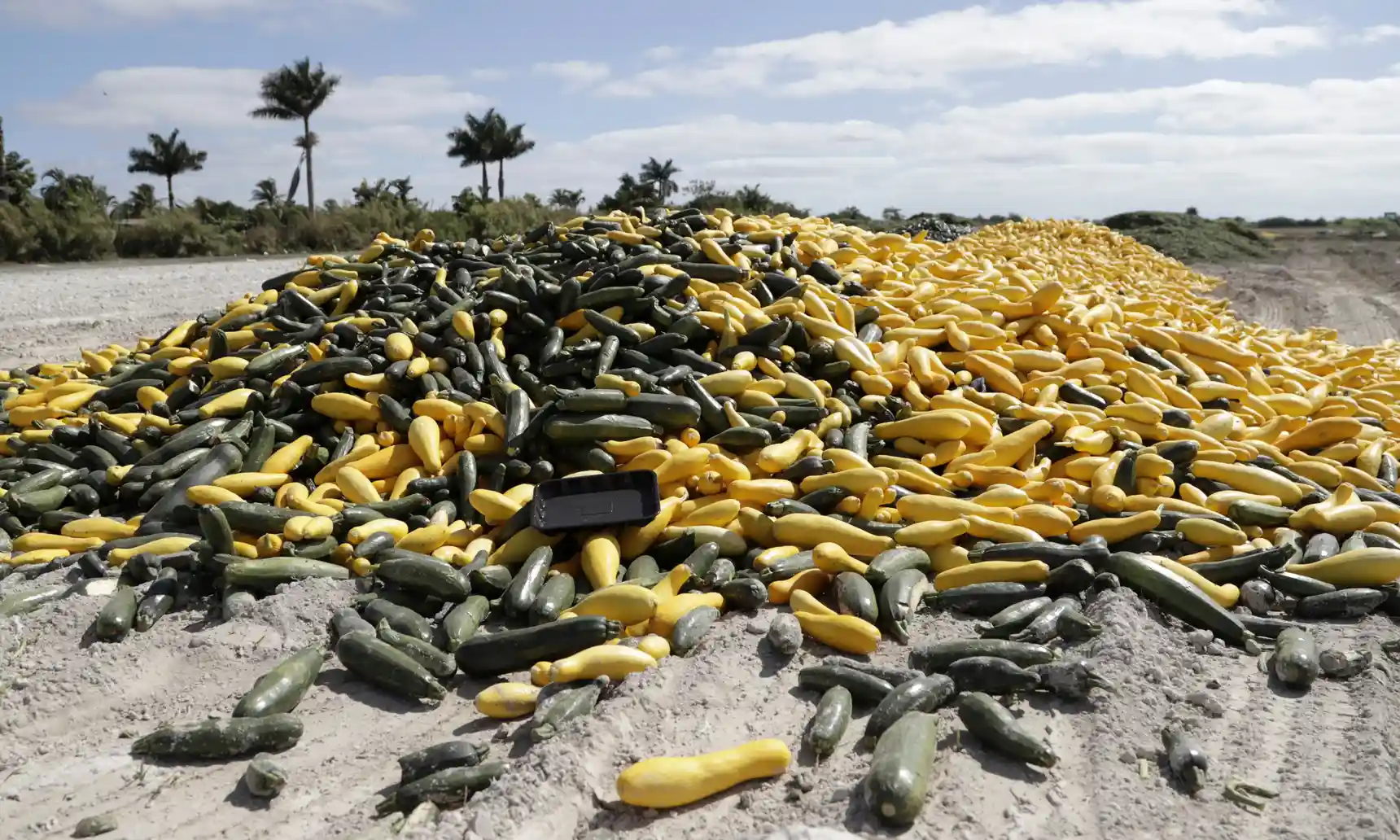
Billions of dollars worth of food is going to waste as growers and producers from California to Florida are facing a massive surplus of highly perishable items. As US food banks handle record demand and grocery stores struggle to keep shelves stocked, farmers are dumping fresh milk and plowing vegetables back into the dirt as the shutdown of the food service industry has scrambled the supply chain. Roughly half the food grown in the US was previously destined for restaurants, schools, stadiums, theme parks and cruise ships. The impact could be up to $1.32bn from March to May in farm losses alone, according to a National Sustainable Agriculture Coalition report.
-
Record-size hole opens in ozone layer above the Arctic (Guardian)
A rare hole has opened up in the ozone layer above the Arctic, in what scientists say is the result of unusually low temperatures in the atmosphere above the north pole. The hole, which has been tracked from space and the ground over the past few days, has reached record dimensions, but is not expected to pose any danger to humans unless it moves further south. If it extends further south over populated areas, such as southern Greenland, people would be at increased risk of sunburn. However, on current trends the hole is expected to disappear altogether in a few weeks.
Unusual ozone hole opens over the Arctic (phys.org)
-
Great Barrier Reef Suffers Its Most Widespread Mass Bleaching Event On Record (washingtonpost.com)
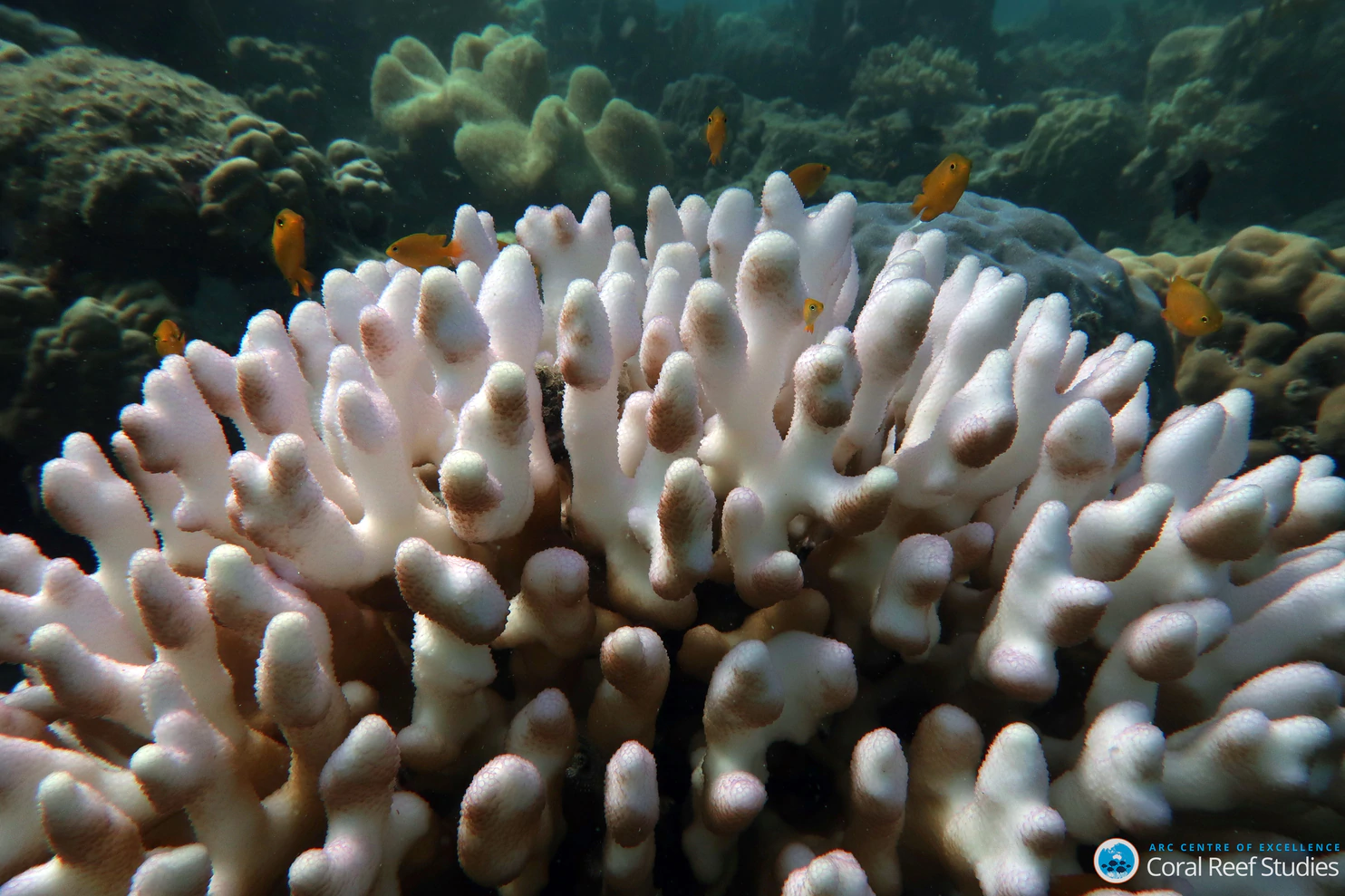
Surveys conducted by scientists at Australia's James Cook University and the Great Barrier Reef Marine Park Authority show that a summer of extreme heat has caused the reef to suffer a mass bleaching of unprecedented scale. Corals from the far north to the southern tip of the 1,400 mile-long ecosystem are experiencing severe impacts. It was also one of the reef's worst mass bleaching episodes in terms of intensity, second only to 2016.
-
Evidence of 90-million-year-old rainforest uncovered beneath Antarctic ice (NBC)
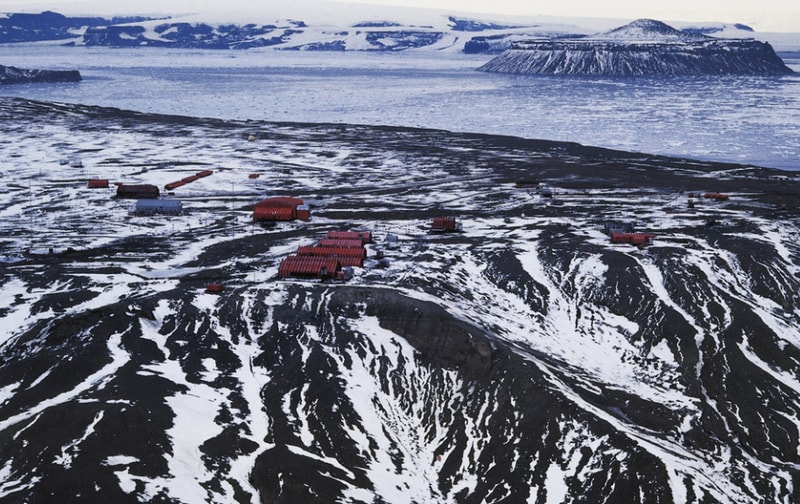
The findings suggest that Earth's southernmost continent was once home to temperate, swampy rainforests teeming with life. The research underscores the dramatic climate changes Earth has undergone in the past - and is currently undergoing today.
-
Report reveals ‘massive plastic pollution footprint’ of drinks firms (Guardian)

"Coca-Cola, PepsiCo, Nestlé and Unilever are responsible for more than half a million tonnes of plastic pollution in six developing countries each year, enough to cover 83 football pitches every day, according to a report."
“Why are we here?”
Plastic… asshole.”
-
Oil demand down 20% globally (Bloomberg)
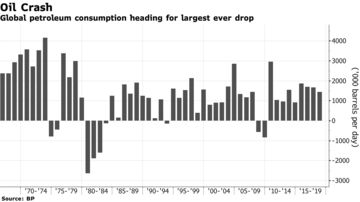
Russell Hardy, CEO of Vitol Group, the world's largest independent oil trader, says global crude demand is down 15-20 million barrels a day (that's 20% of global)
-
China drives first global coal capacity increase since Paris Agreement (eco-business)
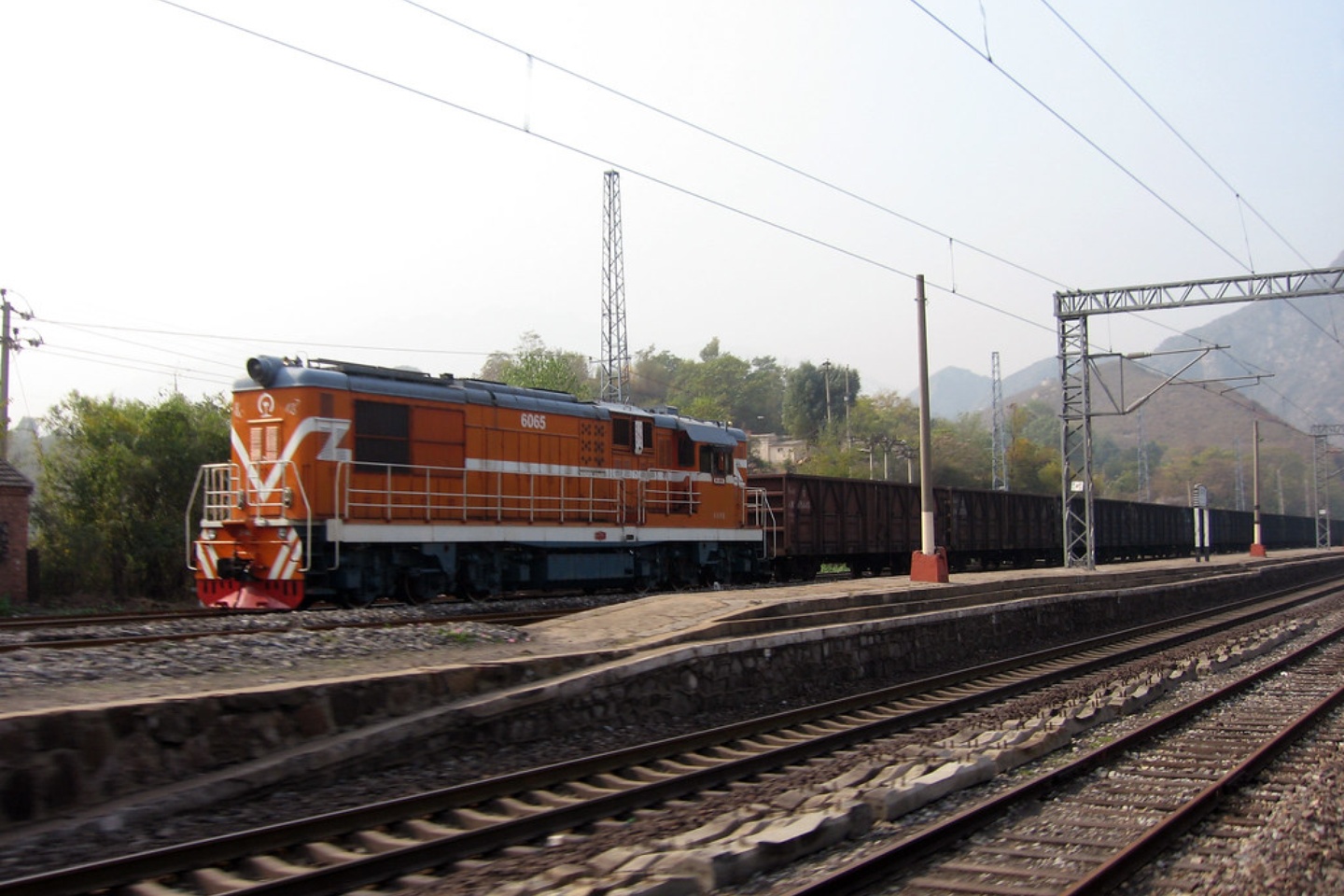
A freight train carrying coal in Shanxi province of northern China. China was behind a climate-crunching increase in coal power capacity in 2019, and the Covid-19 pandemic is likely to make Chinese policymakers determined to see these investments through. But globally the writing is on the wall for the world’s dirtiest fossil fuel as new coal development slumped.
-
Air pollution plunges in European cities amid coronavirus lockdown (jpost)
While early reports of dolphins swimming in Venice were proven false, the European Space Agency reports that air pollution dropped in three cities. "This is a first level estimate; some of these values have gone down by about 40% of the normal value... so a very drastic decrease," Josef Aschbacher, ESA Director of Earth Observation Programmes. "What you really see are the centers of this pollution… It is quite a good first level indicator of anthropogenic pollution coming from traffic and industry," added Aschbacher.