tag > ClimateChange
-
Wann endet Fracking? (When does Fracking come to an end) (Telepolis, DE only)
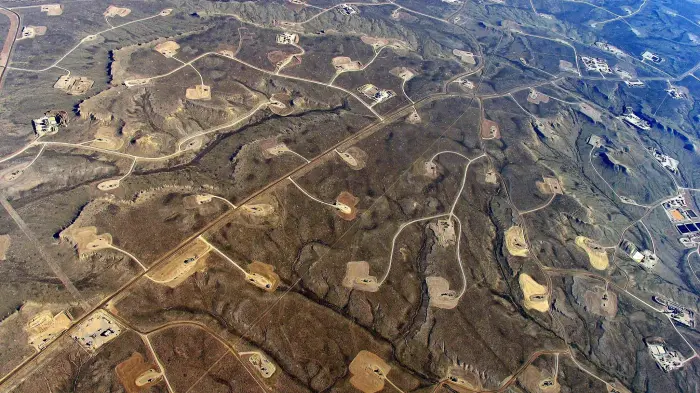
Der Ölpreiskrieg zwischen Russland und Saudi-Arabien könnte das Ende der US-Fracking-Industrie einläuten. Die amerikanische Ölindustrie bereitet sich nicht nur wegen der Corona-Pandemie auf schwere Zeiten vor. Ab dem ersten April werden die seit drei Jahren geltenden Förderlimits der OPEC aufgehoben. Dann dürfen sämtliche Länder soviel produzieren, wie sie wollen. Der aktuelle Preis für ein Barrel Rohöl von 25 US-Dollar könnte unter 10 US-Dollar fallen. Das gilt allerdings als unwahrscheinlich. Für die Frackingindustrie ist selbst der aktuelle Preis viel zu niedrig, um am Leben bleiben zu können.
-
Google details MetNet, an AI model better than NOAA at predicting precipitation (Venturebeat)
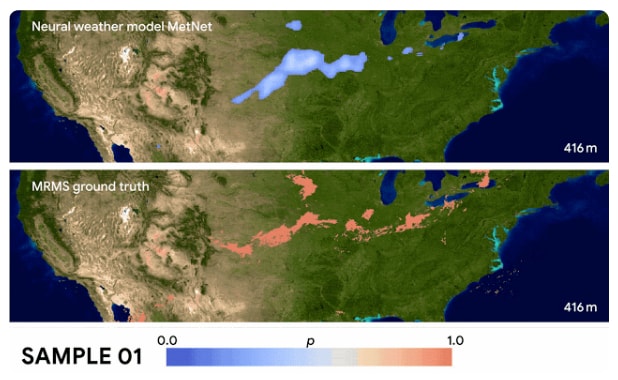
In a blog post and accompanying paper, researchers at Google detail an AI system — MetNet — that can predict precipitation up to eight hours into the future. They say that it outperforms the current state-of-the-art physics model in use by the U.S. National Oceanic and Atmospheric Administration (NOAA) and that it makes a prediction over the entire U.S. in seconds as opposed to an hour.
-
Earth's Soil Could Absorb 5.5 Billion Tonnes of CO2 Annually, if We Get It Right (Nature)
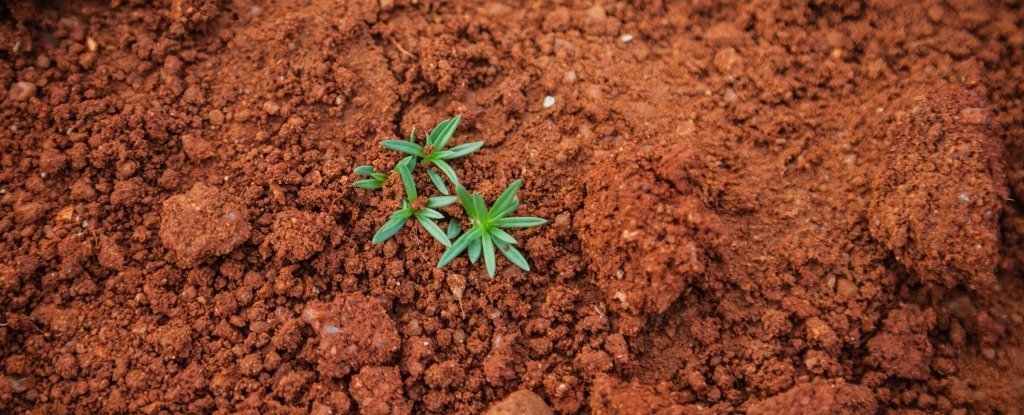
A new paper in the journal Nature Sustainability analysed the potential for carbon sequestration in soils and found it could, if properly managed, contribute a quarter of absorbtion on land. The total potential for land-based sequestration is 23.8 gigatonnes of CO2-equivalent, so soil could in theory absorb 5.5 billion tonnes annually. Most of this potential, around 40%, can be achieved simply by leaving existing soil alone - that is, not continuing to expand agriculture and plantation growth across the globe.
The Diversity of Tropical Forest Carbon Sinks Is More Complicated Than We Thought (IIASA)

Tropical forest ecosystems are an important part of the global carbon cycle as they take up and store large amounts of CO2. It is however uncertain how much these forests’ ability to take up and store carbon differ between forests with high versus low species richness. New IIASA research sheds light on this question aiming to enhance our ability to predict tropical ecosystems’ strength as global carbon sinks. Paper: Shedding light on how much carbon tropical forests can absorb (2020, IIASA)
-
Greenland's melting ice raised global sea level by 2.2mm in two months (Guardian)
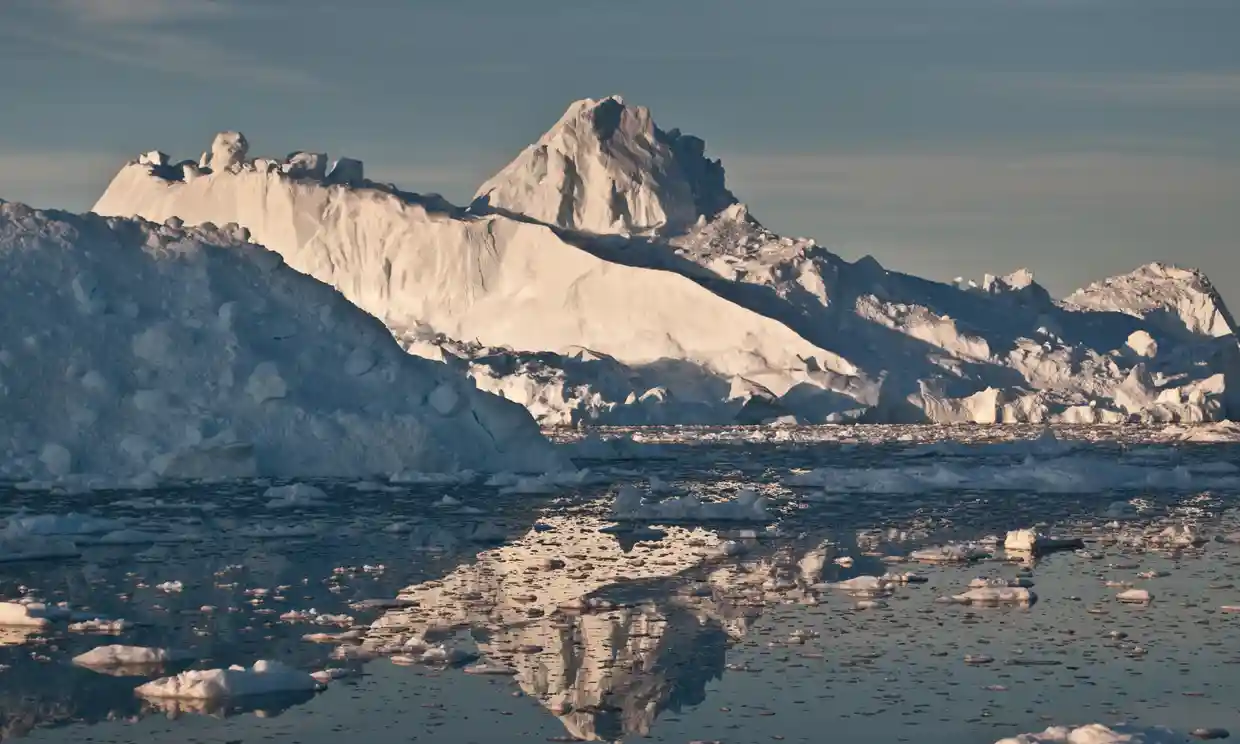
Last year’s summer was so warm that it helped trigger the loss of 600bn tons of ice from Greenland – enough to raise global sea levels by 2.2mm in just two months, new research has found. Last year was the hottest on record for the Arctic, with the annual minimum extent of sea ice in the region its second-lowest on record.
-
Climate change: The rich are to blame, international study finds (BBC)
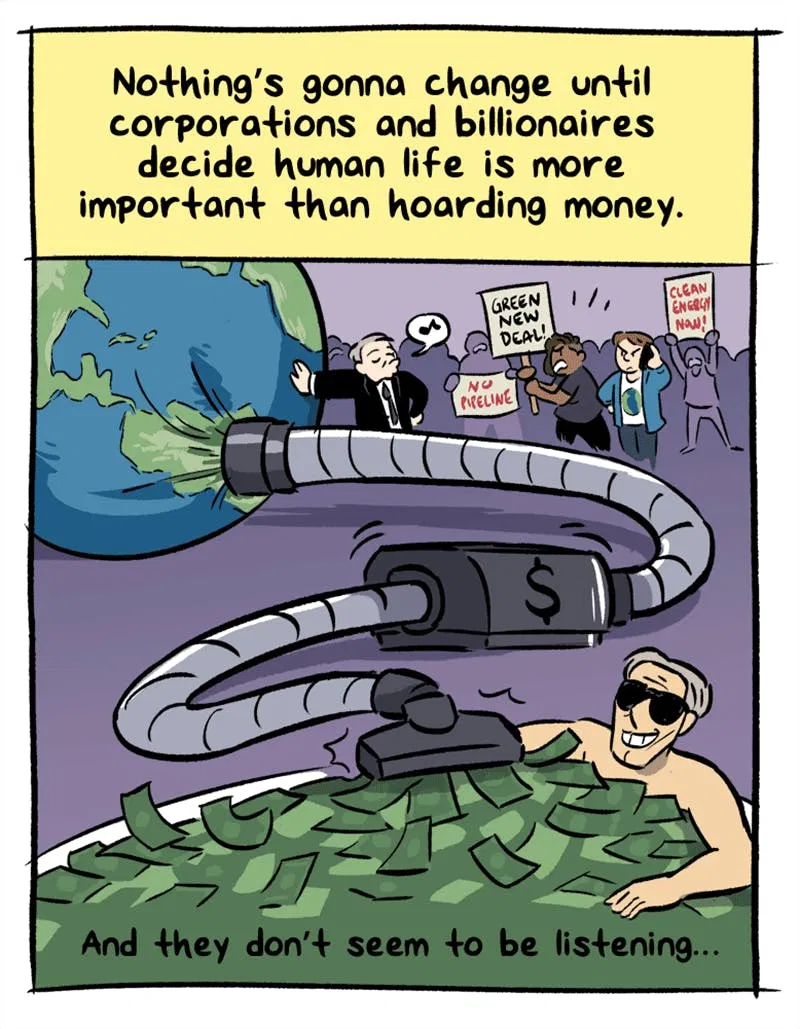
The rich are primarily to blame for the global climate crisis, a study by the University of Leeds of 86 countries claims. The wealthiest tenth of people consume about 20 times more energy overall than the bottom ten, wherever they live. The gulf is greatest in transport, where the top tenth gobble 187 times more fuel than the poorest tenth, the research says. That’s because people on the lowest incomes can rarely afford to drive. The researchers found that the richer people became, the more energy they typically use. And it was replicated across all countries. And they warn that, unless there's a significant policy change, household energy consumption could double from 2011 levels by 2050. That's even if energy efficiency improves.
-
Coronavirus: nitrogen dioxide emissions drop over Italy (ESA)
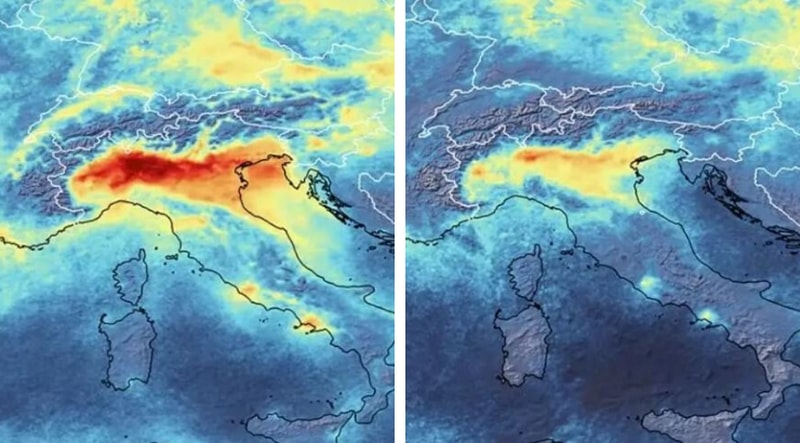
New data from the Copernicus Sentinel-5P satellite reveal the decline of air pollution, specifically nitrogen dioxide emissions, over Italy. This reduction is particularly visible in northern Italy which coincides with its nationwide lockdown to prevent the spread of the coronavirus.
-
Above-average February temperatures set over 1,000 new records in US alone (Yahoo)
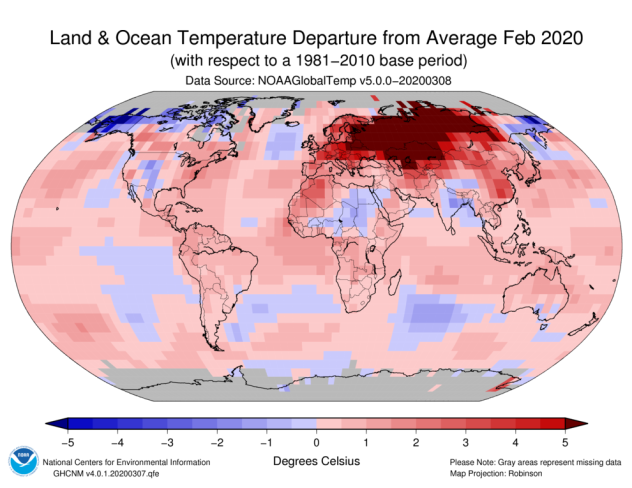
After delivering waves of springlike temperatures across the globe and even toppling a few daily highs, February 2020 ranked globally as the second warmest on record, which date back to 1880. The month's global land and ocean surface temperature departure from average measured 1.17 degrees Celsius (2.11 F) above the 20th century average, according to the NOAA's Climate Report.
-
London’s Trees Are Saving the City Billions (citylab)

#Comment: Why is the "saving money" perspective used so frequently when talking about nature ("nature based services" etc.)? Do these foolish people really not comprehended, that the notion that "Nature = Money" is at the very core of the problem they pretend to address?
#Regenerative #Urban #Infrastructure #Economics #ClimateChange
-
Europe Wants a ‘Right to Repair’ Smartphones and Gadgets (nytimes)
The European Union announced an ambitious plan on Wednesday that would require manufacturers of electronic products, from smartphones to tumble driers, to offer more repairs, upgrades and ways to reuse existing goods, instead of encouraging consumers to buy new ones. The “right to repair,” part of a wide-ranging policy package known as the Green Deal that was introduced this month, is the latest example of the European Union’s ambitions to promote more sustainable economic growth and to prevent waste.
-
Climate change is only half the problem. We’re destroying the Earth’s layer of life
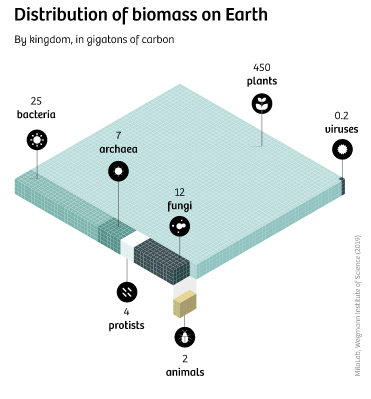
Along with the climate crisis, the disappearance of non-human life is our most pressing problem. To fully understand how big the problem is, we need to think of this loss in terms of biomass instead of the number of species.
We cannot live on a dead planet. But it’s unknown how much non-human life we really need for Homo sapiens to survive. If people can manage in martian base camps with tanks of tilapia and a few green plants, a great deal more can be destroyed before our planet becomes truly unliveable.
But is that a life still worth living?
-
Coronavirus has disrupted supply chains for nearly 75% of U.S. companies (axios)
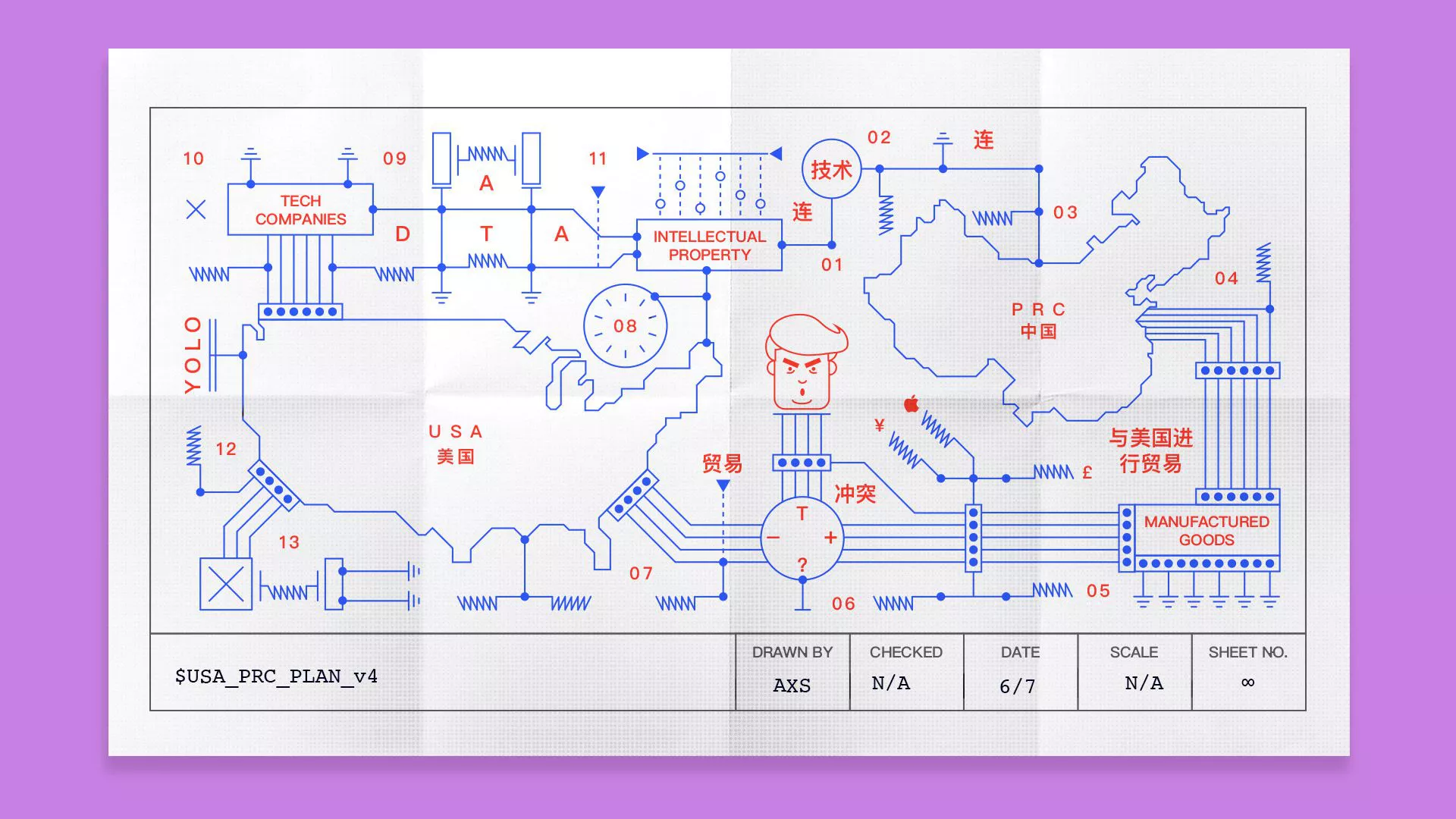
- Manufacturers in China report operating at 50% capacity with 56% of normal staff.
- More than 44% of respondents said they did not have a plan in place to address supply disruption from China.
- Six in 10 (62%) respondents are experiencing delays in receiving orders from China.
- More than half (53%) are having difficulty getting supply chain information from China.
#Comment: It is high time for the global community to take alternative, resilient bioregional supply chains much more serious. Scale out, not Scale up.
-
Global Electricity Review 2020 - by ember
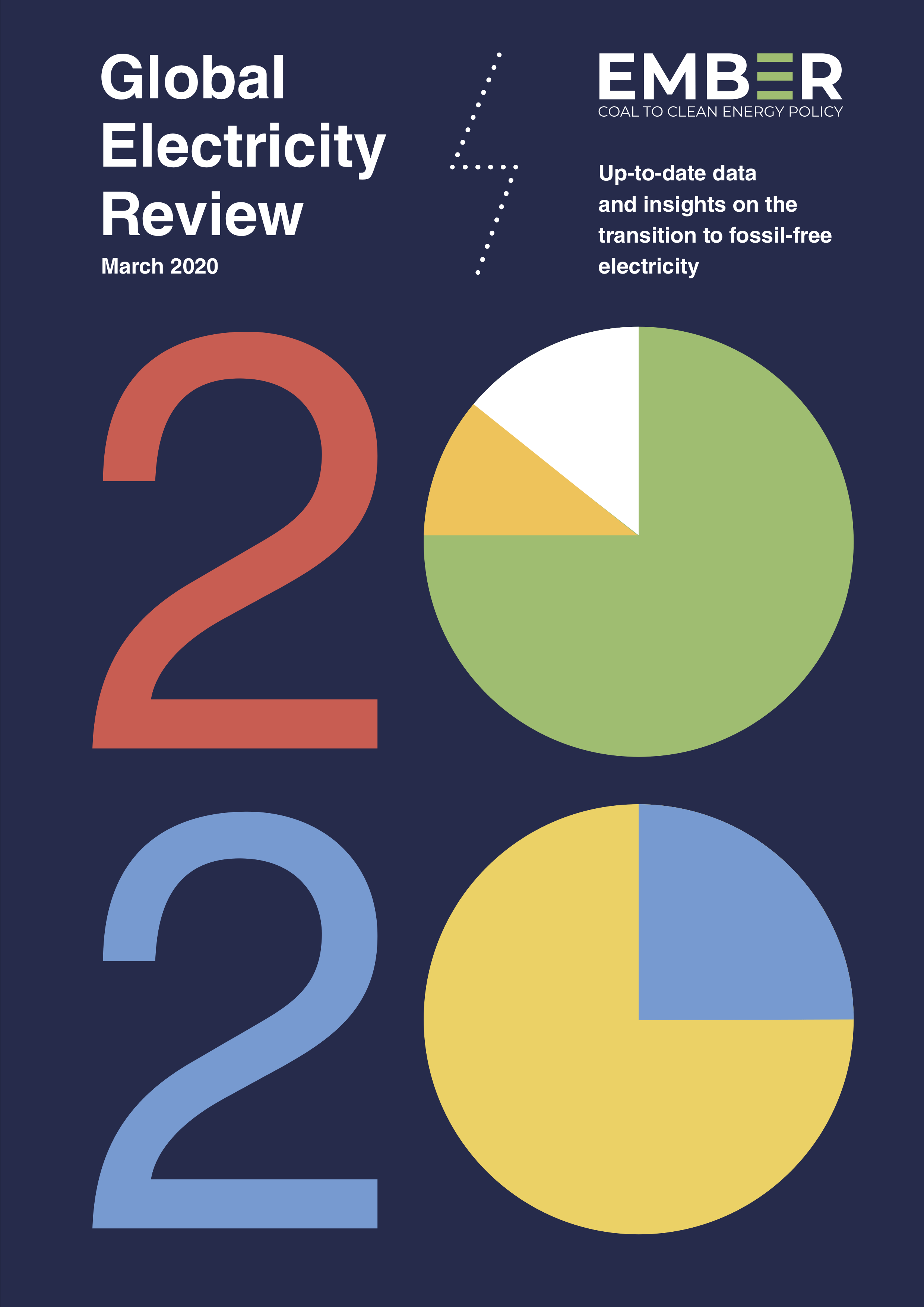
Key finding 1: Global coal-fired electricity generation fell by 3% in 2019, leading to a 2% fall in CO2 power sector emissions.
2: But falling coal generation is not yet the “new normal”, which means limiting climate change to 1.5 degrees is looking extremely difficult.
3: Wind and solar generation rose by 15% in 2019, generating 8% of the world’s electricity.
4: The US coal collapse is undermined by a switch to gas, whereas the EU is leapfrogging from coal to wind and solar. -
Trend Forecaster Li Edelkoort: Coronavirus Offers Planet Chance For Restart

A security guard standing in an empty shopping mall in Beijing during the current coronavirus epidemic (Source: Kevin Frayer / Getty Images) The coronavirus outbreak, now declared a global pandemic, will eventually enable humanity to reset its values for the benefit of the planet, said top trend forecaster Li Edelkoort. In an interview with Dezeen, Edelkoort said that the coronavirus is now causing a “quarantine of consumption” that will usher in a “better system” for the environment and people. Her views are echoed by climate activists, who are saying that much of the response to the coronavirus has been quick, decisive and drastic, proving that world governments can and do have the capacity to bring about the necessary changes to fight the similarly urgent issue of the climate emergency.
-
Empty Skies. The Corona Virus is "helping" humans reach climate change targets much faster...
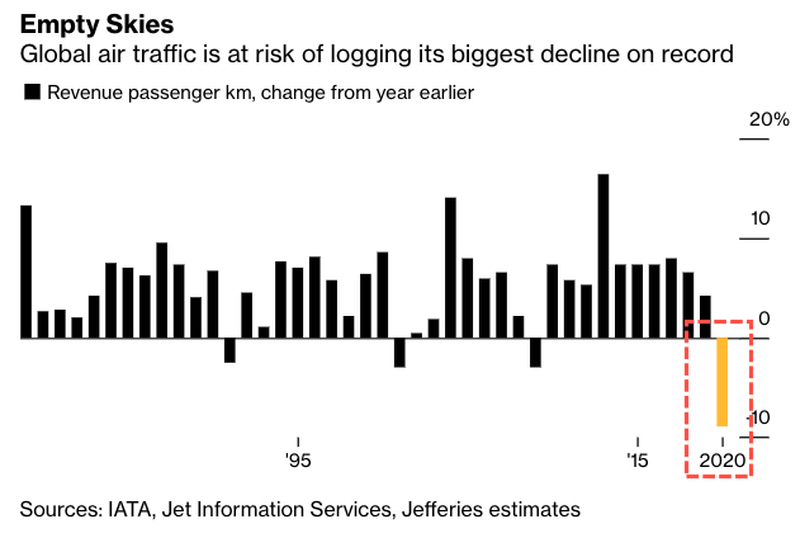
Related: Norwegian Air Suspends 4,000 Flights, Cuts Half Its Employees
-
China and Russia band together on controversial heating experiments to modify the atmosphere (SCMP, 2018, alt)
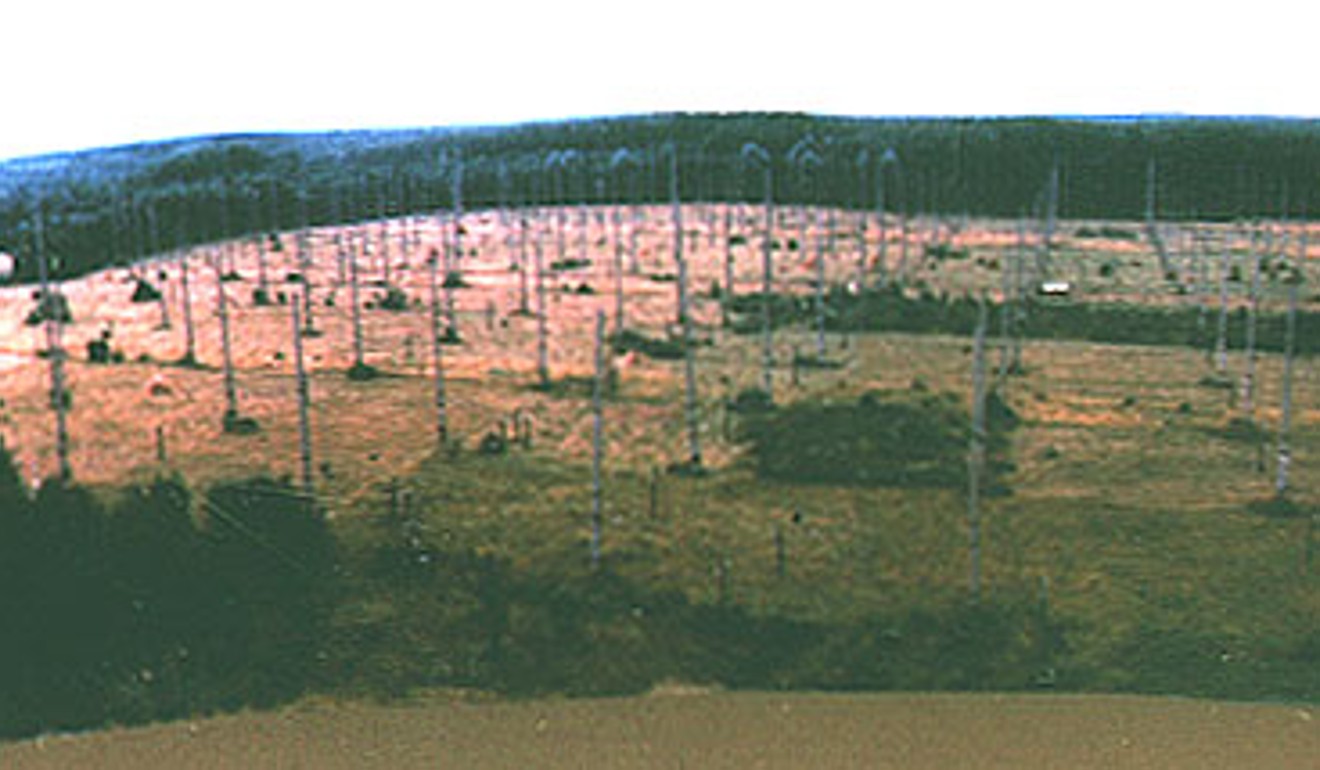
The countries are testing a technology for possible military application, say Chinese scientists involved in the project. Militaries have been in a race to control the ionosphere, which allows radio signals to bounce long distances for communication, for decades.
China needs more water. So it's building a rain-making network three times the size of Spain (SCMP, 2018, alt)
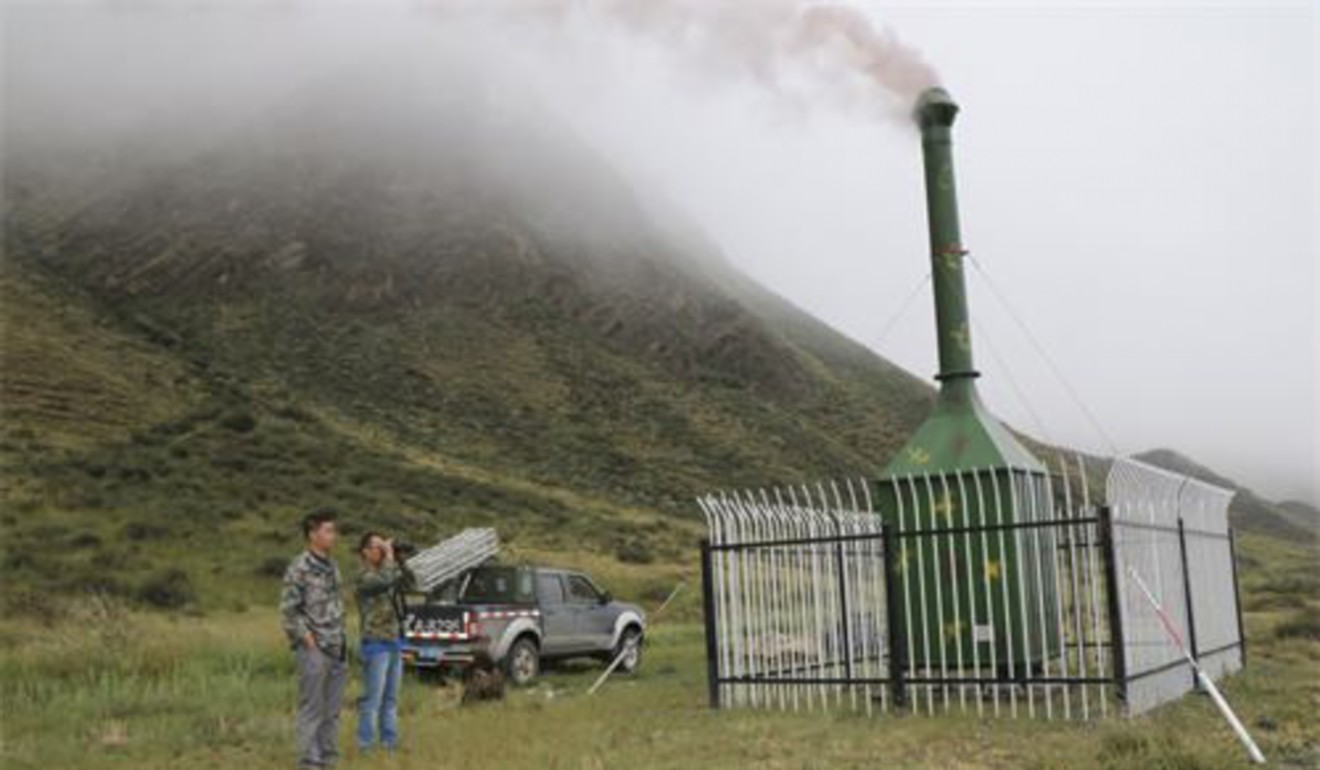
China is building the foundations of what will become the largest artificial rain experiment in history, in an attempt to induce extra rainfall over the Tibetan Plateau. The project will see tens of thousands of fuel-burning chambers installed across the Tibetan mountains, with a view to boosting rainfall in the region by up to 10 billion cubic metres annually. The plan is to bring extra rain to a massive area spanning some 1.6 million square kilometres.
Tianhe Project proposes 'air corridor' to advance cross-regional water diversion (people.cn, 2016)
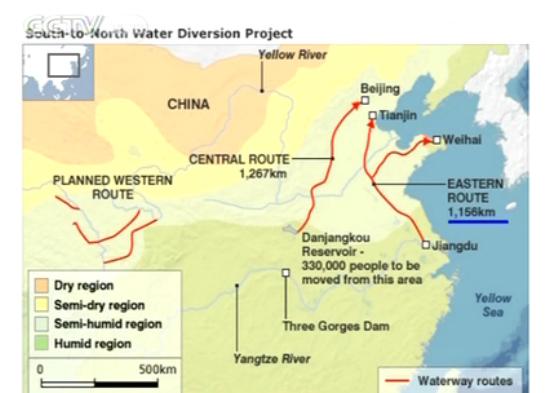
"Once the Tianhe Project is completed, it will be possible to transfer water in the air via an ‘air corridor.' [The corridor] will be formed as part of the South-to-North Water Diversion project," said Wang Guangqian, an academician with the Chinese Academy of Sciences (CAS) and president of Qinghai University.The atmospheric boundary layer and the troposphere form a passage through which water vapor can be transported in a stable and orderly way. The passage can be regarded as "tianhe" (literally, a river in the sky).
China’s new Extremely Low Frequency (ELF) Transmitter is FIVE times the size of New York City (SCMP, 218)
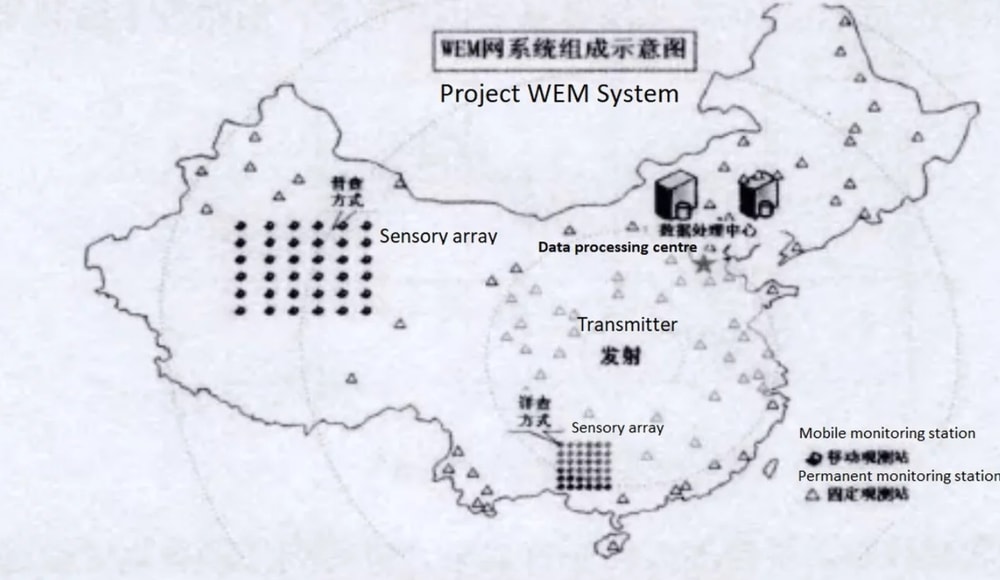
Work to build facility was 13 years in the making, but some researchers have expressed concern about exposure to extremely low frequency waves. Project WEM will be able to communicate with submarines under the water, reducing need for them to surface.
See this Video and Blog post covering (Chinese) weather modification project and this more recent video.
-
Is The U.S. Shale Boom Over? Four Major Threats To The Fracking Revolution (investors.com)
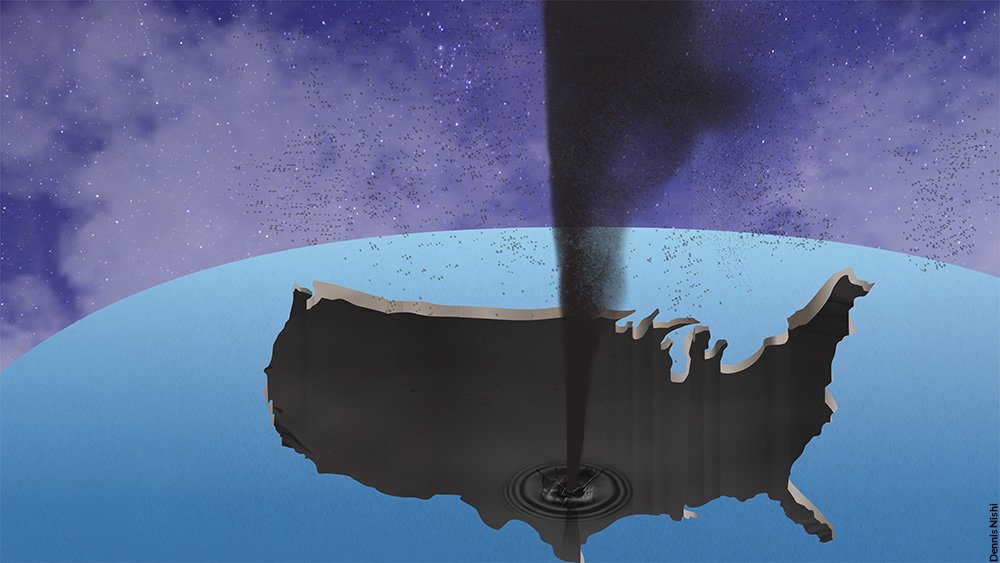
The U.S. is awash in cheap shale oil and gas. After decades of declining U.S. oil output, the fracking revolution unlocked vast oil and gas deposits and made America the world's No. 1 oil producer. Yet just as Americans have begun to take cheap energy for granted, the U.S. shale boom's next act looks uncertain. Political, financial, technological and geological pressures are closing in.
-
Putin signs Arctic master plan - The strategic document paves way for a massive industrialization of the country's far north.
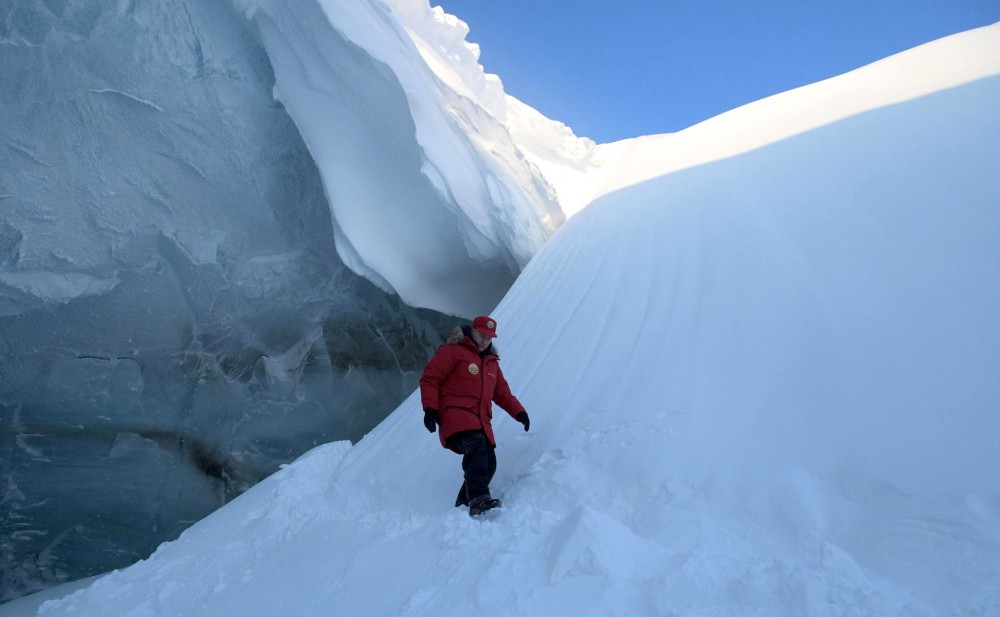
Putin in deep snow. Photo: Kremlin.ru
"The document covers the period until year 2035. It was approved by government and the national Security Council in late 2019. The new strategic plan pinpoints the country’s key national priorities in the Arctic. It strengthens national sovereignty and territorial integrity, promotes peace, stability and mutually beneficial partnerships, and highlights high life standards for the regional population."
-

This study reviewed 147 life cycle studies, with 28 found suitable for harmonizing food waste management methods’ climate and energy impacts. A total of 80 scientific soil productivity studies were assessed to rank management method soil benefits. Harmonized climate impacts per kilogram of food waste range from −0.20 kg of carbon dioxide equivalents (CO2e) for anaerobic digestion (AD) to 0.38 kg of CO2e for landfill gas-to-energy (LFGTE).