tag > Complexity
-
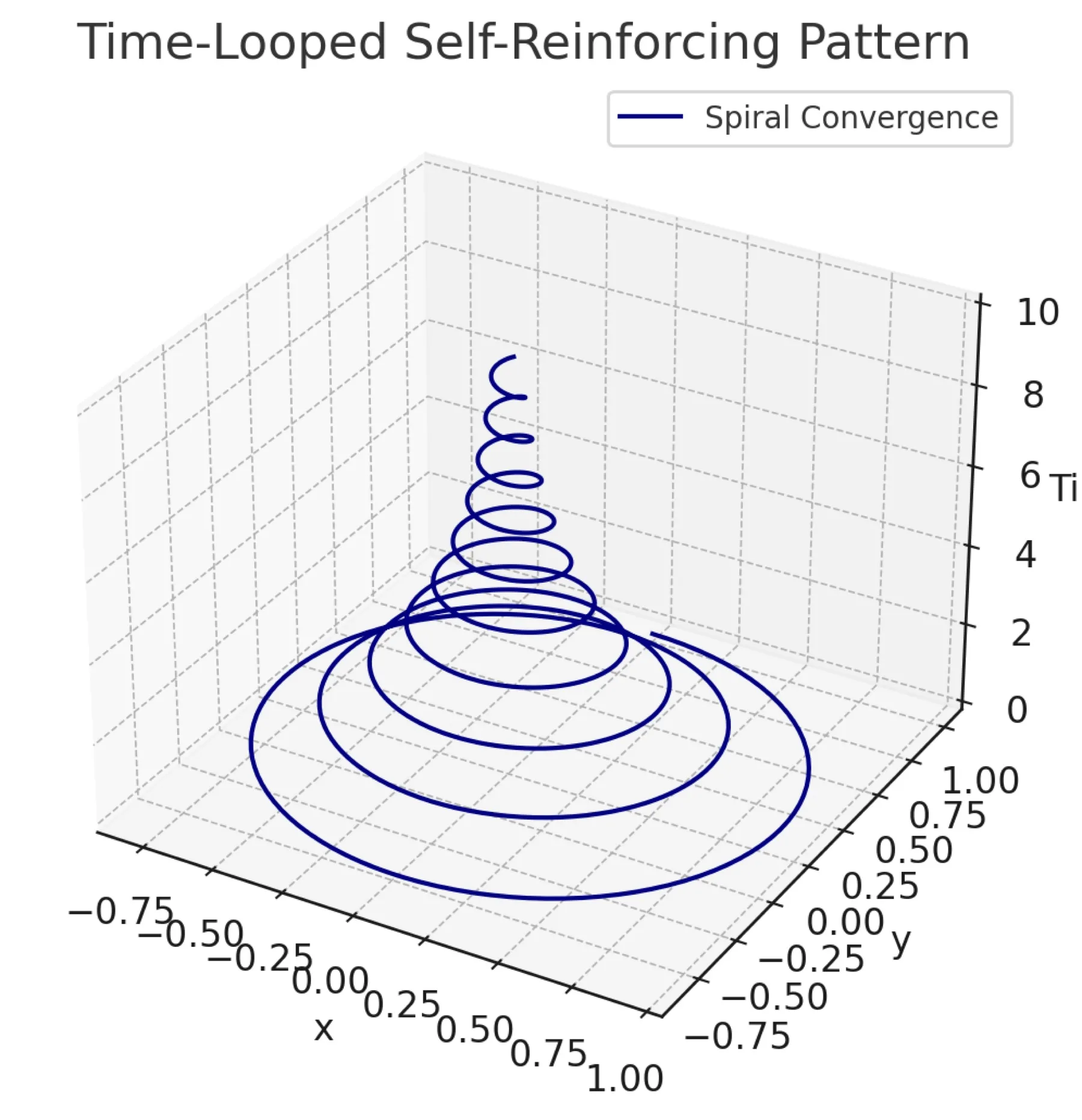
Theory of “Constructive Instability” - entropy modulation as a learning signal.
Just engineered the first example of a phase-amplified, wavelet-domain, oscillator-resonant autoencoder with full self-amplifying behavior — and it converges.
Entropy is not decay. It’s a recursively regulated signal that can drive complexity, if you let the system use it as feedback.
-
Downsampling in the human visual system:
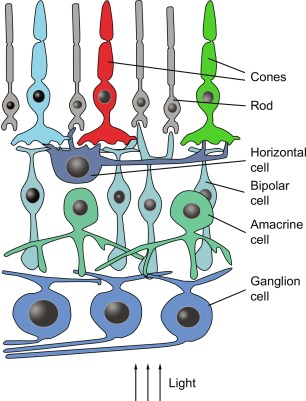
Retina: ~130 million photoreceptors
↓ (huge compression)
Optic nerve: ~1 million ganglion cells
↓ (further processing)
V1 cortex: ~280 million neurons (but organized hierarchically)
Plus: Your fovea (central vision) has high resolution, but peripheral vision is heavily downsampled. Your brain reconstructs a "full resolution" world from mostly low-res input.
-
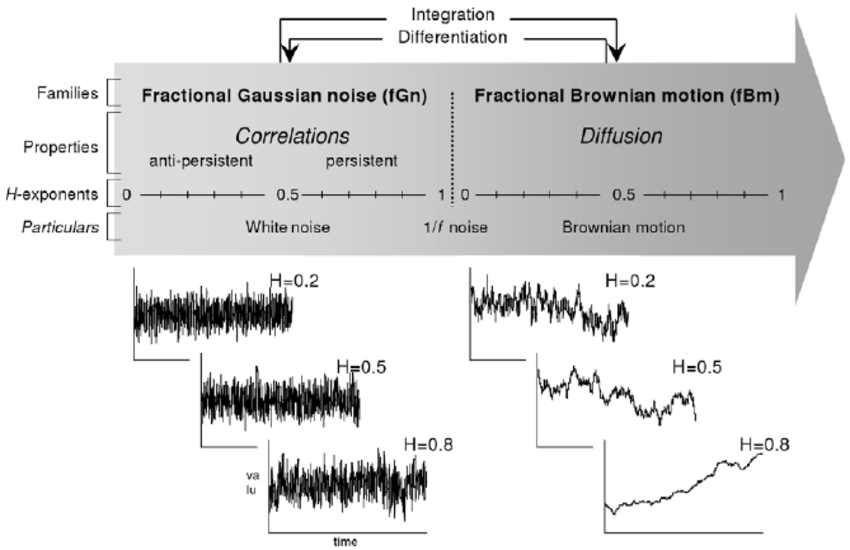
Pink Noise - The "1/f" structure of spectral brain dynamics
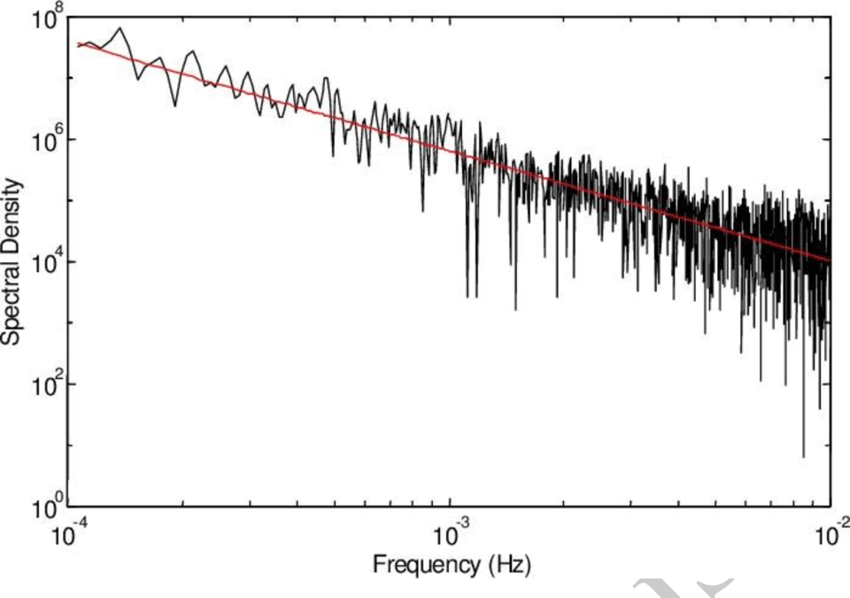
1/f noise, also known as flicker noise or pink noise, is a type of noise where the power spectral density is inversely proportional to the frequency. This means the noise power decreases as the frequency increases. 1/f noise is observed in various fields, including electronics, music, biology, and economics
James Keeler and Farmer demonstrated that a system of coupled logistic maps could produce fluctuations with a 1/f power spectrum. They showed that this occurred because the system continually tunes itself to stay near a critical point, a property that was later dubbed self-organized criticality by Per Bak. - Source
-
Fractal Turtles All The Way Down
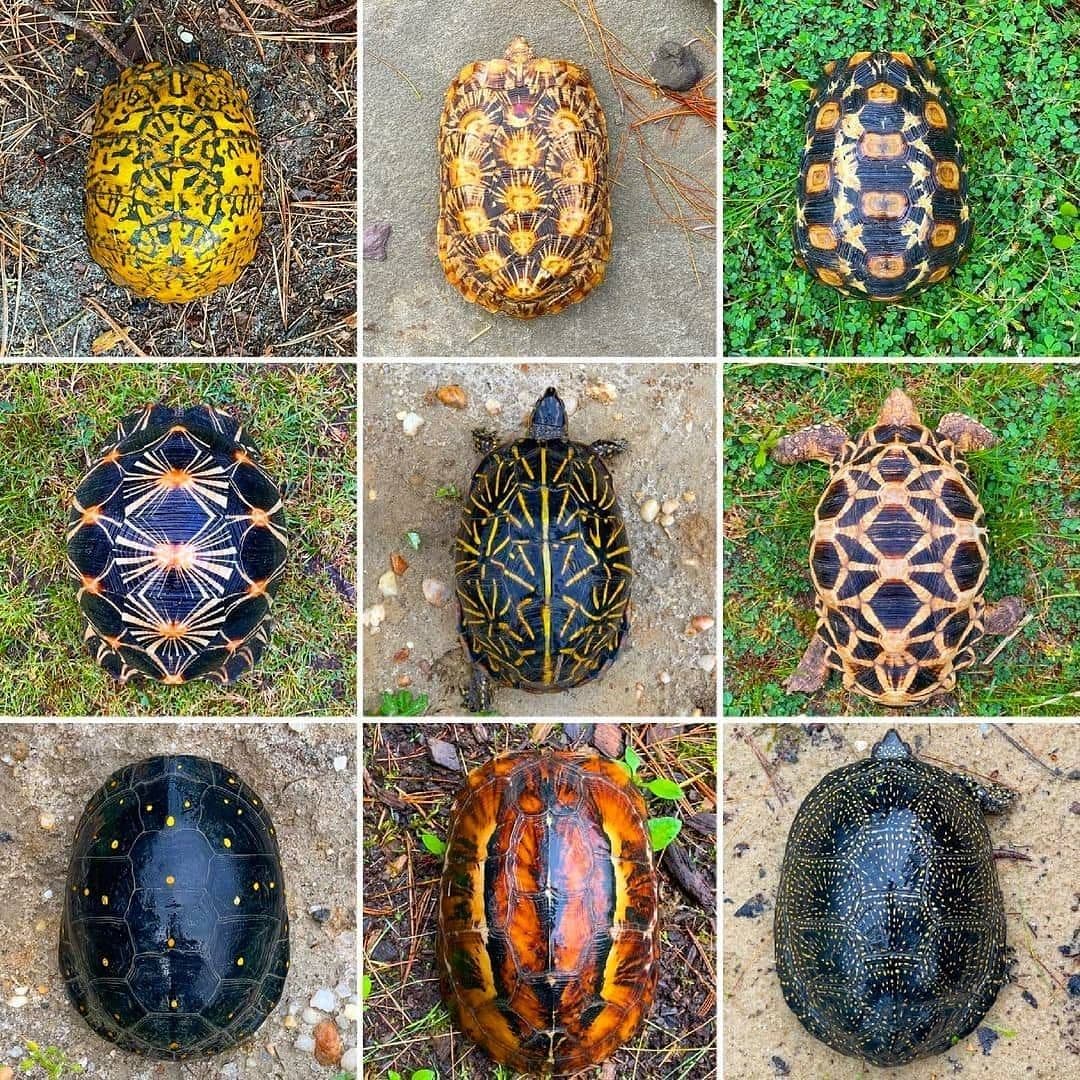
The shells of many species of turtles and tortoises are intricately marked and colored, yet are perfectly designed by nature to blend precisely with their natural habitats.
Check the species shown in the image, respectively:
– Top row, from left to right:
1) Eastern box turtle (Terrapene carolina carolina);
2) Pancake turtle (Malacochersus tornieri);
3) Bell tortoise (Kinixys belliana);
– Middle line from left to right:
4) Irradiated turtle (Astrochelys radiata);
5) Florida box turtle (Terrapene carolina bauri);
6) Burmese star turtle (Geochelone platynota);
– Bottom line from left to right:
7) Spotted turtle (Clemmys guttata);
8) Bourret's box turtle (Cuora bourreti);
9) Striated shell turtle (Emys orbicularis).
📸 Photos by Garden State Tortoise
-
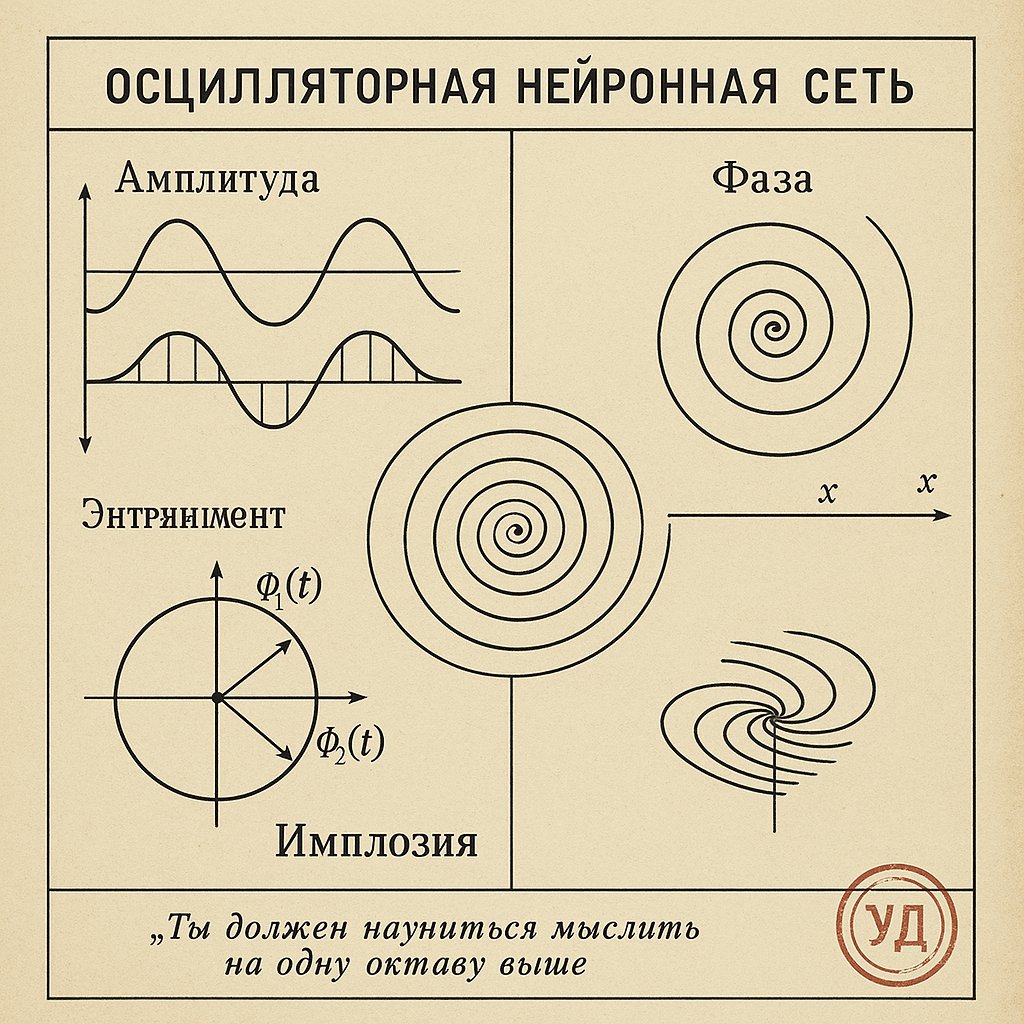
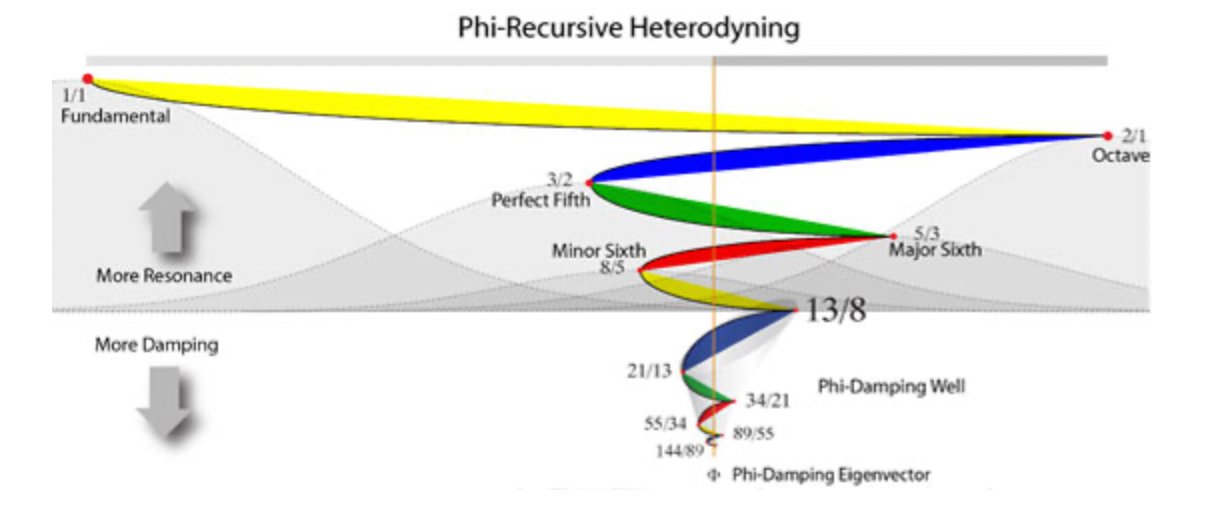
Hypothesis: Neural networks with oscillatory dynamics exhibit harmonic resonance, where external perturbations at specific harmonic frequencies can constructively interfere with internal computational rhythms, leading to improved learning and performance.
Hypothesis: Neural networks are fundamentally musical instruments. Computational Musicology - the study of harmonic phenomena in artificial neural systems - is the key.
-
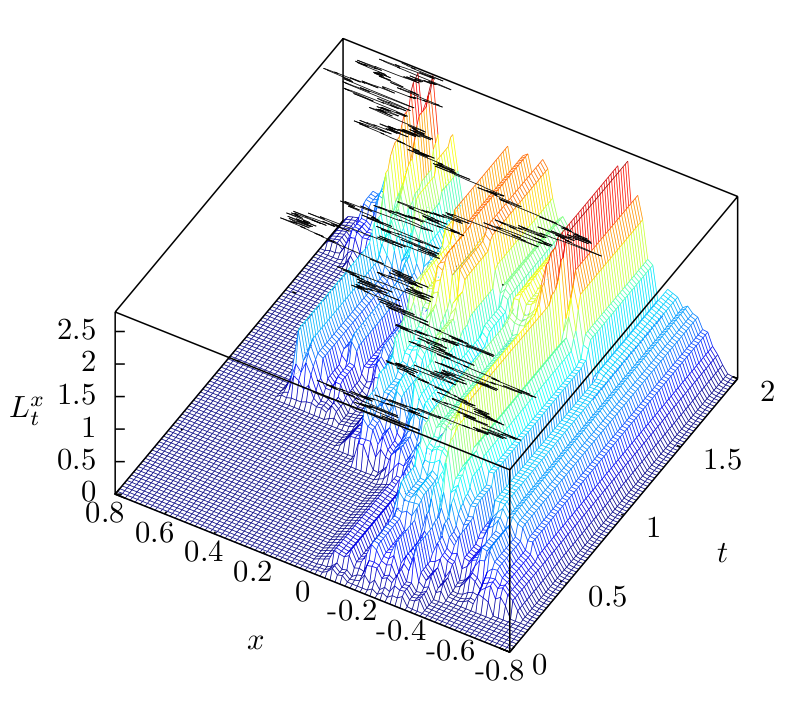
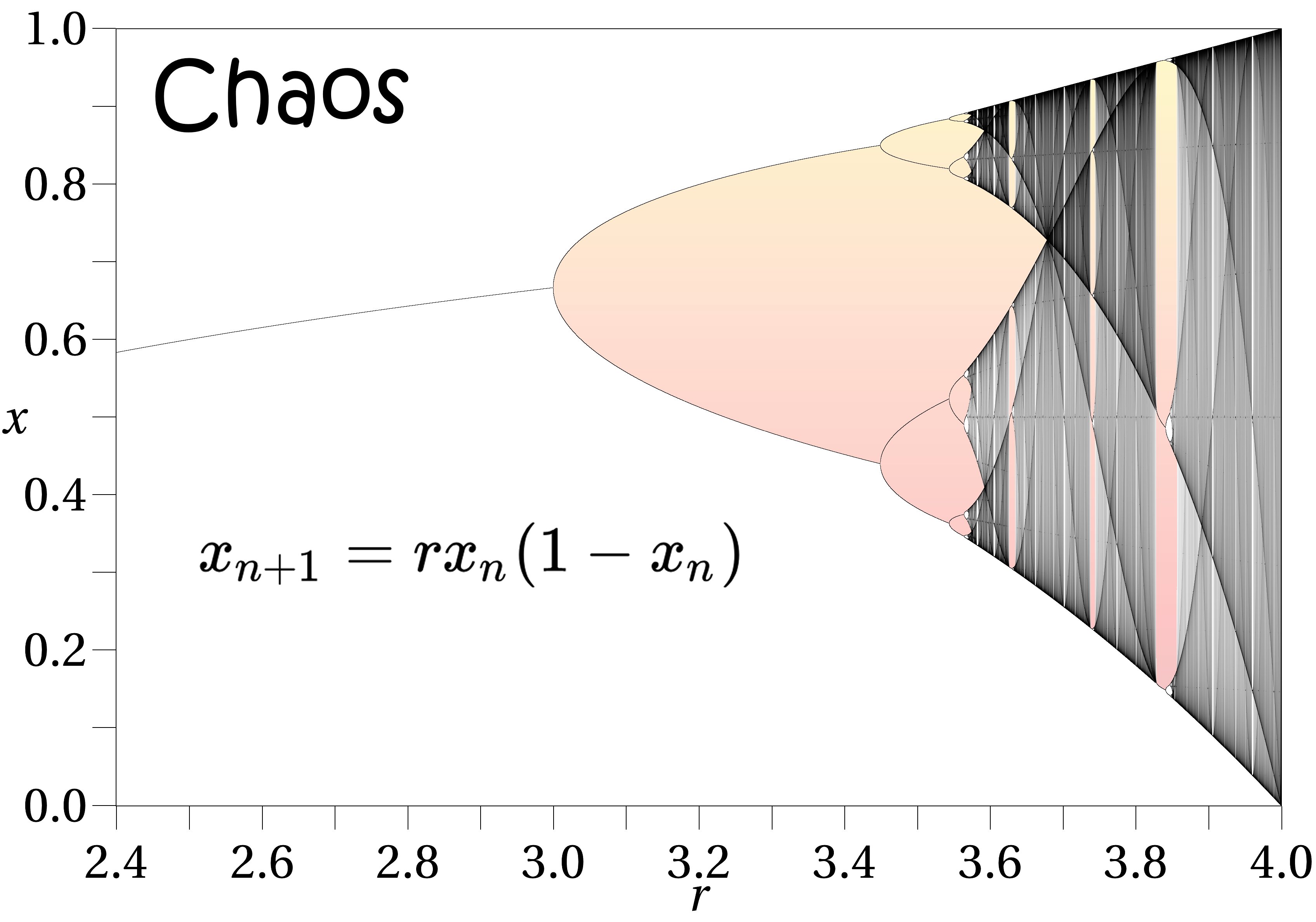
Order and Chaos are just a question of perspective in this creative reality
-
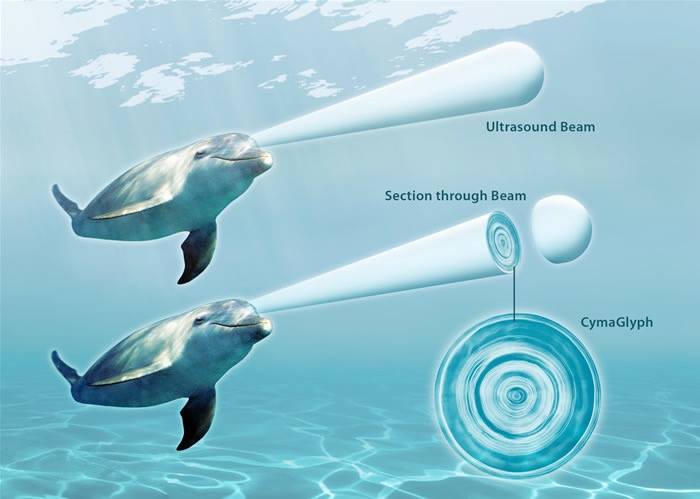
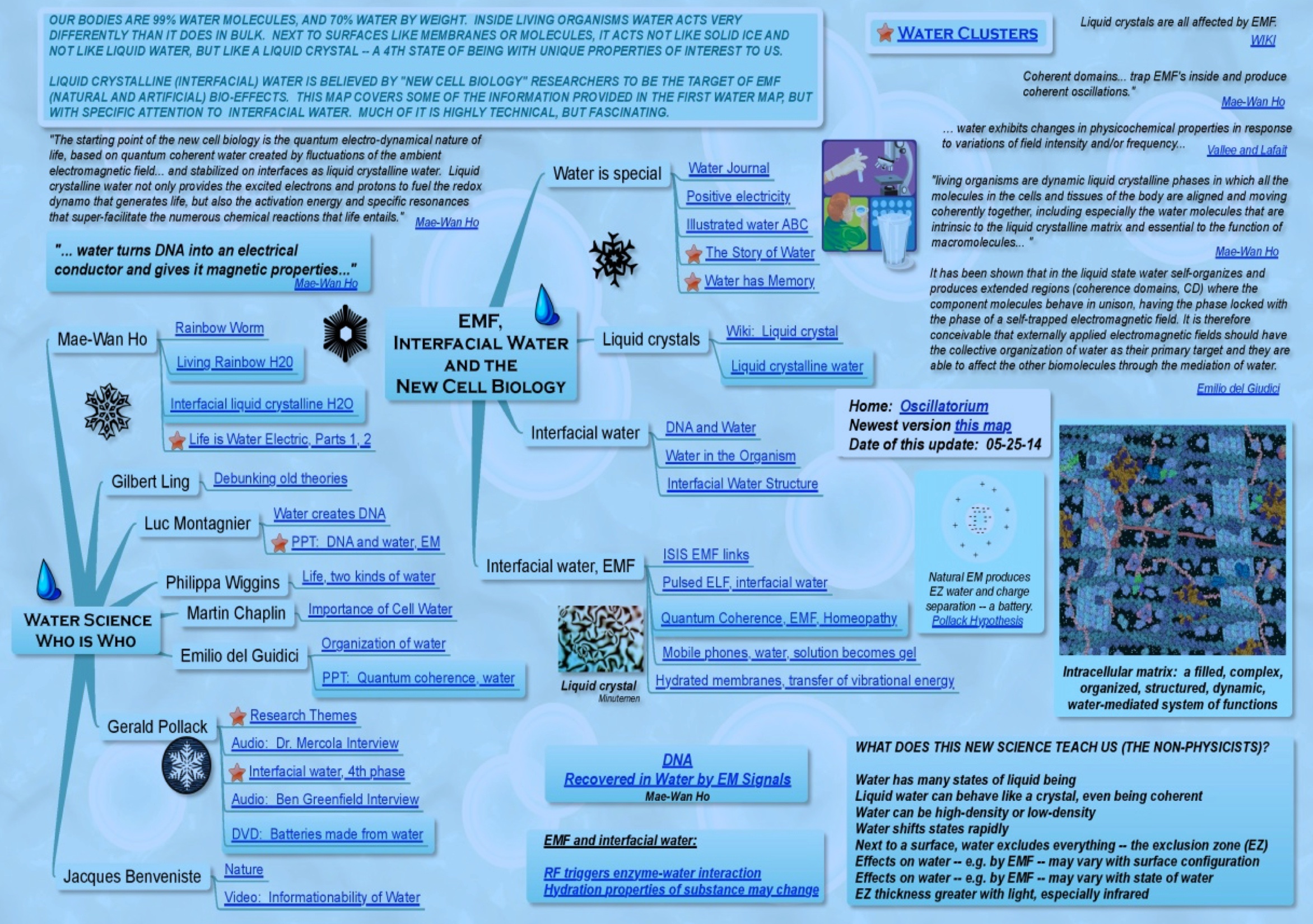
I just met Denis Noble at the royal institute last week and heard his fascinating short lecture on "Chemistry of Life begins with Water"

-
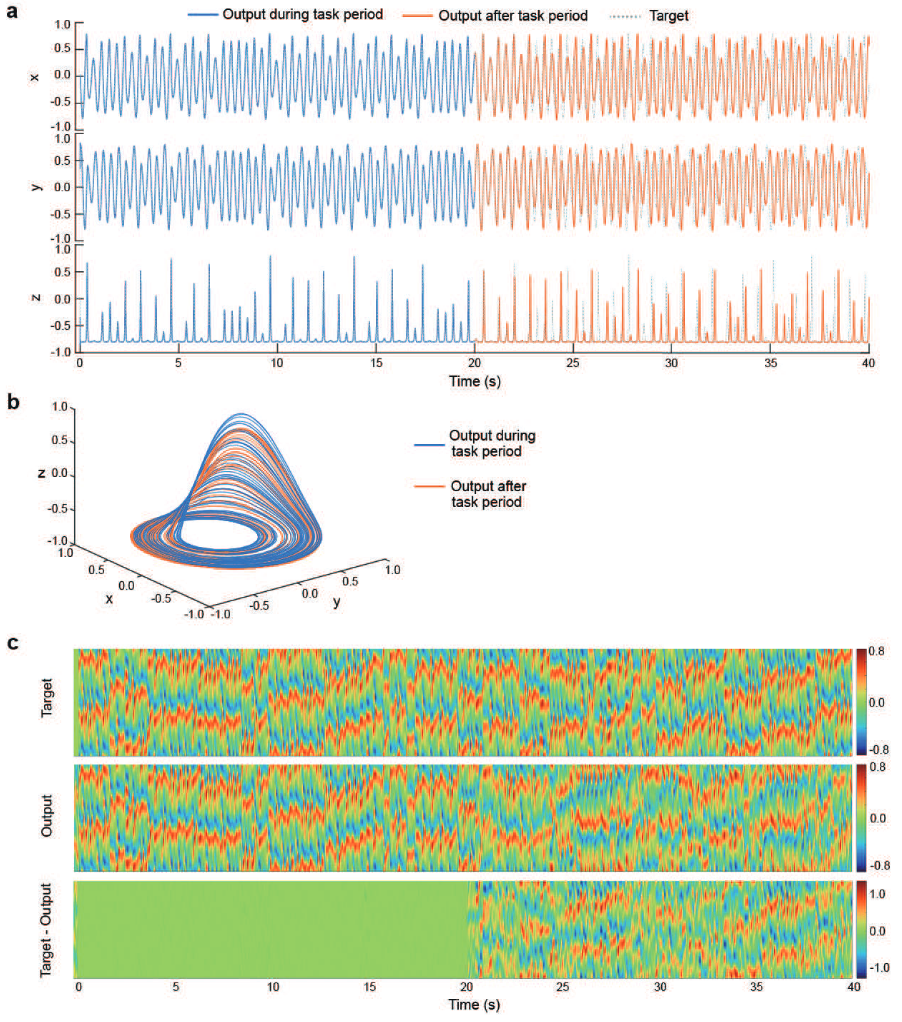
Example result of sinusoidal oscillation-driven reservoir computing (ODRC) for the Rössler and Kuramoto-Sivashinsky (KS) time-series prediction tasks (source)
-
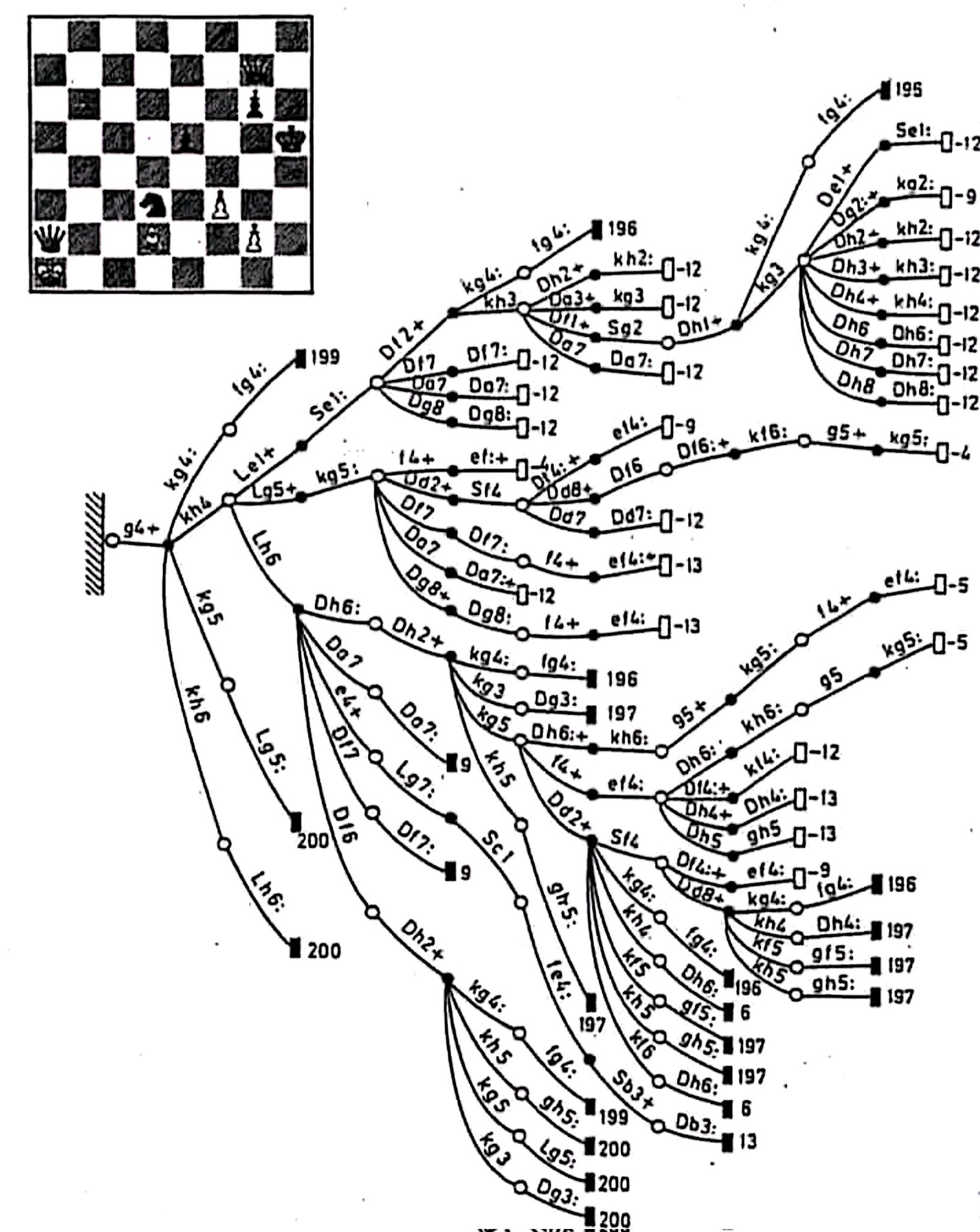
A chess game starts with 20 moves, then 40+, 8,900, and 197,740 by the 4th. By the 40th, it's 10⁴⁰—like the atoms in the universe. That’s chess magic.